We present a case of a staged "double switch" complex biventricular repair in a newborn with heterotaxy, dextrocardia [S, L, L], double outlet right ventricle, double outlet left atrium with right-dominant unbalanced complete atrioventricular canal, L-transposition of the great arteries, and aortic arch hypoplasia. A staged double switch approach allowed safe biventricular correction of a rare complex cardiac defect without residual lesions before 1 year of age.
BACKGROUND:Complex biventricular repair (BVR) may have long-term benefits compared to single ventricle palliation. However, in some patients BVR may be deferred due to concerns regarding poor short-term outcomes, re-interventions, and difficult recovery. We aimed to describe procedural and 1-year outcomes in patients undergoing BVR or Fontan operations. METHODS:Between 2023 and 2025, 40 patients previously considered for single ventricle palliation underwent 51 BVR operations, at a median age of 1.1 years. Sixteen BVR patients underwent staged repair, of which 4 are awaiting second stage completion. BVR operations were compared to 155 contemporary Fontan operations (median age 4.2 years) performed between 2018 and 2025. Peri-operative and 1-year outcomes were reported from each group. RESULTS:In the peri-operative period, mortality (0 [0%] vs 8 [5.2%]), length of stay (median 11.0 vs 11.5 days), extracorporeal membrane oxygenation (ECMO) (2 [5%] vs 9 [5.8%]), pacemaker (4 [10%] vs 6 [3.9%]), and reoperation (1 [2.5%] vs 11 [7.1%]) were similar between BVR and Fontan operations. BVR operations were associated with increased ventilator days (median 2.0 vs 0). At 1-year after surgery, all-cause mortality was 0 (0%) for BVR operations and 9 (5.8%) for Fontan operations. Freedom from a composite end-point of mortality, ECMO, heart transplant, pacemaker, and unplanned re-intervention was similar between BVR and Fontan patients at a mean follow-up of 1.4 years for BVR patients. CONCLUSIONS:Despite historical concerns about high procedural morbidity with BVR operations, contemporary short-term outcomes are comparable to Fontan operations in well-selected patients.
BACKGROUND:Determining the optimal surgical approach for complex congenital heart disease (CHD) can be challenging using conventional 2-dimensional transthoracic echocardiography (TTE) and cross-sectional imaging, including cardiac magnetic resonance (CMR) and computed tomography. CASE SUMMARY:An 11-month-old female patient presented with heterotaxy syndrome, dextrocardia, double-outlet right ventricle, and complex pulmonary valve stenosis. Fetal echocardiography and postnatal TTE established the complexity of the cardiac anatomy and led to a multidisciplinary discussion to plan a complex staged cardiac repair. DISCUSSION:Three-dimensional (3D) printed and virtual heart models, along with CMR angiography, provided detailed anatomical visualization and spatial conceptualization, which aided in assessing the feasibility of a staged biventricular repair. Postoperative CMR guided subsequent surgical procedures, evaluated newly created structures such as baffles, and identified complications. TAKE-HOME MESSAGE:This case highlights the critical role of multimodality imaging, including advanced imaging with virtual and 3D printed modeling, in surgical planning in a patient with complex CHD.
Background:This study sought to determine the safety of primary and staged biventricular repair in neonates with interrupted aortic arch (IAA), ventricular septal defect (VSD), and severe left ventricular outflow tract obstruction (LVOTO). Methods:Patients with a fundamental diagnosis of IAA and VSD between 2015 and 2020 were extracted from The Society of Thoracic Surgeons National Database by using a Participant User File. The objective was to compare outcomes for neonates undergoing primary and staged Yasui and Ross operations. Primary end points were operative morbidity and mortality. Results:During the study period, 11.4% (123 of 1079) of neonates with a fundamental diagnosis of IAA and VSD underwent operations indicative of severe LVOTO. Of these patients, 42 (34%) underwent primary biventricular repair (Yasui or Ross/Ross-Konno), and 81 underwent a potential staging procedure (Norwood or hybrid stage I). No differences were observed in preoperative patient characteristics between groups. Neonates undergoing staged repair experienced fewer major complications (0 vs 1; P = .04) and total complications (2 vs 4; P = .02), but similar operative mortality (5% vs 12%; P = .27) as neonates undergoing primary repair. A total of 58 patients undergoing Rastelli, biventricular repair, Yasui, or Ross/Ross-Konno operations with a diagnosis of IAA and VSD and history of neonatal Norwood or hybrid stage I procedures were also identified. Operative mortality for second-stage biventricular conversion operations was 2% (1 of 58). Only 4 centers performed 1 or more complex biventricular repairs for IAA and VSD with LVOTO per year. Conclusions:Primary and staged biventricular repairs for IAA and VSD with LVOTO are associated with low operative mortality in the modern era and may be favorable to long-term single-ventricle palliation.
Objective: In select patients with borderline ventricular hypoplasia, we adopted a strategy of initial single-ventricle palliation followed by staged or direct biventricular conversion by 2 years of age. Methods: Between 2018 and 2023,14 newborns with borderline hypoplastic heart disease deemed high risk for primary biventricular repair underwent palliative procedures as a neonate/infant, followed by staged or direct biventricular conversion. Results: Of the 14 patients, 6 had borderline left ventricles and 8 had borderline right ventricles. Index neonatal operations were performed in 12 patients and included the Norwood operation (n = 5), pulmonary artery band (n = 3), ductal stent (n = 3), and hybrid Norwood (n = 1). Five patients underwent direct biventricular conversion, and the remaining 9 patients underwent staged ventricular recruitment operations at a mean age of 6 months (range, 3-11 months). Ventricular recruitment operations included atrial septation with or without ventricular rehabilitation, atrioventricular valve repair, or out fl ow tract operations. At a mean duration of 8 months (range, 4-10 months) after ventricular recruitment, there was a signi fi cant increase in chamber volume, aortic valve, and mitral valve size in patients with borderline left ventricles, and a normalization of the right ventricle:left ventricle end-diastolic volume ratio in patients with borderline right ventricles. To date, 13 of 14 patients have undergone successful biventricular conversion at a mean age of 16 months (range, 4-31 months). Conclusions: In select newborns with borderline hypoplastic heart disease, singleventricle palliation followed by staged or direct biventricular conversion may increase infant survival while allowing for early attainment of a biventricular circulation. (JTCVS Techniques 2024;24:150-63)
BACKGROUND:This study describes the illness burden in the first year of life for children with single-ventricle heart disease, using the metric of days alive and out of hospital to characterize morbidity and mortality. METHODS:This is a retrospective single-centre study of single-ventricle patients born between 2005 and 2021 who had their initial operation performed at our institution. Patient demographics, anatomical details, and hospitalizations were extracted from our institutional single-ventricle database. Days alive and out of hospital were calculated by subtracting the number of days hospitalized from number of days alive during the first year of life. A multivariable linear regression with stepwise variable selection was used to determine independent risk factors associated with fewer days alive and out of hospital. RESULTS:In total, 437 patients were included. Overall median number of days alive and out of hospital in the first year of life for single-ventricle patients was 278 days (interquartile range 157-319 days). In a multivariable analysis, low birth weight (<2.5kg) (b = -37.55, p = 0.01), presence of a dominant right ventricle (b = -31.05, p = 0.01), moderate-severe dominant atrioventricular valve regurgitation at birth (b = -37.65, p < 0.05), index hybrid Norwood operation (b = -138.73, p < 0.01), or index heart transplant (b = -158.41, p < 0.01) were all independently associated with fewer days alive and out of hospital. CONCLUSIONS:Children with single-ventricle heart defects have significant illness burden in the first year of life. Identifying risk factors associated with fewer days alive and out of hospital may aid in counselling families regarding expectations and patient prognosis.
Biventricular repair of a straddling mitral valve (MV) can involve relocating ectopic papillary muscles and chordae. However, this increases operative complexity and risks MV incompetence. We describe a nine-month-old with D-transposition of the great arteries and straddling MV. Three-dimensional imaging identified ventricular septum malposition and defined a simple repair strategy via ventricular septal defect patch closure rightward of the ectopic papillary muscle along with the arterial switch operation. This case highlights the role of 3D imaging in planning safe biventricular repair of straddling MV in an infant.
BACKGROUND Value-based bundles require surgeons to understand their costs. Current approaches to cost reporting are confusing and difficult to reproduce. Using the Epic surgical receipt function, we describe an intuitive and systematic approach for evaluating financial data within the operating room. METHODS We conducted a retrospective review of all congenital cardiac procedures performed at a single academic medical center between January 1, 2020, and January 1, 2021. Direct operating room supply costs were obtained using the Epic surgical receipt function. Costs were analyzed on the basis of contribution to total annual cost and variability in case cost. Implications for strategies identified within congenital cardiac surgery were then evaluated in adult cardiac surgery. RESULTS Five procedures representing 71 patients accounted for more than 50% of the total direct operating room supply costs (left ventricular assist device, Norwood procedure, pulmonary valve replacement, right ventricle-to-pulmonary artery shunt, and aortic arch augmentation). Disposable vascular clips, suture brand preference, and surgical patch materials accounted for 3.7%, 6.6%, and 26.5% of annual direct operating room supply costs, respectively. Improvements to these categories would represent 12% to 14% ($250 000) in annual savings without an anticipated effect on outcomes. Across adult and congenital cardiac surgery, 95% of all name-brand suture use was tied to preference cards. An opt-in vs default approach to name-brand polypropylene suture could save more than $250 000 annually. CONCLUSIONS The surgical receipt represents a reliable and intuitive way for reporting surgical costs. Systematically analyzing costs and their impact on outcomes will help surgeons improve the value of care they provide. (c) 2023 by The Society of Thoracic Surgeons
Congenital Gerbode defects, consisting of a deficiency in the membranous septum causing left ventricle-to-right atrium shunting, are rarely hemodynamically significant. Here, we present the case of a neonate with a large unrestrictive Gerbode defect, patent foramen ovale, patent ductus arteriosus, and pulmonary valve insufficiency resulting in a circular intracardiac shunt and cardiogenic shock. The patient was managed with venoarterial extracorporeal membrane oxygenation followed by neonatal Gerbode defect repair. After repair, the patient had an uncomplicated postoperative course. To our knowledge, a neonatal congenital Gerbode defect resulting in cardiogenic shock is exceedingly rare.
Objectives: To develop a more holistic measure of center performance than operative mortality, we created a composite "textbook outcome" for the Norwood operation using several postoperative end points. We hypothesized that achieving the textbook outcome would have a positive prognostic and financial impact. Methods: This was a single-center retrospective study of primary Norwood operations from 2005 to 2021. Through interdisciplinary clinician consensus, textbook outcome was defined as freedom from operative mortality, open or catheterbased reintervention, 30-day readmission, extracorporeal membrane oxygenation, cardiac arrest, reintubation, length of stay >75%ile from Society of Thoracic Surgeons data report (66 days), and mechanical ventilation duration >75%ile (10 days). Multivariable logistic regression and Cox proportional hazards modeling were used to determine predictive factors for textbook outcome achievement and association of the outcome with long-term survival, respectively. Results: Overall, 30% (58/196) of patients met the textbook outcome. Common reasons for failure to attain textbook outcome were prolonged ventilation (68/ 138, 49%) and reintubation (63/138, 46%). In multivariable analysis, greater weight (odds ratio [OR], 2.11; 95% confidence interval [CI], 1.17-3.95; P = .02) was associated with achieving the textbook outcome whereas preoperative shock (OR, 0.36; 95% CI, 0.13-0.87; P = .03) and longer bypass time (OR, 0.99; 95% CI, 0.98-1.00; P = .002) were negatively associated. Patients who met the outcome incurred fewer hospital costs ($152,430 [141,798-177,983] vs $269,070 [212,451-372,693], P < .001), and after adjusting for patient factors, achieving textbook outcome was independently associated with decreased risk of all-cause mortality (hazard Conclusions: Outcomes continue to improve within congenital heart surgery, making operative mortality a less-sensitive metric. The Norwood textbook outcome may represent a balanced measure of a successful episode of care.
Heart valve replacement has poor outcomes in infants because state-of-the-art homografts do not grow or self-repair. For homograft replacement of semilunar valves in the systemic position, the in-hospital mortality is 40%1 and structural deterioration occurs within months. In the pulmonary position, structural deterioration mandates replacement after an average of 5 years.2 For homograft replacement of truncal valves,3 the infant mortality is 50% to 75%.4-7 Therefore, there is an urgent clinical need for growing and self-repairing heart valve implants.
Objective: Pulmonary insufficiency requiring reintervention frequently occurs after primary tetralogy of Fallot repair. Repeat interventions present a challenge for both the surgeon and patient. We compare a minimally invasive, 5 cm left anterior mini-incision to redo median sternotomy for pulmonary valve replacement in tetralogy of Fallot patients. Methods: Following Internal Review Board approval, we conducted a single institution retrospective review of patients with tetralogy of Fallot who underwent pulmonary valve replacement via redo median sternotomy or left anterior mini-incision between 13 July, 2016 and 6 March, 2020. Results: Twenty-three patients underwent pulmonary valve replacement following primary tetralogy of Fallot repair between March 2016 and March 2020. Twelve patients received a redo-median sternotomy from March 2016 to August 2018. Left anterior mini-incision was first offered in August of 2018 and was chosen by all eleven patients thereafter. The two groups had similar baseline characteristics including preoperative pulmonary valve dysfunction. Early trends suggest a longer cardiopulmonary bypass time for patients who received left anterior mini-incisions. Other outcomes were comparable, including operative times, blood product requirements, residual pulmonary valve dysfunction, postoperative pain, narcotic requirements, ICU length of stay, total length of stay, and postoperative complications. Conclusions: In patients who have previously undergone primary repairs of tetralogy of Fallot, outcomes for pulmonary valve replacement via left anterior mini-incision are comparable to those via redo median sternotomy.
In and Out of This World: Material and Extraterrestrial Bodies in the Nation of Islam By S. C. Finley (2022) Durham: Duke University Press, xi + 252pp., 4 figures
Background: Transvalvular micro-axial flow pumps for mechanical circulatory support have continued to advance, with the latest devices providing up to 5.5L/min of flow. These devices have been successfully utilized in the adult population, however safety and efficacy data in the pediatric patient is limited. Here, we present our institutional experience with Impella 5.5 placement in pediatric patients. Methods: Five pediatric patients underwent right axillary artery graft placement and attempted placement of the Impella 5.5 device between August 2020 and January 2023 at our institution. Most patients received pre-operative imaging to evaluate axillary artery anatomy, and all undergo post-operative monitoring for hemolysis and device positioning. Results: Five pediatric patients received Impella 5.5 placement: three male and two female patients, ages 13.2, 13.7, 13.8, 16.8, and 16.9 years (Table). Indications for device implantation were heart failure secondary to myocarditis (2), allograft rejection of prior orthotopic heart transplant, idiopathic dilated cardiomyopathy, and heart failure after transposition of the great arteries repair. Impella 5.5 placement was unsuccessful in a 13.8-year-old female patient due to prohibitively acute right subclavian anatomy, and VA-ECMO cannulation was performed instead via the axillary graft. In the four patients with successful Impella 5.5 placements, median duration of support was 13.5 days (range 7-42 days). One patient experienced cardiac arrest secondary to coagulation-associated device failure, requiring temporary left ventricular assist device implantation (Figure). Three patients were bridged to transplant, two of whom received transplant directly from Impella 5.5, while one received transplant after HeartMate III. The final patient had a HeartMate III placed on Impella day 42 and is currently awaiting transplant. Conclusion: The Impella 5.5 is a minimally invasive mechanical circulatory support device which can be used to bridge pediatric patients to cardiac transplantation. Although exact size cutoff and anatomy are still being determined, our experience gives a framework for which smaller patients are still appropriate for device placement. Careful patient selection and post-placement monitoring are required to achieve optimal outcomes as a bridge to recovery, durable device, or transplant.Figure 1. Operative image demonstrating clot at Impella 5.5 outflow tract associated with cardiac arrest and device failure.
Objectives:The Impella 5.5 has been successfully used in the adult population; however, safety and efficacy data in patients aged less than 18 years are limited. Methods:Six pediatric patients, aged 13 to 16 years and weighing 45 to 113 kg, underwent axillary artery graft placement and attempted placement of the Impella 5.5 device at our institution between August 2020 and March 2023. Results:Indications for implantation were heart failure secondary to myocarditis (2), rejection of prior orthotopic heart transplant, idiopathic dilated cardiomyopathy (2), and heart failure after transposition of the great arteries repair. Placement was unsuccessful in a 13.8-year-old female patient due to prohibitively acute angulation of the right subclavian artery, and venoarterial extracorporeal membrane oxygenation cannulation was performed via the axillary graft. In 5 patients with successful Impella 5.5 placement, median duration of support was 13.5 days (range, 7-42 days). One experienced cardiac arrest secondary to coagulation-associated device failure, requiring temporary HeartMate3 implantation. Four patients were bridged to transplant; 3 patients received a transplant directly from Impella 5.5, and 1 patient received a transplant after HeartMate3. The final patient received the HeartMate3 on Impella day 42 and is awaiting transplant. Conclusions:Although exact size cutoffs and anatomy are still being determined, our experience provides a framework for use of the Impella 5.5 in adolescents.
The development of cardiopulmonary bypass (CPB) and the modern era of open-heart surgery arose from early attempts to correct intracardiac congenital heart defects in children using extracorporeal circulation. This chapter explains that the safe performance of CPB in pediatric heart surgery can be exceedingly more complex and nuanced than in adult heart surgery, primarily due to patient age, size, anatomy, physiology, and operational complexity. The safe conduct of CPB in the neonate and infant requires a comprehensive understanding of the unique physiologic and anatomic complexities associated with extracorporeal perfusion in children with congenital heart disease. The use of smaller circuits and prime volume is aimed at decreasing hemodilution and decreasing the total foreign surface area with which the smaller circulating volume of the pediatric patient will make contact. Pediatric heart surgery often involves more complex interventions over greater temperature ranges than adult cardiac surgery.
We present the case of a five-year-old child with an inlet ventricular septal defect, subpulmonic stenosis, hypoplastic right ventricle, and straddling tricuspid valve who received a successful one-stage biventricular repair with right ventricular rehabilitation, right ventricular outflow tract augmentation, papillary muscle transposition, ventricular septal defect closure, and fenestrated atrial septation. This report outlines the surgical decision making and operative technique.
 Joseph W Turek合作论文数Department of Surgery, School of Medicine, Duke University School of Medicine91
 G. Chad Hughes合作论文数Surgery, Duke University Medical Center48
 Richard McCann合作论文数25
 Neel Prabhu合作论文数23
 Meza James M合作论文数22
 Judson B Williams合作论文数22Nellis Joseph R合作论文数20
 Shah Asad合作论文数17
 Douglas Overbey合作论文数16Jennifer Hanna合作论文数16
 Frank W. Logerfo合作论文数Harvard University;Department of Surgery, Harvard Medical School;Division of Vascular Surgery, Beth Israel Deaconess Medical Center16Pradhan-Nabzdyk Leena合作论文数Beth Israel Deaconess Medical Center, Harvard Medical School14
 Thomas S Monahan合作论文数14Bhattacharya Syamal D合作论文数13Ferran Christiane合作论文数12Jeffrey G. Gaca合作论文数12Lillian Kang合作论文数11Junaid Y. Malek合作论文数11Alexander Zhu合作论文数9
 Andrew Lodge合作论文数9
 Aristidis Veves合作论文数Department of Surgery, Beth Israel Deaconess Medical Center;Division of Sleep Medicine, Harvard Medical School, Harvard University9
 Veerajalandhar Allareddy合作论文数Department of Pediatrics, Duke University School of Medicine8Ganapathi Asvin M合作论文数Dept Surg, Duke Univ8Monica Jain合作论文数7
 Andrew M Vekstein合作论文数Department of Surgery, Duke University Medical Center7
 Jeffrey E. Keenan合作论文数7
 Jacob Niall Schroder合作论文数Department of Surgery, School of Medicine, Duke University7
 Reid Chamberlain合作论文数6
 Andrew Walker McCrary合作论文数Department of Pediatrics, Duke University School of Medicine6
 Kevin Dennis Hill合作论文数Department of Pediatrics, Duke University School of Medicine6Wang Hanghang合作论文数5
 Munes Fares合作论文数5
 Ehsan Benrashid合作论文数5John C. Haney合作论文数5Mauricio A. Contreras合作论文数Beth Israel Deaconess Medical Center5
 Robert D B Jaquiss合作论文数5Alyssa C Habermann合作论文数4Michelle C. Martin合作论文数4
 Steven W Thornton合作论文数School of Medicine, Duke University4Sonya Kirmani合作论文数4
 Christoph Paul Vincent Hornik合作论文数Department of Pediatrics, Duke University School of Medicine;Division of Quantitative Sciences, Duke University School of Medicine4
 Ian J. Welsby合作论文数Duke Anesthesiology, Duke University School of Medicine4
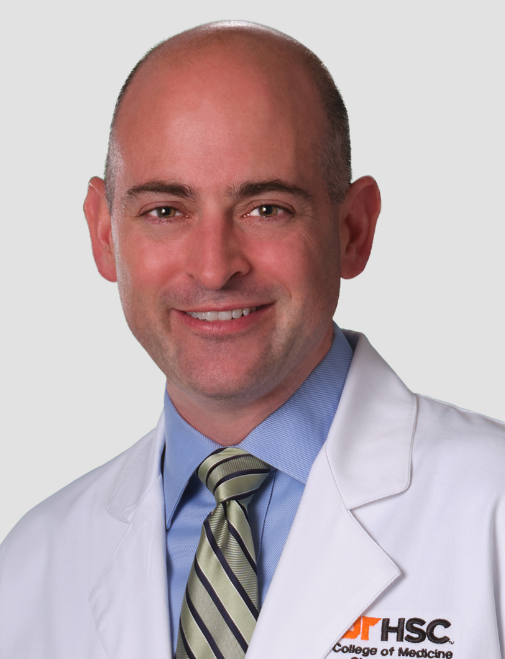 Michael E. Barfield合作论文数College of Medicine - Chattanooga, The University of Tennessee Health Science Center4
 Lauren J. Parker合作论文数Health, Behavior and Society, Bloomberg School of Public Health, Johns Hopkins University4
 Mani Daneshmand合作论文数Division of Cardiothoracic Surgery, Department of Surgery, Emory University School of Medicine4L. Pradhan合作论文数3Anna C Hoover合作论文数3Abigail R Benkert合作论文数3Gautam V. Shrikhande合作论文数3




