This study examined neural and mechanical responses at the onset of prolonged static stretching performed at different amplitudes, their progression during the stretching period, and alterations immediately after its completion. Thirteen healthy adults completed three randomized sessions: control (15-min rest in neutral ankle angle), 15 min of submaximal stretching (ROMmax - 5°), and 15 min of supramaximal stretching (ROMmax + 5°). Spinal excitability (Hmax/Mmax), evoked contractile properties (PTT), voluntary strength (MVC), passive torque, and maximal range of motion (ROMmax) were assessed at baseline (PRE), during stretching (T00, T05, T10, and T15), and immediately after stretching (POST). Spinal excitability decreased at stretch onset but progressively increased during stretching (T00-T15, p < 0.05), with greater facilitation in supramaximal (soleus and gastrocnemius, p < 0.001) than submaximal conditions (soleus only, p < 0.001). These changes were transient, returning to baseline at POST (p < 0.001). Passive torque increased during both stretching (p < 0.05); however, in supramaximal, it declined after 5 min and stabilized until 15 min (p = 0.001), while in submaximal, it declined only at 15 min (p = 0.043). Both conditions reduced PTT (p < 0.05), with slightly greater decreases in the supramaximal condition. MVC decreased similarly after both protocols (p < 0.05). ROMmax improved in both (p < 0.05), with slightly greater gains in the supramaximal condition. Static stretching amplitude modulates neuromechanical adaptations. Both supramaximal and submaximal protocols reduced voluntary strength but improved flexibility, with greater spinal excitability after the initial decrease and slightly larger ROMmax gains at supramaximal amplitude.
Dysregulated signaling of SET domain-containing protein 8 (SETD8) has been implicated in tumorigenesis, yet most SETD8 inhibitors exhibited limited cellular efficacy. Herein, we developed a potent and selective SETD8 covalent inhibitor, MS2928 (3), featuring a propiolamide covalent warhead. Compound 3 potently and selectively inhibited SETD8 methyltransferase activity. The covalent inhibition mechanism of 3 was confirmed by mass spectrometry and X-ray crystallography. Moreover, 3 significantly reduced the histone H4 lysine 20 monomethylation (H4K20me1) levels in cells and robustly inhibited the proliferation of SETD8-overexpressing multiple myeloma (MM) cell lines with no significant antiproliferative effect on SETD8-low expressing MM cells and normal cells. Importantly, 3 effectively inhibited tumor growth in vivo in two xenograft mouse models of SETD8-overexpressing MM cell lines. Collectively, our results establish 3 as a valuable chemical tool for exploring the biological functions of SETD8 and pave the way for further development of novel epigenetic therapies for MM.
To compare the immediate effects of two neurodynamic mobilization techniques (flossing vs. tensioning) on the sciatic nerve and hamstring muscle tissues, using different stretching intensities. Twenty physically active volunteers performed a randomized, study comprising seven conditions (six stretching + control). Interventions included static stretching (SS), neurodynamic tensioning (TENS), and neurodynamic flossing (FLOS), applied at 100
BACKGROUND:Fatigue is recognized as one of the most persistent and debilitating symptoms of long COVID, affecting both functionality and quality of life. However, its long-term effects, especially beyond the first year after infection, remain poorly understood. OBJECTIVE:To investigate self-reported fatigue and muscle fatigability in individuals with severe long COVID compared to matched healthy controls at 18 and 24 months post infection. DESIGN:Longitudinal observational study. SETTING:The study was conducted at the Laboratory of Muscle and Tendon Plasticity at the University of Brasília. PARTICIPANTS:Twenty survivors of severe-COVID and 20 age- and gender-matched controls underwent repeat assessments at 18 and 24 months following hospital discharge. INTERVENTIONS:Not applicable. MAIN OUTCOME MEASURES:Perceived fatigue was measured using the Fatigue Severity Scale, functionality with the 30-second sit-to-stand test, muscular dimensions and quality assessment were evaluated through ultrasound-derived thickness and echogenicity, and muscle fatigability was assessed using torque, torque-time integral, and rate of force development. The generalized estimating equations method was used with "group" and "assessments" as factors, with the least significant difference test identifying specific differences. Chi-square test compared categorical variables. RESULTS:The severe-COVID group showed consistently poorer functional performance (mean difference: 2.65 [0.45-4.85], p = .018), higher perceived fatigue (2.25 [1.54-2.95], p < .001) and lower rate of force development (-103.68 [-177.22 to -30.13], p = .006) compared to controls. No significant differences were observed in muscle thickness or echogenicity between groups. CONCLUSION:Long COVID is associated with sustained fatigue, impaired neuromuscular function, and reduced physical performance up to 2 years after infection. These findings underscore the need for long-term, mechanism-based rehabilitation strategies targeting central fatigue and neuromuscular function. TRIAL REGISTRATION:NCT04961255.
This study examined the acute effects of dynamic stretching at different velocities on the neuromuscular system. Fourteen participants underwent four experimental sessions in random order: (1) control (lying at rest with the ankle in a neutral position); (2) slow velocity dynamic stretching (50 beats/min; SLOWDS); (3) moderate velocity dynamic stretching (70 beats/min; MODDS); and (4) fast velocity dynamic stretching (90 beats/min; FASTDS). The stretching protocols consisted of four sets of 10 repetitions and targeted the plantar flexor muscles of the right ankle. Assessments included corticospinal excitability (via motor-evoked potential-MEP/Mmax), spinal reflex activity (via H-reflex-Hmax/Mmax), muscle contractile properties (peak twitch torque; PTT), maximal voluntary contraction (MVC), and maximal range of motion (ROMmax). Dynamic stretching did not affect MEP/Mmax and MVC of the plantar flexor muscles (P > 0.05). All stretching protocols similarly reduced soleus Hmax/Mmax (P < 0.05), and increased PTT (P < 0.05). Additionally, all conditions, including control, similarly increase ROMmax (P < 0.05, and Cohen's d value of -0.39, -0.28, -0.38 and -0.29 for CON, SLOWDS, MODDS and FASTDS, respectively). Therefore, dynamic stretching reduces spinal reflex activity and enhances muscle contractile properties irrespective of movement velocity without impairing corticospinal excitability and MVC.
Background: Understanding the balance between intensity and volume during training and competition is crucial for optimizing players’ performance and recovery in professional soccer. While worst-case scenarios (WCSs) are commonly used to assess peak match demands, little is known about how the time spent within WCS thresholds varies across congested and non-congested periods, especially when considering differences in playing time. This study examines the time spent at different percentages of WCSs during congested and non-congested periods for players with lower and higher playing times throughout training sessions and matches. Methods: Data were collected from a professional soccer team across a congested and non-congested match period. Twenty players were divided into two groups based on playing time: the top 10 playing times (PT 1–10) and the bottom 10 playing times (PT 11–20). WCS thresholds for total distance (TD) and the distance covered above 20 km·h−1 (D20) were quantified in 10% increments, starting from 50% and increasing up to >100%. The time spent at each threshold was compared between periods and groups for the integrated soccer exercises performed during all training sessions. Repeated measures of ANOVA were used to analyze differences between playing time groups and periods. Results: During training, players spent significantly more time within the 50–90% WCS TD and WCS D20 thresholds during non-congested periods compared to congested periods (p < 0.05). However, no significant differences were observed in the time spent for >90% of the WCSs between periods (p > 0.05). Both PT 1–10 and PT 11–20 groups exhibited similar patterns of WCS achievement, with small effect sizes observed for a few indicators. Conclusion: Coaches should design training sessions that replicate or exceed match demands, particularly during non-congested periods. Future strategies should integrate larger-sided games with longer durations and dissociated contents to better individualize and optimize training loads, especially for non-starters.
OBJECTIVE:To compare the effects of asynchronous versus conventional synchronous neuromuscular electrical stimulation (NMES) on evoked torque, fatigability, discomfort, and training-induced strength gains. DATA SOURCES:A systematic search was conducted in 6 electronic databases (PubMed, EMBASE, PEDro, LILACS, SciELO, and Web of Science) for studies published up to April 2025. Guided by a Population, Intervention, Comparator, Outcome, Time Frame framework, we combined terms for the population (humans), intervention (electrical stimulation), comparator (synchronous, asynchronous, spatially distributed sequential, conventional), and outcomes (torque, muscle strength, fatigue, discomfort, evoked contraction). STUDY SELECTION:We included cross-sectional, repeated measures, or randomized controlled trials of adult or elderly participants (healthy or clinical) receiving electrically induced isometric or dynamic contractions without voluntary effort. Comparisons involved synchronous vs asynchronous current delivery. Outcomes were maximal evoked torque, fatigability, perceived discomfort, and strength adaptations. A total of 22 studies were included from 11,044 records. DATA EXTRACTION:Two independent reviewers extracted participant demographics, stimulation parameters, electrode configurations, and outcomes. Study quality was assessed with the PEDro scale and evidence quality via GRADE. DATA SYNTHESIS:Meta-analysis showed that asynchronous NMES produced greater isometric evoked torque than synchronous NMES (P<.01; SMD 95% CI, 0.245-0.957), especially when using larger electrodes (P=.042, β=0.0023). No difference was found in dynamic evoked torque (P=.95; 95% CI, -1.44 to 1.35). Fatigability was significantly lower with asynchronous NMES for both isometric (P<.01; SMD 95% CI, 0.49-1.21) and dynamic contractions (P<.01; SMD 95% CI, 0.61-2.76). Discomfort and strength data were insufficient for firm conclusions. CONCLUSIONS:Asynchronous NMES effectively reduces muscle fatigability compared with synchronous stimulation. These findings may help clinicians and researchers in optimizing NMES protocols and support the development of asynchronous NMES solutions for clinical use.
Protein aggregation is a hallmark of many neurodegenerative disorders, including amyotrophic lateral sclerosis (ALS), in which TDP-43, a nuclear RNA-binding protein, forms cytoplasmic inclusions. Here, we have developed a robust and automated method to assess protein self-assembly in the cytoplasm using microtubules as nanoplatforms. Importantly, we have analyzed specifically the self-assembly of full-length TDP-43 and its mRNA binding that are regulated by the phosphorylation of its self-adhesive C-terminus, which is the recipient of many pathological mutations. We show that C-terminus phosphorylation prevents the recruitment of TDP-43 in mRNA-rich stress granules only under acute stress conditions because of a low affinity for mRNA but not under mild stress conditions. In addition, the self-assembly of the C-terminus is negatively regulated by phosphorylation in the cytoplasm which in turn promotes TDP-43 nuclear import. We anticipate that reducing TDP-43 C-terminus self-assembly in the cytoplasm may be an interesting strategy to reverse TDP-43 nuclear depletion in neurodegenerative diseases. Shedding light onto the role of phosphorylation in TDP-43 cytoplasmic mis-localization.
BACKGROUND:Stretching has wide appeal, but there seems to exist some mismatch between its purported applications and what the evidence shows. There is compelling evidence for some stretching applications, but for others, the evidence seems heterogeneous or unsupportive. The discrepancies even affect some systematic reviews, possibly due to heterogeneous eligibility criteria and search strategies. This consensus paper seeks to unify the divergent findings on stretching and its implications for both athletic performance and clinical practices by delivering evidence-based recommendations. METHODS:A panel of 20 experts with a blend of practical experience and scholarly knowledge was assembled. The panel meticulously reviewed existing systematic reviews, defined key terminologies (e.g., consensus definitions for different stretching modes), and crafted guidelines using a Delphi consensus approach (minimum required agreement: 80%). The analysis focused on 8 topics, including stretching's acute and chronic (long-term) effects on range of motion, strength performance, muscle hypertrophy, stiffness, injury prevention, muscle recovery, posture correction, and cardiovascular health. RESULTS:There was consensus that chronic and acute stretching (a) improves range of motion (although alternatives exist) and (b) reduces muscle stiffness (which may not always be desirable); the panel also agreed that chronic stretching (c) may promote vascular health, but more research is warranted. In contrast, consensus was found that stretch training does not (a) contribute substantively to muscle growth, (b) serve as an all-encompassing injury prevention strategy, (c) improve posture, or (d) acutely enhance post-exercise recovery. CONCLUSION:These recommendations provide guidance for athletes and practitioners, highlighting research gaps that should be addressed to more comprehensively understand the full scope of stretching effects.
PURPOSE:The effectiveness of neuromuscular electrical stimulation hinges on the evoked torque level, which can be attained through either conventional (CONV) or wide-pulse high frequency (WPHF). However, the best electrode placement is still unclear. This study adopted a crossover design to compare the effects of WPHF applied to the tibial nerve trunk (N-WPHF) or muscle (M-WPHF) with CONV in healthy participants. METHODS:A total of 30 participants (age: 22.4 [4.5]) were involved in 4 sessions. During each session, participants performed: 2 maximal voluntary contractions, 2 contractions at maximal evoked torque, and 2 contractions at submaximal evoked torque at 20% maximal voluntary contraction. Neuromuscular electrical stimulation intensity-evoked torque, efficiency, and discomfort were measured in maximal and submaximal conditions. Statistical analyses were conducted using a 1-way mixed-model analysis of variance with repeated measures. RESULTS:N-WPHF and M-WPHF showed higher evoked torque than CONV (P = .002 and P = .036) and greater efficiency than CONV for maximal evoked torque (P = .006 and P = .002). N-WPHF induced higher efficiency than M-WPHF and CONV for submaximal evoked torque (P = .004). Higher discomfort was observed for both N-WPHF and M-WPHF for submaximal evoked torque compared with CONV (P = .003 and P < .001). CONCLUSION:Our results suggest that WPHF applied at either the nerve or muscle could be the best choice for the maximal condition, whereas nerve application is preferred for the submaximal condition.
BACKGROUND:Long COVID has emerged as a significant complication of SARS-CoV-2 infection. However, the long-term neuromuscular consequences of this condition, particularly one-year post-infection, remain poorly understood. This study aimed to determine the mechanisms of fatigue by comparing perceived fatigue, objective fatigability, functionality, muscle architecture, and electrical neuromuscular function in participants who had suffered severe or moderate COVID‑19 one-year post-infection with a healthy control group. METHODS AND FINDINGS:This longitudinal observational study followed participants for one-year. The assessments were conducted at the Laboratory of Muscle and Tendon Plasticity at the University of Brasília, Brazil. Participants who had suffered moderate or severe SARS-CoV-2 infection were compared to a control group. A baseline assessment was initially conducted (21-30 days post-symptoms onset or post-hospital discharge), followed by second (31-90), third (91-180), and fourth (181-360) assessments. Perceived fatigue, objective fatigability, functionality, muscle architecture, and electrical neuromuscular function were analyzed. The study included 30 controls (46.53 [42.10-51.43] years; 13 men [43.33%]), 22 moderate cases (38.27 [33.96-43.13] years; 10 men [45.45%]), and 18 severe cases (50.83 [45.19-57.18] years; eight men [44.44%]). Severe participants exhibited higher perceived fatigue in all assessments than the control group and at baseline and in assessment 4 compared to moderate cases, in addition to a lower torque and torque-time integral in all assessments of objective fatigability analysis compared to the other groups. The severe group also demonstrated reduced functionality, impaired muscle architecture (characterized by increased echogenicity), and higher chronaxie values in the electrical neuromuscular function assessment. Participants with moderate COVID‑19 exhibited alterations in perceived fatigue, reduced torque, and lower TTI, electrical neuromuscular function, and muscle architecture, particularly at baseline. CONCLUSIONS:Severe participants continued to experience significant perceived fatigue even one-year post-infection, suggesting a slower recovery trajectory, that contributed to increased fatigability throughout the follow-up period. These results emphasize the role of musculoskeletal and neural mechanisms in post-COVID‑19 fatigue, highlighting the need for targeted, mechanism-based rehabilitation strategies. TRIAL REGISTRATION:NCT04961255.
Long COVID-19 causes complications, affecting quality of life and work capacity. However, its long-term impact on lower limb neuromuscular function remains unclear. To evaluate neuromuscular electrophysiological disorders (NEDs) and muscle architecture of the tibialis anterior (TA) and triceps surae (TS) in individuals with moderate or severe COVID-19 compared to control group over 12 months. Seventy participants were divided into moderate-COVID (n = 22), severe-COVID (n = 18), and control (n = 30) groups. COVID groups underwent four assessments over one year. NEDs in the TA and gastrocnemius lateralis (GL) were assessed via stimulus electrodiagnostic testing, while TA and TS muscle architecture was evaluated using ultrasound. Participants with severe-COVID exhibited significantly higher chronaxie (p < 0.001) in the TA at the first assessment, NEDs were observed in 55.55%, 33.33%, and 16.66% of participants across the first three assessments. GL showed 5.55% prevalence of NEDs. Echogenicity increased in TA and GL muscles in the severe-COVID group (p < 0.001). An association was found between TA chronaxie and echogenicity in the COVID groups during the short-term assessment (p < 0.001). Severe COVID-19 is associated with higher prevalence of NEDs in the TA muscle and persistent echogenicity increases, suggesting polyneuromyopathy in the TA and widespread echogenicity abnormalities in long COVID patients.
INTRODUCTION:This study aimed to compare the effects of a fatiguing eccentric exercise on the myotendinous elastic properties between men and prepubertal boys. METHODS:Ten prepubertal boys and 10 men performed a fatiguing exercise composed of five sets of 20 maximal isokinetic eccentric contractions of the knee extensors. Before the exercise, the elastic properties of the vastus lateralis, the rectus femoris (RF), and the patellar tendon were assessed using shear wave elastography to measure the shear wave velocity (SWV). These measurements were repeated immediately after the exercise (Post), 30 min after (Post 30 min), and 48 h after (Post 48 h). RESULTS:A significant time effect was observed for SWV vastus lateralis ( P = 0.005), but no difference was revealed by the post hoc tests. A significant time × age interaction ( P = 0.05) was observed for SWV RF and revealed an increase at Post ( P = 0.004; + 24.37% ± 36.67) and Post 30 min ( P = 0.010) compared with Pre for men, while no modification was observed for boys (Post: P = 1.000; + 0.86% ± 16.92). For patellar tendon, a significant time effect was observed ( P < 0.001) and revealed an increase from Pre at Post ( P < 0.001) and Post 30 min ( P = 0.002), whatever the age group. CONCLUSIONS:The alterations of the myotendinous elastic properties after an eccentric exercise were age dependent. Indeed, they were only observed in the tendon tissue in boys, while they were observed in the RF and tendon tissues in men.
This study aimed to compare the neuromuscular fatigue between prepubertal boys and men induced by eccentric and concentric maximal contractions. Twelve prepubertal boys and twelve men conducted one familiarization and two randomized experimental sessions, including a concentric (CONC) or eccentric (ECC) fatiguing protocol composed of three sets of 30 maximal isokinetic contractions. Maximal voluntary isometric contractions (MVIC) were realized before the fatiguing protocol, after each set, five minutes and one hour after the end of the last set. Measurements included torque and electromyographic activity (EMG) of vastus lateralis (VL) and rectus femoris (RF) muscles during the MVIC and the dynamic contractions of the fatiguing protocol. A significantly lower decrease of the MVIC torque was observed for boys in comparison to men after the second and third sets of the fatigue protocol (p < 0.001), independently of the modality. Additionally, lower RF EMG during MVIC were observed for boys than for men during the CONC session, while no difference was observed during the ECC session. During dynamic contractions, a lower torque decrease was observed for boys than for men during the whole fatigue exercise in the CONC session (p < 0.001), while no group difference in the ECC session. No age group difference was observed in EMG during the dynamic contractions. From the present results, boys presented a lower MVIC decrease than men, suggesting lower fatigue regardless of the condition. Thus, the concentric, particularly, and the eccentric solicitations could represent interesting training modalities with prepubertal boys.
Introduction:This study aimed to compare the influence of the knee and hip joint angles on the quadriceps muscles and tendon shear wave velocity (SWV) between men and prepubertal boys. Methods:Ten prepubertal boys and ten men participated in one experimental session, which included SWV measurements at rest for the vastus lateralis (VL), the rectus femoris (RF), and the patellar tendon (PT). Each volunteer was tested in ten randomized positions, including five knee joint angles (30, 50, 70, 90, and 110°, 0° = full extension) and two hip joint angles (0° and 80°, 0° = full extension). The SWV values were analyzed independently with a three-way ANOVA, while considering the knee angle, hip angle, and the age group. Results:Significant knee angle × age interactions were observed for VL (p = 0.008), RF (p = 0.008), and PT (p < 0.001). Boys and men did not present a difference in VL and RF SWV. However, boys exhibited significantly lower PT SWV values than men from a 30° to 90° knee flexion angle (p < 0.001). Additionally, a hip angle × knee angle interaction (p < 0.001) has been observed for RF SWV and highlighted greater values with a 0° hip joint angle, whatever the knee joint angles. Conclusion:These results suggested that boys and men present similar muscle elastic properties in VL and RF. However, lower SWV was observed for PT in boys up to 90° knee joint flexion.
The present study investigated the acute effects of different stretching modalities applied within a warm-up on flexibility and vertical jump height. Thirty-seven young adults participated in four randomized experimental sessions, each corresponding to a different condition: static stretch (SS), dynamic stretch (DS), contract–relax with antagonist contraction (CRAC) or a control condition with no stretch (CTRL). Conditions were five min in total duration, including 2 × 15 s stretches for each muscle group (knee flexor, knee extensor, and plantar flexor muscles). Ten min and five min of cycling preceded and followed these procedures, respectively. Hamstring flexibility and a series of countermovement jump (CMJ) measurements were interspersed within this procedure. Except for CTRL, hamstring flexibility significantly increased (p < 0.01) after all experimental procedures (7.5 ± 6.6%, 4.1 ± 4.9%, and 2.7 ± 6.0% for CRA, SS, and DS, respectively). The relative increase was significantly greater for CRAC as compared CTRL (p < 0.001). Vertical jump height significantly decreased (p < 0.05) immediately after SS (−2.3 ± 3.9%), CTRL (−2.3 ± 3.5%), and CRAC (−3.2 ± 3.3%). Jump height was unchanged after DS (0.4 ± 4.5%). Whatever the condition, no additional jump height alteration was obtained after the re-warm-up. The main findings of the present study revealed that DS is more appropriate for maintaining vertical jump height. However, stretching has no major effect when performed within a warm-up. In contrast, if the main objective is to increase flexibility, CRAC is recommended.
This study aimed to compare the effects of passive and active warm-up protocols combined with static or neurodynamic stretching on hamstring muscle function. Sixteen individuals (7 men and 9 women) performed three experimental sessions in a randomized order: 1) passive warm-up and static stretching, 2) passive warm-up and neurodynamic stretching, 3) active warm-up and static stretching (control condition). Passive warm- up consisted of 20 minutes in a 45°C hot-room. Active warm-up included 10 minutes of cycling and 10 minutes of sub-maximal contractions. Following warm-up, the participants were engaged in six sets of 30-second stretches, either performed using static or neurodynamic modalities. Testing involved two maximal voluntary contractions (MVC), a passive knee extension test (to evaluate range of motion and hamstring stiffness), and a stand-and-reach test (used for flexibility assessment) conducted before, after warm-up, and after stretching. Electromyography from the biceps femoris and semitendinosus were recorded during MVC. Results revealed a significant time effect for flexibility (p < 0.001). Flexibility enhancements were obtained following active and passive warm-ups and further increased after the stretch, independently of the stretch intervention. The electromyographic activity of the semitendinosus muscle was affected by the time (p = 0.004). It revealed a decrease after stretching as compared to a post-warm-up measurement. No other differences were observed between conditions and time for maximal torque and stiffness indexes. It is concluded that both the active and passive warm-up methods are efficient to increase flexibility. Irrespective of the modality, stretching further improved flexibility without any alteration in muscle viscoelastic properties.
BACKGROUND:Highly trained academy soccer practitioners usually implement an aerobic-oriented session followed by a speed-oriented session during the first and second heavy load session of a training week, respectively. This study aimed to investigate if the order of these physical training sessions would influence the external training loads and the subsequent readiness level on match day. METHODS:Twenty-five highly trained academy soccer players (12 U17 and 13 U19) participated in two experimental weeks randomly presented. The AEROBIC-SPEED periodization implemented an aerobic-oriented session on MD-4 and a speed-oriented session on MD-2. The SPEED-AEROBIC periodization did the opposite. During these two sessions, players wore a global positioning system and rated their perceived exertion (RPE). Players were also tested on MD-4 for baseline values (CONTROL) and match-day (TEST). Tests included a counter movement jump (CMJ), a 20-m sprint, the Illinois agility test (IAT), and the Hooper questionnaire. RESULTS:For the aerobic-oriented session, players reported greater distances during AEROBIC-SPEED periodization than SPEED-AEROBIC in 15-20 km/h (1273.53±328.51 m vs. 1174.84±210.33 m, P<0.05) and 20-25 km/h (658.92±264.41 m vs. 478.17±259.10 m, P<0.01). For the speed-oriented session, players reported greater distances during SPEED-AEROBIC than AEROBIC-SPEED periodization in 20-25 km/h (298.84±120.12 m vs. 223.24±114.86 m, P<0.05) and >25 km/h (110.74±34.65 m vs. 84.96±43.85 m, P<0.05). Tests revealed similar values for CONTROL and TEST between the two experimental weeks for CMJ, 20m, IAT and Hooper. CONCLUSIONS:The physical qualities (both aerobic and speed), when periodized at the beginning of the week (on MD-4) rather than later (MD-2) showed higher external loads without changing the readiness level on MD. The results emphasize the need to periodize the training contents according to the aim of the cycle.
This case study aimed to explore neuromuscular strategies used by a cyclist to control the speed while riding downhill a mountain with a brakeless, fixed-gear bicycle. Accelerations of the pedals and electromyographic activity of four lower limb muscles were registered to determine muscle activation during two decelerating strategies. Eccentric cycling was mostly used to control the bicycle speed with short (536 ± 51 ms) and low-intensity contractions. Isometric pedaling cycles were more efficient for decelerations with long (1,092 ± 281 ms) and intensive contractions. Isometric muscle activation was 122, 31, 25 and 44% greater than eccentric for vastus lateralis, biceps femoris, gastrocnemius lateralis and tibialis anterior muscle, respectively. This study suggests specific activation patterns to help the practitioner for safety rides, but that could have implications for rehabilitation purposes.
 Joao Luiz Quagliotti Durigan合作论文数Physical Therapy Department, Universidade de Brasília36
 Cometti Carole合作论文数34
 Christos Paizis合作论文数Motricité et plasticité, Université de Bourgogne28
 Gaelle Deley合作论文数18
 Rita Cassia Marqueti合作论文数Department of Physiological Sciences, Federal University of São Carlos17
 Martim Bottaro合作论文数College of Physical Education and Exercise Science, University of Brasilia16
 Denis Cesar Leite Vieira合作论文数UCB, Catholic University of Brasilia11Karenina Arrais Guida Modesto合作论文数9Fengling Li合作论文数Univ Toronto, Struct Genom Consortium, Toronto, ON M5G 1L7, Canada9
 Masoud Vedadi合作论文数Department of Pharmacology and Toxicology, Temerty Faculty of Medicine, University of Toronto;Ontario Institute for Cancer Research9
 Nicola A. Maffiuletti合作论文数Varia;Human Performance Lab, Schulthess Clinic9
 Jian Jin (金坚)合作论文数School of Life Sciences and Health Engineering, Jiangnan University9
 Tom Douchet合作论文数8
 Jules Opplert合作论文数UMR1093, Univ Burgundy8
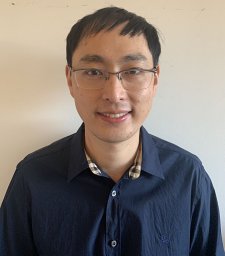 Xiong Yan合作论文数Department of Structural and Chemical Biology, Icahn School of Medicine at Mount Sinai7Piscione Julien合作论文数7
 Cimadoro Giuseppe合作论文数Sport Science Faculty, University of Burgundy7Marion Hitier合作论文数6
 Jonathan Galvao Tenorio Cavalcante合作论文数6
 Paulo Eugenio Silva合作论文数6Kevin Desbrosses合作论文数6
 F.-A. Allaert合作论文数Cenbiotech6
 Cheryl Arrowsmith合作论文数Department of Medical Biophysics, Temerty Faculty of Medicine, University of Toronto;Princess Margaret Cancer Centre6Michel Pousson合作论文数6Anne Michaut合作论文数6
 Gerson Cipriano Junior合作论文数Physical Therapy Division, University of Brasilia6
 Peter J Brown合作论文数5
 Pedro Ferreira Alves de Oliveira合作论文数5Nicolas Amiez合作论文数5Nicolas Wolff合作论文数5
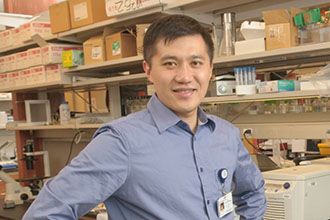 Minkui Luo合作论文数Department of Pharmacology, Weill Medical College, Cornell University5
 Jing Liu (刘静)合作论文数High Magnetic Field Laboratory, Hefei Institutes of Physical Science, Chinese Academy of Sciences5
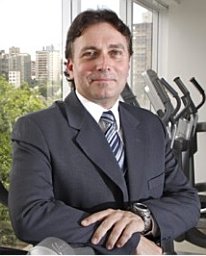 Marco Aurelio Vaz合作论文数universidade federal do rio grande do sul5Robineau Julien合作论文数5
 Florence Cordier合作论文数Department of Structural Biology, University of Basel5
 Monique Lafon合作论文数Department of Virology, Institut Pasteur;Neurophoenix5
 Jo Van Hoecke合作论文数5Leandro Gomes de Jesus Ferreira合作论文数4Álvaro de Almeida Ventura合作论文数4Junyi Wang合作论文数4
 Ivo Vieira de Sousa Neto合作论文数4
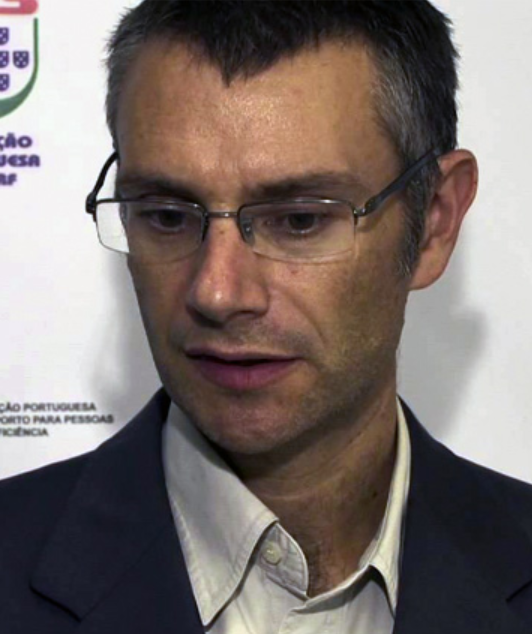 Christopher Carling合作论文数Institute for Coaching and Performance, University of Central Lancashire4Yu Wenyu合作论文数4
 Mathieu Lacome合作论文数a Research Department, French Rugby Union Federation (FFR)4Anthony J. Blazevich合作论文数4Giampietro Alberti合作论文数Institute of Physical Exercise, University of Milan4Anqi Ma合作论文数4
 Kwang-Su Park合作论文数Department of Industrial Engineering, Pohang University of Science and Technology4




