Occupational dosimetrists are asked to estimate and assign effective dose for radiation workers' dose of record. An informal poll taken at a recent International Commission on Radiological Protection (ICRP) virtual workshop suggests there may be confusion or misconceptions among those practicing in the field of radiation protection as to which dose(s) should be assigned to a worker's record as described, defined, and recommended by the ICRP. Multiple ICRP publications make clear that the effective dose assigned to a worker's record should be that which the Reference Person would theoretically receive if they received the same radiation exposure as the worker. This paper briefly reviews the basis for ICRP's recommendation regarding dose of record and discusses challenges that may result with certain departures from ICRP recommendations.
Ecosystem services, the benefits people derive from nature, provides a conceptual structure by which to explicitly characterize and protect the coupled human-nature relationships that are central to human well-being, the integrity of ecosystems, and sustainable development. We suggest the ecosystem services concept may complement and broaden the International Commission on Radiological Protection's currently established framework of radiological protection (RP) through intentional reflection on the interconnection between people and their environment. As operationalization of an ecosystem services approach is a notable challenge for implementation, we discuss Anthophila (bees) as a model clade for demonstrating how the ecosystem services approach may contribute to the integrated protection of people and the environment across geographies, cultures, and exposure scenarios. Assessing the impacts of radiological contamination and associated decision-making on ecosystem services has the potential to bridge human and environmental RP through adoption of a sustainable development mindset, enhanced stakeholder engagement, and improved decision-making. We provide a framework to describe how a conceptual model to combine the ecosystem services approach with RP could be helpful in supporting holistic and integrated decision-making in certain situations and demonstrate its application to a hypothetical existing exposure situation using bees as a model clade of species.
Bivalves have been extensively utilized as sentinel biomonitoring species, organisms used to predict the extent and severity of environmental contamination. However, significant knowledge gaps remain regarding the operationalization and application of indicator species for radioactive contaminants in the marine environment. Dose-dependent organism responses with validated and practical measurement protocols need to be identified for use within biomonitoring frameworks. Our study explored tissue-specific oxidative stress and filtration responses in Geukensia demissa (Atlantic ribbed mussel) following static renewal exposure to a range of aqueous radium-226 (226Ra) concentrations and exposure durations. We investigated a two-tier antioxidant response system, with radical scavenging activity as the primary response and glutathione S-transferase and lipid peroxidation activities as secondary, downstream responses. A first-stage response of 226Ra exposure was observed, indicated by increased radical scavenging activity in the mantle tissues of mussels exposed to the highest treatment concentration (200 nCi/L = 200 ng/L, 73%) compared with the tissues of control and lower concentration (1, 10, and 100 nCi/L = 1, 10, and 100 ng/L) mussels (18%-44%). However, there was no clear impact for the second-stage responses. A reduction in filtration, quantified via algal removal, was also observed for mussels exposed to the highest 226Ra treatment concentration. This work represents the first investigation on the effects of a marine bivalve exposed to aqueous 226Ra. The responses of bivalves to radiological marine pollution, and the potential for cascading impacts to populations and ecosystems, is still relatively unknown but has important implications for ecological and human well-being.
The system of radiological protection (the 'System') developed by the International Commission on Radiological Protection (ICRP) is built on nearly a century of efforts of numerous scientists and practitioners working together internationally. It rests on three enduring pillars: science, ethics, and experience. These pillars support the three fundamental principles that shape radiological protection strategies: justification, optimisation, and application of dose limits. Of note, optimisation of protection must be understood as a flexible and context-sensitive process, which allows identification of the appropriate level of protection, not simply the lowest dose, taking into account economic, societal and environmental factors. The System has proven effective in protecting workers, patients, members of the public, and the environment in all exposure situations. Effects of high doses, where acute injuries to healthy tissue occur, are rarely observed, and mostly due to accidental situations except for unavoidable side effects of radiotherapy. At low doses, the System is supported by application of the linear-no-threshold model. This model enables prudent (that is, carefully considered given existing uncertainties) policy decisions and estimation of risks at low doses by extrapolation from epidemiological data observed at medium and high radiation doses, acknowledging uncertainty without ignoring potential harm.
There is a need for cross-disciplinary researchers and professionals in the radiological sciences who can navigate complex interconnected ethical-social-technical issues, communicate across a wide audience in consideration of multiple stakeholder perspectives, and remain self-critical, aware, and reflective of the field with the intent of continuous improvement within the broader profession. Given that traditional curriculum related to the nuclear and radiological sciences emphasizes the technological, scientific aspects of radioactivity and ionizing radiation, a graduate-level course in "nuclear culture" was developed that employs various forms of art, expression, and material culture as a vehicle for encouraging deeper, dedicated reflection on related social and ethical issues. This paper provides a description of course structure and representative content, along with discussion of student perceptions, as a case study in the use of an arts-informed approach (that is, a STEAM-based approach) to guiding students through perspective-taking, self-expression, and authentic and critical evaluation of broad issues surrounding current and historical use of radiation. The course consists of discussions, reflective writing, and projects, supplemented with hands-on activities. Student perceptions of the course, elucidated through thematic analysis of post-hoc surveys, revolved around: novel educational approaches; student engagement and validation; ethics, morals, and empathy; and the societal impact of nuclear. Review of student and instructor perceptions suggests that art in various forms can be incorporated into graduate-level curriculum to improve the educational experience of nuclear-focused students and promote deeper reflection and understanding of social and ethical issues related to their chosen field.
The American radium dial worker (RDW) cohort of over 3200 persons is being revisited as part of the Million Person Study (MPS) to include a modern approach to RDW dosimetry. An exceptional source of data and contextualization in this project is an extensive collection of electronic records (digitized from existing microfilm and microfiche) housed at the United States Transuranium and Uranium Registries (USTUR). Although the type, extent, and quality (e.g. legibility) of record(s) varies between individuals, the remarkable occupational, medical and demographic data include in vivo radiation measurements (e.g. radon breath, whole body counts), autopsy results, medical records (including copies of radiographs), interviews over the years, and correspondence. Of particular dosimetric interest are the details of radiation measurements. For example, there are some instances where hand-written and transcribed values are both available, along with notes providing context for why a particular measurement in a series of measurements was chosen to assign an intake, or if there were concerns about a particular measurement. Born prior to 1935, RDW have nearly all passed away. Thus, the updated dosimetry, especially for the skeletal tissues, will allow the correlation of lifetime cumulative dose with radiation risk. Here we review typical information available in this collection of historical records and highlight some interesting finds. Additionally, we discuss the relevance to current and ongoing work related to updating the dosimetry of the RDW in the MPS, including providing an example of the usefulness of information contained in these records. The RDW cohort provides a unique historical perspective on occupational exposure to radium, making it a valuable dataset for understanding long-term health effects and improving current radiation protection standards.
This work briefly reviews the fate, exposure, and effect modules of established ionizing radiation potential (IRP) impact categories and proposes an IRP methodology with the novel inclusion of radioactive decay products (i.e., progeny), referred to as Clemson University Radiological Protection (CURP). CURP reports characterization factors (CFs) and midpoint dose factors (MDFs) and is comparable to (1) methods established for other impact categories and (2) those used in radiological risk assessment. Consistent with the previously established UCrad approach, USEtox was used to determine the environmental steady-state concentrations. US EPA tools were used to determine the contribution of radioactive progeny to the collective effective dose rate from air submersion, water immersion, ground irradiation, ingestion, and inhalation. These dose rates were then integrated over time to calculate the total collective effective dose. The CFs for a majority of the 113 radionuclides characterized in CURP remained constant or decreased as time increased (238U had a maximum increase on the order of 10−5). The percent difference between MDFs with and without progeny inclusion demonstrates that the progeny can have a significant influence on the overall impact. For example, the percent difference in MDFs for 222Rn with and without progeny is 198
Human activities have the potential to redistribute radium (Ra) in the marine environment in a manner that may necessitate monitoring or management of subsequent human or environmental exposures. There is therefore a need to identify accurate and accessible techniques for Ra measurement in high salinity samples and to describe the distribution of Ra in estuarine and marine environments, but most efforts in these areas have focused on low salinity matrices. In addition, rapid and reliable measurements are crucial for time-sensitive samples such as short-lived isotopes or emergency situations. The objective of this study is to describe the limits of detection, cost, and relative ease for measurement of Ra in both low and high salinity aqueous samples via three analytical methods: liquid scintillation counting (LSC), high purity germanium (HPGe) gamma spectrometry, and inductively coupled plasma mass spectrometry (ICP-MS). To contextualize these measurements for real-world scenarios, the partitioning of 226Ra to substrates relevant to the marine environment was also characterized. Although HPGe detection with solid phase extraction had the lowest limit of detection for low salinity samples (0.27 Bq L-1), poor 226Ra recovery for high salinity samples and high materials costs make this method prohibitive for many users. Limits of detection for high salinity samples were lower for LSC (1.28 Bq L-1) than for ICP-MS without dilution (11.4 Bq L-1), but significant and unexpected degradation of the high salinity LSC standards was observed after six months. Therefore, our preferred measurement method for high salinity Ra samples is ICP-MS with sample dilution as necessary to reduce matrix effects.
It is important that the system of radiological protection provides for an appropriate level of human and environmental protection without unduly limiting desirable human actions, adversely affecting sustainable development, or resulting in unintended consequences. As such, there has been increasing interest in incorporating monitoring and assessment of ecosystem services in many contexts related to environmental protection and policy making. Ecosystem services are the benefits humankind derives from the workings of the natural world, i.e., from ecosystems, and are crucial to human well-being by, for example, providing nutritious food and clean water; regulating air quality; supporting crop pollination and soil formation; and offering recreational, cultural, and spiritual benefits. The mandate of the recently formed Task Group 125 is to explore and share knowledge on ecosystem services by providing background and recommendations on if and how ecosystem services can support a more holistic approach to environmental radiological protection (ERP) and, as specifically relevant to ERP, explore how the system of radiological protection contributes to the delivery of sustainable development. This paper provides an overview of ecosystem services and an introduction to the ongoing work of Task Group 125.
Since 1968, the United States Transuranium and Uranium Registries (USTUR) has studied the biokinetics and tissue dosimetry of uranium and transuranium elements in nuclear workers. As part of the USTUR collaboration with the Million Person Study of Low-Dose Health Effects, radiation dose to different parts of the human heart is being estimated for workers with documented intakes of 239Pu or 226Ra. The study may be expanded for workers with intakes of 238U and other radionuclides. The distribution of radionuclides, expressed in terms of concentration (Bq per kg of tissue) serves as an important parameter for estimating radiation dose. Based on available organs from workers who donated their bodies or tissues for research, nine undissected hearts were selected: seven from USTUR registrants with plutonium exposure (males) and two individuals with radium intakes (female and male). For the plutonium workers, estimated 239Pu systemic deposition ranged from <74 Bq to 1765 Bq. Estimated 226Ra 'initial systemic intakes' were 10.1 MBq and 14.8 kBq for the female patient and male worker, respectively. Organ dissection was based on a heart model published by Borrego et al (2019 J. Radiol. Prot. 39 950-65). This model includes nine cardiac substructures: aorta, left main coronary artery, left atrium, left anterior descending artery, left circumflex artery, left ventricle, right atrium, right coronary artery, and right ventricle. In addition, heart valves, fat attached to epicardium, fluids, and a coronary bypass graft were collected resulting in 111 samples that are currently undergoing radiochemical analyses and mass-spectrometric measurements. The 239Pu and 226Ra evaluations are not completed. The results of this study are intended to support radiation worker health studies by improving associated dosimetric and epidemiological models.
Established in 2015 the United Nations (UN) sustainable development goals (SDGs) were agreed with the aim to balance the need to address social and ethical obligations such as ending poverty and other deprivations, while tackling climate change and the other planetary boundaries. In 2018 the International Commission on Radiological Protection (ICRP) initiated a review and revision of the System of Radiological Protection which will lay the foundation for Radiation Protection standards, regulations, guidance and practice worldwide for the next 40 years. Recognising the importance of the UN SDG's the ICRP has started to consider what the role of the revised system of protection should be in enabling delivery. On the 15 May 2024 the Society for Radiological Protection and World Nuclear Association ran a workshop exploring the intersection of the System of Radiological Protection and the SDG's. The outputs of the workshop are summarised in this paper showing the views from a variety of practitioners working across the radiation protection sectors on the key factors to be considered in the revision of the system of radiological protection to enable delivery of the UN SDG's.
Salt marshes are highly productive and valuable coastal ecosystems that act as filters for nutrients and pollutants at the land-sea interface. The salt marshes of the mid-Atlantic United States often exhibit geochemical behavior that varies significantly from other estuaries around the world, but our understanding of metal mobility and bioavailability remains incomplete for these systems. We sampled abiotic (water and sediment) and native biotic (three halophyte and two bivalve species) compartments of a southeastern United States salt marsh to understand the site- and species-specific metal concentrations, fractionation, and bioavailability for 16 metals and metalloids, including two naturally occurring radionuclides. Location on the marsh platform greatly influenced metal concentrations in sediment and metal bioaccumulation in halophytes, with sites above the mean high-water mark (i.e., high marsh zone) having lower concentrations in sediment but plants exhibiting greater biota sediment accumulation factors (BSAFs). Transition metal concentrations in the sediment were an average of 6× higher in the low marsh zone compared to the high marsh zone and heavy metals were on average 2× higher. Tissue- and species-specific preferential accumulation in bivalves provide opportunities for tailored biomonitoring programs. For example, mussel byssal threads accumulated ten of the sixteen studied elements to significantly greater concentrations compared to soft tissues and oysters had remarkably high soft tissue zinc concentrations (~5000 mg/kg) compared to all other species and element combinations studied. Additionally, some of our results have important implications for understanding metal mobility and implementing effective remediation (specifically phytoremediation) strategies, including observations that (1) heavy metals exhibit distinct concentration spatial distributions and metal fractionation patterns which vary from the transition metals and (2) sediment organic matter fraction appears to play an important role in controlling sediment metal concentrations, fractionation, and plant bioavailability.
In 2018, the International Commission on Radiological Protection (ICRP) released Publication 138, which highlights the ethical values foundational to the system of radiological protection. Additional work, both within and beyond the ICRP, has proposed or recommended ethical values associated with applications of the system in different areas, perhaps most notably in medical, veterinary, and environmental radiological protection. There are also existing ethical frameworks not specifically related to radiological protection that are nonetheless relevant to its practice; for example, the Beauchamp and Childress principles of biomedical ethics are of particular significance when it comes to medical uses of radiation and radioactivity. At first glance, it may seem as if there are unique or isolated sets of ethical values that need to be applied depending on the circumstance. Yet while each area of application will indeed have its own unique aspects and associated value judgements, there are consistent and complementary relationships between these ethical values. This paper reviews the work of the ICRP related to ethics, including brief historical context, and highlights the similarities and differences between sets of ethical values with emphasis on medical, veterinary, and environmental applications of radiological protection.
Currently, several task groups are addressing complementary aspects in support of improved ICRP's recommendations and ultimately, a more robust approach to protection of the environment from deleterious effects of exposure to ionising radiation. In this context, ongoing developments are briefly presented, with some examples of new methods that have been conceived and implemented (e.g. statistical extrapolation models to quantify the range of radiosensitivity within a taxonomic class and derive transparently and systematically benchmark values or ranges such as the Derived Consideration Reference levels- DCRLs). This paper also addresses the main goals of the ongoing task groups dealing with various aspects of Environmental Radiological Protection (ERP) and their interactions, and the potential need for reformulation of the goal(s) for ERP. The approaches taken by the task groups and the outcomes of their work are expected to inform an inclusive and holistic justification and optimisation process to be considered in the review of the general recommendations of the ICRP.
What is a safety critical component and how to conquer common compliance challenges? This paper provides an overview of critical safety parameters and examples to demystify component selection, qualification and other performance requirements for an effective safety certification outcome.
This study examines the ability of the grass species Andropogon virginicus to alter the subsurface transport and redistribution of a suite of radionuclides (99Tc, 133Cs (stable analog for 135Cs and 137Cs), 237Np, 238U) with varying chemical behaviors in a Savannah River Site soil via the use of vegetated and unvegetated soil columns. After an acclimation period, a small volume of solution containing all radionuclides was introduced into the columns via Rhizon© pore water sampling tubes. Plants were grown for an additional 4 weeks before shoots were harvested, and columns were prepared for sampling. Plant presence led to decreased radionuclide release from the columns, mainly due to radionuclide specific combinations of system hydrology differences resulting from plant transpiration as well as plant uptake. For the most mobile radionuclides, 99Tc followed by 237Np, plant presence resulted in significantly different soil concentration profiles between vegetated and unvegetated columns, including notable upward migration for 237Np in columns with plants. Additionally, plant uptake of 99Tc was the greatest of all the radionuclides, with plant tissues containing an average of 44 % of the 99Tc, while plant uptake only accounted for <2 % of 237Np and <0.5 % of 133Cs and 238U in the system. Although overall plant uptake of 133Cs and 238U were similar, the majority of 133Cs taken up by plants was associated with 133Cs already available in the aqueous phase while 238U uptake was mainly associated with the solid phase, meaning that plant activity resulted in a fraction of the native 238U being mobilized and thus, made available for plant uptake. Overall, this study quantified the influence of several plant-mediated physical and biogeochemical factors that have significant influence on radionuclide mobility and transport in this complex system which can be further utilized in future system or site-specific environmental transport and risk assessment models.
Radiological contamination of coastal habitats poses potential risk for native fauna, but the bioavailability of aqueous radium (Ra) and other dissolved metals to marine bivalves remains unclear. This study was the first to examine the tissue-specific disposition of aqueous 226Ra in a coastal mussel, specifically the Atlantic ribbed mussel Geukensia demissa. Most organ groups reached steady-state concentrations within 7 days during experimental exposure, with an average uptake rate constant of 0.0013 mL g-1 d-1. When moved to Ra-free synthetic seawater, mussels rapidly eliminated aqueous 226Ra (average elimination rate constant 1.56 d-1). The biological half-life for aqueous 226Ra ranged from 8.9 h for the gills and labial palps to 15.4 h for the muscle. Although previous field studies have demonstrated notable 226Ra accumulation in the soft tissues of marine mussels and that, for freshwater mussels, tissue-incorporated 226Ra derives primarily from the aqueous phase, our tissue-specific bioconcentration factors (BCFs) were on the order of (8.3 ± 1.5) × 10-4 indicating low accumulation potential of aqueous 226Ra in estuarine mussels. This suggests marine and estuarine mussels obtain 226Ra from an alternate route, such as particulate-sorbed Ra ingested during filter-feeding or from a contaminated food source.
Analysis of gene expression has become an important tool in understanding low-dose effect mechanisms of ionizing radiation at the cellular level. Metal binding to nucleic acids needs to be considered when interpreting these results, as some radioactive metals, particularly actinides, may produce free radicals and cause oxidative stress damage via chemical means at rates much higher than free radical formation related to their radiological properties. Bacteria exposed in situ to low dose rates of plutonium-239 ( 239 Pu) and iron-55 ( 55 Fe) were previously analysed for gene expression. The work herein was motivated by an interest in more precisely identifying the distribution of radionuclides in these bacteria as well as the practical need to ensure appropriate transport and handling of the associated ribonucleic acid (RNA) extractions. RNA extractions were performed on bacteria growth media with and without bacteria cells (i.e. with and without RNA) at several different concentrations of 239 Pu and 55 Fe to inform the level of specificity of the extraction membrane as well as provide insight into internal (uptake) vs external (sorption) accumulation of these radionuclides in bacteria cells. Results of the study suggest that 239 Pu and 55 Fe detected in RNA extraction samples during long term cell studies is the result of binding to RNA prior to the time of extraction, as opposed to flow through or binding after cell lysis, and it highlights the practical importance of nucleic acid sample characterization to radiation protection more generally.
 Brian A. Powell合作论文数Dept . of Physics;University at Buffalo;State University of New York;University at Buffalo, State University of New York19
 Nishanth Tharayil合作论文数12
 Nimisha Edayilam合作论文数Dept Plant & Environm Sci, Clemson Univ11
 Dawn Angel Montgomery合作论文数Department of Environmental Engineering and Earth Sciences, Clemson University;Center for Nuclear Environmental Engineering Sciences and Radioactive Waste Management (NEESRWM),, Clemson University10Lisa Manglass合作论文数8Annelise Gonzales合作论文数6
 Molly Wintenberg合作论文数6
 Mine Dogan合作论文数Department of Geological Sciences, Michigan State University6
 Bryanna Wattier合作论文数5
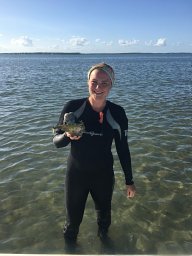 Sarah E. Donaher合作论文数Dept Environm Engn & Earth Sci, Clemson Univ5
 Thierry Schneider合作论文数5Timothy a Devol合作论文数5Christophe J. G. Darnault合作论文数5Ashley Pales合作论文数4Heather Clifford合作论文数4Charlotte Vogel合作论文数4Bryan J Erdmann合作论文数4
 Derek W Jokisch合作论文数Dept Phys & Engn, Francis Marion Univ4
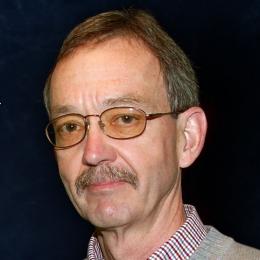 Richard W Leggett合作论文数Environmental Sciences Division, Oak Ridge National Laboratory4
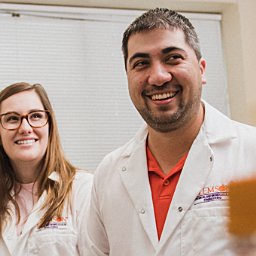 Blenner Mark A合作论文数Department of Chemical Engineering, Columbia University4
 Wendy Kuhne合作论文数Institute of Molecular Medicine and Genetics, Medical College of Georgia4
 Thomas E. Johnson合作论文数Institute For Behavioral Genetics, University of Colorado Boulder;College of Arts and Sciences, University of Colorado Boulder4
 Stephen Moysey合作论文数Department of Hydrology and Water Resources, University of Arizona Tucson4Shyla Kupis合作论文数3
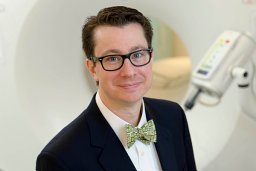 Lawrence T. Dauer合作论文数Memorial Sloan-Kettering Cancer Center3
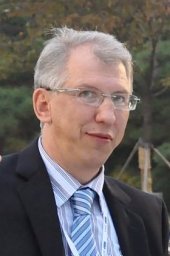 Sergei Y. Tolmachev合作论文数3
 Friedo Zolzer合作论文数3
 Jacqueline Garnier-Laplace合作论文数3Martine C. Duff合作论文数3
 Maia Avtandilashvili合作论文数Physics Faculty, vili Tbilisi State University3
 Mark A. Blenner合作论文数Department of Chemical & Biomolecular Engineering, College of Engineering, University of Delaware2Melissa M Kemp合作论文数2Robert P. Dunn合作论文数2George Tabatadze合作论文数2Brennan Ferguson合作论文数2Keith F Eckerman合作论文数2Susan L. Kraft合作论文数2Kevin Capello合作论文数2Biting Li合作论文数2J. E. Pinder合作论文数2
 Deborah H Oughton合作论文数Norwegian University of Life Sciences;Norwegian Nuclear Research Centre, University of Oslo2Caleigh Samuels合作论文数Oak Ridge Natl Lab2
 Lindsay C. Shuller-Nickles合作论文数2
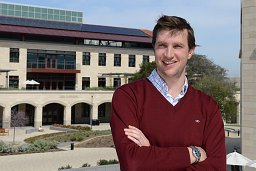 Michael Carbajales-Dale合作论文数Dept Environm Engn & Earth Sci, Clemson Univ2
 John D. Brockman合作论文数International Institute of Nano and Molecular Medicine, University of Missouri2Johnson T E合作论文数2
 Koehler Angela N合作论文数School of Engineering,MIT2
 Stuart L. Schreiber合作论文数Department of Chemistry and Chemical Biology, Faculty of Arts and Sciences, Harvard University;Broad Institute2
 J. C. Seaman合作论文数Savannah River Ecology Laboratory, The University of Georgia2




