Accidental trace 131I skin contamination resulted in an intake to a veterinary nuclear medicine technician at Colorado State University (CSU). The resulting dose to the technician was determined through an in-vivo measurement of radioactivity in the thyroid. Inhalation and ingestion of the isotope were ruled out due to the chemical nature of the 131I, as determined by a previous study. The CSU Radiation Control Office performed measurements of the technician's thyroid daily and then weekly to quantify the uptake [2.2 kBq (60.1 nCi)] as well as the effective half-life of 131I (7.61 days) for the technician. Establishing a technician-specific effective half-life by graphing in-vivo measurements also showed near agreement with established effective half-life determinations specified in ICRP 30 for inhalation. The university assessed the committed dose equivalent (CDE) to the thyroid using three different methods and assigned a the highest CDE calculated (4.1 mSv), and an SDE of 0.22 mSv from external contamination. The average of the CDE calculated via each method was 3.68 ± 0.38 mSv. A comparison of the 3 thyroid dose calculation methods resulted in a 10% coefficient of variation. Close agreement between the various calculations demonstrates that any of these methods would be sufficient in determining a committed effective dose to the thyroid, while providing a level of confidence to the technician that the determination is accurate and appropriate. A key aspect of this report is how even trace amounts of radioiodine on intact skin can result in measurable doses.
The hematopoietic system is highly sensitive to ionizing radiation exposure. Accumulating evidence from the Japanese A-bomb survivor cohort and animal studies suggests that radiation-induced damage to the hematopoietic system can persist long after exposure, and therefore has the potential of contributing to delayed effects of acute radiation exposure (DEARE). In this study, archival data from the non-human primate radiation late effects cohort was analyzed to evaluate long-term effects on the hemopoietic system. The dataset included white blood cell and leukocyte differential counts from two hundred sixteen rhesus macaques (Macaca mulatta) exposed to 1.14 to 8.5 Gy and 47 non-irradiated control animals; blood samples were collected approximately 1-year post-acute uniform whole-body exposure and continuously thereafter every 2-6 months. Linear mixed models were developed for total leukocyte and differential counts, which included neutrophil, lymphocyte, and monocyte counts and percentages. Longitudinal trends were estimated for three dose ranges (low dose LD50/30, 6.8 to 8.5 Gy) and controls, and adjusted for sex and age at time of exposure. All models suggested that radiation dose was a statistically significant factor in the longitudinal trends of leukocyte and differential changes observed. Control and low-dose irradiated non-human primates (NHPs) presented a slight decrease in total leukocyte count and monocyte skewed differentiation, consistent with changes expected from natural aging of the hematopoietic system; longitudinal changes for the mid-dose LD50/30 NHPs than for the controls and
A 34-year-old man presented with recurrent bilateral periorbital swelling and pain for 16 years after receiving facial fillers of an unknown substance in a hotel room from a stranger claiming to work in a medical office. Exam demonstrated a firm, mildly tender nodule along the right upper cheek. Imaging revealed a tubular hyperdensity in the right premaxillary soft tissues. Lower eyelid and upper cheek dissection resulted in retrieval of a tubular metallic foreign body consistent with a needle. Histopathology of surrounding tissue demonstrated iron deposition with granulomatous inflammation. Periocular fillers are a common aesthetic procedure. Although generally well-tolerated, complications include inflammatory reactions, infection, necrosis, and vision loss. This case highlights retention of a metallic foreign body, a complication of filler injection that has not been previously reported, emphasizing the importance of careful injection technique by licensed professionals and imaging and surgical exploration if a foreign body is suspected.
This paper provides an overview of the IceCube project, including its payload and CubeSat development and performance in spaceflight. Like other CubeSat missions, IceCube has a goal to miniaturize remote-sensing sensors and to increase the reliability of small satellites. Using small, modular and standardized spacecraft along with miniaturized sensor units, we hope to advance Earth and planetary sciences by forming a space sensor constellation or sending scout-units from a mothership for targeted science investigations. IceCube is a pathfinder at NASA that infuses and integrates small spacecraft technologies to merge it with its larger mission goals. Effective governmentcommercial partnerships have played a key role in meeting the fast-track, lowcost requirements. Early lessons learned from IceCube will benefit the CubeSat community as well as the science investigations that plan to use nano/microsatellites.
Diseases that affect the mitochondrial electron transport chain (ETC) often manifest as threshold effect disorders, meaning patients only become symptomatic once a certain level of ETC dysfunction is reached. Cells can invoke mechanisms to circumvent reaching their critical ETC threshold, but it is an ongoing challenge to identify such processes. In the nematode Caenorhabditis elegans, severe reduction of mitochondrial ETC activity shortens life, but mild reduction actually extends it, providing an opportunity to identify threshold circumvention mechanisms. Here, we show that removal of ATL-1, but not ATM-1, worm orthologs of ATR and ATM, respectively, key nuclear DNA damage checkpoint proteins in human cells, unexpectedly lessens the severity of ETC dysfunction. Multiple genetic and biochemical tests show no evidence for increased mutation or DNA breakage in animals exposed to ETC disruption. Reduced ETC function instead alters nucleotide ratios within both the ribo- and deoxyribo-nucleotide pools, and causes stalling of RNA polymerase, which is also known to activate ATR. Unexpectedly, atl-1 mutants confronted with mitochondrial ETC disruption maintain normal levels of oxygen consumption, and have an increased abundance of translating ribosomes. This suggests checkpoint signaling by ATL-1 normally dampens cytoplasmic translation. Taken together, our data suggest a model whereby ETC insufficiency in C. elegans results in nucleotide imbalances leading to the stalling of RNA polymerase, activation of ATL-1, dampening of global translation, and magnification of ETC dysfunction. The loss of ATL-1 effectively reverses the severity of ETC disruption so that animals become phenotypically closer to wild type.
Abstract Purpose The potential for malicious use of radiation, or radiation accidents could potentially lead to acute, high radiation doses to the public. Following acute accidental exposure to high doses of radiation, medical intervention is pivotal to the survivability of the patient, and the sooner the appropriate measures are taken the better the odds for survival. Early estimates of acute accidental radiation doses can be determined via biomarkers such as dicentric chromosome analysis or scenario reconstruction using computer software. However, both take valuable time and can be expensive. Increased frequencies of abnormal neutrophils in peripheral blood, referred to as pseudo Pelger-Huët anomalies (PPHAs), have been shown to be potential biomarkers of radiation exposure in several scenarios, including the 1958 Y-12 criticality accident and the radium dial painters. PPHAs are potentially a faster and cheaper quantitative biomarker for radiation exposure, and here they were evaluated in acutely exposed rhesus macaques. Methods and materials Peripheral blood smears from acutely exposed rhesus macaques were evaluated for the percentage of neutrophils that displayed the PPHA morphology using light microscopy. Irradiated animals received 0 to 8.5 Gy total body radiation using one of two strategies: (1) linear accelerator-produced 6 MV photons delivered at 80 cGy/minute; or (2) Cobalt 60-produced gamma irradiation delivered at 60 cGy/min. Zero dose animals were used to determine a baseline percentage of PPHAs, and blood smears taken periodically throughout the lifetime of exposed animals post-irradiation were used to determine the persistence and biokinetics of PPHAs. Results The baseline prevalence of the PPHA in rhesus macaques was determined to be 0.58 ± 0.46%. The dose-response curve with doses ranging from 0 Gy to 8.5 Gy (LD90/30) displayed a strong positive correlation between PPHA percentage and acute radiation dose (R 2 of 0.88 p = 3.62 × 10⁻²²). Statistically significant differences were found when animals were separated into dose cohorts of 0, 4, 6.4–6.5, and 8–8.5 Gy. The biokinetics model utilized only 4 Gy exposures and blood smears taken periodically over 3.1 years post-irradiation. PPHA morphology increases quickly following irradiation and appears stable over 3.1 years post-irradiation. Conclusion PPHA morphology was confirmed to be present in rhesus macaques, a dose-response relationship was constructed, and it is stable over 3 years post-irradiation. This study demonstrates that PPHA analysis can be a fast and cheap method of biodosimetry. Future studies will work to determine the accuracy of dose determination and lower limits of detection.
Here we reflect on the highly influential career of Thomas “Tom” E. Johnson and his contributions to gerontology. Tom is considered the father of genetic gerontology because he proved the previously contentious notion that life span can be very significantly influenced by single genes. Tom went on to characterize the aging process holistically with genomics. Moreover, Tom’s laboratory made significant and lasting discoveries demonstrating that the prevention and repair of somatic damage determines life span. Finally, Tom found a way to study the origins and consequences of stochastic components of aging, arguably uncovering the first robust biomarker and predictor of aging. Johnson’s contributions form the bedrock of an entire subfield in biology, and are also the foundation of the current revolution in biomedical research that is targeting the aging processes to prevent age-related chronic diseases, from Alzheimer’s to cancer. From simple experiments on aging in nematode worms, a new biotechnology...
This study evaluated cataracts in wild boar exposed to chronic low-dose radiation. We examined wild boar from within and outside the Fukushima Exclusion Zone for nuclear, cortical, and posterior subcapsular (PSC) cataracts in vivo and photographically. Plausible upper-bound, lifetime radiation dose for each boar was estimated from radioactivity levels in each animal’s home range combined with tissue concentrations of 134+137 Cesium. Fifteen exposed and twenty control boar were evaluated. There were no significant differences in overall prevalence or score for cortical or PSC cataracts between exposed and control animals. Nuclear (centrally located) cataracts were significantly more prevalent in exposed boar ( p < 0.05) and had statistically higher median scores. Plausible upper-bound, lifetime radiation dose ranged from 1 to 1,600 mGy in exposed animals, with no correlation between dose and cortical or PSC score. While radiation dose and nuclear score were positively associated, the impact of age could not be completely separated from the relationship. Additionally, the clinical significance of even the highest scoring nuclear cataract was negligible. Based on the population sampled, wild boar in the Fukushima Exclusion Zone do not have a significantly higher prevalence or risk of cortical or PSC cataracts compared to control animals.
Many traits vary among isogenic individuals in homogeneous environments. In microbes, plants and animals, variation in the protein chaperone system affects many such traits. In the animal model C. elegans, the expression level of hsp-16.2 chaperone biomarkers correlates with or predicts the penetrance of mutations and lifespan after heat shock. But the physiological mechanisms causing cells to express different amounts of the biomarker were unknown. Here, we used an in vivo microscopy approach to dissect different contributions to cell-to-cell variation in hsp-16.2 expression in the intestines of young adult animals, which generate the most lifespan predicting signal. While we detected both cell autonomous intrinsic noise and signaling noise, we found both contributions were relatively unimportant. The major contributor to cell-to-cell variation in biomarker expression was general differences in protein dosage. The hsp-16.2 biomarker reveals states of high or low effective dosage for many genes.
On 11 March 2011, a 9.0 magnitude earthquake struck the Tohoku region of Japan. The earthquake caused a 15 m tsunami that bombarded the east coast of the island nation. Among the losses was the damage to the Fukushima Daiichi nuclear reactor that lost onsite power and was unable to cool the reactor cores. The reactors melted down and released a plume of radionuclides into the environment. Radiocesiums (Cs-134 and Cs-137) are the long-lived radionuclides of concern that were deposited along the plume and were distributed on the soil. Radiological decay models are typically used to determine the reduction in external radiation dose over time. However, these radiological decay models do not take into account physical removal by wind and water erosion, or sedimentation in soil outside expected depths. Thirty-five fixed dose-rate monitors were used to record dose rates at 1 mo intervals from the time of installation in Fukushima Prefecture in April 2012 until December 2018 and were used to estimate the effective half-life for radiocesium contamination based on external radiation dose rates. The effective half-life of cesium in the environment was calculated to be 3.2 +/- 0.5 y, compared to a theoretical half-life of 7.8 y.
Interventions that promote healthy aging are typically associated with increased stress resistance. Paradoxically, reducing the activity of core biological processes such as mitochondrial or insulin metabolism promotes the expression of adaptive responses, which in turn increase animal longevity and resistance to stress. In this study, we investigated the relation between the extended Caenorhabditis elegans lifespan elicited by reduction in mitochondrial functionality and resistance to genotoxic stress. We find that reducing mitochondrial activity during development confers germline resistance to DNA damage-induced cell cycle arrest and apoptosis in a cell-non-autonomous manner. We identified the C. elegans homologs of the BRCA1/BARD1 tumor suppressor genes, brc-1/brd-1, as mediators of the anti-apoptotic effect but dispensable for lifespan extension upon mitochondrial stress. Unexpectedly, while reduced mitochondrial activity only in the soma was not sufficient to promote longevity, its reduction only in the germline or in germline-less strains still prolonged lifespan. Thus, in animals with partial reduction in mitochondrial functionality, the mechanisms activated during development to safeguard the germline against genotoxic stress are uncoupled from those required for somatic robustness and animal longevity.
We have looked at the effects of the cryoprotectant M22 upon viability in the model organism C. elegans. M22 is a well-known vitrification solution which has been successfully used in the laboratory to preserve organs destined for transplantation. M22 reduces survival of C. elegans in a concentration-dependent manner. M22 at concentrations of 10% (v/v) or higher inhibits progeny production and development. A few mutants in the ILS (insulin-like signaling) pathway of C. elegans are more resistant to the toxic effect of M22 compared to wild-type worms. Afatinib, an anti-cancer drug, protects against M22 toxicity. Afatinib by itself does not increase longevity.
Human performance, endurance, and resilience have biological limits that are genetically and epigenetically predetermined but perhaps not yet optimized. There are few systematic, rigorous studies on how to raise these limits and reach the true maxima. Achieving this goal might accelerate translation of the theoretical concepts of conditioning, hormesis, and stress adaptation into technological advancements. In 2017, an Air Force-sponsored conference was held at the University of Massachusetts for discipline experts to display data showing that the amplitude and duration of biological performance might be magnified and to discuss whether there might be harmful consequences of exceeding typical maxima. The charge of the workshop was “to examine and discuss and, if possible, recommend approaches to control and exploit endogenous defense mechanisms to enhance the structure and function of biological tissues.” The goal of this white paper is to fulfill and extend this workshop charge. First, a few of the established methods to exploit endogenous defense mechanisms are described, based on workshop presentations. Next, the white paper accomplishes the following goals to provide: (1) synthesis and critical analysis of concepts across some of the published work on endogenous defenses, (2) generation of new ideas on augmenting biological performance and resilience, and (3) specific recommendations for researchers to not only examine a wider range of stimulus doses but to also systematically modify the temporal dimension in stimulus inputs (timing, number, frequency, and duration of exposures) and in measurement outputs (interval until assay end point, and lifespan). Thus, a path forward is proposed for researchers hoping to optimize protocols that support human health and longevity, whether in civilians, soldiers, athletes, or the elderly patients. The long-term goal of these specific recommendations is to accelerate the discovery of practical methods to conquer what were once considered intractable constraints on performance maxima.
We report here a new, unbiased forward genetic method that uses transposon-mediated mutagenesis to enable the identification of mutations that confer cryoprotectant toxicity resistance (CTR). Our method is to select for resistance to the toxic effects of M22, a much-studied whole-organ vitrification solution. We report finding and characterizing six mutants that are resistant to M22. These mutants fall into six independent biochemical pathways not previously linked to cryoprotectant toxicity (CT). The genes associated with the mutations were Gm14005, Myh9, Nrg2, Pura, Fgd2, Pim1, Opa1, Hes1, Hsbp1, and Ywhag. The mechanisms of action of the mutations remain unknown, but two of the mutants involve MYC signaling, which was previously implicated in CT. Several of the mutants may up-regulate cellular stress defense pathways. Several of the M22-resistant mutants were also resistant to dimethyl sulfoxide (Me2SO), and many of the mutants showed significantly improved survival after freezing and thawing in 10% (v/v) Me2SO. This new approach to overcoming CT has many advantages over alternative methods such as transcriptomic profiling. Our method directly identifies specific genetic loci that unequivocally affect CT. More generally, our results provide the first direct evidence that CT can be reduced in mammalian cells by specific molecular interventions. Thus, this approach introduces remarkable new opportunities for pharmacological blockade of CT.
The technique of electron paramagnetic resonance dosimetry using tooth enamel was established in the late 1960s, and considerable research has been conducted to learn more about the benefits of using human teeth as dosimeters for the purpose of retrospective dose reconstruction. Comparatively few studies have been done which have investigated animal teeth for the same purpose. The potential exists for utilizing animal teeth as dosimeters to reconstruct doses received by a species, as well as by humans. Animals investigated in electron paramagnetic resonance studies included cows, rats, mice, dogs, pigs, rhesus monkeys, goats, reindeer, walruses, bison, polar foxes, moose, and polar bears. Much has been determined regarding the characteristics of animal teeth, and overall the use of animal teeth for electron paramagnetic resonance dosimetry appears to be a viable means of estimating external dose. Although much has been learned from animal studies, there remain unanswered questions related to electron paramagnetic resonance dosimetry and the use of animal teeth as electron paramagnetic resonance dosimeters. This article summarizes the findings of animal electron paramagnetic resonance studies and outlines what is still unknown.
Phenotypic expression of many traits varies among isogenic individuals in homogeneous environments. Intrinsic variation in the protein chaperone system affects a wide variety of traits in diverse biological systems. In C. elegans, expression of hsp-16.2 chaperone biomarkers predicts the penetrance of mutations and lifespan after heat shock. But the physiological mechanisms by which cells express different amounts of the biomarker were unknown. Here, we used an in vivo microscopy approach to dissect the mechanisms of cell-to-cell variation in hsp-16.2 biomarker expression, focusing on the intestines, which generate most signal. We found both intrinsic noise and signaling noise are low. The major axis of cell-to-cell variation in gene expression is composed of general differences in protein dosage. Thus, hsp-16.2 biomarkers reveal states of high or low effective dosages for many genes. It is possible that natural variation in protein dosage or chaperone activity may account for missing heritability of some traits.
Genetic reference panels are widely used to map complex, quantitative traits in model organisms. We have generated new high-resolution genetic maps of 259 mouse inbred strains from recombinant inbred strain panels (C57BL/6J × DBA/2J, ILS/IbgTejJ × ISS/IbgTejJ, and C57BL/6J × A/J) and chromosome substitution strain panels (C57BL/6J-Chr#, C57BL/6J-Chr#, and C57BL/6J-Chr#). We genotyped all samples using the Affymetrix Mouse Diversity Array with an average intermarker spacing of 4.3 kb. The new genetic maps provide increased precision in the localization of recombination breakpoints compared to the previous maps. Although the strains were presumed to be fully inbred, we found residual heterozygosity in 40% of individual mice from five of the six panels. We also identified de novo deletions and duplications, in homozygous or heterozygous state, ranging in size from 21 kb to 8.4 Mb. Almost two-thirds (46 out of 76) of these deletions overlap exons of protein coding genes and may have phenotypic consequences. Twenty-nine putative gene conversions were identified in the chromosome substitution strains. We find that gene conversions are more likely to occur in regions where the homologous chromosomes are more similar. The raw genotyping data and genetic maps of these strain panels are available at http://churchill-lab.jax.org/website/MDA.
 Beth Bennett合作论文数35
 James R. Cypser合作论文数University of Colorado Institute for Behavioral Genetics25
 Patricia Tedesco合作论文数Centre of Informatics, Federal University of Pernambuco – Brazil.16Brad A Rikke合作论文数16Gordon J. Lithgow合作论文数12Mendenhall Alexander R合作论文数Institute for Behavioral Genetics, University of Colorado11C. Downing合作论文数10
 Paul D. Markel合作论文数Department of Psychology, University of Colorado10P. Carosone-Link合作论文数10Deqing Wu合作论文数10
 Shin Murakami合作论文数9Lena Gordon合作论文数9Christopher D. Link合作论文数9Chris Downing合作论文数8
 Shane Rea合作论文数8Anatoliy I. Yashin合作论文数8Victoria J Simpson合作论文数8M Beeson合作论文数8
 James F Nelson合作论文数Centre for Studies in Aging, McGill University8
 David M. Gilliam合作论文数The University at Albany, State University of New York7
 Stuart Kim合作论文数Department of Developmental Biology, Stanford University School of Medicine6
 Chen-Yu Liao合作论文数Department of Biomedical Science and Environmental Biology, Kaohsiung Medical University6Dr Shook合作论文数5
 Phyllis Carosone-Link合作论文数5P. Tedesco合作论文数5
 John C. DeFries合作论文数Institute for Behavioral Genetics, University of Colorado Boulder5
 Roger Brent合作论文数Division of Basic Sciences, Fred Hutchinson Cancer Research Center5
 Kaare Christensen合作论文数University of Southern Denmark5
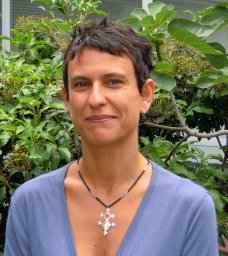 Natascia Ventura合作论文数Department of Experimental Medicine and Biochemical Science, University of Rome5
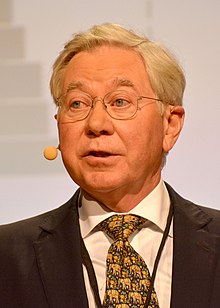 James Vaupel合作论文数Population, Policy, Aging and Research Center, Duke University5
 Jonathan S. Lindsey合作论文数Department of Chemistry, College of Sciences, North Carolina State University5
 Samuel T Henderson合作论文数4
 Jaime Esper合作论文数4A. Kimball合作论文数4J. Biers合作论文数4Sang Kyu Park合作论文数4
 Matt Kaeberlein合作论文数Healthy Aging and Longevity Research Institute, School of Medicine, University of Washington;Optispan4
 Dong L Wu合作论文数Goddard Space Flight Center, National Aeronautics and Space Administration4
 David B. Allison合作论文数Department of Epidemiology & Biostatistics, School of Public Health, Indiana University;Children's Nutrition Research Center, Baylor College of Medicine4
 Robert W Williams合作论文数Department of Genetics, Genomics & Informatics, College of Medicine - Memphis, University of Tennessee Health Science Center;Department of Clinical Pharmacy and Translational Science, College of Pharmacy, University of Tennessee Health Science Center;Feinstone Center for Genomic Research, University of Memphis4
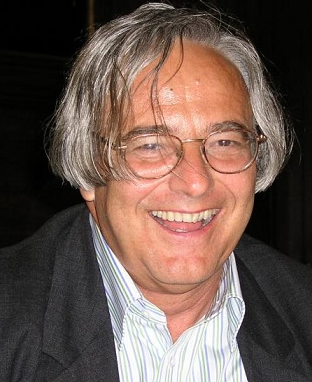 Claudio Franceschi合作论文数Faculty of Medicine, University of Bologna4Anne Brooks合作论文数4
 Jeffrey R. Piepmeier合作论文数Instrument Systems and Technology Division, NASA’s Goddard Space Flight Center4
 Paul E Racette合作论文数National Aeronautics and Space Administration;Goddard Space Flight Center4
 Robin P Corley合作论文数4
 Negar Ehsan合作论文数NASA Goddard Space Flight Center4Matthew E Battaglia合作论文数4Dale A. Schuschke合作论文数4C C Parker合作论文数3




