Background: The discoid lateral meniscus (DLM) is a common congenital abnormality of the meniscus. Tears are common, and initial treatment is often not definitive, leading to a spectrum of complications, including persistent symptoms, meniscal insufficiency, osteochondral defects, and recurrent tears potentially requiring reoperation.Purpose: To determine demographic, injury, and perioperative risk factors that increase the likelihood of complications and reoperation after treatment in patients with DLM.Study Design: Case series; Level of evidence, 4.Methods: Patients surgically treated for DLM from 9 institutions between 2000 and 2020 were reviewed. Data on demographics, presenting symptoms and signs, surgical findings and treatments, complications, and reoperations were collected and analyzed using a 2-level generalized linear mixed model. The conditional probability of complications was predicted using logistic regressions. Odds ratios were calculated to identify findings associated with an increased likelihood of postoperative complications and reoperations.Results: In total, 867 knees in 784 patients were surgically treated for DLM. There were 175 complications in 139 knees (16%); reoperations were performed in 110 knees (13%). Complication rates varied among institutions, ranging from 0% to 29%. The most common complication was retear of the meniscus (12%). Female patients were more likely to have complications and reoperations than male patients. Patients with a meniscus tear were 74% less likely to have a complication than those without tears, although patients with a complex meniscal tear were 3.4 times more likely to have a complication and 4.4 times more likely to have a reoperation than those without. Horizontal tears, as well as the open repair technique, had an increased risk of reoperation. Other tear types, tear locations, repair techniques, the presence of rim instability, age, and preoperative symptoms were not significantly associated with complications.Conclusion: Of the patients, 17% (16% of knees) had postoperative complications after DLM treatment, of whom 17% had more than 1 complication. Additionally, 13% underwent reoperation. Complications were less likely in those treated for their DLM who had a meniscus tear and more likely in female patients and those with complex meniscus tears. Reoperation was more likely in female patients, those with a horizontal or complex tear, and those who had an open meniscus repair.
Discoid lateral meniscus (DLM) is a variant of meniscal histomorphology that often presents in young, active pediatric populations. Patients may present with mechanical symptoms, joint line pain, swelling, and loss of motion especially with lack of terminal knee extension. DLM are prone to tearing, most frequently with horizontal patterns in children and complex patterns in adults. The PRiSM classification and assessment of DLM provide a comprehensive approach to evaluating DLMs arthroscopically, focusing on the following four factors: (1) meniscal width, (2) meniscal height, (3) stability, and (4) the presence of tearing. Meniscal width is defined as complete (Watanabe class I) or incomplete (Watanabe class II). Meniscal height is defined as normal or abnormal. DLMs may be stable, unstable posteriorly (Watanabe class III), unstable anteriorly, or unstable both anteriorly and posteriorly. After appropriate saucerization, the meniscus is carefully evaluated for the presence of a tear, and, if present, the tear type and location are noted. Multiple surgical tips may facilitate appropriate treatment of symptomatic DLMs. A more proximal and medial anteromedial portal should be created directed over the tibial spines into the lateral compartment for optimal working trajectory. Small joint and 70° scopes may also facilitate viewing in select cases. Switching portals frequently allows for a more complete assessment and treatment of DLMs. During the process of saucerization, the popliteal hiatus should be visualized, and this area is often thickened and enlarged which can contribute to meniscal instability. A variety of biters, shavers, and blades may be necessary for optimal saucerization. For unstable tears, traction sutures may facilitate controlling the DLM during saucerization. Once saucerization is complete, the presence of a tear should be thoroughly assessed. If possible, tears should be repaired, and surgeons should be prepared with a variety of repair techniques in addition to marrow stimulation or biologic augmentation to improve healing potential.
Background:The literature presents conflicting findings regarding outcomes after pediatric anterior cruciate ligament reconstruction (ACLR) with various autograft options, reflecting a lack of consensus on the standard of practice. Fragility analyses may assist in evaluating the statistical robustness of these studies. Purpose:To evaluate the statistical fragility of comparative studies in pediatric ACLR through the fragility index (FI) and fragility quotient (FQ), as well as qualitative factors such as outcome type, outcome significance, and patients lost to follow-up. Study Design:Systematic review; Level of evidence, 4. Methods:A systematic review conducted in accordance with the PRISMA (Preferred Reporting Items for Systematic Reviews and Meta-Analyses) guidelines identified 1139 studies in the PubMed and Embase databases that met the search criteria; ultimately, 6 studies were selected for inclusion. A total of 32 comparative outcomes were assessed for fragility across the 6 studies. Descriptive statistics were employed to summarize the fragility data and generate subgroup comparisons. Results:The mean FI was 1.5, and the mean reverse FI was 3.19 (P < .01); the mean FQ was 0.0064, and the mean reverse FQ was 0.028 (P≤ .0001). No significant difference was found in the FIs between objective outcomes and patient-reported outcomes (P = .418). These findings suggested that a comparable number of patients would need to transition from a nonevent to an event to alter a statistically significant result to a nonsignificant one. The FI was lower than the estimated number of patients lost to follow-up for 30 of the 32 outcomes (93.7%). Conclusion:Comparative studies on pediatric ACLR autograft outcomes displayed vulnerability when assessed using fragility metrics, indicating a lack of statistically robust data. The findings revealed that many reported outcomes are fragile and may require further investigation. Future research should incorporate fragility analyses-especially in studies with long-term follow-ups-to enhance the reliability of conclusions regarding optimal graft selection in pediatric ACLR.
Background: Skin tenting is a commonly utilized surgical indication for clavicular fractures. The impact of skin tenting on fracture outcomes has not been investigated in adolescents. The present study compared the clinical and patient-reported outcome measures (PROMs) of nonoperatively and operatively treated adolescent clavicular fractures with skin tenting at presentation. Methods: Patients 10 to 18 years old with completely displaced midshaft clavicular fractures managed at 8 participating institutions from 2013 to 2022 were filtered to identify a cohort with either of 2 categories of skin tenting at initial presentation: (1) "skin tenting" or (2) "skin-at-risk for necrosis" (i.e., tented, white, and hypovascular). Demographics, fracture characteristics, treatment, complications, time to return to sport, and PROMs (i.e., American Shoulder and Elbow Surgeons score; Quick Disabilities of the Arm, Shoulder and Hand; Marx Shoulder Activity score; and European Quality of Life visual analog scale [EQ-VAS]) were analyzed at a minimum of 1-year follow-up. Results: A total of 88 (12%) of 764 prospectively enrolled adolescents with completely displaced midshaft clavicular fractures presented with skin tenting. Patients with skin tenting had older age and greater comminution, shortening, and superior displacement than those without skin tenting. A total of 58 patients with skin tenting (66%) underwent open reduction and internal fixation (ORIF), and 30 (34%) underwent nonoperative treatment, none of whom developed skin-related complications. However, 3 patients in the nonoperative cohort (10%) underwent early conversion to ORIF at a mean of 27 days (range, 6 to 62 days) post-injury. Although the nonoperative cohort was an average of <1 year younger than the ORIF cohort (nonoperative cohort, 14.5 years; ORIF cohort, 15.4 years; p = 0.04), there were no differences in sex (p = 0.23), shortening (p = 0.13), superior displacement (p = 0.14), or comminution (p = 0.32) between groups. PROMs were available for 63% of patients 1 or 2 years post-injury, with no differences in the PROMs European Quality of Life 5 Dimensions 5 Level Version (EQ-5D-5L) and EQ-VAS, complications (p = 0.76), or time to return to sport (p = 0.80) between treatment groups. Conclusions: In this large cohort of prospectively enrolled adolescent patients with clavicular fractures, 12% of patients with completely displaced clavicular fractures presented with skin tenting, approximately one-third of whom were definitively treated nonoperatively, though 10% of the initial nonoperative cohort underwent early conversion to ORIF. Adolescents with skin tenting treated nonoperatively demonstrated no differences in PROMs, complications, or time to return to sport, compared with patients who underwent ORIF.
Anterior cruciate ligament injury and subsequent reconstruction surgery are becoming more common among young athletes in the setting of early sports specialization, intensive involvement, and year-round training. Children and adolescents have a higher rate of graft failure compared to adults and this may be due to differences in graft choice, surgical technique, timing of surgery, neuromuscular development, psychological readiness, compliance with physical therapy, and/or longer duration of exposure to high-risk activities. The purpose of this article is to discuss potential complications and pitfalls of anterior cruciate ligament reconstruction as well as methods to decrease the risk of graft failure in young athletes. Oper Tech Sports Med 33:151158 (c) 2025 The Authors. Published by Elsevier Inc. This is an open access article under the CC BY license (http://creativecommons.org/licenses/by/4.0/)
This review aims to provide a comprehensive analysis of the nonoperative management of Gartland Type II fractures in pediatric patients. Supracondylar humeral fractures (SCF) are one of the most common traumatic fractures in pediatric populations, characterized as transverse fractures at the distal humerus between the medial and lateral columns. Early studies strongly opposed closed reduction and casting as an acceptable treatment modality for Gartland type II fractures as an early case series showed high rates of complications; however, more recent studies have suggested better outcomes. The optimal management of Gartland Type II supracondylar fractures has yet to be fully elucidated. This review highlights the indications, complications, and outcomes of nonoperative Gartland Type II supracondylar humeral fracture management. Additionally, it demonstrates the need for further research to inform guidelines on managing this condition.
Background: The effects of early sport specialization on professional athletes’ resilience in handling increased workloads and athletic success have not been fully described. Hypothesis: National Basketball Association (NBA) players who were multisport athletes during high school would be able to withstand higher workloads with lower injury rates and have more athletic success compared with their single-sport peers. Study Design: Descriptive epidemiology study. Methods: Included were first-round NBA draft picks from 2013 to 2023 who had played ≥1 game in their first 3 seasons after being drafted. Athletes who had participated in ≥1 high school sports in addition to basketball were classified as multisport athletes, while those who had only played basketball were classified as single-sport athletes. For each player's first 3 NBA seasons, workload data (number of games played and distance traveled per game/season in meters), injury history, statistical performance (player efficiency rating), and end-of-season award history were collected through the official NBA advanced statistics database and through publicly available records. Results: Overall, 318 athletes were included, of whom 87 (27.4%) were multisport and 231 (72.6%) were single-sport. During their first 3 seasons combined, multisport athletes played in significantly more games (148.9 ± 67.1 vs 125.8 ± 63.8; P < .01), traveled greater total distances (133,183.9 ± 239,923.0 m vs 73,879.5 ± 165,093.9 m; P < .01), and had a significantly lower percentage of games missed due to injury (13.5% vs 16.9%; P < .001) compared with single-sport athletes. There was a significant correlation between increased workload (total distance traveled) and number of injuries in single-sport athletes ( ρ = 0.37; P < .001) but not in multisport athletes ( ρ = 0.14; P = .20). Last, multisport players had a significantly higher player efficiency rating (12.8 ± 11.6 vs 10.5 ± 5.1; P < .05) and award achievement likelihood (40.2% vs 19.0%; P < .001). Conclusion: NBA players who had participated in multiple sports during high school demonstrated an ability to withstand higher workloads while having fewer games missed due to injury when compared with players who had only played basketball. Furthermore, athletes who delayed sport specialization had greater statistical and award success in their professional careers than those who focused on early single-sport specialization.
Anterior shoulder instability management within skeletally immature patients presents a unique challenge for providers. This systematic review examines the surgical management of traumatic anterior shoulder instability in skeletally immature patients, focusing on recurrence rate, pre-operative conditions, post-operative conditions, demographics, and risk factors for failure. Four full-length articles met the inclusion and exclusion criteria, consisting of two retrospective cohort studies and two case series. In total, 77 patients and 79 shoulders underwent surgical stabilization. Mean age at time of surgery ranged from 12 to 15.9 years with a male proportion ranging from 58 to 86
Prior studies have examined return-to-play (RTP) rates and performance outcomes following meniscus surgery in professional basketball players but have largely focused on earlier eras. With advancements in surgical techniques, rehabilitation, and player management strategies, updated insights into postoperative outcomes are needed. We hypothesized that National Basketball Association (NBA) players would demonstrate a higher return-to-play (RTP) rate than the ~80% reported in 2010, with short-term performance declines but recovery by the second postoperative season. We also evaluated the impact of age, body mass index (BMI), and position on outcomes. NBA players who sustained isolated meniscal tears and underwent surgery between 2010 and 2023 were identified through public databases. Performance metrics-including games played, minutes per game (MPG), player efficiency rating (PER), and distance covered per game-were assessed preoperatively and at one and two years postoperatively. Multivariable linear regression analyzed associations between age, BMI, position, and outcomes. Of 47 eligible players, 43 (90.7%) returned to NBA play. Players missed a median of 17 ± 34 games postoperatively and continued their careers for an average of 4.7 ± 3.4 seasons. The percentage of games played per season significantly declined at one (60.9%, p < 0.001) and two years (64.2%, p < 0.01) postoperatively versus pre-injury (79%), a novel finding. MPG and PER declined at one year (22.3 vs. 26.0, p = 0.02; 14.6 vs. 16.4, p = 0.04) but recovered by year two (23.8 MPG, 15.8 PER; both p > 0.1). Older age correlated with reduced games played, MPG, and PER. BMI and position had no significant impact. NBA players demonstrate high RTP rates after meniscus surgery. While playing time and efficiency recover by year two, reduced availability persists, likely reflecting ongoing workload management strategies.
Background: Skin tenting is a commonly utilized surgical indication for clavicular fractures. The impact of skin tenting on fracture outcomes has not been investigated in adolescents. The present study compared the clinical and patient-reported outcome measures (PROMs) of nonoperatively and operatively treated adolescent clavicular fractures with skin tenting at presentation. Methods: Patients 10 to 18 years old with completely displaced midshaft clavicular fractures managed at 8 participating institutions from 2013 to 2022 were filtered to identify a cohort with either of 2 categories of skin tenting at initial presentation: (1) “skin tenting” or (2) “skin-at-risk for necrosis” (i.e., tented, white, and hypovascular). Demographics, fracture characteristics, treatment, complications, time to return to sport, and PROMs (i.e., American Shoulder and Elbow Surgeons score; Quick Disabilities of the Arm, Shoulder and Hand; Marx Shoulder Activity score; and European Quality of Life visual analog scale [EQ-VAS]) were analyzed at a minimum of 1-year follow-up. Results: A total of 88 (12%) of 764 prospectively enrolled adolescents with completely displaced midshaft clavicular fractures presented with skin tenting. Patients with skin tenting had older age and greater comminution, shortening, and superior displacement than those without skin tenting. A total of 58 patients with skin tenting (66%) underwent open reduction and internal fixation (ORIF), and 30 (34%) underwent nonoperative treatment, none of whom developed skin-related complications. However, 3 patients in the nonoperative cohort (10%) underwent early conversion to ORIF at a mean of 27 days (range, 6 to 62 days) post-injury. Although the nonoperative cohort was an average of <1 year younger than the ORIF cohort (nonoperative cohort, 14.5 years; ORIF cohort, 15.4 years; p = 0.04), there were no differences in sex (p = 0.23), shortening (p = 0.13), superior displacement (p = 0.14), or comminution (p = 0.32) between groups. PROMs were available for 63% of patients 1 or 2 years post-injury, with no differences in the PROMs European Quality of Life 5 Dimensions 5 Level Version (EQ-5D-5L) and EQ-VAS, complications (p = 0.76), or time to return to sport (p = 0.80) between treatment groups. Conclusions: In this large cohort of prospectively enrolled adolescent patients with clavicular fractures, 12% of patients with completely displaced clavicular fractures presented with skin tenting, approximately one-third of whom were definitively treated nonoperatively, though 10% of the initial nonoperative cohort underwent early conversion to ORIF. Adolescents with skin tenting treated nonoperatively demonstrated no differences in PROMs, complications, or time to return to sport, compared with patients who underwent ORIF. Level of Evidence: Therapeutic Level II . See Instructions for Authors for a complete description of levels of evidence.
Background Orthopaedic surgery has the lowest number of full-time faculty positions held by women, at 19%, with endowed chairs among the most coveted and advantageous. We examined the characteristics of endowed professors from the US top 100 orthopaedic academic centers and highest -funded musculoskeletal (MSK) researchers to determine if gender is associated with endowed professorship. Additionally, we sought to determine if gender is associated with increased NIH funding for top -performing musculoskeletal researchers. Methods Our primary study group included the top 100 orthopaedic academic centers defined by US News World Report and Doximity's rankings. Our secondary study group examined the top MSK researchers, defined as principal investigators, who received >$400,000 in annual NIH funding from 2018 to 2021. Orthopaedic departments included MSK researchers and subspecialties within orthopaedics and medicine. Publicly available sources were used to compile institutional, gender, H -index, citation number, and subspecialty data on endowed professors; statistical comparisons were calculated. Results Within the top 100 orthopaedic academic departments, 4674 faculty were identified. Seven hundred and thirty-three (15.68%) were identified as women, 3941 as men (84.32%). One hundred and ninety-four held endowed professorships; 13 were awarded to women (6.7%), and 185 (95.3%) were awarded to men, with a significant odds ratio (OR) of 2.95, favoring men. For MSK researchers, the OR increases to 11.4. Arthroplasty and sports had the highest numbers of endowments. Significant differences in H -index, publications, and graduation year were identified between men and women for top MSK researchers and orthopaedic -trained surgeons; however, these differences disappeared when considering heterogenous orthopaedic departments that included medicine subspecialties, plastic surgery, hand surgery, and neurosurgery. Additional gender differences were observed in endowment names, with awards commemorating 51.5% men, 7.2% women, and 34% families or groups. Conclusion Gender inequities at the endowment level are substantial, and there are very few women in musculoskeletal medicine to achieve endowments. Differences in H -index, publications, and graduation year between men and women MSK researchers and orthopaedic -trained surgeons, but not combined orthopaedic, PM&R, and medical subspecialty departments, suggest unique challenges in orthopaedic surgery environments and histories that may contribute to endowment disparity. Gender was not found to be associated with funding bias for top -performing musculoskeletal researchers.
Background:Patient-reported outcome measures (PROMs) have been adopted as a way to measure patient self-rated physical function and health status for patients with anterior cruciate ligament (ACL) injuries. Although multiple PROMs exist and have been translated into various languages, the cross-cultural adaptation and validity of these PROMs for Spanish-speaking patients is unknown. Purpose:To evaluate the adaptation quality and psychometric properties of Spanish-language adaptations of PROMs for patients with ACL injuries. Study Design:Scoping review; Level of evidence, 3. Methods:Under PRISMA (Preferred Reporting Items for Systematic Reviews and Meta-Analyses) guidelines, we reviewed published studies related to adaptation quality and psychometric properties of Spanish PROMs in patients with ACL injuries. The methodological quality of the included studies was assessed using the Guidelines for the Process of Cross-Cultural Adaptation of Self-Reported Measures, the Quality Criteria for Psychometric Properties of Health Status Questionnaires, and the Consensus-based Standards for the selection of health Measurement INstruments (COSMIN) checklist. The level of evidence for each PROM was determined based on the number of studies, methodological quality, consistency of results, and sample size. Results:The initial search strategy identified 5687 articles. After removal of duplicates, 1882 titles were screened, and 114 articles were assessed for eligibility. Six articles were selected for final review, comprising 4 PROMs: the Lysholm knee score, the Anterior Cruciate Ligament-Return to Sport After Injury (ACL-RSI), the Lower Extremity Functional Scale, and the Lower Limb Functional Index. Three studies followed all 6 processes for cross-cultural adaptation. None of the studies demonstrated all 14 domains required for cross-cultural validity (eg, description of translator expertise). The ACL-RSI achieved the highest level of evidence, with 3 of 9 domains demonstrating moderate evidence. Conclusion:This review identified 4 instruments that have been translated for Spanish-speaking patients with ACL injuries, none of which demonstrated appropriate adaptation or robust psychometric properties. The study highlights the need for improvement in PROMs for Spanish-speaking patients and the potential for mismeasurement and inappropriate application of PROM results in patients with ACL injuries.
Objectives: As the emphasis on player safety in the national football league (NFL) has increased in recent years, numerous risk factors for injury have been closely scrutinized for their roles in placing players at increased risk. One such factor, the use of artificial turf football fields, has become a controversial topic, with many current and former players stating that turf fields place players at higher risk for injury while alternative sources have suggested there is no significant injury rate between artificial and natural grass surfaces. The purpose of this study was to quantify the rate of lower extremity injuries occurring in NFL players on artificial turf compared to natural grass surfaces and to characterize the degree of time missed with injury and the proportion of injuries requiring surgery. We hypothesized that major lower extremity injuries requiring surgical intervention occurred on artificial turf surfaces at a higher rate than on natural grass. Methods: Lower extremity Injury data for the 2021 and 2022 NFL seasons were obtained using publicly available records from the internet. All reported lower extremity injuries during the regular and playoff seasons were analyzed. Upper extremity, head, and back injuries were excluded. Preseason data was also excluded. Data collected included player position and age, playing surface of the field on which, the injury occurred, injury type, weeks missed with injury, and whether the patient underwent season-ending or minor surgery. Statistical analysis was performed using R Software (Rlabs). Descriptive statistics were used to summarize data, including percentages and counts for categorical and ordinal data and means with interquartile ranges for continuous data. Incidences of injury on both grass and turf fields were calculated for the 2021 and 2022 seasons by taking a ratio of the number of injuries that occurred and the number of games played on respective fields. Additionally, injuries were stratified by subsequent number of games missed: 0 games missed, 1-2 games missed, >6 games missed. Multivariable logistic regression was performed to determine the influence of field type on the risk of major surgery. A p-value less than 0.05 was statistically significant. Results: In total there were 327 (44.12%) lower extremity injuries in 2021 and 391 (54.45%) lower extremity injuries in 2022, resulting in a total of 718 lower extremity injuries. A demographic summary of these injuries by position, age, field, and history of previous injury is displaced in Table 1. Combining the 2021/2022 seasons, the incidence rate of lower extremity injury on natural grass surfaces was 1.22 injuries/game while for turf surfaces, the incidence rate was 1.42 injuries/game (Table 2). Injury severity was stratified by weeks missed. Odds of a season-ending surgery were found to be significantly higher on turf surfaces compared to natural grass surfaces (OR 1.60, 95% CI 1.28-1.99, p<0.05), while additional variables, including weather, age, position, and week of injury occurrence and history of prior injury were not found to influence the odds of season-ending surgery. In total, there were 50 players injured on the grass who required lower extremity surgery and 83 players injured on turf who required lower extremity surgeries. The most common surgeries after a lower extremity on grass were ACL repair (17), Achilles repair (9), and ankle or syndesmosis ORIF (7). The most common surgeries after a lower extremity on turf were ACL repair (30), Achilles repair (12), patella ORIF, or patellar tendon repair (8) (Table 3). Conclusions: The debate about playing on artificial turf versus natural grass has persisted for several years; however, there is a discrepancy in data reported on these overall injury rates. Our study showed that NFL athletes were more likely to get injured on artificial surfaces and that turf dramatically increased the likelihood of suffering a serious injury requiring surgery. These findings support earlier research, highlighting the necessity of putting player safety first and reducing dangers on pitches with artificial turf. For players, coaches, and teams to make wise decisions about playing surfaces, the study offers useful information regarding playing safety. Overall, it indicates that there is a higher risk of lower extremity injuries on artificial grass in the NFL, confirming the continuing discussion about field safety.
The physical health impacts of microplastics have received increasing attention in recent years. However, limited data impedes a full understanding of the internal exposure to microplastics, especially concerning the musculoskeletal system. The purpose of this review is to summarize the recent literature regarding the effects of microplastics on the musculoskeletal system. Microplastics have been shown to cause abnormal endochondral ossification and disrupt the normal function of pre-osteoblasts, osteocyte-like cells, and pre-osteoclasts through gene mutations, endoplasmic reticulum stress induction, and reduced autophagosome formation in bone growth areas. Although there are few reports on their effects on muscle, it has been noted that microplastics inhibit energy and lipid metabolism, decrease type I muscle fiber density, impair muscle angiogenesis, cause muscle atrophy, and increase lipid deposition. Only a few recent studies have shown that microplastics interfere with the normal function of bone growth-related cells and reduce muscle mass and quality. This review underscores the need for further research into other parts of the musculoskeletal system and studies using human tissues at the disease level.
INTRODUCTION:Anterior cruciate ligament (ACL) injuries and ACL reconstruction (ACLR) surgery are very common. Patients increasingly use social media platforms like YouTube to find healthcare information to help them make medical decisions. The purpose of this study was to evaluate the quality of YouTube videos providing information about ACL injuries and ACL surgery. METHODS:The most-viewed YouTube videos for ACL-associated search terms were reviewed for inclusion and assessed by two authors using four video quality assessment tools: the Journal of American Medical Association benchmark (JAMA) (0-4), Global Quality Score (GQS) (1-5), modified DISCERN (mod-DISCERN) (0-5), and YouTube ACL Specific Score (the score) (0-25). Intraclass correlation coefficients (ICCs) were calculated to determine interrater reliability. Unpaired t-tests were used for comparisons between groups and linear regressions to identify associations. RESULTS:There were 45 videos that met the inclusion criteria. Overall, 31.1% of videos reported an academic affiliation, and 53.3% listed an MD as the lead author. The mean JAMA score was 2.8, GQS 3.2, mod-DISCERN 2.6, and overall the score 5.9. There was good interobserver agreement across all quality tools (ICC>0.75). Videos with an MD lead author had significantly higher JAMA (p < 0.001) and GQS (p < 0.01) scores than those led by non-physicians. Videos with academic affiliations had significantly higher JAMA (p < 0.001), GQS (p < 0.01), mod-DISCERN (p < 0.01), and the score Management Domain (p = 0.04) scores. CONCLUSION:Among the most-viewed YouTube videos related to ACL injuries and ACL surgery, physician-led and academically affiliated videos provided higher quality educational information compared to other sources, however, the overall quality of content provided is low. LEVEL OF EVIDENCE:Level IV.
Background: Anterior cruciate ligament (ACL) injuries are one of the most common knee injuries in pediatric patients in the United States. The patient's primary spoken language may affect outcomes after ACL reconstruction (ACLR). Purpose/Hypothesis: The purpose of this study was to identify differences in ACLR outcomes between patients whose primary, preferred spoken language was either English or Spanish. It was hypothesized that there would be a difference in retear rates between patients preferring English versus Spanish. Study Design: Cohort study; Level of evidence, 3. Methods: A retrospective cohort study was performed on pediatric and adolescent patients who underwent ACLR at a single institution. Patients were divided into 2 cohorts based on their preferred spoken language: English or Spanish. All patients underwent either hamstring tendon or bone–patellar tendon–bone autograft ACLR performed by the same surgeon with the same postoperative rehabilitation protocols. Linear regression, chi-square tests, and multivariate logistic regression were used to determine if outcomes, graft tear, revision surgery, and contralateral injury differed between groups. Results: A total of 68 patients were identified: 33 patients whose preferred language was English and 35 patients whose preferred language was Spanish. The overall mean age of the patients was 16.4 ± 1.4 years (range, 13.2-20.5 years), and the mean follow-up time was 3.26 ± 1.98 years (range, 0.53-8.13 years). Patients who preferred Spanish were more likely than those who preferred English to experience graft tears requiring revision surgery after ACLR ( P = .02; odds ratio [OR] = 5.81; adjusted OR = 1.94), at a tear rate of 14.3%. Conclusion: Patients who preferred to speak Spanish experienced higher graft tear rates when compared with patients who preferred speaking English, even after adjusting for sex, sport played, graft type, type of insurance, and time to surgery.
Background: It has been argued that the use of artificial turf football fields in the National Football League (NFL) increases player injury risk compared with natural grass surfaces. Purpose/Hypothesis: The purpose of this study was to quantify the rate of lower extremity injuries occurring in NFL players on artificial turf compared with natural grass surfaces and characterize the time missed due to injury and proportion of injuries requiring surgery. It was hypothesized that lower extremity injuries requiring surgical intervention would occur at a higher rate on artificial turf than on natural grass. Study Design: Descriptive epidemiology study. Methods: Lower extremity injury data for the 2021 and 2022 NFL seasons were obtained using publicly available records. Data collected included injury type, player position, player age, playing surface, weeks missed due to injury, and whether the patient underwent season-ending or minor surgery. Multivariable logistic regression was performed to determine the risk of season-ending surgery according to playing surface. Results: When combining injuries for the 2021 and 2022 seasons (N = 718 injuries), the incidence rate of lower extremity injury was 1.22 injuries/game for natural grass and 1.42 injuries/game for artificial turf. The odds of a season-ending surgery were found to be significantly higher on artificial turf compared with natural grass (odds ratio = 1.60; 95% CI, 1.28-1.99; P < .05), while additional variables, including weather, age, position, week of injury occurrence, and history of prior injury, did not influence the odds of season-ending surgery. Conclusion: The 2021 and 2022 NFL seasons of our analysis demonstrated a higher incidence rate of injuries on artificial turf surfaces compared with natural grass surfaces. In addition, the odds of injury requiring season-ending surgery were found to be significantly higher on artificial turf compared with natural grass.
Youth sports are increasingly shifting towards a “pay to play” model which has introduced financial barriers to participation. The Amateur Athletic Union (AAU) is the main organization for club basketball, serving as a platform where young athletes can compete beyond the recreational level. Outside the realm of athletes who have access to state-of-the-art facilities and top-tier coaching, the pathway to playing basketball at the next level may be predominantly available to those who can afford the considerable costs of AAU participation. The objective of this study is to determine the accessibility of AAU teams of active National Basketball Association (NBA) players through use of the Area Deprivation Index (ADI). We identified 114 AAU teams with physical addresses for 250 (50
Hip pain is a common complaint in adolescents. There are several causes for hip pain in this population, with dysplasia and impingement being the most common; however, other conditions such as extra-articular impingement, torsional disorders, labral tears, and osteochondral lesions also require consideration. Many of these conditions are related to underlying anatomic abnormalities and increased activity in this age group. An understanding of the common pathologies of the adolescent hip is integral to the evaluation, diagnosis, and treatment of these patients.
Background: Patients with public insurance (PUBs) face more difficulty obtaining orthopaedic appointments and have longer wait times than privately insured patients (PVTs). These delays are associated with greater injury severity at the time of surgery, which affects sports injuries such as anterior cruciate ligament tears where early surgical stabilization leads to better outcomes. Additionally, previous evidence showed that patients with limited English proficiency often must rely on informal translation services, such as family members or friends, to communicate with their orthopaedic surgeons, which may represent a disparity in the care provided. Hypothesis: It was hypothesized that PUBs would be less likely to obtain an appointment compared with PVTs and that most providers would not offer professional translation services to Spanish-speaking patients. Study Design: Cross-sectional study. Methods: The authors called 50 randomly selected orthopaedic surgeons’ offices in California specializing in sports medicine to request an appointment. Each office was called 4 times in random order for the hypothetical patient having either private or public insurance and speaking either Spanish or English. Results: The hypothetical PUB had significantly decreased access to an appointment (19% of offices offered an appointment) when compared to the PVT (73.8% offered an appointment). Independent private practice (IPP) offices were less likely to accept public insurance (13.3%) compared with offices at academic medical centers (57.1%). There was no difference in access to an appointment for the Spanish- versus English-speaking patient. Translation services were offered at 73.8% of the orthopaedic offices. Conclusion: Overall, the data illustrated disparities in access to pediatric orthopaedic care for PUBs compared to those with private insurance. Disparities were most prominent in IPP settings, which were less likely than academic offices to accept public insurance. Additionally, it was found that 73.8% of the offices the authors contacted offered Spanish translation services. Interventions should focus on increasing acceptance of public insurance and translation services in IPP settings. Future studies should expand this analysis to other languages and investigate the potential impacts of language on the quality of care provided.
 Brian Feeley合作论文数26
 Allahabadi Sachin合作论文数20Eric W. Edmonds合作论文数16
 Harish Hosalkar合作论文数14
 Jeffrey J Nepple合作论文数Dept Orthopaed Surg, Washington Univ14Benton E. Heyworth合作论文数14
 G Ying Li合作论文数Department of Orthopaedic Surgery, University of Michigan13Andrew T. Pennock合作论文数13
 Henry Bone Ellis合作论文数Department of Orthopedic Surgery, The University of Texas Southwestern Medical Center13
 David Spence合作论文数12
 Coleen S Sabatini合作论文数Department of Orthopedic Surgery, University of California12
 Philip Wilson合作论文数11
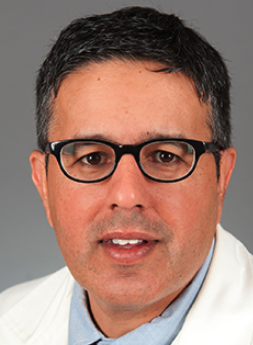 Mininder Kocher合作论文数Sports Medicine Division, Children's Hospital Boston;Orthopedic Center, Children's Hospital Boston;Harvard Medical School10Donald S. Bae合作论文数10Crystal A Perkins合作论文数9
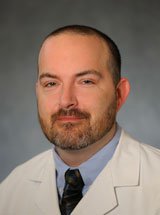 Keith Baldwin合作论文数Department of Orthopaedic Surgery, Children’s Hospital of Philadelphia8
 Drew A. Lansdown合作论文数7Samuel C Willimon合作论文数5
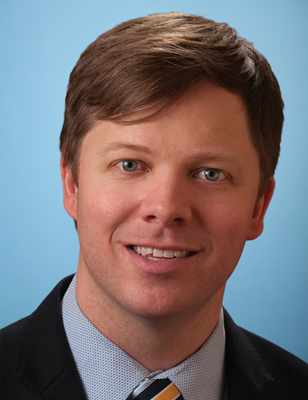 Samuel Clifford Willimon合作论文数Department of Orthopaedic Surgery, Duke University School of Medicine5
 Brian C Lau合作论文数Center for Sports Medicine, University of Pittsburgh Medical Center5Theodore J. Ganley合作论文数Department of Orthopaedic Surgery, University of Pennsylvania (JMF, TJG, JPD)5
 G. Russell Huffman合作论文数Penn Sports Medicine Center Weightman Hall, University of Pennsylvania5Elizabeth S. Liotta合作论文数4
 Neeraj Patel合作论文数Division of Orthopaedic Surgery, The Children's Hospital of Philadelphia4Keenan Mary Ann合作论文数4
 Surena Namdari合作论文数the University of Pennsylvania4Stephanie E. Wong合作论文数3Abhinav Janghala合作论文数3Anthony J Wiggins合作论文数3Katelyn A. Hergott合作论文数3Andrew P. Gatto合作论文数3Agustin Diaz合作论文数3Ryan T Halvorson合作论文数Department of Orthopaedic Surgery, University of California San Francisco3Matthew Orringer合作论文数3Obiajulu Agha合作论文数3Parikh Shital N合作论文数3
 Kristofer J Jones合作论文数3Zhang Alan L合作论文数3Wolfgruber Hayley合作论文数3Carter Cordelia W合作论文数3Rugg Caitlin M合作论文数3Swarup Ishaan合作论文数3Webner David合作论文数3Khanna Krishn合作论文数3
 Michael P. Busch合作论文数School of Medicine, University of California, San Francisco;Vitalant Research Institute;Blood Systems3Denis S. Drummond合作论文数3Brian J. Sennett合作论文数3
 Frances A Farley合作论文数3Rohit Reddy合作论文数2




