BACKGROUND:Reliable preoperative risk assessment is essential in cardiac surgery. In Japan, coronary artery bypass grafting (CABG) risk models have been developed from the Japan Cardiovascular Surgery Database - Adult section (JCVSD-A), with JapanSCORE I and II released previously. To reflect contemporary practice, we developed and validated JapanSCORE III, an updated risk model for isolated CABG, using JCVSD-A. METHODS AND RESULTS:We identified patients undergoing isolated CABG between 2018 and 2023 in the JCVSD-A. The dataset was temporally split into development (2018-2022) and validation (2023) cohorts. A least absolute shrinkage and selection operator model was developed to predict operative mortality, incorporating imaging-based predictors and clinically relevant factors. Secondary outcome models were constructed for stroke, reoperation, prolonged ventilation, renal failure, deep sternal wound infection (DSWI), gastrointestinal complications, and intensive care unit stay >7 days. Model performance was assessed by areas under the curve (AUC) and calibration plots. Among 70,180 patients (mean age 69.3 years; 20% women), operative mortality was 2.7%. The incidence of stroke, reoperation, prolonged ventilation, renal failure, DSWI, gastrointestinal complications, and prolonged ICU stay was 1.8%, 1.5%, 3.7%, 2.0%, 1.1%, 1.3%, and 13.2%, respectively. Operative mortality and renal failure models demonstrated good discrimination (AUC >0.8) and calibration in validation. CONCLUSIONS:Operative outcomes remained stable despite increasing predicted risk. The JapanSCORE III models showed good predictive performance, providing valid tools for preoperative risk stratification.
To establish updated nationwide perioperative benchmarks for minimally invasive cardiac surgery (MICS) in Japan by presenting the 2023 annual report and summarizing procedural trends from 2021 to 2023. Data on mitral valve (MV) surgery, aortic valve replacement (AVR), coronary artery bypass grafting (CABG), atrial septal defect (ASD) closure, and cardiac tumor resection performed via MICS in 2023 were extracted from the Japan Cardiovascular Surgery Database. Perioperative outcomes, including 30-day mortality, in-hospital mortality, conversion to median sternotomy, and major morbidity, were evaluated. Three-year trends in case volume, institutional distribution, procedural complexity, and early outcomes were descriptively reviewed. The 2023 MICS cohort included the following cases: MV surgery (n = 3367), AVR (n = 1352), isolated CABG (n = 564), ASD closure (n = 232), and cardiac tumor resection (n = 126). Thirty-day and in-hospital mortality rates were 0.2
BACKGROUND:The use of information and communication technology (ICT) as a strategy to improve the quality of emergency medical care is gaining attention. A survey was conducted to investigate the extent to which ICT is being used in cardiovascular emergencies. METHODS AND RESULTS:A web-based questionnaire survey targeting cardiovascular surgery, cardiology, and emergency medicine departments at 320 facilities was conducted. The survey questions focused primarily on the presence and effectiveness of image sharing between hospitals and information sharing with emergency technicians using ICT, challenges in the use of ICT, and barriers hindering ICT adoption. The adoption rates of ICT for image sharing in cardiovascular surgery and electrocardiogram transmission in cardiology were 24% and 28%, respectively. ICT implementation was evaluated as being highly useful not only for reducing time to treatment but also for improving collaboration between medical professionals both within and outside the hospital. In emergency medicine, ICT collaboration with emergency technicians was implemented at 38% of hospitals, with image sharing at the emergency scene being prevalent. In cardiovascular surgery, 29% of facilities reported that the number of non-urgent transfers decreased or decreased significantly due to ICT implementation. CONCLUSIONS:Although ICT utilization remains at 20-25%, expectations for its widespread adoption are extremely high. Conversely, concerns about the costs and differences in ICT platforms are common, and there is a desire to adopt compatible systems.
INTRODUCTION:An ilio-iliac arteriovenous fistula (IIAVF) secondary to the rupture of a common iliac artery aneurysm (CIAA) is rare. Sudden arteriovenous shunting and subsequent fistula enlargement can result in acute cardiac failure. Immediate diagnosis and treatment are required; however, the clinical symptoms differ from those of a free wall rupture of an aortic aneurysm, making a quick diagnosis difficult. Thus, we reported the case of a patient with severe right-sided cardiac failure, due to an arteriovenous shunt formation secondary to an IIAVF who underwent an artificial blood vessel replacement with favorable results. CASE PRESENTATION:A 71-year-old male patient presented to our hospital with polypnea and palpitations. Initial early-phase computed tomography (CT) revealed a 60-mm-in-diameter right CIAA and an inferior vena cava (IVC) dilatation. Severe congestive heart failure, due to an arteriovenous shunt formation secondary to an IIAVF was diagnosed. The massive shunt of blood flowed from the right common iliac artery (CIA) to the right common iliac vein (CIV). He underwent an emergency open abdominal aortic replacement. The IVC ran anomalously anterior to the giant right CIAA and strongly adhered to the IVC and right CIV. Two guidewires were inserted from the bilateral femoral veins into the IVC intraoperatively. Moreover, an occlusion balloon was inserted into the right CIV. Thus, bleeding from the fistula was well-controlled by the time of aneurysm opening. The proximal side of the artificial graft was anastomosed to the abdominal aorta, while the right and left peripheral branches of the prosthesis were anastomosed to the right external iliac artery and left CIA, respectively. CONCLUSIONS:We reported the case of a giant right CIAA that directly created a shunt into the right CIV. Contrast-enhanced CT is a useful method for confirming the working diagnosis of an IIAVF. In particular, in cases of IVC anomalies or strong perivenous tissue adhesions, bleeding can be controlled using devices, such as occlusion balloons and a meticulous surgical plan.
A nationwide questionnaire survey was conducted by the Research and Education Committee of the Japanese Association for Thoracic Surgery to investigate current practices of myocardial protection using cardioplegia (CP) in cardiovascular surgery, with the aim of developing a recommendation statement on CP. The survey was sent to 521 facilities and focused on adult cardiac surgery (ACS), aortic surgery (AS), and pediatric cardiac surgery (PCS). The response rate was 86.0
Coronary artery disease is a significant health concern and can lead to death. Coronary artery bypass grafting (CABG) is the primary surgical treatment for this disease. However, the long-standing hypothesis that women face higher surgical mortality than men after CABG remains controversial. The universal healthcare system and the established national cardiovascular surgery registry of Japan provide a unique oppotunity to assess this supposition. This study aimed to re-evaluate this long-standing hypothesis. This nationwide observational retrospective study analyzed 40,796 primary elective CABG procedures performed in Japan between January 2019 and December 2023. It included 33,202 men (81%) and 7,594 women (19%). Data were sourced from the Japan Cardiovascular Surgery Database. Preoperative, intraoperative, and postoperative variables were analyzed to assess sex differences in operative mortality. The impact of the yearly procedure volume at each facility was evaluated. Operative mortality for elective CABG was 1.25% in men and 1.63% in women ( P =0.01), supporting higher operative mortality in women in Japan. Preoperatively, women had lower body surface area and smoking rates. No notable sex differences were observed in the choice of surgical procedure, cardiopulmonary bypass use, or graft selection. Postoperative mediastinitis occurred more frequently in women than in men. After adjusting for body surface area, the difference in mortality became insignificant. A multivariable logistic regression analysis controlling for age, body mass index, preoperative comorbidities, preoperative status, and the facility’s annual CABG procedure volume confirmed that a body surface area of <1.4 m 2 was a significant mortality risk factor, irrespective of sex. The higher proportion of women with a body surface area of <1.4 m 2 explained the higher mortality in this group compared to the cases in men. These findings support that extremely small body size is a mortality risk factor for CABG. Nationwide registry data from Japan revealed that female sex is not an independent predictor for CABG mortality. Higher mortality in women primarily reflects the overrepresentation of female patients with very small body sizes. These findings suggest that surgical procedures and anastomosis strategies for small coronary arteries can improve outcomes in all patients when optimized.
Objective: The study objective was to know how the results of patients who underwent coronary artery bypass grafting for coronary arterial lesions caused by Kawasaki disease have changed in the past half-century after the first report of Kawasaki disease. Methods: We investigated the national results of coronary artery bypass grafting in patients with Kawasaki disease who underwent the procedures between 2008 and 2019 from the Japan Cardiovascular Surgery Database Organization. The prevalence and outcome of patients with coronary artery bypass grafting were clarified. The factors that affected the condition upon discharge were analyzed. Furthermore, the outcomes of the patients in the late period after discharge were surveyed by questionnaires in 2021. Results: A total of 343 patients were identified. Coronary artery bypass grafting after Kawasaki disease has been performed in approximately 40 patients per year recently. There were 264 male patients (77.0%) and 79 female patients (23.0%). The median age at the time of the operation was 39 years (5th-95th percentile, 13-72). The 30-day-operative mortality was 0.9%. Of the 183 patients (53.8%) with the quwtionaires after discharge, 176 survived (96.2%), and 7 died (3.8%). The 10-year survival rate was 94% (95% CI, 87-97%) (n = 183). The 5-year survivals depended on the preoperative left ventricular ejection fraction, which was 72% (95% CI, 13-96) (n =9) for the poor group (left ventricular ejection fraction <30%), 98% (95% CI, 87-100) (n = 104) for the preserved group (>= 60%), and 94% (95% CI, 81-98) (n = 70) for the intermediate group (>= 30% but <60%) (P < .05). Conclusions: A half-century after the first report of Kawasaki disease, the ages of the patients who undergo coronary artery bypass grafting in this population have changed from children to young adults. Although the preoperative left ventricular function affected the long-term outcome, the operative results were good.
Objective To assess the surgical outcomes of acute aortic dissection (AAD) with coronary malperfusion (CM) in Japan through the Japan Cardiovascular Surgery Database. Methods Between 2019 and 2021, 15,509 patients underwent surgical treatment for AAD. CM occurred in 304 (2.0%), of which 188 were analyzed. Results The mean age of patients was 65 ± 11.8 years. Preoperative acute myocardial infarction, cardiopulmonary arrest, and mechanical circulatory support (MCS) were found in 49.5%, 16.5%, and 9.6%, respectively. The 30-day operative mortality rate was 33.0%. The left CM (33.5%) was associated with greater mortality rates (41.3%), particularly as Neri classification advanced to type B and type C. Conversely, right CM (56.4%) had a lower mortality rate (25.0%), regardless of Neri classification. Preoperative percutaneous coronary intervention was performed in 14.9% and concomitant coronary artery bypass grafting was performed in 57.4%. The 30-day operative mortality rate for coronary intervention showed no difference between percutaneous coronary intervention (41.7%) and coronary artery bypass grafting (38.0%), regardless of Neri classification. The median time from onset to coronary reperfusion was 361.5 minutes. Preoperative acute myocardial infarction, cardiopulmonary arrest, and the requirement for MCS as independent risk factors for 30-day operative mortality. Conclusions The surgical mortality rate for AAD with CM remains high, particularly in cases with left CM, with this trend becoming more pronounced as the Neri's classification advanced to type B and type C. Patients in critical conditions, such as those requiring cardiopulmonary resuscitation or MCS, were at significantly greater risk of mortality.
 Shin-ichi Takamoto合作论文数University of Tokyo155
 Hiroaki Miyata合作论文数110
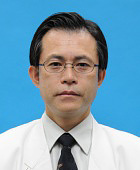 Minoru Ono (稔小野)合作论文数Department of Cardiovascular Surgery, Graduate School of Medicine, The University of Tokyo;Department of Cooperative Unit of Medicine and Engineering Research, The University of Tokyo Hospital86
 Aya Saito合作论文数71Kumamaru Hiraku合作论文数Department of Epidemiology, Harvard School of Public Health43
 Yasutaka Hirata合作论文数31
 Shunei Kyo合作论文数31Hideyuki Shimizu合作论文数30Arata Murakami合作论文数First Department of Surgery, Toyama Medical and Pharmaceutical University30Hiroyuki Tsukihara合作论文数26Yasushi Toh (藤也寸志)合作论文数National Hospital Organization Kyushu Cancer Center22Yoshikatsu Saiki合作论文数22
 Shunsuke Endo (遠藤俊祐)合作论文数Department of Earth Science, Interdisciplinary Faculty of Science and Engineering, Shimane University21
 Kazuo Tanemoto合作论文数21Junjiro Kobayashi合作论文数20
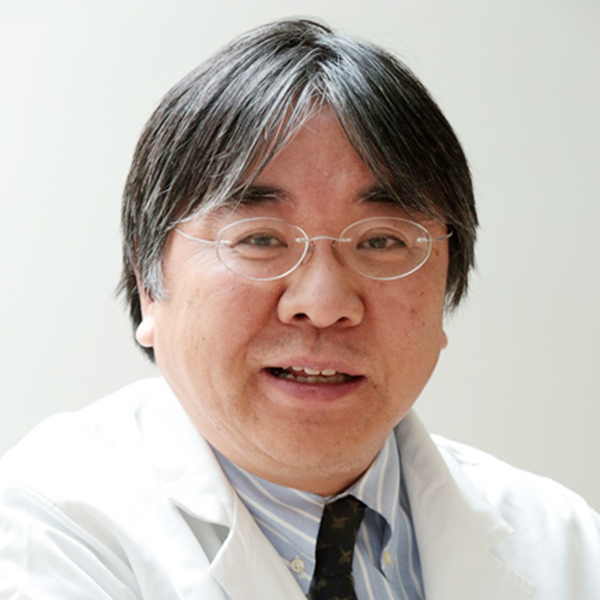 Yoshiki Sawa合作论文数Department of Cardiovascular Surgery, Graduate School of Medicine, Osaka University;Division of Health science, Graduate School of Medicine, Osaka University;Osaka Police Hospital20Okada Morihito合作论文数20
 Osamu Kinoshita合作论文数20Yukio Sato合作论文数19
 Takashi Nishimura合作论文数18Tsuyoshi Taketani合作论文数17Tatsuishi Wataru合作论文数17
 Tomonobu Abe合作论文数Department of Cardiovascular Surgery, Social Insurance Chukyo Hospital17
 Norimichi Hirahara合作论文数16Goro Matsumiya合作论文数16
 Hisashi Iwata合作论文数Department of General Thoracic Surgery, Center of Respiratory Disease, Gifu University Hospital16
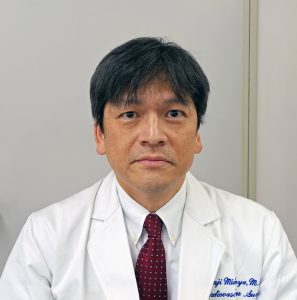 Kenji Minatoya合作论文数Department of Cardiovascular Surgery, Graduate School of Medicine, Kyoto University16
 Hisashi Saji合作论文数16
 Kan Nawata合作论文数15Hiroyuki Yamamoto合作论文数14
 Nobuyoshi Kawaharada合作论文数14
 Yuichiro Doki (土岐祐一郎)合作论文数Department of Gastroenterological Surgery, Graduate School of Medicine, Faculty of Medicine, Osaka University;Department of Surgery, Graduate School of Medicine, Faculty of Medicine, Osaka University14
 Shunsuke Kawamoto合作论文数14
 Kenji Suzuki (鈴木健司)合作论文数Department of General Thoracic Surgery, School of Medicine, Juntendo University;Juntendo University Hospital13
 Takushi Yasuda合作论文数Department of Surgery, Kindai University Faculty of Medicine13
 Munetaka Masuda (益田宗孝)合作论文数Fukuoka Mirai Hospital;Yokohama City University13
 Yutaka Okita合作论文数Kobe University, Division of Cardiovascular Surgery, Depart of Surgery13
 Hiroya Takeuchi (竹内裕也)合作论文数Divisions of Gastroenterological & Vascular Surgery, School of Medicine, Hamamatsu University;Faculty of Medicine Surgery 2, Hamamatsu University;Department of Surgery, School of Medicine, Hamamatsu University13
 Tetsuro Morota合作论文数13
 Takashi Kamei合作论文数13
 Shun Kohsaka合作论文数12Rie Nakahara合作论文数12Masayuki Watanabe合作论文数11
 Hiroshi Nishida合作论文数11Takayuki Ohno合作论文数11Motoyuki Hisagi合作论文数11Hiroyasu Yokomise合作论文数11
 Masanori Tsuchida (土田正則)合作论文数Academic Assembly Institute of Medicine and Dentistry, Niigata University;School of Medicine, Faculty of Medicine, Niigata University;Graduate School of Medical and Dental Sciences, Niigata University11




