BackgroundAlthough rare, blunt traumatic aortic injury occurs in the aortic isthmus and rarely in the thoracoabdominal aorta.Case presentation A 56-year-old man became unconscious after falling from the third floor during a suicide attempt. Computed tomography revealed a thoraco-abdominal aortic injury (pseudo-aneurysm) and a posterior dislocation fracture at L1/L2. Thoraco-abdominal aortic graft replacement was performed 3 d after the injury, and posterior spinal fusion was performed 10 d later.ConclusionsThoracic endovascular aortic repair is usually performed for blunt traumatic aortic injury of the aortic isthmus; however, open surgery is required for blunt traumatic aortic injury of the thoracoabdominal aorta.
Purpose: Research regarding Custodiol's safety in minimally invasive mitral valve repair remains limited in Asian populations. We compared Custodiol in minimally invasive mitral valve repair to repetitive cold blood cardioplegia in open mitral valve repair. Methods: We retrospectively evaluated 98 consecutive patients who underwent minimally invasive mitral valve repair with Custodiol and 70 consecutive patients who underwent open mitral valve repair with repetitive cold blood cardioplegia at our institution between January 2015 and December 2024. The primary endpoints were creatine kinase-myocardial band (MB) levels and left ventricular ejection fraction determined by echocardiography pre- and post-surgery. Results: Maximum creatine kinase-MB levels within 48 h post-surgery were significantly lower in the minimally invasive group than in the open repair group, both in the overall cohort (45.0 vs. 60.7 U/L; p <0.001, respectively) and after excluding patients who underwent Maze procedure or pulmonary vein isolation (42.4 vs. 50.0 U/L; p = 0.009, respectively). Left ventricular ejection fraction pre- and post-surgery was comparable between the minimally invasive and open repair groups (72% vs. 69%; p = 0.426 and 59% vs. 60%; p = 0.204, respectively). Conclusion: Custodiol during minimally invasive mitral valve repair provides myocardial protection comparable to repetitive cold blood cardioplegia in open mitral valve repair.
Objectives:To evaluate long-term outcomes after root preservation and identify the root diameter warranting concomitant replacement during acute type A aortic dissection (ATAAD) repair. Methods:Between January 2010 and December 2023, 681 patients with ATAAD underwent surgical repair. After excluding bicuspid aortic valve and connective tissue disorders, 42 patients underwent aortic root replacement or repair and 594 patients underwent ascending or total arch replacement with preservation of the native root. The patients were divided into 3 groups according to the aortic root diameter: <45 mm (group A; 535 patients), ≥45 and <50 mm (group B; 41 patients), and ≥50 mm (group C; 18 patients). Results:No significant differences in perioperative outcomes, specifically in-hospital mortality and stroke, were observed among the 3 study groups. The actual survival rates at 5 years and 10 years were 76.6% and 66.4% in group A, 79.2% and 66.0% in group B, and 94.1% and 44.1% in group C (log-rankP = .86). The rates of freedom from proximal aortic reoperation at 5 years and 10 years were 98.0% and 93.2% in group A, 92.3% and 92.3% in group B, and 72.0% and 28.0% in group C (log-rank P < .0001). Conclusions:During surgery for ATAAD, an aortic root with a diameter ≥50 mm should be replaced, given significantly higher 5- and 10-year proximal aortic reoperation rates. In patients with aortic root diameters <50 mm, even if ≥45 mm, the aortic root may be preserved.
BACKGROUND:This study reports on a single center's experience over 10 years with the frozen elephant trunk (FET) technique and a Japanese prosthesis. FET outcomes were compared among groups according to aortic etiology, acute aortic dissection (AAD), chronic aortic dissection (CAD), and thoracic aortic aneurysm (TAA). METHODS AND RESULTS:Between September 2014 and December 2023, 435 patients underwent total arch replacement using the FET technique for AAD, CAD, and TAA. The overall in-hospital mortality rate was 5.1% (13 patients with AAD, 3 with CAD, and 6 with TAA). Perioperative neurological deficits occurred in 5.8% of patients overall (13 patients with AAD, 2 with CAD, and 10 with TAA), and spinal cord injury occurred in 1.1% of patients overall (1 with AAD, 0 with CAD, and 4 with TAA). The respective overall 5- and 7-year survival rates were 88.8% and 83.8% for AAD, 69.2% and 67.4% for TAA, and 83.6% and 83.6% for CAD. The respective 5- and 7-year rates of freedom from distal thoracic aortic reintervention were 78.8% and 71.7% among AAD patients, and 93.7% and 93.7% among TAA patients, and 73.2% at 5 years among CAD patients. CONCLUSIONS:The FET technique using a Japanese prosthesis for thoracic aortic disease has acceptable perioperative and long-term outcomes. Close follow-up is required after FET implantation, especially after repair of AAD and CAD.
This study aimed to report “real-world” mid-term clinical experiences and outcomes after surgical mitral valve replacement with the Epic bioprosthesis in a high-volume Japanese heart center. Patients undergoing surgical mitral valve replacement with the Epic bioprosthesis from 2012 to 2023 were enrolled. Postoperative outcomes, survival, and hemodynamic performance were analyzed. The study endpoints were all-cause mortality, freedom from mitral valve reintervention, and major adverse cardiac events. A total of 122 patients (mean age: 73 ± 8 years, 73 males) successfully underwent surgical mitral valve replacement with the Epic bioprosthesis (25 mm, n = 22; 27 mm, n = 37; 29 mm, n = 26; and 31 mm, n = 37). The primary valve etiologies were infective endocarditis (n = 17), stenosis (n = 18), stenosis and regurgitation (n = 13), regurgitation (n = 73), and thrombosis (n = 1). The median follow-up period was 33 (interquartile range: 20–48) months. Overall survival rates at 1, 3, and 5 years after mitral valve replacement were 86.8
Background. Among solid organ transplant (SOT) recipients, heart transplant (HT) recipients are at a higher risk of Toxoplasma gondii infection. As Toxoplasma seroprevalence varies by geographic location, updated local epidemiology is essential to guide preventive and therapeutic strategies. However, the Toxoplasma seroprevalence and incidence of post -transplant toxoplasmosis among SOT recipients in Japan are unknown. Methods. We performed a single -center retrospective observational study at an HT center in Tokyo, Japan. All HT recipients aged >= 18 years between 2006 and April 2019 were included. We reviewed patient charts and conducted a questionnaire survey to investigate the risk factors for infection. Results. Among 105 recipients included in the study, 11 (10.5%) were seropositive before transplant. Ninety-five recipients (90.5%), including all pre -transplant seropositive recipients, answered the questionnaire. The recipients who had lived in Okinawa (odds ratio [OR] 7.5 [95% CI 1.42-39.61]; P = .032) and who reported raw -meat eating habits (OR 4.64 [95% CI 1.0423.3]; P = .021) were more likely to be seropositive. None of the patients developed symptoms of toxoplasmosis. The post -transplant incidence of other major adverse outcomes was not signifi- cantly different according to the pre -transplant serostatus. Conclusions. About 10% of HT recipients at an HT center in Tokyo were seropositive for Toxoplasma pre -transplant, and none developed symptomatic toxoplasmosis post -transplant on trimethoprim-sulfamethoxazole. The history of raw meat consumption was associated with seropositivity; therefore, avoiding it might be recommended for HT recipient candidates.
The use of thoracic endovascular aortic repair (TEVAR) for thoracic aortic aneurysm (TAA) and Stanford type B aortic dissection (TBAD) has been increasing; however, in terms of etiology, the differences of long term after TEVAR outcomes remain unexplored. Thus, we investigated etiology-specific long-term results of TEVAR for TAA and TBAD. A total of 421 TEVAR procedures were performed at our institution from July 2007 to December 2021; 249 TAA cases and 172 TBAD cases were included. Traumatic aortic dissection and aortic injury cases were excluded. The mean observation duration was 5.7 years. The overall 30-day mortality rate was 1.4% (n = 6), with 1.2% (n = 3) in the TAA group and 1.7% (n = 3) in the TBAD group. The overall incidence of postoperative stroke was 0.9% (n = 4), with 1.2% (n = 3) and 0.6% (n = 1) in the TAA and TBAD groups, respectively (p = 0.90). Paraplegia developed in 1.7% (n = 7) of patients, with 2.4% (n = 6) in the TAA group and 0.6% (n = 1) in the TBAD group. Freedom from aortic-related death was not significantly different between the two etiologies; however, thoracic reintervention was more common in the TBAD group (p = 0.003), with endoleak being the most common indication for reintervention. Additionally, retrograde type A aortic dissection occurred in four TBAD cases, while migration occurred in three TAA cases. The perioperative results of TEVAR for TAA and TBAD were satisfactory. The long-term results were unfavorable owing to the occurrence of etiology-specific and common complications. In terms of the high frequency of reintervention, the long-term complications associated with TEVAR are etiology specific.
ABSTRACT Ventricular assist device (VAD) infections are frequent causes of hospital readmission. The risk factors and optimal preventive strategies for such, including chronic suppressive antibiotics (CSA), remain uncertain. We performed a single-center, retrospective, observational cohort study assessing continuous flow VAD recipients who underwent implantation between 2008 and 2018 in Japan. From primary VAD infection (VADI), we followed the patients for recurrent infection, defined as relapsing VAD-specific (e.g., localized infections) or VAD-related (e.g., bacteremia) infections requiring hospital readmission. CSA was defined as the use of oral antimicrobial agents continued beyond initial antibiotic use until transplantation, VAD withdrawal, VADI recurrence, or death. Survival analysis was performed to identify risk factors for recurrent infection accounting for competing risks (e.g., deaths and transplants). Among 163 eligible patients, 76 patients had VADIs. The main causative organism in primary VADI was Staphylococcus aureus (63%, 48/76). Among them, 41 had recurrent infections, whereas 35 had none during the follow-up period (median, 335 days). Thirty-six patients received CSA for a median of 478 days. Although CSA was associated with a decreased risk of recurrent infection [adjusted sub-distribution hazard ratio (SHR), 0.40; 95% confidence interval (CI), 0.18–0.89; P = 0.03], this protective effect was observed only after primary VAD-specific infection (SHR, 0.28; 95% CI, 0.12–0.64; P < 0.01) but not after VAD-related infection. Surgical procedures during primary VADI were associated with an increased risk (SHR, 2.00; 95% CI, 1.10–3.66; P = 0.02). One patient had an adverse drug reaction. CSA may be an effective approach to limit relapsing VADIs following a primary VAD-specific infection with minimal adverse events. IMPORTANCE Ventricular assist device infections (VADIs) are a significant complication leading to hospital readmissions. However, the risk factors and optimal preventive strategies for VADI remain unclear. This study investigated the effectiveness of chronic suppressive antibiotic therapy in patients with VADI. We found that the use of chronic suppressive antibiotic therapy was associated with a reduction in the risk of VADI recurrence with few adverse reactions. Our findings suggest the potential benefit of chronic suppressive antibiotics in preventing infections in selected cases. Our findings are relevant for the management of patients with ventricular assist devices awaiting heart transplantation, providing valuable insights for clinical practice.
Medical management is the standard treatment of chronic type B aortic dissection (CTBAD). However, the roles of open surgical repair (OSR) and thoracic endovascular repair (TEVAR) in patients with CTBAD remain controversial. Thus, this study aimed to assess and compare the mid- and long-term clinical outcomes of OSR via left thoracotomy with that of TEVAR for CTBAD. The data of 85 consecutive patients who underwent surgery for CTBAD from April 2007 to May 2021 were retrospectively reviewed. The patients were divided into two groups: Group G, which included patients who underwent OSR, and Group E, which included patients who underwent TEVAR. Groups G and E comprised 33 and 52 patients, respectively. Preoperative and postoperative computed tomography (CT) studies were retrospectively analyzed for the maximum diameter. The mean duration of the follow-up period was 5.8 years. Operative mortality did not occur. There was no difference in complications, such as stroke (G: 2 vs. E: 0, p = 0.30), paraplegia (G: 1 vs. E: 1, p = 0.66), and respiratory failure (G: 2, vs. E: 0, p = 0.30). The difference in preoperative factors was observed, including the intervals between onset and operation (G; 4.9 years vs. E; 1.9 years, p < 0.01), maximum diameter in preoperative CT (G; 59.0 mm vs. E; 50.5 mm, p < 0.001), and maximum false lumen diameter (G; 35.5 mm vs. E; 29.0 mm, p < 0.01). There was no significant difference in the mid- and long-term survival rates (p = 0.49), aorta-related deaths (p = 0.33), and thoracic re-intervention rates (p = 0.34). Postoperative adverse events occurred in Group E: four cases of retrospective type A aortic dissection, two cases of aorto-bronchial fistula, and one case of aorto-esophagus fistula. Aorta-related death and re-intervention rates crossed over in both groups after seven years postoperatively. Although endovascular repair of CTBAD is less invasive, the rate of freedom from re-intervention was unsatisfactory. Some fatal complications were observed in the endovascular group, and the mid- and long-term outcomes were reversed compared with those in the OSR group. Although OSR is an invasive procedure, it could be performed safely without perioperative complications. OSR has more feasible mid- and long-term outcomes.
Mega-aortic syndrome including aortic arch and descending aortic aneurysm is a challenging surgical case. Because the aorta continuously dilates, creating the distal anastomosis sites becomes an issue. Despite the developments in endovascular techniques including frozen elephant trunk, in the case of mega-aortic syndrome or mycotic aneurysm, extensive surgical repair is still a strong armamentarium. Our patient had a mega-aorta with chronic aortic dissection. Herein, we show tips regarding concurrent ascending, aortic arch, and descending aortic replacement via posterolateral thoracotomy for this relatively young patient. A 46-year-old man with chronic kidney disease had chronic type A aortic dissection with an extensively dilated thoracic aorta from the distal ascending to the descending aorta measuring 63 mm in diameter and abdominal aorta measuring 50 mm. The short segment of the distal descending aorta was narrowed to 36 mm. The patient underwent a concurrent replacement of the distal ascending aorta, aortic arch, and descending aorta via a posterolateral thoracotomy. The patient was extubated on postoperative day (POD) 1 and discharged home without serious complications such as stroke, respiratory failure, or renal failure on POD 18. The 1-year follow-up computed tomography did not find issues in the anastomosis sites; however, the abdominal aorta enlarged from 50 to 58 mm. The patient underwent a thoracoabdominal aortic replacement and recovered well without any complications. Good exposure and meticulous organ protection methods are key to a safe concurrent replacement of the ascending, aortic arch, and descending aorta via posterolateral thoracotomy.
Implantation of continuous-flow left ventricular assist device in a narrow lumen is technically challenging to secure an optimal support. We experienced a patient with the transposition of the great arteries after the Senning procedure who was initially implanted with Jarvik 2000®. She presented with worsening heart failure symptoms 2 years after implanting Jarvik 2000®. We assumed that the inflow cannula was stuck in the highly developed trabeculae on the interventricular septum, which disturbed the VAD to maintain an expected support. After converting to the EVAHEART® 2, we successfully obtained an adequate inflow. We consider that the tipless cannula of EVAHEART® 2 is the most suitable when there is no sufficient room to place a conventional inflow cannula in the systemic ventricle.
Dilated cardiomyopathy (DCM) is a major cause of advanced heart failure requiring a left ventricular assist device (LVAD) or heart transplantation. Although implantation of an LVAD ameliorates end-organ dysfunction and improves exercise tolerance, right heart failure (RHF) after LVAD implantation remains a major unsolved problem. 1 Teuteberg JJ Cleveland Jr, JC Cowger J Higgins RS Goldstein DJ Keebler M et al. The Society of Thoracic Surgeons Intermacs 2019 Annual Report: the changing landscape of devices and indications. Ann Thorac Surg. 2020; 109: 649-660 Abstract Full Text Full Text PDF PubMed Scopus (298) Google Scholar The incidence of RHF in the late phase after LVAD implantation has been reported to be 8%–11% and is associated with poor prognoses. 2 Rich JD Gosev I Patel CB Joseph S Katz JN Eckman PM et al. The incidence, risk factors, and outcomes associated with late right-sided heart failure in patients supported with an axial-flow left ventricular assist device. J Heart Lung Transplant. 2017; 36: 50-58 Abstract Full Text Full Text PDF PubMed Scopus (94) Google Scholar Therefore, it is important to predict the development of late RHF after LVAD implantation. We hypothesized that genetic factors are involved in the development of late RHF after LVAD implantation and examined whether Lamin A/C (LMNA) mutations, which cause DCM with a severe phenotype, 3 Hasselberg NE Haland TF Saberniak J Brekke PH Berge KE Leren TP et al. Lamin A/C cardiomyopathy: young onset, high penetrance, and frequent need for heart transplantation. Eur Heart J. 2018; 39: 853-860 Crossref PubMed Scopus (162) Google Scholar are associated with late RHF and poor prognosis after LVAD implantation.
Currently available anti-cytomegalovirus (CMV) agents are sometimes poorly tolerated, owing to their side effects. Letermovir is a novel anti-CMV drug that is only approved for CMV prophylaxis in hematopoietic stem cell transplant recipients, with fewer side effects. We report the case of a heart transplant recipient with UL97 mutation (L595F) ganciclovir-resistant cytomegalovirus colitis who was successfully treated with off-label use of letermovir. In treating CMV infection or disease with letermovir, a transient rise or lag in the clearance of CMV-DNA polymerase chain reaction levels has been observed. Our case suggests that CMV-pp65 antigenemia can be an additional marker of treatment efficacy.
We describe a 69-year-old man with subacute inferior myocardial infarction who had surgical repair for a left ventricular (LV) pseudoaneurysm incidentally detected by routine 6-month follow-up echocardiography. Although LV pseudoaneurysm is a rare complication after myocardial infarction, the delayed diagnosis and management can cause adverse patient outcomes. The present case suggests that patients with multiple risk factors for LV pseudoaneurysms, including advanced age, late presentation, and delayed revascularization, should receive intensive blood pressure control and closer examination using a multimodal imaging approach for early detection of aneurysmal formation and complications.
Sampei, Yuji1; Maeda, Hiroshi1; Komae, Hyoe1,2; Kinoshita, Osamu2; Yamauchi, Haruo2; Akamatsu, Nobuhisa3; Hasegawa, Kiyoshi3; Ono, Minoru2; Tamura, Sumihito1,3 Author Information
Tissue fibrosis and organ dysfunction are hallmarks of age-related diseases including heart failure, but it remains elusive whether there is a common pathway to induce both events. Through single-cell RNA-seq, spatial transcriptomics, and genetic perturbation, we elucidate that high-temperature requirement A serine peptidase 3 (Htra3) is a critical regulator of cardiac fibrosis and heart failure by maintaining the identity of quiescent cardiac fibroblasts through degrading transforming growth factor-β (TGF-β). Pressure overload downregulates expression of Htra3 in cardiac fibroblasts and activated TGF-β signaling, which induces not only cardiac fibrosis but also heart failure through DNA damage accumulation and secretory phenotype induction in failing cardiomyocytes. Overexpression of Htra3 in the heart inhibits TGF-β signaling and ameliorates cardiac dysfunction after pressure overload. Htra3-regulated induction of spatio-temporal cardiac fibrosis and cardiomyocyte secretory phenotype are observed specifically in infarct regions after myocardial infarction. Integrative analyses of single-cardiomyocyte transcriptome and plasma proteome in human reveal that IGFBP7, which is a cytokine downstream of TGF-β and secreted from failing cardiomyocytes, is the most predictable marker of advanced heart failure. These findings highlight the roles of cardiac fibroblasts in regulating cardiomyocyte homeostasis and cardiac fibrosis through the Htra3-TGF-β-IGFBP7 pathway, which would be a therapeutic target for heart failure.
Abstract Aims Heart transplantation (HT) is an effective therapeutic option for end‐stage heart failure. Infection is a major cause of morbidity and mortality after HT. Sarcopenia, defined as the loss of muscle mass and strength, is a common comorbidity in HT candidates with end‐stage heart failure. However, the effects of sarcopenia on the occurrence of post‐HT infections are not well understood. Therefore, we explored the association between the skeletal muscle mass and post‐transplant infections in adult HT recipients. Methods and results We retrospectively examined the records of 135 patients who underwent HT between August 2007 and November 2019 at our institution. Pre‐transplant computed tomography was used to calculate the skeletal muscle index (SMI) at the level of the third lumbar vertebra. Muscle wasting was defined as the SMI of the lowest sex‐based tertiles. The primary endpoint was infections within 6 months of HT. The study included 109 patients (80 men, mean age: 41.6 ± 12.0 years): 37 patients in the muscle wasting group and 72 patients in the non‐muscle wasting group. The mean SMI values in the muscle wasting and non‐muscle wasting groups were 29.9 ± 4.8 cm2/m2 and 40.7 ± 6.7 cm2/m2, respectively. Prior to HT, 108 (99.1%) patients were on left ventricular assist device support, and during that support, the rate of late right heart failure was significantly higher in the muscle wasting group than non‐muscle wasting group (P = 0.012). Sixteen infections occurred within 6 months of HT. The most common infection sites included the respiratory tract (n = 5) and the upper gastrointestinal tract (n = 5), followed by the urinary tract (n = 4). Overall, 10 patients experienced infections in the muscle wasting group (27.0%) and 6 in the non‐muscle wasting group (8.3%) (P = 0.009). Two patients in the muscle wasting group required intensive care unit admission, compared to none in the non‐muscle wasting group. Low skeletal muscle mass was associated with infections in the univariate and multivariate logistic regression models (hazard ratio: 3.68, 95% confidence interval: 1.19–11.3; P = 0.023). However, the duration of all‐cause mortality within 3 years did not differ between the groups (P = 0.56). Conclusions Low skeletal muscle mass is a predictor of post‐HT infections within 6 months of HT.
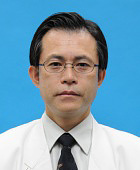 Minoru Ono (稔小野)合作论文数Department of Cardiovascular Surgery, Graduate School of Medicine, The University of Tokyo;Department of Cooperative Unit of Medicine and Engineering Research, The University of Tokyo Hospital167
 Kan Nawata合作论文数98
 Masaru Hatano合作论文数76Koichiro Kinugawa合作论文数63
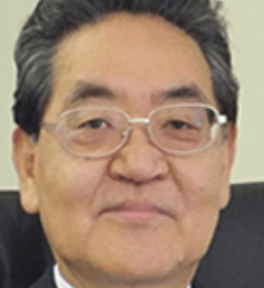 Yoshio Yazaki合作论文数Japan Heart Foundation61
 Minoru Hongo合作论文数58Uichi Ikeda合作论文数57Kimura Mitsutoshi合作论文数54Imamura Teruhiko合作论文数Graduate School of Medicine, University of Tokyo51
 Shunei Kyo合作论文数46
 Issei Komuro (小室一成)合作论文数Department of Cardiovascular Medicine, University of Tokyo43Eisuke Amiya (網谷英介)合作论文数The University of Tokyo Hospital;Department of Therapeutic Strategy for Heart Failure, The University of Tokyo40Nitta Daisuke合作论文数39Haruo Yamauchi合作论文数39Maki Hisataka合作论文数35Hiroshi Tsutsui合作论文数34Jun Koyama合作论文数33Setsuo Kumazaki合作论文数22Shinichi Okubo合作论文数22Inaba Toshiro合作论文数21
 Noboru Motomura合作论文数20
 Takashi Nishimura合作论文数20K KUBO合作论文数19Takuo Misawa合作论文数19Jun Kono合作论文数19Endo Miyoko合作论文数19Takeshi Tomita合作论文数19Kazunori Aizawa合作论文数19
 Noboru Watanabe合作论文数19
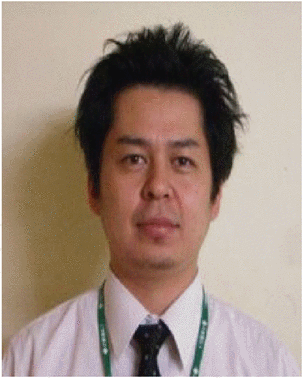 Masaki Tsuji合作论文数18Hiroshi Imamura (今村宏)合作论文数School of Medicine, Juntendo University18
 Masahiko Ando合作论文数Department of Preventative Services, Kyoto University School of Public Health18
 Hiroyoshi Yamada合作论文数17Takeo Fujino合作论文数17Shimada Shogo合作论文数16Hiroki Kasai合作论文数16Chie Bujo合作论文数15Kagami Yukie合作论文数14Koichi Kashiwa合作论文数14Osamu Yokoseki合作论文数14minoru hongoh合作论文数13Hoshino Yasuhiro合作论文数13
 Yoshifumi Itoda合作论文数13Sadao Uchikawa合作论文数13Ishida Junichi合作论文数12T. Imamura合作论文数10Takeshi Hanaoka合作论文数10Motoyuki Hisagi合作论文数10
 Mio Sekiguchi合作论文数10




