While the functional plasticity of memory CD4(+) T cells has been studied extensively, less is known about this property in memory CD8(+) T cells. Here, we report the direct measurement of plasticity by paired daughter analysis of effector and memory OT-I CD8(+) T cells primed in vivo with ovalbumin. Naive, effector, and memory OT-I cells were isolated and activated in single-cell culture; then, after the first division, their daughter cells were transferred to new cultures with and without IL-4; expression of IFN-gamma and IL-4 mRNAs was measured 5 days later in the resultant subclones. Approximately 40% of clonogenic memory CD8(+) T cells were bipotential in this assay, giving rise to an IL-4(-) subclone in the absence of IL-4 and an IL-4(+) subclone in the presence of IL-4. The frequency of bipotential cells was lower among memory cells than naive cells but markedly higher than among 8-day effectors. Separation based on high or low expression of CD62L, CD122, CD127, or Ly6C did not identify a phenotypic marker of the bipotential cells. Functional plasticity in memory CD8(+) T-cell populations can therefore reflect modulation at the level of a single memory cell and its progeny.
Circulating tumour cells (CTCs) are emerging as important prognostic markers and have potential clinical utility as tumour biomarkers for targeted cancer therapy. Although CTCs were proposed more than 100 years ago as potential precursors that may form metastatic lesions, formal evidence that CTCs are indeed capable of initiating metastases is limited. Moreover, the process of CTCs shedding into the circulation, relocating to distant organ sites and initiating metastatic foci is complex and intrinsically inefficient. To partially explain the metastatic process, the concepts of CTCs as metastatic precursors or pre-metastatic conditioners have been proposed; however, it is questionable as to whether these are both variable pathways to metastasis or just markers of metastatic burden. This review explores the evidence for CTCs in the initiation and progression of metastatic cancer and the data supporting these different concepts in an attempt to better understand the role of CTCs in metastasis. A greater understanding of the metastatic potential of CTCs will open new avenues for therapeutic interventions in the future.
Circulating tumor cells (CTCs) are now routinely isolated from blood, and measurement of CTC concentrations appears to correlate well with survival in patients with cancer. Interrogation of the molecular profile of CTCs for expression of protein biomarkers, genetic variants and gene expression provides opportunities to use this information to guide personalized treatment, monitor therapy and detect emerging resistance. However, successful application of profiling techniques requires analyses that deliver a reliable and clinically relevant representation of a patient's cancer as it changes with time. Here, we comprehensively review the current knowledge of therapeutically relevant biomarkers in isolated CTCs obtained by fluorescence imaging and genomic profiling approaches. The reviewed data support the notion that molecular profiling of CTCs will provide a reliable representation or surrogate index of tumor burden. Large-scale translational trials, many currently in progress, will provide critical data to progress CTC analysis toward wider clinical use in personalized treatment.
Activation of naive CD8+ T cells in the presence of interleukin-4 modulates their CD8 co-receptor expression and functional differentiation, resulting in the generation of CD8low cells that produce type 2 cytokines and display poor cytolytic and anti-tumour activity. Although this CD8low phenotype becomes stable after about a week and can persist with further stimulation in vitro, it is not known whether it can be maintained long term in vivo. Here we report that CD8low cells derived from oval-bumin257264-specific T-cell receptor-transgenic CD8+ T cells activated in the presence of interleukin-4 could be detected in the spleen for at least 4months after adoptive transfer into normal mice. A significant proportion of the long-term surviving cells retained their CD8low phenotype in vivo and after clonal re-activation in vitro. Although long-term surviving CD8low cells lacked detectable cytolytic activity or perforin expression, they showed some anti-tumour function in vivo. The persistence of functional cells with a CD8low phenotype in vivo raises the possibility that such cells can contribute to effector or regulatory responses to tumours or pathogens.
The detection of circulating tumour cells or circulating free tumour nucleic acids can potentially guide treatment and inform prognosis in colorectal cancer using minimally invasive "liquid biopsies". Current literature supports the notion that high circulating tumour cell counts or presence of tumour nucleic acid correlate with inferior clinical outcomes for patients, but they are not yet part of routine clinical care. Future research evolves around the examination of the molecular phenotype of circulating tumour cells. The key unanswered areas include differentiating between circulating tumour cell presence and their proliferative capacity and dormancy, identifying tumour heterogeneity and understanding the epithelial–mesenchymal transition.
Activation of naive CD8 T cells in vitro in the presence of IL-4 induces type 2 cytokine expression, loss of CD8 expression, and reduced cytolytic potential. This represents a major shift from the canonical phenotype of effector CD8 T cells. It has not been established, however, whether IL-4 can induce comprehensive type 2 cytokine expression by CD8 T cells in vivo, nor whether the effects of IL-4 on type 2 cytokine production by CD8 T cells can be inhibited by IFN-γ. Furthermore, disparate results have been reported regarding the anti-tumor ability of type 2 polarized effector CD8 T cells, and the effects of IFN-γ in this respect remain unknown. To address these questions, wild-type or IFN-γ–deficient OVA-specific CD8+ T cells were activated in RAG-2−/− γc−/− recipients with control or IL-4–expressing OVA+ tumor cells, and then transferred to secondary recipients for tumor challenge. Tumor-derived IL-4 induced the expression of type 2 cytokines and the transcription factor GATA-3 by responding CD8 T cells while reducing their CD8 coreceptor expression and ability to eliminate a secondary tumor challenge. Each of these effects of IL-4 was exaggerated in IFN-γ–deficient, compared with wild-type, CD8 T cells. The results demonstrate that endogenous IFN-γ counteracts the induction of type 2 cytokines and the downregulation of both CD8 coreceptor levels and the anti-tumor response in CD8 T cells exposed to IL-4 during activation in vivo. These findings may explain the anomalies in the reported functional phenotype of type 2 polarized CD8 T cells.
The CD8 co-receptor can modulate CD8(+) T cell function through its contributions to T cell receptor (TCR) binding and signaling. Here we show that IFN-gamma and IL-4 exert opposing effects on the expression of CD8alpha mRNA and surface CD8 protein during CD8(+) T cell activation. IL-4 caused down-regulation of surface CD8 on ovalbumin (OVA)(257-264)-specific TCR-transgenic OT-I CD8(+) T cells activated with OVA(257-264)-coated antigen presenting cells or polyclonal stimuli, and on wild type CD8(+) T cells activated with polyclonal stimuli. This effect was enhanced in each case when the cells lacked a functional IFN-gamma or IFN-gamma R gene. When WT or IFN-gamma-deficient OT-I CD8(+) T cells were analyzed 9 days after co-injection with control or IL-4-expressing OVA(+) tumor cells into RAG-2(-/-)gamma c(-/-) mice, CD8 levels were highest on WT donor cells from mice that received the control tumor and lowest on IFN-gamma-deficient donor cells from mice that received the IL-4-expressing tumor. The latter CD8(low) cells displayed markedly impaired binding of OVA(257-264)/MHC tetramers and peptide/MHC-dependent degranulation. The data reveal an unexpected role for IFN-gamma in tuning the CD8 co-receptor during primary CD8(+) T cell activation both in vitro and in vivo.
Successful tumour immunity relies on innate and adaptive immune responses, with cytokines like interleukin 4 (IL-4) known to influence tumour clearance in both positive and negative ways. Here, we summarise some of the murine tumour models used over the past two decades to assess the impact of IL-4 on tumour immunity, with emphasis on the effects of IL-4 on the tumour-induced CD8 T-cell response. These data are compared with our own recent studies showing that IL-4 impairs CD8+ T-cell-mediated immunity against the mastocytoma cell line P815 expressing the immunogenic HLA-CW3 gene; moreover, we hypothesise that quantitative and qualitative differences in the HLA-CW3-induced CD8+ T-cell response impair control of tumour growth and aid the development of secondary tumours. We conclude that the duplicitous effects of IL-4 on tumour immunity depend on the type of effector cell (adaptive/innate) mediating tumour clearance and whether tumour growth depends on stromal infrastructure. Thus, the search for factors that improve or weaken the effectiveness of tumour-specific T cells has to be continued to improve modern approaches of immunotherapy against cancer.
An interleukin (IL)-4-containing tumor environment is reported to be beneficial for immune clearance of tumor cells in vivo; however, the effect of IL-4 on the effector CD8+ T cells contributing to tumor clearance is not well defined. We have used the immunogenic HLA-CW3-expressing P815 (P.CW3) mastocytoma and investigated whether IL-4 expression by the tumor affects tumor clearance and, if so, whether it alters the tumor-induced Vbeta10+ CD8+ T-cell response. P.CW3 were stably transfected with IL-4 or the empty control vector, and independent cell lines were injected i.p. into syngeneic DBA/2 mice. After apparent clearance of primary tumors over 12 to 15 days, secondary tumors arose that lacked surface expression and H-2-restricted antigen presentation of CW3 in part due to the loss of the HLA-CW3 expression cassette. Surprisingly, mice that received IL-4-producing tumor cells showed delayed primary tumor clearance and were significantly more prone to develop secondary tumors compared with mice receiving control tumor cells. Tumor clearance was dependent on CD8+ T cells. The IL-4-secreting P.CW3 tumor cells led to markedly higher mRNA expression of IL-4 and granzyme A and B but no differences in IFN-gamma and IL-2 production, cell proliferation, or ex vivo CTL activity in primary Vbeta10+ CD8+ T cells when compared with the control tumor cells. We concluded that tumor-derived IL-4 selectively changed the quality of the tumor-induced CD8+ T-cell response and resulted in unexpected negative effects on tumor clearance. These data bring into question the delivery of IL-4 to the tumor environment for improving tumor immunotherapy.
Perforin and the serine protease granzymes are key effectors of CD8(+) T cell granule-mediated cytotoxicity, but the requirements for their expression remain largely undefined. We show in this study that IL-2 increased the expression of perforin and granzyme A, B, and C mRNA; intracellular granzyme B protein levels; and cytolytic function in a dose-dependent manner during primary activation of murine CD8(+) T cells in vitro. Two approaches showed that these responses were not a consequence of the effects of IL-2 on cell survival and proliferation. First, IL-2 enhancement of perforin and granzyme expression was equivalent in CD8(+) T cells from wild-type and bcl-2 transgenic mice, although only the latter cells survived in low concentrations or the absence of added IL-2. This property of bcl-2 transgenic T cells also allowed the demonstration that induction of granzyme A, B, and C mRNA and granzyme B protein required exogenous IL-2, whereas induction of perforin and IFN-gamma expression did not. Second, analysis of perforin and granzyme mRNA levels in cells separated according to division number using the dye CFSE showed that the effects of IL-2 were unrelated to division number. Together, these findings indicate that IL-2 can directly regulate perforin and granzyme gene expression in CD8(+) T cells independently of its effects on cell survival and proliferation.
NKT cells have pivotal roles in immune regulation and tumor immunosurveillance. We report that the G-CSF and FMS-like tyrosine kinase 3 ligand (Flt-3L) chimeric cytokine, progenipoietin-1, markedly expands the splenic and hepatic NKT cell population and enhances functional responses to alpha-galactosylceramide. In a murine model of allogeneic stem cell transplantation, donor NKT cells promoted host DC activation and enhanced perforin-restricted CD8+ T cell cytotoxicity against host-type antigens. Following leukemic challenge, donor treatment with progenipoietin-1 significantly improved overall survival when compared with G-CSF or control, attributable to reduced graft-versus-host disease mortality and paradoxical augmentation of graft-versus-leukemia (GVL) effects. Enhanced cellular cytotoxicity was dependent on donor NKT cells, and leukemia clearance was profoundly impaired in recipients of NKT cell-deficient grafts. Enhanced cytotoxicity and GVL effects were not associated with Flt-3L signaling or effects on DCs but were reproduced by prolonged G-CSF receptor engagement with pegylated G-CSF. Thus, modified G-CSF signaling during stem cell mobilization augments NKT cell-dependent CD8+ cytotoxicity, effectively separating graft-versus-host disease and GVL and greatly expanding the potential applicability of allogeneic stem cell transplantation for the therapy of malignant disease.
The design of vaccines that protect against intracellular infections or cancer remains a challenge. In many cases, immunity depends on the development of antigen-specific memory CD8+ T-cells that can express cytokines and kill antigen-bearing cells when they encounter the pathogen or tumor. Here, the authors review current understanding of the signals and cells that lead to memory CD8+ T-cell differentiation, the relationship between the primary CD8+ T-cell response and the memory response and the regulation of memory CD8+ T-cell survival and function. The implications of this new knowledge for vaccine design are discussed, and recent progress in the development of lipidated peptide vaccines as a promising approach for vaccination against intracellular infections and cancer is reviewed.
 Anne Kelso合作论文数16Tb Sculley合作论文数10
 Adriana Baz合作论文数9Stuart D. Olver合作论文数9N Müller-Lantzsch合作论文数6
 Apte Simon H合作论文数Royal Brisbane Hospital, Queensland Institute of Medical Research6Groves P合作论文数6Kenia G. Krauer合作论文数6
 Rajiv Khanna合作论文数QIMR Berghofer Medical Research Institute;Tumour Immunology Laboratory, QIMR Berghofer;Centre for Immunotherapy and Vaccine Development, QIMR Berghofer5Kathy Buttigieg合作论文数5Dj Moss合作论文数4Groves Penny L合作论文数4Buck Marion合作论文数4Marion Buck合作论文数4Nikolaus Mueller-Lantzsch合作论文数4M Enders合作论文数3David B. Young合作论文数3S L Silins合作论文数3
 Stephanie Lim合作论文数GenesisCare3
 Caixeiro Nicole J合作论文数Medical Oncology Group, Ingham Institute for Applied Medical Research;South West Sydney Translational Cancer Research Unit;Medical Oncology Group, Ingham Institute for Applied Medical Research3Annette Tognela合作论文数3Scott R. Burrows合作论文数Cellular Immunology Laboratory, Queensland Institute of Medical Research3
 Paul de Souza合作论文数Faculty of Medicine and Health, The University of Sydney;Sydney Medical School, The University of Sydney;School of Clinical Medicine, Western Sydney University3
 Kevin Spring合作论文数Bancroft Centre, Queensland Institute of Medical Research3Anthony Doyle合作论文数3Tom Sculley合作论文数3
 Reiner Ulrich合作论文数3Sonia Greco合作论文数3Michelle L. Janas合作论文数3
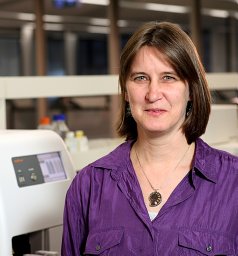 Therese M Becker合作论文数Westmead Millennium Institute and Westmead Hospital, University of Sydney3S Pegg合作论文数2A Baz合作论文数2
 Michael Bachmann合作论文数2philip anthony jennings合作论文数2Leanne Cooper合作论文数2Hp Harthus合作论文数2G BUSHELL合作论文数2M Buck合作论文数2matthew pollard合作论文数2T Banovic合作论文数2H SIAKKOU合作论文数2V Rowe合作论文数2Michael J Muller合作论文数Professor Stuart Pegg Centre for Adult Burn Surgery, Royal Brisbane & Women’s Hospital2
 Andrew Brooks合作论文数Department of Microbiology and Immunology, The Peter Doherty Institute for Infection and Immunity, University of Melbourne2
 Dale Godfrey合作论文数Department of Microbiology and Immunology, School of Biomedical Sciences, University of Melbourne;Peter Doherty Institute for Infection and Immunity, University of Melbourne2
 John D. Altman合作论文数Department of Microbiology and Immunology, School of Medicine, Emory University2
 Hans Robert Kalbitzer合作论文数Center for Magnetic Resonance in Chemistry and Biomedicine, Universität Regensburg2David Young合作论文数2
 Mark J. Smyth合作论文数Immunology in Cancer and Infection Laboratory, QIMR Berghofer Medical Research Institute2




