This commentary examines how anti-Black racism shaped Canada's public health response to the 2022 mpox outbreak. It explores how racialized and sexualized stigma influenced public discourse and delayed targeted interventions for Black gay, bisexual, and queer men (GBQM). Drawing on critical public health frameworks, we interrogate how colonial narratives framed Blackness as a source of contagion. We also consider how public health institutions were slow to act until mpox appeared in the Global North, reflecting a pattern in global health where outbreaks are not treated as urgent until they affect predominantly white or Western populations. This delay is grounded in a pervasive assumption that infectious disease originates and circulates primarily in the racialized geographies of the Global South. This commentary calls for a transformation of public health infrastructure in Canada to one that centers Black lives in epidemic responses, integrates robust education on Black health through community-engaged expertise, and adopts inclusive, anti-oppressive approaches. In light of Canada's deep ties to global migration and diasporic communities, we underscore the need for timely, globally informed responses to infectious diseases that resist colonial hierarchies which have long treated Black and other racialized lives as less worthy of protection and care.
2SLGBTQ+ people often depend on digital platforms, including social media, to connect with members of their community and curate support networks, especially during the COVID-19 pandemic, which has had devastating mental health impacts on marginalized populations. Unfortunately, these same platforms are often engulfed with homophobia and transphobic rhetoric and high rates of online violence targeted at 2SLGBTQ+ communities. To shed light on how digital platforms can help and/or hinder 2SLGBTQ+ people's mental health, we conducted a mixed-methods survey to examine mental health outcomes among 2SLGBTQ+ people in Nova Scotia, Canada, who have used digital platforms during and since the COVID-19 pandemic. The Health Equity Promotion Model was applied to analyze survey data collected from 119 participants and uncover how intersecting individual, structural, and technological factors and affordances impact 2SLGBTQ+ people's mental health. Our findings reflect the diversity and fluidity of 2SLGBTQ+ people's mental health experiences that cannot be viewed through a positivistic lens. We discuss the ethical implications of digital platforms and their mental health effects on marginalized populations and the importance of conducting intersectional research, and we conclude with recommendations to support 2SLGBTQ+ people's mental health.
A multitude of factors shape the labor conditions of men engaged in digitally facilitated sex work. To examine these labor conditions, we conducted a scoping review of research conducted with men about their use of internet technologies to facilitate in-person sex work and/or provide sexual services online through digital platforms. We retrieved 72 papers and book chapters published between 1990 and 2024. We summarize some descriptive characteristics and organize the findings according to six working conditions: entry into sex work, advertising and marketing, screening and communications, pay, occupational health and safety, and resources and support. We found primarily qualitative studies examining a variety of sex work sectors and contexts, including a growing body of work about webcamming and porn production. Articles focused on motivations, the role of internet platforms in shaping sex worker practice and identities, marketing and safety strategies, and sexual and community health. Literature increasingly frames sex work in terms of labor and addresses the social, legal, technological, and structural forces that shape sex work conditions. By organizing the findings of existing studies according to labor outcomes and implications, this review aims to further support and facilitate the adoption of a workers' rights perspective within sex work research.
ObjectivesTo review the literature on Gay, Bisexual, Trans, and Queer (GBTQ) men and sexual consent.MethodsEight electronic databases were searched in June 2022, yielding 1924 articles; 30 were included for review after screening.ResultsWe found a growing body of literature focused on GBTQ men, with an increasingly intersectional lens. Most studies adopted a nuanced definition of sexual consent. Many discussed the unique sexual scripts developed by GBTQ men to communicate consent, especially in sex venues, and how unfamiliarity with these scripts creates vulnerability for newly "out" men. A common theme was the impact of heteromasculine norms on sexual encounters between GBTQ men.ConclusionsThe reviewed literature problematizes binary definitions of consent and miscommunication theories of assault. It both celebrates and problematizes GBTQ sexual cultures. We encourage future research to adopt more explicitly anti-carceral approaches to studying sexual consent and violence.
ObjectiveThe purpose of this study was to analyse available literature on the mental health of LGBTQ+ people during the COVID-19 pandemic.MethodsFor this scoping review, six electronic databases were searched in three broad topic areas (the COVID-19 pandemic, LGBTQ+ people, mental health) in April 2022. The search yielded 4,285 studies, and after screening them, 61 studies were included in the final review, which were thematically analysed.ResultsResults were organised according to four themes: comparative effects of the pandemic on LGBTQ+ and heterosexual cisgender people's mental health; mental health impacts; differences in the mental health among LGBTQ+ people; and protective and risk factors. LGBTQ+ people's mental health was disproportionately impacted by the pandemic, particularly when compared to heterosexual and cisgender people. Some sub-populations of LGBTQ+ people were impacted more than others, such as bisexual, transgender, non-binary, and gender-diverse people. Depression, anxiety, and stress/distress were the most salient mental health issues, though loneliness, suicidal ideation, self-harm, and COVID-related fears were also prevalent. LGBTQ+ people used substances, social media, dating apps, and pornography to cope with the pandemic.DiscussionGaps in the literature and study limitations are identified, and recommendations for policy, health services, and future research are offered.
Background: Universities' responses to sexual violence have faced scrutiny for their lack of proactiveness and their failure to address campus socio-cultural norms that contribute to rape myth acceptance. The labels victim and survivor play a crucial role in shaping attitudes toward sexual violence, but there is limited research on how university students perceive these labels.Objective: This paper explores sexual violence labels and their role in perpetuating rape culture. Undergraduate university students' beliefs on using the label survivor instead of victim to describe someone who has experienced sexual violence were examined to consider how these labels create societal discourse on sexual violence.Method: The study draws on qualitative data collected from undergraduate students in Canada and the United States through open-response questions in an interactive textbook. Data were analysed and interpreted using a multi-method approach that combined principles of Critical Discourse Analysis and Feminist Poststructuralism. Direct quotes and word clouds from participants' responses are used as evidence and to visually display discourse.Results: Findings revealed that participants recognised the negative societal discourses associated with the label victim and supported using survivor to challenge perceptions of sexual violence. Despite this, participants expressed hesitancy to adopt the label survivor because of the potential negative implications, such as the label promoting the allocation of individual blame, increasing barriers to justice, and reducing the perceived severity of sexual violence.Conclusions: This study underscores the complexities of sexual violence labels, the influence of language in shaping societal perceptions, and the need for a more comprehensive and equitable approach to responding to sexual violence.
Feminist scholars have long asserted that the label assigned to someone after an experience of sexual violence (e.g., victim or survivor) can shape personal outcomes due to the internalization of societal perceptions of these labels. While there is a growing body of literature on the effects of self-labelling, the societal perceptions of victims and survivors are less explored, with little understanding as to how dominant discourses such as rape culture and rape myths are embedded into these perceptions. Adopting from critical discourse analysis and feminist poststructuralism, we offer critical feminist poststructuralism (CFPS) as a useful framework for understanding discursively shaped societal perceptions of victims and survivors. Considering the presence of rape culture and rape myths on university campuses, we set out to explore the potentially mediated nature of rape myths and rape culture discourse and perceptions of victims and survivors among undergraduate students. Electronically submitted responses to an online prompt were analyzed using CFPS to explore how victim and survivor discourses were activated through language and institutional and social discourses of rape culture and rape myth. We describe four dominant threads of discourse from our analysis that suggest sexual violence labels function as regulatory mechanisms for rape myth and rape culture discourse. The findings highlight the need for continued applied work on the multiplicity of victim and survivor identities produced through rape culture and rape myth discourse.
Indigenous men around the world hold expertise over their own lives. Informed by this perspective, this study centres this experience to better understand what is needed to improve sexual health outcomes among a group of men with a history of incarceration. Semi-structured interviews were conducted with 10 Indigenous men with such a history. Through thematic analysis the study identified two major themes: 1) the impacts of systemic oppression; 2) the value of guidance in walking the right path. Men identified colonial trauma and the associated mental, physical, emotional and spiritual wounds stemming from systemic oppression as continuing to impact their wellbeing. Men also described the systems of support necessary to help guide them on their journeys through incarceration, rehabilitation and building strong and nurturing relationships. Findings from the study provide important guidance from Indigenous men for future more holistic sexual health intervention programming.
Societal beliefs about various aspects of sexual orientation have been shown to influence whether people have discriminatory or supportive attitudes toward diverse sexual orientations. The overall aim of this study is to measure the beliefs about sexual orientation among a diverse sample of university students from two institutions in Canada and the United States of America. Specifically, we explored how beliefs varied among individuals with differing sexual orientations and gender identities, while controlling for cultural differences. A total of 475 participants completed an online survey comprising of the Sexual Orientations Beliefs Scale (SOBS). ANCOVAs revealed that sexual orientation was a significant factor for all four subscales of the SOBS (naturalness, homogeneity, informativeness, and discreteness). Sexual orientation was the most significant predictor of endorsing different sexual orientation beliefs. We found a significant interaction between gender and sexual orientation, revealing that perceptions of sexual orientation differ between straight-identified men and straight women.
Chemicals have penetrated everyday lives of men who have sex with men as never before, along with new online and mobile technologies used to seek pleasures and connections. Poststructuralist (including queer) explorations of these new intensities show how bodies exist in the form of (political) surfaces able to connect with other bodies and with other objects where they may find/create a function (e.g., reproduce or disrupt hegemonies). This federally funded netnographic study explored how a variety of chemicals such as recreational drugs, pharmaceuticals and steroids are contributing to the construction of gay, bisexual and other men having sex with men (GBMSM) communities and their interactions with idealized masculinities in the age of increasing technology. Five major thematic categories emerged from our analysis: (1) assembling bodies and technologies, (2) becoming orgiastic, (3) experiencing stigma, (4) becoming machinic and (5) negotiating practices. Our analysis explores how and why GBMSM pursue excesses of pleasure and connection through the assemblages they make with sexualized drug use, online platforms and other men.
Eating disorders among adolescent girls are a public health concern. Adolescent girls that participate in aesthetic sport, such as dance, are of particular concern as they experience the highest rates of clinical eating disorders. The purpose of this study is to explore the experiences of young girls in the world of competitive dance and examine how these experiences shape their relationship with the body; feminist poststructural discourse analysis was employed to critically explore this relationship. Interviews were conducted across Canada with twelve young girls in competitive dance (14-18 years of age) to better understand how the dominant discourses in the world of competitive dance constitute the beliefs, values and practices about body and body image. Environment, parents, coaches, and peers emerged as the largest influencers in shaping the young dancers' relationship with their body. These influencers were found to generate and perpetuate body image discourses that reinforce the ideal dancer's body and negative body image.
The ways gay men navigate socially constructed body tensions are explored through a post-structural lens. Nine self-identifying gay men in Canada used photovoice to create images that expressed their beliefs, values and practices about their bodies. Participants took part in semi-structured interviews to discuss the meanings of their images. Three discursive considerations were created from the analysis of both interviews and the photographs. Participants attempted to create bodies aligned with the dominant body ideals for gay men but, in doing so, often suffered from emotional harm that negatively shaped their health and well-being. Some participants, however, through the process of creating their bodies were able to find new connections and new understanding of their bodies. They were able to find new ways of being outside the rigid body ideals set before them. Through the post-structural lens of the research, participants’ bodies can be conceptualized as bodies becoming art.
Our purpose in writing this Perspective in Practice is to create awareness about the role of compassion within dietetic practice, particularly the role of compassion for body image tensions. Nine self-identifying gay men were recruited to a photovoice research study that explored their beliefs, values, and practices relating to food and their bodies. Compassion was found as one way to navigate body images tensions. It is not the intent of this article to review all aspects of this research study but to use it as an example to illustrate compassion in dietetics. We suggest that our findings reveal the strength of using compassionate practice within the dietetic profession. In doing so, we call upon dietitians to incorporate compassion into their clinical and client care practices to foster health and healing for all communities, especially among those who struggle with body image tensions.
Introduction: For the last 20 years, sexual assault on university campuses has occurred at epidemic levels. This may be caused by undergraduate students primarily using non-verbal cues to communicate sexual consent, despite high levels of miscommunication and misinterpretation. Explicit, verbalized consent is known to lead to fewer misinterpretations of consent; however, less is known about students’ beliefs around verbal consent. Objectives: To explore Canadian undergraduate students’ attitudes, opinions, and beliefs around verbal consent, and to investigate whether students believe verbal consent is always required during sexual encounters. Methods : This study used a qualitative description approach. Data was collected from 31 Canadian undergraduate students in a Human Sexuality course through an open-ended question embedded in an interactive course textbook. Students’ responses were analyzed using thematic analysis. Results: Many complexities exist in undergraduate students’ attitudes, opinions, and beliefs around verbal consent. Four major themes emerged from the data centring on familiarity, socio-cultural norms, reliance on non-verbal cues, and acknowledgement of the importance of verbal consent. Conclusion: The majority of participants believed that verbal consent was not required in all sexual encounters. Partner familiarity was a significant factor in using verbal consent. Social norms such as verbal consent being viewed as awkward or embarrassing were key barriers to students’ use. Verbal consent was viewed as an ideal, while non-verbal consent was viewed as realistic.
Introduction Pre-exposure prophylaxis (PrEP) is an effective HIV prevention tool that requires the ongoing support of physicians to be accessible. Recently, Nova Scotia experienced a 100% increase in HIV diagnoses. The purpose of this study is to explore the relationship between physicians’ support of PrEP, knowledge of PrEP, and PrEP prescribing history using the information-motivation-behavioral (IMB) skills model. Methods An online survey was distributed to physicians in Nova Scotia, Canada, and eighty physicians participated. Two exploratory factor analyses were conducted with items from the Support of PrEP scale and Knowledge of PrEP scale. A mediation analysis was conducted to assess if knowledge of PrEP mediated the relationship between support of PrEP and whether physicians have prescribed PrEP in the past. Results On average, physicians reported strong support for PrEP, and as support for PrEP increased so did knowledge of PrEP. Further, physicians who had prescribed PrEP demonstrated strong knowledge of PrEP and physicians who had not prescribed PrEP reported feeling neutral. The 95% bootstrap confidence interval indirect effect of Support for PrEP on prescription history did not include zero (B = 1.59, 95% BsCI [0.83, 3.57]) demonstrating that the effect of support for PrEP is mediated by knowledge of PrEP. The most commonly identified barrier to prescribing PrEP was the lack of drug coverage among patients. Conclusion The results of the mediation analysis support the IMB skills model regarding support for PrEP, Knowledge of PrEP, and having prescribed PrEP in the past. Our findings suggest that to improve PrEP uptake in Nova Scotia, educational interventions for physicians and universal coverage of the drug would be necessary.
Within the health literature for gay, bi, and trans men sexualized drug use is often positioned as only a sexual health risk. This research utilized netnography to examine the ways men use technologies to negotiate SDU and their sexual health. Participants were recruited from three Canadian cites to participate in semi-structured interviews. Fifty interviews were completed. Foucauldian discourse analysis was used to analyze data. Participants described negotiating practices, through the ethics and politics of sex, communicating pleasures, and reducing harm. Findings suggests that sexualized drug use is more than just a sexual health risk. Implications for service providers are explored.
The sexual health of Indigenous Peoples in Canada has been identified as an important community and public health concern; however, there is a lack of research on the sexual health needs of Indigenous boys and men. This article shares results from interviews conducted with six stakeholders to explore pathways for sexual health promotion and considers the impacts of colonialism and other socio-political contextual factors on Indigenous boys’ and men’s sexual health. The study employed thematic analysis, and the findings indicate the following three pathways for sexual health promotion of Indigenous boys and men: (1) developing healthy relationships and highlighting role models, (2) providing access to comprehensive sexual health information, and (3) fostering open communication among Indigenous boys and men. Sexual health promotion with Indigenous boys and men in Atlantic Canada should include addressing the impacts of colonization and their unique socio-cultural contexts.
 Phillip Joy合作论文数Appl Nutr Dept, Mt St Vincent Univ25
 Nicole Doria合作论文数12
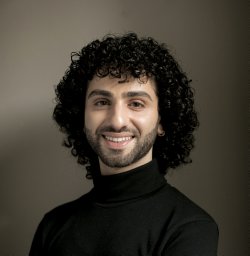 Jad Sinno合作论文数Sch Hlth & Human Performance, Dalhousie Univ12Holmes Dave合作论文数12
 Rebecca M C Spencer合作论文数University of California at Berkeley8Maya Biderman合作论文数5
 Christopher Dietzel合作论文数School of Health and Human Performance, Dalhousie University5
 Sara Kirk合作论文数School of Health and Human Performance, Faculty of Health, Dalhousie University5
 Jacqueline Gahagan合作论文数5marcandre leblanc合作论文数School of Health and Human Performance, Dalhousie University4
 Chad Hammond合作论文数School of Rehabilitation Sciences, University of Ottawa.4
 Megan Aston合作论文数4San Patten合作论文数4Ryan Thompson合作论文数3l jane mcmillan合作论文数3
 Laurene Rehman合作论文数Sch Hlth & Human Performance, Dalhousie Univ3
 Marion Brown合作论文数Canada Centre for Inland Waters, National Water Research Institute3Bamidele Bello合作论文数2Arthur Dave Miller合作论文数2Lisa Hackett合作论文数2Scott Lekas合作论文数2
 Stéphanie E M Gauvin合作论文数Dept Psychol, Queens Univ2Scott Comber合作论文数Dalhousie Univ2
 Joanne Otis合作论文数2
 Lisa Goldberg合作论文数2
 Brenda Merritt合作论文数College of Physicians and Surgeons, Columbia University2Rebecca A Spencer合作论文数1J. Gahagan合作论文数1Emilie Comeau合作论文数1Christine Soon合作论文数1Austin Oswald合作论文数1Mackenzie Stewart合作论文数1Annalisa Consalvo合作论文数1Brittany Matchett合作论文数1Julien Courville合作论文数1Zac Crawford合作论文数1Erin E. Cusack合作论文数1Felicia Rushton合作论文数1
 Carolyn M Melro合作论文数1Jenny R Rand合作论文数1
 Cornel Grey合作论文数Dalla Lana School of Public Health, University of Toronto1
 Christine Ausman合作论文数Fac Hlth, Dalhousie Univ1Edward Ou Jin Lee合作论文数Université de Montréal1J. Evans合作论文数1Leah Boulos合作论文数1
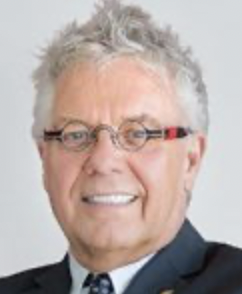 Blye Frank合作论文数Department of Educational Studies, Faculty of Education, The University of British Columbia, Vancouver Campus1
 Daniel Grace合作论文数Mark S. Bonham Centre for Sexual Diversity Studies, Faculty of Arts and Science, University of Toronto1Doherty Maryanne合作论文数1MacLeod Anna合作论文数1




