Merkel-cell carcinoma is a rare and an aggressive neuroendocrine tumour of the skin that has been reported to be common in transplant recipients. Herein, a 25-year-old woman who developed Merkel-cell carcinoma after liver transplantation is reported.
OBJECTIVE:The ideal method, in reconstruction of circumferential tracheal defects more than 50% of the total tracheal length, is still a question. Current methods lack either in epithelial lining or in skeletal framework. In this study, we designed an axial biosynthetic prefabricated flap to reconstruct the circumferential tracheal defects in rabbits. METHODS:Ten rabbits are used. The inner mucosal lining is substituted by hairless epithelium obtained from proximal ear. The tracheal cartilage is substituted by polypropylene mesh and the tracheal adventitia is substituted by lateral thoracic fascia as a vascular supply. The study is designed in three stages. Stage 1: Hairless epithelial graft is obtained by secondary healing of a full thickness skin defect in ear. Stage 2: Epithelial graft, polypropylene mesh and lateral thoracic fascia are tubed around a silicone catheter. This structure is dissected through its pedicle (lateral thoracic vessels and fascia) to the axilla and mobilized. The prefabricated neotrachea is carried on its pedicle to the cervical area through a subcutaneous tunnel formed superficial to the sternum and left there for 2 weeks. Stage 3: The silicone catheter is taken out and prefabricated neotrachea is adapted to the defect formed in native trachea and anastomized. Later the animals are evaluated for 4 weeks. The patency of the lumen, the viability of the epithelial graft and fascia, airtightness of the anastomoses and other features of the reconstruction are evaluated by radiological, macroscopical and histological examinations. RESULTS:Survival at 4 weeks was 70%. All of the prefabricated neotracheas and epithelial grafts were viable. The rigidities, longitudinal elasticities, diameters and wall thickness were similar to native tracheas. Occlusion of lumen is encountered only in one animal. There was no hair growth from the epithelial lining. CONCLUSION:The study defines a new method of circular tracheal reconstruction with successful substitution of inner lining, skeletal framework and vascular supply.
Defects resulting from resection of advanced breast cancers can be quite large, posing a difficult reconstructive challenge. Lots of patients are presented with local recurrences after radiotherapy and/or chemotherapy treatments. Abdominal fascio-cutaneous flap, pectoralis, latissimus dorsi, rectus abdominis and omentum pedicled flaps or free flaps may be used for reconstruction of the chest wall. The described rotation flap extends from the posterior axillary line to linca alba and inferior line is determined like abdominoplasty. We preferred this flap, which is safe, reliable and leaves minimal donor morbidity, particularly in patients with late stage tumors. The technique was used on 11 female patients with major chest-wall defects after mastectomy between 1999 and 2001. Chest wall defects after resection varied between 9 x 11 and 12 x 15cm (vertical x horizontal). Marginal skin necrosis of about 1 x 2cm was observed in one patient but didn't require any correction. In our opinion, this technique is a viable alternative in repairing large defects in the anterior chest wall.
J Oral Maxillofac Surg 60:1354-1356, 2002
A 30% burn injury was found highly immunosuppressive in mice by means of twoin vivo measurements of cell-mediated immunity, and this immunosuppression could be prevented by early excision and grafting. FK506, a new immunosuppressive agent, was given at different doses for 12 days after early excision and grafting following burn and all doses prolonged the acceptance time of allografts from 14 to 20 days. Allograft rejection was not seen when animals were on the drug. Higher doses prolonged the rejection more, even after the cessation of the drug, and they caused some degree of immunodepression. Immunosuppressive treatment with FK506 when used following burn injury affected cell-mediated immunity minimally to moderately when compared to burned control groups.
Suppression of cellular immunity following thermal injury may contribute to the high incidence of postburn sepsis. Early excision and skin grafting may remove deleterious local wound factors and prevent immunosuppression. The effect on cellular immunity of early burn wound excision and skin grafting was investigated in an animal model using female Wistar rats. The development of immunosuppression shortly after burn injury was shown by popliteal lymph node assay and a 2,4-dinitrofluorobenzene skin reaction test. Excision and skin grafting 2 days after burn trauma restored parameters to normal. Burned tissue suppresses cellular immunity; this effect is preventable by early excision and skin grafting.
 Ufuk Emekli合作论文数3
 Oguz Cetinkale合作论文数2Fadil Ayan合作论文数2C Senyuva合作论文数1S Dilege合作论文数1Ayhan Okumus合作论文数Private Aesthetic Plastic and Reconstructive Surgery Office1Kuvat Samet Vasfi合作论文数1
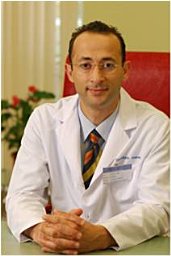 Kabakaş Fatih合作论文数İst-el Hand Surgery Microsurgery and Rehabilitation Group1
 Derya Onel合作论文数1Sabahattin Kaymakoglu合作论文数1Sinan Nur Kesim合作论文数1Ali Pusane合作论文数1
 Can Baykal合作论文数Istanbul Medical Faculty, Istanbul University1
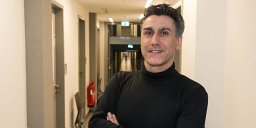 Alp Aslan合作论文数Department of Experimental Psychology, Regensburg University1
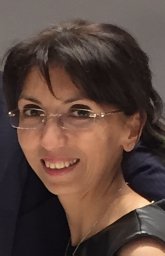 Binnur Pinarbasi合作论文数Istanbul Faculty of Medicine, Istanbul University1
 Serdar Tuncer合作论文数Faculty of Medicine, Istanbul University1B.A. Esen合作论文数1
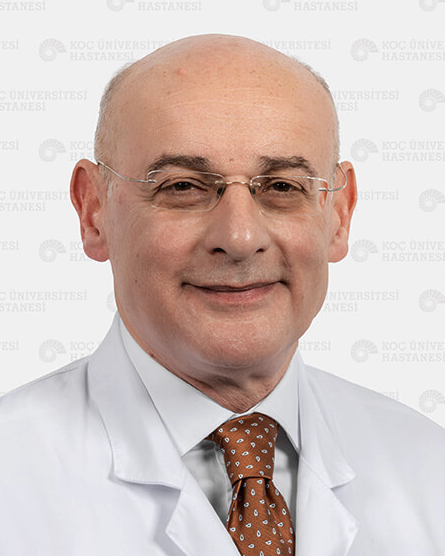 Nesimi Buyukbabani合作论文数Patoloji Bölümü, Koç Üniversitesi Hastanesi1A. Pusane合作论文数1
 Ayhan Bilir合作论文数From the Department of Pediatric Surgery, Kocaeli University Medical Faculty;Istanbul Medical Faculty, Istanbul University;Department of Chemistry, TUBITAK Marmara Research Center;and TUBITAK Research Institute for Genetic Engineering and Biotechnology Gebze1
 Kadir Demir合作论文数University of Sydney;St Marks Hospital;Park-Klinic Berlin-Weissensee;UZ;Academic Medical Centre;Medical Centre of RF President Administration;Central Military Clinic;Klinika Gastroenterologii;Istanbul Medical Centre, Turkey and Novartis Pharma AG;Medical Centre of RF President Administration, University of Sydney1Atakan Aydin合作论文数Istanbul Faculty of Medicine, Istanbul University1Misten Demiryont合作论文数1Kenan Ulualp合作论文数1K Acarli合作论文数1




