Monoclonal gammopathy of undetermined significance (MGUS) is the asymptomatic precursor of multiple myeloma and related diseases but has also been associated with thrombosis. Prior studies have not been based on screened cohorts leading to bias. We assessed the risk of thrombosis in a cohort of 75 422 individuals over 40 years old who were screened for MGUS in Iceland. We also evaluated the association of M protein concentration with thrombotic risk. A total of 3668 participants had MGUS. After a median follow-up of similar to 3.7 years, 124 venous and 252 arterial thrombotic events (10.3 and 21.0 per 1000 person years respectively) were observed in the MGUS group, compared to 1509 and 3471 in the non-MGUS group (6.0 and 13.8 per 1000 person years respectively). After adjusting for multiple confounders, MGUS was associated with an increased risk of venous thrombosis (hazard ratio [HR] = 1.43; 95% confidence interval [CI]: 1.19-1.73) but not arterial thrombosis (HR = 0.96; 95% CI: 0.87-1.13). M protein concentration was not associated with venous (p = 0.72) or arterial (p = 0.95) thrombosis. The findings show, in a screened cohort, that MGUS is associated with venous, but not arterial, thrombosis. Furthermore, they suggest that there is a subset of individuals with MGUS with subclinical monoclonal gammopathy of thrombotic significance.
Differential expression between normal chr1 and gain(1q) MM patients with t(4;14) translocation
Impact of additional chromosome 1 structural events on outcome A.Effect of amp(1q) with or without a total (TT) gain on PFS B. Effect of amp(1q) on OS
The treatment of newly diagnosed multiple myeloma (NDMM) has advanced rapidly in recent years, with the standard of care (SOC) now including not only triplet combinations of proteasome inhibitors (PIs), immunomodulatory agents, and steroids but also quadruplet combinations that add the anti-CD38 monoclonal antibodies isatuximab (Isa) or daratumumab (D) to a triplet backbone. In addition to the widely used bortezomib-lenalidomide-dexamethasone (VRd) combination, an alternative triplet option that can be considered is the combination of the second-generation PI carfilzomib (K) with lenalidomide-dexamethasone (KRd). In patients with transplant-eligible NDMM, US treatment guidelines have included the KRd triplet as a recommended regimen and the quadruplet combinations of either Isa-KRd or D-KRd as additional options. However, currently, KRd does not have regulatory approval for use in the NDMM population. This review describes the current evidence for using KRd as a backbone of therapy in frontline treatment regimens for patients with NDMM. In addition to multiple studies that have examined the KRd triplet in this population, several clinical trials have been investigating anti-CD38-KRd quadruplets. The data reported from these various trials are revealing deep and durable responses with Isa-KRd and D-KRd, including minimal residual disease negativity. Importantly, these benefits have also been demonstrated in high-risk NDMM populations. KRd-based combinations may represent a suitable alternative to VRd for some patients. This article discusses measures that may help to establish KRd-based quadruplets as an additional SOC in this setting, including proper patient selection, steps to mitigate safety concerns, and the establishment of optimal dosing schedules.
Differential expression between normal chr1 and gain(1q) MM patients with t(11;14) translocation
A key treatment for patients with multiple myeloma is high-dose melphalan followed by autologous stem cell transplant (ASCT). It can provide a deep response with long-term remission. However, some patients progress quickly, and it is not clear why. In this study, we performed single-cell RNA and T-cell receptor sequencing of the immune microenvironment of 40 patients before and after ASCT to determine if differences in the immune composition could define those who would progress. Clear differences in cell populations were identified in progressors, including increased T-cell infiltration, decreased T-cell receptor diversity, and decreased frequency of monocytes and CD56bright NK cells. We identified cell interactions that predicted progression, including increased frequency of CD8+ exhausted T cells and stromal cells and decreased frequency of CD56bright NK cells and plasmacytoid dendritic cells. We propose and validate a model of progression that can also be determined by flow cytometry. Together, these data highlight the importance of the immune microenvironment in understanding responses to ASCT.
Ionizing radiotherapy (RT) is a widely used treatment strategy for malignancies. In solid tumors, RT-induced double-strand breaks lead to the accumulation of insertion-deletions (indels; ID), and their repair by nonhomologous end joining has been linked to the ID8 mutational signature in surviving cells. However, the extent of RT-induced mutagenesis in hematologic malignancies and its impact on their mutational profiles and interplay with commonly used chemotherapies has not yet been explored. In this study, we interrogated 580 whole-genome sequence (WGS) samples from patients with large B-cell lymphoma, multiple myeloma, and myeloid neoplasms and identified ID8 only in relapsed disease. Yet ID8 was detected after exposure to both RT and mutagenic chemotherapy (i.e., platinum and melphalan). Using WGS of single-cell colonies derived from treated lymphoma cells, we revealed a dose-response relationship between RT and platinum and ID8. Finally, using ID8 as a genomic barcode, we demonstrate that a single RT-surviving cell may seed distant relapse. SIGNIFICANCE:RT and the ID8 indel signature are related, but their genomic impact on hematologic malignancies is unclear. Leveraging WGS, we linked ID8 to both RT and mutagenic chemotherapy and validated that platinum can induce ID8. We used ID8 as a genomic barcode to reveal that RT-resistant cells may seed systemic relapse.
BACKGROUND Prior retrospective studies and smaller case series have proposed that patients with Gaucher Disease are more likely to of be diagnosed with monoclonal gammopathy of undetermined significance (MGUS) and multiple myeloma (MM). To our knowledge, we have performed the first systematic screening study to define the prevalence of MGUS in a large cohort of patients with Gaucher Disease. METHODS We included consecutive adult (>20 years) Gaucher Disease patients who have been followed at the Gaucher Unit, Shaare Zedek Medical Center, Israel since 2016 and who signed consent for biomarker testing. All assays were performed at the Sylvester Myeloma Institute at the University of Miami. Similar to prior large screening studies, all samples were tested with serum protein electrophoresis (SPEP) and free light-chain (FLC) assays, with reflex immunofixation for positive cases. All analyses were conducted in a blind manner, and results were independently evaluated by two experts. Demographics data, Gaucher Disease genotype, treatment status, and laboratory data, including platelet count, hemoglobin, creatinine, C-reactive protein, immunoglobulin, triglyceride, and glucosylsphingosine (Lyso-Gb1), a downstream metabolic product of glucosylceramide, levels were extracted for the Gaucher Unit database. Variables were evaluated across MGUS subtypes (M-spike MGUS and light-chain MGUS). RESULTS The cohort included a total of 411 patients;182 (44%) were males and the median age was 46.5 years (range:20-92). The majority of patients (n=258, 62%) had mild GD genotype and 282 (68.2%) patients had received Gaucher Disease-specific treatment. M-spike MGUS and light-chain MGUS were found in 43 (10.5%) and 83 (20.2%) patients, respectively. In univariate analysis, factors associated with M-spike MGUS were increasing age (OR=1.08, 95% CI: 1.05-1.10), mild genotypes (OR=3.48, 1.49-8.08), and elevated creatinine levels (OR=9.36, 2.2-39.4). Hemoglobin and lyso-Gb1 levels were lower in patients with M-spike MGUS, but this did not reach statistical significance. In multivariate analysis, only older age was associated with excess risk of M-spike MGUS. Similarly, older age was associated with increased risk (OR=1.02, 1.01-1.04) of light-chain MGUS. Gaucher Disease-specific treatment status did not significantly alter the risk of having M-spike or light-chain MGUS. CONCLUSIONS In this first systematic screening study of 411 Gaucher Disease patients and with a median age of less than 50 years, the prevalence of M-spike MGUS and light-chain MGUS were 10.5% and 20.2%, respectively, which is significantly higher than rates in the general population. These novel findings are expected to shape future therapeutic strategies and improve patient care, potentially influencing genetic counseling practices in the management of Gaucher Disease.
Hypercalcemia in monoclonal gammopathy of undetermined significance (MGUS) presents a clinical challenge because it may indicate progression to multiple myeloma (MM) but could also be due to a multitude of unrelated disorders. To inform the approach to this clinical challenge, we conducted a nested cohort study within the Iceland Screens, Treats, or Prevents Multiple Myeloma screening study. Of the 75 422 Icelanders aged 40 years and above who underwent screening for MGUS, we included 2546 with MGUS who were in active follow-up, including regular serum calcium measurements. In total, 191 individuals (7.5%) had hypercalcemia detected at least once, of whom 93 had persistent hypercalcemia (48.7%). MM was found in 3 participants with persistent hypercalcemia (3.2%); all had concurrent bone disease and other end-organ damage. The most common causes of hypercalcemia were primary hyperparathyroidism (56.0%) and malignancies other than MM (16.0%). In this first comprehensive study on hypercalcemia in MGUS, we observed that hypercalcemia rarely indicated MGUS progression and never in the absence of other symptoms of MM. More than half of hypercalcemia cases were transient, and the underlying causes were similar to those in the general population. We conclude that hypercalcemia in MGUS should be approached in the same way as in those without MGUS.
7503 Background: The use of modern combination therapy in NDMM patients delivers deep and durable treatment responses independent of transplant status. In the current ADVANCE study (NCT04268498), patients were randomly assigned to receive 8 cycles of carfilzomib-lenalidomide-dexamethasone with or without daratumumab (DKRd vs KRd). Transplants were offered to patients who were minimal residual disease (MRD) positive after 8 cycles. All patients transitioned to lenalidomide maintenance. Primary endpoint was MRD negativity 10^-5 by NGS after up to 8 cycles of combination therapy. Methods: 306 NDMM patients were randomly assigned 1:1 to receive 8 cycles (28-day cycles) of either DKRd or KRd (D: 1800 mg SC, days 1, 8, 15, and 22 (C1-2), days 1 and 15 (C3-6), day 1 (C7-8); K: 20/56 mg/m2 IV, days 1, 8, and 15; R: 25 mg days 1-21; d: 40/20 mg). Stem cell collection was encouraged after 4 cycles for eligible patients. After completion of cycle 8, patients were evaluated for MRD (ClonoSEQ). Transplant was reserved for MRD-positive patients (post C8). MRD-negative patients transitioned to lenalidomide 10 mg maintenance (D1-21/28). Sustained MRD status was monitored annually. Key eligibility included NDMM with ECOG PS 0-2 and adequate organ function, independent of transplant status. The study was monitored and approved by an independent data safety monitoring committee. Results: At 2nd prespecified analysis (data cutoff 01/15/25) demographics and disease characteristics were well balanced and included: median age 62 y/o (range: 35-76), Hispanic: 23%, Black: 11%, ISS 2-3: 39%, ECOG PS 2: 6%, and high-risk cytogenetics: 35%. The primary endpoint of MRD negativity at 10^-5 by NGS was significantly higher in the DKRd arm compared to the KRd arm (59% vs 36%, adjusted OR=2.5, 95%CI: 1.5-4.2; P<0.0007). EFS, PFS and OS data are currently immature, however, at 32.7 months median follow-up, PFS events included one death in each arm, PD 4 vs 5%, and 86 vs 79% were progression-free and censored in the DKRd vs KRd arms, respectively. Overall, 98% had an adverse event (AE) with hematologic AEs occurring in 15 vs 24%; cardiac AEs: 13 vs 16%; gastrointestinal AEs: 68 vs 72%; infections: 61 vs 53%; acute kidney injury: 1 vs 4%; vascular disorders: 6 vs 2% with DKRd vs KRd, respectively. Serious AEs occurring in >1% included: febrile neutropenia: 2 vs 2%; pyrexia: 5 vs 2%; chest pain: 0 vs 3%; non-cardiac chest pain: 2 vs 0%; pneumonia: 3 vs 10%; sepsis: 2 vs 0%; COVID-19: 2 vs 0%; wound infection: 2 vs 0%; hip fracture: 2 vs 0%; infusion reaction: 2 vs 0%; back pain: 2 vs 0%; syncope: 2 vs 0%; acute kidney injury: 0 vs 3%; and dyspnea: 2 vs 0%, with DKRd vs KRd, respectively. Conclusions: In this large randomized, multicenter investigator-initiated trial for NDMM, treatment with DKRd (59%) compared to KRd (36%) showed a significant, 2.5-fold higher MRD negativity rate with no new safety concerns. Updated EFS, PFS and OS results will be presented at the meeting. Based on these results, DKRd should be a new standard for most NDMM patients receiving initial KRd-backbone therapy. Clinical trial information: NCT04268498 .
Multiple myeloma (MM) is consistently preceded by monoclonal gammopathy of undetermined significance (MGUS) and smoldering multiple myeloma (SMM). While these precursor conditions are asymptomatic, they are not entirely benign and carry a lifelong risk of progression to MM. Unlike other cancers defined by pathology, malignant transformation from MGUS or SMM to MM has so far relied on demonstration of clinical end-organ damage as morphology and cytogenetics cannot reliably distinguish them. In this study, using genomic data from 374 patients with MGUS or SMM (277 training, 97 validation), to our knowledge, we demonstrate for the first time the ability to identify malignant transformation in MGUS and SMM. We introduce the concept of genomic MM and genomic MGUS to differentiate the subsets of MGUS and SMM that are biologically malignant with genomic features indistinguishable from MM from the subset that is premalignant and unlikely to progress to malignancy. Importantly, we find that most SMM has biological features of malignant transformation indistinguishable from MM. As expected, this subset that we consider having genomic MM is associated with a high risk of progression to MM although some patients remained progression-free beyond 5 years. Conversely, 60% of MGUS and 10% of SMM have no evidence of malignant transformation (genomic MGUS), with no progression during follow-up. Integration of genomic features with the 2/20/20 International Myeloma Working Group model significantly improved the prediction of progression among genomic MM. These findings support the use of genomic criteria to refine the classification and the risk stratification in myeloma precursor conditions.
List of dysregulated oncogenes, tumor suppressor genes, and fusion proteins in the presence or absence of gain(1q) based on the Cancer Gene Census
Multiple myeloma evolution is characterized by the accumulation of genomic drivers over time. To unravel this timeline and its impact on clinical outcomes, we analyzed 421 whole-genome sequences from 382 patients. Using clock-like mutational signatures, we estimated a time lag of two to four decades between the initiation of events and diagnosis. We demonstrate that odd-numbered chromosome trisomies in patients with hyperdiploidy can be acquired simultaneously with other chromosomal gains (for example, 1q gain). We show that hyperdiploidy is acquired after immunoglobulin heavy chain translocation when both events co-occur. Finally, patients with early 1q gain had adverse outcomes similar to those with 1q amplification (>1 extra copy), but fared worse than those with late 1q gain. This finding underscores that the 1q gain prognostic impact depends more on the timing of acquisition than on the number of copies gained. Overall, this study contributes to a better understanding of the life history of myeloma and may have prognostic implications.
R code of our analysis for driver mutation discovery in Hodgkin lymphoma WGS and WES.
Genes with increased dependency in cell lines with del(1p) [part A] Genes with increased dependency in cell lines with del(1p) [part B]
This cohort study of active-duty service members in the US military examines the association of exposure to burn pits during the war in Iraq with incidence of cancer.
Environmental exposures are linked to precancerous hematologic conditions, but studies in cohorts with well-defined exposures are limited. We sequenced blood samples from a large cohort of first responders exposed to the aerosolized dust and carcinogens from the 9/11 World Trade Center (WTC) disaster and observed a significantly higher prevalence of clonal hematopoiesis (CH) mutations when compared with two sets of control cohorts after controlling for age, race, and sex. Younger exposed first responders exhibited unconventional CH mutations, with defective DNA repair signatures. Leukemia risk was elevated (3.7% vs. 0.6%; OR = 5.73) in WTC-exposed responders with CH versus without CH. Exposure to particulate matter collected from WTC site impaired healthy stem cells while expanding Tet2-mutant CH clones in mice. The inflammation sensor IL1RAP was overexpressed in murine CH, and genetic knockdown inhibited mutant clone growth in vivo. This study links discrete environmental exposure to hematopoietic mutations and leukemia, identifying IL1RAP as a novel therapeutic target in CH. SIGNIFICANCE:This study identifies elevated CH with distinct, nonclassical mutations in 9/11 first responders, particularly younger individuals, and links CH to increased leukemia risk. Findings suggest broader relevance to other genotoxic environmental exposures and highlight IL1RAP as a critical driver of CH expansion and a promising therapeutic target for inflammation-driven malignancies. See related commentary by Safina and van Galen, p. 2406.
Bayes Factor output between genetic variables Correlation analysis between deletion region, gain regions, and other genetic events
 Korde Neha合作论文数207
 Maura Francesco合作论文数Department of Clinical Sciences and Community Health, University of Milano and Hematology 1 CTMO160Mailankody Sham合作论文数Myeloma Serv, Mem Sloan Kettering Canc Ctr157Hultcrantz Malin合作论文数Hematologiskt centrum151
 Sigurdur Y Kristinsson合作论文数146Lesokhin Alexander M合作论文数131
 Magnus Björkholm合作论文数Department of Medicine, Karolinska Institutet;Karolinska University Hospital119
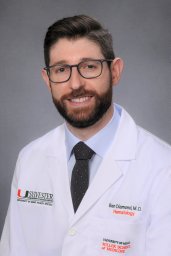 Benjamin Diamond合作论文数Sylvester Comprehensive Cancer Center, University of Miami109Hani Hassoun合作论文数103Kylee H. Maclachlan合作论文数Mem Sloan Kettering Canc Ctr, Dept Med, Myeloma Serv, 1275 York Ave, New York, NY 10021 USA95
 Heather J. Landau合作论文数David H. Koch Center for Cancer Care, Memorial Sloan Kettering Cancer Center95
 Gareth J Morgan合作论文数Univ Arkansas Med Sci, Myeloma Inst, Little Rock, AR 72205 USA94
 Saad Z. Usmani合作论文数David H. Koch Center for Cancer Care, Memorial Sloan Kettering Cancer Center93Dickran Kazandjian合作论文数93
 Sergio A. Giralt合作论文数Division of Hematologic Malignancies, Memorial Sloan Kettering Cancer Center;Weill Cornell Medical College, Memorial Sloan Kettering Cancer Center89
 David Chung合作论文数Northwell Health Cancer Institute83Bachisio Ziccheddu合作论文数Fdn IRCCS Ist Nazl Tumori, Dept Clin Oncol & Hematol, I-20133 Milan, Italy82Ingemar Turesson合作论文数Department of Hematology and Oncology, Skane University Hospital, Lund University;Lund University Cancer Centre73
 Urvi A Shah合作论文数Department of Medicine, Tufts Medical Center and Tufts University School of Medicine71
 Faith E. Davies合作论文数Department of Medicine, NYU Grossman School of Medicine;Center for Blood Cancers, Perlmutter Cancer Center, NYU Langone Health67
 Gunjan L. Shah合作论文数David H. Koch Center for Cancer Care, Memorial Sloan Kettering Cancer Center61Lynn R. Goldin合作论文数61
 Eileen Mary Boyle合作论文数56
 Andriy Derkach合作论文数Department of Biostatistics and Epidemiology, Memorial Sloan Kettering Cancer Center54
 Elisabet Manasanch合作论文数Center for Cancer Research, National Cancer Institute, National Institutes of Health52
 Even Holth Rustad合作论文数Mem Sloan Kettering Canc Ctr, Dept Med, Myeloma Serv, 1275 York Ave, New York, NY 10021 USA50Scordo Michael合作论文数50Adriana Zingone合作论文数47
 Oscar Lahoud合作论文数46
 Irina Maric合作论文数Department of Laboratory Medicine, Clinical Center, National Institutes of Health, U.S. Department of Health & Human Services46Patrick Blaney合作论文数Perlmutter Cancer Center, NYU Langone Health, New York, NY, USA.45
 Mark Roschewski合作论文数45Nikoletta Lendvai合作论文数45
 Sean Devlin合作论文数Memorial Sloan Kettering Cancer Center44
 Ahmet Dogan合作论文数Memorial Sloan Kettering Cancer Center44
 Ruth Pfeiffer合作论文数Division of Cancer Epidemiology and Genetics, National Cancer Institute, National Institutes of Health43
 Katherine R. Calvo合作论文数Department of Laboratory Medicine, Clinical Center, National Institutes of Health43Rene Costello合作论文数43Stetler-Stevenson Maryalice合作论文数40Bhutani Manisha合作论文数40Kwok Mary合作论文数39Carlyn Tan合作论文数38
 Brian Walker合作论文数Department of Medicine, Miller School of Medicine, University of Miami38
 Constance M Yuan合作论文数38
 Yubao Wang合作论文数Perlmutter Cancer Center, NYU Langone Health36
 Tageja Nishant合作论文数National Cancer Institute, National Institutes of Health35
 Brian G. M. Durie合作论文数Division of Hematology/Oncology, Cedars Sinai Medical Center;Cedars-Sinai Samuel Oschin Cancer Center34Roshal Mikhail合作论文数34Mulquin Marcia合作论文数34




