Carrageenans are sulfated galactans found in the cell walls of numerous red seaweeds (Rhodophyta). They are classified according to the number and the position of sulfate ester groups and the occurrence of 3,6-anhydro-galactose. Although the carrageenan biosynthesis pathway is not fully understood, it is usually accepted that the last step consists of the formation of a 3,6-anhydro ring found in kappa- and iota-carrageenans through the enzymatic conversion of d-galactose-6-sulfate or d-galactose-2,6-disulfate occurring in mu- and nu-carrageenan, respectively. We purified two enzymes, sulfurylase I (65 kD) and sulfurylase II (32 kD), that are able to catalyze the conversion of nu- into iota-carrageenan. We compared their sulfate release rates (i.e. arising from the formation of the anhydro ring) with the viscosity of the solution and demonstrated two distinct modes of action. In addition, we found that some mixtures of sulfurylase I and II lead to the formation of carrageenan solutions with unexpectedly low viscosities. We discuss the implication of these findings for the assembly of a densely aggregated matrix in red algal cell walls.
The expression of 28 high light (HL)-responsive genes of Arabidopsis was analysed in response to environmental and physiological factors known to influence the expression of the HL-responsive gene, ASCORBATE PEROXIDASE2 (APX2). Most (81%) of the HL-responsive genes, including APX2, required photosynthetic electron transport for their expression, and were responsive to abscisic acid (ABA; 68%), strengthening the impression that these two signals are crucial in the expression of HL-responsive genes. Further, from the use of mutants altered in reactive oxygen species (ROS) metabolism, it was shown that 61% of these genes, including APX2, may be responsive to chloroplast-sourced ROS. In contrast, apoplastic/plasma membrane-sourced H2O2, in part directed by the respiratory burst NADPH oxidases AtrbohD and AtrbohF, was shown to be important only for APX2 expression. APX2 expression in leaves is limited to bundle sheath parenchyma; however, for the other genes in this study, information on their tissue specificity of expression is sparse. An analysis of expression in petioles, enriched for bundle sheath tissue compared with distal leaf blade, in HL and control leaves showed that 25% of them had > 10-fold higher expression in the petiole than in the leaf blade. However, this did not mean that these petiole expression genes followed a pattern of regulation observed for APX2.
The hypothesis that tRNAs are involved in the maturation of the large primary transcripts of Chondrus crispus mitochondrial DNA was addressed by primer extension mapping of the transcript 5′ ends of the ten genes that are preceded by tRNA genes in C. crispus mitochondrial genome. Among the 12 tRNAs that were candidates as maturation signals, eight, namely tRNAArg, tRNALys, tRNAAsp, tRNAGln, tRNATrp, tRNAIle, tRNAPhe and tRNAGly, were cleaved internally upon maturation of C. crispus mitochondrial primary transcripts, all of them at the same base, invariant pyrimidine 48. Only four tRNAs departed from this pattern: tRNALeu and tRNACys, which are not maturation signals, tRNAMet, which appears to be excised as a whole from the orf94 primary trancript and tRNAAla, which is cleaved internally at positions other than Y48. Sequence comparisons between the cleaved and the uncleaved tRNAs suggest that their core tertiary structure is involved with their recognition and cleavage. However, the precursor transcripts are also processed at the 5′ and 3′ ends of the tRNAs to yield tRNA molecules that are stable and functional in translation. This indicates that two different RNA processing mechanisms coexist in C. crispus mitochondria, one required for the production of functional tRNAs and the other for the processing of mRNAs.
The mitochondrial DNA (mt DNA) of the red alga Chondrus crispus is shown to be transcribed into two large RNA molecules. These primary transcripts are cleaved once, at the level of a tRNA, then the resulting products are processed via multiple maturation events into either mono- or poly-cistronic RNAs. Transcripts were detected for all genes and open reading frames, except for rps11 and orf172. For both transcription units the initiation of transcription was mapped by in vitro RNA capping and primer extension experiments within inverse repeated sequences at the north pole of the molecule. Consistent with primer extension mapping, putative promoter motifs sharing significant similarities with both chicken and Xenopus mitochondrial promoters were found in the C. crispus mitochondrial genome. Altogether C. crispus mitochondrial DNA appears to be transcribed as animal mtDNA is, suggesting that transcription mechanisms in mitochondria are dependent on the overall organization of the mitochondrial genome irrespective of the eukaryotic phylogeny.
The purpose of this review is to present an account of our current understanding of the structure, organization and evolution of mitochondrial genomes, and to discuss the origin and evolution of mitochondria from the perspective recently provided by the extensive sequenc-ing of various mitochondrial genomes. Mitochondrial-en-coded protein phylogenies are congruent with nuclear phylogenies and strongly support a monophyletic origin of mitochondria. The newly available data from red-algal mitochondrial genomes, in particular, show that the structural and functional diversity of mitochondrial genomes can be accounted for by paralogous evolution. We also discuss the influence of other constraints, such as uniparental inheritance, on the evolution of genome organization in mitochondria.
Mitochondrial DNA from the unicellular rhodophyte Cyanidium caldarium RK-1 and the multicellular Chondrus crispus were isolated, cloned, and sequenced. Two genes, sdhB and sdhC, that encode subunits of the succinate dehydrogenase, were identified by similarity. These genes form a cluster (sdhCB) in both red algae.
The complete nucleotide sequence of the circular mitochondrial (mt) DNA from the red alga Chondrus crispus was determined (25,836 nucleotides, A+T content 72.1%). Fifty one genes were identified. They include genes encoding three subunits of the cytochrome oxidase (cox1 to 3), apocytochrome b (cob), seven subunits of the NADH dehydrogenase complex (nad1 to 6, nad4L), two ATPase subunits (atp6 and atp9), three ribosomal RNAs (rrn5, srn and lrn), 23 tRNAs and four ribosomal proteins (rps3, rps11, rps12 and rpl16). Two subunits of the succinate dehydrogenase complex (sdhB and sdhC), usually found on nuclear genomes, are also located on the mtDNA of C. crispus. One group IIb intron is inserted in the tRNAIle gene. Six potentially functional open reading frames were identified, four of them having counterparts among green plant mtDNAs. The use of a modified genetic code and the absence of RNA editing, previously reported for the cox3 gene, appears as a general characteristic of this molecule. Mitochondrial genes are encoded on both DNA strands, in two opposite major transcriptional directions, suggesting the existence of two main transcriptional units. Two long and stable stem-loops were identified in intergenic regions, which are believed to be involved with transcription and replication. The main structural features of this genome are compared with the overall organization of mtDNAs and are discussed in view of the evolution of mitochondria.
 Bernard Kloareg合作论文数Sorbonne Université;Université Pierre et Marie Curie;AberActives SAS7
 C. Boyen合作论文数3
 Catherine Boyen合作论文数Station Biologique, UPMC Univ Paris 06;Station Biologique, CNRS;Station Biologique, UPMC Univ Paris 063Genicot Sabine M合作论文数2Susanne Viehmann合作论文数2Catherine Leblanc合作论文数2
 Geraldine Bonnard合作论文数Institut de Biologie Moléculaire des Plantes du CNRS, Université Louis Pasteur2Brian Rudolph合作论文数2Jean-Michel Grienenberger合作论文数2Catherine Gapper合作论文数1Ulrike Bechtold合作论文数1
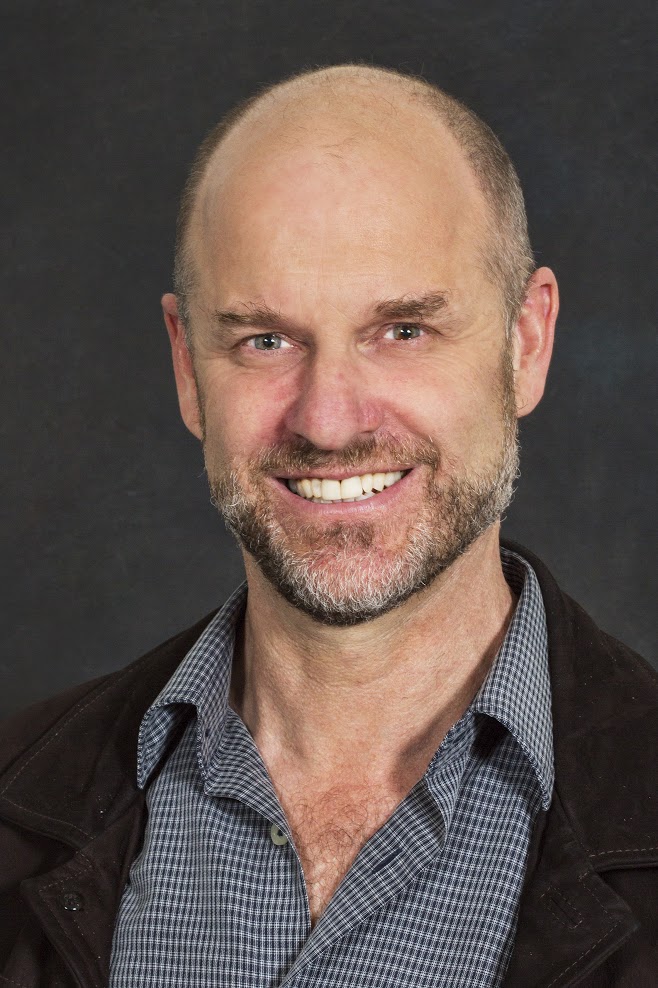 Barry Pogson合作论文数Research School of Biology, College of Science, The Australian National University1Zetsche K合作论文数1
 Philippe Potin合作论文数Laboratory of Integrative Biology of Marine Models, Station Biologique de Roscoff, CNRS1Klaus Zetsche合作论文数1
 Gerhard A. De Ruiter合作论文数Department of Food Science, Wageningen Agricultural University1William Helbert合作论文数1Bea Penninkhof合作论文数1
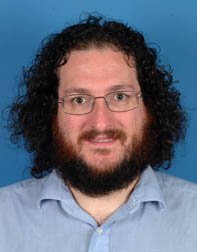 Matt Geisler合作论文数Department of Plant Biology, Southern Illinois University;, Australian Research Council Centre of Excellence in Plant Energy Biology, University of Western Australia;and Department of Cell and Systems Biology, University of Toronto;University of Western Australia, University of Toronto1
 Philip M Mullineaux (Philip Mullineaux)合作论文数School of Life Sciences, University of Essex1
 Stanislaw Karpinski合作论文数Department of Forest Genetics and Plant Physiology;Faculty of Forestry;Swedish University of Agricultural Sciences;Faculty of Forestry, Swedish University of Agricultural Sciences1




