Chloroplasts sense environmental stress and activate chloroplast-to-nucleus retrograde signalling, reprogramming nuclear gene expression for plant acclimation. One such pathway is regulated by the phosphatase, SAL, which hydrolyses the nucleotide signal 3'-phosphoadenosine 5'-phosphate (PAP), a by-product of secondary sulfur metabolism. In Arabidopsis thaliana, genetic loss of AtSAL1 elevates PAP and enhances stress tolerance but causes pleiotropic growth defects. To uncouple stress signalling from genetic pleiotropy, we conducted a high-throughput in vitro screen of 13,000 small molecules and identified V20, a competitive inhibitor of AtSAL1 with three-fold greater potency than the known Li+ inhibitor. Structural analoguing of V20 and biochemical assays defined key pharmacophore features required for inhibition. Accelerated molecular dynamics simulations revealed two previously uncharacterised V20 binding pockets adjacent to the catalytic site. V20 binding induces conformational changes which restrict substrate access to the catalytic site. Exogenous application of V20 to Arabidopsis led to increased PAP accumulation, activated PAP-responsive gene expression and enhanced oxidative tolerance. Our findings reveal new insights into the regulatory domains of SAL enzymatic activity for control of PAP-mediated signalling and establish a proof-of-concept for targeted chemical modulation of SAL activity, which offers novel strategies to selectively manipulate oxidative stress signalling and sulfur metabolism in plants.
Plant sulfur metabolism is crucial to the plant acclimation response to abiotic stresses, providing the redox-active compounds cysteine and glutathione for redox buffering as well as the chloroplast-to-nucleus retrograde signal 3'-phosphoadenosine 5'-phosphate (PAP) for activation of gene expression changes. Whilst these processes have been conventionally considered separately, here we review chloroplast retrograde signalling in the context of plant sulfur metabolism, with focus on the biosynthesis and degradation of PAP in secondary sulfur metabolism. We outline mechanisms by which primary sulfur metabolism via cysteine and glutathione contribute to the modulation of chloroplast retrograde signalling. We examine emerging questions in how plant sulfur metabolism is coordinated in different cell types of a plant leaf for synthesis and accumulation of PAP. Finally, while the majority of chloroplast retrograde signalling research has focused on the model Brassicaceae plant species Arabidopsis thaliana, here we outline the opportunities for novel insights from non-Brassicaceae plants to enable an integrated understanding of the intersection of sulfur metabolism and retrograde signalling.
Wheat is a major staple crop for over one-third of the world's population, crucial for global food security, economic stability and cultural traditions. Recently, single-cell and spatial omics approaches have transformed biological discovery, primarily in medical and animal sciences, and they are now beginning to be applied in plant research. Here we summarize the technical innovations and feasibility of spatial omics applications in wheat research, particularly for understanding developmental and environmental responses, thereby potentially enhancing wheat breeding. We highlight how these tools can reveal spatial and temporal patterns in gene expression, cellular heterogeneity and tissue organization in wheat. Furthermore, we propose developing a spatially resolved single-cell atlas of wheat across its life cycle to facilitate breakthroughs in basic research and potential applications in breeding. To achieve these goals, we advocate for a Wheat Spatial Omics Consortium to foster worldwide collaboration for overcoming barriers and developing sustainable and climate-resilient wheat.
Brassica napus (canola) is a significant contributor to the world’s oil production and is cultivated across continents, yet acidic soils with Al3+ and Mn2+ toxicities limit its production. The genetic determinants underlying acidic soil tolerance in canola are unknown and require to be uncovered for canola breeding and production. Here, through comprehensive phenotyping, whole genome resequencing, and genome-wide association analysis, we identified three QTLs for tolerance to Mn2+ toxicity on chromosomes A09, C03, and C09. Allelism tests between four tolerance sources confirmed that at least one locus on A09 controls Mn2+ tolerance in B. napus . Integrated analysis of genomic and expression QTL and Mn2+ tolerance data reveals that BnMTP8.A09, in conjunction with BnMATE.C03 , BnMTP8.C04 and BnMTP8.C08 , play a central role in conferring Mn2+ tolerance in B. napus . Gene expression analysis revealed a high correlation ( R 2 = 0.74) between Mn2+ tolerance and the BnMTP8.A09 expression. Yeast complementation assays show that BnMTP8.A09 can complement manganese-hypersensitive yeast mutant strain PMR1 Δ and restore Mn2+ tolerance to wild-type levels. Inductively coupled plasma mass spectrometry revealed that Mn2+ tolerant accessions accumulate less Mn in the shoots compared to Mn2+ sensitives, suggesting that the BnMTP8.A09 transporter likely sequesters Mn2+ into the tonoplast. Taken together, our research unveils the genetic architecture of Mn2+ tolerance and identifies BnMTP8.A09 as a major gene imparting tolerance to Mn2+ toxicity in B. napus .
Burgeoning global demand for crop products and the negative impact of climate change on crop production are driving the need to improve yield by developing new elite crop varieties without expanding planted area or increasing agronomic inputs. Improvement in photosynthesis is critical for enhancing crop productivity. Even though leaf photosynthesis is well-studied, the photosynthetic potential of non-foliar green tissues like pods in Brassicaceae and Fabaceae species remains underexplored. This review emphasizes pod photosynthesis in determining seed yield and quality in Brassicaceae and Fabaceae crops. At present, accurate and efficient phenotyping methods are unavailable, limiting understanding and genetic improvement of pod photosynthesis. Novel approaches like chlorophyll fluorescence and hyperspectral reflectance are promising for high-throughput phenotyping of pod photosynthetic traits. This review further discusses genetic targets and regulatory mechanisms for enhancing pod photosynthesis, including transcription factors like GOLDEN2-LIKE and GATA that may regulate photosynthetic capacity in pods, suggesting potential genetic manipulation strategies to boost crop productivity. In conclusion, unlocking the genetic and physiological bases of pod photosynthesis offers opportunities for advancing crop breeding to ensure sustainable food security amidst climate change and increasing global population pressures. Future research should focus on developing high-throughput phenotyping tools and elucidating genetic pathways to maximize pod photosynthesis in crops.
The bottlenecks of conventional plant genome-editing methods gave an innovative rise to nanotechnology as a delivery tool to manipulate gene(s) of interest. Studies suggest a strong correlation between the physicochemical properties of nanomaterials and their efficiency in gene delivery to different plant species/tissues. In this opinion article we highlight the need for a deeper understanding of plant-nanomaterial interactions to align their full capabilities with the strategic goals of plant genome-editing. Additionally, we emphasize DNA-free plant genome-editing approaches to potentially mitigate concerns surrounding genetically modified organisms (GMOs). Lastly, we propose a strategic integration of the principles of responsible research and innovation (RRI) in R&D. We aim to initiate a dialogue on developing collaborative and socio-technical frameworks for nanotechnology and DNA-free plant genome-editing.
PROTON GRADIENT REGULATION 5 (PGR5) plays a critical role in generating proton motive force across thylakoid membranes and supporting photoprotection under fluctuating light in C3 plants. It is proposed that this function is achieved by regulating cyclic electron flow around Photosystem I. During the evolutionary transition from C3 to C4 photosynthesis, PGR5 abundance in leaves has increased, coinciding with an enhancement in cyclic electron flow rate. To investigate the role of PGR5 in C4 photosynthesis and photoprotection, we generated Setaria viridis (a model C4 monocot) lines with null pgr5 alleles. We demonstrate that loss of PGR5 severely impairs the establishment of proton motive force, photosynthetic control, and energy-dependent non-photochemical quenching at high irradiances, leading to a loss of Photosystem I activity under light stress. Furthermore, plants lacking PGR5 exhibit drastically reduced growth and photosynthesis when grown under fluctuating daylight; however, they are less severely affected than C3 pgr5 mutants. This relative tolerance arises from the ability of S. viridis lacking PGR5 to maintain significant levels of photosynthetic control, in contrast to C3 mutants. Additionally, in the absence of PGR5 and qE, a slower-relaxing, zeaxanthin-dependent form of non-photochemical quenching supports survival under fluctuating light, albeit at the cost of reduced photochemical efficiency and assimilation. Our findings highlight the essential role of PGR5 in enabling efficient C4 photosynthesis under fluctuating light by regulating photosynthetic control and energy-dependent non-photochemical quenching. This study also uncovers the interplay between multiple photoprotective mechanisms safeguarding C4 photosynthesis under light stress.
Chloroplasts act as environmental sensors, enabling rapid plant stress responses through operational retrograde signaling. While these signals operate on minutes-to-hours' time scales, their cumulative impact and function across a plant's lifecycle and in field conditions remains unknown. We investigated if retrograde signaling's transient changes to gene expression have cumulative effects by generating wheat mutants with primed SAL1-PAP retrograde pathway responsiveness. After confirming changes in photosynthesis and drought resilience under controlled conditions, we conducted 15 field trials across South-Eastern Australia, spanning diverse environments with varying temperatures, rainfall, and light conditions, analysing physiological responses, yield, biomass, and water productivity. We found gene locus-specific effects on biomass, yield, and water productivity. Multi-environment analysis showed the SAL-4A locus was more strongly associated with improved performance, with the converse for SAL-5D. Significantly, modulation of specific SAL subtypes enhanced photosynthetic efficiency and stress resilience while improving average yields by 4 and 8% respectively for 4A loci across 15 field sites, challenging the traditional yield-resilience trade-off paradigm. This study reveals retrograde signals operate in field environments, integrating environmental information across a plant's lifecycle to improve yield, water productivity and dynamic acclimation to diverse growing seasons, and highlight the importance of multi-environment field validation for crop modifications. ### Competing Interest Statement The authors have declared no competing interest.
Ethylene is involved in the response to P deficiency in some model plants such as Arabidopsis and rice, but its role in wheat remains unclear. Following our recent study demonstrating the role of differentially expressed genes encoding ethylene response factors (ERFs) in response to P starvation in wheat, this study aims to investigate remodeling of the ethylene pathway and the physiological roles of ethylene in wheat under P deficiency using transcriptome analysis and the addition of the exogenous ethylene analogue, ethephon, or ethylene inhibitors. ERFs with at least a 2-fold expression change upon P deficiency had a distribution biased towards chromosome 4B. A group of genes encoding aminocyclopropane-1-carboxylic acid (ACC) synthase and ACC oxidase were up-regulated under P starvation, suggesting an increase in ACC and ethylene content, which was verified by biochemical measurements and gas chromatography-mass spectrometry analysis. Under P deficiency, both root and shoot biomass decreased with application of exogenous ethephon or ethylene inhibitors, while root fork numbers and root surface area decreased upon ethephon treatment. Phosphate (Pi) concentrations in roots and old leaves increased with ethephon treatment, and Pi redistribution in roots and younger leaves was altered under Pi starvation. Our findings can guide breeding of germplasm with high Pi efficiency.
An approach to improving radiation use efficiency (RUE) in wheat is to screen for variability in rates of leaf respiration in darkness (R-dark). We used a high-throughput system to quantify variation in R-dark among a diverse range of spring wheat genotypes (301 lines) grown in two countries (Mexico and Australia) and two seasons (2017 and 2018), and in doing so quantify the relative importance of genotype (G) and environment (E) in influencing variations in leaf R-dark. Through careful design, residual (unexplained) variation represented <10% of the total observed. Up to a third of the variation in R-dark (and related traits) was under genetic control. This suggests opportunities for breeders to use R-dark as a novel selection tool. In addition, E accounted for more than half of the total variation in area-based rates of R-dark. Here, the day of measurement was crucial, suggesting that day-to-day variations in the environment influence rates of R-dark measured at a common temperature. Overall, this study provides new insights into the role G and E play in determining variation in rates of leaf R-dark of one of the most important cereal crops, with implications for future improvements in carbon use efficiency and yield.
Chloroplast-to-nucleus retrograde signalling enables rapid stress responses in plants, but whether these signals accumulate to affect crop performance across entire growing seasons under field conditions remains unknown. We generated wheat mutants with targeted deletions in specific SAL gene copies from two distinct homeologous groups (TaSAL1 and TaSAL2), creating lines with enhanced stress signal responsiveness. We tested these lines across 15 field trials spanning diverse Australian environments with varying temperatures, rainfall, and irrigation regimes, measuring physiological responses, yield, biomass, and water productivity. Lines with TaSAL2 gene deletions showed 4-8% yield improvements with enhanced water productivity, while TaSAL1 deletions reduced yields. The TaSAL2 mutants maintained superior photosynthetic function under drought stress, showed improved relative water content, and demonstrated enhanced yield stability across environments. Canopy temperature measurements revealed dynamic stomatal regulation, with increased closure during midday stress periods but normal aperture under benign conditions. Significantly, specific SAL modifications enhanced photosynthetic efficiency and stress resilience without traditional yield penalties. Targeted modification of specific SAL homeologous groups can simultaneously improve both yield and stress tolerance in wheat. This demonstrates that retrograde signalling integrates environmental information across the plant lifecycle and highlights the importance of locus-specific targeting and multienvironment field validation for crop modifications.
Elaborate intra- and interkingdom communication systems have evolved in plants, where volatile organic compounds (VOCs) are integral signalling molecules. An investigation into the intricate realm of plant VOCs was undertaken in this study, confirming known and exposing new roles of VOCs in the complex mechanisms employed by plants to adapt to their environment and regulate development accordingly. An untargeted analysis of VOC data from seven distinct Arabidopsis tissues acquired using the high throughput, sensitive technique known as Headspace Solid Phase Micro-Extraction Gas Chromatography coupled with Mass Spectrometry (HS-SPME-GC/MS) was deployed to explore the whole plant volatilome. Improved analytical pipelines enabled new analyses of Arabidopsis datasets revealing an exceptionally dynamic plant volatilome consisting of 197 emitted VOCs, with 114 being detected in Arabidopsis and ten in planta for the first time, thereby expanding the repertoire of detectable VOCs, and quantifiable VAs. A high degree of tissue-unicity among VOCs emerges, offering unique chemical fingerprints for flowers, roots, leaves, siliques, and seeds. This work not only enhances our understanding of plant development and stress tolerance but also holds promise for leveraging the plant volatilome to improve agricultural practices and crop production.
PROTON GRADIENT REGULATION 5 (PGR5) is essential for generating proton motive force across thylakoid membranes in C3 plants and supporting photoprotection under fluctuating light conditions. It is proposed that this function is achieved by regulating cyclic electron flow around Photosystem I. During the evolutionary transition from C3 to C4 photosynthesis, the leaf abundance of PGR5 has increased, coinciding with a rise in the cyclic electron flow rate. To investigate the contribution of PGR5 to photoprotection in C4 photosynthesis, we generated model C4 monocot Setaria viridis with null pgr5 alleles. We show that plants lacking PGR5 struggle to establish proton motive force and energy-dependent non-photochemical quenching (qE) at higher irradiances during instantaneous measurements. This leads to a progressive decline in maximum Photosystem I activity when leaves are exposed to repeated cycles of high irradiance. Additionally, plants without PGR5 exhibit severely reduced growth and photosynthesis compared to wild type plants when grown under fluctuating daylight but not under constant daylight. In the absence of PGR5, a slower-relaxing, zeaxanthin-dependent form of non-photochemical quenching supports growth under fluctuating light, albeit at the cost of reduced photochemical efficiency and assimilation rate. Our findings underscore the role of PGR5 in enabling efficient C4 photosynthesis under fluctuating light by establishing proton motive force for the rapid upregulation of qE and preventing photodamage to the electron transport machinery. This study highlights the importance of various non-photochemical quenching mechanisms for C4 photosynthesis and emphasises the role of PGR5 in the evolution of C4 plants. ### Competing Interest Statement The authors have declared no competing interest.
PHYTOENE SYNTHASE (PSY) is a rate-limiting enzyme catalysing the first committed step of carotenoid biosynthesis, and changes in PSY gene expression and/or protein activity alter carotenoid composition and plastid differentiation in plants. Four genetic variants of PSY (psy-4, psy-90, psy-130, and psy-145) were identified using a forward genetics approach that rescued leaf virescence phenotypes and plastid abnormalities displayed by the Arabidopsis CAROTENOID ISOMERASE (CRTISO) mutant ccr2 (carotenoid and chloroplast regulation 2) when grown under a shorter photoperiod. The four non-lethal mutations affected alternative splicing, enzyme-substrate interactions, and PSY:ORANGE multi-enzyme complex binding, constituting the dynamic post-transcriptional fine-tuning of PSY levels and activity without changing localization to the stroma and protothylakoid membranes. psy genetic variants did not alter total xanthophyll or β-carotene accumulation in ccr2, yet they reduced specific acyclic linear cis-carotenes linked to the biosynthesis of a currently unidentified apocarotenoid signal regulating plastid biogenesis, chlorophyll biosynthesis, and photomorphogenic regulation. ccr2 psy variants modulated the PHYTOCHROME-INTERACTING FACTOR 3/ELONGATED HYPOCOTYL 5 (PIF3/HY5) ratio, and displayed a normal prolamellar body formation in etioplasts and chlorophyll accumulation during seedling photomorphogenesis. Thus, suppressing PSY activity and impairing PSY:ORANGE protein interactions revealed how cis-carotene abundance can be fine-tuned through holoenzyme-metabolon interactions to control plastid development.
Metabolic feedback is proposed to modulate nuclear gene expression and carotenoid biosynthesis in plastids, however few mechanisms have been identified so far in plants. Utilising mutants, overexpression lines, and chemical inhibitors, we demonstrate that Arabidopsis LYCOPENE EPSILON CYCLASE ( εLCY ) mRNA levels correlate with changes in β-carotenoid accumulation. Transgenic seedlings harbouring the εLCY 5’ leader sequence fused to FIREFLY LUCIFERASE ( FiLUC ) showed reporter responsiveness to metabolic feedback triggered by norflurazon or loss-of-function in the CAROTENOID ISOMERASE (CRTISO). The εLCY 5’UTR harboured three alternative transcription start sites (TSS). The most abundant -133bp sequence generated in dark and light grown seedlings harboured a 5’ conserved domain (CD) with other Brassicaceae species and a viral internal ribosome entry site (IRES) proximal to the start codon. In silico modelling predicted the 5’UTR formed two energetically separated RNA structural probabilities having a minimal free energy consistent with metabolite-binding RNA riboswitches that was distinguished by hairpin structures within the CD. Site-specific mutations were used to stabilize the 5’UTR into a single RNA shape definition having negligible separation between the mountain plot structure prediction curves and a distal terminator-like hairpin structure. Stabilizing the 5’UTR shape triggered the posttranscriptional repression of FiLUC activity enabled by the CaMV35S promoter in tobacco transient assays and stable transgenic Arabidopsis lines. The stabilised shape fragment became responsive to metabolic feedback induced by norflurazon and in crtiso mutant etiolated and de-etiolated seedlings. The εLCY 5’UTR resembles a conformational RNA regulatory switch harbouring a posttranscriptional expression platform and aptamer domain responsive to carotenoid-mediated feedback signalling. * ACS : apocarotenoid signal β-ACS : β-carotene derived apocarotenoid signal cis -ACS : cis -carotene derived apocarotenoid signal FiLUC : intron modified FIREFLY ( Photinus pyralis ) LUCIFERASE gene MutDels : mutations and/or deletions NFZ : norflurazon Nost : nopaline synthase terminator uORF : upstream open reading frame RLU : relative light units TSS : transcription start site 5’UTR : 5’ Untranslated Region
A level of redundancy and interplay among the transcriptional regulators of floral development safeguards a plant's reproductive success and ensures crop production. In the present study, an additional layer of complexity in the regulation of floral meristem (FM) identity and flower development is elucidated linking carotenoid biosynthesis and metabolism to the regulation of determinate flowering. The accumulation and subsequent cleavage of a diverse array of ζ-carotenes in the chloroplast biogenesis 5 (clb5) mutant of Arabidopsis results in the reprogramming of meristematic gene regulatory networks establishing FM identity mirroring that of the FM identity master regulator, APETALA1 (AP1). The immediate transition to floral development in clb5 requires long photoperiods in a GIGANTEA-independent manner, whereas AP1 is essential for the floral organ development of clb5. The elucidation of this link between carotenoid metabolism and floral development translates to tomato exposing a regulation of FM identity redundant to and initiated by AP1 and proposed to be dependent on the E class floral initiation and organ identity regulator, SEPALLATA3 (SEP3).
The rate with which crop yields per hectare increase each year is plateauing at the same time that human population growth and other factors increase food demand. Increasing yield potential ( Yp ) of crops is vital to address these challenges. In this review, we explore a component of Yp that has yet to be optimised - that being improvements in the efficiency with which light energy is converted into biomass ( εc ) via modifications to CO2 fixed per unit quantum of light (α), efficiency of respiratory ATP production ( εprod ) and efficiency of ATP use ( εuse ). For α, targets include changes in photoprotective machinery, ribulose bisphosphate carboxylase/oxygenase kinetics and photorespiratory pathways. There is also potential for εprod to be increased via targeted changes to the expression of the alternative oxidase and mitochondrial uncoupling pathways. Similarly, there are possibilities to improve εuse via changes to the ATP costs of phloem loading, nutrient uptake, futile cycles and/or protein/membrane turnover. Recently developed high-throughput measurements of respiration can serve as a proxy for the cumulative energy cost of these processes. There are thus exciting opportunities to use our growing knowledge of factors influencing the efficiency of photosynthesis and respiration to create a step-change in yield potential of globally important crops.
ABSTRACT PHYTOENE SYNTHASE (PSY) is a rate-limiting enzyme catalysing the first committed step of carotenoid biosynthesis, and changes in PSY gene expression and/or protein activity alter carotenoid composition and plastid differentiation in plants. Here we identified four genetic variants of PSY ( psy −4 , psy −90 , psy −130 and psy −145 ) using a forward genetics approach that rescued leaf virescence phenotypes displayed by the Arabidopsis CAROTENOID ISOMERASE (CRTISO) mutant ccr2 ( carotenoid and chloroplast regulation 2 ) when grown under a shorter photoperiod. The four non-lethal mutations affected alternative splicing, enzyme-substrate interactions, and PSY:ORANGE multi-enzyme complex binding, constituting the dynamic posttranscriptional fine-tuning of PSY levels and activity without changing localization to the stroma and protothylakoid membranes. psy genetic variants did not alter overall total xanthophyll or cis-carotene accumulation in ccr2 yet reduced specific acyclic linear cis -carotenes linked to the biosynthesis of a yet-to-be-identified apocarotenoid signal. ccr2 psy variants modulated the ratio of PHYTOCHROME-INTERACTING FACTOR 3/ELONGATED HYPOCOTYL 5 (PIF3/HY5), displayed a normal PLB formation in etioplasts, and chlorophyll accumulation during seedling photomorphogenesis. Thus, suppressing PSY activity and impairing PSY:ORANGE protein interactions reveals how threshold specific cis -carotene levels can be fine-tuned through holoenzyme-metabolon interactions to control plastid development. Highlights Manipulation of the PHYTOENE SYNTHASE catalytic activity in concert with its regulatory protein, ORANGE, reduces threshold levels of acyclic linear cis -carotenes that signal control over plastid biogenesis in dark and light grown Arabidopsis seedlings
Transcript stability is an important determinant of its abundance and, consequently, translational output. Transcript destabilisation can be rapid and is well suited for modulating the cellular response. However, it is unclear the extent to which RNA stability is altered under changing environmental conditions in plants. We previously hypothesised that recovery-induced transcript destabilisation facilitated a phenomenon of rapid recovery gene downregulation (RRGD) in Arabidopsis thaliana (Arabidopsis) following light stress, based on mathematical calculations to account for ongoing transcription. Here, we test this hypothesis and investigate processes regulating transcript abundance and fate by quantifying changes in transcription, stability and translation before, during and after light stress. We adapt syringe infiltration to apply a transcriptional inhibitor to soil-grown plants in combination with stress treatments. Compared with measurements in juvenile plants and cell culture, we find reduced stability across a range of transcripts encoding proteins involved in RNA binding and processing. We also observe light-induced destabilisation of transcripts, followed by their stabilisation during recovery. We propose that this destabilisation facilitates RRGD, possibly in combination with transcriptional shut-off that was confirmed for HSP101, ROF1 and GOLS1. We also show that translation remains highly dynamic over the course of light stress and recovery, with a bias towards transcript-specific increases in ribosome association, independent of changes in total transcript abundance, after 30 min of light stress. Taken together, we provide evidence for the combinatorial regulation of transcription and stability that occurs to coordinate translation during light stress and recovery in Arabidopsis.
Photosynthetic efficiency and sink demand are tightly correlated with rates of phloem loading, where maintaining low cytosolic sugar concentrations is paramount to prevent the downregulation of photosynthesis. Sugars Will Eventually be Exported Transporters (SWEETs) are thought to have a pivotal role in the apoplastic phloem loading of C4 grasses. SWEETs have not been well studied in C4 species, and their investigation is complicated by photosynthesis taking place across two cell types and, therefore, photoassimilate export can occur from either one. SWEET13 homologues in C4 grasses have been proposed to facilitate apoplastic phloem loading. Here, we provide evidence for this hypothesis using the C4 grass Setaria viridis. Expression analyses on the leaf gradient of C4 species Setaria and Sorghum bicolor show abundant transcript levels for SWEET13 homologues. Carbohydrate profiling along the Setaria leaf shows total sugar content to be significantly higher in the mature leaf tip compared with the younger tissue at the base. We present the first known immunolocalization results for SvSWEET13a and SvSWEET13b using novel isoform-specific antisera. These results show localization to the bundle sheath and phloem parenchyma cells of both minor and major veins. We further present the first transport kinetics study of C4 monocot SWEETs by using a Xenopus laevis oocyte heterologous expression system. We demonstrate that SvSWEET13a and SvSWEET13b are high-capacity transporters of glucose and sucrose, with a higher apparent Vmax for sucrose, compared with glucose, typical of clade III SWEETs. Collectively, these results provide evidence for an apoplastic phloem loading pathway in Setaria and possibly other C4 species.
 Chris Cazzonelli合作论文数Hawkesbury Institute for the Environment, Western Sydney University23
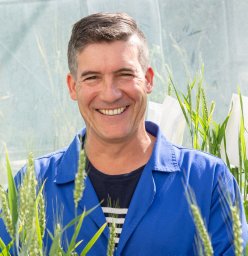 Estavillo Gonzalo M合作论文数Australian Res Council, Australian Natl Univ21
 Kai Xun Chan合作论文数Research School of Biology, The Australian National University;Research School of Biology, The Australian National University19
 Peter Crisp合作论文数School of Agriculture and Food Sciences, Faculty of Science, The University of Queensland17
 Ganguly Diep合作论文数Australian National University17
 Britta Forster合作论文数15
 A. Harvey Millar合作论文数ARC Centre for Plant Energy Biology, School of Molecular Sciences, University of Western Australia11
 Wah Chow合作论文数Division of Plant Sciences, Research School of Biology, College of Science, Australian National University11
 Veronica Albrecht-Borth合作论文数Institute of Plant Sciences, Swiss Federal Institute of Technology (ETH)11Andrew F Bowerman合作论文数Research School of Biology, Australian National University10Phua Su Yin合作论文数10
 Ryan Mcquinn合作论文数9Nisar Nazia合作论文数Australian Research Council Centre of Excellence in Plant Energy Biology, The Australian National University9
 Dean DellaPenna合作论文数Department of Biochemistry and Molecular Biology, Michigan State University9
 Barry Osmond合作论文数Plant Science Institute for Conservation Biology and Environmental Management, University of Wollongong;Division of Plant Sciences, Research School of Biology, College of Science, Australian National University9
 Robert Furbank合作论文数ARC Centre of Excellence for Translational Photosynthesis, Australian National University;Division of Plant Sciences, Research School of Biology, College of Science and Medicine, Australian National University9
 Ian Small合作论文数ARC Centre of Excellence in Plant Energy Biology, School of Molecular Sciences, University of Western Australia8
 Abby Cuttriss合作论文数8
 Justin Borevitz合作论文数Research School of Biology, Australian National University8
 Moore M合作论文数a Biochemistry and Physiology of Plants;Bielefeld University;Bielefeld;a Biochemistry and Physiology of Plants, Bielefeld University7
 James Michael Whelan合作论文数College of Life Sciences, Zhejiang University7
 Matthew Gilliham合作论文数Division of Research and Innovation, Waite Research Institute, The University of Adelaide7Estee E Tee合作论文数6Eichten Steven R合作论文数Dept Plant Biol, Univ Minnesota6
 Carmody Melanie合作论文数6
 Shizue Matsubara合作论文数School of Biological Sciences, Australian National University6
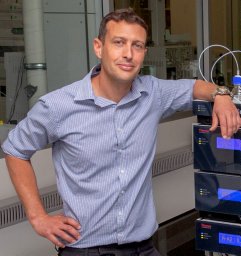 Owen Duncan合作论文数ARC Centre of Excellence in Plant Energy Biology, University of Western Australia6Nick S. Woo合作论文数6
 Jean Finnegan合作论文数Commonwealth Scientific and Industrial Research Organisation6Xin Hou合作论文数5John Rivers合作论文数5Rossel Jan Bart合作论文数5
 Murray Badger合作论文数Division of Plant Sciences, Research School of Biology, College of Science, Australian National University5
 Krishna K. Niyogi合作论文数Department of Plant and Microbial Biology, University of California-Berkeley5Colin J. Brady合作论文数5
 Pip B. Wilson合作论文数5
 Adam Carroll合作论文数Centre of Excellence in Plant Energy Biology, ARC;University of Western Australia;ARC Centre of Excellence in Plant Energy Biology, University of Western Australia5
 Crispin Howitt合作论文数CSIRO Plant Industry5
 Owen Atkin合作论文数Division of Plant Sciences, Research School of Biology, College of Science, Australian National University5
 Matthew Reynolds合作论文数CIMMYT5Aaron B Smith合作论文数4Iain W Wilson合作论文数4Elke Stroeher合作论文数4
 Jacinta Watkins合作论文数4
 Yagız Alagoz合作论文数Center for Desert Agriculture, King Abdullah University of Science and Technology4
 Etienne Delannoy合作论文数Univ Western Australia, Australian Res Council, Ctr Excellence Plant Energy Biol, Crawley, WA 6009, Australia4
 Maria Ermakova合作论文数Laboratory of Molecular Plant Biology, University of Turku;Laboratory of Molecular Plant Biology, University of Turku4
 Chris Carrie合作论文数School of Biological Sciences, Faculty of Science, The University of Auckland4Khin Nay Chi合作论文数4




