Ringing-recoveries are an overarching element of population dynamic studies that allow estimating mortality causes and hence improve wildlife management. However, possible drawbacks of recovered rings reside in the fact that reporting probability is rarely known, but consistently lower than 100%. Thus, estimating harvest probabilities (mortality probability due to harvesting) of exploited species without knowledge of ring reporting probability by people exploiting these animals is not straightforward. We here provide the first ever reward-ring study carried out to evaluate European reporting probabilities, hence European harvest probabilities, in three species of ducks (Mallard Anas platyrhynchos , Eurasian Teal A. crecca and Common Pochard Aythya ferina ). The 70 Euros reward on some rings was considered to yield a total return of the rings, allowing by comparison to evaluate the reporting probability of standard rings. After the initial year of ringing, annual reporting probability was very similar among the three species, at 0.63-0.66, suggesting two-thirds of the found rings are sent back to the ringing centre. This allowed computation of the annual harvest probability, which was up to 0.27 during the first months after ringing in fall but decreased to 0.04-0.10 during later years. Compared to North American results, the present estimates suggest birds are submitted to a heavy hunting mortality during the first months after ringing, but this pressure declines in later years, likely owing to counter selection of vulnerable/exposed individuals and/or learning by the birds.
Sheep (Ovis aries Linnaeus, 1758) grazing has the potential for positive impacts on commercial forestry through weeding competing plants, or to be detrimental if browsing and trampling levels are high. In some regions of Norway, large, forested areas are fenced to minimize depredation risk from recovering carnivore populations on unsupervised sheep, but fences may alter the behavior of sheep leading to differential effects inside and outside of these fences. We estimated Norway spruce (Picea abies (Karst.) L.) sapling growth and frequency of damage in Inland and Tr & oslash;ndelag counties Norway, and related these to grazing intensity, fenced status, and competing vegetation along 70 transects within 8 fenced and 11 unfenced clearcuts during August 2024. We found that growth of terminal leaders decreased with increasing grazing intensity inside fences, whereas growth increased along with grazing intensity outside fences. Sheep grazing in our study had a positive effect on spruce sapling growth form by decreasing slenderness, measured by height-to-diameter ratio, both inside and outside fences. While less than three percent of saplings were browsed overall, browsing of saplings did increase at higher grazing intensities. Trampling was negligible on all transects. Our results suggest that sheep grazing is compatible with spruce regeneration and carnivore fencing as negative impacts from increasing amounts of sheep resulting in reduced growth of terminal leaders may have been offset by decreasing height-to-diameter ratios. Lower height-to-diameter ratios suggest more resilient saplings that could make them better able to withstand stressors. However, if sheep are allowed to reach high grazing intensities, this balance may not be achieved as browsing increases. With increasing demands on forested landscapes, integrating sheep grazing in carnivore-resistant fences on commercial forests presents an opportunity for multiple-use land management with minimal associated trade-offs.
Europe has seen the recovery of many species of wild herbivores, which are now widespread across much of the continent. In addition, large carnivores are also recolonising many European countries. Most ungulates are managed through hunting, but natural predation can also have a significant influence in many areas. Therefore, the management of large herbivores must increasingly account for both hunting pressure and the impact of predation. Recent studies suggest that lynx predation can have a significant impact on roe deer population dynamics, both by targeting reproductive individuals and by exerting consistently high predation pressure across a wide range of prey densities. Here, we develop a two-species predator-prey matrix population model that integrates lynx and roe deer through functional and numerical responses. We test a set of management rules, applied to both prey and predators, to examine whether joint hunting of both species can prevent prey declines and stabilise the population dynamics. Our simulations show that protecting (i.e. not hunting) either species increases the predator population, which in turn leads to a decline in the prey population. Hunting only the prey worsens their fate due to the addition of hunting and predation. However, simultaneous hunting of predators and prey, adaptively regulated through simple heuristics, does help prevent prey declines. We also show that the initial densities of the predator and prey population have significant impact on the outcome of the simulations. The importance of relative predator and prey population densities highlights the need for adaptive harvesting that monitors and adjusts to current predator and prey population levels.
Ungulate populations are declining globally due to increasing anthropogenic pressures on habitats and migration routes, highlighting the importance of protected areas for their conservation. The protected areas in the Mongolian Gobi provide a critical stronghold for several threatened ungulate species, including the khulan (Asiatic wild ass, Equus hemionus) and goitered gazelle (Gazella subgutturosa). Although long-term ungulate population monitoring is essential to assess the effectiveness of conservation measures, it is challenging due to low population densities, fission-fusion social dynamics, and highly variable environmental conditions. We analysed data from large-scale ground surveys conducted in 2010, 2015, and 2022 in the Great Gobi B Strictly Protected Area (GGB), comparing two analytical approaches: design-based point transect distance sampling and Bayesian point process modelling. The latter produces spatially explicit density surfaces that account for spatial autocorrelation alongside abundance estimates. Both methods revealed consistent population trends: khulan numbers declined over the study period, while the gazelle population increased threefold. The Bayesian approach provided greater precision and identified aggregation hotspots. These findings underscore the benefits of modelling the spatial structures within a point process framework for aggregated species in landscapes with uneven and temporally variable resource distributions. We recommend continuing the point transect surveys at least every 5 years, ideally expanding the coverage to suitable habitats adjacent to the protected area. In addition, ranger observations on distribution, group size, reproduction and mortality are needed to help identify drivers of population change and to obtain annual minimum population counts.
Spatial patterns of human hunting and predation risk are mediated by the physical landscape, with hunting risk often associated with different habitat features than those linked to large carnivores. Risk from hunters and carnivores also varies over time, and prey may adjust anti-predator strategies accordingly. We used GPS data from 17 female moose (Alces alces) tracked over two fall–winter seasons (2018–2020) in south-central Scandinavia to study moose habitat selection in response to diel and seasonal variation in risk from wolves (Canis lupus) and human hunters. Predation risk was quantified using spatial models based on known wolf and hunter kill-sites. We applied resource selection functions and Generalized Additive Mixed Models to model moose habitat selection in response to wolf and hunting risk. Moose avoided high-risk hunting areas during the day throughout the hunting season but relaxed this avoidance at night and after the season ended. In contrast, we found no evidence that moose adjusted habitat use in response to diel or seasonal variation in wolf predation risk. These results suggest that human hunting was the primary driver of moose habitat selection during the hunting season, becoming less relevant when hunting ceased. Our findings highlight the dominant role of human risk in shaping prey behaviour and the importance of accounting for hunting when evaluating predator–prey dynamics in human-dominated systems. An increased understanding of the risk effects arising from humans and large carnivores on prey can deepen our understanding of the ecological roles of predators and humans.
Semi‐natural grasslands are recognized as important habitat for bumblebees in Fennoscandia. These grasslands are maintained by free‐ranging sheep, but it is unclear which sheep intensities are most beneficial to bumblebees. We will compare bumblebee species richness and abundance with Bayesian mixed models at varying levels of disturbance by sheep to test the Intermediate Disturbance Hypothesis, while considering other important habitat variables: distance to forest, meadow size, sward height, and availability of flowers, litter and bare soil. Practical Implication: Results of this investigation will provide valuable information to land managers setting limits for the number of free‐ranging sheep released on semi‐natural grasslands within the coniferous boreal landscape to benefit bumblebee conservation.
Predation by pine martens Martes martes and red foxes Vulpes vulpes is an important factor influencing the population dynamics of capercaillie Tetrao urogallus. However, there is a knowledge gap regarding the relative effects of these mesopredators on the reproductive success of capercaillie. To better understand how various landscape factors influence nest predation by pine martens and red foxes, we monitored capercaillie nests in Norway between 2009 and 2014 using camera traps. We classified the fate of 156 nests and employed a cause-specific hazard model to evaluate how different predators contributed to nest predation risk, while accounting for landscape covariates such as distance from nest to forest-clearcut edges, proximity to roads, and agricultural land density. We found that predation by pine martens and red foxes was the predominant hazard to capercaillie nests, with similar daily predation rates observed for both mesopredators. Nest predation by pine martens decreased with increasing agricultural land density and tended to increase along gradients from clearcuts to forest interiors. Moreover, pine marten predation tended to decrease with increasing distance from roads. Nest predation by red foxes increased with distance from roads, but only in areas characterized by high density of agricultural land. Red fox predation was not associated with distance to forest-clearcut edges or to agricultural land density. Our findings show that landscape factors differentially influence pine marten and red fox predation on capercaillie nests and highlight the importance of considering predator-specific effects while managing populations of game birds and their predators.
Energy expenditure is a central topic in ecology because of the importance of overall energy balance on individual fitness, which can affect populations and ecosystems. However, energy expenditure is difficult to measure in wild animals due to logistic constraints and invasiveness of most methods. Here, we developed a method to calculate energy expenditure of moose (Alces alces) from accelerometer data. We implanted heart rate loggers and deployed accelerometer collars on eight captive female moose and simultaneously recorded heart rate (every 30 s) and accelerometer data (continuously at 32 Hz) during three-day-long sampling periods in spring, early and late summer, and autumn (n = 25 sampling periods). We used a previously published random forest model to predict seven common behaviors from the accelerometer data. We fitted a dynamic generalized additive model to predict heart rate from dynamic body acceleration. Because we could not measure energy expenditure directly, we used a previously published calibration equation of moose metabolic rate against heart rate to calculate energy expenditure from heart rate. Finally, we compared behavior-specific energy expenditures to published values. Our model accurately predicted the trends observed in our heart rate measurements: increasing heart rate with increasing dynamic body acceleration and seasonal variation in heart rate, with a median heart rate of 32 bpm in the autumn and 58 bpm in late summer. Calculated energy expenditure was comparable between our measured and predicted heart rates, increased with increasing activity level of the behavior from lying to running and varied by season. Our estimates of behavior-specific energy expenditures were lower than previously reported values in early summer and autumn and higher in spring. The method presented here facilitates the estimation of movement-based energy expenditure in moose from collar-mounted accelerometers, giving vital parameters for bioenergetic models and future studies of energetic consequences of disturbances and changing environmental conditions. Furthermore, the use of collar-mounted accelerometers to estimate energy expenditure circumvents the need for surgical logger implantation. We discuss the use of dynamic generalized additive models to account for varying slopes in the relationship of dynamic body acceleration with heart rate over a range of behaviors.
Climate change effects on primary productivity are especially evident along altitudinal and latitudinal gradients. Some of the species with a fast reproductive cycle strategy and relying on primary productivity may rapidly respond to such changes with alterations to demographic parameters. However, how these bottom-up effects may emerge in systems with different population dynamics has not been elucidated. We aimed to assess the role of food availability on rodent demography in populations characterised by different dynamics, that is multiannual cycles in Northern European populations and mast-driven outbreaks in Southern European populations, both driven by intrinsic and extrinsic factors. We live-trapped woodland rodents at these latitudinal extremes in two study systems (Norway, Italy) while deploying control/treatment designs of food manipulation providing ad libitum trophic resource availability, albeit not reflecting the natural resource fluctuations. We applied a multistate open robust design model to estimate population patterns and survival rates while controlling for seasonal variation, intrinsic traits, and co-occurrence of sympatric species. Yellow-necked and wood mouse (Apodemus spp.) were sympatric with bank vole (Clethrionomys glareolus) in Italy, while only the latter was trapped in Norway. Food provisioning increased both survival and population size of bank vole in Norway, where temperatures are harsher and snow cover persists in winter. In milder Italian habitats, the wood mouse abundance was boosted by food availability, increasing also survival rates (but only in females), whereas the bank vole showed a decrease in both parameters across sexes. We speculate that overabundant food resources may trigger some forms of competition between sympatric wood mouse and bank vole, although other types of interactions, such as predation and parasitism, may also contribute. By manipulating food availability in two systems where rodents have different population dynamics, we showed how resource availability exerted bottom-up effects on rodent demography, especially in the context of climate change, although being mediated by other intrinsic and extrinsic factors.
ABSTRACTMaintaining a healthy population of common leopards, a highly adaptive felid, requires updated information on their spatial occurrence. In Nepal's Tarai region, leopards coexist with tigers, which are well‐studied felid throughout its range. However, knowledge is very scarce on the patterns of leopard occupancy. We conducted an occupancy survey using remote cameras in southwestern Tarai, particularly in Shuklaphanta National Park, Nepal, to assess habitat use by leopards from December 2022 to January 2023. Naive and model‐averaged occupancy estimates were 0.51 and 0.6563 (SE: 0.022, 95% CI: 0.612, 0.70), respectively. The detection of leopards was negatively correlated with the presence of tigers. Leopard occupancy was higher closer to human settlement and higher in rugged terrain. At a time when Nepal has achieved its tiger conservation targets, efforts are required to maintain adequate prey biomass to minimize fatal encounters between tigers and leopards and displacement of leopards peripheral to the settlement area, where villagers might kill them in retaliation of livestock killing. Long‐term monitoring is required to improve understanding of the interaction between leopards, tigers, and humans in the Tarai region of Nepal.
Monitoring physiological indicators including heart rate (HR) is crucial for managing animal welfare across diverse settings, from precision livestock farming to wildlife conservation. HR is a reliable indicator of energy expenditure and stress, yet the invasive nature of HR loggers limits their application in wild and free-ranging species. This study explores whether overall dynamic body acceleration (ODBA), measured with an external accelerometer, can serve as a less invasive proxy for HR. Using free-ranging cattle as a model species in Norway, we examined the relationship between ODBA and HR to assess how external accelerometry might indirectly reflect physiological states in settings that resemble wild conditions. Cattle provide an ideal model because they share some characteristics with wild herbivores, including exposure to diverse terrain and potential predation, whilst offering advantages for handling and sensor retrieval. Our findings showed that low ODBA values corresponded to static behaviours (e.g. standing, ruminating), where small movements caused HR spikes, whilst higher ODBA reflected dynamic activities (e.g. walking, foraging), with HR plateauing. This relationship suggests that ODBA can be used to approximate HR in environments where direct HR measurement is challenging. By using accelerometry to infer HR changes in free-ranging cattle, this study offers insights that could extend to wild species, offering a tool for conservationists to monitor and manage animal health and well-being less invasively.
In the Galapagos Islands, the main road in Santa Cruz is one of the elements involved in bird road mortality along with vehicles and the impacted species. This study reports the number of roadkilled birds found on the road from the Itabaca Channel to Puerto Ayora, and the main factors, whether avian or environmental, involved in bird roadkill mortality. We collected individual carcasses in 2004, 2005, 2006, and 2018 with a prevalence of 278, 252, 265, and 294, respectively, across 21 species. The endemic Yellow Warbler Setophaga petechia aureola was the most affected bird. We used a PRIDIT model to rank the top avian and environmental predictors of road mortality. We found that for the sampled years, bird body size (i.e., 8–35 g) and the endemism status (i.e., endemic/native) were the main predictors of roadkill mortality, along with seasonality (i.e., hot season). Weaker predictors related to the bird (i.e., age and sex) and the environment (ecosystem, road slope, vegetation, or precipitation) are also reported as determinants of roadkill mortality. This study on avian mortality aims to inform conservation strategies to reduce the rate of wildlife avian roadkill on Santa Cruz Island and other islands with similar problems.
Genetic diversity is a key part of biodiversity, threatened by human activities that lead to loss of gene flow and reduction of effective population sizes. Gene flow is a result of both landscape connectivity and demographic processes determining the number of dispersing individuals in space and time. Thus, the effect of human impact on processes determining the level of genetic diversity must be interpreted in the context of basic ecological conditions affecting survival and recruitment. When the intensity of human impact and habitat suitability correlate, the effect on genetic diversity and gene flow may be challenging to predict. We compared genetic diversity, gene flow and landscape resistance in two contrasting landscapes in Norway for the pond-breeding amphibian Triturus cristatus: a highly human-impacted, agricultural landscape with ecologically productive habitats, and a forested landscape with less productive habitats and lower levels of human impact. Our results show that genetic diversity was higher and gene flow lower within the forested landscape. Microclimatic moisture conditions and vegetation cover were important determinants of landscape resistance to gene flow within both landscapes. There were indications that landscape resistance was increased by minor roads in the forested landscape, which was not the case for the agricultural landscape, suggesting a higher vulnerability to human interference within the landscape matrix for the populations in less productive habitats. Our findings suggest that the effect of human impact on genetic diversity may not be straightforward but modulated by the ecological conditions underlying local demographic processes. Populations within both landscapes seem to be vulnerable to loss of genetic diversity, but due to different mechanisms. This has implications for the choice of relevant management actions, that is, increasing population stability may be more relevant within an agricultural landscape still permeable for dispersal, while conserving dispersal corridors may be more appropriate in the forested landscape, to avoid isolation and increased genetic drift.
Amongst the unintended consequences of anthropogenic landscape conversion is declining apex predator abundance linked to loss of forest integrity, which can potentially re-order trophic networks. One such re-ordering, known as mesopredator release, occurs when medium-sized predators, also called mesopredators, rapidly increase in abundance following the decline in apex predator abundance, consequently reducing the abundance of mesopredator prey, notably including terrestrial avifauna. We examine the cascading impacts of declining Sunda clouded leopard abundance, itself consequent upon a reduction in forest integrity, on the mesopredator community of Sabah, Malaysia, to determine whether the phenomenon of mesopredator release is manifest and specifically whether it impacts the terrestrial avifauna community of pheasants and pittas. To explore this trophic interaction, we used a piecewise structural equation model to compare changes in the relative abundance of organisms. Our results suggest that loss of forest integrity may have broad impacts on the community and trigger mesopredator release, the two acting additively in their impact on already vulnerable species of terrestrial avifauna: a result not previously documented in tropical systems and rarely detected even on a global scale. The limiting effect that the Sunda clouded leopard has on the Sunda leopard cat could illuminate the mechanism whereby mesopredator release impacts this system. Both Bulwer's pheasant and pittas appear to be significantly impacted by the increase in Sunda leopard cats, while the great argus pheasant shows similar compelling, although not statistically significant, declines as Sunda leopard cats increase. The inverse relationship between Sunda clouded leopards and Sunda leopard cats suggests that if a mesopredator release exists it could have downstream consequences for some terrestrial avifauna. These results suggest the under-studied interface between mammalian carnivores and avifauna, or more broadly species interactions in general, could offer important conservation tool for holistic ecosystem conservation efforts.
Herbivorous rodents in boreal, alpine and arctic ecosystems are renowned for their multi-annual population cycles. Researchers have hypothesised that these cycles may result from herbivore-plant interactions in various ways. For instance, if the biomass of preferred food plants is reduced after a peak phase of a cycle, rodent diets can be expected to become dominated by less preferred food plants, leading the population to a crash. It could also be expected that the taxonomic diversity of rodent diets increases from the peak to the crash phase of a cycle. The present study is the first to use DNA metabarcoding to quantify the diets of two functionally important boreal rodent species (bank vole and tundra vole) to assess whether their diet changed systematically in the expected cyclic phase-dependent manner. We found the taxonomic diet spectrum broad in both vole species but with little interspecific overlap. There was no evidence of systematic shifts in diet diversity metrics between the phases of the population cycle in either species. While both species' diet composition changed moderately between cycle phases and seasons, these changes were small compared to other sources of diet variation-especially differences between individuals. Thus, the variation in diet that could be attributed to cyclic phases is marginal relative to the overall diet flexibility. Based on general consumer-resource theory, we suggest that the broad diets with little interspecific overlap render it unlikely that herbivore-plant interactions generate their synchronous population cycles. We propose that determining dietary niche width should be the first step in scientific inquiries about the role of herbivore-plant interactions in cyclic vole populations.
Ungulate populations can exhibit various growth patterns, which are influenced by factors such as predation and resource availability. Favourable environments can lead to irruptive growth, resulting in resource depletion. However, additional pressures from predation, and hunting can potentially impact population development leading to declines or even local extinctions. This study uses simulation models to explore the potential impact of multiple mortality sources on roe deer populations. We develop an age-structured, two-sex demographic matrix model for roe deer, which we parameterise with empirical demographic estimates obtained from published studies in Norway. We develop scenarios to assess the influence of mortality sources such as hunting, predation by lynx and red foxes, and environmental stochasticity on roe deer population dynamics. When simulating favourable environments without predation, roe deer populations tended to erupt due to the species' rapid reproductive capacity. However, additional sources of mortality, such as predation or harvest, lead to severe population declines, and even to quasi-extinction, especially when occurring in combination. Environmental stochasticity such as periodic severe winters with heavy snowfall reduces the growth rate and population densities even further. On the other hand, accounting for some form of spatial heterogeneity through immigration and refuges stabilised populations, with a reduced risk of quasi-extinction. Our results provide meaningful insights into the properties of this system allow implications for the management and identify areas where further exploration is needed.
Abstract Endemic to the Atlantic Forest in Southeastern Brazil, the critically endangered Buffy‐Headed marmoset (Callithrix flaviceps) is lacking the required attention for effective conservation. We modelled its ecological niche with the main objectives of (1) defining suitable habitat and (2) prioritising areas for conservation and/or restoration. The current geographical range of Callithrix flaviceps in the Atlantic Forest of Southeast Brazil. We used Ensemble Species Distribution Modelling to define current habitat suitability considering four climate and two landscape variables. To identify areas to prioritise for conservation and/or restoration, we predicted future habitat suitability considering the intermediate (RCP4.5) and extreme (RCP8.5) climate change scenarios for the years 2050 and 2070. Among the variables included to predict current species distribution, tree canopy cover, precipitation seasonality and temperature seasonality were the most important whereas digital elevation model and precipitation during the wettest month were the least important. Callithrix flaviceps was most likely to occur in areas with tree canopy cover >80%, high precipitation seasonality and temperature seasonality between 21 and 23°C. From the future suitability prediction maps, the Caparaó National Park stands out as a likely key area for the preservation of the species. Furthermore, high climatic suitability but low landscape suitability suggests that habitat restoration in ‘Serra das Torres’ (South of the current distribution area) might be a useful strategy. However, creating ecological corridors on the west side of Caparaó would be necessary to improve connectivity. More surveys within and beyond the current geographical range are required to define more precisely the distribution of the species. Our results support the notion that seasonality is important for Callithrix flaviceps and that as a montane species, it prefers colder environments and higher altitudes. Within both climate change scenarios, Caparaó National Park was predicted to be highly suitable, with a high probability of presence.
 Barbara Zimmermann合作论文数College Department of Forestry and Wildlife Management, Hedmark University13
 Matthieu Guillemain合作论文数8
 Morten Odden合作论文数8
 Morten Tofastrud合作论文数7
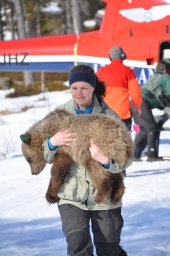 Alina L Evans合作论文数Section of Arctic Veterinary Medicine, Norwegian School of Veterinary Science7
 Karen Marie Mathisen合作论文数Department of Forestry and Wildlife Management, Hedmark University College6
 John D. C. Linnell合作论文数Deprtment of Forestry and Wildlife Management, Inland Norway University of Applied Science;Department of Terrestrial Ecology, Norwegian Institute for Nature Research5
 Kaja Johnsen合作论文数4Mélanie Spedener合作论文数4
 Alexandra Thiel合作论文数Dept Forestry & Wildlife Management, Inland Norway Univ Appl Sci4Jérémy Monsimet合作论文数4
 Michel Gauthier-Clerc合作论文数Ministère de La Transition Écologique;University of Geneva4Géraldine Simon合作论文数4
 Harry P. Andreassen合作论文数College Department of Forestry and Wildlife Management, Hedmark University4
 Ane Eriksen合作论文数University of Oslo Centre for Ecological and Evolutionary Synthesis (CEES), Department of Biology PO Box 1066 Blindern 0316 Oslo Norway4
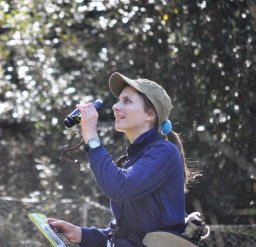 Francesca Cagnacci合作论文数Centre for Alpine Ecology, Viote del Monte Bondone, 38040 Trento, Italy4
 Denis Lafage合作论文数4
 Siow Yan Jennifer Angoh合作论文数3Anne E. Loosen合作论文数3Giulia Ferrari合作论文数3Madhu Chetri合作论文数Fac Appl Ecol Agr Sci & Biotechnol, Inland Norway Univ Appl Sci3
 Kjartan Østbye合作论文数3Johan Elmberg合作论文数Department of Mathematics and Natural Sciences, Kristianstad University3
 Paul F. Doherty合作论文数3Tanya M. Shenk合作论文数3
 Valentina Tagliapietra合作论文数3
 Jean-Dominique Lebreton合作论文数Center for Evolutionary and Functional Ecology, Centre National De La Recherche Scientifique3
 Anna Hessle合作论文数Department of Animal Environment and Health, Swedish University of Agricultural Sciences (SLU),3
 Julien Petillon合作论文数Fonctionnement des Ecosystemes et Biologie de la Conservation ' ';Laboratoire d'Evolution des Systemes Naturels et Modifies;Museum National d'Histoire Naturelle;Laboratoire d'Evolution des Systemes Naturels et Modifies, Museum National d'Histoire Naturelle3Gary C. White合作论文数Colorado State University3
 Laura Jeanne Niccolai合作论文数2
 Lisa Dickel合作论文数2Hanne Haugen合作论文数2Erik Versluijs合作论文数2Malin Teräväinen合作论文数2Boris Fuchs合作论文数2
 Arne N Linlokken合作论文数2
 Stefaniya Kamenova合作论文数Norwegian University of Life Sciences2Mattisson Jenny合作论文数Norwegian Institute for Nature Research2
 Roger Pradel合作论文数Interactions Humains Animaux, Dynamique et Conservation de la Biodiversité, Centre D'ecologie Fonctionnelle & Evolutive2
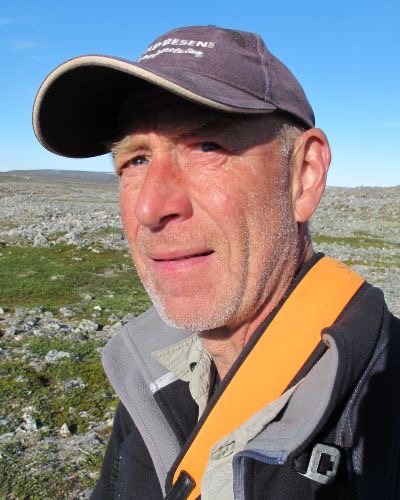 Rolf Anker Ims合作论文数Department of Arctic and Marine Biology, UiT The Arctic University of Norway2
 Marianna Chimienti合作论文数School of Biological Sciences, University of Aberdeen2Neby Magne合作论文数Department of Arctic and Marine Biology, University of Tromsø2Jan Heggenes合作论文数Department of Natural Sciences and Environmental Health, Faculty of Technology, Natural Sciences and Maritime Sciences, University of South-Eastern Norway2
 Eeva M Soininen合作论文数Department of Biology, University of Tromsø2Oyunsaikhan Ganbaatar合作论文数2
 Per Wegge合作论文数2
 Paul Lukacs合作论文数Colorado Division of Wildlife2
 Jon M Arnemo合作论文数Norwegian School of Veterinary Science2




