Wheat allergies are a growing significant health concern around the globe. The ancient diploid wheat progenitor, Aegilops tauschii (genome DD), contributed to the genetic diversity of the common soft white wheat (Triticum aestivum, genomes AABBDD). The allergenic potential of Ae. tauschii is largely unknown. Here we tested the hypothesis that the the salt-soluble protein extract (SSPE) from Ae. tauschii will be intrinsically allergenic in an adjuvant-free mouse model of wheat allergy. The ancient wheat progenitor was grown at the Michigan State University greenhouse using the seeds stored at our wheat breeding program. The SSPE was prepared, characterized for quality, and then tested in the mouse model that uses skin sensitization followed by oral allergen challenge. Balb/c mice were produced and maintained on a plant protein-free diet. Groups of adult mice (n=10/group) were repeatedly exposed to SSPE or vehicle via the skin. Allergic sensitization was assessed by specific IgE (sIgE) response. Oral anaphylaxis was quantified by hypothermic shock response (HSR). The mucosal mast cell response (MMCR) was quantified by measuring MMCP-1 in the blood. Repeated skin exposure to SSPE but not the vehicle elicited robust sIgE response. Oral SSPE challenge but not vehicle challenge elicited significant, but a modest HSR as well as MMCR. In summary, we report the characterization of intrinsic allergenicity potential of the SSPE obtained from the Ae. tauschii wheat progenitor for the first time. Funding: USDA/NIFA. The United States Department of Agriculture (USDA)/National Institute of Food and Agriculture (NIFA); Hatch project MICL02486 (Accession Number: 1012322); Hatch project MICL01699; Agricultural and Food Research Initiative Competitive Program, grant number: 2018-67017-27876
A better understanding of the genetic control of spike and kernel traits that have higher heritability can help in the development of high-yielding wheat varieties. Here, we identified the marker-trait associations (MTAs) for various spike- and kernel-related traits in winter wheat (Triticum aestivum L.) through genome-wide association studies (GWAS). An association mapping panel comprising 297 hard winter wheat accessions from the U.S. Great Plains was evaluated for eight spike- and kernel-related traits in three different environments. A GWAS using 15,590 single-nucleotide polymorphisms (SNPs) identified a total of 53 MTAs for seven spike- and kernel-related traits, where the highest number of MTAs were identified for spike length (16) followed by the number of spikelets per spike (15) and spikelet density (11). Out of 53 MTAs, 14 were considered to represent stable quantitative trait loci (QTL) as they were identified in multiple environments. Five multi-trait MTAs were identified for various traits including the number of spikelets per spike (NSPS), spikelet density (SD), kernel width (KW), and kernel area (KA) that could facilitate the pyramiding of yield-contributing traits. Further, a significant additive effect of accumulated favorable alleles on the phenotype of four spike-related traits suggested that breeding lines and cultivars with a higher number of favorable alleles could be a valuable resource for breeders to improve yield-related traits. This study improves the understanding of the genetic basis of yield-related traits in hard winter wheat and provides reliable molecular markers that will facilitate marker-assisted selection (MAS) in wheat breeding programs.
Wheat allergies are potentially life-threatening and, therefore, have become a major health concern at the global level. It is largely unknown at present whether genetic variation in allergenicity potential exists among hexaploid, tetraploid and diploid wheat species. Such information is critical in establishing a baseline allergenicity map to inform breeding efforts to identify hyper-, hypo- and non-allergenic varieties. We recently reported a novel mouse model of intrinsic allergenicity using the salt-soluble protein extract (SSPE) from durum, a tetraploid wheat (Triticum durum). Here, we validated the model for three other wheat species [hexaploid common wheat (Triticum aestivum), diploid einkorn wheat (Triticum monococcum), and the ancient diploid wheat progenitor, Aegilops tauschii], and then tested the hypothesis that the SSPEs from wheat species will exhibit differences in relative allergenicities. Balb/c mice were repeatedly exposed to SSPEs via the skin. Allergic sensitization potential was assessed by specific (s) IgE antibody responses. Oral anaphylaxis was quantified by the hypothermic shock response (HSR). The mucosal mast cell response (MMCR) was determined by measuring mast cell protease in the blood. While T. monococcum elicited the least, but significant, sensitization, others were comparable. Whereas Ae. taushcii elicited the least HSR, the other three elicited much higher HSRs. Similarly, while Ae. tauschii elicited the least MMCR, the other wheats elicited much higher MMCR as well. In conclusion, this pre-clinical comparative mapping strategy may be used to identify potentially hyper-, hypo- and non-allergenic wheat varieties via crossbreeding and genetic engineering methods.
Conventional selected-bulk breeding is a low cost means of advancing populations but requires years of selection in the field to generate fixed lines. Doubled haploid (DH) methods produce fixed lines quickly but without selection and at high cost. The 'Minibulk' system was developed to combine the speed of DHs with the population size and crossover opportunities of selected-bulk breeding. Breeding populations of winter wheat (Triticum aestivum L.) were vernalized and advanced at high density in the greenhouse from the F-2 to the F-4 generation. F-4 populations underwent visual selection in the field, and derived lines were genotyped for variants at photoperiod and vernalization alleles and across the genome using genotyping-by-sequencing. The number of crossover events and parental genome contributions were determined for recombinant inbred lines (RILs) within populations and among RILs across populations. During vernalization, seeds in all populations germinated and underwent vegetative growth, forming a dense seed mat that was transplanted directly into greenhouse pots. A 22-h photoperiod accelerated development, and many populations reached physiological maturity as soon as five weeks after transplanting. Increasing the number of seeds planted from 300 in the F-2 to 500 in the F-3 increased the number of fertile spikes produced, thereby maintaining a larger population size. The number of crossovers detected differed significantly between populations and chromosomes, while the number of crossovers detected in each population was related to marker density. Adoption of the minibulk system by winter cereal breeding programs can lead to significant cost savings and acceleration of the breeding cycle.
To improve the efficiency of high-density genotype data storage and imputation in bread wheat (Triticum aestivum L.), we applied the Practical Haplotype Graph (PHG) tool. The wheat PHG database was built using whole-exome capture sequencing data from a diverse set of 65 wheat accessions. Population haplotypes were inferred for the reference genome intervals defined by the boundaries of the high-quality gene models. Missing genotypes in the inference panels, composed of wheat cultivars or recombinant inbred lines genotyped by exome capture, genotyping-by-sequencing (GBS), or whole-genome skim-seq sequencing approaches, were imputed using the wheat PHG database. Though imputation accuracy varied depending on the method of sequencing and coverage depth, we found 93% imputation accuracy with 0.01x sequence coverage, which was only slightly lower than the accuracy obtained using the 0.5x sequence coverage (96.9%). Compared to Beagle, on average, PHG imputation was ~4% (p-value = 0.00027) more accurate, and showed 27% higher accuracy at imputing a rare haplotype introgressed from a wild relative into wheat. The reduced accuracy of imputation with GBS data (90.4%) is likely associated with the small overlap between GBS markers and the exome capture dataset, which was used for constructing PHG. The highest imputation accuracy was obtained with exome capture for the wheat D genome, which also showed the highest levels of linkage disequlibrium and proportion of identity-by-descent regions among accessions in our reference panel. We demonstrate that genetic mapping based on genotypes imputed using PHG identifies SNPs with a broader range of effect sizes that together explain a higher proportion of genetic variance for heading date and meiotic crossover rate compared to previous studies.
Fusarium head blight (FHB) is a devastating disease of wheat and barley. In the U.S.A., a significant long-term investment in breeding FHB-resistant cultivars began after the 1990s. However, to this date, no study has been performed to understand and monitor the rate of genetic progress in FHB resistance as a result of this investment. Using 20 years of data (1998 to 2018) from the Northern Uniform and Preliminarily Northern Uniform winter wheat scab nurseries that consisted of 1,068 genotypes originating from nine different institutions, we studied the genetic trends in FHB resistance within the northern soft red winter wheat growing region using mixed model analyses. For the FHB resistance traits incidence, severity, Fusarium-damaged kernels, and deoxynivalenol content, the rate of genetic gain in disease resistance was estimated to be 0.30 ± 0.1, 0.60 ± 0.09, and 0.37 ± 0.11 points per year, and 0.11 ± 0.05 parts per million per year, respectively. Among the five FHB-resistance quantitative trait loci assayed for test entries from 2012 to 2018, the frequencies of favorable alleles from Fhb 2DL Wuhan1 W14, Fhb Ernie 3Bc, and Fhb 5A Ning7840 were close to zero across the years. The frequency of the favorable at Fhb1 and Fhb 5A Ernie ranged from 0.08 to 0.33 and 0.06 to 0.20, respectively, across years, and there was no trend in changes in allele frequencies over years. Overall, this study showed that substantial genetic progress has been made toward improving resistance to FHB. It is apparent that today’s investment in public wheat breeding for FHB resistance is achieving results and will continue to play a vital role in reducing FHB levels in growers’ fields.
Wheat allergies are among the major types of food allergies that are potentially life-threatening because of anaphylaxis. Monitoring changes to wheat allergens in novel wheat lines/genotypes is critical to prevent inadvertent introduction of potentially hyper-allergenic varieties from genetic modification. Nonetheless, validated methods for this purpose are unavailable at present. We have previously described a mouse model of wheat allergy using salt-soluble protein extract (SSPE) from durum wheat. As a proof-of-concept study, here we tested the hypothesis that wheat allergens in this mouse model will be identical to those reported for human wheat allergy. We created a mini plasma bank using hyper-IgE immune plasma obtained from Balb/cJ female mice (n=20) that had been sensitized with durum-SSPE along with alum adjuvant followed by repeated booster intraperitoneal injections with SSPE alone. Using hyper-IgE plasma we optimized an IgE-Western Blot (IgEWB) method to identify allergens present in SSPEs from durum wheat and an ancient tauschii wheat. The IgE-binding allergenic bands present in raw and boiled/reduced SSPEs from durum and tauschii wheats were sequenced using LC-MS/MS method. The most abundant allergens were identified and compared with a human wheat allergen database. There were 13 allergens present in durum-SSPE, of which 6 were present only in raw extract, 2 were present only in boiled/reduced extract, and 5 were present in both. There were 10 allergens present in tauschii-SSPE, of which 7 were present only in raw extract, and 3 were present in both raw and boiled/reduced extract. Between durum and tauschii wheats, 14 allergens were present in this mouse model, of which 10 are human wheat allergens. Supported by USDA/NIFA, MSU
Wheat allergies are potentially life-threatening because of the high risk of anaphylaxis. Wheats belong to four genotypes represented in thousands of lines and varieties. Monitoring changes to wheat allergens is critical to prevent inadvertent ntroduction of hyper-allergenic varieties via breeding. However, validated methods for this purpose are unavailable at present. As a proof-of-concept study, we tested the hypothesis that salt-soluble wheat allergens in our mouse model will be identical to those reported for humans. Groups of Balb/cJ mice were rendered allergic to durum wheat salt-soluble protein extract (SSPE). Using blood from allergic mice, a mini hyper-IgE plasma bank was created and used in optimizing an IgE Western blotting (IEWB) to identify IgE binding allergens. The LC-MS/MS was used to sequence the allergenic bands. An ancient Aegilops tauschii wheat was grown in our greenhouse and extracted SSPE. Using the optimized IEWB method followed by sequencing, the cross-reacting allergens in A. tauschii wheat were identified. Database analysis showed all but 2 of the durum wheat allergens and all A. tauschii wheat allergens identified in this model had been reported as human allergens. Thus, this model may be used to identify and monitor potential changes to salt-soluble wheat allergens caused by breeding.
Wheat allergies are growing at an alarming rate for reasons that are not well understood. The commonly consumed wheats belong to the AABB and AABBDD genotypes. The AA wheat is less commonly consumed, and the DD wheat is not commercially available. It is unknown at present whether the diploid wheats elicit allergic reactions in mice. Here we tested the hypothesis that the salt-soluble protein extracts (SSPEs) from AA and DD wheats will induce food allergy in Balb/cJ male mice in an adjuvant-free model. We grew the DD wheat at our university and used it in this study. The AA wheat was obtained from www.einkorn.com. Balb/cJ male mice were bred and maintained on a plant protein-free diet. Mice were exposed to SSPEs or saline via skin once a week for nine weeks. SSPE-specific IgE (sIgE) was measured using an ELISA. After sensitization, mice were orally challenged with SSPEs or saline to elicit a hypothermia shock response (HSR). We found that both AA- and DD-SSPEs elicited significant and comparable levels of sIgE responses upon skin exposures. Oral challenge with DD-SSPE but not saline in DD-SSPE sensitized elicited a mild HSR lasting up to only 15 minutes. In contrast, oral challenge with AA-SSPE but not saline in AA-SSPE sensitized mice elicited a severe HSR lasting for 30 minutes. These data together suggest that the diploid wheats induce comparable sensitization, but DD wheat is less potent in inducing oral anaphylaxis compared to the AA wheat.
Modern wheat is lacking diversity in the D genome due to the genetic bottleneck from the hybridization between tetraploid Triticum turgidum L. and diploid Aegilops tauschii Coss. The D-genome nested association mapping (DNAM) population (Reg. no. MP-14, NSL 536301 MAP) was developed to expand D-genome variation in hexaploid wheat (Triticum aestivum L.). The DNAM population is a wheat nested association mapping population developed with direct crosses between the hard-white winter Kansas State University breeding line KS05HW14-3 and Ae. tauschii accessions TA10187, TA1693, TA10171, TA1662, TA1617, TA1615, TA1642, and TA1718. In total, there are 1,164 BC2F4 recombinant inbred lines (RILs) in 19 families. The DNAM was originally created for introgression of novel stem rust resistance genes but has since been used to identify resistance to other fungal pathogens. A subset of 420 lines were selected for important agronomic traits, including height and threshability, and named the DNAM Core RILs. Research with the DNAM has potential to provide novel genes that can be introgressed into elite cultivars, as well as knowledge and understanding of the D genome in wheat.
Genomic prediction is a promising approach for accelerating the genetic gain of complex traits in wheat breeding. However, increasing the prediction accuracy (PA) of genomic prediction (GP) models remains a challenge in the successful implementation of this approach. Multivariate models have shown promise when evaluated using diverse panels of unrelated accessions; however, limited information is available on their performance in advanced breeding trials. Here, we used multivariate GP models to predict multiple agronomic traits using 314 advanced and elite breeding lines of winter wheat evaluated in 10 site-year environments. We evaluated a multi-trait (MT) model with two cross-validation schemes representing different breeding scenarios (CV1, prediction of completely unphenotyped lines; and CV2, prediction of partially phenotyped lines for correlated traits). Moreover, extensive data from multi-environment trials (METs) were used to cross-validate a Bayesian multi-trait multi-environment (MTME) model that integrates the analysis of multiple-traits, such as G × E interaction. The MT-CV2 model outperformed all the other models for predicting grain yield with significant improvement in PA over the single-trait (ST-CV1) model. The MTME model performed better for all traits, with average improvement over the ST-CV1 reaching up to 19, 71, 17, 48, and 51% for grain yield, grain protein content, test weight, plant height, and days to heading, respectively. Overall, the empirical analyses elucidate the potential of both the MT-CV2 and MTME models when advanced breeding lines are used as a training population to predict related preliminary breeding lines. Further, we evaluated the practical application of the MTME model in the breeding program to reduce phenotyping cost using a sparse testing design. This showed that complementing METs with GP can substantially enhance resource efficiency. Our results demonstrate that multivariate GS models have a great potential in implementing GS in breeding programs.
High-throughput phenotyping (HTP) technologies can produce data on thousands of phenotypes per unit being monitored. These data can be used to breed for economically and environmentally relevant traits (e.g., drought tolerance); however, incorporating high-dimensional phenotypes in genetic analyses and in breeding schemes poses important statistical and computational challenges. To address this problem, we developed regularized selection indices; the methodology integrates techniques commonly used in high-dimensional phenotypic regressions (including penalization and rank-reduction approaches) into the selection index (SI) framework. Using extensive data from CIMMYT’s (International Maize and Wheat Improvement Center) wheat breeding program we show that regularized SIs derived from hyper-spectral data offer consistently higher accuracy for grain yield than those achieved by standard SIs, and by vegetation indices commonly used to predict agronomic traits. Regularized SIs offer an effective approach to leverage HTP data that is routinely generated in agriculture; the methodology can also be used to conduct genetic studies using high-dimensional phenotypes that are often collected in humans and model organisms including body images and whole-genome gene expression profiles.
KEY MESSAGE:Genomic selection using data from an on-going breeding program can improve gain from selection, relative to phenotypic selection, by significantly increasing the number of lines that can be evaluated. The early stages of phenotyping involve few observations and can be quite inaccurate. Genomic selection (GS) could improve selection accuracy and alter resource allocation. Our objectives were (1) to compare the prediction accuracy of GS and phenotyping in stage-1 and stage-2 field evaluations and (2) to assess the value of stage-1 phenotyping for advancing lines to stage-2 testing. We built training populations from 1769 wheat breeding lines that were genotyped and phenotyped for yield, test weight, Fusarium head blight resistance, heading date, and height. The lines were in cohorts, and analyses were done by cohort. Phenotypes or GS estimated breeding values were used to determine the trait value of stage-1 lines, and these values were correlated with their phenotypes from stage-2 trials. This was repeated for stage-2 to stage-3 trials. The prediction accuracy of GS and phenotypes was similar to each other regardless of the amount (0, 50, 100%) of stage-1 data incorporated in the GS model. Ranking of stage-1 lines by GS predictions that used no stage-1 phenotypic data had marginally lower correspondence to stage-2 phenotypic rankings than rankings of stage-1 lines based on phenotypes. Stage-1 lines ranked high by GS had slightly inferior phenotypes in stage-2 trials than lines ranked high by phenotypes. Cost analysis indicated that replacing stage-1 phenotyping with GS would allow nearly three times more stage-1 candidates to be assessed and provide 0.84-2.23 times greater gain from selection. We conclude that GS can complement or replace phenotyping in early stages of phenotyping.
Background: Wheat allergy is a major food allergy that has reached significant levels of global public health concern. Potential variation in allergenicity among different wheat genotypes is not well studied at present largely due to the unavailability of validated methods. Here, we developed and validated a novel mouse-based primary screening method for this purpose. Methods: Groups of Balb/c mice weaned on-to a plant protein-free diet were sensitized with salt-soluble protein (SSP) extracted from AABB genotype of wheat (durum, Carpio variety). After confirming clinical sensitization for anaphylaxis, mice were boosted 7 times over a 6-month period. Using a pooled-plasma mini bank, a wheat-specific IgE-inhibition (II)-ELISA was optimized. Then the relative allergenicity of SSPs from tetraploid (AABB), hexaploid (AABBDD) and diploid (DD) wheat genotypes were determined. The IC50/IC75 values were estimated using IgE inhibition curves. Results: The optimized II-ELISA with an inhibition time of 2.5 h had a co-efficient of variation of < 2%. Primary screening for relative allergenicity demonstrated that IgE binding to AABB-SSP was significantly abolished by the other two wheat genotypes. Compared to AABB, the relative allergenicity of SSPs of AABBDD and DD were significantly lower (p < .01). Furthermore, IgE inhibition curves showed significant differences in IC50, and IC75 values among the three wheat genotypes. Conclusion: We report a novel mouse-based primary screening method of testing relative allergenicity of wheat proteins from three different wheat genotypes for the first time. This method is expected to have broad applications in wheat allergy research.
Disease resistance (R) genes from wild relatives could be used to engineer broad-spectrum resistance in domesticated crops. We combined association genetics with R gene enrichment sequencing (AgRenSeq) to exploit pan-genome variation in wild diploid wheat and rapidly clone four stem rust resistance genes. AgRenSeq enables R gene cloning in any crop that has a diverse germplasm panel.
Wheat is a major food that can trigger life-threatening systemic anaphylaxis. Mechanism of sensitization to wheat anaphylaxis is not completely understood at present. For example, whether or not skin exposure to saline-soluble wheat protein (SSWP) can cause sensitization is unknown. Here we tested the hypothesis that transdermal exposure (TDE) to SSWP from durum wheat results in IgE response and clinical sensitization for anaphylaxis. Groups of Balb/c mice weaned onto a plant free diet received six TDEs with SSWP (1 mg/mouse/week) or saline over a 6 week period without adjuvant. Blood was analyzed for IgE responses by ELISA, and anaphylaxis and mucosal mast cell protease (mMCP-1) release upon challenge were quantified. Spleen tissue was analyzed for cytokines using a protein microarray system. Results showed significant IgE response, hypothermia shock response and elevation of mMCP-1 upon challenge. Spleen analysis showed significant elevations of IL-4/5/7/10/17B,E,F, and TSLP and significant reductions of IL-1a and IL-6. The following cytokines were not significantly altered: IL-1b/2/9/13/17A/22/23, IFNg and TNFa.
Wheat allergy is one of the major food allergies that is growing at an alarming rate for reasons that are not completely understood. Variation in allergenicity among various wheat genotypes is not well studied. Here we sought to develop a novel method to evaluate the relative allergenicity among wheat genotypes. Groups of Balb/c mice weaned onto a plant-free diet received four IP injections with AABB or AABBDD wheat salt-soluble protein extract and alum. After confirming IgE responses and clinical sensitization for anaphylaxis, mice were boosted repeatedly over a 6-month period. Bi-weekly blood samples were collected and pooled to create AABB and AABBDD plasma banks. Using this plasma, IgE inhibition ELISA systems were optimized and used to determine the relative allergenicity. In the AABB system, AABBDD abolished IgE binding by 81+/−5%, and DD SSWP abolished it by 69+/−4%. In the AABBDD system, AABB abolished IgE binding by 76+/−4% and DD abolished it by 80+/−8%. In the AABB system, other genotypes were less allergenic by 7% (AABBDD) and 21% (DD). In the AABBDD system, other genotypes were less allergenic by 12% (DD) and 17% (AABB).
Genetic resistance is the most economic and environmentally sustainable approach for crop disease protection. Disease resistance (R) genes from wild relatives are a valuable resource for breeding resistant crops. However, introgression of R genes into crops is a lengthy process often associated with co-integration of deleterious linked genes 1, 2 and pathogens can rapidly evolve to overcome R genes when deployed singly 3 . Introducing multiple cloned R genes into crops as a stack would avoid linkage drag and delay emergence of resistance-breaking pathogen races 4 . However, current R gene cloning methods require segregating or mutant progenies 5–10 , which are difficult to generate for many wild relatives due to poor agronomic traits. We exploited natural pan-genome variation in a wild diploid wheat by combining association genetics with R gene enrichment sequencing (AgRenSeq) to clone four stem rust resistance genes in <6 months. RenSeq combined with diversity panels is therefore a major advance in isolating R genes for engineering broad-spectrum resistance in crops.
 Perry K.W. Ng合作论文数School of Life Sciences, the Chinese University of Hong Kong;School of Biotechnology and Food Engineering, Hefei University of Technology;Department of Plant Sciences, University of the Free State;MSU-Nanjing Agricultural University Joint Institute, College of Agriculture and Natural Resources, Michigan State University;Department of Food Science and Human Nutrition, College of Agriculture and Natural Resources, Michigan State University11
 Haoran Gao合作论文数Food Allergy and Immunology Laboratory, Michigan State University8Venugopal Gangur合作论文数7Yining Jin合作论文数Michigan State University6Rajsri Raghunath合作论文数5Rick Jorgensen合作论文数5
 Shivam Chandra合作论文数4Venu Gangur合作论文数4Sarah Ebaugh合作论文数3
 Andrew Thomas Wiersma合作论文数Departments of Agronomy, Kansas State University;Department of Bioagricultural Sciences and Pest Management, Colorado State University;andKansas State University Agricultural Research Center;Colorado State University, Kansas State University Agricultural Research Center3Gina Brown-Guedira合作论文数3Mick Ayliffe合作论文数2Aqilah Othman合作论文数2
 M. Asyraf Md Hatta合作论文数Universiti Putra Malaysia Fakulti Pertanian;m.asyraf@upm.edu.my.;Universiti Putra Malaysia Fakulti Pertanian2
 Ngonidzashe Kangara合作论文数Norwich Research Park2
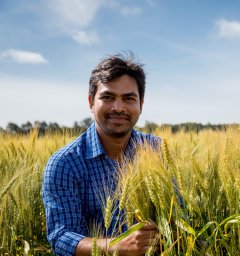 Jyotirmoy Halder合作论文数Dept Agron Hort & Plant Sci, South Dakota State Univ2
 Guotai Yu合作论文数2Brent Turnipseed合作论文数2Sutha Chandramohan合作论文数2
 Sreya Ghosh合作论文数John Innes Ctr, Norwich Res Pk2
 Harsimardeep Gill合作论文数Dept Agron Hort & Plant Sci, South Dakota State Univ2
 Oadi Matny合作论文数Univ Minnesota, Dept Plant Pathol, St Paul, MN 55108 USA2
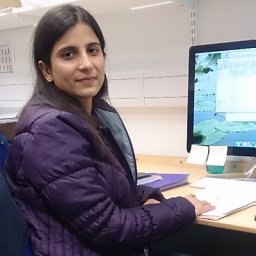 Sanu Arora合作论文数John Innes Ctr, Norwich Res Pk2
 Naveenkumar Athiyannan合作论文数The University of Queensland2
 Harbans Bariana合作论文数School of Life and Environmental Sciences, Faculty of Science, The University of Sydney2
 Periyannan Sambasivam K合作论文数Agr & Food, CSIRO2
 Sunish Kumar Sehgal合作论文数Department of Agronomy, Horticulture and Plant Science, South Dakota State University2
 Mark Sorrells合作论文数Department of Plant Breeding & Genetics, School of Integrative Plant Science, Cornell University;College of Agriculture and Life Sciences, Cornell University2Enk Jacob合作论文数and the Michael G. DeGroote Institute for Infectious Disease Research, McMaster University;MYcroarray2Yunming Long合作论文数2
 Jesse Poland合作论文数Department of Plant Pathology, Kansas State University2
 Jinfeng Zhang合作论文数2
 Bentley Alison合作论文数The John Bingham Laboratory, NIAB2
 Jonathan D. G. Jones合作论文数Department of Biology, School of Biological Sciences, University of East Anglia2
 Eduard Akhunov合作论文数Department of Plant Pathology, Kansas State University2Steven S Xu合作论文数Crop Improvement and Genetics Research Unit, Western Regional Research Center, Agricultural Research Service, United States Department of Agriculture;Edward T. Schafer Agricultural Research Center, Agricultural Research Service, United States Department of Agriculture2
 Jorge Dubcovsky合作论文数Department of Plant Sciences, University of California, Davis2
 Arron Carter合作论文数Department of Plant, Soil, and Entomological Sciences, University of Idaho2
 Evans Lagudah合作论文数Commonwealth Scientific and Industrial Research Organisation;School of Life and Environmental Sciences, University of Sydney2
 Burkhard Steuernagel合作论文数Leibniz Institute of Plant Genetics and Crop Plant Research (IPK), Correnstr. 3, D-06466 Gatersleben, Germany2
 Guihua Bai合作论文数Department of Agronomy, Kansas State University;Hard Winter Wheat Geneitc Research Unit, Center for Grain and Animal Health Research, Agricultural Research Service, U.S. Department of Agriculture2
 Les Szabo合作论文数Cereal Dis Lab, Univ Minnesota2Clay H. Sneller合作论文数Department of Crop, Soil, and Environmental Science, University of Arkansas2Jitender Cheema合作论文数2
 Brande Wulff合作论文数Sainsbury Laboratory;John Innes Centre;Norwich Research Park;Sainsbury Laboratory, John Innes Centre2Ryan D. Johnson合作论文数School of Public Health, University of California Berkeley2
 Brian J. Steffenson (Brian Steffenson)合作论文数Department of Plant Pathology, College of Food, Agricultural and Natural Resource Sciences, University of Minnesota2Suchismita Mondal合作论文数1
 Shaukat Ali合作论文数College of Plant Protection, South China Agricultural University1




