With the continued emergence of SARS-CoV-2 variants and concerns of waning immunity, there is a need for better defined correlates of protection to aid future vaccine and therapeutic developments. Whilst neutralising antibody titres are associated with protection, these are typically determined in the absence of the complement system, which has the potential to enhance neutralisation titres and strengthen correlates with protection in vivo. Here we show that replenishment of the complement system in neutralisation assays can significantly enhance neutralisation titres, with up to an ~83-fold increase in neutralisation of the BA.1.1.529 strain using cross-reactive sera from vaccination against the ancestral strain. The magnitude of enhancement significantly varies between individuals, viral strains (wild-type/VIC01 and Omicron/BA.1), and cell lines (Vero E6 and Calu-3), and is abrogated following heat-inactivation of the complement source. Utilising ACE2 competition assays, we show that the mechanism of action is partially mediated by reducing ACE2-spike interactions. Through the addition of compstatin (a C3 inhibitor) to live virus neutralisation assays, the complement protein C3 is shown to be required for maximum efficiency. These findings further our understanding of SARS-CoV-2 immunity and neutralisation, with implications for protection against emerging variants and assessing future vaccine and therapeutic developments.
SummaryThe Omicron lineage of SARS-CoV-2, first described in November 2021, spread rapidly to become globally dominant and has split into a number of sub-lineages. BA.1 dominated the initial wave but has been replaced by BA.2 in many countries. Recent sequencing from South Africa’s Gauteng region uncovered two new sub-lineages, BA.4 and BA.5 which are taking over locally, driving a new wave. BA.4 and BA.5 contain identical spike sequences and, although closely related to BA.2, contain further mutations in the receptor binding domain of spike. Here, we study the neutralization of BA.4/5 using a range of vaccine and naturally immune serum and panels of monoclonal antibodies. BA.4/5 shows reduced neutralization by serum from triple AstraZeneca or Pfizer vaccinated individuals compared to BA.1 and BA.2. Furthermore, using serum from BA.1 vaccine breakthrough infections there are likewise, significant reductions in the neutralization of BA.4/5, raising the possibility of repeat Omicron infections.
On the 24 th November 2021 the sequence of a new SARS CoV-2 viral isolate spreading rapidly in Southern Africa was announced, containing far more mutations in Spike (S) than previously reported variants. Neutralization titres of Omicron by sera from vaccinees and convalescent subjects infected with early pandemic as well as Alpha, Beta, Gamma, Delta are substantially reduced or fail to neutralize. Titres against Omicron are boosted by third vaccine doses and are high in cases both vaccinated and infected by Delta. Mutations in Omicron knock out or substantially reduce neutralization by most of a large panel of potent monoclonal antibodies and antibodies under commercial development. Omicron S has structural changes from earlier viruses, combining mutations conferring tight binding to ACE2 to unleash evolution driven by immune escape, leading to a large number of mutations in the ACE2 binding site which rebalance receptor affinity to that of early pandemic viruses.
 Ellie (Eleanor) Barnes合作论文数Nuffield Department of Medicine, University of Oxford3
 Susanna Dunachie合作论文数Churchill Hospital, Oxford University3
 Paul Klenerman合作论文数Nuffield Department of Medicine, Green Templeton College, University of Oxford3
 Hermione Webster合作论文数2Sile Ann Johnson合作论文数2Aiste Dijokaite合作论文数2ISARIC4C consortium合作论文数2
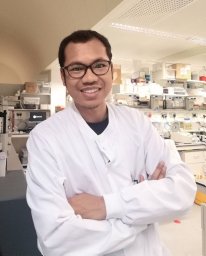 Aekkachai Tuekprakhon合作论文数Univ Oxford, Wellcome Ctr Human Genet, Nuffield Dept Med, Oxford, England2
 Helen M Ginn合作论文数Diamond Light Source, Ltd.2
 Ali Amini合作论文数Oxford University Hospitals NHS Foundation Trust, Oxford, UK; Peter Medawar Building for Pathogen Research, Oxford, UK; Translational Gastroenterology Unit, University of Oxford, Oxford, UK.2Piyada Supasa合作论文数Univ Oxford, Nuffield Dept Med, Wellcome Trust Ctr Human Genet, Oxford, England2
 Rungtiwa Nutalai合作论文数Univ Oxford, Wellcome Ctr Human Genet, Nuffield Dept Med, Oxford, England2
 Daming Zhou (周大明)合作论文数College of Life Sciences, Zhejiang University2Sandra Adele合作论文数Univ Oxford, Peter Medawar Bldg Pathogen Res, Oxford, England2
 Thomas G Ritter合作论文数Med Sch, Univ Oxford2Jiandong Huo合作论文数Rosalind Franklin Inst, Struct Biol, Didcot, Oxon, England2
 Helen Duyvesteyn合作论文数Diamond Light Source, Harwell Sci & Innovat Campus, Didcot OX11 0DE, Oxon, England2
 Bede Constantinides合作论文数Nuffield Dept Med, Univ Oxford2
 Mentzer Alex合作论文数Department of GU/HIV Medicine, Guy's and St Thomas' NHS Foundation Trust2
 Andrew Pollard合作论文数St Cross College, University of Oxford;Oxford Vaccine Group, University of Oxford2
 Miles Carroll合作论文数Natl Infect Serv, Publ Hlth England2
 David Stuart合作论文数Division of Structural Biology, Nuffield Department of Medicine, University of Oxford2
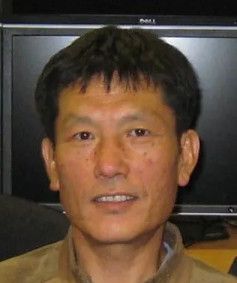 Jingshan Ren合作论文数Division of Structural Biology, Nuffield Department of Medicine, University of Oxford2
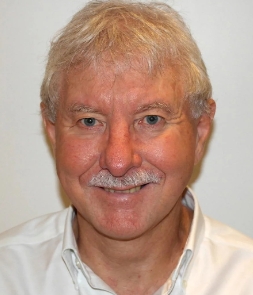 Derrick Crook合作论文数Nuffield Department of Medicine, University of Oxford2
 Gavin Screaton合作论文数Medical Sciences Division, University of Oxford;University College Oxford2Donal T Skelly合作论文数Trinity College Institute of Neuroscience, Trinity College Dublin2
 Elizabeth Fry合作论文数Division of Structural Biology, Nuffield Department of Medicine, Oxford University2Juthathip Mongkolsapaya合作论文数2Teresa Lambe合作论文数Wellcome Building of Molecular Physiology, Henry;Oxford University2Valdinete Nascimento合作论文数1
 Kenneth Baillie合作论文数1Raksha Das合作论文数1Adam Bellass合作论文数1Zanele Ditse合作论文数1Sara Assadi合作论文数1Fernanda S Nascimento合作论文数1Kelly da Silva合作论文数1Cristiano Fernandes da Costa合作论文数1Raman Dhaliwal合作论文数1
 Daniel Jenkin合作论文数1
 D. R. Hall合作论文数1Natali Serafin合作论文数1
 Muneeswaran Selvaraj合作论文数Nuffield Dept Med, Univ Oxford1Tariq Malik合作论文数1Sue Ann Costa Clemens合作论文数Univ Siena, Inst Global Hlth, Siena, Brazil1
 Amy Flaxman合作论文数Univ Oxford, Jenner Inst, Oxford, England1Wanwisa Dejnirattisai合作论文数Wellcome Centre for Human Genetics, Nuffield Department of Medicine, University of Oxford, Oxford, UK.1Tom Tipton合作论文数Publ Hlth England, Natl Infect Serv, Salisbury, Wilts, England1Suman Khan合作论文数1




