BACKGROUND It is unclear whether global use of medications for secondary cardiovascular (CVD) prevention is improving over time. OBJECTIVES This study across 17 high-, middle- and low-income countries described variations in secondary CVD prevention medication use over a median follow-up of 12 years. METHODS In the multinational PURE (Prospective Urban Rural Epidemiology) cohort study, we conducted a repeated cross-sectional analysis to examine temporal variations in the use of secondary prevention medications in participants with CVD. In participants with coronary artery disease, we focused on antiplatelet agents, statins, renin-angiotensin system (RAS) inhibitors, and b-blockers. In participants with stroke, we focused on antiplatelet agents, statins, RAS inhibitors, and other blood pressure-lowering drugs. Medications were collected at baseline and on 4 subsequent followup visits. RESULTS The analysis included 7,409 participants with a diagnosis of CVD at the baseline visit, 8,792 at the second visit, 9,236 at the third visit, 11,082 at the fourth visit, and 11,677 at the last visit. The median age at baseline was 58.0 years, and 52.9% of the participants were female. The median follow-up was 12 years, with the median year of the baseline visit in 2007 and the fifth visit in 2019. Over this period, use of 1 or more classes of medications for secondary CVD prevention was 41.3% (95% CI: 40.2%-42.4%) at baseline, peaked at 43.1% (95% CI: 42.0%-44.1%), and then decreased to 31.3% (95% CI: 30.4%-32.1%) by the last study visit. In high-income countries, this use decreased from 88.8% (95% CI: 86.6%-91.0%) to 77.3% (95% CI: 74.9%-79.6%). In upper-middle-income countries, this use increased from 55.0% (95% CI: 52.8%-57.3%) to 61.1% (95% CI: 59.1%-63.1%). In lower-middle-income countries, use of at least 1 class of medications was 29.5% (95% CI: 28.1%-30.9%) at baseline, peaked at 31.7% (95% CI: 30.4%-33.1%), and then decreased to 13.4% (95% CI: 12.5%-14.2%) by the last visit. In low-income countries, use of at least 1 class of medications was 20.8% (95% CI: 18.1%-23.5%) at baseline, peaked at 47.3% (95% CI: 44.8%-49.9%), and then decreased to 27.5% (95% CI: 25.2%-29.9%) by the last study visit. CONCLUSIONS Globally and in most country income-level groups, the use of medications for secondary CVD prevention has been low, with little improvement over time. (JACC. 2025;85:436-447) (c) 2025 by the American College of Cardiology Foundation.
BACKGROUND:Stillbirth remains a public health concern in India, despite a decrease in reported rates. Inconsistent data collection hampers clear understanding the burden of stillbirth, and interventions for its reduction are scattered across various national programs. This research aims to explore effective strategies to improve the delivery and uptake of high-quality antenatal and intrapartum care services which have the potential to reduce stillbirth rates in various states of India. METHODS:This mixed-method, multi-site study in India will be conducted in three phases: Phase 1: Formative Phase; Phase 2: Development of a Comprehensive Package for Stillbirth Reduction and Optimization of the implementation model and Phase 3: Scale-up of comprehensive package and monitoring of optimized strategy/model. Participants will include pregnant women, women who have recently delivered, family members, respectable community members, healthcare workers and staff, state and district health authorities. The effectiveness of intervention package and optimized implementation model in reducing stillbirth will be evaluated using a pre-post quasi-experimental design. The burden of stillbirth will be estimated through community survey, recording pregnancy outcomes for women who have delivered within the past one year. Various methods including semi-structured questionnaires, verbal autopsies, and in-depth qualitative interview guides, review of clinical case sheets will be used to assess the causes of stillbirth. Additionally, government health facilities will be assessed and strengthened over study period. This study will utilize implementation science theories, models, and frameworks (TMF), including the Consolidated Framework for Implementation Research (CFIR) to identify barriers and facilitators, and the evaluative TMF of RE-AIM (Reach Effectiveness Adoption Implementation and maintenance) to monitor the optimized model. The primary outcome is the development of a scalable, sustainable model of intervention package and delivery strategies to reduce stillbirths. The secondary outcome includes a robust estimation of burden, timing, and risk factors of stillbirths across all study sites. Certain sites will conduct an economic evaluation to assess the incremental cost of implementing comprehensive packages using the optimized implementation model. DISCUSSION:This innovative study addresses a critical public health gap in context of stillbirth reduction in India. Integrating proven interventions with real-world implementation challenges across diverse regions, this project aims to develop a comprehensive and replicable model. If successful, this model can significantly improve stillbirth prevention in low-resource settings. TRIAL REGISTRATION:ClinicalTrials.gov CTRI-2024/07/069796.
The undergraduate MBBS course (Bachelor of Medicine, Bachelor of Surgery) in India is designed to produce competent Indian Medical Graduates (IMGs) capable of addressing community health needs. The preparedness of these graduates for clinical practice remains a crucial area of investigation. Objective Structured Clinical Examinations (OSCEs) have emerged as a robust assessment tool for evaluating clinical competencies. This study aims to assess the feasibility and utility of the OSCE when used as an end-of-internship evaluation, describe temporal trends in OSCE performance, and analyze the correlation between OSCE scores and final-year MBBS examination results over a six-year period at a center in South India. A descriptive study was conducted at a medical college in South India, involving six batches of students (2017–2023; n = 469). OSCE stations were designed to assess cognitive, psychomotor, and affective domains. The feasibility and utility of this exercise was assessed. OSCE scores were analyzed across domains and subdomains, and correlations with final-year MBBS examination scores were explored using Pearson’s correlation coefficient. Statistical significance was set at p < 0.05. The OSCE was found to be a resource-intensive evaluation, requiring 528 faculty-hours for a batch of 60 students and 843 faculty-hours for a batch of 150. The mean OSCE score was 61.3 ± 8.0
ABSTRACTThere are limited data on individual risk factors for SARS-CoV-2 infection (including unrecognized infection). In this seroepidemiologic substudy of an ongoing prospective cohort study of community-dwelling adults, participants were thoroughly characterized pre-pandemic. The SARS-CoV-2 infection was ascertained by serology. Among 8,719 participants from 11 high-, middle-, and low-income countries, 3,009 (35%) were seropositive for SARS-CoV-2. Characteristics independently associated with seropositivity were younger age (odds ratio, OR; 95% confidence interval, CI, per five-year increase: 0.95; 0.91–0.98) and body mass index >25 kg/m2 (OR, 95% CI: 1.16, 1.01–1.34). Smoking (as compared with never smoking, OR, 95% CI: 0.83, 0.70–0.97) and COVID-19 vaccination (OR, 95% CI: 0.70, 0.60–0.82) were associated with a reduced risk of seropositivity. Among seropositive participants, 83% were unaware of having been infected with SARS-CoV-2. Seropositivity and a lack of awareness of infection were more common in lower-income countries. The COVID-19 vaccination reduces the risk of SARS-CoV-2 infection (including recognized and unrecognized infections). Overweight or obesity is an independent risk factor for SARS-CoV-2 infection. Infection and lack of infection awareness are more common in lower-income countries.IMPORTANCEIn this large, international study, evidence of SARS-CoV-2 infection was obtained by testing blood specimens from 8,719 community-dwelling adults from 11 countries. The key findings are that (i) the large majority (83%) of community-dwelling adults from several high-, middle-, and low-income countries with blood test evidence of SARS-CoV-2 infection were unaware of this infection—especially in lower-income countries; and (ii) overweight/obesity predisposes to SARS-CoV-2 infection, while COVID-19 vaccination is associated with a reduced risk of SARS-CoV-2 infection. These observations are not attributable to other individual characteristics, highlighting the importance of the COVID-19 vaccination to prevent not only severe infection but possibly any infection. Further research is needed to understand the mechanisms by which overweight/obesity might increase the risk of SARS-CoV-2 infection.
Background The newly introduced ‘Elective programme’, a voluntary special study module in the final phase of the undergraduate medical curriculum, offers scope for new immersive, self-directed learning opportunities. We describe a programme of study for learning ‘medical sociology’ through the innovative use of humanities in medicine. Methods Our elective module, called ‘Community Health and Rock Music’ (CHaRM), was a 2-week programme, merging the curricular subject of community health with ‘rock music’ as an exposure to the ‘counter-culture’ outside of the medical world. The half-day sessions consisted of: (i) watching/listening to a rock song-video without reading its lyrics; (ii) listening to the same song again but with lyrics; (iii) undertaking an emotionally stimulating activity (watching a movie, making a site-visit, etc.); and (iv) debriefing, to identify/discuss the underlying social determinants of health and their relevance in the grooming of a socially aware medical student. Formative assessment was intended to gauge levels of expression of the affective domain (attitude/emotions). Results Seven of 143 students volunteered for this programme. Key learnings were a clear appreciation of the societal determinants of health (such as deprivation/discrimination/social structures); multi-level causation of diseases; social issues not addressed in traditional medical curriculum; personal growth; teamwork; and the role of empathy in medical practice. Additional learning was the exposure to the ‘counter-culture of arts’. All 7 student assessments ‘met expectation’, with 4 of them ‘exceeding expectation’. Conclusion An ‘elective programme’ combining humanities with medicine is potentially an innovative, student-centric and replicable model of learning that impacts the affective domain critical for doctors-in-training.
ObjectiveTo assess the impact of scaling up of kangaroo mother care (KMC) on neonatal mortality among babies born with birth weight <2000 g across an entire district in southern India.Design, setting and participantsWithin an implementation research setting, analysis of a prospective birth cohort of babies with birth weight <2000 g born during March–December 2018 in Koppal district of Karnataka state, India, to estimate the incidence, risk and HRs of neonatal mortality associated with KMC.InterventionInitiation and maintenance of KMC.Outcome measuresNeonatal mortality.ResultsAmong 23 667 live births, 1152 (4.9%) had birth weight <2000 g; the birth weight was <1500 g in 24% and <1000 g in 4%. Among them, 213 (18%, 95% CI 16% to 21%) babies died during the neonatal period, with 56% of the mortality occurring in the first 3 days of life and risk of mortality decreasing with higher birth weight. Overall, KMC was initiated in 816 (71%) babies; KMC-initiated babies had a substantially lower risk of neonatal mortality (risk ratio 0.07 (95% CI 0.05 to 0.09)). In a subset of 705 babies ‘eligible-for-KMC’ after exclusion of deaths, referrals or ‘terminal discharges’ (leaving against medical advice) in the first 3 days of life, and whose mother was a resident of the study area, 88% (95% CI 85% to 90%) were initiated on KMC. The RR of mortality among KMC-initiated babies remained low at 0.05 (95% CI 0.03 to 0.08) after adjusting for covariates and propensity-score adjusted analysis to address selection bias. Among 874 babies with follow-up data till 29 days of life, neonatal mortality rate was 24.4% (95% CI 21.6% to 27.3%); it was 6.4% (95% CI 4.7% to 8.6%) among KMC-initiated babies and 74.8% (95% CI 67.8% to 79.1%) among non-initiated babies (n=233).ConclusionKMC implementation across a district was associated with substantial reduction in neonatal mortality. Scaling up KMC coverage across large geographies could facilitate achieving global child survival targets.
Objective To assess the impact of scaling up of kangaroo mother care (KMC) on neonatal mortality among babies born with birth weight <2000 g across an entire district in southern India.Design, setting and participants Within an implementation research setting, analysis of a prospective birth cohort of babies with birth weight <2000 g born during March–December 2018 in Koppal district of Karnataka state, India, to estimate the incidence, risk and HRs of neonatal mortality associated with KMC.Intervention Initiation and maintenance of KMC.Outcome measures Neonatal mortality.Results Among 23 667 live births, 1152 (4.9%) had birth weight <2000 g; the birth weight was <1500 g in 24% and <1000 g in 4%. Among them, 213 (18%, 95% CI 16% to 21%) babies died during the neonatal period, with 56% of the mortality occurring in the first 3 days of life and risk of mortality decreasing with higher birth weight. Overall, KMC was initiated in 816 (71%) babies; KMC-initiated babies had a substantially lower risk of neonatal mortality (risk ratio 0.07 (95% CI 0.05 to 0.09)). In a subset of 705 babies ‘eligible-for-KMC’ after exclusion of deaths, referrals or ‘terminal discharges’ (leaving against medical advice) in the first 3 days of life, and whose mother was a resident of the study area, 88% (95% CI 85% to 90%) were initiated on KMC. The RR of mortality among KMC-initiated babies remained low at 0.05 (95% CI 0.03 to 0.08) after adjusting for covariates and propensity-score adjusted analysis to address selection bias. Among 874 babies with follow-up data till 29 days of life, neonatal mortality rate was 24.4% (95% CI 21.6% to 27.3%); it was 6.4% (95% CI 4.7% to 8.6%) among KMC-initiated babies and 74.8% (95% CI 67.8% to 79.1%) among non-initiated babies (n=233).Conclusion KMC implementation across a district was associated with substantial reduction in neonatal mortality. Scaling up KMC coverage across large geographies could facilitate achieving global child survival targets.
Introduction: Kangaroo mother care (KMC) scale-up is a pro-posed strategy to accelerate reduction in neonatal mortality rates. We aimed to identify determinants of KMC uptake for small babies (less than 2,000 g birth weight) along the health facility to community continuum in Karnataka, India. Methods: From June 2017 to March 2020, data on characteristics of health facilities and health care workers (HCWs) from 8 purpo-sively selected health facilities were assessed. Knowledge, atti-tude, and support the mothers received for KMC uptake were assessed once between 4 weeks and 8 weeks unadjusted age of the cohort of babies. Secondary data on KMC were obtained from the district-wide implementation research project data-base. Bivariate analysis was used to assess the association of characteristics of health facilities, HCWs, mothers, and small babies with the day of KMC initiation and its duration. Log -binomial regression analysis was then computed to identify determinants of KMC. Results: We recruited 227 (91.5%) of 248 babies eligible to par-ticipate with a mean unadjusted age of 35.6 days (& PLUSMN;7.5) and 1,693.9 g (& PLUSMN;263.1 g) birth weight. KMC was initiated for 95.2% of 227 babies at the health facility; initiated at 3 days or earlier of life for 59.6% of 226 babies; and babies continued to receive KMC for more than 4 weeks (30.2 days [& PLUSMN;8.4]) at home. Determinants of KMC initiation were HCWs' attitudes, initia-tion support at the health facility, and place of hospitalization. Determinants of KMC maintenance at the health facility were HCWs' skills and support the mother received at the facility after initiating KMC. Place of hospitalization and HCWs' knowledge determined KMC duration at home 1 week after discharge. Conclusion: These findings emphasize the importance of compe-tent HCWs and support for mothers at the health facility for initi-ation and maintenance of KMC within the health facility and 1 week after discharge.
Crushed formulations of specific antiplatelet agents produce earlier and stronger platelet inhibition. We studied the platelet inhibitory effect of crushed clopidogrel in patients with acute coronary syndrome (ACS) and its relative efficacy compared with integral clopidogrel, crushed and integral ticagrelor. We aimed to compare the platelet inhibitory effect of crushed and integral formulations of clopidogrel and ticagrelor in patients with acute coronary syndrome (ACS). Overall, 142 patients with suspected ACS were randomly assigned to receive crushed or integral formulations of clopidogrel or ticagrelor. Platelet inhibition at baseline and 1 and 8 h was assessed using the VerifyNow assay. High on-treatment platelet reactivity (HTPR) ≥ 235 P2Y12 reaction units (PRUs) 1 h after the medication loading dose was also determined. The PRU and percentage inhibition median (interquartile range) at 1 h for the different formulations were as follows: crushed clopidogrel: 196.50 (155.50, 246.50), 9.36 (− 1.79, 25.10); integral clopidogrel: 189.50 (159.00, 214.00), 2.32 (− 2.67, 19.89); crushed ticagrelor: 59.00 (10.00, 96.00), 75.53 (49.12, 95.18); and integral ticagrelor: 126.50 (50.00, 168.00), 40.56 (25.59, 78.69). There was no significant difference in PRU or percentage platelet inhibition between the crushed and integral formulations of clopidogrel (p = 0.990, p = 0.479); both formulations of ticagrelor were superior to the clopidogrel formulations (p < 0.05). On paired comparison, crushed ticagrelor showed robust early inhibition of platelets compared with the integral formulation (p = 0.03). Crushed clopidogrel exhibited the maximal HTPR of 34.3
Aim To estimate incremental costs of an implementation model for scaling up Kangaroo Mother Care (KMC) for neonates with birthweight <2000 g. Methods Seven sites across Ethiopia and India collected data for 2018-19 to calculate incremental recurrent costs (of health worker time, supplies, and operations) and start-up costs for KMC scale up. The costs were estimated per live newborn Scaling up KMC in study districts required average incremental costs of US$59 (95% CI US$ 52-67) in Ethiopia and US$72 (95% CI US$ 41-103) in India per eligible newborn in the population. Most of these costs were recurrent; the annualised start-up costs per eligible newborn ranged from 12%-25% of total costs in Ethiopia and 9%-16% in India. The major cost driver was human resources, followed by initial and recurrent training, supplies, and communications costs. Incremental infrastructure costs were only 2%-6% of total costs in both countries. Most of the costs were for activities at the KMC implementing facility, accounting for 79%-88% of the total costs in Ethiopia and 89%-93% of those in India. Conclusion The costs for successful scale up of KMC seem affordable but must be included in programme budgets.
Background & objectives:Studying vaccine hesitancy is important for helping improve vaccine coverage against COVID-19. The objective of this study was to assess the prevalence and correlates of COVID-19 vaccine hesitancy in a rural community in India.Methods:A cross-sectional study of all adults aged over 18 yr was undertaken during July-August 2021, in a village outside Bengaluru city in southern India.Results:In our study, 68.7 per cent of the eligible 297 adult population accepted vaccination immediately, another 9.4 per cent hesitated but accepted vaccination without delay, a further 10.4 per cent delayed their vaccination and the remaining 11.5 per cent refused vaccination. The prevalence (95% confidence interval) of vaccine hesitancy was 21.9±4.8 per cent. Full vaccination was higher among males (76%) compared to females (58%, P <0.001). Those who hesitated and delayed vaccination (converts) were more likely to be from a nuclear family, whereas those who refused the vaccine were from a joint/three-generation family. Those who refused vaccination were adversely influenced by social media predominantly as also their religious/cultural beliefs and distrust on the pharmaceutical industry. Those who delayed but accepted vaccination were positively influenced by healthcare professionals and others who had accepted the vaccine recently. Geographic factors, cost of vaccine, and mode of administration were not the major concerns.Interpretation & conclusions:Vaccine uptake is a continuum. Our study helped identify the characteristics of those who delayed vaccination versus those who refused vaccination. This will help policymakers, programme managers and healthcare professionals to focus priority action on population subgroups for improving individual- and population-level protection.
AIM:To examine the incidence of cardiovascular disease (CVD), of death, and the comparative effects of 12 common modifiable risk factors for both outcomes in South Asia.METHODS AND RESULTS:Prospective study of 33 583 individuals 35-70 years of age from India, Bangladesh, or Pakistan. Mean follow-up period was 11 years. Age and sex adjusted incidence of a CVD event and mortality rates were calculated for the overall cohort, by urban or rural location, by sex, and by country. For each outcome, mutually adjusted population attributable fractions (PAFs) were calculated in 32 611 individuals without prior CVD to compare risks associated with four metabolic risk factors (hypertension, diabetes, abdominal obesity, high non-HDL cholesterol), four behavioural risk factors (tobacco use, alcohol use, diet quality, physical activity), education, household air pollution, strength, and depression. Hazard ratios were calculated using Cox regression models, and average PAFs were calculated for each risk factor or groups of risk factors. Cardiovascular disease was the most common cause of death (35.5%) in South Asia. Rural areas had a higher incidence of CVD (5.41 vs. 4.73 per 1000 person-years) and a higher mortality rate (10.27 vs. 6.56 per 1000 person-years) compared with urban areas. Males had a higher incidence of CVD (6.42 vs. 3.91 per 1000 person-years) and a higher mortality rate (10.66 vs. 6.85 per 1000 person-years) compared with females. Between countries, CVD incidence was highest in Bangladesh, while the mortality rate was highest in Pakistan. The modifiable risk factors studied contributed to approximately 64% of the PAF for CVD and 69% of the PAF for death. Largest PAFs for CVD were attributable to hypertension (13.1%), high non-HDL cholesterol (11.1%), diabetes (8.9%), low education (7.7%), abdominal obesity (6.9%), and household air pollution (6.1%). Largest PAFs for death were attributable to low education (18.9%), low strength (14.6%), poor diet (6.4%), diabetes (5.8%), tobacco use (5.8%), and hypertension (5.5%).CONCLUSION:In South Asia, both CVD and deaths are highest in rural areas and among men. Reducing CVD and premature mortality in the region will require investment in policies that target a broad range of health determinants.
BackgroundCOVID-19 has caused profound socio-economic changes worldwide. However, internationally comparative data regarding the financial impact on individuals is sparse. Therefore, we conducted a survey of the financial impact of the pandemic on individuals, using an international cohort that has been well-characterized prior to the pandemic. Methods Between August 2020 and September 2021, we surveyed 24,506 community-dwelling participants from the Prospective Urban-Rural Epidemiology (PURE) study across high (HIC), upper middle (UMIC)-and lower middle (LMIC)-income countries. We collected information regarding the impact of the pandemic on their self-reported personal finances and sources of income. Findings Overall, 32.4% of participants had suffered an adverse financial impact, defined as job loss, inability to meet financial obligations or essential needs, or using savings to meet financial obligations. 8.4% of participant shad lost a job (temporarily or permanently); 14.6% of participants were unable to meet financial obligations or essential needs at the time of the survey and 16.3% were using their savings to meet financial obligations. Participantswith a post-secondary education were least likely to be adversely impacted (19.6%), compared with 33.4% of those with secondary education and 33.5% of those with pre-secondary education. Similarly, those in the highest wealth tertile were least likely to be financially impacted (26.7%), compared with 32.5% in the middle tertile and 30.4% in the bottom tertile participants. Compared with HICs, financial impact was greater in UMIC [odds ratio of 2.09 (1.88 -2.33)] and greatest in LMIC [odds ratio of 16.88 (14.69-19.39)]. HIC participants with the lowest educational attainment suffered less financial impact (15.1% of participants affected) than those with the highest education in UMIC (22.0% of participants affected). Similarly, participants with the lowest education in UMIC experienced less financial impact (28.3%) than those with the highest education in LMIC (45.9%). A similar gradient was seen across country income categories when compared by pre-pandemic wealth status. Interpretation The financial impact of the pandemic differs more between HIC, UMIC, and LMIC than between socio-economic categories within a country income level. The most disadvantaged socio-economic subgroups in HIC had a lower financial impact from the pandemic than the most advantaged subgroup in UMIC, with a similar disparity seen between UMIC and LMIC. Continued high levels of infection will exacerbate financial inequity between countries and hinder progress towards the sustainable development goals, emphasising the importance of effective measures to control COVID-19 and, especially, ensuring high vaccine coverage in all countries. Copyright (c) 2022 The Author(s). Published by Elsevier Ltd.
Background Separate studies suggest that the risks from smoking might vary between high-income (HICs), middle-income (MICs), and low-income (LICs) countries, but this has not yet been systematically examined within a single study using standardised approaches. We examined the variations in risks from smoking across different country income groups and some of their potential reasons. Methods We analysed data from 134 909 participants from 21 countries followed up for a median of 11.3 years in the Prospective Urban Rural Epidemiology (PURE) cohort study; 9711 participants with myocardial infarction and 11 362 controls from 52 countries in the INTERHEART case-control study; and 11 580 participants with stroke and 11 331 controls from 32 countries in the INTERSTROKE case-control study. In PURE, all-cause mortality, major cardiovascular disease, cancers, respiratory diseases, and their composite were the primary outcomes for this analysis. Biochemical verification of urinary total nicotine equivalent was done in a substudy of 1000 participants in PURE. Findings In PURE, the adjusted hazard ratio (HR) for the composite outcome in current smokers (vs never smokers) was higher in HICs (HR 1.87, 95% CI 1.65-2.12) than in MICs (1.41, 1.34-1.49) and LICs (1.35, 1 .25-1.46; interaction p<0.0001). Similar patterns were observed for each component of the composite outcome in PURE, myocardial infarction in INTERHEART, and stroke in INTERSTROKE. The median levels of tar, nicotine, and carbon monoxide displayed on the cigarette packs from PURE HICs were higher than those on the packs from MICs. In PURE, the proportion of never smokers reporting high second-hand smoke exposure (>= 1 times/day) was 6.3% in HICs, 23.2% in MICs, and 14.0% in LICs. The adjusted geometric mean total nicotine equivalent was higher among current smokers in HICs (47.2 mu M) than in MICs (31. 1 mu M) and LICs (25.2 mu M; ANCOVA p<0.0001). By contrast, it was higher among never smokers in LICs (18.8 mu M) and MICs (11.3 mu M) than in HICs (5.0 mu M; ANCOVA p=0.0001). Interpretation The variations in risks from smoking between country income groups are probably related to the higher exposure of tobacco-derived toxicants among smokers in HICs and higher rates of high second-hand smoke exposure among never smokers in MICs and LICs. Copyright (C) 2022 The Author(s). Published by Elsevier Ltd.
AIM:Though Kangaroo Mother Care (KMC) has demonstrated benefits for low birth weight newborns, coverage continues to be low in India. As part of a World Health Organization (WHO) multi-country study, we explored intervention models to accelerate KMC coverage in a high priority district of Karnataka, India. METHODS:We used implementation-research methods, formative assessments and quality improvement approaches to design and scale-up interventions. Evaluation was done using prospective cohort study design; data were collected from facility records, and client interviews during KMC initiation, at discharge and at home after discharge. RESULTS:KMC was initiated at health facilities for 87.6% of LBW babies under 2000 g. At discharge, 85.0% received KMC; 67.9% continued to receive KMC at home on the 7th day post-discharge. The interventions included training, mentoring and constant advocacy at many levels: public health facilities, private sector and the community. Innovations like a KMC case sheet, counselling, peer support group triggered KMC in the facilities; a KMC-link card, a microplanning and communication tool for CHWs helped to sustain practice at homes. CONCLUSION:The study provides a novel approach to designing and scaling up interventions and suggests lessons that are applicable to KMC as well as to broader reproductive, maternal, neonatal and child health programmes.
There is evidence of gaps in knowledge, perception and self-assessed competence on reproductive and sexual health (RSH) issues of nursing students. A quasi-experimental study was conducted in Bangalore city between January 2017–December 2018 to study the impact of a capacity-building initiative for 1st-year nursing students on their knowledge, perceptions, self-assessed competence and resilience. Eight nursing institutions were selected purposively; initially, four were allocated randomly through lottery method to the intervention group (IG) and four to the comparison group (CG). Since one institution dropped out before the intervention from IG, another institution was recruited to replace this institution. Both, the IG and CG, had seven batches of students (three diploma and four degree) each. A sample size of 120 students for each group was required. An investigator-developed and validated survey was administered to both groups at the start (pre-test) and 18 months after the start (post-test) of the study to assess their knowledge, perceptions and self-assessed competencies. Resilience was measured at the end of the study using a standardised tool, 'The Child Youth Resilience Measure'. A capacity-building initiative (31.5 h) which was participatory, contextualised and integrated life skills, was implemented for the IG over a period of 18 months. A condensed version of the programme (13.75 h) was provided to the CG over the same period. The analysis considered a total sample of 625 students (IG = 294; CG = 331) that participated in both, the pre-test and the post-test. Nursing students within both groups showed statistically significant improvement in their overall knowledge scores from pre-test to post-test (P < 0.01). However, the difference in the overall knowledge scores of IG and CG (between groups) was not statistically significant at the post-test (P = 0.076). There was a statistically significant increase in self-assessed competencies on RSH within both groups from pre-test to post-test (P < 0.001), but no statistically significant difference was seen between the two groups at post-test (P > 0.05). There was no significant difference (P > 0.05) in resilience scores between IG and CG at the post-test. The study is limited in that it could not measure competencies in the real-world setting. The study shows that changes in perceptions would require more time and possibly more practice and experience. Nevertheless, even condensed versions of such capacity-building initiatives could improve the overall knowledge and self-assessed competencies of nursing students.
AbstractBackgroundDepression is common among primary care patients in LMIC but treatments are largely ineffective. In this cluster-randomized controlled trial, we tested whether depression outcomes are different among recipients of a collaborative care model compared to enhanced standard treatment in patients with co-morbid chronic medical conditions.MethodsWe conducted a cluster randomized controlled trial among participants 30 years or older seeking care at 49 primary health centers (PHCs) in rural Karnataka, diagnosed with major depressive disorder, dysthymia, generalized anxiety disorder, or panic disorder on the MINI-International Neuropsychiatric Interview plus either hypertension, diabetes, or ischemic heart disease. From a list of all PHCs in the district, 24 PHCs were randomized a priori to deliver collaborative care and 25 PHCs enhanced standard treatment. The collaborative care model consisted of a clinic-based and a community-based component. Study assessment staff was blinded to treatment arm allocation. The primary outcome was the individual-level PHQ-9 score over time.ResultsBetween May 2015 and Nov 2018, 2486 participants were enrolled, 1264 in the control arm, and 1222 in the intervention arm. They were assessed at baseline, 3, 6 and 12 months. The mean PHQ-9 depression score was around 8.5 at baseline. At each follow-up PHQ-9 scores were significantly lower in the intervention (5.24, 4.81 and 4.22 at respective follow-ups) than in the control group (6.69, 6.13, 5.23, respectively). A significant time-by-treatment interaction (p < 0.001) in a multi-level model over all waves, nested within individuals who were nested within PHCs, confirmed that the decrease in depression score from baseline was larger for collaborative care than enhanced standard care throughout follow-up.ConclusionsThe collaborative care intervention resulted in significantly lower depression scores compared to enhanced standard care among participants with co-morbid physical conditions. The findings have potential implications for integrating mental health and chronic disease treatment in resource constrained settings.Trial registrationClinicalTrials.govNCT02310932, registered on December 8, 2014, and Clinical Trials Registry IndiaCTRI/2018/04/013001, registered on April 4, 2018. Retrospectively registered.
Importance High amounts of sitting time are associated with increased risks of cardiovascular disease (CVD) and mortality in high-income countries, but it is unknown whether risks also increase in low- and middle-income countries. Objective To investigate the association of sitting time with mortality and major CVD in countries at different economic levels using data from the Prospective Urban Rural Epidemiology study. Design, Setting, and Participants This population-based cohort study included participants aged 35 to 70 years recruited from January 1, 2003, and followed up until August 31, 2021, in 21 high-income, middle-income, and low-income countries with a median follow-up of 11.1 years. Exposures Daily sitting time measured using the International Physical Activity Questionnaire. Main Outcomes and Measures The composite of all-cause mortality and major CVD (defined as cardiovascular death, myocardial infarction, stroke, or heart failure). Results Of 105 677 participants, 61 925 (58.6%) were women, and the mean (SD) age was 50.4 (9.6) years. During a median follow-up of 11.1 (IQR, 8.6-12.2) years, 6233 deaths and 5696 major cardiovascular events (2349 myocardial infarctions, 2966 strokes, 671 heart failure, and 1792 cardiovascular deaths) were documented. Compared with the reference group (<4 hours per day of sitting), higher sitting time (≥8 hours per day) was associated with an increased risk of the composite outcome (hazard ratio [HR], 1.19; 95% CI, 1.11-1.28; Pfor trend < .001), all-cause mortality (HR, 1.20; 95% CI, 1.10-1.31; Pfor trend < .001), and major CVD (HR, 1.21; 95% CI, 1.10-1.34; Pfor trend < .001). When stratified by country income levels, the association of sitting time with the composite outcome was stronger in low-income and lower-middle-income countries (≥8 hours per day: HR, 1.29; 95% CI, 1.16-1.44) compared with high-income and upper-middle-income countries (HR, 1.08; 95% CI, 0.98-1.19; P for interaction = .02). Compared with those who reported sitting time less than 4 hours per day and high physical activity level, participants who sat for 8 or more hours per day experienced a 17% to 50% higher associated risk of the composite outcome across physical activity levels; and the risk was attenuated along with increased physical activity levels. Conclusions and Relevance High amounts of sitting time were associated with increased risk of all-cause mortality and CVD in economically diverse settings, especially in low-income and lower-middle-income countries. Reducing sedentary time along with increasing physical activity might be an important strategy for easing the global burden of premature deaths and CVD.
 Salim Yusuf合作论文数Medical School, McMaster University;Population Health Research Institute, Hamilton Health Sciences51
 Sumathy Rangarajan合作论文数Department of Medicine, McMaster University50
 Patricio Lopez-Jaramillo合作论文数45
 Jephat Chifamba合作论文数Department of Physiology, University of Zimbabwe College of Health Sciences43
 Koon Teo合作论文数Division of Cardiology, Faculty of Health Sciences, McMaster University38
 Alvaro Avezum合作论文数Research Division, Dante Pazzanese Institute of Cardiology;São Paulo University38
 Romaina Iqbal合作论文数34
 Annika Rosengren合作论文数Department of Molecular and Clinical Medicine, University of Gothenburg34
 Fernando Lanas合作论文数Univ La Frontera34
 Rajeev Gupta合作论文数Microsoft28
 Rita Yusuf合作论文数Department of Medicine, University of Ottawa27
 Afzalhussein Yusufali合作论文数Dubai Med Coll27Scott A. Lear合作论文数St. Paul's Hospital, University of British Columbia;School of Kinesiology, Simon Fraser University;University of British Columbia, Simon Fraser University27
 V. Mohan合作论文数Dr. Mohan's Diabetes Specialities Centre;Division of Metabolic & Vascular Health, Warwick Medical School, University of Warwick;Department of Biotechnology, Indian Institute of Technology Madras26
 Karen Yeates合作论文数Division of Nephrology, Department of Medicine, School of Medicine, Queen's University25Rafael Diaz合作论文数University of Montreal23M. Omar Rahman合作论文数22
 Khalid Yusoff合作论文数Univ Teknol Majlis Amansh Rakyat21
 Noor Hassim Ismail合作论文数Faculty of Medicine, Universiti Kebangsaan Malaysia20
 Maryann Washington合作论文数20Gilles R. Dagenais合作论文数Institut Universitaire de Cardiologie et de Pneumologie de Québec, Université Laval20
 Krishnamurthy Jayanna合作论文数19Zatońska Katarzyna合作论文数Department of Social Medicine, Wroclaw Medical University18Khatib Rasha合作论文数18
 Khalid F. AlHabib合作论文数Faculty, Cardiac Sciences, College of Medicine, King Saud University18
 McKee Martin合作论文数London School of Hygiene and Tropical Medicine16Khawar a Kazmi合作论文数15Li Wei合作论文数14
 Shofiqul Islam合作论文数14
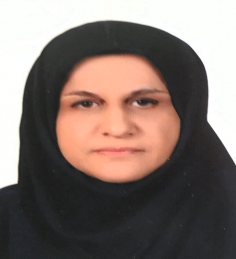 Roya Kelishadi合作论文数Department of Pediatrics, School of Medicine, Isfahan University of Medical Sciences14
 Andrzej Szuba合作论文数14
 Antonio Dans合作论文数Department of Adult Medicine, University of the Philippines-Philippine General Hospital13
 Ahmad Bahonar合作论文数Isfahan Cardiovascular Research Center, Isfahan University of Medical Sciences13Andreas Wielgosz合作论文数12
 Aytekin Oguz合作论文数SSK Göztepe Hospital12Bo Hu合作论文数11
 Clara Chow合作论文数School of Health Sciences, Faculty of Medicine and Health, The University of Sydney11Poirier Paul合作论文数11
 Mohan Deepa合作论文数Madras Diabetes Research;Diabetes Specialities Centre;Diabetes Specialities Centre, Madras Diabetes Research11
 Thandi Puoane合作论文数Sch Publ Hlth, Univ Western Cape11Annamarie Kruger合作论文数11Suman Rao合作论文数10
 Andres Orlandini合作论文数10
 Sadi Gulec合作论文数İbn-i Sina Hospital, Ankara University School of Medicine10
 Prabhat Jha合作论文数Epidemiology Division, Dalla Lana School of Public Health, University of Toronto10
 P. V. M. Lakshmi合作论文数PGIMER Department of Community Medicine Chandigarh 160012 India10Arin Kar合作论文数9
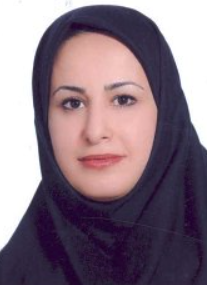 Noushin Mohammadifard合作论文数Department of Community Nutrition, School of Nutrition and Food Sciences, Isfahan University of Medical Sciences;Isfahan Cardiovascular Research Center, Cardiovascular Research Institute, Isfahan University of Medical Sciences;Isfahan Cardiovascular Research Institute9
 Pamela Seron合作论文数Universidad de La Frontera9




