Genotype × environment interaction was observed when phenotypic behaviour of genotypes varied across different environments. It is difficult for a breeder in field pea to select genotypes that have high yield and stability among the parameters. Thus, the study was conducted across six environments during Rabi season in two districts (Ludhiana and Gurdaspur) of the state Punjab, India using GGE biplot method. Analysis of variance revealed significant differences for all parameters indicating genetic variability present within these accessions and influence of environment except for number of primary branches per plant. Nine different morphological parameters were studied through graphical representation. Among all environments E5 was the most discriminative environment that can be best used for testing various accessions. Whereas, E3 was most representative, reflecting mean conditions of all other test environments. The most ideal accessions with better performance and adaptability were G63 (201.0 g/plot) followed by G11 (196.6 g/plot) and G6 (184.4 g/plot). Thus, these can be recommended for future breeding programme, providing that these are stable and high yielding accessions of field pea tested in multi-environment trial.
A comparative analysis of inter-state variations for three years i.e. 2019–20 to 2021–22 in agricultural development across India had been done by using secondary data from the major agricultural states for 28 key development indicators related to agriculture for Triennium Ending (TE) 2022. The composite indices of development based on the optimum combination of indicators related to agriculture had been worked out for four zones and the overall agricultural states of India. The results of Composite Index (CI) showed that Punjab (0.32), West Bengal (0.37), Gujarat (0.52), and Kerala (0.58) ranked highest in the north, east, west, and south zones, respectively. Overall, the state-wise CI ranged from 0.47 in Punjab to 0.83 in Odisha. The states were further ranked and categorised into high (H), high middle (HM), low middle (LM), and low (L) levels of development. Punjab (0.47), Haryana (0.51), Gujarat (0.59), and Madhya Pradesh (0.60) emerged as the most agriculturally developed states. Significant factors, namely gross irrigated area, mechanisation and technical adoption (tube wells), productivity [wheat (Triticum aestivum L.), maize (Zea mays L.), and vegetables], input usage (chemical fertiliser), and economic dimension of agriculture [sugarcane (Saccharum officinarum L.) returns] were identified among the development indicators. Enhancing these factors could improve the socio-economic conditions of Indian farmers. The study suggested that the low-developed states require improvements in various dimensions in most indicators to enhance the overall development of agriculture.
Cryptocurrency investing is challenging due to price volatility and uncertainty. This paper presents a framework that leverages ambiguous sets, metric spaces, and multi-criteria group decision-making (MCGDM) for improved investment decisions. We introduce the concept of ambiguous sets and provide formulas for assessing membership degrees to address uncertainty in cryptocurrency values. Additionally, we discuss metric spaces and operators like T-min and T-max for comparing and combining ambiguous sets. Our approach utilizes the ambiguous weighted geometric operator (AWGO) and degree of fitness function (DFF) to rank and prioritize combined ambiguous sets. We also propose an MCGDM method to incorporate diverse perspectives in decision-making, leading to more robust, consensus-driven investment choices. Experimental results demonstrate the effectiveness of our method, showing its superiority over existing approaches in enhancing cryptocurrency investment decision-making.
The field experiment was conducted to study the effect of crop establishment and management practices on yield parameters of cultivars PR 122, PR 126 and Pusa 44 during kharif 2020 and 2021 at Punjab Agricultural University, Ludhiana. Plant height, dry matter production and effective tillers per meter square were more in DSR while panicle length, test weight, sterility % age and grain yield were more in PTR method however results were non significant for these factors. No of grains per panicle and harvest index were significantly higher in PTR method while straw yield was significantly higher in DSR method. Different varieties showed significant difference for plant height, dry matter production and effective tillers per meter square, no of grains per panicle, sterility % age, harvest index and straw yield. Plant height, dry matter production, effective tillers per meter square, sterility % age and straw yield were highest in Pusa 44 while no of grains per panicle and harvest index were highest in PR 126. Panicle length, test weight and grain yield were statistically at par among three varieties. Among nitrogen levels, plant height, dry matter production, effective tillers per meter square, panicle length, no of grains per panicle, sterility % age and straw yield were significantly higher with 125% of recommended dose of nitrogen while harvest index was significantly higher in leaf colour chart treatment. Test weight and grain yield was statistically at par among different nitrogen levels; however grain yield was highest in 125% of recommended dose of nitrogen.
This study introduces CTAB-loaded Co₃O₄ nanoparticles (NPs) as a highly efficient solution for removing Brilliant Yellow (BY), Reactive Yellow (RY) and Methyl Orange (MO) dye from contaminated water. Synthesized via a co-precipitation and hydrothermal method, these NPs were characterized using UV-Vis, FTIR, XRD, TEM, and SEM. The Co₃O₄ NPs, with a crystallite size of 11.88 nm and an average particle size of 13 nm, achieved 100
Sugarcane (Saccharum officinarum L.) varieties differ significantly for agronomic attributes which affect their yield potential in response to management practices. The present study was carried out during 2020–21 and 2021–22 at four different locations in Bhatinda (Sukha Singh Wala, Bhai Roopa, Dayalpura Mirza and Mehta villages), Punjab to investigate the variation in agronomic attributes of three early maturing (Co J-85, Co J-64, Co Pb-96) and two late maturing (Co Pb-98 and Co J-88) sugarcane varieties at four different locations. These results revealed that variety Co Pb-98 outperformed with significantly (P<0.05) higher cane height (23.8%), stalk diameter (17.9%), number of tillers/plant (34.4%), stalk height (22.8%), number of internodes (26.7%) and internode length (42.9%) over Co J-64, which contribute towards cane productivity. The cane productivity exhibited a linear significant relationship with single cane weight (R2=0.753; P<0.05). These results revealed existence of yield gaps of 2.9-8.9 Mg/ha over the state average yield; the highest for Co J-85 (~207%) than the Co Pb-98 variety. Regardless of the sugarcane variety, a significantly higher single cane weight (17.1%) and cane productivity (11.1%) at Dayalpura Mirza as compared to at Sukha Singh Wala showed that high soil salinity was responsible for decreased cane productivity.
Sunspots, the dark patches observed on the surface of the Sun, exhibit cyclical behavior with significant implications for various terrestrial phenomena. Forecasting sunspots accurately is crucial for understanding solar activity and its impact on Earth's climate and technology-dependent systems. In this study, we propose a novel approach for sunspots forecasting utilizing ambiguous set theory. Using ambiguous set theory, a time series forecasting model is proposed, called ambiguous time series forecasting model (ATSFM). We begin by collecting historical sunspots spanning from 1700 to 2023. Next, apply ATSFM, which incorporates the ambiguity inherent in sunspots. The ATSFM begins with the partitioning the sunspots with equal-length intervals. For this purpose, this study employs Riemann integration that assists for partitioning the universe of discourse of the sunspots into various equal-length intervals. Then, ambiguous entropy (AE) is calculated for each of the distributed sunspots in equal-length intervals. Ambiguous entropy relationships (AERs) and ambiguous entropy relationship groups (AERGs) are formulated to describe the relationships between previous and current sunspots. Finally, unambiguousness process is applied to obtain forecasted values from the AERGs. To evaluate the ATSFM's performance, we compare its forecasting accuracy with existing methods, including traditional statistical and machine learning methods. Various statistical measures are used to assess the ATSFM's forecasting capability. Our experimental results demonstrate that the ATSFM outperforms existing methods, yielding more accurate forecasting results of sunspots. To enhance reproducibility, the source code will be made available upon request by contacting the corresponding author via email.
Crop geometry greatly impacts tomato (Solanum lycopersicum) production under naturally-ventilated poly-house (NVPH) structures exerting significantly energy footprints. We compared agronomic attributes and energy indices of tomatoes established at different crop geometry (viz. 45x45, 60x45, 75x45 and 90x30 cm) under NVPHs. A spacing of 60x45 cm exhibited significantly (p<0.05) higher polar and equatorial diameter, compared with narrower (45x45 cm) and widest (90x30 cm) spacing. Plant height exhibited a sigmoidal growth pattern across crop geometry. Fruit yield varied significantly (p<0.05) with fruit size and crop geometry; with lower yields for smaller-sized tomatoes (<25 g) at narrower spacing, while higher yields for large-sized tomatoes (>90 g) at wider spacing. At 60x45 cm spacing, fruit yield reached 122.4 Mg ha-1 with total energy input of 44.7 GJ ha-1, energy output of 97.9 GJ ha-1 achieved with specific energy and energy productivity of 0.46 MJ kg-1 and 2.49 kg MJ-1, respectively. Cumulative energy gain was highest at 60x45 cm, indicating potential for improved energy efficiency in tomato production. These results showed the highest proportion of direct and non-renewable energy across crop geometry. Study underscores the significant impact of crop geometry on tomato production and energy efficiency in NVPH structures, providing valuable insights for optimizing cultivation practices and resource management.
The telecommunications industry relies on a stable power supply for continuous operation. When grid reliability is uncertain, energy storage systems are often used as backup power. Lithium-ion (Li-ion) batteries have become the preferred choice for this purpose due to their high energy density, rapid power delivery, and minimal self-discharge. These advantages make them particularly suitable for the growing energy demands of data centers. Ensuring the long-term reliability of Li-ion batteries in telecom applications requires understanding their capacity degradation, particularly under deep discharge cycling. However, experimentally assessing degradation under varying conditions requires extensive cycling, making the process time-consuming and resource-intensive. Developing a predictive model for battery lifespan provides a practical alternative. This study builds upon previous research in which Li-ion cells were characterized using electrochemical impedance spectroscopy. Charge-discharge data from a deep discharge profile (90%–0% SOC) at a C/2 rate under ambient conditions, performed four times daily to simulate telecom applications with unreliable grid electricity, is used to develop an electrochemical model through parameter estimation in COMSOL v6.2. In many cases, detailed information required for physical modeling is unavailable due to experimental constraints (e.g., lack of specialized measurement equipment) or proprietary restrictions (e.g., undisclosed electrode chemistry). To address these challenges, this study proposes an electrochemical modeling methodology using a limited dataset, including manufacturer specifications (dimensions, nominal capacity, cut-off voltage, and maximum voltage) and experimental charge-discharge curves. A generic 1D isothermal model from the COMSOL library, which assumes standard Lithium manganese oxide (LiMn 2 O 4 ) chemistry, serves as the starting point, followed by a sensitivity study to assess the influence of various parameters on charge-discharge behavior. An iterative parameter estimation approach is then employed to refine the model which integrates the electrical behavior of the cell, mass conservation, mass transport, and reaction kinetics (P2D electrochemical model). This methodology addresses a gap in the literature, as most Li-ion battery models focus on lower-capacity cells (< 25 Ah), whereas this study examines a high-capacity (115 Ah) battery designed for telecom applications. Initial results successfully replicated the first charge cycle of the experimental data, demonstrating that the model can capture the essential electrochemical behavior even without the actual battery parameters. While the first cycle has been validated, further cycles and additional experimental data will also be used for further validation and model refinement. This successful replication provides a promising validation, laying a solid foundation for future improvements. Future work will focus on enhancing the model’s ability to predict capacity degradation over time and estimate cycle life. Additionally, different battery chemistries will be studied to assess their impact on the model’s performance.
The Fast Forward Quantum Optimization Algorithm (FFQOA) is a novel quantum-inspired heuristic search algorithm, drawing inspiration from the movement and displacement activities of wavefunctions associated with quantum particles. This algorithm has demonstrated remarkable effectiveness in predicting time series, clustering biomedical images, and optimizing the performance of convolutional neural networks. However, there has been no comprehensive study to investigate the convergence behavior and performance of FFQOA on standard optimization test functions. Motivated by this gap, we extend our research in three significant directions. First, we analyze the convergence behavior of FFQOA by studying the local and global displacements of its wavefunctions. To achieve this, martingale theory is employed to analyze the sequence of displacements, and we establish a necessary and sufficient condition for attaining the global convergence state of FFQOA. Second, we introduce 20 novel unconstrained optimization test functions, termed the Singh optimization functions. The mathematical properties of these functions are rigorously derived and comprehensively discussed. Finally, leveraging these optimization functions, the performance of FFQOA is evaluated and compared against well-established metaheuristic algorithms, including the Genetic Algorithm, Simulated Annealing, Cultural Algorithm, Particle Swarm Optimization, Ant Colony Optimization, Firefly Algorithm, and Grey Wolf Optimizer. Our analysis reveals that most existing algorithms struggle to effectively balance exploration and exploitation in the early stages of iterations, often failing to achieve global convergence. In contrast, FFQOA not only satisfies the global convergence criteria but also consistently identifies the global optimal solutions for the proposed Singh optimization functions. [Source Code: The source code for this study is available upon request by contacting the author via emails at drpritpalsingh82@gmail.com, pritpal@curaj.ac.in].
Background: In standard mating designs, the suitability of a line as a parent is generally assessed by examining its overall genetic effects. However, if the given attributes of a line are due to gene interaction (epistasis), this approach becomes less reliable. As the performance of the line will exceed the sum of alleles, thereby inflating its breeding potential. The current study aimed to partition these genetic effects into additive and non-additive effects and their interaction with the environment for authentic selection of parental line(s) having high additive effects. Methods: In this study, genetic effects of 40 advanced breeding lines (ABLs) of groundnut developed through pedigree method were partitioned into additive and non-additive effects by incorporating the pedigree information into analysis. These effects and their interactions were further modelled by incorporating variance-covariance structures constructed as Kronecker product across sites. Result: The merit of 40 ABLs of groundnut was demarcated based on their breeding values. The differential ranking based on both genetic values and additive effects led to conclude that selection for parents should be preferred on breeding values for high genetic gains.
This research introduces a novel, real-time, non-invasive, non-destructive, and accurate method for battery mon-itoring using magnetic field mapping. This technique detects stratification in flooded Lead Acid Batteries at different states of charge, providing early notification by monitoring variations in hydrogen ion concentration during cycling. The study tracked pH and magnetic field variations across $H_{2}SO_{4}$ electrolyte specific gravities ranging from 1.07 to 1.33, showing a 17%-20% pH reduction over 12 hours, indicating acid stratification. A proof-of-concept using air-core solenoid coils demonstrated a direct correlation between secondary coil output voltage and $H_{2}SO_{4}$ concentrations, influenced by the induced magnetic field at the primary coil and electrolyte concentration changes. The optimal AC input frequency for maximizing the induced magnetic field mapping response was identified as 30–33 kHz, depending on the physical properties of the magnetic field inductors. An inverse correlation was also observed between the induced magnetic field and the distance between the coils. This approach offers a promising alternative for lead acid battery monitoring, potentially improving battery management and lifespan. The experimental tests also included monitored variations in secondary coil output voltage in a single flooded lead acid cell during cycling. The preliminary results demonstrated a decrease in the magnetic field during charge and an increase during discharge.
Energy storage has been used for backup power in the telecommunications industry, data centers, and other areas where reliable power is required continuously. Depending on the reliability of grid power, the backup battery may be called into play a few times a day or a few times a year. While most backup batteries presently in service are lead-acid batteries, there is a transition in the industry to lithium-ion batteries. They are appealing for numerous grid applications due to their positive attributes including minimal self-discharge, high power delivery capability, high energy efficiency (>90%), and high energy density. Lithium-ion batteries are also becoming widely used as a backup power source for UPS, which are equipment in traditional or edge data centers that guarantee the uptime of mission-critical IT and/or network infrastructure. In the present study, we have been characterizing Li-ion cells designed for telecom applications in regions where grid power is unreliable and so the batteries would be deeply discharged on a regular basis. In this study we cycled a lithium-ion cell, at room temperature through a deep discharge profile four times a day and compared its behavior to three cells stored at three different temperatures (0°C, 25°C, and 45°C). Capacity loss measurements have been made over 650 cycles to date and Electrochemical Impedance Spectroscopy (EIS) measured every 50-100 cycles. The EIS tests were done using the EchemLab XM with a 50V 5A power booster equipment and the XM studio ECS software. The measurements were made in potentionstatic mode with an applied 20 mV rms AC sinusoidal voltage, ranging from 1 kHz to 10 mHz, and measuring the corresponding current response. The collected EIS data was used to develop an equivalent-circuit model for each of the four cells to estimate the impact of cycling and calendar aging on the degradation of the tested Li-ion batteries. Equivalent circuit models have been extracted from the EIS data for the four different cells. A comparison of the mechanisms for degradation of the cells were inferred from the equivalent circuit parameter changes for the cells. This model has considered open-circuit voltages, the state-of-charge dependence, equivalent series resistance, diffusion voltages and Warburg impedance. Early results indicate that among the cells subjected simply to calendar aging (not undergoing any cycling), the highest degradation occurred in the cell stored at 45°C, followed by the cell stored at 0°C, and finally the cell stored at 25°C. When comparing calendar aging with cycling aging, it was observed that the cell cycled for over 650 cycles exhibited a higher capacity than the cell rested at 45°C but a lower capacity than the cell stored under similar conditions at 25°C. Additionally, electrochemical impedance spectroscopy (EIS) results revealed changes in the Nyquist and Bode plots over time for all four cells. Future work will focus on using the collected data to develop a computational tool that can model the performance and estimate the remaining number of cycles for a Li-ion cell in telecom applications where the grid electricity is not very reliable. The model will incorporate different battery parameters such as battery State-of-Charge (SOC) and State-of-Health (SOH), voltage, current, impedance spectra, and cell temperature.
This study presents the fabrication and characterization of an Al(III) ion-selective electrode (ISE) using a novel BN@SnP composite. The composite, synthesized through a sol–gel process, integrates boron nitride (BN) nanoparticles into tin phosphate precipitates, exhibiting enhanced ion exchange capacity compared to individual inorganic counterparts. The resulting ion exchanger demonstrates selectivity towards Al (III) ions, forming the basis for constructing an ISE. The fabricated electrode exhibits a rapid response time of 10 s, a Nernstian slope of 22.05 mV decade−1, and a wide linear range spanning from 1.0 × 10⁻⁷ to 1.0 × 10⁻¹ M. The electrode demonstrates a low limit of detection (LOD) of 7.5 × 10 −8M, highlighting its high sensitivity. The composite’s selectivity for Al (III) ions is confirmed through distribution coefficient studies, showcasing its preference over various metal ions. The chosen membrane for the electrode, M-3, exhibits optimal characteristics, including ideal thickness, high water content, and porosity. Comparative analysis with reported electrodes underscores the competitive performance of the proposed electrode. This research introduces a proficient ISE for Al (III) detection and sets the stage for future explorations in composite materials and their applications in biomedical monitoring, such as tracking aluminium levels in biological fluids for early diagnosis and management of neurological disorders, and environmental monitoring and analytical chemistry.
This paper presents the optimal design and economic viability of two rooftop hybrid energy systems intended for an academic complex: a grid-connected system and a standalone configuration. The goal is to reduce or eliminate the complex’s reliance on conventional electricity through renewable energy integration focused on fuel cell (FC) technology. The systems include photovoltaic (PV) modules, FCs, electrolyzers, converters, H2 storage tanks, a battery energy storage system (BESS), and a grid connection. Simulations were conducted using Homer Pro, leveraging detailed hourly meteorological and load data. The optimization considered techno-economic criteria to satisfy a demand of 123,649 kWh/year, providing a reproducible and data-driven framework applicable to similar academic facilities. Results indicate that the grid-connected system achieved a 75.63 % renewable fraction, with an optimized configuration of 120 kWp PV, 100 kW converter, 8 kW FC, 50 kW electrolyzer, and a 20 kg H₂ tank. The system delivered average outputs of 13,296 kWh/month PV and 2868.61 kWh/month FC, with 56 % of renewable energy feeding the electrolyzer. The standalone system required larger capacities—180 kWp PV, 32 kW FC, 120 kW electrolyzer, 100 kg H₂ tank, and 192 kWh BESS—and produced 239,335.64 kWh/year from PV and 40,570.74 kWh/year from FCs. H2 production reached 1936 kg/year and 2276 kg/year in the grid-connected and standalone systems, respectively. In addition, net present costs over 25 years were USD 491,519.71 and USD 1079,532.58. This study presents a first-time analysis of H2-based rooftop systems for this university, offering useful guidance for its energy transition.
Micro-nutrient viz., zinc (Zn), copper (Cu), iron (Fe) and manganese (Mn) availability and their transformations have a direct relationship with soil fertility and ecosystem’s productivity. The wide-spread adoption of highly input-intensive rice-based cropping systems (RBCSs) has depleted micro-nutrients, especially in the light-textured soils of north-western India. We quantified micro-nutrients’ pool and investigated their transformations influencing their availability in soils under five different RBCSs, viz. rice-potato-mungbean, rice-peas-maize, rice-potato-maize, rice-wheat and rice-potato-melon and developed and evaluated the accuracy of artificial neural networks (ANNs) in estimating micro-nutrients’ availability in these soils. These results revealed a significant difference (p < 0.05) in micro-nutrients’ pool in soils under different RBCSs with a large variation in micro-nutrients pool, e.g., DTPA-Zn (1.9–3.6 mg kg−1), DTPA-Cu (41.4–47.0 mg kg−1), DTPA-Fe (6.2–7.8 mg kg−1) and DTPA-Mn (0.2–0.5 mg kg−1). A sequential speciation technique elucidated water-soluble + exchangeable fraction as the smallest ( 0.1–1.2
The Galapagos Islands typically use diesel-fueled trucks as taxis. The emissions from these vehicles can have a profoundly deleterious effect on the pristine environment of the Galapagos Islands. Working with the local municipality on Santa Cruz Island, a solution to better understand how to optimize taxi journeys on the island was considered. The developed solution was to mandate a mobile phone application that could collect data while taxi drivers were on drives to track their key routes and hours in service. The mobile application developed employs GPS tracking plus data input by the driver for number of passengers transported, cargo transported, etc. using a user-friendly interface. This mobile application will be implemented in a pilot study for a few taxis on Santa Cruz Island in May 2024 and will be used to inform route optimization planning and resource allocation.
 Kaushal Sandeep合作论文数Department of Pharmacology, Dayanand Medical College and Hospital50
 Javier Urquizo合作论文数Elect & Comp Engn Dept, Villanova Univ29
 Sandeep Sharma合作论文数26
 David E. Reisner合作论文数18
 Ruben Hidalgo-Leon合作论文数Ctr Energias Renovables & Alternat, Escuela Super Politecn Litoral ESPOL17
 Sanjeev Kumar合作论文数Sri Guru Granth Sahib World University17
 Mahmoud Kabalan合作论文数16
 Gurdeep Singh合作论文数15
 Badru Rahul合作论文数Department of Chemistry, Punjabi University15
 Guillermo E Soriano合作论文数Ctr Energias Renovables & Alternat, Escuela Super Politecn Litoral ESPOL14
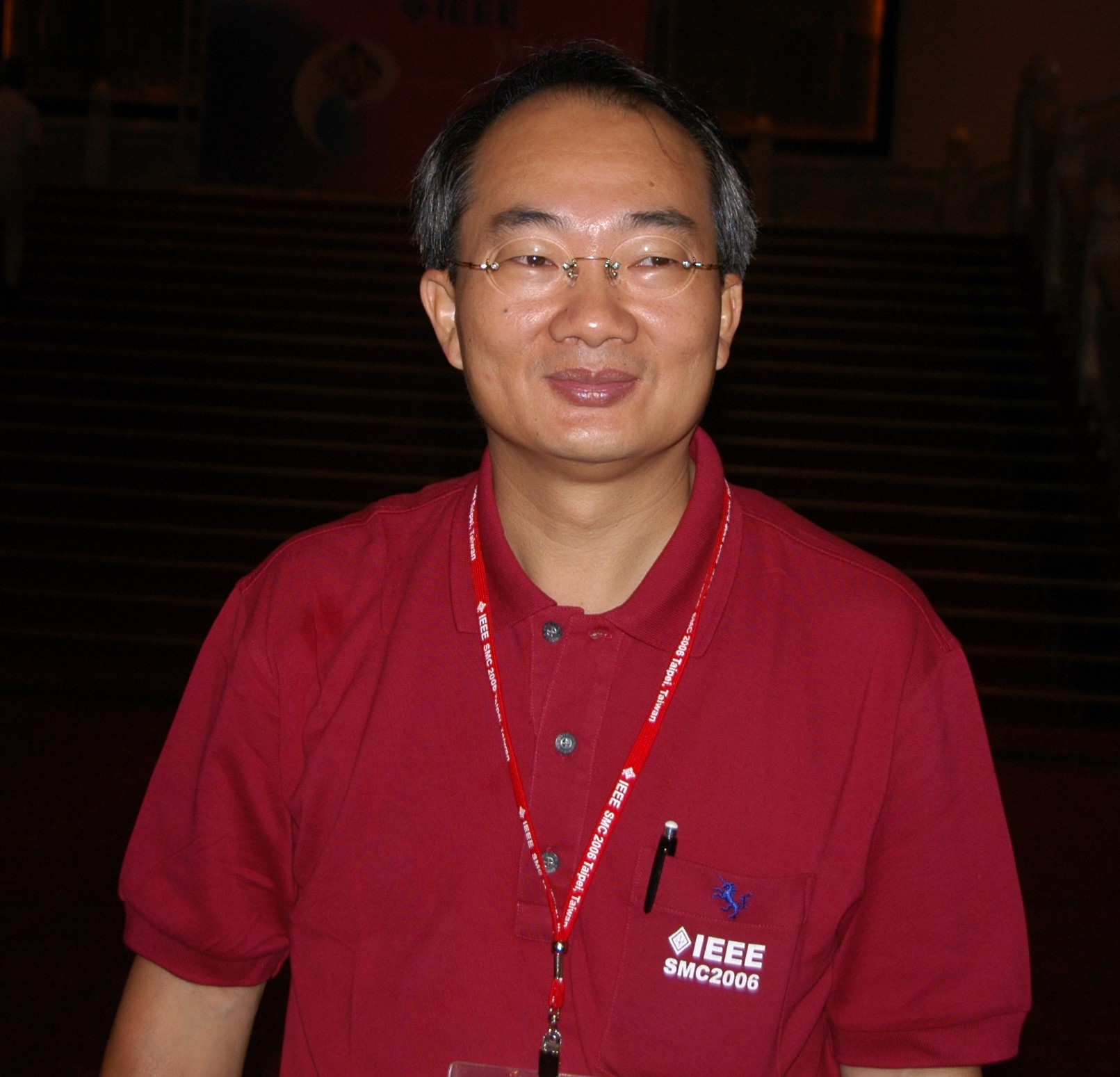 Yo-Ping Huang (黃有評)合作论文数Department of Electrical Engineering, National Taipei University of Technology, Taipei, Taiwan13
 Harpreet Kaur合作论文数12
 Gurjinderpal Singh Sodhi合作论文数12Dinesh K. Benbi合作论文数11Hargopal Singh合作论文数11Susheel K. Mittal合作论文数10Viviana Villavicencio合作论文数Elect & Comp Engn Dept, Villanova Univ9
 Sat PAL Saini合作论文数Dept Soil Sci, Punjab Agr Univ9
 Rajan Bhatt合作论文数PAU Reg Res Stn8Surinder K. Sandhu合作论文数Department of Plant Breeding and Genetics, Punjab Agricultural University8
 Gagandeep Kaur合作论文数7
 Jaqueline Litardo合作论文数Corresponding author.7
 Mohit Rawat合作论文数Dept Nanotechnol, Sri Guru Granth Sahib World Univ7
 Amal Kabalan合作论文数ECE Department, Villanova University;c7
 Dagmar Niebur合作论文数MEM Department7
 Avtar Singh合作论文数San Jose State Univ.7David Lansdale合作论文数6
 Sarvjeet Singh合作论文数Dept Plant Breeding & Genet, Punjab Agr Univ6Craig Fennie合作论文数6
 Karina Bano合作论文数5
 Vanita Kumari合作论文数5Neeta Khare合作论文数5Ross Lee合作论文数5
 Manmeet Singh合作论文数5
 Ranvijay Kumar合作论文数Chandigarh University5
 Jagpreet Singh合作论文数University Centre for Research and Development, Chandigarh University5
 Jinsong Wu合作论文数School of Artificial Intelligence, Guilin University of Electronic Technology5Rapolu, K.合作论文数5
 Cesar A. Martin合作论文数School for Engineering of Matter, Transport, and Energy, Arizona State University;daniel.rivera@asu.edu).;School for Engineering of Matter, Transport, and Energy, Arizona State University5
 Harry Heaney合作论文数Department of Chemistry, Loughborough University5
 Jagjeet S. Lore合作论文数5
 Inderjit Singh合作论文数Medical College From the Department of Physiology Agra5
 Jeewan Sharma合作论文数Centre of Advanced Study in Physics;Panjab University;Centre of Advanced Study in Physics, Panjab University5
 O. P. Choudhary合作论文数Department of Soil Science, Punjab Agricultural University5
 Gurvinder Pal Singh Dhillon合作论文数5Gurjinder Pal Singh Sodhi合作论文数4diane tamir合作论文数4Sandeep Kumar合作论文数4Fernando Amoroso合作论文数4




