Background While rural health guidelines have often cautioned against digital interventions due to infrastructure and literacy barriers, this study introduces an SMS-based conversational artificial intelligence (CAI) that overcomes these limitations to promote HPV vaccination. Objective To evaluate an SMS-based CAI using the Centers for Disease Control (CDC)'s presumptive and CASE (Corroborate, About Me, Science and Explain) frameworks to promote HPV vaccination among rural parent-adolescent dyads by: (1) testing its usability; (2) assessing the feasibility of co-design with clinicians and parent-adolescents; (3) identifying adoption barriers and (4) examining communication preferences across behavioural profiles. Methods We developed a CAI simulator using the presumptive approach and the structured CASE method to address 11 common concerns about the HPV vaccine. A multimethod usability study with 13 rural parent-adolescent dyads (n=26) included in-depth interviews and the System Usability Scale. Results The CAI achieved excellent usability (mean SUS 85.2, similar to 96th percentile). A previously undocumented behavioural profile-vaccine-unaware-was identified, distinct from hesitancy, and best addressed through empathetic, exploratory dialogue. Key adoption barriers included integration with existing preventive care routines and endorsement by trusted local providers. Conclusions Contrary to the assumption that rural residents resist digital tools, participants engaged readily when content was credible, locally endorsed and accessible via SMS. Findings highlight the conditional effectiveness of the CDC's presumptive style in CAIs-well-suited for vaccine-compliant users but less effective for sceptical or unaware groups, who, we argue, would respond better to conversational, empathetic tones.
Open Radio Access Networks (O-RAN) are increasingly adopting data-driven control through Deep Reinforcement Learning (DRL) to optimize complex tasks such as network slicing and mobility management. However, the deployment of DRL in carrier-grade networks is hindered by its inherent opacity and stochastic execution, which limit operator trust, auditability, and safe deployment. Existing explainable AI (XAI) approaches primarily provide post-hoc insights and fail to produce executable, interpretable policies suitable for operational environments. In this paper, we present DeRAN, a neuro-symbolic framework that bridges the gap between DRL performance and operational transparency by distilling black-box DRL policies into human-readable symbolic representations. DeRAN introduces a concept-driven abstraction layer that transforms high-dimensional network telemetry into a compact set of semantically meaningful features, enabling interpretable policy learning. Building on the semantically grounded concepts, DeRAN synthesizes symbolic policies using deep symbolic regression (DSR) for continuous control and neurally guided differentiable logic (NUDGE) for discrete decision-making. We implement DeRAN on a live 5G O-RAN testbed and evaluate it on two representative use cases. Experimental results demonstrate that DeRAN achieves 78\% and 87\% of DRL's cumulative rewards in the two use cases, while offering interpretability and auditability by design. Source code is available at https://github.com/Jadejavu/A-Neuro-Symbolic-Framework-for-Interpretable-Open-RAN-Automation
Fairness is an important factor to consider in graph neural networks (GNNs) as biases in the graph data can be amplified through the link structure. While many fairness-aware GNN methods have been proposed, most assume that the sensitive attribute values for all demographic groups are available during training. To overcome this limitation, we propose FairGRUNT+, a novel framework that integrates novelty detection with disentangled representation learning to jointly learn fair node embeddings for classification while identifying previously unseen demographic groups. Trained exclusively on samples from observed demographic groups, FairGRUNT+ learns a nonlinear decision boundary that encloses nodes from known groups, allowing it to identify nodes falling outside the boundary as belonging to novel (unseen) groups. To promote fairness, FairGRUNT+ further employs disentangled representation learning to decouple node embeddings used for class prediction from those encoding demographic information. Experimental results on real-world datasets demonstrate that FairGRUNT+ outperforms existing fairness-aware GNN methods by effectively reducing bias in node classification while maintaining strong predictive performance.
Graph neural networks (GNNs) have demonstrated remarkable success in addressing a variety of node classification problems. Cross-network node classification (CNNC) extends the GNN formulation to a multi-network setting, enabling the classification to be performed on an unlabeled target network. However, applying GNNs to a multi-network setting in practice is a challenge due to the possible presence of concept drift and the need to account for link biases in the graph data. In this paper we present FOCI, a powerful, model-agnostic approach for cross-network node classification that enables the GNN to overcome the concept drift issue while mitigating potential biases in the data. FOCI utilizes a fair Sinkhorn distance function with optimal transport to learn a fair yet effective feature embedding of the nodes in the source graph. We experimentally demonstrate the effectiveness of FOCI at addressing the CNNC task while simultaneously mitigating unfairness compared to other baseline methods.
Deep learning based weather forecasting (DLWF) models leverage past weather observations to generate future forecasts, supporting a wide range of downstream tasks, including tropical cyclone (TC) trajectory prediction. In this paper, we investigate their vulnerability to adversarial attacks, where subtle perturbations to the upstream weather forecasts can alter the downstream TC trajectory predictions. Although research on adversarial attacks in DLWF models has grown recently, generating perturbed upstream forecasts that reliably steer downstream output toward attacker-specified trajectories remains a challenge. First, conventional TC detection systems are opaque, non-differentiable black boxes, making standard gradient-based attacks infeasible. Second, the extreme rarity of TC events leads to severe class imbalance problem, making it difficult to develop efficient attack methods that will produce the attacker's target trajectories. Furthermore, maintaining physical consistency in adversarially generated forecasts presents another significant challenge. To overcome these limitations, we propose Cyc-Attack, a novel method that perturbs the upstream forecasts of DLWF models to generate adversarial trajectories. First, we pre-train a differentiable surrogate model to approximate the TC detector's output, enabling the construction of gradient-based attacks. Cyc-Attack also employs skewness-aware loss function with kernel dilation strategy to address the imbalance problem. Finally, a distance-based gradient weighting scheme and regularization are used to constrain the perturbations and eliminate spurious trajectories to ensure the adversarial forecasts are realistic and not easily detectable.
The fair top-k node ranking problem aims to find the k most significant nodes in a network without discriminating against particular groups of nodes as defined by their protected attribute. However, unlike fair ranking problems for independent and identically distributed (i.i.d.) data, the rank assigned to a node may influence the perception of fairness among its neighbors with similar acceptability scores due to the interconnectivity among the nodes. Fairness perception, which is an individual-level fairness metric, has thus been proposed to measure the degree to which a node perceives its ranking outcome as fair. While existing fair node ranking algorithms can help maximize its fairness perception, they are susceptible to the oversmoothing effect due to their message passing mechanism. Thus, a key challenge in designing fair node ranking algorithms is to balance the trade-off between maximizing the acceptability of the highly ranked nodes while satisfying both individual-level and group-level fairness criteria. To address this challenge, this paper presents a novel framework called DeepFairRank that integrates the potentially diverging criteria in a unified, multi-objective optimization framework using neural networks. Experimental results demonstrate the effectiveness of the framework when applied to real-world data.
Deep learning-based weather forecasting (DLWF) models have recently demonstrated significant performance gains over gold-standard physics-based simulation tools. However, these models are potentially vulnerable to adversarial attacks, which raises concerns about their trustworthiness. In this paper, we investigate the feasibility and challenges of applying existing adversarial attack methods to DLWF models and propose a novel framework called FABLE (Forecast Alteration By Localized targeted advErsarial attack) to address them. FABLE performs a 3D discrete wavelet decomposition to disentangle the spatial and temporal components of the data. By regulating the magnitude of adversarial perturbations across different components, FABLE produces adversarial inputs that remain closely aligned with the original inputs while steering the DLWF models toward generating the targeted forecast outcomes. Experimental results on real-world weather datasets demonstrate the effectiveness of FABLE over baseline methods across various metrics.
This study illuminates human papillomavirus (HPV) vaccine hesitancy in rural America and explores the potential of using chatbot-enabled social media interventions. The results from our nationally representative survey among US parents of adolescents (n = 1,196) show the differences in HPV vaccine uptake between rural, suburban, and urban areas. Our results indicate that rural parents' hesitancy in initializing or continuing the HPV vaccine regimen with their children appears to be a result of a lack of knowledge about the necessity, safety, and efficacy of the vaccine. Chatbots with natural language processing abilities are proposed to educate rural parents about the preventive benefits of HPV vaccines and alleviate their hesitancy. With the increasing broadband Internet connectivity in rural communities, chatbots can create effective and economical interventions. The opportunities created by chatbots, their integration into the existing clinical workflow for vaccine deliveries, and their benefits to healthcare providers are discussed.
Climate change is predicted to intensify lake algal blooms globally and result in regime shifts. However, observed increases in algal biomass do not consistently correlate with air temperature or precipitation, and evidence is lacking for a causal effect of climate or the nonlinear dynamics needed to demonstrate regime shifts. We modeled the causal effects of climate on annual lake chlorophyll (a measure of algal biomass) over 34 y for 24,452 lakes across broad ecoclimatic zones of the United States and evaluated the potential for regime shifts. We found that algal biomass was causally related to climate in 34% of lakes. In these cases, 71% exhibited abrupt but mostly temporary shifts as opposed to persistent changes, 13% had the potential for regime shifts. Climate was causally related to algal biomass in lakes experiencing all levels of human disturbance, but with different likelihood. Climate causality was most likely to be observed in lakes with minimal human disturbance and cooler summer temperatures that have increased over the 34 y studied. Climate causality was variable in lakes with low to moderate human disturbance, and least likely in lakes with high human disturbance, which may mask climate causality. Our results explain some of the previously observed heterogeneous climate responses of lake algal biomass globally and they can be used to predict future climate effects on lakes.
Accurate knowledge of vegetation water content (VWC) and crop height is crucial for agricultural management, environmental monitoring, and for satellite-based retrieval algorithms for geophysical variables. Traditional methods to estimate VWC, primarily rely on optical indices, which has limitations of biomass saturation, and sensitivity to atmospheric conditions. This study introduces a novel application of geospatial foundation models (GFMs), leveraging extensive, unlabeled datasets through self-supervised learning to enhance the skill of VWC and crop height estimation. We developed a comprehensive model integrating Sentinel-1 A C-band SAR and Sentinel-2 A/B indices with weather parameters to estimate soybean and corn VWC and crop height. Our research study area spans a variety of climatic zones and management practices, from the humid continental climate of Iowa and Michigan to the subtropical environment of Florida, encompassing both irrigated and non-irrigated fields as well as diverse tillage practices. We compared the performance of Single-Task Learning GFM (STL-GFM), Multi-Task Learning GFM (MTL-GFM), and machine learning techniques including Random Forest (RF), and XGBoost (XGB) to evaluate their effectiveness in estimating VWC and crop height. Results demonstrated that STL-GFM outperforms other methods in accuracy and generalizability. For VWC estimation, STL-GFM achieved R2 values of 0.90 and 0.89 for soybean and corn, respectively. For crop height, R2 values reached 0.95 for soybean and 0.98 for corn. The integration of SAR, optical, and climate data provided more reliable estimations than using individual data sources. Feature importance analysis identified NDVI, NDWI, VH backscatter, and precipitation as key drivers for accurate VWC and height estimations. The red-edge band emerged as significant for VWC estimation but showed limited importance for height prediction. Notably, surface roughness demonstrated a noticeable impact on corn VWC and height estimations, while soil moisture exhibited less influence than initially anticipated. Notably, without directly incorporating soil moisture and surface roughness data, but by including diverse field conditions in training and validation, the STL-GFM model demonstrated strong generalization capabilities. This study highlights the potential of GFMs in advancing crop monitoring techniques, offering more reliable data for precision agriculture, and supporting sustainable farming practices across diverse agricultural landscapes.
Synthetic Aperture Radar (SAR) observations, valued for their consistent acquisition schedule and not being affected by cloud cover and variations between day and night, have become extensively utilized in a range of agricultural applications. The advent of deep learning allows for the capture of salient features from SAR observations. This is accomplished through discerning both spatial and temporal relationships within SAR data. This study reviews the current state of the art in the use of SAR with deep learning for crop classification/mapping, monitoring and yield estimation applications and the potential of leveraging both for the detection of agricultural management practices.This review introduces the principles of SAR and its applications in agriculture, highlighting current limitations and challenges. It explores deep learning techniques as a solution to mitigate these issues and enhance the capability of SAR for agricultural applications. The review covers various aspects of SAR observables, methodologies for the fusion of optical and SAR data, common and emerging deep learning architectures, data augmentation techniques, validation and testing methods, and open-source reference datasets, all aimed at enhancing the precision and utility of SAR with deep learning for agricultural applications.
Cancer survivorship often lasts over 20 years and affects over 18 million Americans. As such, cancer survivors need high-quality information to self-manage their illness, but digital health technologies to aid cancer survivors' navigation through the wealth of information are still in their infancy. Simultaneously, cancer misinformation has grown exponentially on digital platforms, veering survivors from conventional therapies to untested alternative treatments. Towards this end, this conceptual paper explores the potential of conversational agents (generative artificial intelligence aids) designed to select and present credible information to aid in survivors' long-term journey of managing cancer. Specifically, mining cancer (mis)information from diverse sources and building knowledge graphs are suggested to structure trustworthy and relatable dialogues of conversational agents for cancer survivors.
Disease surveillance, traffic management, and weather forecasting are some of the key applications that could benefit from block maxima forecasting of a time series as the extreme block maxima values often signify events of critical importance such as disease outbreaks, traffic gridlock, and severe weather conditions. As the use of deep neural network models for block maxima forecasting increases, so does the need for explainable AI methods that could unravel the inner workings of such black box models. To fill this need, this paper presents a novel counterfactual explanation framework for block maxima forecasting models. Unlike existing methods, our proposed framework, DiffusionCF, combines deep anomaly detection with a conditional diffusion model to identify unusual patterns in the time series that could help explain the forecasted extreme block maxima. Experimental results on several real-world datasets demonstrate the superiority of DiffusionCF over other baseline methods when evaluated according to various metrics, particularly their informativeness and closeness. Our data and codes are available at https://github.com/yue2023cs/DiffusionCF.
This study demonstrates how the availability of frequent Synthetic Aperture Radar (SAR) observations has transformed crop yield prediction, a critical component of food security and agricultural practices. SAR observations along with the climatic variables are integrated into an advanced deep learning technique for predicting crop yield. Capitalizing on the unique advantages of high-resolution SAR images, including consistent acquisition schedule, and not being affected by cloud cover and variations between day and night, this research explores new potential in agriculture. Deep learning due to its ability to discern both spatial and temporal relationships within SAR data, captures the salient features from SAR observations to predict the yield of Michigan’s non-irrigated Corn, Soybean, and Winter Wheat.We employed advanced deep learning and established machine learning techniques including patch-based 3D Convolutional Neural Networks (3D-CNNs), Random Forest, Support Vector Machine, and XGBoost to significantly improve the accuracy of yield estimation.Spanning eight years from 2016 to 2023, our analysis underscores the exceptional potential of VH channel of Sentinel-1 SAR data for near accurate yield prediction. Among the methods tested, XGBoost consistently surpassed others in crop yield estimating accuracy, particularly in scenarios with limited reference data. Patch-based 3D-CNNs also demonstrated a remarkable ability to approximate XGBoost’s performance, albeit with a streamlined set of input features. Our study further illuminates the delicate balance required in selecting SAR data resolution, demonstrating the need for careful compromise between reducing noise and preserving crucial data intricacies. Notably, our predictive models showcased formidable precision, predicting yields with a mere 7.5% margin of error a full month prior to harvest. These compelling findings signal the need for continued innovation and integration of deep learning technologies, calling for the enrichment of yield datasets to realize more comprehensive and pinpoint-accurate yield predictions.
Time series generation is a crucial aspect of data analysis, playing a pivotal role in learning the temporal patterns and their underlying dynamics across diverse fields. Conventional time series generation methods often struggle to capture extreme values adequately, diminishing their value in critical applications such as scenario planning and management for healthcare, finance, climate change adaptation, and beyond. In this paper, we introduce a conditional diffusion model called FIDE to address the challenge of preserving the distribution of extreme values in generative modeling for time series. FIDE employs a novel high-frequency inflation strategy in the frequency domain, preventing premature fade-out of the extreme value. It also extends traditional diffusion-based model, enabling the generation of samples conditioned on the block maxima, thereby enhancing the model's capacity to capture extreme events. Additionally, the FIDE framework incorporates the Generalized Extreme Value (GEV) distribution within its generative modeling framework, ensuring fidelity to both block maxima and overall data distribution. Experimental results on real-world and synthetic data showcase the efficacy of FIDE over baseline methods, highlighting its potential in advancing Generative AI for time series analysis, specifically in accurately modeling extreme events.
The primary goal of this study is to examine the association between vaccine rhetoric on Twitter and the public's uptake rates of COVID-19 vaccines in the United States, compared to the extent of an association between self-reported vaccine acceptance and the CDC's uptake rates. We downloaded vaccine-related posts on Twitter in real-time daily for 13 months, from October 2021 to September 2022, collecting over half a billion tweets. A previously validated deep-learning algorithm was then applied to (1) filter out irrelevant tweets and (2) group the remaining relevant tweets into pro-, anti-, and neutral vaccine sentiments. Our results indicate that the tweet counts (combining all three sentiments) were significantly correlated with the uptake rates of all stages of COVID-19 shots (p < 0.01). The self-reported level of vaccine acceptance was not correlated with any of the stages of COVID-19 shots (p > 0.05) but with the daily new infection counts. These results suggest that although social media posts on vaccines may not represent the public's opinions, they are aligned with the public's behaviors of accepting vaccines, which is an essential step for developing interventions to increase the uptake rates. In contrast, self-reported vaccine acceptance represents the public's opinions, but these were not correlated with the behaviors of accepting vaccines. These outcomes provide empirical support for the validity of social media analytics for gauging the public's vaccination behaviors and understanding a nuanced perspective of the public's vaccine sentiment for health emergencies.
Many deep neural networks are vulnerable to backdoor poisoning attacks, in which an adversary strategically injects a backdoor trigger into a small fraction of the training data. The trigger can later be applied during inference to manipulate prediction labels. While the data label could be changed to arbitrary values by an adversary, the extent of corruption injected into the feature values is strictly limited to keep the backdoor attack in disguise, which leads to a resemblance between the backdoor attack and a milder attack that involves only noisy labels. This paper investigates an intriguing question: \textit{Can we leverage algorithms that defend against noisy label corruptions to defend against general backdoor attacks?} We first discuss the limitations of directly using current noisy-label defense algorithms to defend against backdoor attacks. We then propose a meta-algorithm for both supervised and semi-supervised settings that transforms an existing noisy label defense algorithm into one that protects against backdoor attacks. Extensive experiments on different settings show that, by introducing a lightweight alteration for minimax optimization to the existing noisy-label defense algorithms, the robustness against backdoor attacks can be substantially improved, while the initial form of those algorithms would fail in the presence of a backdoor attack.
Graph neural networks (GNN) are a powerful tool for combining imaging and non-imaging medical information for node classification tasks. Cross-network node classification extends GNN techniques to account for domain drift, allowing for node classification on an unlabeled target network. In this paper we present OTGCN, a powerful, novel approach to cross-network node classification. This approach leans on concepts from graph convolutional networks to harness insights from graph data structures while simultaneously applying strategies rooted in optimal transport to correct for the domain drift that can occur between samples from different data collection sites. This blended approach provides a practical solution for scenarios with many distinct forms of data collected across different locations and equipment. We demonstrate the effectiveness of this approach at classifying Autism Spectrum Disorder subjects using a blend of imaging and non-imaging data.
Influence propagation is a network phenomenon governing how information is diffused in a network. With the advent of deep learning, there has been growing interest in applying graph neural networks to extract salient feature representation of the nodes for a variety of network mining tasks, such as forecasting the virality of information cascade. Given the importance of social influence, this paper presents a novel deep learning framework called IP-GNN for simulating the information propagation process in a complex network and learning a node representation that embeds information about the diffusion process under the linear threshold model. Our framework employs a modified graph convolutional network architecture with adaptive diffusion kernel to capture long-range propagation of information along with an entropy-regularized mixture of loss functions to ensure accurate prediction and faster convergence of the learning algorithm. Experimental results on 4 real-world datasets show that the model accurately mimics the output of the linear threshold model, achieving an average accuracy that exceeds 90% on all datasets.
Forecasting the block maxima of a future time window is a challenging task due to the difficulty in inferring the tail distribution of a target variable. As the historical observations alone may not be sufficient to train robust models to predict the block maxima, domain-driven process models are often available in many scientific domains to supplement the observation data and improve the forecast accuracy. Unfortunately, coupling the historical observations with process model outputs is a challenge due to their disparate temporal coverage. This paper presents Self-Recover, a deep learning framework to predict the block maxima of a time window by employing self-supervised learning to address the varying temporal data coverage problem. Specifically Self-Recover uses a combination of contrastive and generative self-supervised learning schemes along with a denoising autoencoder to impute the missing values. The framework also combines representations of the historical observations with process model outputs via a residual learning approach and learns the generalized extreme value (GEV) distribution characterizing the block maxima values. This enables the framework to reliably estimate the block maxima of each time window along with its confidence interval. Extensive experiments on real-world datasets demonstrate the superiority of Self-Recover compared to other state-of-the-art forecasting methods.
 Maurizio Pierini合作论文数CERN61
 Pierluigi Paolucci合作论文数Istituto Nazionale di Fisica Nucleare;European Organization for Nuclear Research60
 Silvano Tosi合作论文数Dipartimento di Fisica, Università degli Studi di Genova;Inter-Departmental Center for Astronomy, University of Genoa60
 Alexis Pompili合作论文数Dipartimento Interateneo di Fisica, Università degli Studi di Bari;CERN59
 Claudio Campagnari合作论文数Physics Department, University of California Santa Barbara;CERN59
 Martino Margoni合作论文数Department of Physics and Astronomy, Università degli Studi di Padova59
 Liliana Teodorescu合作论文数Department of Electronic and Electrical Engineering, College of Engineering, Design and Physical Sciences, Brunel University59
 Anders Ryd合作论文数Laboratory for Elementary-Particle Physics, Department of Physics, The College of Arts & Sciences, Cornell University59
 Sridhara Dasu合作论文数Department of Physics, College of Letters & Science, University of Wisconsin-Madison59
 Fabio Cossutti合作论文数INFN59J.W. Gary合作论文数59J. Nash合作论文数58
 William T. Ford合作论文数Department of Physics, College of Arts and Sciences, University of Colorado Boulder58F. Simonetto合作论文数57
 Daniele del Re合作论文数Department of Physics, Sapienza University;Istituto Nazionale di Fisica Nucleare57
 Giuseppe Della Ricca合作论文数Department of Physics, Università degli Studi di Trieste;Istituto Nazionale di Fisica Nucleare57
 Dmytro Kovalskyi合作论文数Massachusetts Institute of Technology56
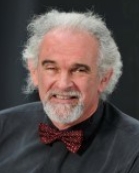 Paul Kyberd合作论文数College of Engineering, Design and Physical Sciences, Brunel University London56
 Roberto Covarelli合作论文数Department of Physics, University of Turin54
 Luca Lista合作论文数Dipartimento di Fisica Ettore Pancini, Università degli Studi di Napoli Federico II;Scuola Superiore Meridionale54
 Davide Piccolo合作论文数Laboratori Nazionali di Frascati, Istituto Nazionale di Fisica Nucleare54
 Maurizio Biasini合作论文数Department of Physics and Geology, University of Perugia53
 Gagan Mohanty合作论文数Department of High Energy Physics, Tata Institute of Fundamental Research53
 Julie Malclès合作论文数CEA-Saclay53
 Nicola Cavallo合作论文数Dipartimento of Scienze, Università degli Studi della Basilicata52
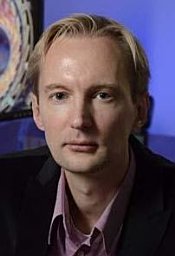 A. V. Gritsan合作论文数Johns Hopkins University52Fabrice Couderc合作论文数Particle Physics Division, CEA Paris-Saclay50
 Gautier Hamel de Monchenault合作论文数Département de Physique des Particules, CEA50J. Olsen合作论文数49
 Urs Langenegger合作论文数Laboratory for Particle Physics, Paul Scherrer Institute49G. Benelli合作论文数48
 David Leith合作论文数Stanford Linear Accelerator Center47E. Robutti合作论文数47F. Yumiceva合作论文数Fermi National Accelerator Laboratory, Batavia, USA47J Berryhill合作论文数45D. M. Wright合作论文数45Fabozzi Francesco合作论文数Dipartimento di Scienze, Università degli Studi della Basilicata;Sezione di Napoli, INFN45
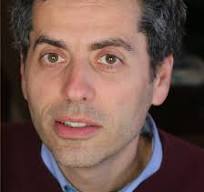 Emanuele Di Marco合作论文数Istituto Nazionale di Fisica Nucleare45
 Shahram Rahatlou合作论文数Physics Department, Sapienza Università di Roma;Istituto Nazionale di Fisica Nucleare;European Organization for Nuclear Research45K. Hoepfner合作论文数44O. Buchmuller合作论文数44
 Andreas B. Meyer合作论文数Deutsches Elektronen-Synchrotron;Hamburg University44
 Martijn Mulders合作论文数Schools of High-Energy Physics, CERN44K. Mazumdar合作论文数44
 Matthew Herndon合作论文数Department of Physics, University of Wisconsin–Madison44A. Savin合作论文数44
 F. Blekman合作论文数Vrije Universiteit Brussel44
 Efe Yazgan合作论文数National Taiwan University;European Organization for Nuclear Research44
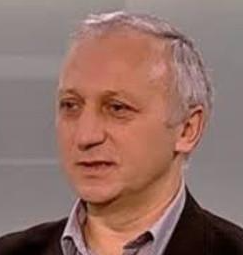 Boos Eduard Ernstovich合作论文数Department of Expiremental High Energy Physics, Skobeltsyn Institute of Nuclear Physics, Lomonosov Moscow State University44




