We present a draft genome sequence of the platypus, Ornithorhynchus anatinus . This monotreme exhibits a fascinating combination of reptilian and mammalian characters. For example, platypuses have a coat of fur adapted to an aquatic lifestyle; platypus females lactate, yet lay eggs; and males are equipped with venom similar to that of reptiles. Analysis of the first monotreme genome aligned these features with genetic innovations. We find that reptile and platypus venom proteins have been co-opted independently from the same gene families; milk protein genes are conserved despite platypuses laying eggs; and immune gene family expansions are directly related to platypus biology. Expansions of protein, non-protein-coding RNA and microRNA families, as well as repeat elements, are identified. Sequencing of this genome now provides a valuable resource for deep mammalian comparative analyses, as well as for monotreme biology and conservation.
Human chromosome 2 is unique to the human lineage in being the product of a head-to-head fusion of two intermediate-sized ancestral chromosomes. Chromosome 4 has received attention primarily related to the search for the Huntington's disease gene, but also for genes associated with Wolf-Hirschhorn syndrome, polycystic kidney disease and a form of muscular dystrophy. Here we present approximately 237 million base pairs of sequence for chromosome 2, and 186 million base pairs for chromosome 4, representing more than 99.6% of their euchromatic sequences. Our initial analyses have identified 1,346 protein-coding genes and 1,239 pseudogenes on chromosome 2, and 796 protein-coding genes and 778 pseudogenes on chromosome 4. Extensive analyses confirm the underlying construction of the sequence, and expand our understanding of the structure and evolution of mammalian chromosomes, including gene deserts, segmental duplications and highly variant regions.
Human chromosome 7 has historically received prominent attention in the human genetics community, primarily related to the search for the cystic fibrosis gene and the frequent cytogenetic changes associated with various forms of cancer. Here we present more than 153 million base pairs representing 99.4% of the euchromatic sequence of chromosome 7, the first metacentric chromosome completed so far. The sequence has excellent concordance with previously established physical and genetic maps, and it exhibits an unusual amount of segmentally duplicated sequence (8.2%), with marked differences between the two arms. Our initial analyses have identified 1,150 protein-coding genes, 605 of which have been confirmed by complementary DNA sequences, and an additional 941 pseudogenes. Of genes confirmed by transcript sequences, some are polymorphic for mutations that disrupt the reading frame.
The identification of the cystic fibrosis transmembrane conductance regulator gene (CFTR) in 1989 represents a landmark accomplishment in human genetics. Since that time, there have been numerous advances in elucidating the function of the encoded protein and the physiological basis of cystic fibrosis. However, numerous areas of cystic fibrosis biology require additional investigation, some of which would be facilitated by information about the long-range sequence context of the CFTR gene. For example, the latter might provide clues about the sequence elements responsible for the temporal and spatial regulation of CFTR expression. We thus sought to establish the sequence of the chromosomal segments encompassing the human CFTR and mouse Cftr genes, with the hope of identifying conserved regions of biologic interest by sequence comparison. Bacterial clone-based physical maps of the relevant human and mouse genomic regions were constructed, and minimally overlapping sets of clones were selected and sequenced, eventually yielding approximately 1.6 Mb and approximately 358 kb of contiguous human and mouse sequence, respectively. These efforts have produced the complete sequence of the approximately 189-kb and approximately 152-kb segments containing the human CFTR and mouse Cftr genes, respectively, as well as significant amounts of flanking DNA. Analyses of the resulting data provide insights about the organization of the CFTR/Cftr genes and potential sequence elements regulating their expression. Furthermore, the generated sequence reveals the precise architecture of genes residing near CFTR/Cftr, including one known gene (WNT2/Wnt2) and two previously unknown genes that immediately flank CFTR/Cftr.
Knowledge of the complete genomic DNA sequence of an organism allows a systematic approach to defining its genetic components. The genomic sequence provides access to the complete structures of all genes, including those without known function, their control elements, and, by inference, the proteins they encode, as well as all other biologically important sequences. Furthermore, the sequence is a rich and permanent source of information for the design of further biological studies of the organism and for the study of evolution through cross-species sequence comparison. The power of this approach has been amply demonstrated by the determination of the sequences of a number of microbial and model organisms, The next step is to obtain the complete sequence of the entire human genome. Here we report the sequence of the euchromatic part of human chromosome 22. The sequence obtained consists of 12 contiguous segments spanning 33.4 megabases, contains at least 545 genes and 134 pseudogenes, and provides the first view of the complex chromosomal landscapes that will be found in the rest of the genome.
The physical map of the 100-Mb Caenorhabditis elegans genome consists of 17,500 cosmids and 3500 yeast artificial chromosomes (YACs). A total of 22.5 Mb has been sequenced, with the remainder expected by 1998. A further 15.5 Mb of unfinished sequence is freely available online: because the areas sequenced so far are relatively gene rich, about half the 13,000 genes can now be scanned. More than a quarter of the genes are represented by expressed sequence tags (ESTs). All information pertaining to the genome is publicly available in the ACeDB data base.
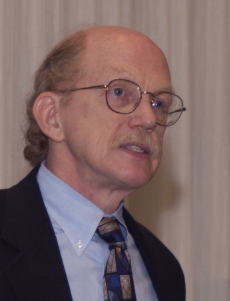 Robert Waterston合作论文数Department of Genome Sciences, University of Washington6
 Richard K. Wilson合作论文数Institute for Genomic Medicine, Nationwide Children's Hospital;Ohio State University College of Medicine6
 Lucinda Fulton合作论文数University of Missouri, University of Missouri5
 Kymberlie H. Pepin合作论文数4Minx Patrick合作论文数4
 Elaine R. Mardis合作论文数Departments of Pediatrics, College of Medicine, The Ohio State University;Institute for Genomic Medicine, Nationwide Children's Hospital4
 Robert Fulton合作论文数The McDonnell Genome Institute, Washington University School of Medicine4Philip Ozersky合作论文数Genome Sequencing Center;Washington University;School of Medicine;School of Medicine, Washington University4R. Ainscough合作论文数3
 Evan Eichler合作论文数Department of Genome Sciences, University of Washington;Howard Hughes Medical Institute, University of Washington;The Brotman Baty Institute;New York Genome Center/Foege S-413C, Box 3550653Zhiwei Du合作论文数3Joanne Nelson合作论文数3
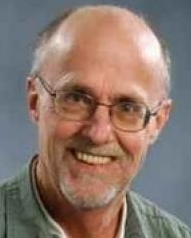 Webb Miller合作论文数Department of Biology, Eberly College of Science, Pennsylvania State University;Department of Computer Science and Engineering, Eberly College of Science, Pennsylvania State University3John Wallis合作论文数3Ladeana Hillier合作论文数3
 Richard Durbin合作论文数Wellcome Sanger Institute;Department of Genetics, University of Cambridge3Ladeana W. Hillier合作论文数3Shiaw-Pyng Yang合作论文数3Asif T. Chinwalla合作论文数Genome Sequencing Center;Washington University;School of Medicine;School of Medicine, Washington University3Mark Vaudin合作论文数3John R Kershaw合作论文数3Tina Graves合作论文数3William E. Nash合作论文数2David Torrents合作论文数2Johnston L合作论文数2J KIRSTEN合作论文数2P. Latreille合作论文数2Matt Cordes合作论文数2T HAWKINS合作论文数2R Shownkeen合作论文数2Richard Harkins合作论文数2Andrea Holmes合作论文数2Susan M. Rock合作论文数2T. Rohlfing合作论文数2D. Layman合作论文数2Phil Latreille合作论文数2Laura Courtney合作论文数2Craig Pohl合作论文数2Shawn Leonard合作论文数2M. Connell合作论文数2C. Huynh合作论文数2M Berks合作论文数2James M Eldred合作论文数2c tomlinson合作论文数Washington Univ, Genome Inst, St Louis, MO USA2
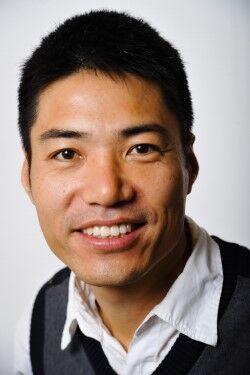 Hui Sun (孙辉)合作论文数College of Forestry, Nanjing Forestry University2
 Mandeep Sekhon合作论文数School of Population Health & Environmental Sciences, Faculty of Life Sciences & Medicine, King’s College London2Delehaunty Kimberly D合作论文数2Kalicki Joelle合作论文数2Cook Lisa合作论文数2




