Patient demographic characteristics and baseline disease characteristics for groups A, B, C, and D
With the use of post-transplantation cyclophosphamide (PTCy), the outcomes of mismatched related donor hematopoietic cell transplantation (HCT) are now approaching those of matched donor HCT. Here we compared haploidentical donor HCT versus HLA-matched unrelated donor (MUD) HCT and HLA-identical sibling donor (MSD) HCT in a cohort in which all patients received PTCy for graft-versus-host disease (GVHD) prophylaxis. We included 661 patients (275 haploidentical, 246 MUD, and 140 MSD HCT). The most common diagnoses were acute myelogenous leukemia and myelodysplastic syndrome. In multivariate analysis, the haploidentical group was found to have significantly higher nonrelapse mortality (NRM) (hazard ratio [HR], 3.2; 95% confidence interval [CI], 2 to 4.9; P < .001) and inferior progression-free survival (HR, 1.8; 95% CI, 1.4 to 2.4; P < .001) and overall survival (OS; HR, 2.2; 95% CI, 1.6 to 3; P < .001) compared with the MUD group. Relapse was the most common cause of death in all groups. Among causes of NRM, the haploidentical group had more infection-related deaths and fewer GVHD-related deaths than the other groups. The haploidentical group also had a higher risk of viral and fungal infections, grade ≥3 hemorrhagic cystitis, and cardiovascular toxicities and slower reconstitution of CD4, CD8, and regulatory T cells but faster reconstitution of natural killer cells. In an exploratory analysis, older patients with older donors (>50 years for both) appeared to have particularly high NRM and lower OS in the haploidentical group compared with the other groups. Our data suggest that even with the use of PTCy, the outcomes of haploidentical HCT are inferior to those of HLA-matched donor HCT.
High-dose chemotherapy and autologous stem-cell transplant (HDC/ASCT) is standard treatment for chemosensitive relapsed classical Hodgkin lymphoma, although outcomes of high-risk relapse (HRR) patients remain suboptimal. We retrospectively analyzed all HRR classical Hodgkin lymphoma patients treated with HDC/ASCT at our institution between 01/01/2005 and 12/31/2019. HRR criteria included primary refractory disease/relapse within 1 year, extranodal extension, B symptoms, requiring more than one salvage line, or positron emission tomography (PET)-positive disease at ASCT. All patients met the same ASCT eligibility criteria. We treated 501 patients with BEAM (n=146), busulphan/melphalan (BuMel) (n=38), gemcitabine( Gem)/BuMel (n=189) and vorinostat/Gem/BuMel (n=128). The Gem/BuMel and vorinostat/Gem/BuMel cohorts had more HRR criteria and more patients with PET-positive disease at ASCT. Treatment with brentuximab vedotin (BV) or anti-PD1 prior to ASCT, PET-negative disease at ASCT, and maintenance BV increased over time. BEAM and BuMel predominated in earlier years (2005-2007), GemBuMel and BEAM in middle years (2008-2015), and vorinostat/GemBuMel and BEAM in later years (2016-2019). The median follow-up is 50 months (range, 6-186). Outcomes improved over time, with 2-year progressionfree survival (PFS)/overall survival (OS) rates of 58%/82% (2005-2007), 59%/83% (2008-2011), 71%/94% (2012-2015) and 86%/99% (2016- 2019) (P<0.0001). Five-year PFS/OS rates were 72%/87% after vorinostat/ GemBuMel, 55%/75% after GemBuMel, 45%/61% after BEAM, and 39%/57% after BuMel (PFS: P=0.0003; OS: P<0.0001). These differences persisted within the PET-negative and PET-positive subgroups. Prior BV and vorinostat/GemBuMel were independent predictors of more favorable outcome, whereas primary refractory disease, ≥2 salvage lines, bulky relapse, B symptoms and PET-positivity at ASCT correlated independently with unfavorable outcomes. In conclusion, post-HDC/ASCT outcomes of patients with HRR classic Hodgkin lymphoma have improved over the last 15 years. Pre-ASCT BV treatment and optimized synergistic HDC (vorinostat/GemBuMel) were associated with this improvement.
Conditioning regimens play a major role in determining disease outcomes following allogeneic hematopoietic stem cell transplantation (allo-HSCT). The use of i.v. busulfan (Bu) as part of conditioning chemotherapy has been shown to be effective in controlling disease relapse; however, disease relapse remains a major cause of death following allo-HSCT. This study was conducted to determine the long-term outcomes of vorinostat with i.v. Bu plus dual nucleoside analogs clofarabine (Clo) and fludarabine (Flu) in the conditioning regimen for patients undergoing allo-HSCT. This was a rapid dose escalation phase III study designed to determine whether the addition of vorinostat would improve the efficacy of standard i.v. Bu/Flu/Clo conditioning regimen. This report presents the long-term disease outcomes of this combination in 68 patients with high-risk leukemia, including 31 (46%) with acute lymphoblastic leukemia (ALL) and 37 (54%) with acute myelogenous leukemia (AML) or myelodysplastic syndrome (MDS). Fifty-eight patients (85%) were in morphologic complete remission at time of transplantation, and 38 (56%) received a matched unrelated donor graft. Over the median follow-up of 37.6 months, 29 of the 68 patients died (43%), and the nonrelapse mortality (NRM) rate was 22% (n = 15). The median overall survival and median NRM were not reached. Nineteen patients (28%) experienced disease progression. The median progression-free survival was 36.8 months. Thirty-seven patients (57%) developed grade II-IV acute graft-versus-host disease (GVHD), and 20 patients (31%) developed chronic GVHD. Our results suggest a lack of benefit from adding a short course of vorinostat to i.v. Bu/Flu/Clo conditioning regimens for leukemia patients undergoing allo- HSCT. (C) 2022 The American Society for Transplantation and Cellular Therapy. Published by Elsevier Inc. All rights reserved.
Purpose: Despite the success of CAR T-cell therapy in pts with relapsed/refractory (R/R) DLBCL, some pts still fail treatment, and their prognosis is dismal. Our aim is to elucidate factors that govern the clinical performance of CAR T therapy given as standard of care (SOC) for R/R DLBCL at a single institution and to recognize the group of pts who are at risk for relapse after CAR T as early intervention may help improve the outcomes. Methods: We performed a retrospective study of R/R DLBCL pts treated with CAR T-cell as SOC at our center between Jan 2018 and Feb 2021. Disease characteristics, ferritin and CRP levels were collected pre-treatment initiation; CBC data were collected at time of apheresis. The study was IRB-approved at our center. Results: Characteristics of the pts at pre-conditioning for CAR T are listed in Table 1. Of 201pts, 190 (94.5%) received axicabtagene ciloleucel, and 11 (5.5%) received tisagenlecleucel. Median time from apheresis to infusion was 29 days (range, 20-111). Regarding adverse events of special interest, 6% had cytokine release syndrome of > grade 3 and 38.8% had neurotoxicity > grade 3. Day 30 death rate was 4.5%. Nine (4.68%) pts developed AML/MDS and 3 (1.56%) additional pts had prolonged pancytopenia. Sixty (29.8%) pts died post Day 30 [42 of progressive disease (PD); PD/AML =3; PD/Infection =2; PD/Toxicity =2; Infection =9; unknown=2). Four pts lost follow-up after PD. With a median follow-up from infusion of 16.86 (0.92-38.7) months, the 12-months overall survival (OS) rate was 55.48 %(95%CI:49-63); 12-months relapse-free survival (RFS) was 34.57% (95% CI: 28-42). In multivariate analysis, the factors with independent influence on both RFS and OS were serum ferritin, > 2 extra-nodal sites of disease involvement, glomerular filtration rate pre-conditioning and Hb level at apheresis (Table 2, Figure 1a). Salvage therapies were received by 38 pts with PD after CAR T (median 1, range 1-6 lines of therapies), including 9 pts who received an allogeneic stem cell transplant. Only 5 (13%) of these 38 pts achieved CR. Therefore, we assessed response by day 30 to predict which pts were at risk for relapse prior experiencing an actual progression. We found a significant difference in OS and RFS in patients who were in CR vs PR/SD after CAR T. The 12-months OS rates were 75.52% and 54.38%, respectively (P<0.001). The RFS rates were 65.4% vs 16.56%, respectively (P<0.001, Figure 1b). In multivariate analysis, the factors with independent influence on RFS in Day 30 PR/SD pts were serum ferritin level pre-conditioning, histology (primary mediastinal vs DLBCL), and WBC at apheresis (figure 1c). Conclusions: Predictors of outcomes after CAR T cell therapy are multifactorial. However, we found that simple clinical tools by Day 30 (pts not achieving CR by imaging, ferritin level pre-CAR T infusion, WBC at apheresis) are associated with outcomes. Studies are needed to study whether integration of CAR T with innovative therapies in such high-risk patients may improve survival. Figure 1View largeDownload PPTFigure 1View largeDownload PPT Close modal
Chimeric antigen receptor (CAR) T-cell therapy has emerged recently as a standard of care treatment for patients with relapsed or refractory acute lymphoblastic leukemia (ALL) and several subtypes of B-cell non-Hodgkin lymphoma (NHL). However, its use remains limited to highly specialized centers, given the complexity of its administration and its associated toxicities. We previously reported our experience in using a novel Sleeping Beauty (SB) CD19-specific CAR T-cell therapy in the peri-transplant setting, where it exhibited an excellent safety profile with encouraging survival outcomes. We have since modified the SB CD19 CAR construct to improve its efficacy and shorten its manufacturing time. We report here the phase 1 clinical trial safety results. Fourteen heavily treated patients with relapsed/refractory ALL and NHL were infused. Overall, no serious adverse events were directly attributed to the study treatment. Three patients developed grades 1-2 cytokine release syndrome and none of the study patients experienced neurotoxicity. All dose levels were well tolerated and no dose-limiting toxicities were reported. For efficacy, 3 of 8 (38%) patients with ALL achieved CR/CRi (complete remission with incomplete count recovery) and 1 (13%) patient had sustained molecular disease positivity. Of the 4 patients with DLBCL, 2 (50%) achieved CR. The SB-based CAR constructs allow manufacturing of targeted CAR T-cell therapies that are safe, cost-effective and with encouraging antitumor activity.
Secondary central nervous system large B-cell lymphoma (SCNSL) is rare, with a generally poor prognosis. There is limited data about the role of autologous stem cell transplantation (ASCT) in these high-risk patients. We explored in this study treatment outcomes and prognostic factors for patients with SCNSL who underwent ASCT. We included all consecutive patients who underwent ASCT at our institution. Primary endpoints were progression-free survival (PFS) and overall survival (OS). One-hundred two patients were identified. Median age at transplant was 56 (range, 21-71) years. With a median follow-up of 56 (range, 1-256) months, the median PFS and OS were 40 and 88 months, respectively. The 4-year PFS and OS were 48% and 57%, respectively. In univariate analysis, complete remission (CR) at transplant, prior lines of therapy (≤2), normal lactate dehydrogenase, and parenchymal involvement were significantly associated with improved PFS. For OS, only CR at transplant and ≤2 prior lines of therapy were associated with improved survival. On multivariable analysis for PFS, CR at transplant (hazard ratio [HR], 0.278; 95% CI, 0.153-0.506; P ≤ .0001) and ≤2 prior lines of therapy (HR, 0.485; 95% CI, 0.274-0.859; P = .0131) were significantly associated with superior PFS. Similarly, CR at transplant (HR, 0.352; 95% CI, 0.186-0.663; P = .0013) and ≤2 prior lines of therapy (HR, 0.476; 95% CI, 0.257-0.882; P = .0183) were associated with improved survival. In the largest single-center study, our findings indicate that ASCT is associated with durable responses and prolonged survival in patients with SCNSL. Patients in CR at transplant and those who received ≤2 lines of therapy have particularly excellent outcomes.
Context Fractionated busulfan/fludarabine (Bu-Flu) myeloablative conditioning yields low non-relapse mortality (NRM) in older patients and those with comorbidities after matched sibling (MSD) or unrelated (MUD) donor transplant (HCT). [Popat et al, Lancet Haematology 2018]. This has not been tested in haploidentical patients, and safety of post-transplant cyclophosphamide (PTCy) GVHD prophylaxis with this approach is unknown; both aims were assessed in the current trial. Objective Primary objective/endpoints were safety/NRM. Design Open label, non-randomized, phase II. Participants Eligibility criteria included any hematologic malignancy, age <76 years, adequate organ functions, and performance score ≥70. Exclusion criteria were prior allogeneic HCT, CAD, HIV, active hepatitis B/C, uncontrolled infection, and exposure to inotuzumab/gemtuzumab. Interventions Patients received busulfan 80 mg/m2 i.v. either on days -13 and -12 (n=45) or with further fractionation (days -20 and -13; n=10) and fludarabine 40 mg/m2 i.v. plus busulfan (days -6 to -2) dosed to achieve target AUC 20,000 pmol/min per pharmacokinetic studies. Haploidentical patients received thiotepa 5 mg/kg i.v on day -7. GVHD prophylaxis included PTCy 50 mg/kg i.v. and tacrolimus. Haploidentical and later MUD recipients also received mycophenolate mofetil. Results Fifty-five patients were enrolled between 08/2016 and06/2018; median follow-up was 37.6 months (range, 25.3–47.8). Diagnoses were AML/MDS (n=30), CML/MPN (n=9), ALL (n=6), and lymphoma/myeloma (n=10). Donors were haploidentical (n=26, 47%), MUD (n=18, 33%), or MSD (n=11, 20%) with PB (n=33, 60%) or BM graft. DRI was intermediate/high (n=50, 91%); 40% (n=22) had HCT-CI >3. There was no graft failure. Median time to neutrophil and platelet engraftment was 17 days (range, 13–39) and 25 days (range, 11–167). Day 100 NRM was 16.4% (95% CI 6.5–26.2%) and 24.6% (12.6–36.6%) at 3-years. Day 100 grade II–IV and III–IV acute GVHD was 38.2% (95% CI 25.2–51.2%) and 9.1% (95% CI 1.4–16.8%), 3-year chronic GVHD (all extensive) was 15.2% (95% CI 5.3–25.1%). Relapse was 25.5% (95% CI 13.8–37.1%), PFS 50% (95% CI 38.1–65.6%), OS 60.7% (95% CI 48.7–75.6%). Conclusions Myeloablative fractionated Bu-Flu with PTCy is safe and effective in MSD, MUD, and haploidentical HCT. It appears to reduce the severe acute/chronic GVHD without an apparent increase in relapse. Fractionated busulfan/fludarabine (Bu-Flu) myeloablative conditioning yields low non-relapse mortality (NRM) in older patients and those with comorbidities after matched sibling (MSD) or unrelated (MUD) donor transplant (HCT). [Popat et al, Lancet Haematology 2018]. This has not been tested in haploidentical patients, and safety of post-transplant cyclophosphamide (PTCy) GVHD prophylaxis with this approach is unknown; both aims were assessed in the current trial. Primary objective/endpoints were safety/NRM. Open label, non-randomized, phase II. Eligibility criteria included any hematologic malignancy, age <76 years, adequate organ functions, and performance score ≥70. Exclusion criteria were prior allogeneic HCT, CAD, HIV, active hepatitis B/C, uncontrolled infection, and exposure to inotuzumab/gemtuzumab. Patients received busulfan 80 mg/m2 i.v. either on days -13 and -12 (n=45) or with further fractionation (days -20 and -13; n=10) and fludarabine 40 mg/m2 i.v. plus busulfan (days -6 to -2) dosed to achieve target AUC 20,000 pmol/min per pharmacokinetic studies. Haploidentical patients received thiotepa 5 mg/kg i.v on day -7. GVHD prophylaxis included PTCy 50 mg/kg i.v. and tacrolimus. Haploidentical and later MUD recipients also received mycophenolate mofetil. Fifty-five patients were enrolled between 08/2016 and06/2018; median follow-up was 37.6 months (range, 25.3–47.8). Diagnoses were AML/MDS (n=30), CML/MPN (n=9), ALL (n=6), and lymphoma/myeloma (n=10). Donors were haploidentical (n=26, 47%), MUD (n=18, 33%), or MSD (n=11, 20%) with PB (n=33, 60%) or BM graft. DRI was intermediate/high (n=50, 91%); 40% (n=22) had HCT-CI >3. There was no graft failure. Median time to neutrophil and platelet engraftment was 17 days (range, 13–39) and 25 days (range, 11–167). Day 100 NRM was 16.4% (95% CI 6.5–26.2%) and 24.6% (12.6–36.6%) at 3-years. Day 100 grade II–IV and III–IV acute GVHD was 38.2% (95% CI 25.2–51.2%) and 9.1% (95% CI 1.4–16.8%), 3-year chronic GVHD (all extensive) was 15.2% (95% CI 5.3–25.1%). Relapse was 25.5% (95% CI 13.8–37.1%), PFS 50% (95% CI 38.1–65.6%), OS 60.7% (95% CI 48.7–75.6%). Myeloablative fractionated Bu-Flu with PTCy is safe and effective in MSD, MUD, and haploidentical HCT. It appears to reduce the severe acute/chronic GVHD without an apparent increase in relapse.
Compared to reduced-intensity conditioning regimen, myeloablative conditioning (MAC) for hematopoietic stem cell transplantation (HCT) reduces relapse but is avoided in older patients because of higher non-relapse mortality (NRM). To meet the need for a myeloablative regimen for older patients, we developed a novel fludarabine and busulfan MAC regimen. We fractionated the dose of busulfan and gave it for 6 days over a 2-week period and demonstrated the feasibility and safety of this approach. However, the disease-specific efficacy of this regimen is not known. The purpose of this study was to estimate the efficacy of fractionated busulfan regimen by estimating diseases specific survival outcomes. The conditioning regimen consisted of busulfan and fludarabine. On days -13 and -12 before HCT, patients received 80 mg/m(2) busulfan intravenously (IV) daily in an outpatient clinic. Additional chemotherapy was administered during inpatient treatment from day -6 through day -3, including fludarabine 40 mg/m2 and busulfan IV once daily. The dosing of busulfan was determined from pharmacokinetic analyses to achieve for the course a target area under the curve of 20,000 +/- 12% mu mol/min, which is close to the average exposure of myeloablative dose of busulfan. One hundred fifty patients with high-risk hematological malignancies up to 75 years were enrolled in this prospective phase II study. The objective was to evaluate NRM, relapse, survival, the rates of graft-versus-host disease (GVHD), and long-term complications. The median age of the patient population was 61 years (interquartile range, 55-67). The most common diagnoses were acute myeloid leukemia (AML; N = 59 [39.3%]), myelodysplastic syndrome (MDS; n = 29 [19.3%]), and myelofibrosis (MF; N = 22 [14.7%]). Most had an unrelated donor (n = 93 [62%]) and received peripheral blood graft (n = 110 [73.3%]). Over half had an HCT-specific comorbidity index of >= 3 (n = 79 [52.7%]). The median follow-up among survivorswas 43.4months (interquartile range, 38.9-50.4). In patients with AML in complete remission, MDS, and myelofibrosis, 3-year overall survival was 66.7% (95% confidence interval [CI], 50.2-88.5%), 43.6% (95% CI, 28.6-66.4%), and 59.1% (95% CI, 41.7-83.7%) respectively. The cumulative incidence of NRM was 22% (15.3%-28.7%), extensive chronic GVHD was 27% (95% CI, 20-34%), bronchiolitis obliterans was 4.7% (95% CI, 1.3-8.1%), and secondary malignancy was 8.7% (95% CI, 4.1-13.2%) at 3 years. Lengthening the duration of busulfan (fractionation) permits safe delivery of myeloablative conditioning in older patients, leading to prolonged survival. (C) 2021 American Society for Blood and Marrow Transplantation. Published by Elsevier Inc. All rights reserved.
Purpose: To compare outcomes between patients with relapsed follicular lymphoma who received a nonmyeloablative allogeneic stem cell transplant (alloSCT) and those who received an autologous transplant (autoSCT). Patients and Methods: We evaluated 194 patients with follicular lymphoma who received an alloSCT (n = 98) or autoSCT (n = 96) at MD Anderson Cancer Center (Houston, TX). The transplant type used was based on donor availability and by Medicare reimbursement guidelines. Patients who received an alloSCT were enrolled in four consecutive trials in which they received fludarabine, cyclophosphamide (or bendamustine), and rituximab conditioning. autoSCT patients received R-BEAM (rituximab, carmustine, etoposide, cytarabine, and melphalan). Results: The median follow-up of survivors was 108 months for the alloSCT group and 102 months for the autoSCT group. Overall survival was significantly better for patients who received an alloSCT compared with those who received an autoSCT ( 62% vs. 46%; P = 0.048). Similarly, progression-free survival rates were 52% in patients who received an alloSCT and 31% in those who received an autoSCT (P < 0.001), and the 8-year relapse rates were 11% and 43%, respectively (P < 0.0001). Only three patients in the alloSCT group relapsed beyond 3.5 years. In the alloSCT group, the rates for grade 2 to 4 acute graft-versus-host disease (GVHD), grade 3 to 4 acute GVHD, and extensive chronic GVHD were 22%, 9%, and 38%, respectively. In the autoSCT group, the 8-year incidence of secondary myelodysplasia was 11%. Nonrelapse mortality was similar between the two groups (15% vs. 11% at 8 years; P = 0.27). Conclusions: This study shows that alloSCT is curative and confers superior survival compared with autoSCT in patients with follicular lymphoma.
Steroids remain the initial therapy for acute graft-vs.-host disease (AGVHD). Strategies to improve response and minimize steroid exposure are needed. We report results of a randomized, adaptive, Bayesian-designed, phase II trial of prednisone with or without extracorporeal photopheresis (ECP) as an initial therapy for patients with newly diagnosed AGVHD. The primary endpoint was success at day 56 defined as: alive, in remission, achieving AGVHD response without additional therapy, and on <1 mg/kg at day 28 and <0.5 mg/kg on day 56 of steroids. Eighty-one patients were randomized to the ECP arm (n = 51) or steroids alone (n = 30). Median age was 54 years (range: 17–75); 90% had grade II AGVHD and 10% had grades III and IV AGVHD, with skin (85%), upper (22%)/lower (22%) gastrointestinal, and liver (10%) involvement. The ECP arm had a higher probability of success (0.815) and exceeded the predefined threshold for determining the investigational arm promising. ECP was potentially more beneficial than steroids-alone in skin-only AGVHD (response rate: 72% vs. 57%, respectively) than for visceral-organ AGVHD (47% vs. 43%, respectively). The addition of ECP to steroids may result in higher GVHD response as initial therapy for AGVHD, especially for patients with skin-only involvement.
The cell of origin (COO) classification into germinal center B cell (GCB) and non-GCB types has been shown to predict survival outcomes in newly diagnosed diffuse large B cell lymphoma (DLBCL). In the relapsed/refractory (R/R) setting, there is building evidence that COO does not predict prognosis after high-dose chemotherapy and autologous stem cell transplantation (auto-SCT). The present analysis aimed to compare survival outcomes based on COO classification in R/R DLBCL patients who underwent auto-SCT. This retrospective study included adult patients with R/R DLBCL who underwent auto-SCT at MD Anderson Cancer Center between January 2007 and December 2016. The Hans algorithm using CD10, BCL6, and MUM1 markers was used to classify patients by COO. A total of 122 patients with DLBCL (71 GCB, 51 non-GCB) were included in the analysis. There were no significant differences in patient characteristics between the 2 groups, except for older median age in the GCB cohort (64 years versus 58 years; P < .004). The median overall survival (OS) time was 68.5 (95% confidence interval [CI], 51.3 to not reached) months for the total population, 68.5 (95% CI, 44.8 to not reached) for GCB, and not reached for non-GCB. The 3-year OS rate was 0.659 (95% CI, 0.575 to 0.755) for the total population, 0.653 (95% CI, 0.547 to 0.779) for GCB, and 0.666 (95% CI, 0.537 to 0.824) for non-GCB. When adjusted for age and other factors of interest, no statistically significant associations for OS or progression-free survival were observed between the 2 cohorts. Our results confirm that COO loses its prognostic potential in patients with R/R DLBCL who receive high-dose chemotherapy followed by auto-SCT and both GCB and non-GCB types of DLBCL derive similar benefit from auto-SCT. Younger age, female sex, and pretransplantation disease status were associated with better OS.
Approximately 7% of unrelated hematopoietic stem cell donors are asked to donate stem cells a subsequent time to the same or a different recipient. Recent studies have shown that donation-related symptoms for second donations are similar to those for the first donation. Little is known about differences in stem cell mobilization and yields for subsequent peripheral blood stem cell (PBSC) and bone marrow (BM) collections. We hypothesized that CD34(+) cell yields and total nucleated cell (TNC) concentrations for subsequent PBSC or BM donations are lower than those at the first donation. We also evaluated the factors influencing stem cell yields in healthy unrelated second-time donors. Data were gathered from the Center for International Blood and Marrow Transplant Research database on 513 PBSC and 43 BM donors who donated a second time between 2006 and 2017 through the National Marrow Donor Program. Among the second-time PBSC donors, we found significantly lower preapheresis peripheral blood CD34(+) cell counts (68.6 x 10(6)/L versus 73.9 x 10(6)/L; P = .03), and collection yields (556 x 10(6) versus 608 x 10(6); P = .02) at the second donation compared to the first. This decrease at the subsequent donation was associated with a shorter interdonation interval, lower body mass index (BMI), and a lower total G-CSF dose. In most instances, suboptimal mobilizers at their first donation donated suboptimal numbers of stem cells at their subsequent donations. Among repeat BM donors, the TNC concentration was lower at the second donation. The small size of this group precluded additional analysis. Overall, when considering repeat donations, increasing the interdonation intervals and evaluating for BMI changes should be considered to optimize stem cell yields. Some of these parameters may be improved by increasing G-CSF dose in PBSC donors within permissible limits. (C) 2021 The American Society for Transplantation and Cellular Therapy. Published by Elsevier Inc. All rights reserved.
In the coronavirus disease 19 (COVID-19) pandemic era, the number of haploidentical hematopoietic cell transplantations (HCTs) with peripheral blood (PB) grafts increased significantly compared with HCTs with bone marrow (BM) grafts, which may be associated with adverse outcomes. We compared outcomes of HCT in BM graft and PB graft recipients age >= 18 years with hematologic malignancies who underwent T cell- replete haploidentical HCT and received graft-versus-host disease (GVHD) prophylaxis with post-transplantation cyclophosphamide, tacrolimus, and mycophenolate mofetil. Among the 264 patients, 180 (68%) received a BM graft and 84 (32%) received a PB graft. The median patient age was 50 years in both groups. The majority (n = 199; 75%) received reduced-intensity conditioning. The rate of acute leukemia or myelodysplastic syndrome was higher in the BM graft recipients compared with the PB graft recipients (85% [n = 152] versus 55% [n = 46]; P <.01). The median times to neutrophil and platelet engraftment and the incidence of grade II-IV and grade III-IV acute GVHD (aGVHD) were comparable in the 2 groups. Among the patients with grade II-IV aGVHD, the rate of steroid-refractory aGVHD was 9% (95% confidence interval [CI], 5% to 18%) in the BM group versus 32% (95% CI, 19% to 54%) in the PB group (hazard ratio [HR], 3.7, 95% CI, 1.5 to 9.3; P =.006). At 1 year post-HCT, the rate of chronic GVHD (cGVHD) was 8% (95% CI, 4% to 13%) in the BM group versus 22% (95% CI, 14% to 36%) in the PB group (HR, 3.0; 95% CI, 1.4-6.6; P =.005), and the rate of systemic therapy-requiring cGVHD was 2.5% (95% CI, 1% to 7%) versus 14% (95% CI, 7% to 27%), respectively (HR, 5.6; 95% CI, 1.7 to 18; P =.004). The PB group had a significantly higher risk of bacterial and viral infections, with no appreciable advantage in the duration of hospitalization, immune reconstitution, relapse, nonrelapse mortality, or survival. Our data suggest a benefit of the use of BMgrafts over PB grafts for haplo-HCT. (C) 2021 The American Society for Transplantation and Cellular Therapy. Published by Elsevier Inc. All rights reserved.
PURPOSE BK virus-associated hemorrhagic cystitis (BKV-HC) is a common complication of allogenic hematopoietic stem cell transplantation (AHSCT), particularly in recipients of alternative donor transplants, which are being performed in increasing numbers. BKV-HC typically results in painful hematuria, urinary obstruction, and renal dysfunction, without a definitive therapeutic option. METHODS We performed a clinical trial (ClinicalTrials.gov identifier: NCT02479698) to assess the feasibility, safety, and efficacy of administering most closely HLA-matched third-party BKV-specific cytotoxic T lymphocytes (CTLs), generated from 26 healthy donors and banked for off-the-shelf use. The cells were infused into 59 patients who developed BKV-HC following AHSCT. Comprehensive clinical assessments and correlative studies were performed. RESULTS Response to BKV-CTL infusion was rapid; the day 14 overall response rate was 67.7% (40 of 59 evaluable patients), which increased to 81.6% among evaluable patients at day 45 (40 of 49 evaluable patients). No patient lost a previously achieved response. There were no cases of de novo grade 3 or 4 graft-versus-host disease, graft failure, or infusion-related toxicities. BKV-CTLs were identified in patient blood samples up to 3 months postinfusion and their in vivo expansion predicted for clinical response. A matched-pair analysis revealed that, compared with standard of care, after accounting for prognostic covariate effects, treatment with BKV-CTLs resulted in higher probabilities of response at all follow-up timepoints as well as significantly lower transfusion requirement. CONCLUSION Off-the-shelf BKV-CTLs are a safe and effective therapy for the management of patients with BKV-HC after AHSCT.
Abstract Introduction: Toxoplasmosis is a rare complication of allogeneic hematopoietic stem cell transplantation (AlloHSCT) usually through reactivation in a previously seropositive recipient, and is associated with mortality as high as 60% (Paccoud et al. BMT 2020). Seroprevalence in the population varies ranging from 5% or lower in North America to over 50% in France. Risk factors for reactivation include immune suppression, seronegative donors, cord blood grafts, and lack of adequate antimicrobial prophylaxis (Robin et al. BBMT 2019). We sought to evaluate the outcomes of patients with toxoplasma reactivation after undergoing AlloHSCT in the modern era. Methods: This study was a retrospective single center analysis of all patients who underwent AlloHSCT between January 2012 and June 2021 at our center. Primary objectives were to assess the incidence of toxoplasma reactivation and the effects of reactivation on survival. Patients were identified in the department database and relevant demographic and clinical data were extracted. Results of toxoplasma testing [IgG serology and polymerase chain reaction (PCR)] were collected and verified by manual chart review. Patients with negative toxoplasma serology and/or missing serology or PCR data were excluded from analysis. Reactivation was defined as positive PCR in a seropositive patient. Toxoplasma reactivation associations were assessed by logistic regression models. Overall Survival (OS) was estimated using the Kaplan-Meier method and differences compared using the log-rank test. Cox proportional hazards models were used for survival associations. Cumulative incidence of non-relapse mortality (NRM) was determined using competing risks method. This study was approved by the institutional board review (IRB) committee at our center. Results: A total of 370 patients who received AlloHSCT and had a positive toxoplasma IgG were identified. Fifty-two patients had missing toxoplasma PCR and 4 did not meet eligibility criteria and were excluded. Twenty-two (7%) out of the remaining 314 seropositive patients experienced toxoplasma reactivation as confirmed by positive PCR. Median age in the reactivation group was 55 years, and patients were mostly white males with myeloid neoplasms who underwent AlloHSCT in first complete remission using nonmyeloablative conditioning and a matched unrelated donor (table 1). No significant differences in baseline characteristics were seen between the seropositive only and the reactivation groups, except for antimicrobial prophylaxis use (P <0.001). Fifty-nine percent of patients (13 out of 22) in the reactivation group were on toxoplasma prophylaxis compared to 93% (273 out of 292) in the seropositive patients without reactivation. Sixteen out of the 22 (73%) patients with reactivation developed clinical symptoms while 6 (27%) had asymptomatic reactivation. Antimicrobial prophylaxis only with either pentamidine, atovaquone, trimethoprim/sulfamethoxazole but not dapsone, was associated with lower risk of developing reactivation (table 2). With a median follow up of 15.4 months (0.3-98.9), the median OS was 9.6 months in patients with reactivation versus 58.5 months in seropositive patients without reactivation [HR, 2.06; (95% CI, 1.21 to 3.52); P=0.008] (figure 1). NRM was also higher in the reactivation group [HR, 2.61; (95% CI, 1.34 to 5.11); P=0.005] (figure 2). Specifically, day 100, 1-year and 2-year NRM were higher in the reactivation group versus (vs) seropositive patients (36% vs 10%, 41% vs 18%, and 47% vs 20% respectively). Toxoplasma reactivation was associated with worse OS and increased NRM in univariable analysis however this did not reach statistical significance in multivariable analysis. Conclusion: Toxoplasma reactivation in seropositive AlloSCT patients remains low at our center at around 7%. Toxoplasma reactivation is associated with worse outcomes after AlloHSCT and reactivation could be mitigated by improved compliance with antimicrobial prophylaxis. Figure 1 Figure 1. Disclosures Mehta: Kadmon: Research Funding; Incyte: Research Funding; CSLBehring: Research Funding; Syndax: Research Funding. Shah: Amgen: Consultancy; Bluebird Bio: Research Funding; BMS/Celgene: Research Funding; CareDx: Consultancy; CSL Behring: Consultancy; GSK: Consultancy; Indapta Therapeutics: Consultancy; Janssen: Research Funding; Karyopharm: Consultancy; Kite: Consultancy; Nektar: Research Funding; Oncopeptides: Consultancy; Poseida: Research Funding; Precision Biosciences: Research Funding; Sanofi: Consultancy; Sutro Biopharma: Research Funding; Teneobio: Research Funding. Hosing: Nkarta Therapeutics: Membership on an entity's Board of Directors or advisory committees. Rezvani: Pharmacyclics: Other: Educational grant, Research Funding; Affimed: Other: License agreement and research agreement; education grant, Patents & Royalties, Research Funding; Takeda: Other: License agreement and research agreement, Patents & Royalties; GSK: Other: Scientific Advisory Board ; Caribou: Other: Scientific Advisory Board; GemoAb: Other: Scientific Advisory Board ; AvengeBio: Other: Scientific Advisory Board ; Virogin: Other: Scientific Advisory Board ; Navan Technologies: Other: Scientific Advisory Board; Bayer: Other: Scientific Advisory Board . Qazilbash: Janssen: Research Funding; Bristol-Myers Squibb: Other: Advisory Board; Angiocrine: Research Funding; Amgen: Research Funding; Oncopeptides: Other: Advisory Board; Biolline: Research Funding; NexImmune: Research Funding. Popat: Bayer: Research Funding; Abbvie: Research Funding; Novartis: Research Funding; Incyte: Research Funding. Shpall: Takeda: Patents & Royalties; Navan: Consultancy; Novartis: Honoraria; Magenta: Honoraria; Affimed: Patents & Royalties; Novartis: Consultancy; Magenta: Consultancy; Adaptimmune: Consultancy; Axio: Consultancy; Bayer HealthCare Pharmaceuticals: Honoraria. Ahmed: Seagen: Research Funding; Xencor: Research Funding; Tessa Therapeutics: Membership on an entity's Board of Directors or advisory committees, Research Funding; Merck: Research Funding.
Steroid-refractory (SR) lower gastrointestinal (LGI) acute graft-versus-host disease (aGVHD) has poor prognosis, and novel drugs are needed. We describe outcomes of patients with SR-LGI aGVHD treated with vedolizumab. The primary objective was to determine overall response rate (ORR) at days 14, 28, and 56. Secondary outcomes included overall survival (OS), non-relapse mortality and toxicities. Twenty patients, median age 46 years (range, 23-71), were included. All but 2 patients (90%) had grade 3 to 4 aGVHD (45% stage 4, 40% stage 3 LGI). Median time to vedolizumab was 21 days (range, 5-1031) and 13 days (range, 0-533) after diagnosis of LGI aGVHD and SR-LGI aGVHD, respectively. It was given as ≥3rd line (median 3; range 2-6) in 75% after failure of steroids, and additional treatments including ruxolitinib (n = 12) and others. Median follow-up was 17 months (range, 10-34). The days 14, 28 and 56 ORRs were 45% (9/20; complete response [CR] 25%), 35% (7/20; CR 20%), and 25% (5/20; CR 20%), respectively. Among ruxolitinib failures, it was 50% (6/12; CR 25%), 50% (6/12; CR 25%) and 25% (3/12; CR 16.7%), respectively. Fifteen patients died (14 GVHD, 1 leukemia relapse). The actuarial 6-month OS was 35% (95% confidence interval 16-55). No progressive multifocal leukoencephalopathy or infusion reaction occurred. Forty-four infection events (22 viral, 18 bacterial, and 4 fungal) were noted in 16 patients. Vedolizumab was well tolerated and demonstrated potential efficacy even after ruxolitinib failure for SR-LGI aGVHD. Yet the responses were suboptimal, and its use requires further investigation.
Purpose: Dual expression of MYC and BCL2 proteins (Double Expressor Lymphoma-[DEL]) is an important prognostic factor in patients (pts) with diffuse large B-cell lymphoma (DLBCL) who are treated with standard chemo-immunotherapy. Studies have suggested that pts with these biomarkers have inferior survival compared to pts who were non-DEL after autologous stem cell transplantation (autoSCT). For this reason, allogeneic stem cell transplantation (alloSCT) has been advocated for its potential graft-versus-lymphoma effect. Data are limited however regarding the outcomes in pts with relapsed DEL who were treated with autoSCT vs. alloSCT. Methods: Data from pts with relapsed DEL/DLBCL who underwent auto- and alloSCT as their first transplant at our center and in whom archived tumor material was available were analyzed. Cutoff values of 40% for MYC and 70% for BCL2 were established by immunohistochemistry (IHC). The majority of autoSCT pts (84%) underwent chemo-mobilization of stem cells with rituximab (R) for in-vivo purging; rituximab was also given on days+1 and +8 with BEAM conditioning (J Clin Oncol 2005; 23:2240-7; Clin Cancer Res 2018; 24:2304-11). Conditioning for the alloSCT was myeloablative (n=16, 50%), reduced-intensity (n=6, 19%), and nonmyelablative (n=10,31%). The study was IRB-approved at our center. Kaplan-Meier analysis and corresponding log-rank/Gray's tests were used to estimate and compare overall survival (OS), progression-free survival (PFS), and cumulative incidence (CI) of non-relapse mortality and relapse by SCT group. Standard multivariable Cox regression was used to evaluate associations between SCT type and OS/PFS after controlling for differences in baseline characteristics and cause-specific multivariable Cox regression was used for competing-risk outcomes [non-relapse mortality (NRM) and relapse]. Results: The study included 161 autoSCT and 32 alloSCT pts treated between 2000-2018. Median age was 59 (range,18-80) and 55 years (range, 21-66), respectively (P=0.009). Male gender was 62.7 vs 50.0%, respectively (P= 0.234). Fifty-one (32.5%) autoSCT pts and 9 (28.1%) alloSCT pts had an elevated serum LDH (P= 0.683) and 41/148 (27.7%) autoSCT and 11/25 (44.0%) alloSCT pts were PET-positive at study entry (P=0.106). The time from diagnosis to transplant was 20.0 and 25.2 months, respectively, (P=0.068), and the distribution of the years of transplant was similar between both groups (P=0.317). Significant differences between treatment groups were observed for prior number of chemotherapies, disease status, stage, and HCT-CI score at transplant. Pts. receiving alloSCT were more heavily pretreated [median 3 prior therapies, (range 1-8) vs. a median of 2, (range 1-6); P=0.0001], had more advanced stage III-IV disease (P=0.035), and more refractory disease (P=0.010) at transplant. In addition, a higher percentage of alloSCT pts had an HCT-CI of >4 (28.1% vs. 10.2%, P=0.018) at study entry. Allogeneic transplant characteristics included matched siblings (n=18; 56.3%), matched unrelated (n=13, 40.6%) and haplo-identical (n=1, 3.1%) donors. With a median follow-up for autoSCT surviving pts of 65 months (range, 5-217 months) and 93 months (range, 34--124 months) for alloSCT pts, the OS at 5-years were 59% and 34%, respectively (P= 0.0001) (Figure1). The PFS rates at 5-years were 49% and 31%, respectively (P = 0.002). AutoSCT had a similar rate of relapse to alloSCT but a lower rate of NRM. The 5-year CI of relapse was 37% vs 28%, respectively (P = 0.611) and the 5-year NRM rates were 14% vs 41 % (P=0.0001), respectively (Figure 2). The associations between SCT group and outcomes persisted after adjusting for differences between groups (alloSCT vs. autoSCT HR= 3.46/p=0.0004 for OS; HR=2.67/p=0.005 for PFS; HR=4.74/p=0.009 for NRM; HR=2.22/p=0.080 for relapse). The 100-day CI of grade II-IV and III-IV acute GVHD in the alloSCT group was 37.5 and 9.4%, respectively. The 1-year CI of chronic GVHD was 25.0%. C onclusions: This study is the first to show that autoSCT confers a superior survival in pts with relapsed DEL/DLBCL compared to alloSCT. Our conclusions are supported by long-term follow-up. The use of novel nonmyeloablative regimens in a larger number of pts receiving an alloSCT and ongoing studies at our center with targeted investigational agents after autoSCT may improve results. Disclosures Khouri: Pfizer: Research Funding; Bristol Myers Squibb: Research Funding. Iyer:CRISPR: Research Funding; Spectrum: Research Funding; Daiichi Sankyo: Consultancy; Trillium: Research Funding; Curio Biosciences: Honoraria; Target Oncology: Honoraria; Afffimed: Research Funding; Merck: Research Funding; Legend Biotech: Consultancy; Rhizen: Research Funding; Seattle Genetics, Inc.: Research Funding. Popat:Bayer: Research Funding; Novartis: Research Funding. Qazilbash:Angiocrine: Research Funding; Amgen: Research Funding; Bioclinica: Consultancy; Janssen: Research Funding; Bioline: Research Funding. Champlin:DKMS America: Membership on an entity's Board of Directors or advisory committees; Actinium: Consultancy; Johnson and Johnson: Consultancy; Omeros: Consultancy; Cytonus: Consultancy; Takeda: Patents & Royalties; Genzyme: Speakers Bureau.
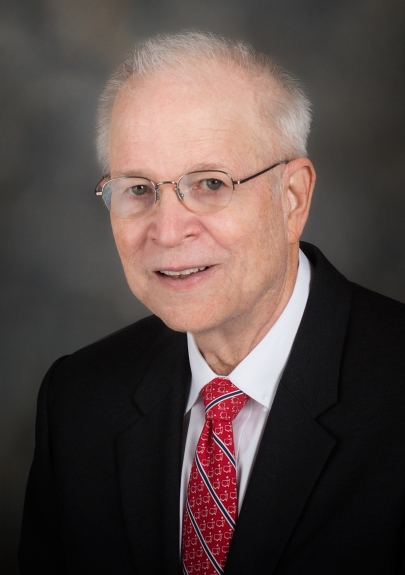 Richard E. Champlin合作论文数Department of Stem Cell Transplantation and Cellular Therapy, Division of Cancer Medicine, The University of Texas MD Anderson Cancer Center;Division of Internal Medicine, The University of Texas Health Science Center171
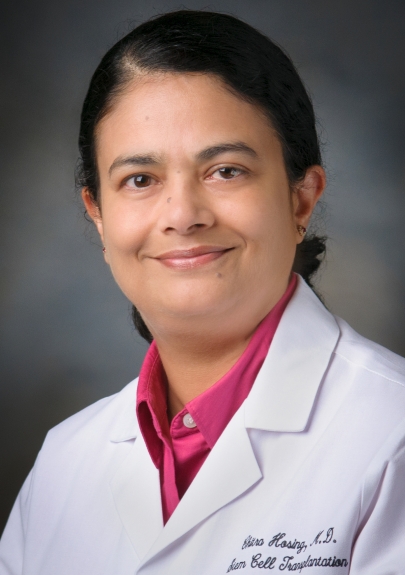 Chitra Hosing合作论文数Department of Stem Cell Transplantation and Cellular Therapy, Division of Cancer Medicine, The University of Texas MD Anderson Cancer Center142
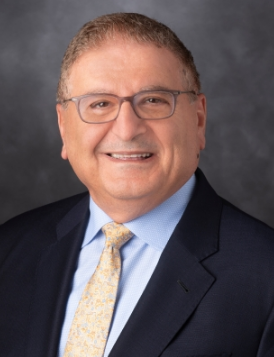 Issa F. Khouri合作论文数Department of Stem Cell Transplantation and Cellular Therapy, Division of Cancer Medicine, The University of Texas MD Anderson Cancer Center133
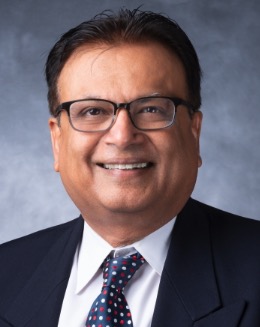 Uday R Popat合作论文数Department of Stem Cell Transplantation, Division of Cancer Medicine, The University of Texas MD Anderson Cancer Center;Department of Stem Cell Transplant Fellowship, The University of Texas MD Anderson Cancer Center128
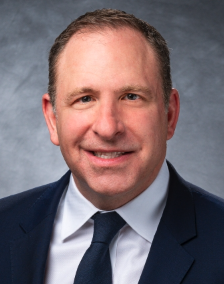 Amin M. Alousi合作论文数Department of Stem Cell Transplantation and Cellular Therapy, Division of Cancer Medicine, The University of Texas MD Anderson Cancer Center123
 Kebriaei Partow合作论文数115
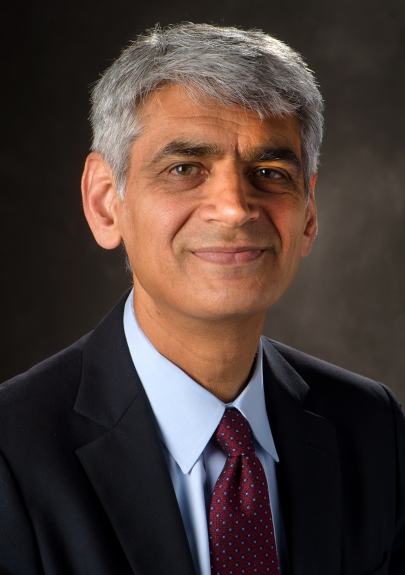 Muzaffar H. Qazilbash合作论文数Department of Stem Cell Transplantation, Division of Cancer Medicine, The University of Texas MD Anderson Cancer Center;James A. Baker III Institute for Public Policy, Rice University109
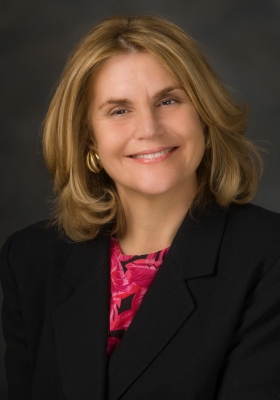 Elizabeth J. Shpall合作论文数Department of Stem Cell Transplantation and Cellular Therapy, Division of Cancer Medicine, The University of Texas MD Anderson Cancer Center83Gabriela Rondon合作论文数75
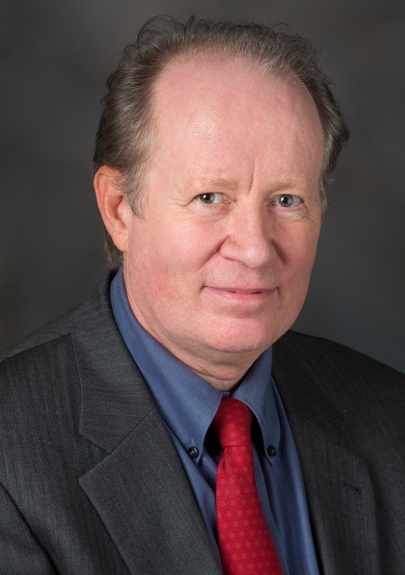 Borje S. Andersson合作论文数Department of Stem Cell Transplantation and Cellular Therapy, Division of Cancer Medicine, The University of Texas MD Anderson Cancer Center;College of Pharmacy, University of Houston72
 Yago L. Nieto合作论文数Department of Stem Cell Transplantation and Cellular Therapy, Division of Cancer Medicine, The University of Texas MD Anderson Cancer Center68de Lima Marcos J合作论文数67
 Sergio A. Giralt合作论文数Division of Hematologic Malignancies, Memorial Sloan Kettering Cancer Center;Weill Cornell Medical College, Memorial Sloan Kettering Cancer Center65Saliba Rima M合作论文数62
 Stefan Octavian Ciurea合作论文数School of Medicine, University of California, Irvine62Qaiser Bashir合作论文数57Betul Oran合作论文数56
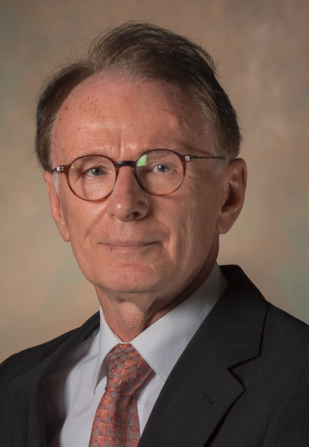 Martin Körbling合作论文数The University of Texas MD Anderson Cancer Center47
 Sairah Ahmed合作论文数Department of Lymphoma/Myeloma, Division of Cancer Medicine, The University of Texas MD Anderson Cancer Center39David Marin合作论文数36Roland L. Bassett合作论文数The University of Texas MD Anderson Cancer Center34Olson Amanda合作论文数33
 Alison Gulbis合作论文数MD Anderson Cancer Center33Parmar Simrit合作论文数31Rohtesh S. Mehta合作论文数29
 Dennis Confer合作论文数Center for International Blood and Marrow Transplant Research;University of Minnesota27
 Roy B. Jones合作论文数University of Texas MD Anderson Cancer Center;Memorial Sloan Kettering Cancer Center25
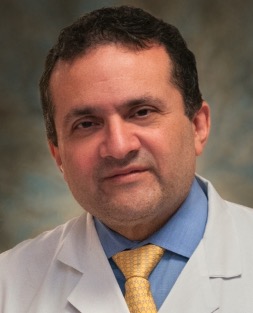 Luis E. Fayad合作论文数Department of Lymphoma/Myeloma, Division of Cancer Medicine, The University of Texas MD Anderson Cancer Center25Samer Srour合作论文数24Alatrash Gheath合作论文数24
 Brent R. Logan合作论文数Division of Biostatistics, Department of Data Science Institute, Medical College of Wisconsin;Health Research Center, Medical College of Wisconsin;Clinical & Translational Science Institute, Medical College of Wisconsin23Celina Ledesma合作论文数22Roy Jones合作论文数21Chen Julianne合作论文数21
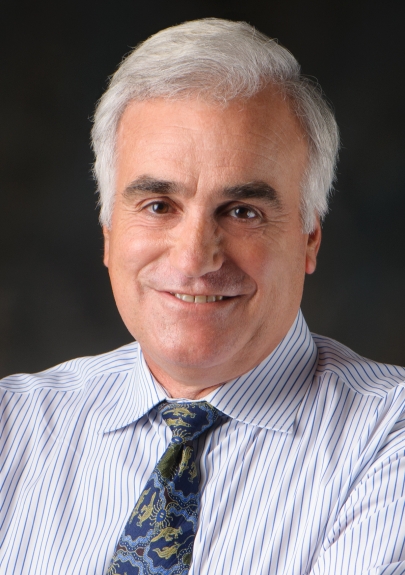 L. Jeffrey Medeiros合作论文数Department of Hematopathology, Division of Pathology/Lab Medicine, The University of Texas MD Anderson Cancer Center21
 Nina Shah合作论文数School of Medicine, University of California, San Francisco21
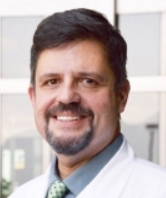 Daniel R. Couriel合作论文数Division of Hematology and Hematologic Malignancies, University of Utah;Department of Internal Medicine, School of Medicine, University of Utah;Huntsman Cancer Institute21Michael A. Pulsipher合作论文数20
 Katayoun Rezvani合作论文数20Grace-Julia Okoroji合作论文数20Jin S. Im合作论文数20
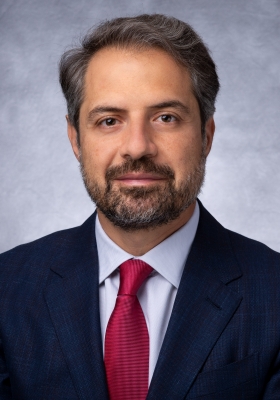 Elias Jabbour合作论文数Department of Leukemia, Division of Cancer Medicine, MD Anderson Cancer Center, University of Texas19
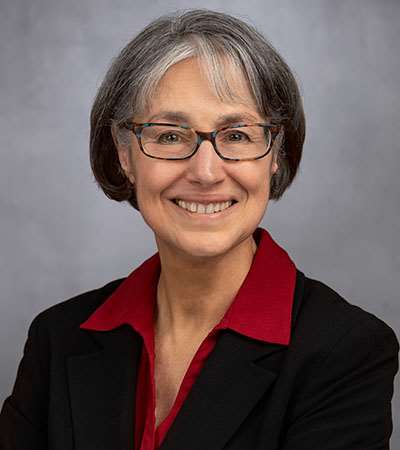 Mary M. Horowitz合作论文数Center for International Blood and Marrow Transplant Research, Medical College of Wisconsin;Division of Hematology and Oncology, Medical College of Wisconsin;Cancer Center, Froedtert Hospital18Michelle A. Fanale合作论文数17Saini Neeraj合作论文数Internal Medicine, NSMC16Pintip Chitphakdithai合作论文数National Marrow Donor Program16
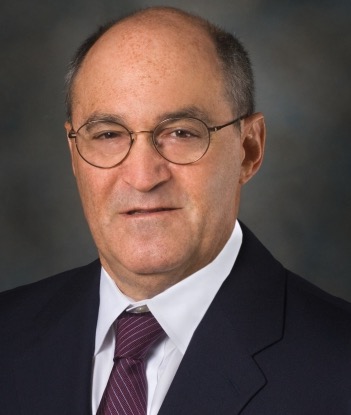 Peter F. Thall合作论文数Department of Biostatistics, The University of Texas MD Anderson Cancer Center15Farzaneh Maadani合作论文数15Galen E. Switzer合作论文数the Division of General Internal Medicine and Center for Research on Health Care, University of Pittsburgh15




