The role of allogeneic hematopoietic stem cell transplantation (allo-HSCT) in adults with relapsed/refractory (R/R) B-cell acute lymphoblastic leukemia (B-ALL) treated with B-cell-directed immunotherapies remains controversial. We analyzed 172 adults treated in first salvage with blinatumomab and/or inotuzumab ozogamicin (InO)-based regimens to determine prognostic factors and benefit from allo-HSCT after achieving remission. Relapse within 12 months of initial diagnosis (HR 2.21, 95%CI 1.28-4.16) and measurable residual disease (MRD) positivity by multiparametric flow cytometry after cycle 1 of salvage (HR 3.06, 95%CI 1.75-5.33) predicted inferior relapse-free survival (RFS) on multivariate analysis; both factors as well as older age predicted inferior overall survival (OS). Patients who achieved early flow MRD negativity and had late relapse or were primary refractory to frontline therapy did not benefit from allo-HSCT (4-year RFS 60% vs 63% without allo-HSCT, p = 0.82), while allo-HSCT improved outcomes in patients with MRD positivity and/or relapse within 12 months (4-year RFS 56% vs. 22% without allo-HSCT, p = 0.03). MRD status after cycle 1 of salvage therapy and duration of first remission can risk stratify adults with R/R B-ALL; those with early MRD negativity and late relapse or primary refractory disease may have favorable outcomes without consolidative allo-HSCT.
Background Allogeneic transplantation (HCT) offers cure for hematologic malignancies, yet survivors face persistent physical and psychological challenges. Post-HCT care remains focused on relapse and graft-versus-host disease (GVHD) detection, with limited integration of patient-reported outcomes (PROs). Methods We analyzed 422 adult HCT recipients with completed MD Anderson Symptom Inventory-BMT (MDASI-BMT) at defined intervals post-HCT (median 360; range 30-2922 days). This 23-item tool rates physical and psychologic symptoms from 0-10; moderate distress is 4–6 and severe distress is ≥7. Multivariable mixed effects logistic regression modeled symptom burden by time and clinical variables including age, GVHD, relapse, conditioning intensity, and total body irradiation (TBI). Results Among 115,155,161 and 132 evaluable patients at 3,6,12 and 24mo, moderate-to-severe distress in ≥1 domain occurred in 62%, 76%, 65%, and 58% of patients at each timepoint. Severe symptoms were seen in 23-38%. Multi-domain burden persisted: at 3,6,12 and 24mo, ≥3domains with scores≥4 were reported in 33%, 39%, 46% and 28%; ≥4 in 28%, 34%, 41%, and 25%; ≥5 domains in 22%, 27%, 32%,and 19% and ≥6 in 20%, 23%, 27%, and 16%, indicating substantial morbidity with limited improvement over time. 13% of patients at 12mo and 7% at 24mo reported ≥9 abnormal domains, highlighting a small but vulnerable subset with severe morbidity. Fatigue was the most persistent (32% at 3mo, peaking at 35% at 6mo, and persisting at 30% at 2yrs).At 3mo, symptoms reflected acute effects: physical weakness (24%), dry mouth (18%), drowsiness (21%), and appetite loss (14%). By 2yrs, the burden shifted toward chronic domains: sexual dysfunction (21%), cognitive difficulty (19%), sleep disturbance (20%) and neuropathy (19.8%). Sadness (12%) and distress (11%) persisted at 2yrs, suggesting long-term psychosocial burden.Multivariable modeling found no association between symptom burden and relapse, TBI, GVHD or conditioning intensity. GI and oral symptoms improved over time including appetite (OR0.16,p<0.0001), diarrhea (OR0.18,p<0.0001), and nausea (OR0.2,p=0.005), and muscle weakness (OR0.37,p=0.004). In contrast, sexual dysfunction(OR 2.41,p<0.001), neuropathy(OR2.61,p<0.0001), joint stiffness(OR2.69,p=0.02), and cognitive difficulties(OR2.26,p=0.049) worsened. Importantly, fatigue, sadness, pain and dyspnea showed no improvement at any timepoint. GVHD was significantly associated with eye problems, dry mouth and sleep disturbance, but not with psychological burden or fatigue. Conclusion Despite resolution of acute symptoms, most survivors experience persistent, multi-domain morbidity years post-HCT including emotional, sexual and musculoskeletal effects. Symptoms underscore the need for structured long-term supportive care and routine integration of PROs into survivorship care.
Background Adenovirus can cause serious illness in immunocompromised hosts. While Cidofovir is the primary treatment, its nephrotoxicity and limited efficacy restrict use. Methods/Objectives We administered most closely HLA matched adenovirus-specific cytotoxic T lymphocytes (CTL) at a dose of 2.0 × 10⁵ cells per kg to patients with adenovirus viremia or disease (virus attributable end organ damage). The CTLs were manufactured by isolating mononuclear cells from healthy donors, cultured for 14 days with immunodominant adenovirus peptides in the presence of IL-2, IL-7 and IL-15. Patients were assessed at baseline then weekly for three months after CTL administration. Partial response (PR) to CTLs was defined as one log reduction in viral copy number or reduction by at least one CTCAE grade of disease symptoms. A complete response (CR) was resolution of symptoms and viremia. Patients who did not respond within 14 days of each dose were eligible for an additional dose. Results 44 patients were enrolled, of which 42 received CTLs. Patients received a median of 1 unit of CTL (1-5). 40 had viremia only, two had pneumonia and two had nephritis (diagnosed by BAL and urine studies), no hepatitis. All patients had an underlying hematological malignancy, 36 had undergone transplantation. Full demographics are described in Figure one. Patients had a median viral load of 26,000 IU/mL (IQR 1400-184500 IU/ml) 80% (35/42) were on concomitant antiviral therapy for 34 it was cidofovir. No infusion reactions were noted. No patient suffered grade III/IV aGVHD. No adverse events (of any grade I-IV) or toxicities related to CTL were recorded.The overall response (OR=PR+CR) at study completion was 76% (32/42) with 69% (29/42) achieving a CR. One patient with a PR recrudesced (at one month), no CR recrudesced. The median time to PR was 7 days (95% CI 7-14) and the median time to CR was 20 days (95% CI 13-26) (Figure Two). Both cases of pneumonitis resolved. Creatinine normalized for 1 patient with nephritis, and it remained stable in the other until they elected hospice care.Among patients who responded by day 28 there was no evidence of spontaneous immune reconstitution. Comparing the ALC at time first infusion and at time of first response there was no statistical difference (p=0.46). When comparing responders vs non-responders baseline ALC, viral load, and rate of cidofovir use were not statistically different between the two groups.Those who had achieved an OR by day 28 had an OS of 93% (27/29), in patients who failed to respond the OS was 38% (5/13). To help eliminate early death bias we performed a landmark survival analysis from day 28 to 3 months (Figure three). Day 28 responders had an OS of 91.8% (CI 74.7-97.7) and non-responders at day 28 had an OS of 50% (CI 21.5-78.5). Conclusion CTL therapy for adenovirus infection was safe with no attributable adverse events. CTLs appear efficacious in treating both viremia and disease.
Background Data regarding the association of donor age with haploidentical (haplo) hematopoietic stem cell transplant (HCT) outcomes has been inconsistent, particularly concerning a specific age cutoff. Most published studies predated the advancement in cytomegalovirus prophylaxis, improved graft-versus-host disease (GVHD) treatments, maintenance therapy post-HCT. Objective Examine the role of donor age in a recent cohort of patients, from 2018-2024. Methods We included consecutive adult patients with hematologic malignancies who underwent haplo HCT (n=364) at MD Anderson Cancer Center. All patients received post-transplant cyclophosphamide GVHD prophylaxis. To determine the optimal donor age cutoff associated with overall survival (OS) and progression-free survival (PFS), we explored a series of donor age dichotomizations as well as categorization by 5-year intervals. Results Our analysis, using dichotomization of donor age, did not reveal a clear donor age cut-off to be associated with either OS or PFS. In the absence of a statistically significant age cutoff for OS or PFS, we categorized donor age into three groups (≤30 [n=155], 31-44 [n=139], and ≥45 [n=70] years) for all subsequent analyses based on cohort distribution and clinical relevance. Compared to donor age ≤30 years, the hazards of OS: (31-44: HR 0.92, P=.69) for donor age 31-44 and (≥45: HR 1.19, P=.43) in multivariable analysis (MVA). PFS mirrored OS. Similar patterns emerged for PFS. Older donor age was associated with increased hazards of non-relapse mortality in MVA: (31-44: HR 1.44,], P=.18) and (≥45: 1.52, P=.14). Consequently, relapse rates were lower in these groups (31-44: 0.55, P=.025) and (≥45: 0.70, P=.29) compared to donors ≤30 years. Older donors were associated with a significantly increased risk of grade III-IV acute GVHD (31-44: 3.77, P=.001; ≥45: 3.83, P=.002) compared to donors ≤30 years. The risk of chronic GVHD was also higher with older donors (31-44: 1.44, P=0.18; ≥45: 1.52, P=.14) compared to younger donors. We noted patient and disease-related factors significantly associated with OS in MVA; older patient age (≥ 65: 1.90 [1.22-2.98], P=.005) and a high/very high disease risk index (DRI) (1.89 [1.38-2.60], P<.001). High/very high DRI associated with a 2.5-fold increased risk of relapse(95% CI 1.63-3.90, P<.001). Conclusion Our study suggested that dichotomization of donor age did not reveal it to be a major selection factor. However, it remains to be assessed whether HLA factors play a more dominant role, if improved post-HCT strategies have altered the adverse effect of donor age in this population, or if dichotomization may present a limited methodology of modeling donor age and novel approaches need to be adopted in this contemporary era. Despite the lack of survival differences, older donor age remains a significant predictor of severe acute GVHD risk.
Disease relapse remains the leading cause of failure following allogeneic hematopoietic cell transplantation (HCT). As novel prophylactic strategies increasingly aim to universally eliminate all forms of graft‑versus‑host disease (GVHD), how these approaches may inadvertently sacrifice graft‑versus‑leukemia activity in the post‑transplant cyclophosphamide (PTCy) era is unclear. To evaluate the associations between time‑updated GVHD phenotypes and clinical outcomes, including relapse, non‑relapse mortality (NRM), and overall survival (OS), in patients undergoing PTCy‑based haploidentical or mismatched unrelated donor (MMUD) HCT. This was a retrospective cohort study using the Center for International Blood and Marrow Transplant Research registry. Participants included 7055 patients with hematologic malignancies who received a first haploidentical or MMUD HCT with PTCy from 2013 to 2021. Associations with relapse, NRM, and OS were evaluated using multi‑state time‑dependent Cox proportional hazards models and a multi‑state random survival forest (MS‑RSF). Time‑updated acute and chronic GVHD phenotypes included isolated Grade II acute GVHD (aGVHD), Grade III to IV aGVHD, mild chronic GVHD (cGVHD), and immunosuppressive therapy-requiring (IST‑requiring) cGVHD. IST‑requiring cGVHD without antecedent aGVHD was associated with a lower modeled relapse hazard compared with remaining GVHD‑free (hazard ratio [HR], 0.74; 95% confidence interval [CI], 0.62 to 0.89; false discovery rate-adjusted P [q] = 0.006) and lower overall mortality (HR, 0.62; 95% CI, 0.53 to 0.73; q < 0.001). In contrast, Grade III to IV aGVHD was associated with significantly higher modeled NRM (HR, 3.15; 95% CI, 2.57 to 3.84; q < 0.001). Mild cGVHD and isolated Grade II aGVHD showed intermediate patterns without consistent associations. These associations were directionally consistent across multiple analytic approaches, including standard time‑dependent Cox regression, dynamic and fixed landmark analyses, and MS‑RSF. In this large PTCy‑treated mismatched donor cohort, IST‑requiring cGVHD was the GVHD phenotype most consistently associated with lower relapse incidence, whereas severe aGVHD was associated with higher NRM. These findings highlight heterogeneity in GVHD phenotypes and suggest that strategies distinguishing toxic aGVHD from chronic alloreactivity patterns may better balance morbidity and long‑term disease control. Given that relapse remains the predominant cause of post‑transplant mortality, approaches aiming to universally eliminate all GVHD warrant careful reconsideration.
Background Although patients (pts) living with disabilities face unique challenges accessing essential, complex care (eg transplant, BMT), approaches to optimize this care are understudied. Methods We conducted a mixed-method analysis to identify BMT pts living with disabilities & explore barriers they face to care. Our study team included those with lived experience as &/or caring for people with disabilities. Starting in 7/2024, consecutive BMT pts at our Center were asked to report any physical/intellectual/sensory disabilities (clinicaltrials.gov NCT06431347), after an explanation re: the relevance of this information to their care. We retrospectively reviewed how identified disabilities were recorded/reported in the pt chart from initial BMT MD consult to discharge post-BMT. We also interviewed BMT pts with disabilities & their caregivers & healthcare providers & led a qualitative analysis to identify barriers/facilitators to care & develop best practices to optimize complex hematologic care delivery for pts with disabilities. Results From 7/1/24-10/1/25, of 474 BMT pts screened for disabilities, 45 (9.5%; median age 64 yrs, range 23-76; 16 auto & 29 allo-BMT) reported disabilities likely to impact care delivery: 24 physical, 5 intellectual, 15 sensory & 1 with a disability-related service animal. However, of these, only half were discussed in the BMT pre-admission note or discharge summary with less than half discussed in both (Fig 1). Intellectual disabilities were least often discussed. Although most disabilities were noted in ≥1 BMT MD or allied healthcare note, nearly one fifth (8/45, 18%) were not listed anywhere in the chart.To explore care delivery in-depth, we interviewed 14 pts, 10 caregivers & 17 providers who shared lived experience as/caring for 41 BMT pts with disabilities (Fig 2A-B). Most participants described unique barriers to care due to disabilities. However, many pts were not asked & did not discuss their disabilities with the care team. Several did not share their disability due to fear of being treated differently or belief it was not relevant & faced further hurdles to care. Pts described adaptive tools they used, although independence/autonomy were frequently compromised by obstacles in accessing assistive devices/supports (eg placement/proximity of mobility/communication aids; permission to use service animals). Participants shared examples of communication barriers & solutions. Based on these data, we generated detailed best practices to optimize complex hematologic care delivery for pts with disabilities (Fig 3). Conclusions Our work will support development of policies/practices which uplift, empower & support pts with disabilities to receive essential complex hematologic care. Implementing these recommendations will help dismantle structural barriers to care & advance a more inclusive healthcare system for pts with disabilities.
Background Patients with high-risk acute myeloid leukemia (AML) have poor outcomes despite undergoing stem cell transplantation (SCT). Non-relapse mortality (NRM) post SCT is often driven by conditioning regimen toxicity and graft-versus-host disease (GVHD). To mitigate conditioning toxicity, we extended the schedule of myeloablative busulfan (Bu) to 3 weeks. To address GVHD, we incorporated post-transplant cyclophosphamide (PTCy). To reduce relapse, we added cladribine, thiotepa, and venetoclax—agents with known activity in AML. We evaluated this regimen in a prospective phase 2 trial in high-risk AML. Methods High-risk AML was defined by primary refractory/relapsed disease, measurable residual disease (MRD) positivity, ELN22 adverse-risk, or secondary AML. Eligible patients were 18–70 years old and had a matched or haploidentical related donor, or a 7/8 or 8/8 HLA-matched unrelated donor. The conditioning regimen included outpatient Bu 100 mg/m² on days -20 and -13, fludarabine 10 mg/m², cladribine 10 mg/m², and Bu pharmacokinetically dosed to reach a total systemic exposure of 20,000 ±12% µmol/min on days -6 to -3. Venetoclax 400 mg was given daily from days -22 to -3. GVHD prophylaxis was PTCy 50 mg/kg on days 3 and 4, tacrolimus ± MMF. The primary endpoint was progression-free survival (PFS). A sample size of 50 provided >80% power to detect an increase in 1-year PFS from 30% (historical) to 47%, with a 5% Type I error rate (ClinicalTrials.gov: NCT04708054). Results Fifty patients (22 female, 28 male) with a median age of 55 years (range: 18–70) were enrolled from December 2021 to August 2023. Disease characteristics included: primary refractory/relapsed AML (32%), MRD+ (74%), ELN22 adverse risk (66%), and secondary AML (22%). TP53 and FLT3 mutations were each present in 24% of patients. Donors were matched unrelated (52%), matched sibling (26%), haploidentical (14%), and mismatched unrelated (8%). Median HCT-CI score was 2 (range: 0–7); 38% had a Karnofsky performance score ≤80%.At a median follow up of 28 months, median PFS was not reached (95% CI: 11 months–NR). One-year and 3-year PFS were 60% (95% CI: 48–75) and 58% (46–73), respectively. Three-year overall survival (OS), NRM, and relapse rates were 64% (52–79), 16% (6–26), and 26% (14–38), respectively. TP53 wildtype patients had better outcomes, with 3-year OS of 74%, PFS of 68%, NRM of 18%, and relapse rate of 13%.Median time to neutrophil and platelet engraftment was 15 (range: 12–31) and 21 days (range: 5–50), respectively. No graft failures occurred. At day 30, T cell and myeloid donor chimerism were 100%. Grade 2–4 acute GVHD occurred in 20% (8.8–31), grade 3–4 in 6% (0–13), chronic GVHD in 13% (2–19), and moderate-to-severe chronic GVHD in 11% (0–16). Conclusion This study met its primary endpoint, demonstrating a promising 3-year PFS in patients with high-risk AML. These findings support further investigation of this regimen.
Graft versus host disease (GVHD) prophylaxis with posttransplant cyclophosphamide (ptCY) and cytomegalovirus (CMV) prophylaxis with letermovir have changed the clinical epidemiology of CMV infection. We studied the incidence, risk factors for, and outcomes of CMV infection after Day + 90 of allogeneic hematopoietic cell transplant (alloHCT). The patient cohort consisted of 2106 alloHCT patients treated from 2015 to 2022 with a single alloHCT. Fifty-seven percent of patients received ptCY. Forty-three percent of patients received letermovir. We performed landmark analysis of the cumulative incidence of CMV-emia with the competing risk of death from Day + 0 to +360 in 90-day intervals. Regression analyses of baseline and time-dependent covariates for CMV-emia and survival were performed for each interval. The cumulative incidence of CMV-emia (≥ 500 IU CMV DNA/mL) was associated with donor/recipient CMV serostatus. In the highest risk CMV serostatus donor negative and recipient positive (D-R+) group, the cumulative incidence was 24.3 (95% confidence interval [CI] 21.3-27.3), 9 (95% CI: 6.9-11.1), 5 (95% CI: 3.3-6.7), and 2.1 (95% CI: 0.9-3.3) from Day 0 to 90, 91 to 180, 181 to 270, and 271 to 360, respectively. The primary risk factors associated with CMV incidence were related to acute GVHD. PtCY was associated with a decreased risk of CMV infection. Letermovir prophylaxis did not associate with decreased CMV infection after Day + 90. In conclusion, the risk of CMV infection remains clinically significant until Day + 180, although this is affected by the GVHD status of the patient. Discontinuation of letermovir may be considered after Day + 180.
Introduction Allogeneic transplantation (HCT) offers potential cure for patients with FLT3- ITD-mutated AML, particularly when performed in first complete remission (CR1), yet relapse occurs in up to 30%.1 The clonal dynamics of FLT3-ITD and co-mutations in post-HCT relapse remain poorly defined. We evaluated post-HCT maintenance therapy and molecular patterns of relapse in FLT3-ITD AML. Materials and methods We retrospectively analyzed paired pre- (at diagnosis or relapse) and post-HCT relapse AML in patients originally diagnosed with FLT3-ITD AML, who underwent first HCT between 2017-2023. The ITD length was used to compare FLT3 ITD clones in pre- and post HCT samples. We also evaluated the impact of post-transplant maintenance therapy, including FLT3 inhibitors (FLT3i) and other agents. Results Among 153 patients, 67 relapsed, and 40 had paired samples available for analysis. Median age at HCT was 48 years (range, 19-72). By ELN17, 18 patients (41.9%) were adverse risk, 13 (30.2%) intermediate and 12 (27.9%) favorable. 12 underwent HCT in CR1; the remainder were in CR2 (n=1), marrow CR (n=19) or had active disease (n=8). 24 patients (70%) received post-HCT maintenance therapy; 22 with FLT3i alone, 1 with a hypomethylating agent (HMA), 3 with HMA+FLT3i, and 2 with venetoclax+FLT3i. Most relapses (82.5%) occurred within 1 year and 60% within 6 months post-HCT. Median OS after relapse was 6.6 months (IQR,2.6-11.9 months) with 1-year OS of 31.1% (95%CI, 17.5%-45.8%).16/40 (40%) patients had >1FLT3-ITD at diagnosis (median VAF 22%), versus 5 (12.5%) at relapse. At least one FLT3-ITD clone persisted in 62%. FLT3-ITD became undetectable in 9 (23%), all but one receiving FLT3i maintenance. Only 4 patients showed clonal shifts (gain of ITD or changes in insertion site/length). We observed high clonal stability among mutations in epigenetic modifiers (DNMT3a 20/22, TET 8/8, IDH 4/4). All 21 patients with NPM1 retained these at relapse. In contrast, newly acquired mutations at relapse most commonly involved included tumor suppressors (WT1, TP53;n=4), transcription factors (GATA2, ETV6; n=3), spliceosome genes (U2AF2, SF3B1, ZRSF2;n=3), chromatin modifiers (ASXL1/2, PHF6; n=3) and cohesion complex (RAD21, STAG2; n=2). RAS/MAPK pathway changes were rare (1 KRAS). Conclusions Post-HCT FLT3-ITD relapse is predominantly driven by clonal persistence rather than evolution. Loss of FLT3-ITD in patients receiving FLT3i maintenance therapy suggests selective clonal suppression and escape. Our results provide biologic rationale for MRD-directed therapeutic approaches and highlight the need for broader post-HCT maintenance strategies that can address both FLT3-dependent and -independent relapse pathways.
ASXL1 mutation (mut) is frequent in myeloid malignancies, and has adverse prognostic implications in AML treated with intensive chemotherapy. However, its prognostic significance is controversial with venetoclax (VEN) containing lower intensity (LIT) therapy. The four-gene genetic risk classifier by the ELN (ELN2024) for patients with AML receiving LIT ± VEN, categorizes ASXL1 mut/s as favorable risk in the absence of FLT3-ITD, RAS, and TP53 mut/s. Herein we analyzed the prognostic impact of ASXL1 mut/s in newly diagnosed (ND) AML treated with LIT+VEN. Methods We retrospectively analyzed adults (≥18 years) with ND AML treated with LIT+VEN at MDACC between Nov 2012 and Dec 2023. Patients with AML from an antecedent treated (with hypomethylating agent and/or chemotherapy) hematologic neoplasm were excluded. Mutational profiling was performed using an in-house 81-gene next-generation sequencing (NGS) panel with a variant allele frequency (VAF) sensitivity of ≥2%. Outcomes included composite complete remission (CRc), overall response rate (CRc+MLFS), median relapse-free survival (mRFS), and median overall survival (mOS). Stratified Cox multivariate analysis (MVA) was done to assess factors associated with survival. Patients with AML with pathogenic and likely pathogenic ASXL1 mut/s with VAF ≥5% were considered to have ASXL1 mut AML. Results Among 554 patients with ND AML treated with LIT+VEN, 73 (13%) had an ASXL1 mut/s. ASXL1 mut/s were more common in older individuals (median age 74 vs. 71 years, p=0.005), males (70% vs. 57%, p=0.032), and clinical secondary AML (34% vs. 16%, p<0.001) but rarer in therapy-related AML compared to the ASXL1 wildtype (WT) patients (8% vs 28%, p<0.001). ASXL1 was most frequently co-mut with SRSF2 (42%), TET2 (30%), and N/KRAS (30%), while NPM1 and FLT3-ITD co-muts were rare (5% and 4% respectively). Adverse risk cytogenetics were present in 14 (33%) of the ASXL1 mut, similar to ASXL1 WT disease (25%, p=0.33). Using the ELN2024 risk stratification system, patients with ASXL1 mut/s were more likely to be classified as favorable risk (62% vs. 40%) and less likely to be adverse (8% vs. 35%, p<0.001). In the entire cohort, 31% (n=170) received cladribine/low-dose cytarabine/VEN (CLAD-LDAC-VEN), and 69% (n=384) received a hypomethylating agent (HMA)/VEN backbone which was not statistically different between patients with and without ASXL1 mut AML (p=0.231). Among patients with FLT3-ITD, RAS, and TP53 WT disease (i.e. ELN2024 favorable), those with ASXL1 mut/s had significantly lower CRc rates (69% vs. 90%, p<0.001) and shorter mRFS and mOS (14.9 vs. 26.2 months [mos], p=0.09 and 16.2 vs. 35.4 mos, p=0.003, respectively) and their outcomes were comparable to patients classified as ELN2024 intermediate risk (mRFS 14.9 vs. 11.7 mos, p=0.95; and mOS 16.2 vs. 13.3 mos, p=0.89). The mOS was not different in this ELN2024 favorable group based on the presence or absence of concurrent DNMT3A+TET2 mutation with ASXL1 mut (14.8 vs. 17.0 mos, p=0.80). ASXL1 mut-ELN2024 favorable risk patients treated with CLAD-LDAC-Ven had a similar mOS of 17.0 mos compared to 14.8 mos with HMA+VEN doublet/triplets (p= 0.87), but both fared worse than their respective ASXL1 WT ELN2024 favorable risk patients (mOS NR vs. 17.0 mos, p=0.02 in CLV treated; 22.8 vs 14.8 mos, p=0.15 in HMA+VEN treated). In ELN2024 intermediate or adverse risk disease, there was no significant difference in mRFS or mOS between ASXL1 WT and ASXL1 mut, although this comparison was limited by smaller patient numbers in the ASXL1 mut group. With a median follow up of 34.5 mos, among patients with ASXL1 mut AML, survival outcomes did not differ based on ASXL1 VAF (mOS 17.0 mos with VAF 5-20% vs. 14.8 mos with VAF >20%, p=0.87). On MVA limited to ELN2024 favorable-risk patients, ASXL1 mut/s were independently associated with inferior OS (HR 1.65; 95% CI: 1.06–2.56; p=0.03), after adjusting for age, secondary and therapy-related disease, adverse cytogenetics, co-muts in IDH1, IDH2, or NPM1, and allogeneic SCT. Conclusions In our large retrospective analysis, ASXL1 mut/s were associated with lower response rates and worse survival among patients in the ELN2024 favorable risk strata treated with LIT+ VEN and was comparable to ELN2024 intermediate risk disease. Our data suggest that patients with ASXL1 mut AML may be best regarded as having intermediate risk disease even in the absence of RAS and FLT3-ITD mut/s when treated with LIT+VEN.
Bronchiolitis obliterans (BOS) is a manifestation of pulmonary chronic graft-versus-host disease (cGVHD) and is a devastating complication of allogeneic hematopoietic stem cell transplantation (HCT). Early detection and treatment of BOS may improve outcomes, but biomarkers that accurately identify BOS early are lacking. We aimed to determine whether certain validated cGVHD markers could also accurately diagnose BOS as compared with patients without BOS and with or without extrapulmonary cGVHD. In addition, we sought to determine whether dysbiosis of the gut or oral microbiomes was associated with BOS or with inflammatory biomarkers. We enrolled 43 recipients of allogeneic HCT, 16 of whom had BOS. For each patient, we obtained pulmonary function tests, measured the levels of 9 serum biomarkers utilizing enzyme-linked immunosorbent assays, and analyzed both the oral and gut microbiome using microbial DNA amplification and sequencing. We compared biomarker levels to lung function, both at baseline and over time, as well as to microbiome diversity. Higher IL1RL1 (P = .002) and IL-17 (P = .041) at enrollment were negatively correlated with FEV1% (forced expiratory volume in 1 second) lung function over time. Increases in IL1RL1 (P = .035), IL-17 (P = .009), and WFDC2 (P = .045) levels over time were associated with worsened lung function/FEV1% over time. There were minimal correlations between gut microbiome diversity and lung function or serum biomarkers. Oral microbiome alpha diversity was lower in subjects with BOS than without (P = .00057), and oral beta diversity was associated with FEV1% and with levels of several biomarkers. Our pilot study suggests that certain serum cGVHD markers may identify recipients of allogeneic HCT at higher risk for pulmonary impairment over time and that these markers should be followed with robust, controlled studies.
PURPOSE:Mixed phenotype acute leukemia (MPAL) is a rare clinical entity with historically poor outcomes. METHODS:We conducted a retrospective analysis of adults 18 years and older with newly diagnosed B-cell (B/M) or T-cell/myeloid (T/M) MPAL treated at our institution between 2017 and 2024. RESULTS:We identified 42 patients (median age 70 years); 20 (48%) had B/M MPAL, and 22 (52%) had T/M MPAL; 57% of patients had adverse risk cytogenetics, and 41% had a TP53 mutation. Sixty-two percent of patients were treated with a hybrid regimen, and 45% of patients received intensive therapy. A composite complete remission (CRc; CR + CRi) was achieved in 57% of patients (86% measurable residual disease [MRD]-negative). After a median follow-up of 27.9 months, the median relapse-free survival in patients achieving an overall response (CRc + morphological leukemia-free state) was 10.1 months, 17.8 months in those who achieved a CRc, and not reached (NR) in patients with MRD-negative CRc. The median overall survival (OS) for all patients was 9.5 months and NR for patients achieving a CRc. Although patients with T/M MPAL had a trend toward improved survival compared with those with B/M MPAL (median OS of 9.1 v 25 months P = .28), this difference abrogated when comparison was stratified by treatment intensity. Twelve patients (29%) underwent allogeneic hematopoietic stem-cell transplantation (HSCT); on landmark analysis, HSCT trended to improve OS (NR v 22.8, P = .12). Multivariate Cox analysis demonstrated that TP53 mutation was associated with increased hazards for death (hazard ratio [HR], 3.5, P = .01), whereas the use of intensive chemotherapy trended to be favorable (HR, 0.45, P = .11). CONCLUSION:Overall, these data demonstrate the need for treatment intensification in MPAL with HSCT in first remission for best outcomes.
TPS6583 Background: Allogeneic hematopoietic stem cell transplantation (alloSCT) remains one of the most effective treatments for patients with myeloid malignancies. Much of the benefit is due to the immune-mediated graft-versus-leukemia effect to prevent relapse. Nevertheless, despite advances in conditioning therapy, disease relapse remains the most important cause of treatment failure after alloSCT. Maintenance therapy post alloSCT aims to reduce relapse incidence and strengthen the potential for cure. With modern treatment regimens, expected complete remission (CR) rates for newly diagnosed AML patients are 60-70%, however, long-term cure rates are only ~30% and improved treatments are needed. IDH1 mutations occur in >7% of older patients with AML and up to 4% of patients with high-risk CMML or MDS. A multicenter phase I trial of another IDH1 inhibitor used as maintenance treatment following alloSCT for IDH1-mutated AML demonstrated a two-year progression-free survival (PFS) of 81%, and two-year overall survival (OS) of 88%. The 2-year cumulative incidence of disease relapse was 19% (95% CI, 4%–41%) and the 2-year cumulative incidence of non-relapse mortality (NRM) was 0%. Olutasidenib is a well-tolerated, highly selective, non-cytotoxic, and potent FDA-approved oral inhibitor of mutant IDH1, with an overall response rate in relapsed/refractory AML of 48%. Methods: In our single center, investigator-initiated study under the MDACC-Rigel Research Alliance we aim to determine the safety and tolerability of olutasidenib as maintenance post-allo-SCT and to determine the rate of progression-free survival (PFS). Eligibility includes patients 18-75 years old with IDH1 mutation presence at diagnosis with acceptable organ function. Patients must also have a diagnosis of AML, MDS, MPN, or CMML according to World Health Organization (WHO) classification that underwent first or second alloSCT with either peripheral blood or bone marrow hematopoietic stem cell source, regardless of donor type/match, conditioning regimen, or GVHD prophylaxis and is at least 30 days post stem cell transplant until day 120. A safety lead-in phase will be given for the first 6 patients to investigate whether the starting dose of 150 mg BID is safe and tolerable. After the safety lead-in phase, the remaining patients will be enrolled at the same dose and the safety and tolerability will be monitored. We also would like to determine response rate, overall survival (OS), cumulative incidence of relapse, NRM, GVHD relapse-free survival (GRFS), rate and grading of aGVHD grade 2-4 and 3-4 at day 100, incidence and grading chronic GVHD (cGVHD) all grades. The goal enrollment is 25 total patients. The study was activated and enrollment began in December 2024. Clinical trial information: NCT06668584 .
Introduction: Chronic myelomonocytic leukemia (CMML) is a rare myeloid neoplasm. The outcomes of patients (pts) with CMML treated with allogeneic stem cell transplantation (SCT) are incompletely understood. Methods: We evaluated a cohort of pts presenting with newly diagnosed CMML between 2000-2023 (n=855) to assess outcomes with SCT. Time-to-event endpoints were calculated from SCT day 0. Cumulative incidence (CI) analyses were performed using the Fine-Gray method with relapse and treatment-related mortality (TRM) as competing risks. Multivariate analysis (MVA) was performed using a Cox proportional hazards regression. Results: Among the cohort of 855 pts, 109 (13%) proceeded to SCT. Pts who underwent SCT had a median age of 63 years (range 27-78) and 68 (62%) were male. Thirty-three (30%), 11 (10%), and 51 (47%) had CMML-2, therapy-related CMML (t-CMML), and proliferative-type CMML (MP-CMML), respectively. RAS pathway (RASp) mutations were identified in 45/65 (69%) pts. Other high-risk mutations included: ASXL1 in 37/70 (53%) pts, RUNX1 in 18/70 (26%), SETBP1 in 6/44 (14%), IDH2 in 7/79 (9%), and DNMT3A in 12/74 (16%). CPSS score was Low in 14/107 (13%), Int-1 in 26 (24%), Int-2 in 52 (49%), and High in 15 (14%). CPSS-mol score was Low in 3/51 (6%), Int-1 in 8 (16%), Int-2 in 16 (31%), and High in 24 (47%). The median time from diagnosis to SCT was 9.3 months (m). Conditioning was MAC in 65 (60%) and RIC in 44 (40%) pts, with PTCy administered in 56 pts (51%). Compared to MAC, pts who received RIC were older (median age 64 vs 61 yrs, p=0.001) and had worse HCT-CI (median 3 vs 2, p=0.18). 28-day, 56-day, and 100-day mortality were 3%, 6%, and 10%, respectively. Acute graft-versus-host disease (GVHD) was diagnosed in 62/104 (60%) pts (9 [9%] pts with grade 3/4). Chronic GVHD was diagnosed in 28/94 (30%) pts. The median follow-up time from SCT day 0 was 54.7 m. At the time of SCT, 83/109 (76%) pts had CMML and 26/109 (24%) had transformed to secondary acute myeloid leukemia (sAML). The median OS was 57.7 m (2-yr 59%) for CMML and 12.0 m (2-yr 42%) for sAML (p=0.47). The median PFS was 13.8 m (2-yr 42%) for CMML and 9.4 m (2-yr 42%) for sAML (p=0.65). The CI of relapse at 2 years was 33% in CMML and 37% in sAML (p=0.29). The CI of TRM at 2 years was 24% in CMML and 20% in sAML (p=0.40). We next explored subsets in the pts with CMML (excluding sAML). OS was significantly longer in MAC vs RIC conditioning (median 81.3 vs 20.2 m; p=0.005). The cumulative incidence of relapse was similar between MAC and RIC (2-yr 37% vs 29%; p=0.55) but TRM was lower in MAC vs RIC (2-yr 12% vs 41%; p=0.013). Causes of TRM (n=14) in RIC were infections in 6/14 (43%), GVHD in 5/14 (36%), and other in 3/14 (21%). The median OS was 38 m (2-yr 55%) in the pts with RASp mutations vs not reached (NR) (2-yr 87%) in those without (p=0.069). The median OS was 60.8 m (2-yr 77%) in pts with ASXL1 mutations (n=33) vs not reached (NR) (2-yr 62%) in those without (n=25, p=0.88). The median OS was 38.0 m (2-yr 66%) in pts with RAS pathway + ASXL1 mutations (n=22) vs NR (2-yr 80%) in those without any (n=11; p=0.39). The median OS was NR (2-yr 80%) in pts with RAS pathway + RUNX1 mutations (n=10). There were no significant differences in OS by CMML type (median 57.7 m [2-yr 57%] with MD-CMML vs 43.9 m [2-yr 62%] with MP-CMML; p=0.70). The median OS was 57.7 m (2-yr 60%) in CMML-1, 43.9 m (2-yr 60%) in CMML-2, and 41.4 m (2-yr 50%) in t-CMML (p=0.89). By CPSS, the median OS was 57.7 m (2-yr 59%) in Low/Int-1 and 43.9 m (2-yr 62%) in Int-2/High (p=0.60). By CPSS-mol, the median OS was 57.7 m (2-yr 90%) in Low/Int-1 and 81.3 m (2-yr 70%) in Int-2/High (p=0.28). By MVA considering age, HCT-CI, conditioning intensity, CMML type (MD vs MP), RASp mutations, and CPSS, only RASp mutated status was significantly associated with adverse OS (HR 5.34, p=0.039) and PFS (HR 5.61, p=0.013). By landmark analysis compared to non-transplanted pts, both RASp mutated (median OS from diagnosis 63.1 m with SCT vs 30.3 m without, p=0.003) and RASp unmutated pts (median OS from diagnosis NR with SCT vs 37.3 m without, p=0.02) appeared to benefit from SCT. Conclusions: SCT provides durable disease control in a significant proportion of pts with CMML. Outcomes were inferior with RIC regimens, possibly related to pt age and comorbidities. RAS pathway mutations were associated with shorter post-SCT OS, but these patients still appear to benefit from SCT.
Autologous stem cell transplant (autoHCT) is standard of care for eligible patients with newly diagnosed multiple myeloma (MM). However, determining autoHCT eligibility is highly subjective, and requires complex frailty assessment tools. Here, we used a simplified frailty score to evaluate its ability to stratify newly diagnosed MM patients undergoing upfront autoHCT into “frail” and “non-frail” groups. This score was previously used in the setting of B-cell maturation antigen-directed CAR-T therapy (Davis et al. JTCT 2024). In this single center, retrospective analysis, we included newly diagnosed MM patients who underwent upfront autoHCT between 1988 and 2021, and had available information to calculate the frailty score. A simplified score was calculated for each patient based on the following: age (76-80 years, 1 point; >80, 2 points), Eastern Cooperative Oncology Group [ECOG] Performance Status (≤1, 1 point; ≥2, 2 points) and Hematopoietic Cell Transplant Comorbidity Index [HCT-CI] (≥2, 1 point). A score of ≥2 was defined as frail. High risk cytogenetic abnormalities (HRCA) were defined as del17p, t(4;14), t(14;16), 1q21 gain or amplification (1q+) by fluorescence in-situ hybridization. Primary outcomes were progression-free (PFS) and overall survival (OS). Non-relapse mortality (NRM), a key secondary outcome, was assessed using the competing risks method, with progression as the competing risk. MRD status was determined in bone marrow samples using an 8-color NGF assay with a sensitivity of 1/10⁵ cells (0.001%) on a minimum of 2 million events. We included 2485 patients with a median age of 61 (range 25-83) years. Thirty-two percent of patients (n=803) were ≥65-years-old. Using the simplified frailty score, 628 (25%) patients were identified as frail and 1857 (75%) as non-frail. Fifty-nine percent of the patients in the entire cohort were male, 18% self-identified as black, without a significant difference between the frail and non-frail groups. Twenty-eight percent of patients in the frail group had HRCA, compared to 24% in the non-frail group (p=0.053), and there was no significant difference in the proportion of patients with R-ISS stage III disease between groups (7% vs. 6%; p=0.38). Both groups had a similar proportion of patients with high tumor burden (≥50% plasma cells) in the bone marrow. A lower proportion of patients in the frail group received post-transplant maintenance (63% vs. 70%; p=0.002). Patients in the frail group had a longer median duration of hospitalization for autoHCT compared to the non-frail group (17 vs. 16 days; p<0.001). There was no significant difference between the frail and non-frail groups in pre-transplant hematologic responses (≥very good partial response (VGPR): 54% vs. 52%; p=0.43) or MRD-negativity rate (41% vs. 43%; p=0.44). There was also no difference in either post-transplant responses, including day 100 (≥VGPR: 76% vs. 75%; p=0.42) and best post-transplant (≥VGPR: 84% vs. 84%; p=0.75) hematologic responses, or in MRD-negativity rate at best response (66% vs. 67%; p=0.77). After a median follow-up of 54.6 (range 0.2 - 262.0) months, the incidence of NRM was 24% in the frail group compared with 10% in the non-frail group (p=0.050). Patients in the frail group had significantly shorter median PFS [34.7 months (95% CI 32.1-38.1)] versus the non-frail group [43.0 months (95% CI 39.6-46.0); p=0.002], and shorter OS [85.9 months (95% CI 79.4-97.4) vs. 108.5 months (95% CI 101.9-115.7); p<0.001]. In multivariable analysis, frailty status retained its predictive significance for PFS [hazard ratio 1.20 (95% CI 1.06-1.35; p=0.003)] and OS [hazard ratio 1.26 (95% CI 1.08-1.46; p=0.003)]. A simplified frailty score incorporating age, ECOG and HCT-CI score predicts survival outcomes in patients with newly diagnosed MM undergoing upfront autoHCT.
 Elizabeth J. Shpall合作论文数Department of Stem Cell Transplantation and Cellular Therapy, Division of Cancer Medicine, The University of Texas MD Anderson Cancer Center563
 Kebriaei Partow合作论文数522
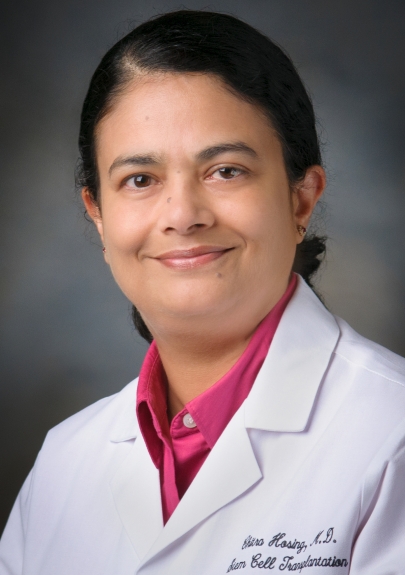 Chitra Hosing合作论文数Department of Stem Cell Transplantation and Cellular Therapy, Division of Cancer Medicine, The University of Texas MD Anderson Cancer Center497
 Uday R Popat合作论文数Department of Stem Cell Transplantation, Division of Cancer Medicine, The University of Texas MD Anderson Cancer Center;Department of Stem Cell Transplant Fellowship, The University of Texas MD Anderson Cancer Center456
 Muzaffar H. Qazilbash合作论文数Department of Stem Cell Transplantation, Division of Cancer Medicine, The University of Texas MD Anderson Cancer Center;James A. Baker III Institute for Public Policy, Rice University432Gabriela Rondon合作论文数361
 Amin M. Alousi合作论文数Department of Stem Cell Transplantation and Cellular Therapy, Division of Cancer Medicine, The University of Texas MD Anderson Cancer Center349
 Issa F. Khouri合作论文数Department of Stem Cell Transplantation and Cellular Therapy, Division of Cancer Medicine, The University of Texas MD Anderson Cancer Center346Qaiser Bashir合作论文数330
 Sergio A. Giralt合作论文数Division of Hematologic Malignancies, Memorial Sloan Kettering Cancer Center;Weill Cornell Medical College, Memorial Sloan Kettering Cancer Center303
 Yago L. Nieto合作论文数Department of Stem Cell Transplantation and Cellular Therapy, Division of Cancer Medicine, The University of Texas MD Anderson Cancer Center287Betul Oran合作论文数269
 Stefan Octavian Ciurea合作论文数School of Medicine, University of California, Irvine255de Lima Marcos J合作论文数250
 Borje S. Andersson合作论文数Department of Stem Cell Transplantation and Cellular Therapy, Division of Cancer Medicine, The University of Texas MD Anderson Cancer Center;College of Pharmacy, University of Houston250Saliba Rima M合作论文数237Paolo Anderlini合作论文数171
 Hagop M. Kantarjian合作论文数Department of Leukemia, Division of Cancer Medicine, The University of Texas MD Anderson Cancer Center164David Marin合作论文数164
 Katayoun Rezvani合作论文数160Samer Srour合作论文数157Rohtesh S. Mehta合作论文数154
 Sairah Ahmed合作论文数Department of Lymphoma/Myeloma, Division of Cancer Medicine, The University of Texas MD Anderson Cancer Center148Parmar Simrit合作论文数146
 Nina Shah合作论文数School of Medicine, University of California, San Francisco144Olson Amanda合作论文数140Jeremy L Ramdial合作论文数129
 Robert Z. Orlowski合作论文数Department of Lymphoma - Myeloma, Division of Cancer Medicine, The University of Texas MD Anderson Cancer Center;Department of Experimental Therapeutics, Division of Cancer Medicine, The University of Texas MD Anderson Cancer Center127Chen Julianne合作论文数123
 Laurence Cooper合作论文数University of Texas MD Anderson Cancer Center112
 Elias Jabbour合作论文数Department of Leukemia, Division of Cancer Medicine, MD Anderson Cancer Center, University of Texas110Alatrash Gheath合作论文数110Saini Neeraj合作论文数Internal Medicine, NSMC105
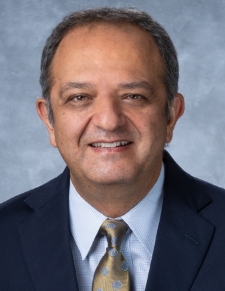 Farhad Ravandi-Kashani合作论文数Section of Developmental Therapeutics, Department of Leukemia, The University of Texas MD Anderson Cancer Center;Division of Cancer Medicine, The University of Texas MD Anderson Cancer Center102
 Krina K. Patel合作论文数95
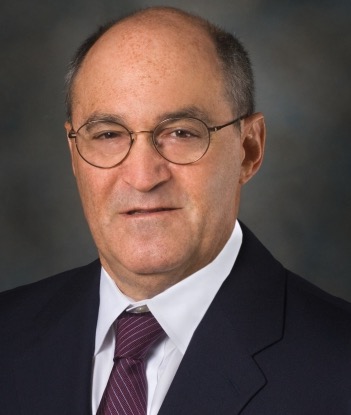 Peter F. Thall合作论文数Department of Biostatistics, The University of Texas MD Anderson Cancer Center95
 Guillermo Garcia-Manero合作论文数Section of Myelodysplastic Syndromes, Department of Leukemia, Division of Cancer Medicine, The University of Texas MD Anderson Cancer Center;UTHealth Houston Graduate School of Biomedical Sciences94Denái Milton合作论文数The University of Texas MD Anderson Cancer Center92Roland L. Bassett合作论文数The University of Texas MD Anderson Cancer Center89Donna M. Weber合作论文数89Thomas Sheeba K合作论文数88
 Daher May合作论文数American University of Beirut82
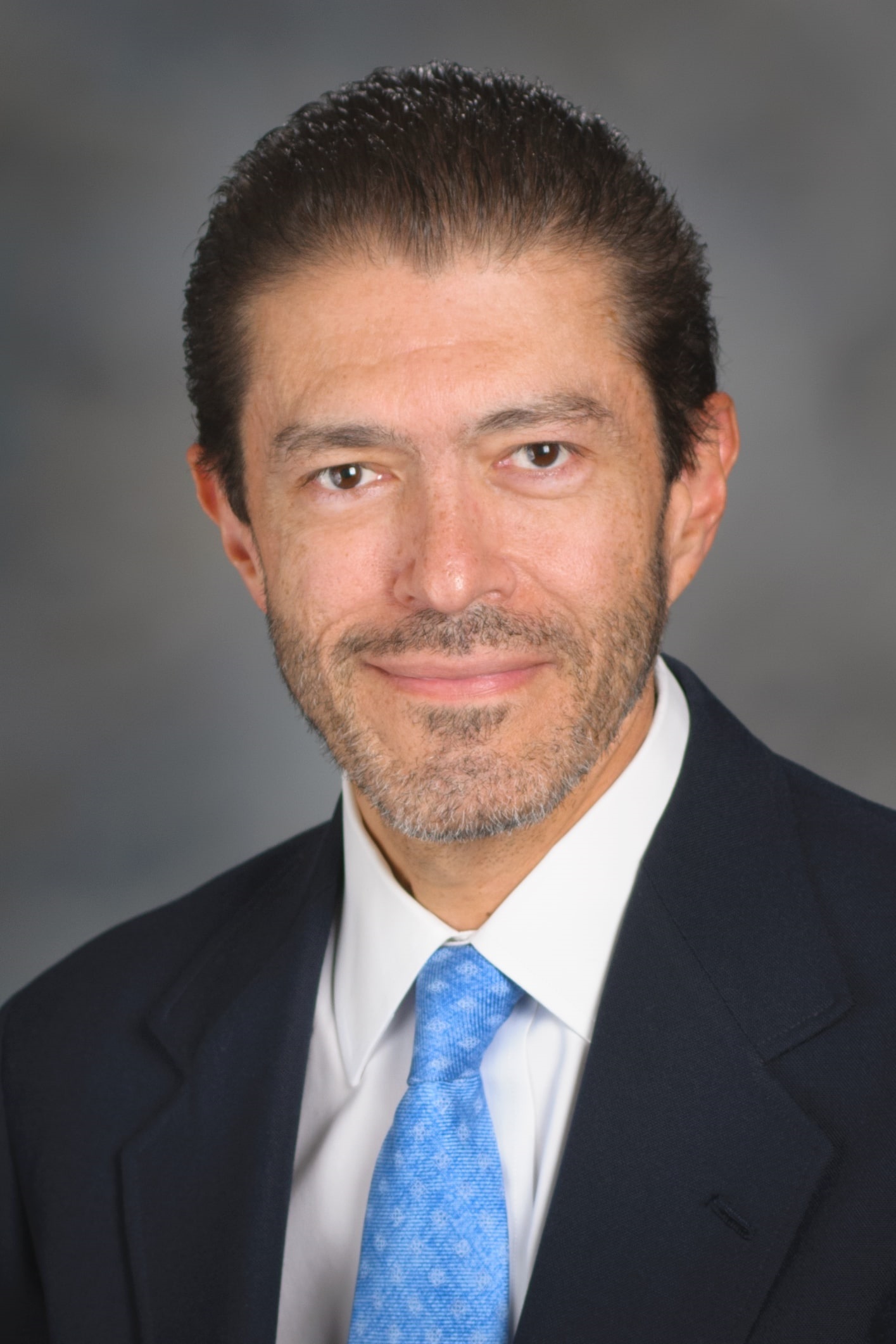 Jorge Cortes合作论文数Georgia Cancer Center, Augusta University;Department of Medicine, Medical College of Georgia, Augusta University;The Graduate School, Augusta University;Latin America Leukemia Net Lalnet78Lee Hans C合作论文数75
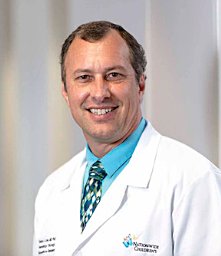 Dean A. Lee合作论文数Division of Hematology and Oncology, Nationwide Children's Hospital;Center for Childhood Cancer, Nationwide Children's Hospital;College of Medicine, The Ohio State University72M de Lima合作论文数71
 Marina Konopleva合作论文数Department of Oncology, Albert Einstein College of Medicine;Department of Molecular Pharmacology, Albert Einstein College of Medicine69
 Daniel R. Couriel合作论文数Division of Hematology and Hematologic Malignancies, University of Utah;Department of Internal Medicine, School of Medicine, University of Utah;Huntsman Cancer Institute69
 Alison Gulbis合作论文数MD Anderson Cancer Center69




