Jelen kötetben a szerzőhármas könyvének részleteit a korábbi magyar kiadás alapján adjuk közre. A válogatásba az első fejezet („Célok és kritériumok”) illetve a hetedik fejezet („A csoportos interjú”) oldalai kerültek. A kötet többi része a fókuszcsoportos és a kétszemélyes fókuszált interjúval egyszerre foglalkozik. A teljes kötet a következő fejezetekből áll: 1. Célok és kritériumok (a fókuszált interjú természete, felhasználása, kritériumai) 2. Retrospekció (a részletek jelentősége, részletes beszámoló előmozdítása retrospekcióval) 3. Kiterjedés (a kiterjedés felmérése, kérdezői hibák és javasolt eljárások) 4. Specifikus beszámolók (a specifikáció folyamata, funkciói, eljárások) 5. Intenzitás (az intenzitás fogalma, funkciói, eljárások) 6. Személyes kontextus (fogalma, típusai, jelentősége, eljárások) 7. A csoportos interjú (megtervezése, előnyei és hátrányai, eljárások) 8. Válogatott problémák (az interjú megkezdése, érzelemnyilvánítás, visszakérdezés kezelése
'The focused interview' , de Merton, Fiske y Kendall, constituye una de las constantes referencias al enfocar la entrevista o el grupo de discusion.
The essential information about the background and content of this book were provided quite satisfactorily on the jacket covering the book: The University of Colorado School of Medicine in 1953 initiated an outpatient faculty, called the General Medical Clinic, for the purpose of teaching and demonstrating the principles of comprehensive medical care to senior medical students. The senior class was therefore divided, with one half participating in the General Medical Clinic and the other half in the regular course of study. The Behavior Research Laboratory of the University then began a five-year research project designed to study the effects of the experimental program.
The focused interview is designed to determine the responses of persons exposed to a situation previously analyzed by the investigator. Its chief functions are to discover: (1) the significant aspects of the total situation to which response has occurred; (2) discrepancies between anticipated and actual effects; (3) responses of deviant subgroups in the population; and (4) the processes involved in experimentally induced effects. Procedures for satisfying the criteria of specificity, range, and depth in the interview are described.
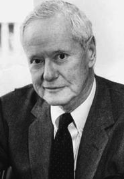 Robert K. Merton合作论文数Columbia University8
 marjorie fiske合作论文数6K. E. Duffin合作论文数4Stuart Strickland合作论文数4Celia Modgil合作论文数4Carlo Mongardini合作论文数4I. Bernard Cohen合作论文数4
 Rivka Feldhay合作论文数4Simonetta Tabboni合作论文数4Yehuda Elkana合作论文数4Sohan Modgil合作论文数4Jon Clark合作论文数4Kf Townley合作论文数1George G. Reader合作论文数1
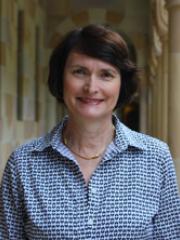 Annemaree Carroll合作论文数School of Education, Faculty of Humanities and Social Sciences, The University of Queensland1
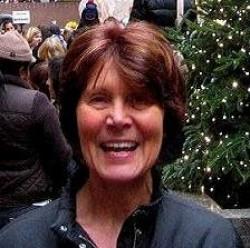 Karin Knorr Cetina合作论文数Department of Sociology and Anthropology, The University of Chicago1
 Kevin Durkin合作论文数University of Strathclyde1
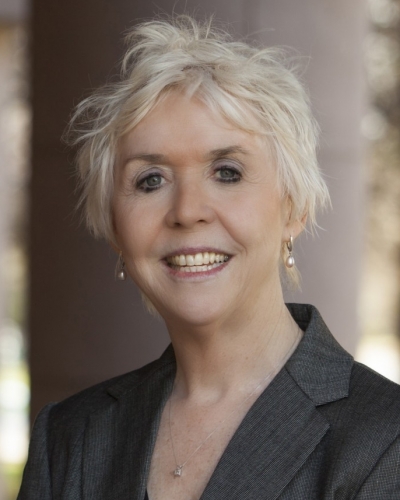 Sharon Vaughn合作论文数Department of Special Education, College of Education, The University of Texas at Austin;The Meadows Center for Preventing Educational Risk, The University of Texas at Austin1R. Mcknight合作论文数1Jeanne Shay Schumm合作论文数1
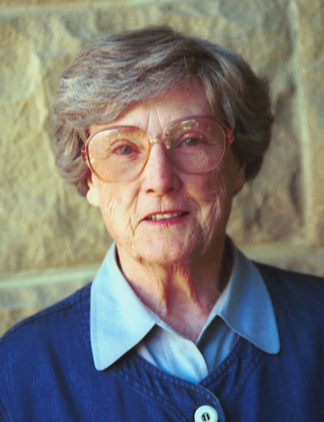 Eleanor Maccoby合作论文数Stanford University1H. Rutherford Turnbull合作论文数1
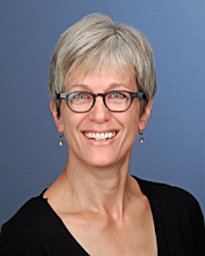 Mary Morningstar合作论文数University of Kansas1
 Stephen Houghton合作论文数Graduate School of Education, University of Western Australia1Susan Feigelman合作论文数Beijing Normal University, Beijing Normal University1Edward A. Tiryakian合作论文数1Jennifer Galbraith合作论文数1Melanie Mauthner合作论文数1Jane Sinagub合作论文数1Henry P. Cole合作论文数1
 Caroline Heary合作论文数School of Psychology, National University of Ireland Galway1
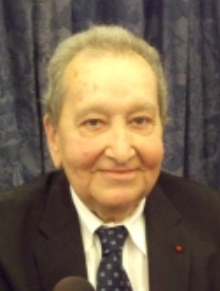 Raymond Boudon合作论文数University of Paris-Sorbonne1




