Lipid exchange between populations of non-fusing protocells, mediated by monomer diffusion through the aqueous phase, is a key process underlying protocell growth and compositional equilibration. While most theoretical descriptions consider single-component membranes with constant desorption rates, the influence of vesicle size and lipid composition on lipid-transfer dynamics remains poorly understood. Here, we develop a kinetic model for lipid exchange in multicomponent protocell populations that incorporates lipid species with different desorption rates and composition-dependent membrane packing effects. We show that lipid composition heterogeneity introduces multiple equilibration timescales and can generate non-monotonic dynamics, including transient overshoots of intermediate lipid species. Vesicle-size asymmetry controls the direction and rate of lipid transfer, determining the donor or acceptor character of individual vesicle populations. Membrane compression further modifies lipid-transfer kinetics and vesicle-area evolution. These results demonstrate how vesicle size, lipid composition, and membrane packing jointly govern lipid-transfer dynamics in heterogeneous protocell populations.
We consider an ensemble of drones moving in a two-dimensional domain, each one of them carrying a communication device, and we investigate the problem of information transfer in the swarm when the transmission capabilities are short range. The problem is discussed under the framework of temporal networks, and special attention is paid to the analysis of the transmission time of messages transported within the swarm. Traditional theoretical methods of graph theory are extended to tackle the problem of time-varying networks and a numerical analysis of the detection time statistics is performed in order to evaluate the efficiency of the communication network as a function of the parameters characterizing the swarm dynamics.
The kinetics of spontaneous monomer transfer between vesicles consisting of zwitterionic phospholipids is dictated by the difference in desorption rate of lipid monomers from their donor vesicles and the concentration imbalance in the dispersion. In a system with two lipid species with the same headgroup, transfer is asymmetric, and takes place from the population of donor vesicles consisting of shorter chain lipids to acceptor ones of longer chain. Transfer typically proceeds until equilibrium is reached, resulting in populations of vesicles consisting of a binary mixture of both lipid species, whose concentration depends on the number of lipids in the precursor donor and acceptor vesicles before transfer.Upon the introduction of a second lipid species in the donor vesicle population, the desorption rate of monomers should change with time, since the composition of donor vesicles changes when monomers of a given lipid type desorb. To tackle this problem, we added a cationic lipid, 1,2-dimyristoyl-3-trimethylammonium-propane (DMTAP), into donor zwitterionic lipid vesicles and assessed how the concentration of DMTAP affects the lipid transfer process. Lipid transfer is the result of the interplay between the initial concentration of DMTAP in the donor vesicles (and related probability of desorption at short transfer times) and their concomitant time-dependent concentration (and thus desorption rate) change due to the depletion of monomer species as the transfer process proceeds.
Spontaneous lipid vesiculation and related size distribution are traditionally studied in the framework of equilibrium thermodynamics and continuum mechanics, overlooking the kinetic aspects of the process. In the scenario of liposomes consisting of different lipid molecules dispersed in the same medium - a non-equilibrium situation -, the system evolves driven by lipid monomer transfer among the different liposomes. This process encompasses time-dependent changes in liposome size and size distribution, thus predicting size and composition at a given time would entail the control of the size of liposomes by kinetic means, an asset in the framework of diagnostics and synthetic biology. We introduce a direct transfer model, based on the fact that monomers are highly reactive species and apply it to saturated phospholipid molecules differing in hydrophobic chain length. Considering a well-defined gamma-type liposome size distribution, we demonstrate a clear liposome size-composition correlation and are able to predict liposome size and size distribution at any time in the transfer process. The size-composition correlation opens up new prospects for the control of the self-assembling properties of lipids and thereby the control of the liposome size.
Lipid transfer between vesicle systems by monomer diffusion is typically investigated using deterministic kinetic models and fluorescent label-based experiments that yield averaged dynamic information of changes in vesicle properties like size and concentration. Obtaining quantitative information about the distribution of sizes and concentrations at each time remains not straightforward and, in many cases, inaccessible. In this work we have resolved inter-vesicle lipid transfer for asymmetric systems via monomer diffusion under non-equilibrium conditions. Our approach consists of departing from a well-defined non equilibrium state, where zwitterionic vesicles differing in hydrophobic chain length are incubated, and experimentally monitoring the temporal evolution of size and concentration. For this purpose, we have combined complementary techniques, namely dynamic light scattering and quartz crystal microbalance with dissipation monitoring. The size and concentration behavior agree well with the predictions of a kinetic deterministic model and motivate the study of monomer transfer in the framework of stochastic simulations. Furthermore, we have introduced the use of equilibrium Monte Carlo simulations to unravel the quantitative distribution of vesicles with a given concentration present at different times during the transfer process. Results show the temporal evolution of the system from a non-equilibrium state at short incubation times consisting of many coexisting lipid concentrations towards a steady state of a single concentration at long incubation times. The methodology used acts as a reference point to more complex systems, i.e., lipid monomer transfer between confined lipid systems and in the presence of external stimuli.(c) 2022 Elsevier B.V. All rights reserved.
The interest in nano-sized lipid vesicles in nano-biotechnology relies on their use as mimics for endosomes, exosomes, and nanocarriers for drug delivery. The interactions between nanoscale size lipid vesicles and cell membranes involve spontaneous interbilayer lipid transfer by several mechanisms, such as monomer transfer or hemifusion. Experimental approaches toward monitoring lipid transfer between nanoscale-sized vesicles typically consist of transfer assays by fluorescence microscopy requiring the use of labels or calorimetric measurements, which in turn require a large amount of sample. Here, the capability of a label-free surface-sensitive method, quartz crystal microbalance with dissipation monitoring (QCM-D), was used to monitor lipid transfer kinetics at minimal concentrations and to elucidate how lipid physicochemical properties influence the nature of the transfer mechanism and dictate its dynamics. By studying time-dependent phase transitions obtained from nanoviscosity measurements, the transfer rates (unidirectional or bidirectional) between two vesicle populations consisting of lipids with the same head group and differing alkyl chain length can be estimated. Lipid transfer is asymmetric and unidirectional from shorter-chain lipid donor vesicles to longer-chain lipid acceptor vesicles. The transfer is dramatically reduced when the vesicle populations are incubated at temperatures below the melting of one of the vesicle populations.
We examine the effect of rough surfaces on crystal nucleation by means of kinetic Monte Carlo simulations. Our work makes use of three-dimensional kMC models, explicit representation of transport in solution and rough surfaces modeled as randomly varying height fluctuations (roughness) with exponentially decaying correlation length (topology). We use Forward-Flux Sampling to determine the nucleation rate for crystallization for surfaces of different roughness and topology and show that the effect on crystallization is a complex interplay between the two. For surfaces with low roughness, small clusters form on the surface but as clusters become larger they are increasingly likely to be found in the bulk solution while rougher surfaces eventually favor heterogeneous nucleation on the surface. In both cases, the rough surface raises the local supersaturation in the solution thus leading to another mechanism of enhanced nucleation rate.
A finite-time fluctuation theorem for the diffusion-influenced surface reaction A <=> B is investigated for spherical and Janus catalytic particles. The finite-time rates and thermodynamic force are analytically calculated by solving diffusion equations with the special boundary conditions of the finite-time fluctuation theorem. Theory is compared with numerical simulations carried out with two different methods: a random walk algorithm and multiparticle collision dynamics.
A combined experimental and theoretical study is presented of fluctuations observed by field ion microscopy in the catalytic reaction of water production on a rhodium tip. A stochastic approach is developed to provide a comprehensive understanding of the different phenomena observed in the experiment, including burst noise manifesting itself in a bistability regime, noisy oscillations, and nanopatterns with a cross-like oxidized zone separating the surface into four quadrants centered on the {111} facets. The study is based on a stochastic model numerically simulating the processes of adsorption, desorption, reaction, and transport. The surface diffusion of hydrogen is described as a percolation process dominated by large clusters corresponding to the four quadrants. The model reproduces the observed phenomena in the ranges of temperature, pressures, and electric field of the experiment.
A buoyancy-driven hydrodynamic instability appearing when an aqueous acid solution of HCl overlies a denser alkaline aqueous solution of NaOH in a vertically oriented Hele-Shaw cell is studied both experimentally and theoretically. The peculiarity of this reactive convection pattern is its asymmetry with regard to the initial contact line between the two solutions as convective plumes develop in the acidic solution only. We investigate here by a linear stability analysis (LSA) of a reaction-diffusion-convection model of a simple A+B→C reaction the relative role of solutal versus thermal effects in the origin and location of this instability. We show that heat effects are much weaker than concentration-related ones such that the heat of reaction only plays a minor role on the dynamics. Computation of density profiles and of the stability analysis eigenfunctions confirm that the convective motions result from a diffusive layer convection mechanism whereby a locally unstable density stratification develops in the upper acidic layer because of the difference in the diffusion coefficients of the chemical species. The growth rate and wavelength of the pattern are determined experimentally as a function of the Brinkman parameter of the problem and compare favorably with the theoretical predictions of both LSA and nonlinear simulations.
Surface nanobubbles are nanoscale gaseous objects that form on hydrophobic surfaces in contact with water. Understanding nanobubble formation and stability remains challenging due to the lack of appropriate theoretical framework and adequate modelling. Here we present a non-equilibrium coarse-grained model for nanobubbles at hydrophobic surfaces. The model is based on a lattice-gas model that has been proposed to understand the hydrophobic effect to which dynamical properties are added. The results presented demonstrate the ability of the model to reproduce the basic features of stable surface nanobubbles, which, thereby, supports the dynamical origin of these objects.
Buoyancy-driven flows induced by the hydrodynamic Rayleigh-Taylor or double-diffusive instabilities develop symmetrically around the initial contact line when two solutions of given solutes with different densities are put in contact in the gravitational field. If the solutes affecting the densities of these solutions are involved in chemical reactions, changes in composition due to the underlying reaction-diffusion processes can modify the density profile in space and time, and affect the hydrodynamic patterns. In particular, if the density difference between the two reactant solutions is not too large, the resulting chemo-hydrodynamic patterns are asymmetric with regard to the initial contact line. We quantify both experimentally and numerically this asymmetry showing that fingers here preferentially develop above the reaction zone and not across the mixing zone as in the non reactive situation. In some cases, the reaction can even lead to the onset of a secondary double-diffusive instability between the product of the reaction, dynamically generated in situ, and one of the reactants.
Measurements of two-dimensional (2D) temperature fields are performed by an interferometric method during density fingering of the autocatalytic chlorite-tetrathionate reaction in a Hele-Shaw cell. These measures confirm that, because of heat losses through the glass walls of the reactor, the temperature profile across the front is a pulse rather than a front. Moreover, the full 2D temperature field shows the presence in the reactive zone of hot spots where the temperature exceeds the maximum temperature measured in a stable planar front. We investigate here experimentally the increase of temperature in the hot spots when the composition of the reactants is varied to increase the exothermicity of the reaction. We back up these experimental observations by nonlinear simulations of a reaction-diffusion-convection model which show that the maximum temperature reached in the system depends on the intensity of convection.
This chapter contains sections titled: Introduction Modeling structure and interaction of globular proteins Methodology Molecular size effects on the metastable protein-rich/protein-poor phase coexistence Surface tension Nucleation and Protein Size Conclusion and Final Remarks Acknowledgments References
The study of buoyancy-driven instabilities triggered by chemical reactions has gained renewed interest because of their implications in CO2 sequestration techniques among others. The theoretical models describing the evolution of the unstable interface between two miscible solutions, each containing a reactant, have to be compared to laboratory-scale experiments. We expose the diverse visualization methods we used to experimentally study the related buoyancy-driven instabilities of chemical fronts and their possible influence on the dynamics. This way, quantitative comparisons with numerical simulations give good agreements. INTRODUCTION: Chemical reactions and buoyancy-driven instabilities can often interplay in fluid dynamics. For instance, in the specific case of CO2 sequestration in the ground or in aquifers, chemical reactions induce changes in the properties of the fluids (changes in the density or in the viscosity), or eventually in the properties of the porous medium (changes in the porosity). In turn, related hydrodynamic instabilities change the mixing of reactants and the yield of the reaction. We present here the techniques to use or to avoid when experimentally studying the dynamics resulting from the coupling between chemical reactions and hydrodynamic instabilities. More specifically, we focus here on buoyancydriven instabilities in porous media, for which the buoyant flows are of particular importance for mixing in the absence of any external forcing flow. Therefore, we use a Hele-Shaw cell (Figure 1 left), i.e. two glass plates separated by a thin gap width, that allows quantitative comparisons with two-dimensional numerical models of porous media. Two miscible solutions, each containing a reactant A or B, are put into contact, one above the other [1]. By diffusion and convection, species A and B meet and the reaction A+B→C produces species C (Figure 1 right). The buoyancy-driven instabilities result from the gradients of density in the gravity field. In the absence of reaction, three types of instability can appear [2]. The Rayleigh-Taylor instability (RT) is known to appear when a denser fluid is put on top of a less dense one. Double-diffusive (DD) fingering and diffusive layer convection (DLC) instabilities develop when the upper solute and the lower solute diffuse at different rates. In presence of reactions, the number of possible scenarios increases up to 32. To tackle and analyze these various cases, experimental investigation is necessary. In order to get a maximum of quantitative results, visualizations techniques must be accurate. We emphasize this with the example of an acid base reaction between HCl and NaOH solutions [3-7]. 15 International Symposium on Flow Visualization June 25-28, 2012, Minsk, Belarus ISFV15 – Minsk / Belarus – 2012 1. EXPERIMENTAL SYSTEM: The experiments are performed in a vertically oriented Hele-Shaw cell specifically designed to create a planar interface between two solutions [1]. The gap width is typically 0.5mm. The upper layer is filled from a hole made on top of the cell, and the bottom layer is filled from a hole at the bottom of the cell (in green on Figure 1). Two exhaust holes are situated on the middle right and middle left of the cell (in red on Figure 1). They aim at evacuating the excess of liquid, and at defining the initial condition of a flat interface between the two reactants. This is done by first imposing a flux of solution from top and bottom (arrows on Figure 1). Upper and lower solutions meet on a line along the exhaust hole and the stagnation point in the middle of the cell. The experiment starts when the injection fluxes are stopped. We then let the system evolve from this situation. The thickness of the initial mixing zone between the two reactants depends on the initial flux, as a competition between advection and diffusion at the stagnation point. The reaction chosen is the neutralization reaction between HCl and NaOH in aqueous solutions. As they are strong acid and base, they are fully dissociated in the solution. Due to electroneutrality, we consider that ions go by pair. So species A is chosen to be the H/Cl couple and species B is the Na/OH couple. The product C is Na/Cl. The reactiondiffusion evolution of the species in the absence of convection is reported on Figure 1 right. Fig.1: Left: Sketch of the vertically oriented Hele Shaw cell filled with an upper solution (in yellow) and a lower solution (in blue). The cell is filled through holes (in green). The excess is evacuated thanks to two exhaust holes (in red). Right: Sketch of the reaction-diffusion concentration profiles of solutes A and B at two different times. 15 International Symposium on Flow Visualization June 25-28, 2012, Minsk, Belarus ISFV15 – Minsk / Belarus – 2012 2. VISUALISATION TECHNIQUES: As the solutions are transparent and colorless, the first idea would be to use a color indicator to track the pH variations and the reaction zone. Unfortunately, we show in section 2.5 that the color indicator, as a reacting species, can modify the dynamics of the system and the resulting pattern [6,7]. This is why we first present non-intrusive techniques. 2.1 SCHLIEREN TECHNIQUE: The variations in concentrations and temperature modify the local optical index. The contributions are 0.0083 l mol for HCl, 0.0098 l mol for NaOH, 0.0106 l mol for NaCl and 0.001 K for temperature (from ref. 8). As a consequence, we used a Toepler’s single-field-lens schlieren arrangement [9]. The knive edge was put horizontal, to vizualise the gradients in the vertical direction. An example for a molar solution of HCl on top of a molar solution of NaOH is reported on Fig. 2. We clearly see the emergence of fingers, as an evidence of convection, in the upper layer only [3,4]. The reaction front, i.e. the zone of coexistence of reactants, is visible as a thin flat horizontal line separating on the bottom the dark and white zones. Fig.2: Visualization of the pattern induced by putting a 1M HCl solution on top of 1M NaOH solution. The field of view is 24 mm large.
The effect of molecule size (excluded volume) and the range of interaction on the surface tension, phase diagram, and nucleation properties of a model globular protein is investigated using a combination of Monte Carlo simulations and finite temperature classical density functional theory calculations. We use a parametrized potential that can vary smoothly from the standard Lennard-Jones interaction characteristic of simple fluids to the ten Wolde-Frenkel model for the effective interaction of globular proteins in solution. We find that the large excluded volume characteristic of large macromolecules such as proteins is the dominant effect in determining the liquid-vapor surface tension and nucleation properties. The variation of the range of the potential is important only in the case of small excluded volumes such as for simple fluids. The DFT calculations are then used to study the homogeneous nucleation of the high-density phase from the low-density phase including the nucleation barriers, nucleation pathways, and rate. It is found that the nucleation barriers are typically only a few k(B)T and that the nucleation rates are substantially higher than would be predicted by classical nucleation theory.
In the gravity field, density changes triggered by a kinetic scheme as simple as A+B-->C can induce or affect buoyancy-driven instabilities at a horizontal interface between two solutions containing initially the scalars A and B. On the basis of a general reaction-diffusion-convection model, we analyze to what extent the reaction can destabilize otherwise buoyantly stable density stratifications. We furthermore show that, even if the underlying nonreactive system is buoyantly unstable, the reaction breaks the symmetry of the developing patterns. This is demonstrated both numerically and experimentally on the specific example of a simple acid-base neutralization reaction.
The validity of the principle of corresponding states is investigated for the case of a potential with more than one intrinsic length scale. The planar surface tension of coexisting liquid and vapor phases of a fluid of Lennard-Jones atoms is studied as a function of the range of the potential using both Monte Carlo simulations and density functional theory (DFT). The interaction range is varied from r(c)(*) = 2.5 to r(c)(*) = 6 and the surface tension is determined for temperatures ranging from T(*) = 0.7 up to the critical temperature in each case. The simulation results are consistent with previous studies and are shown to obey the law of corresponding states even though the potential has two intrinsic length scales. It is further shown that the corresponding states principle can also be used to enhance the accuracy of some, but not all, DFT calculations of the surface tension. The results show that most of the cutoff dependence of the surface tension can be explained as a result of changes in the cutoff-dependent phase diagram and that corresponding states can be a useful tool for explaining differences between theory and simulation.
The equilibrium density distribution and thermodynamic properties of a Lennard-Jones fluid confined to nanosized spherical cavities at a constant chemical potential was determined using Monte Carlo simulations. The results describe both a single cavity with semi-permeable walls as well as a collection of closed cavities formed at the constant chemical potential. The results are compared to calculations using classical density functional theory (DFT). It is found that the DFT calculations give a quantitatively accurate description of the pressure and structure of the fluid. Both theory and simulation show the presence of a 'reverse' liquid-vapor transition whereby the equilibrium state is a liquid at large volumes but becomes a vapor at small volumes.
The question of whether the Tsallis entropy is Lesche-stable is revisited. It is argued that when physical averages are computed with the escort probabilities, the correct application of the concept of Lesche-stability requires use of the escort probabilities. As a consequence, as shown here, the Tsallis entropy is unstable but the thermodynamic averages are stable. We further show that Lesche stability as well as thermodynamic stability can be obtained if the homogeneous entropy is used as the basis of the formulation of non-extensive thermodynamics. In this approach, the escort distribution arises naturally as a secondary structure. Copyright c © EPLA, 2009 Introduction. – The concept of non-extensive thermodynamics was introduced by Tsallis about 20 years ago [1] and has generated a large literature. The original idea was that for systems out of equilibrium where the Boltzmann distribution no longer holds, the Boltzmann entropy could be replaced by a more general function while maintaining the formalism of thermodynamics. In particular, maximization of the entropy under the usual constraints (normalized probabilities, fixed internal energy) yields the so-called q-exponential distribution that generalizes the usual Boltzmann distribution of classical statistical mechanics. While this seems straightforward now, it did in fact require considerable effort to arrive at the now-accepted form of the theory. A particular issue that was historically important and that remains problematic is the notion of thermodynamic stability since the Tsallis entropy gives negative specific heats in certain circumstances [2–5]. Nevertheless, this was one of the issues that motivated the advocation of nontrivial averaging procedures in non-extensive thermodynamics [3]. A new controversy has arisen based on a recent paper by Abe where it is shown that averages computed within the non-extensive formalism are unstable in the sense that a small change in the distribution function can lead to a large change in the computed average [6]. This surprising result should be understood in a broader context wherein it was originally asked whether the Tsallis entropy is (a)E-mail: jlutsko@ulb.ac.be stable with respect to changes in the distribution. This was shown to be true by Abe [7] so the result that averages of observables are unstable while the entropy is stable appears quite surprising. In this paper we question whether either fact has actually been proven. In short, our argument is that Lesche-stability is motivated by making correspondence with an experimental procedure and that this means it should be understood in terms of the probabilities that govern the observation of a given microstate. In the usual formulation of non-extensive thermodynamics, those are the escort probabilities. When understood in this way, it is easy to show that the Tsallis entropy is not Lesche-stable. This would appear to create an uncomfortable situation in which the Tsallis formulation is not Lesche-stable and in which thermodynamic stability is also problematic. We contend that this can be resolved by a shift of viewpoint in which the physical probabilities are taken as being fundamental. While the Tsallis entropy cannot be satisfactorily formulated in this way [8], a closely related functional, the homogeneous entropy, appears as a natural alternative. We show that the homogeneous entropy is in fact Lesche stable, gives positive-definite specific heats, yields the usual q-exponential distributions when maximized and gives rise to a consistent thermodynamics. Non-extensive thermodynamics. – Tsallis formalism. The usual non-extensive formalism can be illustrated as follows. Consider a system composed
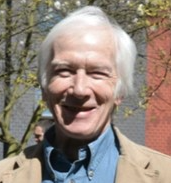 Jean Pierre Boon合作论文数Department of Physics, Université Libre de Bruxelles16
 James (Jim) F. Lutsko合作论文数Department of Physics, University Libre de Bruxelles9
 Anne De Wit合作论文数Department of Chemistry, Université libre de Bruxelles6
 Laure Bar合作论文数3
 Christophe Almarcha合作论文数3
 DUBOIS Frank合作论文数Physical Chemistry Dept A.S.Microgravity Research Center, Universite Libre de Bruxelles3
 Patricia Losada-Perez合作论文数Departamento de Física Aplicada As Lagoas s/n, Universidad de Vigo3
 Philip MJ Trevelyan合作论文数2
 P Lallemand合作论文数2
 Pierre Gaspard合作论文数Département de Physique, Faculte des Sciences, Universite Libre De Bruxelles2Aldo Frezzotti合作论文数Politecnico di Milano;Dipartimento di Matematica;Dipartimento di Matematica, Politecnico di Milano2George Cordoyiannis合作论文数2Jonathan Chin合作论文数2
 Edo Boek合作论文数Centre for Sustainable Engineering, School of Engineering and Materials Science, Queen Mary University of London;Digital Environment Research Institute, Queen Mary University of London;University of Cambridge2Jonathan Goole合作论文数2A AlSunaidi合作论文数1david a meyer合作论文数1D. Horvath合作论文数1
 Martin Eduardo Villanueva合作论文数1T Tóth合作论文数1Shova Neupane合作论文数1C M Care合作论文数1
 Ramin Golestanian合作论文数Rudolf Peierls Centre for Theoretical Physics, Department of Physics, University of Oxford;Department of Living Matter Physics, Max Planck Institute for Dynamics and Self-Organization;University of Göttingen1
 Reinier Akkermans合作论文数1Luis Atilio Riolfo合作论文数1
 Patrick B. Warren合作论文数Sci-Tech Daresbury1
 Davide Marenduzzo合作论文数School of Physics and Astronomy, University of Edinburgh1Laidet Julien合作论文数1L. Lemaigre合作论文数1
 Julia Yeomans合作论文数Rudolf Peierls Centre for Theoretical Physics, Department of Physics, St Hilda's College, University of Oxford1
 Leonid A. Bunimovich合作论文数School of Mathematics, College of Sciences, Georgia Institute of Technology1Chin Jonathan合作论文数1Dupin M M合作论文数1
 Mu-Jie Huang合作论文数Department of Physics, National Central University1Ian Halliday合作论文数1Gérard T合作论文数1
 Federico Toschi合作论文数Department of Applied Physics and Science Education, Eindhoven University of Technology;Department of Mathematics and Computer Science, Eindhoven University of Technology;Centre of Excellence for Multiscale Phenomena, Eindhoven University of Technology1
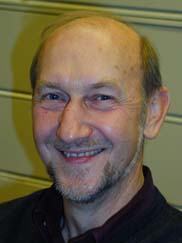 Raymond Kapral合作论文数Lash Miller Chemical Laboratories, Department of Chemistry, Faculty of Arts & Science, University of Toronto1
 Peter Coveney合作论文数Centre for Computational Science,Department of Chemistry, Faculty of Maths & Physical Sciences, University College London;University of Amsterdam1
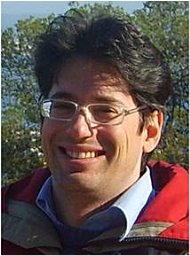 E. Abad合作论文数Centre for Nonlinear Phenomena and Complex Systems;Universite Libre de Bruxelles;Centre for Nonlinear Phenomena and Complex Systems, Universite Libre de Bruxelles1Carlo Cercignani合作论文数1
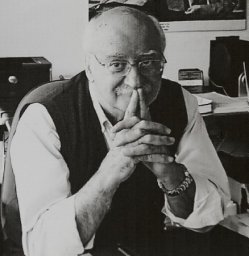 Giovanni Ciccotti合作论文数Dipartimento di Fisica1
 Jens Harting合作论文数Department of Applied Physics;Eindhoven University of Technology;Department of Applied Physics, Eindhoven University of Technology1
 Wouter K. den Otter合作论文数Department of Pathology, Pasteurstraat 2, Utrecht, The Netherlands1
 Byung Chan Eu合作论文数1
 Sauro Succi合作论文数Center for Life Nano Science, Istituto Italiano di Tecnologia;School of Engineering and Applied Sciences, Harvard University1
 Bruce Boghosian合作论文数1
 E.G.D. Cohen合作论文数The Rockefeller University1
 Rafael Delgado-Buscalioni合作论文数Departmento de Ciencias y Técnicas Fisicoquímicas, UNED1




