Acute painful vaso-occlusive episodes (VOEs) are the primary reason for emergency department visit by sickle cell disease (SCD) patients and contribute to significant morbidity in SCD. Crizanlizumab, a first-in-class humanized anti-P-selectin IgG2 monoclonal antibody, is approved in more than 40 countries for prevention of VOEs in 16 years or older SCD patients. Inclacumab, a fully human anti-P-selectin IgG4 mAb in clinical development is believed to have stronger affinity to P-selectin and greater maximal inhibition of cell-cell interactions than crizanlizumab. Using in vitro blinded experiments, we investigated whether crizanlizumab and inclacumab can be differentiated in terms of P-selectin binding affinity and inhibition of P-selectin-mediated cell adhesion in blood samples from healthy volunteers or SCD patients. Surface Plasmon Resonance revealed that inclacumab had higher P-selectin binding affinity than crizanlizumab, however, the inhibition of P-selectin-mediated cell adhesion was higher or comparable with crizanlizumab than inclacumab. Crizanlizumab and inclacumab were comparable in inhibiting leukocyte and erythrocyte adhesion to P-selection under vascular mimetic flow in microfluidic channels, leukocyte-platelet aggregation, and platelet aggregation in SCD patient or control human blood. In summary, these results suggest that comparable or higher inhibition of cell adhesion with crizanlizumab vs inclacumab does not correlate with P-selectin binding affinity. Ultimately, clinical trials are required to evaluate how crizanlizumab vs inclacumab translate into treatment outcomes in SCD patients.
P-selectin adhesion is a well-described mechanism for vaso-occlusive crises (VOC) in sickle cell disease (SCD). Crizanlizumab (Criz) is a humanized monoclonal antibody targeting p-selectin to reduce the annualized frequency of VOCs by blocking inter-cellular adhesion involving red blood cells (RBCs), platelets, neutrophils, and endothelial cells to improve microvascular blood flow. SCD patients are prescribed Criz based on clinical presentations, such as historical VOC frequency and response is monitored solely by patient-reported reductions in pain crises. We developed a flow adhesion of whole blood to p-selectin (FA-WB-PSEL) test that enables clinicians to distinguish “biologic” responders from non-responders, monitor therapeutic efficacy, and provide a validated means to monitor response to anti-p-selectin therapy, such as Criz treatment in SCD. Our landmark ELIPSIS study demonstrated FA-WB-PSEL above a critical threshold (50 cells/mm2) stratifies individuals with SCD at clinical baseline for future risk of VOC. More recently, we reported Criz reduced FA-WB-PSEL levels 1-year post-treatment (p = 0.0280) in SCD patients (n = 14) and pre-treatment levels strongly correlated with Criz response (r = 0.5788) [REF]. We identified “complete” biologic responders that resolved critical FA-WB-PSEL levels post-treatment although “incomplete” responders maintained critical values post-treatment. “Non-responders” maintained FA-WB-PSEL levels below the critical threshold pre- and post-treatment whereas “adverse” responders exceeded the critical threshold post-treatment. This study is a retrospective assessment of FA-WB-PSEL alongside clinical outcomes to provide a comprehensive view of treatment efficacy to guide evidence-based treatment decisions. Micro-fluidic, flow-based technology was used to measure FA-WB-PSEL levels by pressurizing whole blood samples in a well to drive flow over immobilized p-selectin protein under physiologically relevant flow conditions. FA-WB-PSEL was ordered as a standard, clinical send-out (CSO) test (PLA 0121) at 5 U.S. clinics from 2019-2024. Ordering physicians indicated reasons for testing (e.g., baseline, monitoring therapy, change in clinical status) and documented current SCD-modifying treatment (e.g., Criz) on an electronic sample requisition form in our HIPAA-compliant laboratory information system (LIS; Ignite). Blood samples were drawn in sodium citrate vaccutainers and shipped overnight to our Detroit central lab in specialized shipping containers validated to maintain internal temperature between 2-8oC. Lab values were exported from Ignite and an IRB-approved waiver of informed consent permitted extraction of reliable, clinically documented SCD complications and corresponding treatments from electronic medical records. Eligible patients with confirmed therapy start/stop dates were required to undergo testing at ≥ 3 clinic visits pre- and post-Criz treatment (≤1 missed Criz infusion permissible). Descriptive statistics were utilized to summarize patient data. We received 5507 blood samples from 994 SCD patients. There were 22 Criz-treated SCD patients identified; 2 patients discontinued treatment due to patient-reported worsening of SCD-related symptoms and17 displayed poor therapeutic adherence and/or did not meet the minimum sample requirements 1yr pre- and post-treatment. Three patients completed at least 11 Criz infusions within 1-year post-treatment. Of these, FA-WB-PSEL levels decreased from 49.9±13.47 to 30.34±0.80 cells/mm2 alongside transfusions (3pre to 2post events), ER visits (16 pre to 10 post events), and hospital admissions (18 pre to 10 post events) 1yr post-treatment. One “complete” and two biologic “non-responders” were identified. This study reports promising clinical data to support significant reductions in FA-WB-PSEL levels post-Criz treatment alongside clinical outcomes. These findings may shed light on personalized treatment strategies and enhance patient outcomes by aligning clinical endpoints with specific biologic phenotypes. Ongoing studies are underway to further assess the relationship between clinical/biologic responders/non-responders in a larger patient cohort.
Abstract Presentation Date: 6/9/2024 Presentation Start Time: 3:30:00 PM Background Sickle cell disease (SCD) is a rare, mono-genetic disease that prevents hemoglobin (Hb) and red blood cells (RBCs) from adequately delivering oxygen throughout the body. Although transfusion and hydroxyurea have historically been the standard of care, newly approved SCD-modifying and investigational therapies ultimately improve the health of circulating RBCs by increased affinity of Hb for oxygen, direct inhibition of p-selectin-mediated adhesion, reduction in RBC oxidative stress, and induction of fetal hemoglobin. Biomarkers to assess RBC health are poorly validated and not routinely available for SCD management thus, frequent and unpredictable vaso-occlusive episodes (VOEs) remain the standard clinical endpoints for clinical trials and patient care. We developed proprietary, adhesion assays as measurable targets of RBC health based on decades of data demonstrating RBC adhesion promotes VOEs, correlates with VOE frequency, and decreases alongside VOEs in response to therapy. Our RBC health biomarkers are available for clinicians to monitor patient response to therapy, identify severe disease phenotypes, and predict impending vaso-occlusive episodes (VOEs). We are the 1st to offer flow-based adhesion bioassays in a “real-world” clinical setting. The objective of this study is to provide an update on our real-world assessment of RBC health biomarkers in patients living with SCD. Methods Blood samples were received from 10 US clinics between March 2018 and February 2024. Biomarkers were ordered as standard clinical send-out (CSO) labs using unique Proprietary Laboratory Analysis (PLA) codes, including mechanical fragility (MFI3min & MFI10min 0123U) and, flow adhesion of whole blood to VCAM (FA-WB-VCAM; 0121U) and p-selectin (FA-WB-PSEL; 0122U). Samples were drawn in sodium citrate vacutainers and shipped overnight to our central lab in Detroit, MI. Specialized shipping containers were validated to maintain internal temperature between 2-8oC for 72 hrs. CSO lab values were exported from our laboratory management system (Ignite Medical Technologies) following an IRB-approved waiver of informed consent permitting access to patient information: clinical labs, VOE-related ER visits and hospitalizations, confirmed SCD-modifying therapy start/stop dates, pain and fatigue scores, and standard-of-care labs. Results A total of 19,629 (6543 clinical samples X 3 tests) individual tests were performed during the analysis period on 6543 individual clinical blood samples from 897 unique patients (female=506; male=391). These individuals were represented across the following age ranges: 0-9yrs (n = 298), 10-19yrs (n = 271), 20-29yrs (n = 141), 30-39yrs (n = 100), 40-49yrs (n = 49), and 50-59yrs (n = 26), 60-69yrs (n = 7), 70-79yrs (n = 4), and 80-89yrs (n = 1). Indications for testing included acute crisis (2841), baseline (1005), monitor therapy (1846), start therapy (100), and not specified (735). The number of blood samples tested in patients receiving SCD-modifying therapies includes the following: hydroxyurea (n = 3020), adakveo (n = 1240), voxelotor (n = 259), and endari (n = 289). Critical values were reported for 28.2% of all CSO labs received (5544 of 19629 samples): FA-WB-VCAM (1689), FA-WB-PSEL (2576), MFI3min (546), and MFI10min (733). Conclusions This report validates that careful coordination with our clinical send-out sites can facilitate successful sample acquisition, shipping, and processing of FA-WB-VCAM, FA-WB-Psel, and MF testing in a central lab setting. Most (50.1%) testing was indicated to monitor patients on therapy and a 132% increase since our last report (from 770 to 1846 samples) compared to a 24% increase in testing to assess RBC health at baseline or during acute crisis. This is likely due to the recent surge in approved SCD-modifying therapies in the last 6 years. We have generated the largest dataset of flow-based adhesion and membrane stability testing in clinical blood samples and will continue to analyze this data to assess the clinical utility of RBC health functional biomarkers in SCD. We recently reported a cellular level response to Adakveo (p-selectin inhibitor) in SCD patients pre- and post-treatment using FA-WB-PSEL. Additionally, FA-WB-PSEL was significantly lower post-treatment and, pre-treatment levels correlated with biomarker response to real-world Adakveo therapy. In a more recent report, we further validated that baseline FA-WB-VCAM identifies severe SCD phenotypes in a “real world” clinical setting and, SCD patients with severe adhesion phenotypes are associated with increased healthcare utilization. Multiple investigator-led collaborations are underway to leverage access to our population-scale RBC health database to gain more insight into post-market SCD-modifying therapies in the “real world”, identification of severe disease phenotypes, risk-stratification of impending VOEs, and evaluation of the baseline vs. acute crises state.
Presentation Date: 6/9/2024 Presentation Start Time: 2:27:00 PM Fetal hemoglobin (HbF) is established as a potent modulator of severity in sickle cell disease (SCD); any increment has been shown to be beneficial. Hydroxyurea maintains HbF at high levels in children with SCD, with some decline at age 10 years. HU reduces widespread organ damage, and a HbF level > 8.6% corrects survival. Proportions of RBCs containing HbF (F-cells) and amount of HbF/cell are both considered important parameters for benefit, with >70% F-cells and 10 pg F/cell proposed as targets. As many adults do not tolerate optimal doses due to myelosuppression, additional therapies which can be used with HU are considered desirable. Benserazide (PB-04) was discovered in a high throughput screen to induce the fetal globin gene promoter, and to suppress or displace 4 repressors associated with HPFH, including Bcl-11A, KLF-1, LSD-1, and HDAC-3. In a Ph1b dose-ranging Study of PK, Safety, and preliminary efficacy (NCT04432631) which first enrolled beta thalassemia patients, active doses were identified which induced F-reticulocytes up to 14.8-fold, F-cells up to 7-fold, HbF/cell up to 11-fold, and HbF up to 14% >baseline. In a prior report, PB-04 treatment restored myelopoiesis which was profoundly suppressed by HU in sickle mice and reduced organ damage. Accordingly, 2 single daily doses were explored in 7 individual subjects with SCD, of whom 3 were taking HU at MTD. Patients with HbSS or S-beta thalassemia were enrolled sequentially to receive either 3 or 5 mg/kg/dose to a maximum dose of 350 mg, once/day, 3 days/week (QOD) for 24 wks. Baseline chemistry and CBC laboratory values, medical history, QOL assessments, and assays of HbF, F-cells, F-reticulocytes, and mean HbF/cell by flow cytometry were obtained during screening, every 4 weeks during the treatment period, and at 4-8 weeks afterwards. PK studies were performed on day 1 and at/ after week 4. Sickling of F-cells, F-reticulocytes after 20 minutes of deoxygenation was assessed by ImageMaster for round or sickled cells, and whole blood adhesion to VCAM were performed every 3 months. Although not powered to detect statistical significance, signed rank non-parametric tests or t-tests were preliminarily performed to assess potential early trends. Seven individual subjects (ages 31-51 years, mean 37 years; 4 female) enrolled on 8 treatment courses. There were no drug-related SAEs. Significant increases in F-cells (from mean BL 48.9% to 62.9% (p = 0.03), F-reticulocytes (mean increase 20%, p < 0.001), and HbF (up to 13.8% above BL) were observed. In HU-treated subjects, F-cells increased from mean 63% to 80%. A dose-proportional increase was observed in 3 subjects who were taking HU at MTD. Addition of PB-04 to 2/2 subjects at 5 mg/kg increased HbF further to levels >30% and F-cells >80%, and to 13% HbF, 94.7% F-cells in the subject who received the 3 mg/kg dose. The mean proportion of RBCs with normal morphology after prolonged deoxygenation increased from BL 50.9% to 82% (p = 0.043). Whole blood adhesion to VCAM declined in 3 subjects. Responses are illustrated in Figure 1. Preliminary investigation on a Ph1b safety study strongly suggests that PB-04 increases HbF expression assessed by F-cell proportions, amount of HbF/cell, and total HbF levels, has additive activity with HU, achieving targets for reducing disease severity. The findings support further investigation of this therapeutic and additional dosing regimens in larger numbers of patients with sickle cell disease. HbF Expression with PB-04 Baseline values are shown in blue; peak values with PB-04 are shown in yellow. Left panel: F-reticulocytes The top three subjects in the left panel were taking HU at MTD. Right panel: HbF/cell (MFI)
Sickle cell disease (SCD) results in the production of sickle hemoglobin (HbS), which polymerizes causing red blood cells (RBCs) to sickle. Voxelotor (vox), an HbS polymerization inhibitor, stabilizes oxygenated Hb, reducing RBC sickling. While the HOPE trial established that vox increases RBC survival, as evidenced by a 1 g/dL Hb increase, its impact on overall RBC health is not well established. This study aimed to assess the pharmacodynamic impact of vox on RBC health and ultimately on clinical outcomes. Blood samples from 4 SCD clinical sites were collected from 2018-2024. Samples were shipped overnight to our central Detroit lab, in containers that maintained 2-8°C for up to 72 hours. Laboratory values were exported from the Ignite Medical Technologies system under an IRB-approved waiver, using de-identified patient information. Sample means were compared using a linear mixed model for repeated measures and a paired t-test for patient mean analysis; p-values <0.05 were considered statistically significant. More than 5000 blood samples from 994 unique patients (551 females and 443 males) were analyzed. The age distribution of patients: 0-10 (n=269), 11-20 (n=340), 21-30 (n=178), 31-40 (n=102), 41-50 (n=64), 51-60 (n=26), 61-70 (n=7), 71-80 (n=5), and over 80 years (n=1). We analyzed flow adhesion of whole blood to VCAM in samples from 994 patients, comparing those on vox (n=601, 337±249 cells/mm²) to those not on vox (n=4906, 360±276 cells/mm²,p=0.368). Though not statistically significant, the trend towards reduced adhesion on vox aligns with a phase 3 clinical trial showing a decrease in FA-WB-VCAM with a similar Hb-modifying therapy, Oxivelotor (Santosh et. al. ASH 2023). We also evaluated the temporal response of patients pre and post vox therapy. Among 994 unique patients, we identified 32 patients on vox observed >90 days with 2 or more off-therapy and 2 or more on-therapy samples. 12 of 32 patients were identified with FA-WB-VCAM off-therapy values >400 cells/mm², the threshold above which steady state SCD patients are at higher risk of self-reported VOC events (White et. al. BCMD 2020). FA-WB-VCAM levels and pain scores trended lower on therapy (563±162 vs 487±185 cells/mm², p=0.148; 7.0±2.8 vs 6.0±3.9, p=0.271), although these reductions were not statistically significant. FA-WB-Psel is more specific for white blood cell adhesion in the context of whole blood and stratifies SCD patients according to their risk of developing self-reported VOC (Hines et. al. BJH 2021). FA-WB-Psel decreased significantly from 80±30 to 54±29 cells/mm² on-therapy (p=0.041), suggesting an improvement in systemic inflammation and lower risk for future self-reported VOC events. 20 of 32 patients with FA-WB-VCAM off-therapy values <400 cells/mm² showed no significant changes in FA-WB-VCAM, FA-WB-Psel levels, or self-reported pain scores after vox treatment. This report represents the first multi-center real-world assessment of the impact of vox on clinical biomarkers of RBC health. We observed trends towards improved RBC adhesive properties in SCD patients on vox, consistent with previously reported results with other Hb-modifying therapies such as hydroxyurea (Bartolucci et. al. Blood 2010) and Oxivelotor. vox therapy demonstrated a significant reduction in P-selectin-mediated adhesion in patients with baseline VCAM adhesion phenotypes above established thresholds. These data support the need to establish baseline biological phenotypes in SCD patients, as this insight may help predict responses to Hb-modifying therapies and enable the use of blood-based surrogate endpoints to monitor treatment response and assess drug efficacy in SCD.
The pipeline of clinical trials for sickle cell disease (SCD) therapies has expanded substantially, exposing limitations in the existing clinical trial infrastructure. Clinical trials in the U.S. and Europe struggle with limited patient access. Conducting SCD clinical trials in sub-saharan Africa (SSA) could enable innovative therapies to reach the patients who experience the most significant burden of SCD. There are several factors impacting the advancement of clinical trials in SSA including understanding cultural nuances, supply chain issues and lack of specialty laboratory infrastructure needed to generate data that meets the quality standards for clinical research in the U.S. and Europe. We hypothesized that quality standards of a US-based RBC specialty lab could be reproduced in Nigeria, for proprietary biomarkers including flow adhesion of whole blood to vascular adhesion molecule (FA-WB-VCAM), P-selectin (FA-WB-Psel) and LoRRCA. We replicated a Detroit, MI-based clinical site and RBC specialty lab in Awka, Nigeria. Standard operating procedures (SOPs) from the Detroit site were transferred, and training was provided to the Nigeria-based lab team for LoRRA and the proprietary FA-WB-VCAM, FA-WB-Psel assays. Blood samples were obtained from individuals with documented HbSS based on patient records. Whole blood samples were collected in sodium citrate and EDTA tubes, stored in shipping containers at 2-8 degrees celsius, and transported to the Functional Fluidics lab facility in Awka, Nigeria within 48hrs. Functional Fluidics Nigeria-based laboratory team transferred patient data to the US-based team for analysis. FA-WB-VCAM, FA-WB-Psel, and LoRRCA results from samples collected from individuals with SCD recruited in the US and performed in the Detroit, MI facility were compared to FA-WB-VCAM, FA-WB-Psel, and LoRRCA results from samples collected from individuals with SCD recruited in Nigeria and performed in the Awka, Nigeria facility. The Nigeria clinical site and specialty lab was able to address major challenges including cultural barriers, supply chain deficiencies and lack of patient education. To address cultural barriers, an on-site team, native to the existing culture and sensitive to the regional nuances was established. They collaborate effectively with our US-based team to ensure harmonization of standards and procedures. Supply chain gaps were addressed to enable time sensitive, temperature-controlled sample shipments with strict compliance with regulatory standards. Improvements in patient education and outcomes were initiated with established scientific and medical partnerships to engage regional Non-governmental Organizations (NGOs). The comparative analysis between the US and Nigeria SCD populations showed significantly greater adhesive and reduced deformability properties in the Nigeria population.The median (range) of the adhesion value obtained for biomarkers in the US vs the Nigeria population were n=994, 284 (12-1313) cells/mm2 (US) vs n=12, 560 (45-799) cells/mm2(Nigeria) for FA-WB-VCAM, 44 (2-487) cells/mm2 (US) vs 35 (7-117)cells/mm2 (Nigeria) for FA-WB-Psel. The data also showed reduced deformability properties with LoRRCA Oxygenscan (expressed as median with range) at EImin 0.12 (0.06-0.26) (US, n=8) and 0.03 (0.01-0.20) (Nigeria, n=6) and EImax- 0.45 (0.37-0.57) PoS- 33-49 mmHg (US) and EImax- 0.3-0.37, PoS- 49-57 mmHg (Nigeria) Sub-saharan Africa has the highest global disease burden of SCD and has traditionally been underrepresented in clinical trials. More clinical trials in this region could accelerate clinical trial recruitment, and make innovative therapies more accessible. In this report, we demonstrate that a clinical site and RBC specialty lab established in Awka, Nigeria can adopt SOPs for proprietary flow adhesion assays and LoRRCA and demonstrate similar performance metrics. The ability to conduct high-complexity RBC function testing in Nigeria removes a major barrier to producing clinical trial data that can be compared broadly across multiple geographies. This could also have significant implications for comparing efficacy of SCD-modifying therapies across different geographies. Additional studies are underway to evaluate differences between US and Nigeria SCD populations.
Abstract Presentation Date: 6/9/2024 Presentation Start Time: 4:00:00 PM Background Sickle cell anemia has been considered a rare disease for a long time. Recently it has been estimated that the number of cases is constantly increasing and the number of deaths, many of which are children under the age of five, is constantly growing. Dynamic sickling assay a novel Deoxygenated hemoglobin S (HbS) polymerization leads to red blood cell (RBC) sickling which drives the molecular pathogenesis of sickle cell disease (SCD). In recent decades the scientific community has invested enormous effort in finding new therapies and treatments, including hemoglobin (Hb) modifiers, fetal Hb (HbF) inducers, pyruvate kinase activators, and gene editing therapies, that reduce the HbS polymerization rate and prevent RBC sickling, thus targeting a fundamental mechanism of the disease. Effective monitoring biomarkers are therefore needed to objectively assess target engagement and pharmacodynamic impact. Dynamic sickling assay (DSA) provides a novel approach to assess morphologic RBC sickling kinetics through induced hypoxia using a simple enzymatic reaction. The process of hypoxia-induced RBC sickling is captured by time lapse microscopy and analyzed with a machine learning algorithm to evaluate dynamic changes in RBC morphology. The resulting sickling profiles encompass several important characteristics, including area under the curve, calculated as the integral of the sickling profile (AUC15), delay of induced sickling, labeled as morphologic point of sickling at 5% (mPoSi@5%) and 50% (mPoSi@50%) and maximum rate of sickling (ratei@50%). This multi-faceted approach assures a comprehensive assessment of cell sickling behaviors and the resistance to low oxygen saturation. Methods Eight patient samples were treated with different doses of voxelotor, including 0%, 25%, 50%, 75%, 100% and 125% of modification. Data from sickling morphology (DSA) and deformability (ektacytometry), an important cell membrane biomechanical property and one determinant for vaso-occlusive crisis (VOC) in SCD, obtained using the commercially available ektacytometry (oxygenscan mode), were collected simultaneously. To assess the ability of DSA to determine the therapeutic effects in a dose-response study of an FDA-approved Hb-modifier treatment (voxelotor) to SCD, we correlated sickling parameters with deformability data. Sickling parameters obtained from untreated samples have also been correlated to available hematological markers, typically associated with SCD severity. Pearson correlation coefficients and linear regression analyses were obtained using GraphPad Prism. p-values < 0.05 were considered statistically significant. Results Significant correlations were found between DSA and ektacytometry parameters (Figure 1A). Minimum elongation (Elmin) and point of sickling (PoS) from ektacytometry significantly correlated with AUC15 (r= -0.86 and r = 0.84, respectively; p < 0.0001), mPoSi@5% (r = 0.76 and r= -0.65, respectively; p < 0.0001), mPoSi@50% (r = 0.83 and r= -0.86, respectively; p < 0.0001) (Figure 1B) and ratei@50% (r= -0.65 and r = 0.67, respectively; p < 0.0001). Hematological markers and DSA parameters in eight untreated patient samples showed significant correlations. The delay in the induced sickling (mPoSi@50%) correlates with HbF (r = 0.95, p < 0.0001), HbS (r= -0.90, p = 0.002), RBC count (r = 0.96, p < 0.0001), hematocrit (r = 0.75, p = 0.03), percentage of neutrophils (r = 0.97, p < 0.0001), lymphocytes (r= -0.87, p = 0.005) and reticulocytes (r= -0.83, p = 0.01), IRF (r= -0.71, p = 0.048) and RET-He (r= -0.86, p = 0.006). Refer to figure 2 for the comprehensive correlation analysis. Conclusions Measurements of morphologic sickling kinetics using DSA showed statistically significant correlations with ektacytometry-based RBC deformability parameters in a dose-response study. This data demonstrates that DSA may be an important pharmacodynamic assessment tool for effectiveness of therapies. Morphologic sickling kinetics biomarkers may also be used to characterize SCD phenotype and risk-stratification, as supported by the correlation between DSA and hematologic parameters. Additional studies are ongoing to assess the utility of DSA as a pharmacodynamic assessment tool and to determine the clinical predictive value of morphologic sickling kinetics for outcomes such as VOCs, acute chest syndrome, stroke, pulmonary hypertension, and sickle nephropathy.
In this perspective article, we present the state of the microfluidic field regarding current limitations and propose future directions and new approaches for the field to advance lab-on-a-chip technologies closer to translation and clinical use.
BEAM-101 is an investigational cell therapy comprised of autologous CD34+ hematopoietic stem cells that are base edited to introduce A-to-G substitutions into the HBG1/2 gene promoters to disrupt BCL11A binding, leading to increased HbF production. The BEACON Phase 1/2 clinical trial is an open-label, single-arm, multicenter study evaluating the safety and efficacy of BEAM-101 in patients (pts) with sickle cell disease (SCD) and severe vaso-occlusive crisis (VOC). Biomarkers of red blood cell (RBC) health and function including cellular expression of HbF and HbS, flow adhesion of whole blood to vascular cell adhesion molecule 1 (FA-WB-VCAM) and P-selectin (FA-WB-PSel), real-time sickling kinetics, hemorheology, and RBC morphology were measured before and after BEAM-101 treatment to assess the degree of resolution of SCD pathophysiology with this therapy. Whole blood (WB) samples were collected from pts and double stained for HbF and HbS, followed by a duplex flow cytometry. For adhesion, WB samples were perfused through VCAM1- or PSel-coated microfluidic channels using pulsatile shear stress and images acquired and analyzed. Real-time sickling kinetics were captured using the dynamic sickling assay (DSA). Hemorheological assessments of blood such as oxygen affinity, deformability & RBC density were performed, as well as RBC count and cellular morphology. Preliminary data as of July 2, 2024 includes exploratory biomarker assessments for ≥2 of the following visits: screening, Month (M) 1, 2, 3, and 6 for up to 3 pts (P1, P2, P3). Duplex flow cytometry was performed at screening, M1, M2, and M6 (M6 for P1 only) for the first 3 pts and transfused cells were gated out in analysis. Total HbF+ cells in P1/2/3 increased from 34.1/20.8/48.5% at screening to >98% at M1 and >99% at M2; this further increased to 99.9% at M6 in P1. Total HbS+ cells in P1/2/3 decreased from 87.1/97.9/87.3% at screening to 34.6/26.2/19.1% at M2, respectively; this further decreased to 10.9% at M6 in P1. We observed >19 pg HbF/F-cell after treatment in all pts, above the protective threshold of 10pg to prevent sickling. Cells expressing HbS only for P1/2/3 were reduced to insignificant numbers after treatment from 65.9/79.1/51.4% at screening, to <2% at M1, and <0.4% at M2; this further reduced to 0.1% at M6 in P1. Adherent cells as assessed by FA-WB-VCAM in P1/2 were reduced from 616/689 at screening to 68/179 cells/mm2 at M3. Adherent cells in FA-WB-PSel in P1/2 were reduced from 52/118 at screening to 17.5/14 cells/mm2 at M3. Adhesion indices after BEAM-101 treatment for VCAM1 and P-selectin (predictive biomarkers for VOCs in SCD) were well below the critical SCD index of 408 and 46 cells/mm2, respectively. An increase in time under hypoxia for morphological point of sickling (mPoS), as well as a decrease in rate of sickling, maximum induced sickling and area under the curve (AUC) after BEAM-101 treatment were observed in P1/2 that were comparable to measurements observed in sickle cell trait (SCT) reference samples. In P1, p50 decreased from 30.9 at screening to 22.7 mm Hg at M6 [normal reference range (ref): 23-28.5 mm Hg] indicating higher oxygen affinity post-treatment; PoS decreased from 41.8 at screening to 16.5 mm Hg at M6 (HbSS ref: 17-85.4 mmHg) supporting mPoS observed in DSA; % dense RBC decreased from 7.3% at screening to 3.7% at M6 (HbSS ref: 2-21.5%). Abnormal morphology and sickle cells at screening resolved by M4/M6 in P1 and P2 along with an increase in RBC count. Based on available data on exploratory biomarkers in up to 3 pts, we demonstrate 98-99% of RBCs expressing HbF as early as M1, with near complete elimination of RBCs expressing solely HbS post-BEAM-101. Flow adhesion showed reduction in cell adhesion from higher levels pretreatment to significantly below the critical threshold by M3 post-BEAM-101 indicating improvement in blood health and predicting reduced risk for VOC. Reduced RBC sickling, comparable to SCT, was demonstrated post-BEAM-101 treatment. Oxygen affinity, RBC deformability and density showed improvements in hemorheological properties of blood post-BEAM-101. Finally, improvement in RBC cell number and resolution of abnormal RBC morphology were observed post-BEAM-101. In summary, the initial RBC functional biomarker data support base editing of the HBG1/2 promoters as a potentially transformative therapeutic modality for the treatment of SCD and will continue to be investigated in the ongoing BEACON study.
Sickle cell disease (SCD) results from a mono-genetic mutation in the hemoglobin (Hb) gene that promotes frequent sickling-unsickling events which causes destabilization of RBC membranes and cell lysis, elevated plasma free Hb, and subsequent oxidative stress, inflammation, reticulocytosis, abnormal RBC adhesive interactions and, RBC trapping in small blood vessels. Great strides have been witnessed in recent years with the approval of five SCD-modifying therapies targeting distinct mechanisms nearly a half century following the first use of hydroxyurea (HU) to reduce the frequency of VOEs by inducing fetal hemoglobin (HbF) levels in sickle RBCs. Lack of reliable, blood-based biomarkers to objectively define VOEs in SCD burdens providers to prescribe therapies heavily based on subjective, patient-reported pain crises. We developed RBC health biomarkers to objectively define SCD clinical state at baseline, during crises, and while on therapy. P-selectin is a major contributor to micro-vascular occlusion and was the 1st direct therapeutic target to inhibit vaso-occlusive adhesive events that precede VOEs in SCD using Adakveo, a humanized monoclonal antibody against P-selectin. The objective of this study was to confirm the value of our flow adhesion of whole blood to P-selectin (FA-WB-PSEL) biomarker in distinguishing Adakveo responders from non-responders and monitoring patient response to therapy in a real-world clinical setting. This study is a retrospective assessment of FA-WB-PSEL in SCD patients from 5 US clinics between 2018-2024 on/off Adakveo therapy. Biomarkers were ordered as standard, clinical send-out (CSO) tests and an IRB-approved waiver of informed consent permitted access to patient medical records. We compared FA-WB-PSEL levels in blood samples from Adakveo-treated and non-treated patients and, individual SCD patients that received at least 3 biomarker evaluations within 1-year pre- and 1-year post-Adakveo treatment. We received 5507 clinical samples from 994 SCD patients; 1160 samples were collected during treatment from 61 patients as reported by clinicians on sample requisition forms and, 14 patients with confirmed Adakveo therapy start dates. Non-treated samples (n=4347) were significantly more adherent than Adakveo samples (n=1160; 56.4±52 to 51.7±45, p=0.0001) and the proportion of FA-WB-PSEL levels measuring above the critical threshold (50 cells/mm2) was significantly reduced from 42.9% to 39.5% (p=0.039). Similarly, Adakveo significantly reduced the adhesive phenotype of WB samples obtained from 61 SCD patients (nAdakveo=1014; nnon-treated=1159; 61±54 cells/mm² to 52±45 cells/mm², p=0.0071) as well as critical biomarker levels (46.6% to 40%, p=0.0021) and, the proportion of patients with severe pain (pain score >=7 in a 0-10 scale) decreased significantly from 92.2% to 85.7% (p=0.0000). There were 36 of 61 patients with FA-WB-PSEL levels within normal range (<50 cells/mm2); FA-WB-PSEL levels and pain scores were not affected by treatment. However, 25 patients with critical FA-WB-PSEL levels demonstrated significant decreases in adhesion (76±25 to 49±19 cells/mm², p<0.05). Provider-confirmed therapy start dates identified 14 unique SCD patients with significantly reduced FA-WB-PSEL levels post-treatment (meanpre=69.97±10.01 cells/mm2, meanpost=45.93±5.14 cells/mm2, p=0.0494) as previously reported and, non-treated FA-WB-PSEL levels strongly correlated with patient response to therapy (r=-0.7877, p=0.0013). Also, SCD patients (n=10) exhibiting high P-selectin activity (>50 cells/mm2) in the pre-treatment period were significantly more responsive to Adakveo 1-year post-treatment (meanpre=89.35±7.31 cells/mm2, meanpost=50.61±5.05 cells/mm2, p=0.001) and biomarker levels stabilize post-treatment (SDpre=60.27±4.59 cells/mm2, SDpost=34.19±5.45 cells/mm2, p=0.001) whereas, the low P-selectin activity cohort was unaffected (data not shown). These data further support the use of our FA-WB-PSEL biomarker to distinguish Adakveo responders from non-responders and monitor patient response to P-selectin targeted therapies in SCD and beyond. Ongoing studies are underway to validate FA-WB-PSEL as a surrogate endpoint for VOEs in clinical trials and in the real-world clinical setting.
INTRODUCTION: Polymerization of deoxygenated sickle hemoglobin (HbS) leads to erythrocyte sickling. Treatment in sickle cell disease (SCD) aims to reduce the risks of red blood cell (RBC) sickling and associated complications including, but not limited to vaso-occlusive crises (VOC). There is substantial promise in developing therapies targeting HbS polymerization that consequently decrease RBC sickling, a fundamental pathophysiological driver of SCD. Nonetheless, there are limited options available for reliable diagnostic tools for the assessment of disease status and therapeutic outcomes. A robust and easy-to-use system to assess population-scale sickling kinetics and to monitor responses to Hb-modifying therapies in clinical trials for the clinical management of patients may be beneficial. We have developed a dynamic sickling assay (DSA) that uses an enzymatic oxygen scavenging system to provide tight control over the rate and depth of induced-hypoxia. DSA is able to differentiate samples based on endogenous Hb expression and can be used to monitor sickling kinetics pre- and post HbS-modifying therapies, including hematopoietic stem cell transplantation (HSCT). METHODS: SCD and sickle cell trait (SCT) subjects were recruited under the RBC Health Initiative IRB protocol number FF-RBC-003. Four hematopoietic stem cell transplant (HSCT) SCD subjects were enrolled in NIH haploidentical HSCT protocol 17-H-0069. Diluted blood samples were supplemented with protocatechuic acid (PCA), followed by protocatechuate 3,4-dioxygenase (PCD) enzyme inducing hypoxia at a predetermined rate. The sample was then injected into a microfluidic chamber, and resulting RBC morphological changes were observed and captured with time-lapse photography. Image analysis identified and quantified RBC using an AI-trained SICKLE image analysis software. HbAS (n=3), HbSS with HbA (post-transfusion, n=3) and HbSS samples containing 3.1 to 34.5% HbF (n=9) were processed with DSA to assess the effects of hemoglobin distribution on sickling kinetics.Pre- and post-HSCT samples were run to ascertain the effect on sickling kinetics at baseline, 3M, 6M and 12M post-HSCT. Sickling profiles were constructed enabling a comprehensive assessment of RBC sickling and treatment outcomes. The reported parameters include: mPOS@5% (time to reach 5% induced sickling, min), mPOS@50% (time to reach 50% maximum induced sickling,min), rate of sickling (the maximum sickling rate, %/min), maximum induced sickling (the highest induced sickling percentage, %), AUC at 10min (area under the curve@10min of DSA, %∙minute) RESULTS: DSA inter-run CVs are 6.9% for mPOS@5%, 3.8% for mPOS@50%, 2.7% for max sickling, 4.2% for AUC and 10.8% for the rate of sickling. Statistically significant correlations are observed between %HbS and rate of sickling, max sickling, mPOS@5%, and AUC at 10min. As percentages of Hb increased in transfused SCD patient samples, there were noticeable correlations between the delay in mPOS@5% and decreased rate of sickling, maximum sickling, and AUC10. Similarly, as HbA percentages increased in SCT samples, a decrease in AUC10 and max sickling were observed. Transfused and SCT samples did not show statistical significance due to sample size limitations. However, there was a strong correlation in delay of mPOS@5% and mPOS@50%, as well as a decrease in the rate of sickling and AUC10 with increasing percentages of HbF in samples (Table 1). Comparing pre-HSCT (BL) sample sickling kinetics to 3, 6 and 12 month post-HSCT samples showed decreases in the rate of sickling (from 44.4 to 0.6%), maximum sickling (from 45-23%), decreases in AUC and delays in mPOS (Table 2). CONCLUSIONS: This study found significant linear relationships between %HbS and sickling parameters.As HbA percentage increases in transfused SCD and SCT samples, improvements in sickling parameters are observed. There is a strong correlation between increased HbF percentage and improved DSA parameters. Comparative data analysis from patients pre- and post-HSCT also show improvement in sickling parameters. Overall, DSA provides a simple, robust method for assessing responses to Hb differences and monitoring SCD therapies such as gene-editing.
Sickle cell disease (SCD) is a red blood cell (RBC) disorder that is associated with frequent and unpredictable vaso-occlusive episodes (VOEs) including pulmonary hypertension, acute chest syndrome, chronic anemia, priapism, splenic and renal dysfunction, and stoke. The total cost to manage a SCD patient with a life expectancy of 64 years is between $1.3-$2.1M. Within the United States alone, up to 67% of adults have ≥3 VOEs per yearthat accounts for most of the healthcare utilization, including 78% of emergency room (ER) visits and 95% of hospitalizations. Despite the same single gene mutation of beta-globin, the frequency of VOEs amongst patients is highly variable. The pathophysiology of VOEs involves a complex interplay between circulating blood cells and elevated plasma factors that promote abnormal interactions to the vascular endothelium. Nearly a half century ago studies demonstrated RBC adhesion strongly correlates with disease severity however only recently standardized testing has become available to assess adhesion clinically. More specifically, we developed a suite of RBC health biomarkers and deployed our flow adhesion bioassays in our landmark, observational study (ELIPSIS). We established that flow adhesion of whole blood to vascular cell adhesion molecule-1 (FA -WB-VCAM) at baseline stratified SCD patients with severe disease phenotypes and validated the clinical predictive value of FA-WB-VCAM two years post-ELIPSIS. The objective of this study was to determine whether baseline FA-WB-VCAM biomarker levels could predict patients more likely to receive direct healthcare contact (ER visits/hospital admissions) to manage SCD complications. This study was a retrospective assessment of clinical FA-WB-VCAM in individuals with SCD during steady state between January 2020 through March 2023. Flow adhesion assays were performed using pulsatile, shear flow (1.67Hz, 1.0 dyne/cm 2). SCD patients that received at least 3 steady state FA-WB-VCAM biomarker evaluations within 1-year were included in this analysis. Clinical site received an IRB waiver to obtain patient-reported ER visits and hospitalizations during relevant time periods. We calculated a composite adhesion index by averaging baseline FA-WB-VCAM biomarker evaluations and established SCD disease severity by quantifying the number of ER visits and hospital admissions one year after the most recent FA-WB-VCAM biomarker evaluation. The non-parametric Wilcoxon matched pairs signed rank test was used to test the statistical differences between groups. Data are presented as mean ± standard error of mean. A p-value < 0.05 was considered statistically significant. Out of a total of 3939 clinical tests performed, 366 samples were obtained for “baseline” indications. Of these, only 28 samples were analyzed from 9 unique patients who met the study criteria described above. The average flow adhesion of whole blood to VCAM-1 (FA-WB-VCAM) in SCD patients with high adhesion phenotypes (>400 cells/mm 2) was significantly higher than the low/moderate SCD cohort (mean high=603±78 cells/mm 2, mean low/moderate=343±28 cells/mm 2, p=0.02). More important, the high adhesion cohort had more ER visits (11 vs. 5) and hospitalizations (24 vs 9) and significantly higher healthcare costs ($35,871 vs. $13,563). This is the first healthcare cost analysis assessing the relationship between SCD patients stratified by their adhesive phenotype using the standardized, clinical adhesion biomarker FA-WB-VCAM, and healthcare utilization. The previous ELIPSIS study established that baseline FA-WB-VCAM stratifies patients based on their risk of developing self-reported VOCs during a 6-month longitudinal observation period and their risk of higher clinical disease severity in a 2-year follow-up study. Consistent with this data, the current study demonstrated that a cohort of SCD patients with elevated baseline adhesion phenotypes based on FA-WB-VCAM had a greater utilization of healthcare resources (ER visits and hospitalizations) and had a higher cost of care during the retrospective observation period. These data suggest that RBC health as indicated by “baseline” FA-WB-VCAM levels may predict lower health care utilization and costs, and that this biomarker may be a plausible surrogate endpoint to assess the pharmaco-economic impact of SCD-modifying therapies.
Background: Sickle cell disease (SCD) is characterized by repeated episodes of vaso-occlusion (VOC) that can lead to a host of complications including acute and chronic pain. Prior studies have demonstrated acute changes in RBC health biomarker flow adhesion of whole blood to VCAM-1 (FA-WB-VCAM) and P-Selectin (FA-WB-Psel). Adhesive indices are significantly elevated during a proadhesive VOC. We examined whether individuals with SCD with and without chronic pain will exhibit differences in RBC health biomarkers between steady state and acute VOC pain. Methods: This was a 6-month, longitudinal, case-control cohort pilot study of FA-WB-VCAM and FA-WB-Psel indices collected in youth with SCD at Children's National Hospital in Washington, DC. SCD chronic pain patients (as defined per AAPT diagnostic criteria) were classified as “cases,” and SCD patients without chronic pain were “controls.” Controls were age (± 2 years), and genotype matched to cases. Both FA-WB-VCAM and FA-WB-Psel were collected at baseline and during acute VOC with assays performed by Functional Fluidics Inc. in Detroit, MI. Patient-reported outcomes were captured as pain scores and through completion of the centralized pain index survey to assess for centralized pain features of chronic pain. Statistical analysis included descriptive statistics and categorical analysis by t-test (GraphPad, v9, 2021). P value <0.05 was statistically significant. Results: We identified 10 pediatric patients, 4 with chronic pain “cases” and 6 without chronic pain “controls” with FA-WB-VCAM and FA-WB-Psel assays performed at baseline and during an acute VOC episode. The average age of the cohort was 17.5 years with 70% females (n=7) and 30% males (n=3). Eighty percent (n=8) of the cohort were HgbSS and 20% (n=2) HgbSC genotype. Twenty-five percent (n=1) of the chronic pain patients were on disease-modifying therapy (DMT) with hydroxyurea (HU) at study initiation [all patients had been offered ≥ 1 FDA-approved DMT and previously discontinued DMT use due to intolerable side effects or personal choice], whereas 83% (n=5) of the control patients were on DMT with 50% (n=3) being on dual DMT therapy (HU + voxelotor or HU + crizanlizumab). The chronic pain cohort had a higher average number of ED visits/year than the control cohort (14 ± 7 vs. 4 ± 2 ED visits/year, p=0.11). The average baseline pain score for the chronic pain cohort was 7.25 versus 1.16 in the control cohort (p= 0.069). Centralized pain index survey responses were similar between both groups [median (IQR): 11.5 (7.25 - 15) vs. 9 (7-16), p=0.72)]. Figures 1A and 1B show a comparison of FA-WB-VCAM and FA-WB-Psel at baseline versus acute VOC for each chronic pain (P) “case” with their respective “controls (C).” The average baseline FA-WB-VCAM (P: 555.8 ± 605.3 vs. C: 435.3 ± 217 cells/mm2, p=0.905) and the average baseline FA-WB-PSel (P: 83.5 ± 64.5 vs. C: 57.33 ± 45.4, p=0.833) were similar between the cohort of chronic pain versus control subjects. Acute VOC FA-WB-VCAM (P: 722 ± 366.6 vs. C: 553.5 ± 309.6 cells/mm2, p=0.667) and FA-WB-PSel (P: 116.3 ± 66.6 vs. C: 98.7 ±96 cells/mm2, p=0.777) adhesion values were similar between cases and controls although adhesion values trended higher than baseline for both groups. All the cases had acute VOC adhesion indices above clinically established critical thresholds [Figure 1A and 1B]. The FA-WB-VCAM adhesion values increased from baseline in 75% (n=3) of the chronic pain patients (#3, #14, #16) during acute VOC. All the chronic pain patients (#3, #7, #14, #16) showed increased FA-WB-Psel adhesion from baseline during acute VOC [Figure 1A and 1B]. Fifty percent (n=3) of the control patients (#10, #12, #28) exhibited increased FA-WB-VCAM adhesion during acute VOC, and 60% (n=4) of the controls (#4, #5, #10, #28) exhibited increased FA-WB-Psel adhesion during acute VOC. Conclusions: We showed changes in RBC health vascular adhesion markers from baseline to acute VOC in patients with and without chronic pain. FA-WB-VCAM and FA-WB-Psel trended higher in the chronic pain cohort and all acute VOC values for the chronic pain cohort were above established critical thresholds. FA-WB-Psel adhesion increased from baseline with the onset of acute VOC episodes for most of the chronic pain cohort. Mechanistically, there is a need to understand differences in acute versus chronic pain, which may provide further insight into pro-adhesive versus non-vascular pain mechanisms.
Background Sickle cell disease (SCD) is characterized by frequent and unpredictable vaso-occlusive episodes (VOEs) often associated with microvascular blood cell adhesion. P-selectin adhesion has been shown to be a mediator of pathologic adhesive interactions involved in VOEs and is a therapeutic target for SCD-modifying therapies. Adakveo is an FDA-approved (2019) P-selectin monoclonal antibody (mAB) therapy shown to reduce the annualized frequency of VOEs in patients with SCD. Due to the lack of clinically available blood-based biomarkers to define an individual's cellular-level response to therapeutic p-selectin inhibition, providers often rely on the clinical assessment of VOE frequency and intensity to assess an individual's response to anti-p-selectin therapy. This may have contributed to the recently failed Phase 3 clinical trial. In this report, we monitored the cellular-level response to therapeutic p-selectin inhibition by Adakveo administered in a real-world clinical setting using the flow adhesion of whole blood to P-selectin (FA-WB-Psel) assay. Methods This study was a retrospective assessment of FA-WB-Psel biomarker levels before and after clinical administration of Adakveo between January 2019 through June 2022. Flow adhesion of whole blood to p-selectin (FA-WB-Psel ) assays were performed using pulsatile, shear flow (1.67Hz, 1.0 dyne/cm2). SCD patients that received at least 3 biomarker evaluations within 1-year pre-Adakveo and up to 1-year post-Adakveo treatment were included in this analysis. Clinical site received an IRB waiver to confirm therapy start/stop dates. The non-parametric Wilcoxon matched pairs signed rank test was used to test the statistical differences between groups. Data are presented as mean ± standard error of mean. A p-value < 0.05 was considered statistically significant. Results There were 15 patients that met the study criteria described above. All patients included were African American with a confirmed HbSS genotype and mean age of 31 years (93% female and 7% male). Of 475 biomarker evaluations, 169 were obtained pre-Adakveo administration, 247 obtained 1-year post-adakveo, and 59 obtained 2-years post-adakveo. Most patients (87%) had FA-WB-Psel biomarker levels above the critical threshold (46 cells/mm 2). Adakveo significantly reduced and stabilized P-selectin activity (FA-WB-PSEL) 12-months (mean pre=84.32 ± 8.44 cells/mm 2, mean post=48.02 ± 4.54 cells/mm2, p=0.001) and up to 24-months (p=0.0003) following Adakveo initiation. Higher pre-Adakveo FA-WB-Psel levels correlate with greater inhibition of cellular-level response to clinically administered Adakveo (r 2=0.4133). Discussion This study provides the first report of FA-WB-Psel adhesion levels in a real-world SCD population initiated on Adakveo therapy. We observed a statistically significant decrease in FA-WB-Psel following Adakveo initiation, suggesting that FA-WB-Psel may be an effective monitoring biomarker for anti-p-selectin therapy in clinical trials and clinical therapy. Patients with low pre-Adakveo FA-WB-Psel levels may be less likely to experience therapeutic p-selectin inhibition, and in fact may be at risk for increased FA-WB-Psel. Studies are underway to assess a potential role for FA-WB-Psel as a predictive biomarker to identify potential Adakveo responders, a monitoring biomarker to serially assess the pharmaco-dynamic response to Adakveo, and a potential surrogate endpoint for therapeutic p-selectin inhibition.
Extensive evidence has shown fetal hemoglobin (HbF) is a major modulator of sickle cell disease (SCD) phenotype. Clinical benefit with any increment of HbF was shown in the NIH-sponsored Natural History Study and the Multicenter Study of Hydroxyurea (HU), with mean HbF increases of 3.6% above baseline (BL), to improve survival, reduce painful vaso-occlusive crises, and recently stroke prevention and improved cardiac and neurocognitive function with HU are reported. As some patients do not tolerate optimal HU doses due to cytopenias, additional inducers suitable for combined use are desirable. Proportions of F-cells and HbF-quantity/cell have been cited as important. PB-04, a repurposed drug with a well-known safety profile, is an oral fetal globin stimulant identified in high throughput screening, which suppresses 4 repressors of the HMG gene promoter, ( BCL-11A, LSD-1, HDAC-3, KLF-1). PB-04 induces fetal globin in nonhuman primates, transgenic mice, with additive effect when combined with HU in SCD erythroid progenitors, and was shown to reduce infarcts in multiple organs with preserved splenic function in transgenic sickle mice. An ongoing Phase 1b trial in beta thalassemia intermedia (BTI) ( NCT04432623) of 3 doses (1,3, or 5 mg/kg QD) given 3 (TIW) or 5 times/week (Wk) for 12 or 24 Wks in 18 courses in 10 subjects demonstrates a favorable safety profile, dose-proportional PK with 5 >3 mg/kg doses and 5 >3 doses/Wk, Median fold-increases from baseline (BL) in F-cells of 4.4x BL (range 2.3-7x), 2.8x F-reticulocytes (1.6-14.8x), and 6.5x (range 3-11x) increases in mean fluorescence intensity (MFI, representing amount of HbF/RBC). Mean increases in % HbF were 6.5%. Evaluation of PB-04 has now begun in 7 subjects with SCD, 19-51 yrs; 3 were receiving HU with HbF responses (12-22%). Adverse events, F-cells, F-reticulocytes, MFI (amount of HbF/RBC or HbF/reticulocyte) by FACS and ImageStream Analysis and % HbF are assessed Q 4 wks; flow adhesion of whole blood to VCAM-1 (FA-WB-VCAM) and sickling kinetics are assessed q 12 wks. In 4 subjects on 3 mg/kg QD TIW for 24 wks, changes observed from BL values included mean increases of 6% F-cells and 27% F-reticulocytes (2-fold) . In 3 ongoing subjects receiving 5 mg/kg QD TIW for 12 wks mean changes above BL are currently 13% F-cells, 15% F-reticulocytes; HbF/cell or HbF/reticulocyte have increased up to 10-fold. Mean % HbF has increased above HU effects in 2/3 pts on the second dose by 5-12.6% (mean 8.8%), producing 81-95% F-cells, and 35-38% HbF. Decline in FA-WB-VCAM) was observed ± HU and with both doses in 3 subjects. Correlation of HbF quantity/cell with RBC survival and sickling dynamics is being explored. These early results with not-yet-optimized doses of PB-04 suggest additive activity with HU, producing significant HbF and F-cell levels, and support further PK-optimized studies in patients with SCD.
Sickle cell disease (SCD) pathophysiology involves uncontrolled inflammation, dysregulated coagulation, and adherence of erythrocytes, leukocytes, and platelets to endothelium, all contributing to disrupted rheology and ultimately vaso-occlusion. Crizanlizumab (Novartis), an FDA-approved humanized monoclonal antibody, binds to p-Selectin and blocks endothelial interactions with blood cells. The phase 2 SUSTAIN trial demonstrated a reduction in the median rate of pain crisis, as well as prolonged time to first and second crisis ( Ataga 2017). Not all participants benefited, however, nor have all treated patients achieved pain reduction in the post-marketing period. Paradoxical infusion-related pain has also been reported ( Kanter 2022). Baseline differences between responders, non-responders, and those suffering infusion-related pain remain uncharacterized. In January 2023, Novartis issued a preliminary update on the ongoing global crizanlizumab phase 3 STAND trial which indicated no statistically significant pain reduction with crizanlizumab therapy compared to placebo. A better understanding of patient suitability for the various disease modifying therapies for SCD would however be beneficial. Our center is a pilot site for a lab conducting an assay measuring flow adhesion of whole blood to P-selectin (FA-WB-Psel) utilizing a protein coated microfluidic chamber by Functional Fluidics. Previously published data identified a steady state reference range for FA-WB-Psel in non-SCD as well as SCD patients ( Pittman 2021). The SMAART Criz study aims to characterize downstream biological effects of crizanlizumab (FA-WB-Psel) and identify biomarkers with the potential to predict treatment response, with the goal of facilitating more individualized prescribing. This is an interim analysis of an investigator-initiated, prospective, IRB-approved, 18-week longitudinal study at the Children's Hospital of Michigan. Patients desiring crizanlizumab treatment were offered enrollment. Following informed consent, samples were obtained for FA-WB-Psel before and after each crizanlizumab dose. Flow adhesion of whole blood to vascular cell adhesion molecule-1 (FA-WB-VCAM) was assessed as a control substrate. Thromboelastography (TEG) and whole blood platelet aggregometry were performed to evaluate platelet function at baseline, week 6, and week 18. Patient reported response to treatment was used to measure response to therapy. As of August 2023, 7 patients have completed the study with a median age of 20 years (range 16-25 years; 4 female). Genotypes are HbSS (5), HbSC (1), and HbS-G-Philadelphia (1). Four of 7 patients self-reported clinical response to therapy (Table 1). Treatment was discontinued after 1st dose due to treatment-related acute pain in 2 participants, and after the 4th dose due to patient-reported worsening pain trend (Figure 1). Clinical responders had a median baseline FA-WB-Psel adhesion index of 86 cells/mm 2 (n=4, mean 106, range of 56-193). Clinical responders experienced a 65% reduction in FA-WB-Psel from baseline (mean 86) to the mean pre-infusion level calculated using visit 2 and 3 levels (p=0.05, later visits affected by dropout). Non-responders had a median baseline FA-WB-PSel of 49 cells/mm 2 (n=3, mean 46, range 13-75) with widely variable FA-WB-PSel responses (Fig. 1). The two patients with acute treatment-induced pain had the lowest baseline values at 13 and 49 cells/mm 2. No significant trends were observed in adhesion to a control substrate using FA-WB-VCAM. There was an overall decrease in both arachidonic acid (AA) and adenosine diphosphate (ADP) platelet aggregation over time (AA: 23.5 Ohms to 11.3 Ohms, p=0.254; ADP: 23.4 Ohms to 10.6 Ohms, p=0.036). Early indications from SMAART Criz are that administration of crizanlizumab decreases FA-WB-Psel immediately after infusion with continued decreases over time. Interim analysis suggests elevated baseline FA-WB-Psel may predict individuals with SCD likely to benefit from crizanlizumab, while normal FA-WB-Psel levels at baseline may predict non-response or even adverse reactions. This cohort showed an overall decrease in both AA and ADP aggregation, indicating reduced platelet aggregation following crizanlizumab treatment, a potential downstream biological change contributing to treatment effect (Table 1). Further investigation is warranted. Enrollment and analyses are ongoing.
 Gao Xiufeng合作论文数27White Jennell合作论文数26
 Michael Tarasev合作论文数University of Michigan and VA Medical Research Center16Aliya U. Zaidi合作论文数13
 Ke Liu合作论文数Tasmanian Institute of Agriculture, University of Tasmania;Yangtze University12Marta Ferranti合作论文数9Robert Goodrich合作论文数7Rasa Borhan合作论文数6Olufunke Y Martin合作论文数6
 Ahmar U Zaidi合作论文数Sch Med, Cent Michigan Univ6Nnamdi Okeke合作论文数5Moira Lancelot合作论文数5
 Andrew Campbell合作论文数Div Pediat Hematol, Childrens Natl Med Ctr5
 Sharada Sarnaik合作论文数5Michael James Callaghan合作论文数5Gershwin Blyden合作论文数4
 Deepika S Darbari合作论文数4Andrew Herppich合作论文数3Lanetta Bronté-Hall合作论文数3
 Rahima Zennadi合作论文数Department of Medicine, School of Medicine, Duke University School of Medicine3
 Robert J. Charnigo合作论文数3Michelson Alan D合作论文数3
 Jean-Pierre Cartron合作论文数National Institute of Blood Transfusion3
 Laura De Castro合作论文数Department of Medicine, Duke University3
 Meera Chitlur合作论文数School of Medicine, Wayne State University;College of Medicine, Central Michigan University3
 Henry L Walters合作论文数3
 Courtney Fitzhugh合作论文数National Heart, Lung, and Blood Institute, National Institutes of Health3Denis Rybin合作论文数3David Beidler合作论文数3
 Leslie V. Parise合作论文数College of Agriculture and Life Sciences, University of Vermont3Indryas Woldie合作论文数2Bryan Hannan合作论文数2Alexandra Barsdorf合作论文数2Marilyn J. Telen合作论文数2Melanie Simmons合作论文数2Martin David合作论文数2Aidan D. Faller合作论文数2Alexander Glaros合作论文数Div Pediat Hematol Oncol, Cent Michigan Univ2Sriram Krishnamoorthy合作论文数2
 Dipti Gupta合作论文数Department of Rare Blood Disorders, Sanofi2
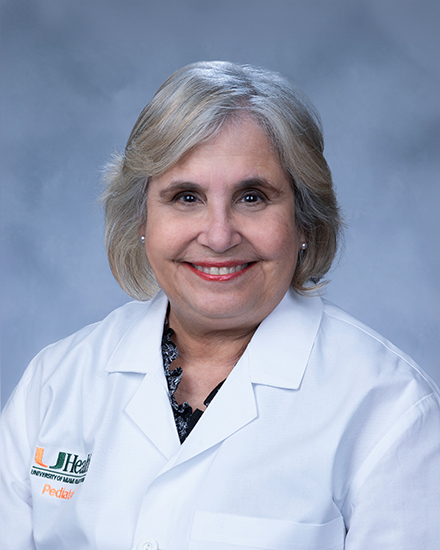 Ofelia A Alvarez合作论文数Department of Pediatrics, Miller School of Medicine, University of Miami2
 Andreas Pleil合作论文数2
 Kevin H M Kuo合作论文数Institute of Health Policy, Management and Evaluation, University of Toronto;Division of Hematology, University of Toronto;Cancer Clinical Research Unit, Princess Margaret Cancer Centre, University Health Network2
 Linda M. Smith Resar合作论文数School of Medicine, Johns Hopkins University;Institute for Cell Engineering, Johns Hopkins University;Department of Medicine, Johns Hopkins University;Sidney Comprehensive Cancer Center, Johns Hopkins University;Johns Hopkins Outpatient Center2
 Andrew Frelinger合作论文数Dana Farber Canc Inst, Harvard Univ2Hobbs William E合作论文数2
 Mehdi Nouraie合作论文数Sickle Cell Disease Center, Howard University2




