High-frequency JET ventilation (HFJV) is an integral technique for optimization of catheter stability for atrial fibrillation (AF) ablation. Previous reports of HFJV for AF ablation have relied serial arterial blood-gas analysis for procedural monitoring. The extent to which adjustment of driving pressure during HFJV results in shifting of the electroanatomic map (EAM) during ablation is unknown.
Catheter stability during atrial fibrillation ablation is associated with higher ablation success rates. Rapid cardiac pacing and high‐frequency jet ventilation (HFJV) independently improve catheter stability. Simultaneous modulation of cardiac and respiratory motion has not been previously studied. The objective of this study was to determine the effect of simultaneous heart rate and respiratory rate modulation on catheter stability.
Highly active antiretroviral therapy has dramatically reduced morbidity and mortality among patients who are HIV-positive. A retrospective review of the authors' data separated subjects into cohorts based on HIV status and matched them for age and gender. The authors' data reveal a higher fraction of venous ulcers compared with a lower fraction of pressure ulcers in the seropositive population.
The bispectral (BIS) monitor uses brain electroencephalographic data to measure the depth of sedation and pharmacological response during anaesthetic procedures. In this case, the BIS monitor was used for another purpose, to demonstrate postoperatively to the nursing staff that a patient with history of locked-in syndrome (LIS), who underwent pressure ulcer debridement, had periods of wakefulness and apparent sensation, even with his eyes closed. Furthermore, as patients with LIS can feel pain, despite being unable to move, local block or general anaesthesia should be provided for sharp surgical debridement and other painful procedures. This use of the BIS has shown that as a general rule, the staff should treat the patient as though he might be awake and sensate even if he does not open his eyes or move his limbs. The goal of this study was to continuously monitor pain level and communicate these findings to the entire wound team, i.e. anaesthesiologists, surgeons and nurses.
INTRODUCTION:The objective of this study was to determine the effects of isoproterenol infusion on level of consciousness during ablation using total intravenous anesthesia.METHODS AND RESULTS:Seven patients undergoing total intravenous anesthesia for atrial fibrillation ablation were monitored for level of consciousness using bispectral EEG levels (BIS). Isoproterenol infusion was performed after the ablation during anesthesia. BIS levels prior to, during, and post-isoproterenol infusion were recorded and correlated to isoproterenol infusion doses. In all patients, BIS levels significantly increased during isoproterenol infusion (median BIS prior to infusion, 46; during infusion, 64 (p < 0.02)). With a subsequent increase in anesthetic medication, BIS levels could again be reduced.CONCLUSION:Isoproterenol infusion alters consciousness level during total intravenous anesthesia for atrial fibrillation ablation. BIS monitoring is a novel way to modulate anesthesia during ablation to potentially optimize patient comfort and ablation success.
A treatment challenge for patients with sacral pressure ulcers is balancing the need for adequate surgical debridement with appropriate anaesthesia management. We are functioning under the hypothesis that regional anaesthesia has advantages over general anaesthesia. We describe our regional anaesthesia protocol for perioperative and postoperative management.
In a randomized, prospective pilot study, we compared awake blind orotracheal intubation using the intubating laryngeal mask airway (blind-ILM) with awake fibreoptic-guided orotracheal intubation using an Ovassapian airway (FOS-OA). Fifty-four patients (ASA 1 to 3, aged 18 to 85 years) requiring awake intubation for elective surgery were randomly allocated by coin toss into two groups: 31 patients were intubated blindly through the ILM (blind-ILM) and 23 were intubated using fibreoptic guidance through the Ovassapian airway (FOS-OA). Sedation to a target clinical end-point (spontaneous eye-closing, but responsive to verbal command) was obtained with fentanyl/midazolam and a cricothyroid puncture was performed with 3 ml lignocaine 4%. The oropharynx was then topicalized until tolerance of a Guedel airway was achieved. The number of failed attempts (maximum of three allowed), overall success rates, the time from insertion of the airway to capnographic (blind-ILM) or fibreoptic (FOS-OA) confirmation of intubation or until three failed attempts, and cardiovascular responses before and during intubation, were recorded. The first time (blind-ILM, 25/31 [81%]; FOS-OA, 20/23 [87%], P=0.6) and overall (blind-ILM, 26/31 [84%]; FOS-OA, 22/23 [96%], P=0.2) intubation success rates were similar. The mean±SD time to intubation was shorter for the blind-ILM group (104±65 vs 158±115 sec, P=0.05). There were no clinically significant differences in blood pressure or heart rate between groups. Compared with baseline values, there was no cardiovascular response to intubation in either group. We conclude that the blind-ILM and FOS-OA techniques have similar success rates and cardiovascular responses, but intubation is slightly quicker with the blind-ILM technique.
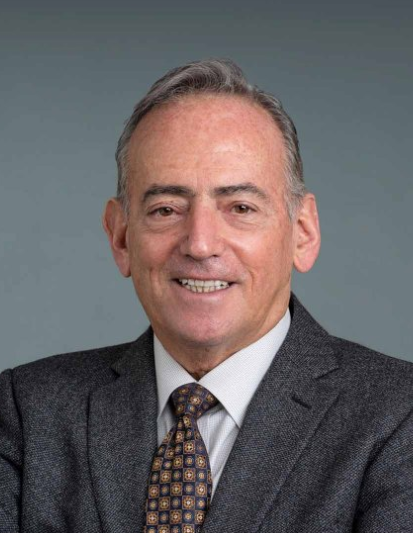 Larry A. Chinitz合作论文数Division of Cardiology, Department of Medicine, Grossman School of Medicine, New York University6
 Anthony Aizer合作论文数Department of Medicine, Grossman School of Medicine, New York University6
 Daniel K O'Neill合作论文数6
 Lior Jankelson合作论文数Division of Cardiology, Department of Medicine, Grossman School of Medicine, New York University3
 Douglas S. Holmes合作论文数Division of Cardiology, Department of Medicine, Grossman School of Medicine, New York University3
 Barbhaiya Chirag R合作论文数Arrhythmia Service, Cardiovascular Division, Brigham and Women's Hospital, Boston, MA.3
 Harold Brem合作论文数Newark Beth Israel Wound Center;RWJBarnabas Health3
 Alexander Kushnir合作论文数Division of Cardiology, Department of Medicine, Grossman School of Medicine, New York University2
 Robert J. Knotts合作论文数Division of Cardiology, Department of Medicine, Grossman School of Medicine, New York University2
 Robins Bryan合作论文数2
 Marc Bloom合作论文数New York University School of Medicine2Elizabeth A. Ayello合作论文数2Jessica Qiu合作论文数1Austin V. Cheng合作论文数1Patrick B Wu合作论文数1P Dhar合作论文数1David S. Park合作论文数1
 Alexander Mcmeeking合作论文数Division of Infectious Diseases and Immunology, Department of Medicine, New York University1Salamanca Victor R合作论文数1Yoo Christine合作论文数1Germaine Cuff合作论文数1Scott A. Bernstein合作论文数1Frank L. Ross合作论文数1




