BACKGROUND:Pulmonary vein isolation (PVI) and posterior wall isolation (PWI) are frequently used in the treatment of persistent atrial fibrillation (AF). Minimal data support adjunct PWI, possibly due to lack of durability via epicardial reconnections. OBJECTIVE:To determine the impact of very high output PW pace-capture testing in patients with persistent AF on AF/AT recurrence. METHODS:We performed a retrospective study of consecutive patients who underwent radiofrequency ablation for persistent AF and received PVI and PWI, as well as a cavotricuspid isthmus line (CTI). After the creation of three linear PW lesions (roof, carina-to-carina, and inferior PV levels), pace-capture testing was performed on the PW. The first cohort confirmed PWI using 10 mA at 2 ms (10 × 2) to pace capture. Sequentially, the second cohort utilized 20 mA at 10 ms (20 × 10). If the PW was captured, additional lesions were performed. Patients were excluded if additional lesion sets beyond PVI, PWI, and CTI were performed. RESULTS:A total of 232 patients were included. Of these, 129 (56%) patients were in the 20 × 10 group, and 103 (44%) patients were in the 10 × 2 group. The two groups did not differ in age, sex, proportion of comorbidities, presenting rhythm, left ventricular ejection fraction, or left atrial size. Despite the increase in procedure time and lesion number, in the time-to-event analysis, patients in the 20 × 10 group experienced recurrent AF/AT more frequently than those in the 10 × 2 group (log rank p = 0.01). CONCLUSION:Testing PWI in persistent AF with pace capture at 20 mA at 10 ms did not improve freedom from arrhythmia and may paradoxically be associated with harm. Our findings question whether PWI, regardless of durability, is effective in treating persistent AF.
BACKGROUND:Vein of Marshall (VOM) ethanol ablation is effective in preventing recurrence in patients with persistent atrial fibrillation (AF) as a de novo strategy. There is minimal data on its use in recurrent AF. OBJECTIVE:We investigated the efficacy of VOM ethanol ablation for recurrence despite initial AF ablation. METHODS:Retrospective analysis was performed of persistent AF patients who underwent repeat ablation after an initial ablation for persistent AF. All patients had pulmonary vein isolation (PVI), posterior wall isolation (PWI), and cavotricuspid isthmus (CTI) during their previous ablation(s). At redo ablation, controls underwent confirmation and completion of previous ablation steps, substrate modification, and a search for non-PV triggers. Cases had additional VOM ethanol ablation combined with mitral isthmus ablation. RESULTS:One hundred and seven patients (49 VOM, 60 control) were included. There was no difference in AF recurrence at 1-year comparing VOM patients (47%) and controls (38%), (p = 0.39). Within the VOM group, the mean AF burden decreased from 38% preablation to 10% 12-months post (p = 0.003). The proportion of recurrent persistent AF decreased from 65% preablation to 26% post (p = 0.004). There was no significant difference in reduction in AF burden or proportion of recurrent persistent AF when comparing VOM cases and controls. Six percent of VOM patients developed intraprocedural left atrial appendage (LAA) isolation. CONCLUSIONS:In patients with previous PVI, PWI, and CTI ablation, VOM ethanol ablation did not demonstrate a reduction in AF recurrence or burden when compared with a strategy of substrate modification and trigger ablation alone and increases the risk of LAA isolation.
OBJECTIVES:Assess the characteristics and management of patients with LAA thrombus despite compliance with oral anticoagulation (OAC). BACKGROUND:Atrial fibrillation guidelines consider 4 weeks of uninterrupted OAC sufficient to avoid transesophageal echocardiography to rule out left atrial appendage thrombus. However, some patients may exhibit persistent thrombus despite compliance with OAC. METHODS:Clinical history, management, and outcomes were reviewed for patients with LAA thrombus on preprocedural TEE presenting for an AF related procedure between 2021 and 2024. RESULTS:Sixty-five (1.8%) of 3653 preprocedural TEEs exhibited LAA thrombus. OAC compliance of at least 4 week was documented in 39 (60%) of these patients, including Apixaban 64%, Rivaroxaban 23%, Warfarin 8%, Dabigatran 5%. Two of these patients (3%) experienced an embolic event and 8 (12%) died during the follow up period. Resolution of LAA thrombus was documented in 12/32 patients, 6 who switched to Dabigatran, 2 to Eliquis, 1 to Warfarin, and 3 remained on Eliquis. LAA-occlusion was successfully performed in seven patients with persistent LAA thrombus. CHADS-VASc 3 or greater, HFrEF, or valvular AF were present in 37/39 of these patients. CONCLUSION:For 3653 patients who underwent Preprocedural TEE, 39 exhibited LAA thrombus despite compliance with OAC. Switching OAC or maintaining the same agent for longer period of time resolved the thrombus in 31% of cases. LAA-O was effective in cases where the thrombus did not resolve. Patients with non-valvular AF, compliance with OAC > 4 weeks, CHADS-VASc ≤ 2, and normal EF exhibited the lowest probability for not having a thrombus on TEE.
Left atrial appendage occlusion (LAA-O) with Amulet and Watchman FLX are approved for reducing stroke risk in patients with atrial fibrillation when oral anticoagulation is not tolerated. Real world clinical outcomes reported along with imaging data are needed to help clinicians choose between these two technologies and manage device-related complications. The study retrospectively analyzed clinical, transesophageal (TEE), and available computed tomography (CT) data from 364 FLX and 292 Amulet procedures performed at an academic medical center over a 4-year period. LAA-O procedures were successful in 96.7
Background: Pulmonary vein (PV) isolation is the cornerstone of radiofrequency (RF) ablation for atrial fibrillation (AF) and PV reconnection is a common cause of recurrent AF. The relationship between PV ostial wall thickness (WT) and durable PV isolation is a matter of ongoing investigation. Additionally, the relationship between catheter impedance and WT is not well understood. We studied the relationship between PV ostial WT, ablation lesion metrics, and PV reconnection. Methods: 16 patients were identified who underwent an initial and redo AF ablation procedure and had a cardiac CTA analyzed using ADAS-3D imaging software performed prior to the initial ablation. Ablation lesion metrics from the initial ablation procedure were collected from the electroanatomic mapping software. Reconnected and isolated PV were identified based on electroanatomic mapping data collected at the redo AF ablation procedure. Patients with reconnected PV exhibited thicker left atrial walls (1.4 mm vs 1.2 mm, P < 0.05) and reconnected veins exhibited thicker ostial walls (1.7 mm, vs 1.5 mm, P < 0.05). LA volume, number of ablation lesions, and ablation lesion time were not significantly different between reconnected and isolated PV. Impedance drop during ablation was greater in patients with reconnected PV compared to patients with isolated PV (− 9.0 Ω vs − 6.6 Ω, P < 0.05). There was no correlation between PV ostial WT and ablation lesion impedance drop. Conclusion: PV reconnection was associated with thicker LA and PV ostial WT. Future studies will examine whether targeting thicker PV ostial tissue with more aggressive lesion metrics or different ablation technology can improve PV isolation and ablationoutcomes.
BackgroundMany patients with mild to moderately reduced left ventricular ejection fraction (LVEF) that require permanent pacemaker (PPM) implantation do not have a concurrent indication for implantable cardioverter-defibrillator (ICD) therapy. However, the risk of ventricular tachycardia/fibrillation (VT/VF) in this population is unknown.ObjectiveTo describe the risk of VT/VF following PPM implantation in patients with mild to moderately reduced LVEF.MethodsRetrospective analysis was performed on 243 patients with LVEF between 35-49% who underwent PPM placement, and did not meet indications for an ICD. The primary endpoint was occurrence of sustained VT/VF. Competing risks regression was performed to calculate sub-hazard ratios for the primary endpoint.ResultsMedian follow up was 27 months. 73% of patients were male, average age was 79±10 years, average LVEF was 42±4%, and 70% were New York Heart Association (NYHA) Class II or above. Most PPMs were implanted for sick sinus syndrome (34%) or atrioventricular block (50%). Of 243 total patients, 11 (4.5%) met the primary endpoint of VT/VF. Multivessel coronary artery disease (CAD) was associated with significantly higher rates of VT/VF, with a sub-hazard ratio of 5.4 (95% CI 1.5-20.1, p=0.01). Among patients with multivessel CAD, 8/82 (9.8%) of patients met the primary endpoint, for an annualized risk of 4.3% per year.ConclusionPatients with mild to moderately reduced LVEF and multivessel CAD undergoing PPM implant are at increased risk for the development of malignant ventricular arrhythmias. Patients in this population may benefit from additional risk stratification for VT/VF and consideration for upfront ICD implant.
Background: First pass isolation (FPI) improves freedom from AF, while acute pulmonary vein reconnection (PVR) predicts AF recurrence. There is little data to predict FPI or acute PVR based on individual patient characteristics. Height is a risk factor for incident AF and may be associated with AF recurrence after ablation. Hypothesis: We hypothesize that patient-specific factors can predict lack of FPI and acute PVR. If such factors are identified and used to modify ablation strategies, FPI will increase and acute PVR will reduce in those undergoing paroxysmal AF ablation. Methods: Patients were ablated utilizing CARTO3 with THERMOCOOL SMARTTOUCH SF catheters at 50W, 2mm overlapping lesions. A derivation cohort of patients were treated with standard Ablation Index (AI) targets of 450 on anterior and 350 on posterior surfaces. Subsequently, ablation strategies would be modified and outcomes were reassessed. Results: In the derivation cohort, median height (<172cm vs > 172cm) was the strongest predictor of FPI among all variables (age, sex, height, weight, BSA, diabetes, hypertension, sleep apnea, LA size), (B=1.68 p<0.01). When patients were treated with standard AI targets, patients > 172cm had reduced FPI (50/107 [47%] vs 67/99 [68%] p<0.01) and increased acute PVR (24/107 [22%] vs 67/99 [11%] p=0.04) compared to patients <172cm. A subsequent cohort of 56 patients > 172cm were treated with augmented AI targets of 550 on anterior and 350 on posterior surfaces. When compared to patients > 172cm treated with standard AI targets, FPI increased (37/56 [65%] vs 50/107 [47%] p=0.02) and acute PVR decreased (1/56 [2%] vs 24/107 [22%] p<0.01). There was no difference in total procedure time (01:23:31 ± 00:20:07 vs 01:23:39 ± 00:20:05 p=0.98) or FPI time (01:05:10 ± 00:17:52 vs 01:03:01 ± 00:17:10 p=0.51) between groups. Conclusions: Height is associated with a lack of FPI and increased acute PVR. Using AI guided radiofrequency ablation, height-based adjustment of AI targets increase acute FPI and reduce acute PVR without affecting procedure times. Personalized AF ablation strategies optimize acute ablation outcomes.
Background: Catheter ablation (CA) for ventricular tachycardia (VT) can be a useful treatment strategy, however, few studies have compared CA to medical therapy (MT) in the sarcoidosis population. Objective: To assess in-hospital outcomes and unplanned readmissions following CA for VT compared to MT in patients with sarcoidosis. Methods: Data was obtained from the Nationwide Readmissions Database between 2010 and 2019 to identify patients with sarcoidosis admitted for VT either undergoing CA or MT during elective and non-elective admission. Primary endpoints were a composite endpoint of inpatient mortality, cardiogenic shock, cardiac arrest and 30-day hospital readmissions. Procedural complications at index admission and causes of readmission were also identified. Results: Among 1581 patients, 1217 with sarcoidosis and VT underwent MT compared to 168 with CA during non-elective admission. 63 patients admitted electively underwent CA compared with 129 managed medically. There was no difference in the composite outcome for patients undergoing catheter ablation or medical therapy during both non-elective (9.0 % vs 12.0 %, p = 0.312) and elective admission (3.2 % vs. 7.8 %, p = 0.343). The most common cause of readmission were ventricular arrhythmias (VA) in both groups, however, those undergoing elective CA were less likely to be readmitted for VA compared to non-elective CA. The most common complication in the CA group was cardiac tamponade (4.8 %). Conclusion: VT ablation is associated with similar rates of 30-day readmission compared to MT and does not confer increased risk of harm with respect to inpatient mortality, cardiogenic shock or cardiac arrest. Further research is warranted to determine if a subgroup of sarcoidosis patients admitted with VT are better served with an initial conservative management strategy followed by VT ablation.
Background: The failure to distinguish nearfield and farfield signals is a common reason for ablation failure. Peak frequency (PF) analysis of electrograms is hypothesized to distinguish nearfield from farfield cardiac signals, although in vivo proof is lacking. Hypothesis: Using electrically isolated pulmonary vein (PV) tissue for analysis, PF will distinguish nearfield from farfield electrograms during atrial fibrillation (AF) ablation, identifying successful PV isolation and validating PF as a predictor of catheter proximity to electrical signals (nearfield versus farfield). Methods: We created a cohort of twenty patients with paroxysmal AF undergoing wide area circumferential PV isolation between July 2023 and January 2024. Left atrial and PV maps of PF (EnSite OT Near Field, Abbott, Inc) were generated before (Figure A) and after (Figure B) each PV isolation attempt and if dissociated potentials were present. The highest PF in each PV was selected in each PF map. PV electrograms were defined as farfield or nearfield based on the presence or absence of exit and entrance block. PV electrograms of dissociated potentials were considered nearfield. In the first 10 patients, a cutoff value was selected to predict nearfield versus farfield signals. The performance of this cutoff was assessed in the remaining 10 patients. If the PF remained elevated after PV isolation, pacing maneuvers were used to identify the source of the signal. Results: PF was lower in isolated PVs compared to connected PVs or dissociated potentials within PVs (Figure C). In the derivation cohort, a PF of 300 Hz had 93.2% (95% CI 81.3% - 98.6%) sensitivity and 100% (95% CI 95.0% - 100.0%) specificity for identifying the signal as farfield. In the validation cohort, this cutoff was associated with 90.0% (95% CI 76.3% to 97.2%) sensitivity and 100.0% (95% CI 93.6% to 100.0%) specificity. All farfield signals with a PF over 300 Hz were SVC signals detected in the right superior PV. Conclusions: PF distinguishes nearfield PV from farfield left atrial signals during AF ablation. PF analysis improves the recognition of PV isolation. Future studies modifying mapping and ablation strategies by utilizing PF as a tool to define nearfield versus farfield should be pursued to improve ablation outcomes.
BACKGROUND:Genetic testing is a cornerstone in the assessment of many cardiac diseases. However, variants are frequently classified as variants of unknown significance, limiting the utility of testing. Recently, the DeepMind group (Google) developed AlphaMissense, a unique artificial intelligence-based model, based on language model principles, for the prediction of missense variant pathogenicity. We aimed to report on the performance of AlphaMissense, accessed by VarCardio, an open web-based variant annotation engine, in a real-world cardiovascular genetics center. METHODS AND RESULTS:All genetic variants from an inherited arrhythmia program were examined using AlphaMissense via VarCard.io and compared with the ClinVar variant classification system, as well as another variant classification platform (Franklin by Genoox). The mutation reclassification rate and genotype-phenotype concordance were examined for all variants in the study. We included 266 patients with heritable cardiac diseases, harboring 339 missense variants. Of those, 230 (67.8%) were classified by ClinVar as either variants of unknown significance or nonclassified. Using VarCard.io, 198 variants of unknown significance (86.1%, 95% CI, 80.9-90.3) were reclassified to either likely pathogenic or likely benign. The reclassification rate was significantly higher for VarCard.io than for Franklin (86.1% versus 34.8%, P<0.001). Genotype-phenotype concordance was highly aligned using VarCard.io predictions, at 95.9% (95% CI, 92.8-97.9) concordance rate. For 109 variants classified as pathogenic, likely pathogenic, benign, or likely benign by ClinVar, concordance with VarCard.io was high (90.5%). CONCLUSIONS:AlphaMissense, accessed via VarCard.io, may be a highly efficient tool for cardiac genetic variant interpretation. The engine's notable performance in assessing variants that are classified as variants of unknown significance in ClinVar demonstrates its potential to enhance cardiac genetic testing.
Recent evidence suggests atrial fibrillation (AF) causes cardiomyopathy due to remodeling driven by both irregular rate and rhythm. Atrial fibrillation (AF) ablation in patients with reduced ejection fraction (EF) ≤ 35
This paper explores why young people leave home and become homeless. Drawing on life history interviews conducted with 50 homeless youth in Los Angeles, explanations provided by participants for becoming homelessness and how they understand their experiences are presented. In professional discourses, homeless young people are often portrayed as victims of physical abuse and emotional neglect. Although participants’ narratives reveal that abuse and neglect play a central role in their decisions to leave home, many maintain a sense of agency in the recounting of how they became homeless. The importance of service providers recognizing young people's agency is discussed.
Radiofrequency ablation technology for treating atrial fibrillation (AF) has evolved rapidly over the past decade. We investigated the impact of technological and procedural advances on procedure times and ablation outcomes at a major academic medical center over a 10‐year period.
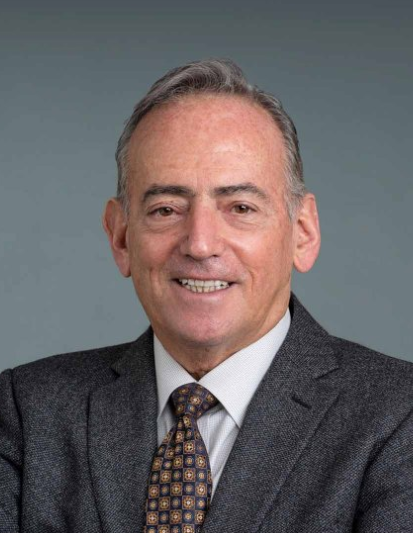 Larry A. Chinitz合作论文数Division of Cardiology, Department of Medicine, Grossman School of Medicine, New York University83
 Douglas S. Holmes合作论文数Division of Cardiology, Department of Medicine, Grossman School of Medicine, New York University78
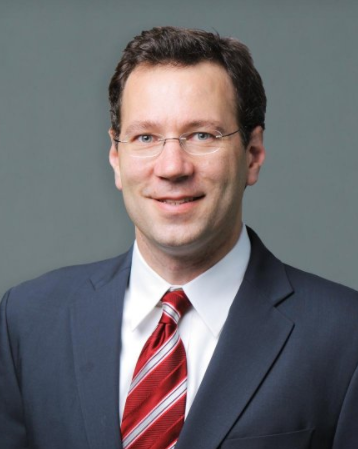 Anthony Aizer合作论文数Department of Medicine, Grossman School of Medicine, New York University77
 Barbhaiya Chirag R合作论文数Arrhythmia Service, Cardiovascular Division, Brigham and Women's Hospital, Boston, MA.72
 David S. Park合作论文数68
 Lior Jankelson合作论文数Division of Cardiology, Department of Medicine, Grossman School of Medicine, New York University64
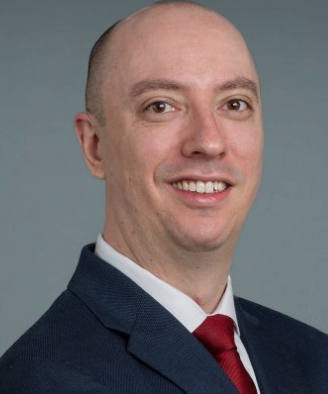 Robert J. Knotts合作论文数Division of Cardiology, Department of Medicine, Grossman School of Medicine, New York University45
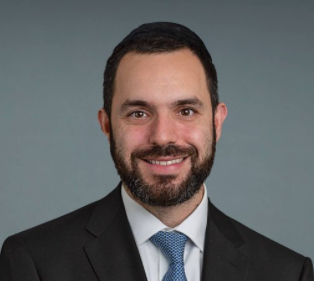 Alexander Kushnir合作论文数Division of Cardiology, Department of Medicine, Grossman School of Medicine, New York University42Michael A. Spinelli合作论文数39Matthew Dai合作论文数14Felix Yang合作论文数13Garber Leonid合作论文数13Lalit Wadhwani合作论文数9
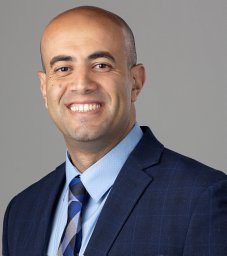 Mohamed Shokr合作论文数School of Medicine, New York University9Jessica Qiu合作论文数7Austin V. Cheng合作论文数7Roi Bar-Cohen合作论文数7Connor Peterson合作论文数7
 Gregory E. Morley合作论文数Division of Cardiology, Department of Medicine, Grossman School of Medicine, New York University7Steven J. Fowler合作论文数7
 Marina Cerrone合作论文数Division of Cardiology, Department of Medicine, Grossman School of Medicine, New York University5
 Edward Kogan合作论文数5
 Ehud Chorin合作论文数5
 Eric Shulman合作论文数5
 David Park合作论文数University of Calgary;Hotchkiss Brain Institute5Charles Nadeau-Routhier合作论文数4
 Ahmed Selim合作论文数NYU, NYU Langone Hlth4Moshe Katz合作论文数Tel Aviv Univ, Sackler Sch Med, IL-6997801 Tel Aviv, Israel4
 Khan Hassan合作论文数Emory Univ4Carolina Vasquez合作论文数4Muhamed Saric合作论文数4Laura Kuznekoff合作论文数3Patrick B Wu合作论文数3Tahir Malik合作论文数3Harish Duraiswami合作论文数3Elizabeth Rosinski合作论文数3Neil Bernstein合作论文数3
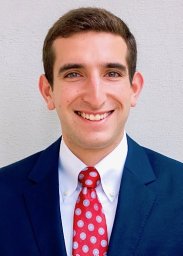 Samuel D Maidman合作论文数NYU Langone Health., NYU Grossman School of Medicine3
 Constantine Tarabanis合作论文数Dept Internal Med, NYU3Yuhe Xia合作论文数Department of Population Health, NYU Grossman School of Medicine3Jones Paul W合作论文数3Hussain Amena合作论文数3Neil E. Bernstein合作论文数3Joseph J. Germano合作论文数Harvard-Thorndike Electrophysiology Institute, Harvard Medical School3Jonathan Arnedo合作论文数2
 Mahmoud Khalil合作论文数2Mark Mascarenhas合作论文数2Nicholas Beccarino合作论文数2Arun Manmadhan合作论文数2




