Electrical stimulation (ES) is used in rehabilitation to enhance circulation and muscle activation, but its effects on vascular function and fatigue compared with voluntary (VOL) exercise remain unclear. This study examined acute and short-term neuromuscular and vascular responses to higher-frequency ES and force-matched VOL isometric knee extensions. Eleven healthy adults (5 women; 23 ± 4 years) completed two interventions in a crossover design: 40 isometric ES contractions at a pain-tolerated threshold and 40 force-matched VOL contractions, separated by a 14-day washout. Outcomes included force, heart rate (HR), superficial femoral artery (SFA) blood flow, vascular conductance, oscillatory shear stress (OSS), muscle oxygenation via near-infrared spectroscopy, femoral-popliteal pulse wave velocity (fpPWV), and flow-mediated dilation (FMD), assessed before, during, and up to 48 h post-exercise. Force declined more rapidly during ES, with greater strength loss at 24 and 48 h (p = 0.01) and increased soreness at 1, 24, and 48 h (p ≤ 0.04). HR was higher during ES until approximately contraction 20 (p < 0.05). Net SFA blood flow was consistently greater with ES (p < 0.01), while VOL produced greater retrograde flow (p < 0.01) and OSS (p = 0.02). Total hemoglobin was higher during ES at earlier contractions (p = 0.01). No significant changes were observed in FMD (p ≥ 0.06) or fpPWV (p = 0.59). Higher-frequency ES increases blood flow and reduces OSS compared with force-matched VOL contractions, at the cost of greater fatigue and soreness. These findings suggest ES may offer circulatory benefits relevant to rehabilitation, though optimal parameters are needed to minimize neuromuscular strain.
INTRODUCTION:While both voluntary (VOL) and electrically stimulated (ES) contractions increase blood flow, ES induces greater oxidative stress, raising the risk of exercise induced muscle damage (EIMD), which can impair vascular function, and oxygen utilization. PURPOSE:We examined how ES and force-matched VOL contractions impact microvascular function and muscle oxidative capacity. METHOD:Utilizing a cross-over design, 16 healthy adults performed 40 isometric knee extensions (KE) via ES and VOL contractions. The following variables were assessed at baseline, 1 h, 24 h, and 48 h postexercise: knee extensor strength and soreness, microvascular function (hyperemic response to single passive leg movement (sPLM), and skeletal muscle oxidative capacity (SMOC) of the vastus lateralis. RESULT:Maximal voluntary contraction (MVC) was lower following ES than VOL at 24 h (324.7 ± 125.8 vs. 366.8 ± 125.6 N, p = 0.01) and 48 h (308.5 ± 124.7 vs. 379.0 ± 129.0 N, p = 0.001). Soreness (p ≤ 0.02) and muscle swelling (p ≤ 0.02) were greater after ES. Vascular function, quantified as the AUC for total hyperemic response following sPLM and measured by Doppler/ultrasound, was reduced following ES at 1 h (p = 0.01) and 24 h (p = 0.002). SMOC was more impaired after ES than VOL (p ≤ 0.03). There was a 31% decrease in oxygen recovery rate 1-h post-ES, with an additional 10% decline at 24-h and 48-h (p ≤ 0.03) compared to VOL. CONCLUSION:ES seemed to elicit EIMD, resulting in reduced MVC, impaired recovery, while affecting microvascular function and oxidative capacity.
PurposeElectrical stimulation-induced muscle contractions in individuals with paralyzed muscles are often associated with early-onset fatigue. We examined whether electrical stimulation of the quadriceps muscle results in vasoconstriction and a reduction in blood flow, which may contribute to this early-onset fatigue.MethodsSeventeen young individuals completed 40 electrical stimulation isometric contractions (stimulation frequency of 75 Hz, pulse duration of 400 mu s, on-off ratio 6.0-20 secs) and force matched voluntary isometric contractions. Isometric force, heart rate, blood pressure, superficial femoral diameter, and blood velocity were measured at baseline and during exercise (contractions 1, 5, 10, 15, 20, 25, 30, 35, and 40). Net, antegrade, and retrograde blood flow, and conductance were quantified. Two-way, within-subjects analyses of variance were used to evaluate diameter, blood flow, and conductance.ResultsDiameter was not different between electrical stimulation and voluntary (P = 0.57). Net blood flow increased during both conditions with the greatest blood flow occurring during electrical stimulation compared to voluntary (P <= 0.01). Electrical stimulation showed a greater increase antegrade and reduced retrograde flow compared to voluntary. After the twentieth contraction, electrical stimulation also elicited greater conductance than voluntary (P <= 0.049).ConclusionsThe use of neuromuscular electrical stimulation to elicit muscle contractions does not result in vasoconstriction or a reduced hyperemic response compared to volitional contractions.
Background:Meniscal tear in older adults often accompanies knee osteoarthritis and is commonly treated with arthroscopic partial meniscectomy (APM) when patients have persistent pain after a trial of physical therapy. Cross-sectional evidence suggests that synovitis is associated with baseline pain in this patient population, but little is known about the relationship between synovitis and postoperative recovery or progression of knee osteoarthritis. Purpose/Hypothesis:Intra-articular extended-release triamcinolone may reduce inflammation and thereby improve outcomes and slow disease progression. This article presents the rationale behind the Corticosteroid Meniscectomy Trial (CoMeT) and describes its study design and implementation strategies. Study Design:Randomized controlled trial. Methods:CoMeT is a 2-arm, 3-center, randomized placebo-controlled trial designed to establish the clinical efficacy of extended-release triamcinolone administered via intra-articular injection immediately after APM. The primary outcome is change in Knee injury and Osteoarthritis Outcome Score Pain subscore at 3-month follow-up. Synovial biopsy, joint fluid aspirate, and urine and blood sample analyses will examine the associations between various objective measures of baseline inflammation and pre- and postoperative outcome measures and clinical responses to triamcinolone intervention. Quantitative 3-T magnetic resonance imaging will evaluate cartilage and meniscal composition and 3-dimensional bone shape to detect early joint degeneration. Results:We discuss methodologic innovations and challenges. Conclusion:To our knowledge, this is the first randomized double-blind clinical trial that will analyze the effect of extended-release triamcinolone acetonide on pain, magnetic resonance imaging measures of structural change and effusion/synovitis, soluble biomarkers, and synovial tissue transcriptomics after APM.
Adverse childhood experiences (ACEs) represent psychosocial stressors that occur during critical developmental periods and are associated in a dose-dependent manner with adverse cardiovascular outcomes in emerging adults, including greater age-related increases in blood pressure (BP) and increased circulating endothelin-1 (ET-1), a psychosocial stress-responsive, endothelium-derived peptide and potent vasoconstrictor. ACEs have also been linked to lower resilience and hope, which is a motivational state based on goal-directed energy (agency) and goal planning (pathways). Importantly, resilience and hope are each stable psychological traits that may protect against adversity. We examined the effects of a structured, progressive exercise training program on hope agency, hope pathways, resilience, BP, and circulating ET-1 in young adult women with a history of moderate-to-severe (e.g., 4 or more) adverse childhood experiences (ACEs). We hypothesized that exercise training would increase resilience and hope, but lower systolic BP (SBP), diastolic BP (DBP), and circulating ET-1. We further hypothesized that changes in hope and resilience would be associated with changes in BP and ET-1 across the intervention period in the young women with ACEs. Forty-two otherwise healthy young adult women with either four or more (ACE+) or with no ACEs (ACE-) were recruited and completed this study. Participants with ACEs (ACE+) were randomly assigned to either an exercise (n=14) or non-exercise (n=14) control group, whereas women without a history of ACEs (ACE-) were assigned to a non-exercise control (e.g., negative control group; n=14). Statistical analyses included two-way mixed (group x time) effects and bivariate correlational analyses. Changes are reported as means ± SE. Agency did not change in any group (p = 0.14), but pathways improved only in the ACE+ exercise group (+1.6 ± 0.74 au; p = 0.03). ET-1 decreased in the ACE+ exercise group only (-0.31 ± 0.29 pg/ml, p= 0.04). While the interactions for resilience and SBP did not reach significance (p = 0.06 and 0.05, respectively), forced post-hoc analyses indicated that resilience improved (+4.9 ± 1.9 au, p = 0.01) and SBP tended to improve (-4.0 ± 2.0 mmHg; p = 0.05) in the ACE+ exercise group only. DBP did not change in any group (p = 0.43). There were significant inverse associations between changes in pathways and SBP (ρ = -0.43, p= 0.02) and pathways and ET-1 (ρ = -0.56, p= 0.003), and a significant direct association between changes in SBP and ET-1 (ρ = 0.49; p = 0.01) in the ACE+ young women. Associations among resilience and BP and ET-1 were weaker and non-significant (ρ = -0.17-0.29, p≥ 0.13). Our results suggest that structured, progressive exercise training promotes improvements in positive psychological factors, SBP, and circulating ET-1 levels in young adults with a history of ACEs. Further, changes in pathways were related to changes in SBP and ET-1 across the intervention period, suggesting a potential psychophysiological relationship between positive psychological traits and cardiovascular risk factors in young women with ACEs.
PURPOSE: To compare the recovery rate of mitochondria following electrically stimulated (ES) and voluntary (VOL) skeletal muscle contractions. METHODS: Ten recreationally active men and women (27 ± 3.3 years; 171.7 ± 5.5 cm; 77.2 ± 12.6 kg; 0.93 ± 0.46 cm lower limb adipose tissue thickness) volunteered to participate in this investigation. Participants were seated in a recumbent position with the right knee fully extended and ankle supported at 90o. The foot was attached to a force transducer and a blood pressure cuff was applied above the knee joint. A near-infrared spectroscopy (NIRS) device was placed on the posterior mid-line of the tibia at the largest circumference of the gastrocnemius. ES pads were placed directly superior and inferior to the NIRS device. Participants performed fifteen seconds of ES plantar flexion (2 Hz with 60amps at a pulse duration of 500 μs). Immediately after exercise six repeated arterial occlusions were performed. Each occlusion lasted 5 seconds(s) and was followed by 5 s of recovery. After five minutes of rest the procedure was repeated with VOL contractions with real time feedback so they could match forces produced during ES. Recovery slopes and rate constants were calculated to determine the proficiency of the mitochondria to return the rate of oxygen consumption to baseline. A maximum ischemic calibration and blood volume correction was performed. RESULTS: No significant differences were observed between ES (2.11 ± 1.01) and VOL (1.47 ± 1.22) rate constants. There was a significant interaction (f = 13.85, p < 0.001), main effect of condition (f = 28.72, p < 0.001) and main effect of time (f = 24.11, p < 0.001). Post-hoc testing revealed significant differences in slope recovery between ES and VOL contractions at all time points: Immediately (4.05 ± 2.07 v. 0.83 ± 0.35; p < 0.001), 10s (2.29 ± 1.06 v. 0.58 ± 0.33; p = 0.001), 20s (1.8 ± 0.95 v. 0.53 ± 0.32; p = 0.002), 30s (1.32 ± 0.79 v. 0.40 ± 0.21; p = 0.004), 40s (1.14 ± 0.52 v. 0.45 ± 0.22; p = 0.002) and 50s (1.01 ± 0.30 v. 0.41 ± 0.22; p < 0.001) after cessation of contractions. CONCLUSION: No significant differences were observed in the rate of recovery. However, ES contractions evoked a larger magnitude of recovery due to a greater rate of oxygen consumption.
PURPOSE: To examine indirect markers of muscle damage and vessel stiffness following force matched volitional and electrically stimulated (ES) isometric contractions of the knee extensors. METHODS: Thirteen recreationally active men and women (n = 6), (26.2 ± 2.1 yrs; 178.2 ± 6.5 cm; 75.4 ± 8.3 kg) participated in two different isometric knee extension protocols (40 x 6 sec. contractions with 20 sec. recovery). Condition 1 involved the use of electrical stimulation (ES) to generate muscle contractions and condition 2 involved voluntary (VOL) force matched contractions. For the ES condition, stimulating electrodes were placed over the vastus lateralis and rectus femoris muscles (stimulation parameters: 75 Hz, 400 pulse width, and intensity set to the highest tolerable limit). Repeated measures ANOVAs were used to examine condition-and time-based differences in femoral artery pulse wave velocity (PWV), maximal muscle strength (MVC), perceived soreness (VAS), and total muscle size (mCSA) prior to exercise (baseline), and then 1-, 24-, and 48-h after exercise. RESULTS: There were significant condition x time interactions for MVC (p < 0.01), in which MVC was significantly lower after ES compared to VOL (359 ± 35 N vs. 389 ± 34 N; p = 0.04). MVC was lowest at 48H following ES (339 ± 129 N vs. 411 ± 130 N; p < 0.01), with no difference after VOL across time (p > 0.05). There were also significant condition x time interactions for perceived soreness (p < 0.01), where perceived soreness was greater than baseline at all time points (p ≥ 0.01) after ES compared VOL. ES resulted in the largest increase from baseline at 48-h (24.7 ± 16.8 mm). There were significant condition x time interactions for mCSA (p < 0.01), where mCSA was significantly larger after ES as compared to VOL (37.1 ± 9.3 cm2 vs. 36.1 ± 9.1 cm2; p < 0.01), After ES, mCSA increased from baseline to 48H (36.0 ± 9.4 cm2 vs. 38.0 ± 9.6 cm2; p < 0.01). For PWV, there was also a significant main effect of condition (p = 0.04) and time (p < 0.01) but not their interaction (p = 0.09). Across all timepoints PWV was faster after ES compared to VOL (26.8 ± 11.5 cm/s vs. 20.4 ± 6.0 cm/s; p = 0.04). CONCLUSIONS: ES isometric contractions reduced knee extensor strength, increased soreness, induced swelling, and resulted in greater vessel stiffness compared to force matched volitional contractions.
This investigation was to compare differences in skeletal muscle oxygen consumption ( mV̇O_2 ) and mitochondrial recovery between voluntary (VOL) and electrically stimulated (ES) plantarflexion contractions. Twelve men and women (26 ± 4.0 years; 171.8 ± 5.1 cm; 74.0 ± 13.7 kg) were seated in a chair with their right knee fully extended and right foot secured to a force transducer. ES electrodes and a near-infrared spectroscopy device were placed on the gastrocnemius. Participants performed ES plantarflexion contractions across a range of stimulation intensities at frequencies of 1 and 2 Hz and similar VOL contractions. Cuff occlusion occurred immediately following each series of contractions to measure mV̇O_2 . A standardized mitochondrial function assessment protocol was also performed to calculate K-constants between work-matched ES and VOL contractions. For mitochondrial assessments, there were no significant differences between ES and VOL rate constants (2.03 ± 0.98 vs. 1.25 ± 1.35 min−1, p = 0.266). ES resulted in a significantly greater workrate- mV̇O_2 slope at 1 Hz (0.007 ± 0.007 vs. 0.001 ± 0.002 mV̇O_2 /s/N, p = 0.014) and 2 Hz (0.010 ± 0.010 vs. 0.001 ± 0.001 mV̇O_2 /s/N, p = 0.012), as well as a significantly greater workrate- mV̇O_2 Y-intercept at 2 Hz (1.603 ± 1.513 vs. 0.556 ± 0.564 mV̇O_2 /s, p = 0.035) but not 1 Hz (0.579 ± 0.448 vs. 0.442 ± 0.357 ES results in a significantly greater mV̇O_2 at similar work rates compared to VOL, however, the mitochondrial recovery rate constants were similar. The greater mVO2 with ES may partially contribute to the increased rate of fatigue during ES exercise in individuals with muscle paralysis.
PURPOSE: To determine if muscle damage induced by electrically stimulated contractions impairs vascular function as indicated by changes in the hyperemic response to single passive limb movement (sPLM). METHODS: Nineteen recreationally active men and women (24.2 ± 3.1 yrs.; 177.2 ± 7.1 cm; 74.4 ± 8.9 kg) completed this study. Participants were seated in a custom-built chair equipped with a linear force transducer to measure knee extensor force. Two pairs of stimulating electrodes were placed over the vastus lateralis and rectus femoris. Each subject completed 40 x 6 second electrically stimulated isometric contractions. Stimulation parameters were set at 75 Hz, 400 μs pulse width and maximum tolerable intensity. Maximal muscle strength (MVC), perceived soreness (VAS) as well as the hyperemic response to a single passive limb movement (knee flexion/extension) were assessed at baseline and then again at 1-, 24- and 48-h post electrically stimulated contractions. A GE Doppler-Ultrasound was used to measure superficial femoral artery diameter and blood velocity before and immediately after the single passive limb movement. Repeated measures ANOVAs were used to examine time-based differences in MVC, perceived soreness as well as peak blood flow response (pBF) change in blood flow (BFdiff) and area under the curve (AUC) following the sPLM. RESULTS: There were significant effects of time on MVC (p < 0.01), where MVC was lower at all time points (324.7 ± 115.7 N, 318.0 ± 118.6 N and 316.8 ± 117.8 N for 1, 24 and 48 hours, respectively) compared to baseline (382.5 ± 130.7 N) (p < 0.01 for all individual comparisons). There were significant effects of time on perceived soreness in which soreness was also greater at all time points (13.2 ± 10.0 N, 18.6 ± 11.0 N, and 24.5 ± 17.0 N for 1, 24 and 48 hours, respectively) compared to baseline (0.9 ± 2.0 N), (p < 0.01 for all individual comparisons). Despite these differences in indirect markers of muscle damage, there were no significant effects of time on pBF (p = 0.2), BFdiff (p = 0.1), and AUC (p = 0.1) following sPLM. CONCLUSION: Muscle damage from electrically stimulated isometric contractions reduced knee extensor strength and increased perceived soreness for up to 48 hours but did not result in changes in peripheral vascular function as assessed by the hyperemic response to sPLM.
Introduction: Early life psychosocial stress and adversity - referred to as adverse childhood experiences (ACEs) - are highly prevalent, with ~60% of American adults reporting exposure to at least one ACE. ACEs occur during critical developmental periods and are related to cardiovascular morbidity and mortality in a graded, dose-dependent manner. Sleep is an emerging lifestyle behavior that has been associated with cardiometabolic morbidity and mortality, and poor sleep has been associated with ACEs. Hypothesis: We hypothesized that ACEs would be associated with disrupted sleep and altered diurnal cortisol slopes in young adult women. Methods: Forty-two young adult women (mean ± SD, age = 21 ± 3 y) completed this study. Twenty-eight women reported an ACE score ≥4 and were classified as having moderate to severe ACEs, while 14 women reported an ACE score of 0. Women provided saliva samples collected using the passive drool technique upon waking and 8 h later. Cortisol concentrations were then quantified from the saliva samples by ELISA and diurnal cortisol slopes (DCS) were calculated by expressing the difference between morning and afternoon concentrations relative to the time between sampling (μg/dL/h). The participants also completed the Center for Epidemiologic Studies Depression Scale Revised (CESD-R), from which a composite sleep score (CSS; range = 0 - 12) was created from the three sleep-related items and reverse-scored such that a higher score indicated better sleep. Women also completed the Maltreatment and Abuse Chronology of Exposure Scale, from which a total maltreatment and abuse severity score was calculated (MACE TSS ). Mann-Whitney tests were used to examine differences in DCS and CSS between those with versus without a history of ACEs. Median values are reported. Spearman correlations were used to examine associations among DCS, CSS, and MACE TSS . Results: DCS was greater (-0.0396 vs. -0.0661 μg/dl/h; U = 94, p = 0.01), indicating lower variability, and CSS was lower (5 vs. 7; U = 118.5, p = 0.04), indicating poorer sleep, in the women with versus without a history of ACEs. Further, MACE TSS was related to DCS (ρ = 0.397, p = 0.007) and to CSS (ρ = -0.358, p = 0.011). The relationship between DCS and CSS (ρ = -0.218, p = 0.092) was not significant. Conclusions: Our preliminary evidence indicates that ACEs are associated with poorer sleep and disrupted diurnal cortisol patterns. While we are limited by subjective sleep assessments and small sample size, these findings suggest a link between early life psychosocial stress, poor sleep and circadian disruption that could contribute to lifetime cardiometabolic disease risk. Future, large-scale studies are needed to further explore these associations.
Our study provides novel evidence that young adult women with moderate-to-severe adverse childhood experience (ACE) exposure present impaired endothelial function and lower circulating sirtuin 1 (SIRT1) concentrations than age-matched controls. However, an 8-wk exercise intervention was unable to augment endothelial function or SIRT1 concentrations in a subset of those with ACEs. Our data suggest that ACEs-related impairments in endothelial function may be secondary to decreased NO bioavailability via SIRT1 and/or oxidative stress-related mechanisms.
Large metabolic responses to high-fat meals (HFM) are known to create a deleterious physiological state. However, there is limited research describing the differential influences of age and physical activity level on meal metabolism, specifically in healthy older individuals. The goal of this project is to quantify the impact of age and physical activity on metabolic outcomes immediately following meal consumption in healthy men and women. We recruited 4 groups of individuals: younger active (YA; age 22.3 ± 1.5 y; n = 7), younger inactive (YI; age 22.6 ± 4.0 y; n = 7), older active (OA; age 70.5 ± 7.8 y; n = 6), and older inactive (OI; age 69.6 ± 7.6 y; n = 5). Following a 10-hour overnight fast, an intravenous catheter was inserted into a forearm vein from which a fasting blood draw was taken. Participants then consumed a HFM (12 kcal/kg; 63% fat, 34% carbohydrate). Serial blood draws were conducted hourly for 6 hours to measure postprandial triglyceride (TG) and glucose (GLU) responses. Prior to the HFM, participants refrained from exercise for 48 hours to remove the confounding effects of recent acute exercise. One-way or two-way ANOVA was used, as appropriate, to compare groups with regard to postprandial metabolic outcomes. Groups were similar with regard to fasting GLU (P = 0.77) and TG (P = 0.06). There was a time effect for both GLU and TG in the postprandial period (P < 0.0001). A group effect was present for TG (P = 0.048), but not GLU (P = 0.07). There were no significant group differences in TG in post hoc comparisons (YA vs. YI, P = 0.41; YA vs. OA, P > 0.99; YA vs. OI, P = 0.08; YI vs. OA, P = 0.42; YI vs. OI, P = 0.67; OA vs. OI, P = 0.08). Total area under the curve (AUC) for TG was significantly different across groups (P = 0.0498; YA = 618.8 ± 103.1 mg/dL x 6 hr, YI = 836.4 ± 402.6, OA = 609.0 ± 234.6, OI = 993.4 ± 80.9), but incremental AUC was not different (P = 0.18). Groups did not differ with regard to GLU total (P = 0.07) or incremental AUC (P = 0.26). Peak TG (P = 0.38) and GLU (P = 0.18) responses did not differ across groups. In this ongoing experiment, we are observing group differences in postprandial TG based on age and physical activity level. When complete, this study will highlight the independent effects of aging and physical activity on postprandial metabolic responses, which are integral components in CVD risk. Oklahoma State University.
Objective: The purpose was two-fold: (1) to examine differences in maximal voluntary isometric torque (MVIT) production, and electromyographic signal amplitude (EMG(AMP)) and mean power frequency (EMG(MPF)) values obtained during traditional (MVICTRAD), rapid (MVICRAPID), and ramp (MVICRAMP) maximal voluntary isometric contractions, and (2) to determine if there were differences in the reliability of MVIT, EMGAMP and EMG(MPF) among the three MVIC types. Approach: Twenty-two young males and females completed MVICTRAD, MVICRAPID, and MVICRAMP muscle actions on two separate visits separated by 48 h. During all MVICs, MVIT and EMG(AMP) and EMG(MPF) of the vastus lateralis (VL) and rectus femoris (RF) were quantified. Main results: MVIT was greater during MVICTRAD and MVICRAPID than during MVITRAMP (both p < 0.001). VL and RF EMG(AMP) were greater during MVICRAMP than during MVICRAPID (p= 0.02 and 0.004). For EMG(MPF), there were no significant differences among MVIC types. Although all MVIC types generally resulted in reliable measurements of MVIT and EMG(AMP), reliability was stronger for EMG(MPF) quantified during the MVICRAMP. Significance: Investigators may choose MVIC type based on preference or equipment availability. However, investigators should note that MVICRAMP contractions will likely yield the greatest EMG(AMP) values and more reliable measurements of VL and RF EMG(MPF).
No previous studies, to our knowledge, have examined the reliability of bioimpedance spectroscopy (BIS) for the evaluation of body composition. PURPOSE: To evaluate the test-retest reliability of BIS for the assessment of total body water (TBW), extracellular water (ECW), and intracellular water (ICW) content, as well as fat mass (FM), fat-free mass (FFM), and body fat percentage (BF%) in physically active males. METHODS: Sixteen males (Mean ± SD, 25 ± 3 y, 90 ± 11 kg, 176 ± 6 cm) were assessed at two visits, separated by 2 – 7 days. During each visit, participants rested quietly for 3 – 5 min in a supine position with their arms abducted ≥ 30° away from their torso and legs separated prior to their assessment. Two single-tab electrodes were placed on the right side of the body 5 cm apart on both the dorsal surface of the wrist and dorsal surface of the ankle, respectively. The BIS device was used to estimate TBW, ECW, and ICW (liters; L) based on Cole modelling with Hanai mixture theory, which were then used to calculate FM (kg), FFM (kg), and BF%. Reliability was examined by calculating the intraclass correlation coefficient (ICC; model 2,1) and standard error of measurement (SEM). The coefficient of variation (CV) was calculated by expressing the SEM relative to the grand mean (%). The 95% confidence interval (CI) for each ICC was calculated and used to test the null hypothesis that each ICC was equal to zero. Systematic variability was assessed for each variable via a paired t-test. RESULTS: Reliability statistics are displayed in Table 1. None of the dependent variables displayed systematic variability (p > 0.05). ‘Excellent’ relative and absolute reliability was observed among all body water (ICC = 0.91 – 0.99; CVs = 1.08 – 3.50%) and body mass (ICC = 0.95 – 0.99; CVs = 1.10 – 6.99%) measurements. CONCLUSION: These results indicate that the BIS device used in this study allows for the reliable assessment of TBW, ECW, ICW, FM, FFM, and BF% in physically active men.
OBJECTIVETo examine the effects of full‐body resistance exercise on endothelial function and microvascular reactivity following a high‐fat meal (HFM) in healthy men.METHODSSeven males (mean ± SD, age = 22.1 ± 2.2 y, BMI = 26.5 ± 2.0 kg/m2) participated in this randomized, repeated measures, crossover study. Participants visited the laboratory for familiarization and baseline heart rate and blood pressure measurements. They returned to the laboratory and completed either a session of resistance exercise (RE), consisting of 3 sets of 8 exercises using a 12‐repetition maximum load, or no exercise (NE) and consumed a protein shake (300 – 400 kcals; protein = 0.3g protein per kg body mass) as their last meal. In each condition, the participants returned to the laboratory following a 12‐h overnight fast and consumed a HFM (12 kcal/kg, 63% fat, 34% carbohydrate). Endothelial function was assessed via flow‐mediated dilation (FMD %) and microvascular reactivity was assessed via tissue oxygen saturation (StO2) recovery kinetics of skeletal muscle using a near‐infrared spectroscopy device following vascular occlusion prior to, and 1‐, 3‐, and 5‐h post‐meal. Repeated measures ANOVAs were used to examine condition‐ and time‐based differences in FMD %, minimum tissue saturation (StO2min), StO2 desaturation rate during cuff occlusion (Slope 1), StO2 reperfusion rate (Slope 2), and StO2 area under the curve (AUC) for 3 minutes post‐cuff release.RESULTSThere was a significant condition × time interaction for FMD% (F(3, 18) = 5.41; p = 0.01). FMD% did not change (p = 0.97) in response to the HFM in the RE condition, whereas it decreased from baseline to 3‐ (p = 0.02, % decrease = −53%) and 5‐h (p = 0.03; −64%), respectively, in the NE condition. Consequently, FMD% was 39% and 53% greater in the RE than NE condition 3‐ (p = 0.01) and 5‐h (p < 0.01) post‐HFM, respectively. There were no condition × time interactions (p > 0.05), but there were condition main effects for StO2 Slope 2 (F(1, 6) = 12.5; p = 0.01) and StO2min (F(1, 6) = 7.5; p = 0.03), where StO2 Slope 2 was steeper and StO2min was lower in the RE than NE condition. There was also a condition × time interaction for StO2 AUC (F(3, 18) = 3.9; p = 0.03). Statistically, StO2 AUC did not change in response to the HFM in the RE (p = 0.15) or NE (p = 0.30) conditions. However, StO2 AUC was 19% (p ≤ 0.05), 28% (p < 0.001), and 12% greater (p = 0.01) at 1‐, 3‐, and 5‐h post‐HFM in the RE than NE condition. There was no significant condition × interaction (p = 0.59), or main effects for condition (p = 0.08) or time (p = 0.93) for StO2 Slope 1.CONCLUSIONA single session of full‐body resistance exercise ameliorates HFM‐induced endothelial dysfunction and improves microvascular reactivity in young, healthy men. These improvements may be mediated by an increase in skeletal muscle metabolism. Resistance exercise could be used as an intervention to improve macro‐ and microvascular responses in the post‐prandial state, which may ultimately reduce cardiovascular risk. imageThis abstract is from the Experimental Biology 2019 Meeting. There is no full text article associated with this abstract published in The FASEB Journal.
The liver enzyme cytochrome P450 1A2 (CYP1A2) is responsible for 90% of caffeine metabolism, while caffeine exerts many of its effects via antagonist binding to adenosine A2a receptors (ADORA2A). This study aimed to examine whether functional single nucleotide polymorphisms (SNPs) in 1976T > C (ADORA2A; rs5751876) and −163C > A (CYP1A2; rs762551) influence the effect of caffeine on the postprandial glucose (GLU) response to a carbohydrate meal. We report that individuals with the 1976T > C CC, but not CT/TT genotypes display elevated GLU levels after consuming caffeine and carbohydrate (CHO + CAFF) versus carbohydrate only (CHO). The GLU area under the curve (AUC) was also greater during the CHO + CAFF condition compared to the CHO condition in CC, but not the CT/TT genotypes. The −163C > A AC/CC, but not AA, genotypes displayed greater GLU concentrations 60-min post meal during CHO + CAFF versus CHO. Our data suggest that caffeine-induced impairments in postprandial glycaemia are related to 1976T > C and −163C > A SNPs.
PURPOSE: To establish the intra- and inter-day reliability of the mean firing rate (MFR) versus recruitment threshold (RT) of the vastus lateralis (VL) during a maximal voluntary isometric contraction (MVIC) of the knee extensor musculature. METHODS: Thirty-two young, healthy males (Mean ± SD; Age: 23 ± 3 years; Height: 176.4 ± 5.9 cm; Weight: 87.3 ± 13.4 kg) reported to the laboratory on three separate occasions, each separated by 6 ± 1 days. Each visit occurred at the same time of day (±1 hour) and consisted of MVIC testing and ramp contractions, during which MU behavior was recorded. Specifically, subjects completed 2 MVIC attempts each separated by approximately 2 min., in the subject’s maximal force (FMAX) was obtained. Following an additional 2 minutes of rest, subjects completed 2 maximal ramp contraction, each separated by 2 minutes of rest, during which MU behavior was recorded through surface electromyography (sEMG). The ramp contraction trajectory consisted of a 3 second quiescent period, followed by a 10 second linear increase to FMAX, a 6 second hold at FMAX, a 5 second linear decrease back to baseline and another 3 second quiescent period. Both relative intra- and inter-day reliability of the MFR versus RT relationship were examined using the intra-class correlation coefficients (ICC2,1). The standard error of measurement (SEM) was calculated as the square root of the mean square error term from the ANOVA table and expressed in the units of measurement. The coefficient of variation (CV) was also calculated by expressing the SEM relative to the grand mean (%). RESULTS: For intra- and inter-day analyses, 16 and 20 subjects met the inclusion criteria and were included in final analyses, respectively. Both intra- and inter-day reliability statistics are presented in Table 1. CONCLUSIONS: The MFR versus RT relationship of the VL demonstrates strong intra- and inter-day reliability during a maximal voluntary contraction in young, healthy men.
Cytochrome P450 1A2 (CYP1A2) is a liver enzyme that is responsible for 95% of caffeine metabolism, while adenosine A2A receptors (ADORA2A) are antagonized by caffeine. Functional single nucleotide polymorphisms (SNP) in CYP1A2 (-163 C>A; rs762551) and ADORA2A (1083 T>C; rs5751876) have been reported to influence various physiological responses to caffeine. PURPOSE: To examine if SNPs in CYP1A2 or ADORA2A influence the effect of caffeine on the postprandial glucose (GLU) response to a carbohydrate feeding (CHO). METHODS: Sixteen healthy males (mean ± SD, 25 ± 4 y, 94 ± 15 kg, 178 ± 6 cm) were genotyped for rs762551 (AA; n=9, AC/CC; n=7) and rs5751876 (CC; n=6, CT/TT; n=10). During two separate visits, blood draws were performed prior to and 30- and 60-min after the subject consumed either a liquid CHO meal (0.75g CHO/kg) or the same liquid CHO meal with 4 mg/kg of pharmaceutical grade caffeine (CHO + CAFF) in random order. Trapezoidal areas under the GLU curve (AUCs) were calculated for each participant in each condition and subsequently analyzed with separate two-way mixed factorial ANOVAs (Genotype [AA vs. AC/CC or CC vs. CT/TT] × Condition [CHO vs. CHO + CAFF]). The type-I error rate was set a priori at 5%. RESULTS: For CYP1A2, there was no significant genotype x condition interaction (p=0.87), nor main effects for genotype (p=0.20) or condition (p=0.22). For ADORA2A, however, there was a genotype x condition interaction (p=0.03) (Fig 1). In the CC allele-carriers, the GLU AUC was greater during the CHO + CAFF than CHO condition (p=0.026, 95% CI of difference [137.8, 2132]), whereas there was no difference during the CHO + CAFF and CHO conditions for the CT/TT allele-carriers (p=0.97, 95% CI of difference [-842.9, 701.9]). CONCLUSION: The caffeine-induced impairment in postprandial glycaemia is influenced by ADORA2A 1083 T>C, but not CYP1A2 -163 C>A genotype.
Muddle, TWD, Magrini, MA, Colquhoun, RJ, Luera, MJ, Tomko, PM, and Jenkins, NDM. Impact of fatiguing, submaximal high- vs. low-torque isometric exercise on acute muscle swelling, and echo intensity in resistance-trained men. J Strength Cond Res 33(4): 1007-1019, 2019-To evaluate the effects of repeated, fatiguing isometric knee extension contractions performed at high-torque (HT) vs. low-torque (LT) maximal voluntary isometric contraction (MVIC) on acute muscle swelling, and echo intensity (EI) of the rectus femoris (RF) and vastus lateralis (VL) muscles in resistance-trained males. Twenty-two resistance-trained men performed either HT (70% MVIC) or LT (30% MVIC) isometric contractions to fatigue on separate days. Before and after exercise, muscle cross-sectional area (mCSA) and EI of the RF and VL were assessed through ultrasound. Muscle cross-sectional area and EI (collapsed across muscle) increased similarly after HT (mean ± 95% confidence interval: mCSAΔ: 3.52 ± 0.52 cm; EIΔ: 4.58 ± 1.65 au) and LT (mCSAΔ: 3.61 ± 0.59 cm; EIΔ: 3.30 ± 1.36 au) exercise. No relationships between mCSAΔ and time to task failure (TTF), normalized MVIC, or the tension-time integral were observed during either HT or LT exercise. During both conditions, EIΔ was related to TTF (HT: r = 0.44; LT: r = 0.66) and normalized MVIC (HT: r = -0.60; LT: r = -0.57). These results suggest that acute muscle swelling and increased EI observed in response to intermittent, submaximal, fatiguing isometric exercise are similar for the RF and VL and are not dependent on the torque-level or tension-time integral when exercise is performed to failure. Factors such as the duration of time performing exercise and relative muscle strength may influence the magnitude of change in EI, but not acute muscle swelling, during intermittent fatiguing isometric exercise.
Background: Postprandial lipemia (PPL) is a cardiovascular disease risk factor. However, the effects of different fat sources on PPL remain unclear. We aimed to determine the postprandial response in triglycerides (TG) to four dietary fat sources in adults. Methods: Participants completed four randomized meal trials. For each meal trial, participants (n = 10; 5M/5F) consumed a high-fat meal (HFM) (13 kcal/kg; 61% of total kcal from fat) with the fat source derived from butter, coconut oil, olive oil, or canola oil. Blood was drawn hourly for 6 h post-meal to quantify PPL. Results: Two-way ANOVA of TG revealed a time effect (p < 0.0001), but no time–meal interaction (p = 0.56), or meal effect (p = 0.35). Meal trials did not differ with regard to TG total (p = 0.33) or incremental (p = 0.14) area-under-the-curve. When stratified by sex and the TG response was averaged across meals, two-way ANOVA revealed a time effect (p < 0.0001), time–group interaction (p = 0.0001), and group effect (p = 0.048), with men exhibiting a greater response than women, although this difference could be attributed to the pronounced difference in BMI between men and women within the sample. Conclusion: In our sample of young adults, postprandial TG responses to a single HFM comprised of different fat sources did not differ.
 Jenkins Nathaniel D M合作论文数19
 Ryan J. Colquhoun合作论文数Dept Hlth Kinesiol & Sport, Univ S Alabama15
 Mitchel A. Magrini合作论文数Department of Exercise Science and Pre-Health Professions, Creighton University;and.;Department of Exercise Science and Pre-Health Professions, Creighton University13
 Tyler W D Muddle合作论文数Dept Hlth & Human Performance, Oklahoma State Univ11
 Nile Banks合作论文数Iowa City9
 Sam Emerson合作论文数8
 Edward Pelka合作论文数7
 John Mcdaniel合作论文数Geriatric Research, Education, and Clinical Center, VAMC7
 Christina Sciarrillo合作论文数Oklahoma State Univ5
 Jason M DeFreitas合作论文数Department of Health and Exercise Science, University of Oklahoma4
 Benjamin R. Davis合作论文数3
 Emily Rogers合作论文数3
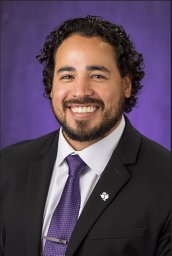 Micheal Luera合作论文数Human Performance Laboratory, Tarelton State University3
 Nicholas A Koemel合作论文数Sydney Medical School, The University of Sydney3
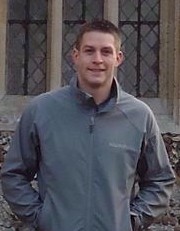 Joshua Benoit合作论文数Department of Epidemiology of Microbial Diseases, Yale University;Department of Biological Sciences, University of Cincinnati3Jay A. Yoder合作论文数3
 Ashlee A Taylor合作论文数3
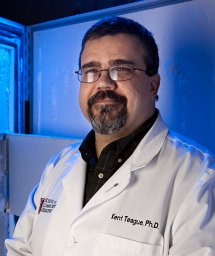 T. Kent Teague合作论文数Dept Surg, Univ Oklahoma3Trey Gradnigo合作论文数2Sydnie R Fleming合作论文数2Katherine Bode合作论文数2
 Matthew C. Ferrell合作论文数2
 Christopher Vann合作论文数Duke University School of Medicine, Duke University2
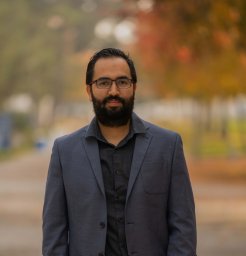 Jesus A. Hernandez-Sarabia合作论文数Oklahoma State Univ2
 Cody Taylor Haun合作论文数Fitomics, LLC2
 Cameron S. Mackey合作论文数Applied Neuromuscular Physiology Laboratory, Oklahoma State University2
 Alejandra Barrera Curiel合作论文数2
 Thiele Ryan M合作论文数2
 Robin Tucker合作论文数Department of Nutrition Science, Purdue University2
 Jeffrey N. Martin合作论文数San Francisco General Hospital;Department of Epidemiology and Biostatistics, University of California, San Francisco2
 Rosselot Andrew E合作论文数2
 R. Michael Roberts合作论文数Department of Animal Sciences, University of Missouri2
 Kaelin C. Young合作论文数Department of Kinesiology;College of Education;Department of Kinesiology|College of Education2
 Andrew J. Jajack合作论文数Department of Biology, Wittenberg University2
 Kevin M Gribbins合作论文数Department of Biology, Wittenberg University2J. Mansperger合作论文数1James K Sullivan合作论文数1Nicholas R Voth合作论文数1Julia R Gottreich合作论文数1Carmen A Young合作论文数1Charles L Cox合作论文数1Michael J. Luera合作论文数1
 Xiaojuan Li合作论文数Lerner Research Institute, Cleveland Clinic1Emily B Kroska合作论文数1
 G. Morgan Jones合作论文数1
 Ahmed El Sohemy合作论文数Department of Nutritional Sciences, Temerty Faculty of Medicine, University of Toronto1
 Peter Imrey合作论文数Department of Quantitative Health Sciences, Cleveland Clinic1
 Kurt Spindler合作论文数Cleveland Clinic1




