Reinforcement learning with verifiable rewards has driven major gains in LLM reasoning, and it is intuitive to assume this recipe will transfer well to multimodal models. However, multimodal models do two things: first, perceive what is in an image, then reason about what it implies. Because these stages are graded jointly, it is hard to tell how much room reasoning alone has to grow. We study this on algorithmic visual puzzles, where both components are necessary and show that perception, not reasoning, is the binding constraint. Replacing images with simple textual descriptions raises performance by over 20 points on average for Claude models. We then evaluate six reward designs aimed at inducing visual grounding during reasoning without chain-of-thought supervision. Training Qwen-2.5-VL-7B with GRPO, reward design induces long, structured reasoning with self-reflection and visual references, yielding a 5.56-point gain over the base model. These gains are, however, uneven; no single reward improves all categories, and rewards with verifiable accuracy signals trade out-of-domain transfer for in-domain accuracy. These results point to perception-aware reward design as a path forward, so that signals correct perception at its source rather than the reasoning that inherits its errors.
Table modeling has progressed for decades. In this work, we revisit this trajectory and highlight emerging challenges in the LLM era, particularly the paradox of choice: the difficulty of attributing performance gains amid diverse base models and training sets in the context of table instruction tuning. We replicate four table LLMs by instruction-tuning three foundation models on four existing datasets, yielding 12 models. We then evaluate these models across 16 table benchmarks. Our study is the first to quantitatively disentangle the effects of training data and base model selection, revealing that base model choice plays a more dominant role than the training data itself. Generalization and reasoning remain challenging, inviting future effort on table modeling. Based on our findings, we share our thoughts on the future directions for table modeling.
While significant progress has been made on the text-to-SQL task, recent solutions repeatedly encode the same database schema for every question, resulting in unnecessary high inference cost and often overlooking crucial database knowledge. To address these issues, we propose You Only Read Once (YORO), a novel paradigm that directly internalizes database knowledge into the parametric knowledge of a text-to-SQL model during training and eliminates the need for schema encoding during inference. YORO significantly reduces the input token length by 66%-98%. Despite its shorter inputs, our empirical results demonstrate YORO's competitive performances with traditional systems on three benchmarks as well as its significant outperformance on large databases. Furthermore, YORO excels in handling questions with challenging value retrievals such as abbreviation.
Large Language Models (LLMs) have the potential to revolutionize data analytics by simplifying tasks such as data discovery and SQL query synthesis through natural language interactions. This work serves as a pivotal first step toward the development of foundation models explicitly designed for data analytics applications. To propel this vision forward, we unveil a new data recipe for post-training LLMs, enhancing their comprehension of data management and empowering them to tackle complex real-world analytics tasks. Specifically, our innovative approach includes a scalable synthetic data generation method that enables the creation of a broad spectrum of topics centered on data representation and manipulation. Furthermore, we introduce two new tasks that seamlessly bridge tables and text. We show that such tasks can enhance models' understanding of schema creation and the nuanced translation between natural language and tabular data. Leveraging this data recipe, we post-train a new foundation model, named CoddLLM, based on Mistral-NeMo-12B. To assess the language understanding and reasoning capabilities of LLMs in the realm of data analytics, we contribute AnalyticsMMLU, a benchmark containing thousands of multiple-choice questions on databases, data analysis, and machine learning. Our focus on data discovery, has resulted in the contribution of three comprehensive benchmarks that address both database and data lake scenarios. CoddLLM not only excels in performance but also sets a new standard, achieving the highest average accuracy across eight datasets. It outperforms GPT-3.5-Turbo on AnalyticsMMLU, exceeding GPT-4o by 12.1 and showing an average improvement of 24.9 model.
Previous text-to-SQL datasets and systems have primarily focused on user questions with clear intentions that can be answered. However, real user questions can often be ambiguous with multiple interpretations or unanswerable due to a lack of relevant data. In this work, we construct a practical conversational text-to-SQL dataset called PRACTIQ, consisting of ambiguous and unanswerable questions inspired by real-world user questions. We first identified four categories of ambiguous questions and four categories of unanswerable questions by studying existing text-to-SQL datasets. Then, we generate conversations with four turns: the initial user question, an assistant response seeking clarification, the user's clarification, and the assistant's clarified SQL response with the natural language explanation of the execution results. For some ambiguous queries, we also directly generate helpful SQL responses, that consider multiple aspects of ambiguity, instead of requesting user clarification. To benchmark the performance on ambiguous, unanswerable, and answerable questions, we implemented large language model (LLM)-based baselines using various LLMs. Our approach involves two steps: question category classification and clarification SQL prediction. Our experiments reveal that state-of-the-art systems struggle to handle ambiguous and unanswerable questions effectively. We will release our code for data generation and experiments on GitHub.
Large language models (LLMs) have shown remarkable performance on a variety of NLP tasks, and are being rapidly adopted in a wide range of use cases. It is therefore of vital importance to holistically evaluate the factuality of their generated outputs, as hallucinations remain a challenging issue. In this work, we focus on assessing LLMs' ability to recall factual knowledge learned from pretraining, and the factors that affect this ability. To that end, we construct FACT-BENCH, a representative benchmark covering 20 domains, 134 property types, 3 answer types, and different knowledge popularity levels. We benchmark 31 models from 10 model families and provide a holistic assessment of their strengths and weaknesses. We observe that instruction-tuning hurts knowledge recall, as pretraining-only models consistently outperform their instruction-tuned counterparts, and positive effects of model scaling, as larger models outperform smaller ones for all model families. However, the best performance from GPT-4 still represents a large gap with the upper-bound. We additionally study the role of in-context exemplars using counterfactual demonstrations, which lead to significant degradation of factual knowledge recall for large models. By further decoupling model known and unknown knowledge, we find the degradation is attributed to exemplars that contradict a model's known knowledge, as well as the number of such exemplars. Lastly, we fine-tune LLaMA-7B in different settings of known and unknown knowledge. In particular, fine-tuning on a model's known knowledge is beneficial, and consistently outperforms fine-tuning on unknown and mixed knowledge. We will make our benchmark publicly available.
Current knowledge editing approaches struggle to effectively propagate updates to interconnected facts. In this work, we delve into the barriers that hinder the appropriate propagation of updated knowledge within these models for accurate reasoning. To support our analysis, we introduce a novel reasoningbased benchmark, ReCoE (Reasoning-based Counterfactual Editing dataset), which covers six common reasoning schemes in the real world. We conduct an extensive analysis of existing knowledge editing techniques, including input-augmentation, finetuning, and locate-andedit methods. We found that all model editing methods exhibit notably low performance on this dataset, especially within certain reasoning schemes. Our analysis of the chain-ofthought responses from edited models indicate that, while the models effectively update individual facts, they struggle to recall these facts in reasoning tasks. Moreover, locate-and-edit methods severely deteriorate the models' language modeling capabilities, leading to poor perplexity and logical coherence in their outputs.
Large language models (LLMs) have shown remarkable performance on a variety of NLP tasks, and are being rapidly adopted in a wide range of use cases. It is therefore of vital importance to holistically evaluate the factuality of their generated outputs, as hallucinations remain a challenging issue. In this work, we focus on assessing LLMs' ability to recall factual knowledge learned from pretraining, and the factors that affect this ability. To that end, we construct FACT-BENCH, a representative benchmark covering 20 domains, 134 property types, 3 answer types, and different knowledge popularity levels. We benchmark 31 models from 10 model families and provide a holistic assessment of their strengths and weaknesses. We observe that instruction-tuning hurts knowledge recall, as pretraining-only models consistently outperform their instruction-tuned counterparts, and positive effects of model scaling, as larger models outperform smaller ones for all model families. However, the best performance from GPT-4 still represents a large gap with the upper-bound. We additionally study the role of in-context exemplars using counterfactual demonstrations, which lead to significant degradation of factual knowledge recall for large models. By further decoupling model known and unknown knowledge, we find the degradation is attributed to exemplars that contradict a model's known knowledge, as well as the number of such exemplars. Lastly, we fine-tune LLaMA-7B in different settings of known and unknown knowledge. In particular, fine-tuning on a model's known knowledge is beneficial, and consistently outperforms fine-tuning on unknown and mixed knowledge. We will make our benchmark publicly available.
The open-ended Visual Question Answering (VQA) task requires AI models to jointly reason over visual and natural language inputs using world knowledge. Recently, pre-trained Language Models (PLM) such as GPT-3 have been applied to the task and shown to be powerful world knowledge sources. However, these methods suffer from low knowledge coverage caused by PLM bias -- the tendency to generate certain tokens over other tokens regardless of prompt changes, and high dependency on the PLM quality -- only models using GPT-3 can achieve the best result. To address the aforementioned challenges, we propose RASO: a new VQA pipeline that deploys a generate-then-select strategy guided by world knowledge for the first time. Rather than following the de facto standard to train a multi-modal model that directly generates the VQA answer, RASO first adopts PLM to generate all the possible answers, and then trains a lightweight answer selection model for the correct answer. As proved in our analysis, RASO expands the knowledge coverage from in-domain training data by a large margin. We provide extensive experimentation and show the effectiveness of our pipeline by advancing the state-of-the-art by 4.1% on OK-VQA, without additional computation cost. Code and models are released at http://cogcomp.org/page/publication_view/1010
HPN217 is a Tri-specific T Cell-Activating Construct (TriTAC) currently being evaluated in a phase 1 clinical trial for relapsed or refractory multiple myeloma (MM) (NCT04184050). It consists of a single domain antibody (sdAb) specific for B-cell maturation antigen (BCMA), a serum albumin-specific sdAb for half-life extension, and a single chain Fv (scFv) specific for the CD3ε subunit of the T cell receptor (TCR) complex for T cell engagement. BCMA is a cell surface receptor highly expressed on malignant plasma cells in MM patients and plays an important role in B-cell proliferation and survival. Soluble BCMA (sBCMA) is produced when the extracellular domain of BCMA is cleaved by γ-secretase and enters circulation. sBCMA may act as a sink for BCMA targeted therapies, potentially decreasing anti-tumor efficacy. Previous studies have shown γ-secretase inhibitors (GSIs) can increase membrane bound BCMA expression on MM cells and decrease sBCMA concentrations, providing a rationale for combining GSIs with HPN217. Here we describe preclinical studies evaluating that combination in vitro and in vivo. To evaluate the effects of GSIs on BCMA expression, MM cell lines MOLP8, KMS-12-BM, and MM.1S were incubated with GSIs LY3039478, PF03084014, or RO4929097overnight. GSI treatment led to a 3-7-fold increase in BCMA expression on MM cell surface. To determine the effects of increased BCMA expression mediated by GSIs on the activity of HPN217, an in vitro T cell dependent cell cytotoxicity assay (TDCC) was conducted. GSIs enhanced the activity of HPN217, in some cases leading to a 3.5-fold increase in potency compared to HPN217 alone. Next, the impact of the combination was tested in vivo using a disseminated MOLP-8 xenograft model engrafted with T cells from a healthy human donor. Vehicle treated mice succumbed to disease burden with a median survival of 23 days as assessed by body weight loss and clinical observations. A suboptimal dose of 4 ug/kg HPN217 protected mice from disease burden for an additional 3 days. By contrast, the combination of HPN217 and LY3039478 led to a significant increase in survival compared to vehicle or either monotherapy, with a median survival of 43 days. Taken together these results demonstrate the potential utility of GSIs to enhance the anti-tumor activity of HPN217 and supports further investigation of this combinatorial approach in patients. Citation Format: Payton C. Laurie, Mary Ellen Molloy, Patrick P. Ng, Banmeet S. Anand. Anti-tumor activity of HPN217, a BCMA-targeting tri-specific T cell engager, is enhanced by γ-secretase inhibitors in preclinical models. [abstract]. In: Proceedings of the American Association for Cancer Research Annual Meeting 2023; Part 1 (Regular and Invited Abstracts); 2023 Apr 14-19; Orlando, FL. Philadelphia (PA): AACR; Cancer Res 2023;83(7_Suppl):Abstract nr 5081.
Question answering over knowledge bases (KBs) aims to answer natural language questions with factual information such as entities and relations in KBs. Previous methods either generate logical forms that can be executed over KBs to obtain final answers or predict answers directly. Empirical results show that the former often produces more accurate answers, but it suffers from non-execution issues due to potential syntactic and semantic errors in the generated logical forms. In this work, we propose a novel framework DecAF that jointly generates both logical forms and direct answers, and then combines the merits of them to get the final answers. Moreover, different from most of the previous methods, DecAF is based on simple free-text retrieval without relying on any entity linking tools -- this simplification eases its adaptation to different datasets. DecAF achieves new state-of-the-art accuracy on WebQSP, FreebaseQA, and GrailQA benchmarks, while getting competitive results on the ComplexWebQuestions benchmark.
Neural text-to-SQL models have achieved remarkable performance in translating natural language questions into SQL queries. However, recent studies reveal that text-to-SQL models are vulnerable to task-specific perturbations. Previous curated robustness test sets usually focus on individual phenomena. In this paper, we propose a comprehensive robustness benchmark based on Spider, a cross-domain text-to-SQL benchmark, to diagnose the model robustness. We design 17 perturbations on databases, natural language questions, and SQL queries to measure the robustness from different angles. In order to collect more diversified natural question perturbations, we utilize large pretrained language models (PLMs) to simulate human behaviors in creating natural questions. We conduct a diagnostic study of the state-of-the-art models on the robustness set. Experimental results reveal that even the most robust model suffers from a 14.0% performance drop overall and a 50.7% performance drop on the most challenging perturbation. We also present a breakdown analysis regarding text-to-SQL model designs and provide insights for improving model robustness.
Entities can be expressed in diverse formats, such as texts, images, or column names and cell values in tables. While existing entity linking (EL) models work well on per modality configuration, such as text-only EL, visual grounding, or schema linking, it is more challenging to design a unified model for diverse modality configurations. To bring various modality configurations together, we constructed a benchmark for diverse-modal EL (DMEL) from existing EL datasets, covering all three modalities including text, image, and table. To approach the DMEL task, we proposed a generative diverse-modal model (GDMM) following a multimodal-encoder-decoder paradigm. Pre-training \Model with rich corpora builds a solid foundation for DMEL without storing the entire KB for inference. Fine-tuning GDMM builds a stronger DMEL baseline, outperforming state-of-the-art task-specific EL models by 8.51 F1 score on average. Additionally, extensive error analyses are conducted to highlight the challenges of DMEL, facilitating future research on this task.
A practical text-to-SQL system should generalize well on a wide variety of natural language questions, unseen database schemas, and novel SQL query structures. To comprehensively evaluate text-to-SQL systems, we introduce a UNIfied benchmark for Text-to-SQL Evaluation (UNITE). It is composed of publicly available text-to-SQL datasets, containing natural language questions from more than 12 domains, SQL queries from more than 3.9K patterns, and 29K databases. Compared to the widely used Spider benchmark, we introduce $\sim$120K additional examples and a threefold increase in SQL patterns, such as comparative and boolean questions. We conduct a systematic study of six state-of-the-art (SOTA) text-to-SQL parsers on our new benchmark and show that: 1) Codex performs surprisingly well on out-of-domain datasets; 2) specially designed decoding methods (e.g. constrained beam search) can improve performance for both in-domain and out-of-domain settings; 3) explicitly modeling the relationship between questions and schemas further improves the Seq2Seq models. More importantly, our benchmark presents key challenges towards compositional generalization and robustness issues -- which these SOTA models cannot address well. Our code and data processing script are available at https://github.com/awslabs/unified-text2sql-benchmark
Recently, there has been increasing interest in synthesizing data to improve downstream text-to-SQL tasks. In this paper, we first examined the existing synthesized datasets and discovered that state-of-the-art text-to-SQL algorithms did not further improve on popular benchmarks when trained with augmented synthetic data. We observed two shortcomings: illogical synthetic SQL queries from independent column sampling and arbitrary table joins. To address these issues, we propose a novel synthesis framework that incorporates key relationships from schema, imposes strong typing, and conducts schema-distance-weighted column sampling. We also adopt an intermediate representation (IR) for the SQL-to-text task to further improve the quality of the generated natural language questions. When existing powerful semantic parsers are pre-finetuned on our high-quality synthesized data, our experiments show that these models have significant accuracy boosts on popular benchmarks, including new state-of-the-art performance on Spider.
There has been great progress in unifying various table-to-text tasks using a single encoder-decoder model trained via multi-task learning (Xie et al., 2022). However, existing methods typically encode task information with a simple dataset name as a prefix to the encoder. This not only limits the effectiveness of multi-task learning, but also hinders the model's ability to generalize to new domains or tasks that were not seen during training, which is crucial for real-world applications. In this paper, we propose compositional task configurations, a set of prompts prepended to the encoder to improve cross-task generalization of unified models. We design the task configurations to explicitly specify the task type, as well as its input and output types. We show that this not only allows the model to better learn shared knowledge across different tasks at training, but also allows us to control the model by composing new configurations that apply novel input-output combinations in a zero-shot manner. We demonstrate via experiments over ten table-to-text tasks that our method outperforms the UnifiedSKG baseline by noticeable margins in both in-domain and zero-shot settings, with average improvements of +0.5 and +12.6 from using a T5-large backbone, respectively.
Most recent research on Text-to-SQL semantic parsing relies on either parser itself or simple heuristic based approach to understand natural language query (NLQ). When synthesizing a SQL query, there is no explicit semantic information of NLQ available to the parser which leads to undesirable generalization performance. In addition, without lexical-level fine-grained query understanding, linking between query and database can only rely on fuzzy string match which leads to suboptimal performance in real applications. In view of this, in this paper we present a general-purpose, modular neural semantic parsing framework that is based on token-level fine-grained query understanding. Our framework consists of three modules: named entity recognizer (NER), neural entity linker (NEL) and neural semantic parser (NSP). By jointly modeling query and database, NER model analyzes user intents and identifies entities in the query. NEL model links typed entities to schema and cell values in database. Parser model leverages available semantic information and linking results and synthesizes tree-structured SQL queries based on dynamically generated grammar. Experiments on SQUALL, a newly released semantic parsing dataset, show that we can achieve 56.8% execution accuracy on WikiTableQuestions (WTQ) test set, which outperforms the state-of-the-art model by 2.7%.
Relation extraction is an important but challenging task that aims to extract all hidden relational facts from the text. With the development of deep language models, relation extraction methods have achieved good performance on various benchmarks. However, we observe two shortcomings of previous methods: first, there is no unified framework that works well under various relation extraction settings; second, effectively utilizing external knowledge as background information is absent. In this work, we propose a knowledge-enhanced generative model to mitigate these two issues. Our generative model is a unified framework to sequentially generate relational triplets under various relation extraction settings and explicitly utilizes relevant knowledge from Knowledge Graph (KG) to resolve ambiguities. Our model achieves superior performance on multiple benchmarks and settings, including WebNLG, NYT10, and TACRED.
Question answering over semi-structured tables has attracted significant attention in the NLP community. However, most of the existing work focus on questions that can be answered with short-form answer, i.e. the answer is often a table cell or aggregation of multiple cells. This can mismatch with the intents of users who want to ask more complex questions that require free-form answers such as explanations. To bridge the gap, most recently, pre-trained sequence-to-sequence language models such as T5 are used for generating free-form answers based on the question and table inputs. However, these pre-trained language models have weaker encoding abilities over table cells and schema. To mitigate this issue, in this work, we present an intermediate pre-training framework, Generation-focused Table-based Intermediate Pre-training (GENTAP), that jointly learns representations of natural language questions and tables. GENTAP learns to generate via two training objectives to enhance the question understanding and table representation abilities for complex questions. Based on experimental results, models that leverage GENTAP framework outperform the existing baselines on FETAQA benchmark. The pre-trained models are not only useful for free-form question answering, but also for few-shot data-to-text generation task, thus showing good transfer ability by obtaining new state-of-the-art results.
In this work, we focus on two crucial components in the cross-domain text-to-SQL semantic parsing task: schema linking and value filling. To encourage the model to learn better encoding ability, we propose a column selection auxiliary task to empower the encoder with the relevance matching capability by using explicit learning targets. Furthermore, we propose two value filling methods to build the bridge from the existing zero-shot semantic parsers to real-world applications, considering most of the existing parsers ignore the values filling in the synthesized SQL. With experiments on Spider, our proposed framework improves over the baselines on the execution accuracy and exact set match accuracy when database contents are unavailable, and detailed analysis sheds light on future work.
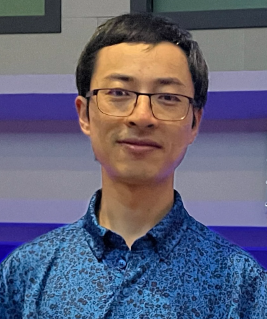 Zhiguo Wang (王志国)合作论文数Amazon Web Services AI Labs24
 Bing Xiang合作论文数Goldman Sachs19
 Henghui Zhu合作论文数Amazon Web Services13
 Ronald M. Levy合作论文数Department of Chemistry, College of Science and Technology, Temple University10
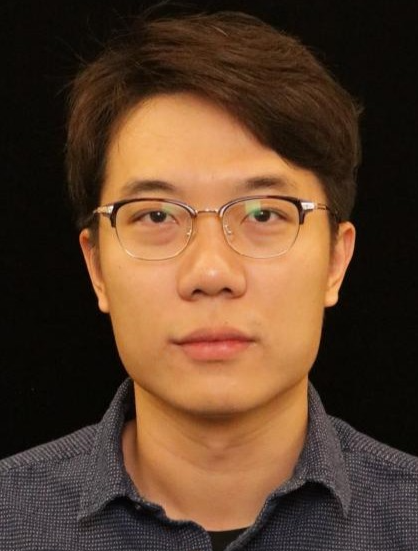 Alexander Hanbo Li (李汉伯)合作论文数Amazon Web Services9
 Sheng Zhang合作论文数8
 Ramesh Maruthi Nallapati合作论文数Siemens8
 Jun Wang合作论文数AI Labs, AWS7Jiarong Jiang合作论文数7
 Manuel L. Penichet合作论文数Department of Microbiology, Immunology, and Molecular Genetics, College of Life Sciences, University of California7Uri Keich合作论文数School of Mathematics and Statistics, University of Sydney7
 Chung-Wei Hang (杭仲瑋)合作论文数Amazon Web Services6
 Betty Chang合作论文数Department of Developmental and Regenerative Biology, Icahn School of Medicine at Mount Sinai6Yiqun Hu合作论文数5
 Vittorio Castelli合作论文数Amazon Web Services5
 Gustavo Helguera合作论文数David Geffen School of Medicine, UCLA5
 Cicero Nogueira dos Santos合作论文数Google DeepMind5
 Shoshana Levy合作论文数Oncology Division, School of Medicine, Stanford University5Richard A. Miller合作论文数4Kedar G Patel合作论文数4Mingwen Dong合作论文数4Kohrt Holbrook E合作论文数4
 Feng Nan合作论文数Apple4Lin Pan合作论文数IBM4Sherie L. Morrison合作论文数4
 Shuaichen Chang合作论文数AI Lab, Amazon Web Services4
 James Swartz合作论文数Department of Chemical Engineering, Stanford University;Department of Bioengineering, Stanford University;Swartz Biotechnology Laboratory, School of Engineering, Stanford University4
 Wuwei Lan合作论文数Amazon Web Services4
 Peng Shi合作论文数Amazon AWS4
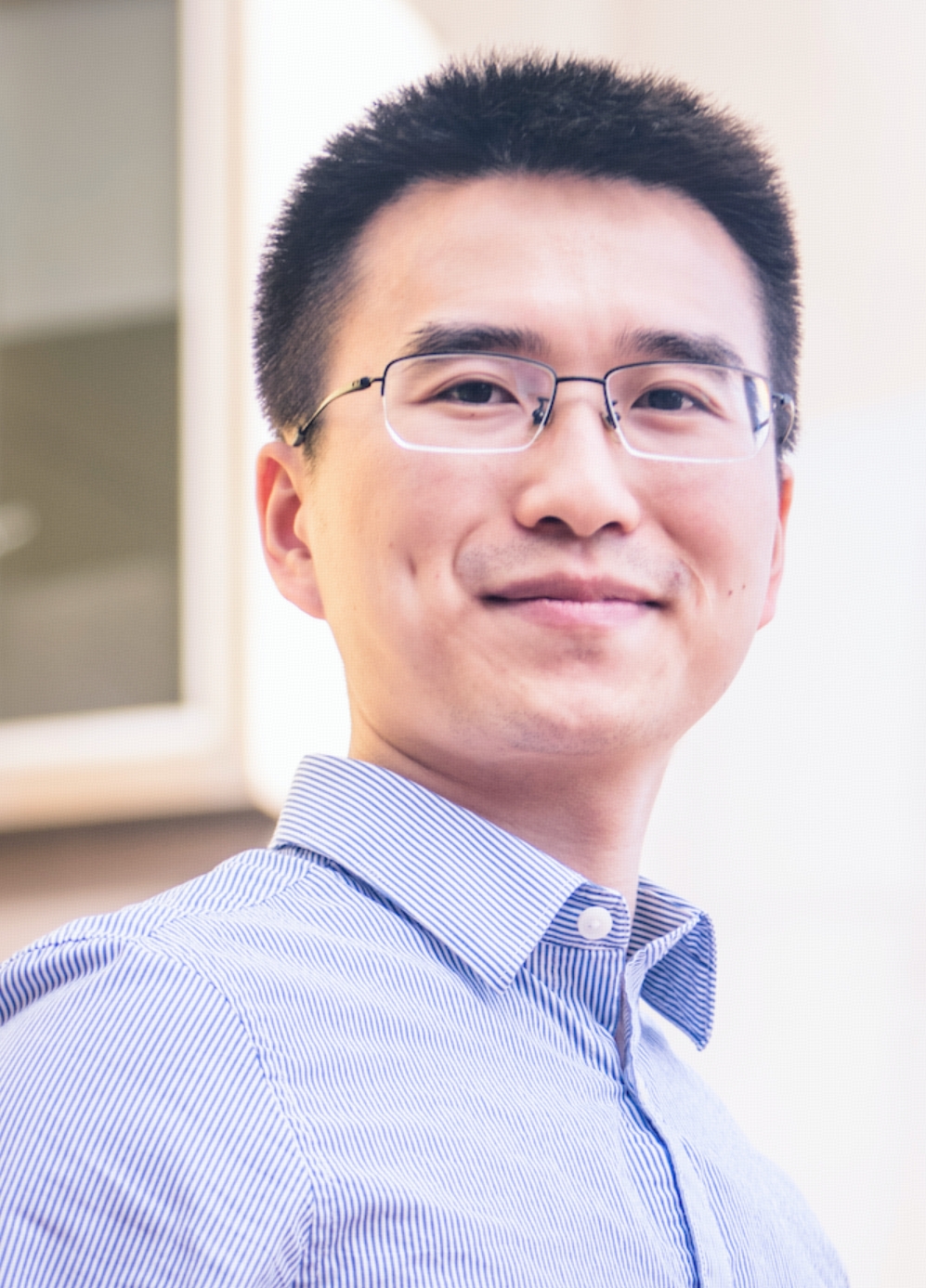 Jiang Guo (郭江)合作论文数AWS Agentic AI4J.J. Buggy合作论文数3Anuj Chauhan合作论文数3Craig M. Hill合作论文数3
 Henry Zhu合作论文数UC Berkeley3
 Benjamin E. Bonavida合作论文数Department of Microbiology, Immunology, and Molecular Genetics, David Geffen School of Medicine, University of California , Los Angeles3
 William Wang (王威廉)合作论文数Department of Computer Science, University of California, Santa Barbara;ChipAgents3James W. Janc合作论文数3Idit Sagiv-Barfi合作论文数The Alexander Silberman Institute of Life Sciences, The Hebrew University of Jerusalem3Hideo Kobayashi合作论文数2Joseph Lilien合作论文数2erik verner合作论文数2Daniel Lu合作论文数2
 Xiaofei Ma合作论文数2
 Jose A. Rodriguez合作论文数Biochemistry Division, Department of Chemistry and Biochemistry, College of Physical Sciences, University of California, Los Angeles;Institute for Genomics and Proteomics, Department of Energy Office of Science, University of California, Los Angeles;California NanoSystems Institute, University of California, Los Angeles;Molecular Biology Institute, University of California, Los Angeles;NSF-STROBE Science and Technology Center2
 Perera, P.H.合作论文数Dept. of Electr. & Electron. Eng., Univ. of Peradeniya, Peradeniya, Sri Lanka|c|2Ming Jia合作论文数2
 Stephen M. Ash合作论文数2
 Rishav Chakravarti合作论文数Scale AI2
 Wong Adam C-N合作论文数Department of Entomology, Cornell University2




