BACKGROUND:This study aimed to assess the acceptance of Germany's adoption of digital health interventions (DHI) among dermatology patientsand to identify patient clusters. PATIENTS AND METHODS:A cross-sectional, quantitative survey on acceptability and (future) usage of DHIs was conducted among patients with chronic dermatological conditions. Exploratory Factor Analysis (EFA) identified key constructs and patients were grouped using a two-step clustering approach. RESULTS:The EFA was conducted using data from 344 patients (mean age 52.5 years, SD 14.8; 74.0 % female) and identified four factors: "Acceptability of DHIs and Trust," "Patients' Digital Health Competencies," "Digital Health Insecurities," and "Positive Impact of DHIs." Cluster analysis resulted in four groups: "Digital Sceptics" (n = 49, 15.6 %), "Cautious Adopters" (n = 106, 33.7 %), "Digital Enthusiasts" (n = 98, 31.1 %), "Adopters Unsure About Impact" (n = 62, 18.0 %). "Digital Enthusiasts" were significantly younger. Usage and acceptability varied among clusters, with "Digital Enthusiasts" and "Adopters Unsure About Impact" showing the highest rates. Overall, few patients used DHIs, including store-and-forward teledermatology (2.0 %-7.0 %) or electronic patient records (6.4 %-19.4 %). CONCLUSIONS:Patient clusters with varying attitudes towards DHIs were identified. Despite a general willingness to adopt DHIs, actual usage remains low. Systemic barriers such as availability and digital competencies need to be addressed.
Zusammenfassung Hintergrund und Ziele Ziel dieser Studie war es, die Akzeptanz digitaler Gesundheitsinterventionen (DHI) bei Patienten in der Dermatologie zu bewerten und Patientengruppen zu identifizieren. Patienten und Methoden Eine quantitative Querschnittsbefragung zur Akzeptanz und (künftigen) Nutzung von DHI unter Patienten mit chronischen Hauterkrankungen wurde durchgeführt. Mittels explorativer Faktorenanalyse (EFA) wurden Faktoren identifiziert und die Patienten anhand eines zweistufigen Clustering‐Ansatzes in Gruppen eingeteilt. Ergebnisse Die EFA verwendete Daten von 344 Patienten (M 52,5 Jahre, SD 14,8; 74,0 % weiblich) und ergab vier Faktoren: „Akzeptanz/Vertrauen“, „Digitale Gesundheitskompetenzen“, „Unsicherheiten“ und „Positive Auswirkungen“. Die Clusteranalyse ergab vier Gruppen: „Digitale Skeptiker“ (n = 49, 15,6 %), „Vorsichtige Anwender“ (n = 106, 33,7 %), „Digitale Enthusiasten“ (n = 98, 31,1 %) und „Anwender, unsicher über die Auswirkungen“ (n = 62, 18,0 %). Die „Digitalen Enthusiasten“ waren deutlich jünger. Die Nutzung und Akzeptanz variierten zwischen den Clustern, wobei die „Enthusiasten“ und die „Anwender, unsicher über die Auswirkungen“ die höchsten Werte aufwiesen. Insgesamt nutzten nur wenige Patienten DHI, darunter Store‐and‐Forward‐Teledermatologie (2,0–7,0 %) oder elektronische Patientenakten (6,4–19,4 %). Schlussfolgerungen Patientengruppen mit unterschiedlichen Einstellungen gegenüber DHI wurden identifiziert. Trotz einer allgemeinen Bereitschaft zur Einführung von DHI bleibt die tatsächliche Nutzung gering. Systemische Barrieren, wie Verfügbarkeit und digitale Kompetenzen, müssen angegangen werden.
Background Digital health interventions (DHIs) have the potential to enhance dermatological care by improving quality, patient empowerment, and efficiency. However, adoption remains limited, particularly in Germany. Objective This study explores German dermatologists’ attitudes toward DHIs, clustering them by acceptance levels and analyzing differences in sociodemographics and current and future DHI use. Methods We conducted a cross-sectional survey, randomly inviting 1000 dermatologists in Germany to participate. The questionnaire consisted of Likert scale items rating the acceptability of DHIs from 1 to 5. Items on the current and future use of DHIs were also included. Exploratory factor analysis was used to identify factors and reduce data as input for a 2-step clustering algorithm. Results The survey with 170 dermatologists (mean age 50.8, SD 10.3 y; 74/167, 55.7% female) identified four factors through the exploratory factor analysis: (1) “Positive Expectancies and Acceptability of DHIs,” (2) “Dermatologists’ Digital Competencies,” (3) “Negative Expectancies and Barriers,” and (4) “Dermatologists’ Perspectives on Patients’ Acceptability and Competencies.” The analysis identified three distinct clusters: (1) Indecisives (n=69)—moderate intentions to use DHIs and moderate negative expectations toward them; (2) Adopters (n=60)—high intentions to use DHIs and high digital competencies; and (3) Rejectors (n=26)—low intentions to use DHIs and low digital competencies. Adopters were significantly younger, more often based in urban centers, and exhibited the highest adoption rates of DHIs compared to the other clusters. Across all clusters, inadequate reimbursement and perceived structural barriers were cited as significant challenges to DHI adoption. Still, only one-third of the Adopters used DHIs including teledermatology or artificial intelligence. Conclusions Dermatologists in Germany exhibited varied levels of acceptance and readiness for DHIs, with demographic and structural factors influencing adoption. Addressing barriers such as reimbursement and investing in digital literacy could promote wider use, potentially reducing health inequalities by improving access to digital health care.
Background Although several digital health interventions (DHIs) have shown promise in the care of skin diseases their uptake in Germany has been limited. To fully understand the reasons for the low uptake, an in-depth analysis of patients’ and health care providers’ barriers and facilitators in dermatology is needed. Objective The objective of this study was to explore and compare attitudes, acceptability, barriers, and facilitators of patients, dermatologists, and nurses toward DHIs in dermatology. Methods We conducted 6 web-based focus groups each with patients (n=34), dermatologists (n=30), and nurses (n=30) using a semistructured interview guide with short descriptions of DHIs described in the literature. A content analysis was performed using deductive constructs, following the unified theory of acceptance and use of technology framework, and inductive categories. Results Patients identified many positive performance expectancies, such as reduced travel times and improvement in follow-up appointments. Dermatologists also stated positive effects (eg, promotion of standardized care), but also negative implications of health care digitalization (eg, increased workload). All stakeholders reported that a DHI should bring additional value to all stakeholders. A lack of digital competence among patients was identified as the major barrier to adoption by all 3 groups. Nurses and dermatologists want apps that are easy to use and easy to implement into their daily routines. Trust in selected institutions, colleagues, and physicians was identified as a facilitator. Patients reported their dependence on the dermatologists’ acceptance. All groups expressed concerns about data privacy risks and dermatologists stated insecurities toward data privacy laws. Conclusions To ensure successful digitalization in dermatology, apps should be user-friendly, adapted to users’ skill levels, and beneficial for all stakeholders. The incorporation of dermatologists’ perspectives is especially important as their acceptance may impact use among patients and nurses. DHIs should ensure and be transparent about data privacy. The found barriers and facilitators can be used for implementation strategies.
BackgroundIn recent years, legal and infrastructural conditions have been set to improve the adoption of digital applications in health care in Germany. The impact of these actions was amplified by the COVID-19 pandemic. So far, no studies have confirmed this progress in dermatology. ObjectiveThe aim of this study was to measure changes in knowledge, interest, expectation, and use of digital applications in health care among dermatologists in Germany in 2019 and 2021. MethodsWe administered a repeated cross-sectional survey among dermatologists in medical practices and clinics in Germany at 2 time points: t1 (2019; before the COVID-19 pandemic) and t2 (2021; during the COVID-19 pandemic). We used a standardized questionnaire, including items on respondents’ knowledge, interest, expectation, and use of digital applications, as well as their demographics. The survey was distributed by post and email. The data were analyzed descriptively as well as with multiple logistic regressions. ResultsAt t1, 585 (272/571, 47.6% female; mean age 52.4, SD 8.9 years) dermatologists and at t2, 792 (360/736, 48.9% female; mean age 54.3, SD 8.6 years) dermatologists participated in this survey. Interest in digital medicine was higher at t1 than at t2 (381/585, 65.1% vs 458/792, 57.8%; P≤.001). Nevertheless, 38.6% (306/792) had used digital applications more often since the beginning of the pandemic. For example, real-time telemedicine with patients (12/585, 2.1% vs 160/792, 7.6%; P≤.001) and other specialists did increase (33/385, 5.7% vs 181/792, 22.8%; P≤.001). Almost one-third expressed great concerns about digitalization (272/792, 34.3% vs 294/792, 37.1%; P=.21). Spatial analysis revealed higher interest in, more positive expectations toward, and higher use of digital applications in urban areas in comparison to rural areas. For instance, dermatologists from urban areas assessed future applications as having less risk (adjusted odds ratio [aOR] 0.51, 95% CI 0.35-0.76) than did dermatologists from rural areas. The situation was similar with the age groups, as, for example, dermatologists aged <50 years also expected lower risks (aOR 0.51, 95% CI 0.34-0.77) than those aged ≥50 years. There were no differences between sexes in use, but there were differences in knowledge and expectation; for example, male participants assessed their confidence in using digital applications as higher (aOR 1.44, 95% CI 1.01-2.04) than did female participants. ConclusionsDuring the pandemic, the use of digital applications in dermatology increased but still remained at a moderate level. The regional and age-related disparities identified indicate the need for further action to ensure equal access to digital care.
Dear Editor Telemedicine has become increasingly crucial for the management of skin diseases worldwide, offering added benefits through remote healthcare solutions.1 In store-and-forward (S&F) teledermatology, patients submit disease information and images of their skin findings for asynchronous evaluation by a dermatologist.2 Several studies, though few on implemented S&F solutions,3, 4 demonstrate high satisfaction, concordance, cost-effectiveness and therapeutic efficiency3-10 of teledermatology. We evaluated a recently established, publicly accessible S&F teledermatology application (www.derma2go.com) for satisfaction, usability and benefit. The application follows the German guidance on teledermatology11 and is directly paid for by the patients. The sample consisted of 1232 patients (mean age: 35.4 years, 51.1% female) with a variety of symptoms and health status (Table 1): for example, mean baseline pain (scale from 0 to 100): 33.6; SD: 24.1; range: 0–100); 33.1% of skin problems existed for >1 year and 37.3% for >1 month; 52.5% of skin problems were treated before. After an average of 25.6 h, the patients got the physician's response and 71.0% received medication recommendations. In the survey, a total of 525 patients responded at t1, and 108 also at t2 (Table 2). Most patients expressed satisfaction with the application, user-friendliness and response time, reported high confidence in the application and would use it again. Additionally, after 21 days 70.2% reported that their medical concerns were clarified and 70.2% did not have to visit a physician in person. Reasons for cancelling a request (n = 118) mainly included the price (49.2%), followed by trustworthiness concerns (13.6%) and the preference for in-person visits (12.7%). Physicians took an average of 8 min (median: 8.0; range: 1–30) to finalize a S&F consultation. For 85.1% of physicians, the request was solved, in 21.3% an in-person visit to a physician was recommended. In subgroup analysis, female patients were less satisfied and older patients were more likely to use the application again. In summary, the S&F application showed good feasibility, satisfaction, and acceptability while improving patients' health status. Similar to our results (85.1% solved requests), Lindemann et al.3 found therapeutic efficiency in 83.3% of patients, whereas Sondermann et al.4 stated that a diagnosis was possible in 90.3% of cases. Concerning the latter, 35.7% of patients were still recommended to see a physician in-person (21.3% in our study) and only 46.9% of patients received a therapy recommendation (71.0% in our study). Differences may be related to the study or health care settings. We conclude that S&F teledermatology is suitable for a wide range of dermatological patients. This is in line with the German S2k guideline on teledermatology,11 which provides clear recommendations for teledermatological services but still identifies limitations for crude tele-diagnostics. S&F teledermatology can improve access to care, be used to triage patients, or for getting second opinions. Our results are highly relevant for IT experts to further develop teledermatological applications and for physicians and stakeholders to enforce the implementation of evidence-based S&F teledermatology. Patients are encouraged to use such quality-assured solutions as needed. The investigation of barriers and facilitators as well as solving payment issues will be essential to further develop telemedicine in dermatological care. The authors thank the Scientific Communication Team of the IVDP, in particular Amber Hönning and Mario Gehoff, for copy editing. There was no external funding. Marina Otten is a co-author of the German AWMF guideline on teledermatology. Christian Greis is the founder of the teledermatology platform derma2go AG. Patrick Reinders and Anastasia Fleyder have no conflicts of interest to declare. Kristian Reich is a scientific advisor for the teledermatology plattform derma2go AG. Matthias Augustin is first author of the German AWMF guideline on teledermatology and a scientific advisor for the teledermatology platform derma2go AG, for A+ Videoclinic GmbH and for Novartis. The data that support the findings of this study are available from the corresponding author upon reasonable request.
Background and Objectives: Adoption and acceptance of digital health services (DHS) in the German population and in persons with skin diseases is unclear. Both factors were analyzed in this survey. Methods: A standardized survey with items on digital competences and attitudes, use and acceptance of DHS was applied to a representative sample of the German adult population. Bivariate and multivariate analyses were conducted. Results: Out of 2,101 participants, 29.9% reported having had skin diseases in the last 12 months. Among them, adoption and acceptance were at 43.6% and 52.3%, respectively. Both values are significantly higher compared to participants without skin diseases (29.2%; p < 0.01 and 45.5%; p < 0.01). 18.9% of participants with a skin disease used digital diagnostic support, but only 9.7% applied it for a skin disease (p < 0.01). For all participants, with and without skin disease, the DHS most commonly used were passive health monitoring (14.3%) and diagnostic support (11.5%), telemedicine was least used (4.7% video-consultation, 2.5% store-and-forward). Use and acceptance were associated with young age, education, low data privacy concerns, digital confidence, having a skin disease, and high severity of skin disease. Conclusions: DHS for skin diseases are used rarely but have a high potential.
Zusammenfassung Hintergrund und Zielsetzung Die Nutzung und Akzeptanz digitaler Gesundheitsdienste ( digital health services , DHS) in der deutschen Bevölkerung und bei Personen mit Hauterkrankungen sind unklar. Beide Aspekte wurden in dieser Studie analysiert. Methodik Eine repräsentative Stichprobe der deutschen Erwachsenenbevölkerung wurde mit Items zu digitalen Kompetenzen, Einstellungen, zur Nutzung und Akzeptanz von DHS standardisiert befragt. Es wurden bivariate und multivariate Analysen durchgeführt. Ergebnisse Von den 2101 Teilnehmern gaben 29,9% an, in den letzten 12 Monaten Hautkrankheiten gehabt zu haben. In dieser Gruppe lag die Nutzung und die Akzeptanz von DHS bei 43,6% beziehungsweise 52,3%. Beide Werte sind im Vergleich zu Teilnehmern ohne Hautkrankheiten signifikant höher (29,2%; p < 0,01 und 45,5%; p < 0,01). 18,9% der Teilnehmer mit Hauterkrankung nutzten die digitale Diagnoseunterstützung, aber nur 9,7% wendeten sie für eine Hauterkrankung an (p < 0,01). Bei allen Teilnehmern, mit und ohne Hautkrankheit, waren die am häufigsten genutzten DHS die passive Gesundheitsüberwachung (14,3%) und die Diagnoseunterstützung (11,5%), während die Telemedizin am seltensten genutzt wurde (4,7% Videokonsultation, 2,5% Store‐and‐Forward ). Nutzung und Akzeptanz waren assoziiert mit jungem Alter, höherer Bildung, geringeren Datenschutzbedenken, höherer Sicherheit im Umgang mit DHS, einer Hauterkrankung und hohem Schweregrad dieser. Schlussfolgerungen DHS für Hautkrankheiten werden selten eingesetzt, haben aber ein hohes Potenzial.
Digital health interventions (DHI) potentially improve the efficiency and effectiveness of dermatological care. Currently, an overview clustering and characterizing the evidence on DHIs is missing. This systematic mapping of the literature aims to analyse published research on DHIs in dermatology to identify trends and gaps in research. For this purpose, a systematic search of the MEDLINE database was conducted in August 2022 to identify original publications on DHIs in dermatology. Data on country, targeted audience, DHI category, indication, outcome parameter and study design were extracted. Out of 12,009 records identified in MEDLINE, 403 studies were included in the final analysis. Studies on DHIs mainly performed in western countries, headed by the United States (n = 133), Germany (n = 32) and Spain (n = 23). Of all identified DHIs, 261 targeted healthcare providers (HCP), 66 clients (e.g. patients, caregivers, healthy individuals) and 67 both clients and HCPs. A majority of DHIs focussed on establishing a diagnosis (n = 254). Every other study analysed store-and-forward teledermatology (n = 187), followed by artificial intelligence applications for image analysis (n = 65). The most often analysed DHI category for clients was a support of health behaviour change (n = 31). Monitoring of clients was targeted by 77 studies. Skin cancer (n = 148), wounds (n = 29) and psoriasis (n = 29) were the most targeted indications by DHIs. Most studies analysed diagnostic performance (n = 166), fewer studies analysed acceptance (n = 92) and effectiveness (n = 98). Usability (n = 32) and efficiency (n = 36) were investigated only to a small extent. Studies on DHIs in dermatology have focused on teledermatology and AI applications, with an emphasis on skin cancer diagnosis. Apart from that, a range of DHIs for different user groups, purposes and indications were identified, demonstrating the broad potential for DHIs in dermatology. Further research with a wider set of outcome parameters is needed to fully understand the potential of DHIs and ensure their sustainable implementation into dermatological care.
With increasing digitalization and the current pandemic, teledermatology has gained importance in German-speaking countries in recent years. The regulation on remote consultation methods was recently relaxed, allowing for a more widespread introduction of teledermatological health care services. The aim of this work is to evaluate a store-and-forward (SAF) teledermatology application from the patients’ and physicians’ perspectives. We carried out a noncontrolled user survey of the web-based platform derma2go in the course of the remote consultation by German dermatologists. Through the platform, patients with dermatological requests could obtain expert advice within a few hours after entering their medical history and uploading photographs of their skin lesions. A total of 1476 (t1) and 361 (t2) patients and 2207 dermatologist ratings were included within the evaluation. A large proportion of participants were satisfied with the application (t1=83.9%; t2=81.2%). Most participants also rated the usability as high (t1=83.0% satisfied) and were satisfied with the response time of the dermatologists (t1=92.0% satisfied). In addition, a large majority agreed with the statement that they trusted the web-based application (t1=90.5%). At t2, 20.0% of those who participated stated that their skin problem had healed; for 49.8% of participants, it had already improved; for 22.0% of participants, it was unchanged; and for 3.5% of participants, skin problems had worsened. For 64.0% of users, the request was completely resolved, and for 24.2% or users, it was partly resolved as result of the consultation. For 79.7% of users, no additional information was needed by the participating dermatologists. From the practitioners’ perspective, 71.2% of all requests were completely resolved and 24.7% were partly resolved. Our evaluation has shown that SAF applications, exemplified by derma2go, are likely to improve access to dermatological care, with a high patient satisfaction and a high rate of resolved requests, from the patients’ and physicians’ perspectives. In the future, teledermatological SAF applications can represent a supplement to the existing routine care in dermatology. The indications, patient groups, and use cases, for which the application is particularly suitable, will be determined in further studies.
In den letzten Jahren wurden mit dem E‑Health-Gesetz und der Lockerung des Fernbehandlungsverbotes die Rahmenbedingungen für die Telemedizin in Deutschland verbessert. Das Ziel dieses Beitrags ist es, eine Übersicht wichtiger Anwendungsgebiete der Teledermatologie darzustellen. Erstellt wurde eine narrative Übersichtsarbeit von nationalen und internationalen Studien und Projekten zum Einsatz der Teledermatologie für die Diagnosestellung, die Verlaufskontrolle, die Triage zwischen Haus- und Hautärzten sowie den Einsatz in Einrichtungen mit organisatorisch und/oder geografisch erschwertem Zugang zu fachmedizinischer Versorgung. Diagnostische Anwendungen ermöglichen in einem Großteil der Fälle die teledermatologische Beurteilung bei hoher Konkordanz der Diagnose und Patientenzufriedenheit. In der Versorgung chronischer Patienten wurde in der Mehrzahl von Studien nachgewiesen, dass kein Unterschied in der Effektivität der Behandlung zwischen der Präsenz- und Fernbehandlung vorliegt und Patienten Anfahrtswege und Wartezeiten einsparen. Bei dermatologischen Fällen, die mithilfe der Teletriage evaluiert wurden, konnte ein Großteil beim Hausarzt verbleiben. Gleichzeitig wurden Patienten identifiziert, die schnellstmöglich beim Hautarzt vorstellig werden sollten. In besonderen Einrichtungen wie Justizvollzugsanstalten werden dermatologische Telekonsile erfolgreich eingesetzt. Für die Nutzung der Teledermatologie in Deutschland liegen hinreichende Rahmenbedingungen und eine befriedigende Evidenz vor. Die Anwendungsbereiche sind detailliert in der S2k-Leitlinie der Teledermatologie abgebildet. Es besteht das Risiko, dass der Zugang zur Telemedizin für bestimmte Bevölkerungsgruppen erschwert sein könnte.
 Marina Otten合作论文数18
 Matthias Augustin合作论文数Center for Psychosocial Medicine, Universitatsklinikum Hamburg-Eppendorf;Institute of Health Care Research in Dermatology and Nursing, Universitatsklinikum Hamburg-Eppendorf17Natalia Kirsten合作论文数5Klaus Stroemer合作论文数2Ralph von Kiedrowski合作论文数2N. Kirsten合作论文数2C. Greis合作论文数2M. Otten合作论文数2
 Alexander Zink合作论文数2Brigitte Stephan合作论文数1Vahid Djamei合作论文数1
 Toni Maria Janke合作论文数1B. Stephan合作论文数1B Stephan合作论文数1
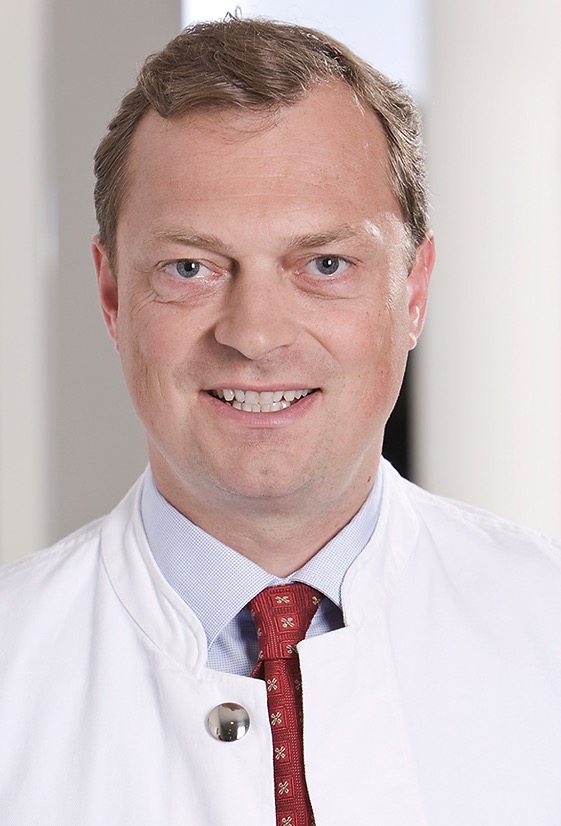 Kristian Reich合作论文数Center for Psychosocial Medicine, Universitätsklinikum Hamburg-Eppendorf;Institute of Health Care Research in Dermatology and Nursing, Universitätsklinikum Hamburg-Eppendorf;JeruCON1




