Online controlled experiments (e.g., A/B tests) are an integral part of successful data-driven companies. At Microsoft, supporting experimentation poses a unique challenge due to the wide variety of products being developed, along with the fact that experimentation capabilities had to be added to existing, mature products with codebases that go back decades. This paper describes the Microsoft ExP Platform (ExP for short) which enables trustworthy A/B experimentation at scale for products across Microsoft, from web properties (such as bing.com) to mobile apps to device drivers within the Windows operating system. The two core tenets of the platform are trustworthiness (an experiment is meaningful only if its results can be trusted) and scalability (we aspire to expose every single change in any product through an A/B experiment). Currently, over ten thousand experiments are run annually. In this paper, we describe the four core components of an A/B experimentation system: experimentation portal, experiment execution service, log processing service and analysis service, and explain the reasoning behind the design choices made. These four components work together to provide a system where ideas can turn into experiments within minutes and those experiments can provide initial trustworthy results within hours.
The Internet and the general digitalization of products and operations provides an unprecedented opportunity to accelerate innovation while applying a rigorous and trustworthy methodology for supporting key product decisions. Developers of connected software, including web sites, applications, and devices, can now evaluate ideas quickly and accurately using controlled experiments, also known as A/B tests. From front-end user-interface changes to backend algorithms, from search engines (e.g., Google, Bing, Yahoo!) to retailers (e.g., Amazon, eBay, Etsy) to social networking services (e.g., Facebook, LinkedIn, Twitter) to travel services (e.g., Expedia, Airbnb, Booking.com) to many startups, online controlled experiments are now utilized to make data-driven decisions at a wide range of companies. The theory of a controlled experiment is simple, but for the practitioner the deployment and evaluation of online controlled experiments at scale (100’s of concurrently running experiments) across a variety of web sites, mobile apps, and desktop applications presents many pitfalls and new research challenges. In this tutorial, we will introduce the overall A/B testing methodology, walkthrough use cases using real examples, and then focus on practical and research challenges in scaling experimentation. We will share key lessons learned from scaling experimentation at Microsoft to thousands of experiments per year and outline promising directions for future work.
In this paper, we motivate the utility of framing very common data analysis and business intelligence problems as a problem in understanding the differences between two datasets. We call this framework the Difference-of-Datasets (DoD) framework. We propose a simple and effective method to help find the root causes of changes, i.e. "Why did the observed change happen?" or "What drove the observed change?". Our method is based on a hypothesis test to detect the difference in the distributions of two samples, and is tailored to large-scale correlated binary data. We apply our method to several interesting scenarios, and successfully get insights to approach the fundamental reasons for unexpected changes. While our method originates from the concepts in A/B testing, it could be extended to all areas related to data science and business intelligence.
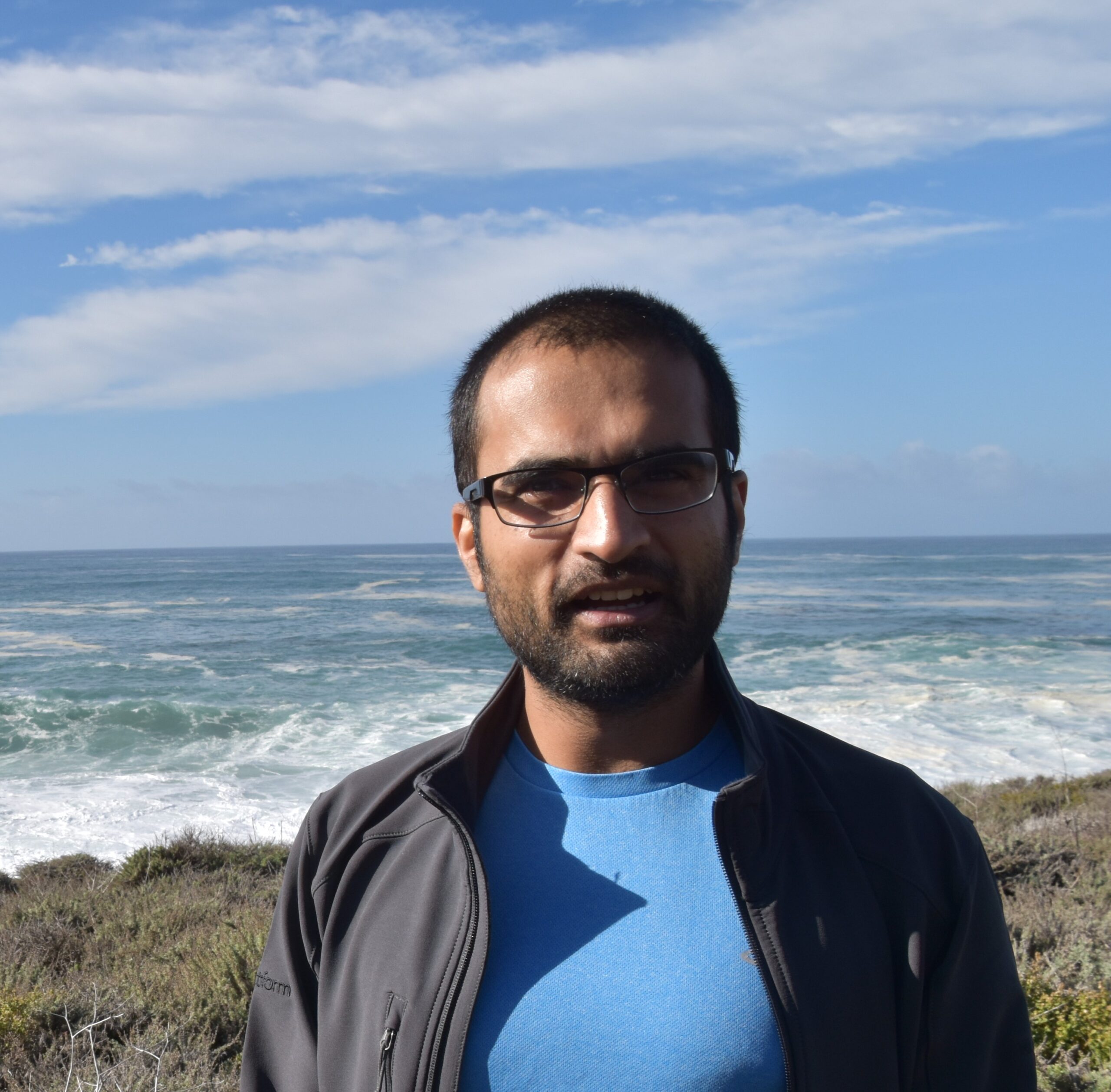 Somit Gupta合作论文数Microsoft3
 Pavel Dmitriev合作论文数Outreach;New Ventures West3
 Ze Jin合作论文数Cornell Univ, Dept Stat Sci, Ithaca, NY USA2
 Lukas Vermeer合作论文数Booking.com2
 Alex Deng合作论文数Microsoft;Super-Intelligence Lab, Meta2
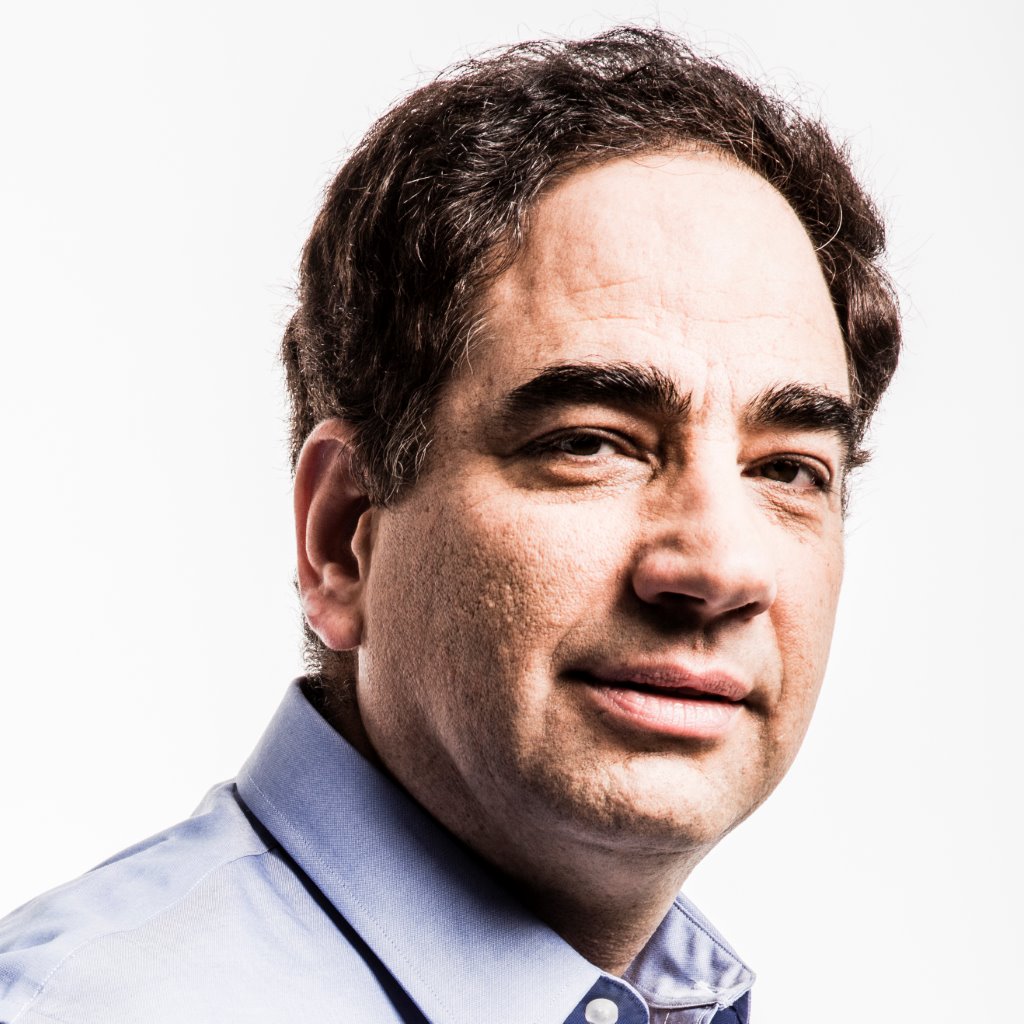 Ron Kohavi合作论文数Maven;J-Ventures Fund2
 Lucy Ulanova合作论文数1Sumit Bhardwaj合作论文数1
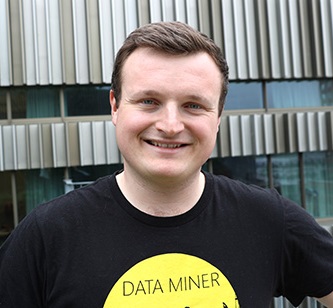 Aleksander Fabijan合作论文数Microsoft1




