We examined whether continuous self-monitoring for mind-wandering episodes impairs primary-task performance and differentially affects residual probe-caught deliberate versus spontaneous mind-wandering. Participants (N = 117) completed the Metronome Response Task, which requires rhythmic keypresses synchronized with auditory tones. The task was intermittently interrupted by thought probes sampling experiences of deliberate and spontaneous mind-wandering. Critically, whereas both groups provided probe-caught responses, one group received additional instructions to self-catch and report mind-wandering episodes as they occurred. Results revealed that self-catching significantly increased rhythmic response time variability (d = 0.46), indicating impaired task performance. This performance cost emerged despite (a) no significant differences in probe-caught mind-wandering reports, and (b) no significant evidence that self-monitoring differentially reduced deliberate versus spontaneous mind-wandering across the groups. These findings suggest that the metacognitive act of monitoring one's attentional state is not cost-free, but rather draws upon limited cognitive resources needed for primary task performance. The observed performance costs align with models proposing that monitoring for mind wandering engages higher-order evaluative processes that compete with task-focused attention.
Asking participants to Think Aloud is a common method for studying conscious experience, but it remains unclear whether this approach alters thought qualities-such as meta-awareness, rate of topic shifts, or the content of thoughts in task-absent conditions. To investigate this, we conducted two studies comparing thinking aloud to thinking silently. In Study 1, 111 participants alternated between 15-minute intervals of verbalizing and silently reflecting on their stream of consciousness in a counterbalanced design. A subset also reported topic shifts intermittently via self- and probe-catching methods. Results showed that the stream of consciousness was minimally reactive to the Think Aloud protocol, with no significant differences in meta-awareness and topic shifting rates. Moreover, among 21 thought qualities and 18 content topics analyzed, only three qualities (private thoughts, mind blanking, and session difficulty) and one topic (partner, intimacy, love, and sexual matters) differed between Think Aloud and Silent Think. In Study 2, 102 participants either did Think Aloud or Silent Think while responding to thought probes. Findings replicated the lack of differences in the frequency and meta-awareness of topic shifts between Think Aloud and Silent Think. Furthermore, no differences in reported cognitive load were observed between the two conditions. These results emphasize the value of the Think Aloud procedure for examining the stream of consciousness, demonstrating its reliability and minimal impact on the natural flow of thoughts. Thus, Think Aloud offers a robust model system for examining the otherwise unverbalized stream of consciousness in task-absent contexts.
Across the literatures of aesthetics, philosophy, and psychology, art has long been revered as a powerful means to enhance mental well-being-a perspective that has been integrated into clinical practices worldwide. While some empirical research supports the emotional benefits of art production, such work often captures non-creativity factors (e.g., physical movement and social interaction), leaving the contribution of creative expression on psychophysiological outcomes unclear. To address this issue, we conducted a pre-registered, multi-modal, repeated-measures study wherein participants completed both a painting task and a non-creative but active control task. Our findings demonstrate that, above and beyond the non-creativity processes shared with the control task, painting selectively reduces anxiety, and that greater cognitive engagement and physiological reactivity characterize this reduction. These findings highlight the multi-modal determinants of emotional improvement during artistic production, providing empirical support for the therapeutic benefits of art-making specific to the regulation of anxiety.
The Dynamic Framework of Thought (DFT; Christoff et al., 2016) was introduced to capture William James’s insight that people’s thoughts tend to wander “hither and thither,” offering a framework for understanding spontaneous thought and mind wandering. Here, we critically evaluate the DFT’s characterization of these constructs, focusing on four definitional forms: stipulative, ostensive, diagrammatic, and operational. We examine these definitions through the lens of the classical approach endorsed by the DFT authors, which requires hard boundaries and clearly specified necessary-and-sufficient features. Our analysis reveals several problems, including (a) the absence of clear boundary conditions for defining spontaneous thought and mind wandering, (b) inconsistent or ambiguous identification of definitional features, and (c) misalignment among the definitional forms. We offer three recommendations to increase the coherence and scientific utility of the framework: (a) adopt a family-resemblances approach in which concepts are characterized by graded membership across a set of continuous dimensions; (b) emphasize thought variability as the core dimension of the DFT; and (c) ensure coherence across definitional forms, particularly between stipulative and operational definitions, while minimizing reliance on problematic ostensive and diagrammatic approaches. These changes will help the DFT better align with how concepts function in scientific practice and everyday cognition.
This quasiexperimental study explores unconstrained thought as an individual-differences variable, examining its distinction from task-unrelated thought, its associations with performance on two sustained-attention tasks, psychopathology symptoms, effortful concentration, and topic switching, as well as its stability (i.e., test-retest reliability) across tasks. Data from 445 participants revealed that unconstrained thought, while overlapping with task-unrelated thought, offers some unique insights, particularly its relation with attention-deficit/hyperactivity disorder symptoms. However, relations between unconstrained thought and many of our measures fail to provide predictive power beyond task-unrelated thought. Contrary to prior hypotheses, more reports of depressive symptoms, rumination, state anxiety, and trait anxiety were associated with more reports of unconstrained thought. Unconstrained thought demonstrated test-retest reliability across two sustained-attention tasks. This study suggests the potential of unconstrained thought as an individual-difference variable, especially in relation to attention-deficit/hyperactivity disorder, but also highlights its functional overlap with task-unrelated thought.
Creativity is pivotal for innovation across various domains, including science, technology, engineering, and mathematics (STEM). The present study explores domain-specific creativity in organic chemistry by introducing the Divergent Skeletal Formula Task (DSFT) as a novel measure. The DSFT requires participants to generate constitutional isomers of a given molecular formula, providing an objective quantification of creativity based on the rarity and originality of responses. We investigated the correlations between DSFT performance and established creativity indices—the Alternate Uses Task (AUT) and the Divergent Association Task (DAT)—while controlling for age, gender, and fluid intelligence through partial correlation analyses. The results revealed that correlations between DSFT performance and both AUT Creativity and DAT scores were not statistically significant. However, there was a significant positive correlation between DSFT performance and AUT Flexibility, suggesting that cognitive flexibility is a critical component of creativity in chemistry, even when statistically accounting for age, gender, and fluid intelligence. This finding supports the idea of domain-generality in creativity, indicating that cognitive processes underlying general creative thinking, particularly flexibility, are applicable to specific STEM domains like organic chemistry. Thus, insights from studies on general creativity may be valuable for understanding and fostering creativity in specialized fields, offering practical implications for educational and research settings.
Several decades ago, J. P. Guilford (1950) speculated that, although artificial intelligence (AI) might one day take over much of human thinking, creativity would remain a uniquely human faculty. However, rapid advancements in AI have led to the recent development of generative models that are capable of producing high-quality creative products, casting some doubt Guilford's prediction. Here, to shed light on this issue, we explored whether human creativity retains distinct value in the emerging domain of AI-assisted digital artworks. Using DALL-E 3, we generated images based on prompts crafted by professional artists, novice artists, and an AI chatbot (ChatGPT-4). Creativity ratings from 299 participants showed that images produced from professional artist prompts were rated as most creative, followed by those generated from AI chatbot prompts, with novice artist prompts rated lowest. Further analysis suggested that this pattern may be partially explained by the semantic distance of the prompts, which followed the same pattern (i.e., professionals > AI chatbot > novices). These findings suggest that, although AI demonstrates impressive creative abilities, the worth of human creativity has not been diminished in the domain of AI-assisted outputs, which supports Guilford's view on the enduring value of human creativity.
To effectively address support for intergroup violence, we must understand the psychology promoting it. Dehumanization-the explicit and blatant denial of an outgroup's humanity-is widely considered one such promoter, which has informed extensive research and practice on support for intergroup violence. Nonetheless, dehumanization is often intertwined with intense dislike, raising concerns that dehumanization's explanatory power is much more restricted than widely assumed. In the extreme, "dehumanization" is merely another way to express dislike. If so, then theories of dehumanization distort our understanding of the psychology promoting support for intergroup violence. Here, we test dehumanization's reality and explanatory power through three studies that span diverse methods and samples. First, we meta-analyze existing studies on dehumanization and dislike to establish their independent effects on support for violence (k = 120; N = 128,022). We then test the generalizability of these effects across four violent conflicts in the United States, Russia and Ukraine, Israel and the Palestinian diaspora, and India (NTotal = 3,773). In these studies, we also test whether individuals' dehumanizing responses are merely metaphor or whether they are intended literally. Finally, we experimentally isolate dehumanization's role in support for violence in another U.S. sample (N = 753). Our results converge to demonstrate that dehumanization (a) is distinct from dislike and often literal, (b) has a unique-and particularly strong-relationship with support for violence, and (c) can promote such support. This clarifies our understanding of the psychology promoting support for intergroup violence and can inform efforts to address it. (PsycInfo Database Record (c) 2026 APA, all rights reserved).
A primary aim of mind-wandering research has been to understand its influence on task performance. While this research has typically highlighted the costs of mind wandering, a few studies have suggested that mind wandering may be beneficial in certain situations. Perhaps the most-touted benefit is that mind wandering during a creative-incubation interval facilitates creative thinking. This finding has played a critical role in the development of accounts of the adaptive value of mind wandering and its functional role, as well as potential mechanisms of mind wandering. Thus, a demonstration of the replicability of this important finding is warranted. Here, we attempted to conceptually replicate results of a highly cited laboratory-based experiment supporting this finding. However, across 2 studies (N = 443), we found no evidence for the claim that mind wandering during a creative-incubation interval facilitates a form of creativity associated with divergent thinking. We suggest that our failed conceptual replication stems from an inadequate characterization of mind wandering (task-unrelated thought), and that there are good reasons to think that task-unrelated thought is unlikely to be causally related to creativity. Our results cast doubt on the claim that task-unrelated thought during an incubation interval enhances divergent creativity while also offering some prescriptions for how future research might further elucidate the cognitive benefits of mind wandering.
Dehumanization has figured prominently in intergroup discrimination and violence, which has inspired sustained social-psychological inquiry. Over two decades, researchers have brought an abundance of theories and methods to bear on the empirical study of dehumanization. Collectively, this work has painted an expansive portrait of the many ways we can overlook or deny the humanity of others. At the same time, these diverse conceptual and measurement approaches have progressed in relative isolation, which has created confusion about what, precisely, is meant by “dehumanization” and cast uncertainty on fundamental conclusions drawn from this research. To stimulate theoretical development and more-productive exchanges across the field, we offer a Family-Resemblances perspective on dehumanization research. Specifically, we conceptualize dehumanization as a multifaceted construct that encompasses a family of related processes with both overlapping and unique features. Thus, the diverse theoretical and methodological approaches to studying dehumanization are complementary means of capturing a fundamentally heterogeneous phenomenon. Further, we argue that this perspective can catalyze a more nuanced and precise understanding of dehumanization's many facets: by specifying the different varieties of dehumanization under investigation, the field can more precisely map them onto specific targets, causes, consequences, and intervention strategies.
Hypnagogia—the transitional state between wakefulness and sleep—is marked by “hypnagogic dreams,” during which our brains tend to forge connections among concepts that are otherwise unrelated. This process of creating novel associations during hypnagogic dreams is said to contribute to enhancing creativity, learning, and memory. Recently, researchers have proposed that mind-wandering—a form of spontaneous thought that is freely moving and characterized by transitioning thought content—might be subserved by processes similar to those engaged during hypnagogia, and may serve similar creative functions. However, to date, the relationship between hypnagogia and mind-wandering remains poorly understood, which is likely due in part to the fact that research into hypnagogia requires time-consuming, cumbersome, and costly polysomnography. In light of this, the present study had two primary aims: first, to test a novel tool—called Dormio Light—for cueing and indexing hypnagogic dream content in a cost- and time-effective manner, with the ability for remote administration; second, to use this tool to examine any relations between hypnagogic dreams and mind-wandering (defined as “freely moving thought”). Participants (N = 80, with 34 females) completed a task in which our tool prompted them to engage in hypnagogia and, separately, mind-wandering, with instructions to think about a common everyday object (Tree or Fork) while experiencing these cognitive states. Following each state, participants reported thought content and completed phenomenological questionnaires. Providing an initial validation of our tool, we successfully cued hypnagogic and mind-wandering thought content that was specific to our cues (e.g., Tree), with our incubation-rate results comparable to those found in laboratory-based studies. Further, we found evidence for some phenomenological differences between hypnagogia and mind-wandering reports. Our study offers a novel, cost- and time-effective tool with which to remotely cue and index hypnagogia and mind-wandering, and sheds light on the relationship between hypnagogia and mind-wandering, thereby providing future directions for research into these two cognitive states.
As artificial intelligence (AI) advances in the realm of generative art, a critical question emerges: does human creativity matter? That is, do more-creative people produce more-creative AI-assisted artwork? To explore this, we conducted an online, pre-registered study in which we measured individual differences in creativity through two divergent-thinking tasks: The Alternate Uses Task and the Divergent Associations Task. Separately, participants produced creative wordsets for a hypothetical AI-art generator, which we then input into DALL-E to generate images. A group of trained raters independently assessed these images for creativity. Results revealed that both DAT performance and semantic diversity of the wordsets positively associated with the creativity of the AI-assisted images, suggesting that individuals with stronger divergent-thinking skills, and those who generated more-creative wordsets, tended to inspire more-creative AI-assisted artwork. Mediation analyses supported this conclusion by demonstrating a significant pathway between individual creative ability and AI-art creativity, mediated by semantic diversity. However, while our models yielded significant results, the effect sizes were modest, suggesting that the relationship between individual creative ability and AI-assisted creative outputs is relatively small. Taken together, these results suggest that while individual creativity appears to contribute to the quality of AI-assisted artwork, its influence may be relatively limited.
We demonstrate how psychological scientists can curate rich-yet-accessible media to intervene on conflict-escalating attitudes during the earliest stages of violent conflicts. Although wartime atrocities all-too-often ignite destructive cycles of tit-for-tat war crimes, powerful third parties can de-escalate the bloodshed. Therefore, following Russia’s illegal invasion of Ukraine, we aimed to reduce Americans’ support for committing retributive war crimes against Russian soldiers. To intervene during the earliest stages of the invasion, we drew on theories of dehumanization and “parasocial” intergroup contact to curate publicly available media expected to humanize Russian soldiers. We then identified the most effective materials by simultaneously evaluating all of them with an intervention tournament. This allowed us to quickly implement a psychological intervention that reliably reduced support for war crimes during the first days of a momentous land war. Our work provides a practical, result-driven model for developing psychological interventions with the potential to de-escalate incipient conflicts.
Art therapy, which employs creative activities such as painting to aid in emotion regulation, is gaining increased attention for its potential therapeutic value. However, empirical research on its affective regulatory mechanisms is limited and often hampered by methodological issues, making it difficult to isolate the effects of the cognitive and behavioral components involved in art-making. This study aims to clarify the role of creative expression in the emotional benefits of aesthetic production. We conducted a pre-registered, randomized controlled study with 99 participants to assess the behavioral and physiological effects of abstract painting on emotion regulation. Abstract painting was chosen for its feasibility of implementation in a laboratory setting, its capacity for creative expression, and its avoidance of technical skill requirements that could introduce confounding emotional associations. In a multi-day cross-over design, participants completed both an abstract painting task and a non-creative maze-completion control task matched in duration, environment, and motor engagement. Results showed that painting significantly and selectively reduced state anxiety compared to the control task. This reduction was mediated by higher cognitive engagement (i.e., reduced boredom) during painting. Additionally, painting elicited higher baseline-corrected heart rate than the control task, particularly among individuals who frequently engage in creative activities. Increased physiological engagement during painting further predicted greater anxiety reduction. These findings highlight the multi-modal determinants of emotional improvement during artistic production, providing empirical support for the therapeutic benefits of art therapy.
What are the consequences of encountering blatant falsehoods and “fake news”? Here we show that exposure to a high prevalence of very implausible claims can increase belief in other, more ambiguous false claims, as they seem more believable in comparison. Participants in five preregistered experiments (N=5,476) were exposed to lower or higher rates of news headlines that seemed blatantly false, as well as some more plausible true and false headlines. Being exposed to a higher prevalence of extremely implausible headlines increased belief in unrelated headlines which were more ambiguous (or even plausible), regardless of whether they were true or false. The effect persisted for headlines describing hypothetical events, as well as actual true and false news headlines. It occurred whether people actively evaluated the headlines or read them passively, among liberals and conservatives, and among those high or low in cognitive reflection. We observed this effect in environments where the plausibility of a claim was a reliable and useful cue to whether it was true or false, and in environments where plausibility and truth were unrelated. We argue that a high prevalence of blatantly implausible claims lowers the threshold of plausibility for other claims to seem believable. Such relative comparisons are a hallmark of the brain’s tendency towards efficient computations in perception and judgment. Even when consumers can reliably identify and disregard blatantly false news content, encountering such content may make subtler falsehoods more likely to be believed.
Autobiographical memory and dreaming are ubiquitous in everyday life. The study of their relation has largely been assessed using experimental approaches, abstracting from individual differences, despite evidence of stable individual differences in both mental processes. Here, we examined, for the first time, whether individual differences in the recollective experience of autobiographical memory (measured by the Autobiographical Recollection Test [ART]; Berntsen et al., 2019) are associated with individual differences in dreaming (measured by the Inventory of Dream Experiences and Attitudes, Beaulieu-Pr & eacute;vost et al., 2009) in a sample of 246 participants. The ART showed consistent and robust associations with five out of seven aspects of dreaming, demonstrating that the way people generally remember their personal past is reliably related to the way they experience their dreams. The findings provide new perspectives on the role of autobiographical memory in dreaming as well as on the continuity hypothesis of dreaming.
As artificial intelligence (AI) continues to evolve, particularly in the context of generative art, a critical question emerges about the future role of human creativity: In the age of generative AI, does individual creative ability still matter? Here, we explored this question via an online, pre-registered study involving 375 participants who completed gold-standard divergent-thinking tasks and generated semantic wordsets for AI-art creation using an AI-art generator. We generated the resultant images from these participant-produced wordsets through DALL-E, and a group of trained raters independently assessed the images for general creativity. Findings revealed widespread positive correlations among the creativity tasks. Specifically, the semantic diversity of wordsets and performance on the gold-standard creativity tasks served as significant positive predictors for the creativity of the AI-generated images, indicating that individuals possessing greater divergent-thinking capabilities, and who generated more-creative word prompts for an art generator, produced more-creative AI-generated artwork. These results suggest that, despite the democratizing effect of AI-art generation, human creativity remains an important component in directing AI-produced creative outcomes like visual art. The implications of these findings are discussed in the context of creative industries and the science of creativity.
Research has shown that taking a break, or an "incubation interval," can facilitate creative problem solving. One interpretation of this phenomenon is that it allows for task-switching and attentional flexibility, which can improve creative performance. Task-switching may allow individuals to break their mental set and identify solutions that were previously unavailable. It may also encourage the alternation between idea generation and evaluation, leading to attentional flexibility. This chapter discusses the evidence for the benefits of attentional flexibility and its relationship to mind-wandering, and presents a new study on the potential sources of benefit for task-switching on creativity.
AbstractBackgroundEating disorders (EDs) peak in mid-to-late adolescence and often persist into adulthood. Given their early onset and chronicity, many patients transition from child and adolescent mental health services (CAMHS) to adult mental health services (AMHS) for ongoing, speciality ED care. This transition typically occurs at 18 years of age, when important biological, psychosocial, and vocational changes take place. Thus, smooth and effective transitions are paramount for ensuring service continuity, as well as reducing the risk of ED relapse and premature death. Here, we synthesized evidence on transitions from CAMHS to AMHS for young people with EDs, aiming to inform future research, clinical practice, and healthcare policy.MethodsA systematic review of the literature was conducted. This adhered to PRISMA guidelines. PubMed, Embase, and Scopus electronic databases were queried from inception to December 3, 2023. Leveraging the PICOS framework, study eligibility was evaluated in the qualitative synthesis. Data regarding methodology, analytic approach, and associated outcomes were then extracted. The quality of evidence was examined using critical appraisal tools. Finally, concept mapping was applied to organize findings into a transition framework.ResultsThe search returned 76 articles. Of these, 14 were included in the final review. Articles were grouped into ‘qualitative’ (n = 10), ‘cross-sectional’ (n = 2), and ‘longitudinal cohort’ (n = 2) studies based on research design. Overall, ED transitions were complex, multifaceted, and challenging for patients, caregivers, and providers alike. This resulted from an interplay of temporal- (e.g., timing of ED onset and transition), stakeholder- (e.g., patient ambivalence towards recovery) and systemic- (e.g., differences between services) related factors. Most studies were of moderate-to-high quality. Findings informed the development of five transition strategies designed to facilitate effective transfers across ED care: Timely talks, Readiness, Inclusion, Preparation, and Synergy (TRIPS).ConclusionsTransitions from CAMHS to AMHS appear problematic for young people with EDs and other involved stakeholders. The field stands to benefit from TRIPS, an actionable, evidence-based framework that aims to alleviate challenges of transitioning and subsequently improve ED trajectories. As a logical next step, future work should empirically test the TRIPS framework, exploring its predictive utility and clinical value.
IntroductionThe practice of taking small, sub-hallucinogenic doses of psychedelics, known as microdosing, has exploded in popularity over the last decade. Users claim benefits ranging from improved mood and enhanced creativity to an increased sense of meaning and connectedness in life. While research on microdosing is still lagging behind the shift in public opinion, several papers have been published in the last five years which attempted to assess the effects of microdosing.MethodsThis review paper aimed to critically analyze the research practices used in the recent wave of microdosing research: We reviewed 15 papers published before the closing date of this review in March 2022.ResultsOur review concludes that it is premature to draw any conclusions about the efficacy or safety of microdosing since the research quality cannot be considered confirmatory.DiscussionWe propose some potential causes for the current state of the literature and some suggestions for how these causes may be ameliorated.
 Daniel Smilek合作论文数Vision and Attention Lab, Department of Psychology, University of Waterloo61
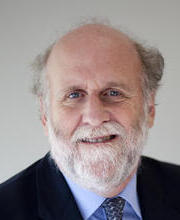 Daniel L. Schacter合作论文数Schacter Memory Lab, Department of Psychology, Harvard University17
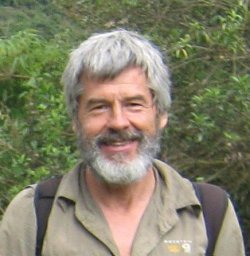 James Allan Cheyne合作论文数Dept Psychol, Univ Waterloo16
 Nicholaus Brosowsky合作论文数Department of Psychology and Neuroscience, Duke University.14
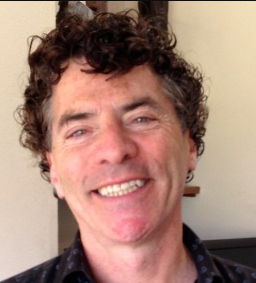 Jonathan W. Schooler合作论文数Department of Psychological & Brain Sciences, University of California, Santa Barbara14
 Nathaniel Barr合作论文数Department of Psychology, University of Waterloo13
 Anya Ragnhildstveit合作论文数Dept Psychol & Neurosci, Duke Univ11
 Jonker Tanya R合作论文数Dept Psychol, Univ Waterloo11
 Evan F. Risko合作论文数Psychology Department, University of Waterloo11
 Jonathan Carriere合作论文数Department of Psychology;University of Waterloo;Department of Psychology, University of Waterloo11
 Brandon C W Ralph合作论文数10
 Roger E Beaty合作论文数Department of Psychology, Pennsylvania State University9
 Jonathan Smallwood合作论文数Department of Psychology, Queen’s University9Lucas Bellaiche合作论文数6
 Wammes Jeffrey D合作论文数Department of Psychology, University of Waterloo6
 James Danckert合作论文数Department of Psychology, University of Waterloo6
 Abigail A. Scholer合作论文数Columbia Business School, Columbia University6
 Alyssa C Smith合作论文数Department of Psychology, University of Waterloo5
 Samuel Murray合作论文数Dept Psychol & Neurosci, Duke Univ5
 Matthew Stanley合作论文数5
 Colin M. MacLeod合作论文数Department of Psychology, University of Waterloo5
 David Maillet合作论文数Department of Neuroscience, McGill Univ.5
 David R Thomson合作论文数Department of Psychology, Neuroscience & Behavior, McMaster University5Alexander P. Christensen合作论文数4
 Alexander Landry合作论文数4
 Gordon Pennycook合作论文数Department of Psychology, College of Arts & Sciences, Cornell University4
 Jefferies Elizabeth合作论文数Department of Psychology, University of York4
 Daniel S. Margulies合作论文数Centre National de La Recherche Scientifique, University of Paris;Integrative Neuroscience & Cognition Center, University of Paris4
 Michael J. Kane合作论文数Department of Psychology, The University of North Carolina at Greensboro4
 Anna Smith合作论文数4Dan Smilek合作论文数3Laura Kate Jackson合作论文数3
 Madeleine Gross合作论文数Psychol & Brain Sci Dept, Univ Calif Santa Barbara3James Boylan合作论文数3
 Matthew Slayton合作论文数Dept Psychol & Neurosci, Duke Univ3
 Hao-Ting Wang合作论文数Sackler Ctr Consciousness Sci, Univ Sussex3
 Kevin O'Neill合作论文数Department of Psychology & Neuroscience, Duke University3
 Peter S Whitehead合作论文数Duke Univ, Ctr Cognit Neurosci, Durham, NC 27706 USA3
 Theodoros Karapanagiotidis合作论文数Univ York, Dept Psychol, York, N Yorkshire, England3
 Mahiko Konishi合作论文数Univ York, Dept Psychol, York YO10 5DD, N Yorkshire, England3
 Boris Bernhardt合作论文数Department of Neurology and Neurosurgery, Faculty of Medicine and Health Sciences, McGill University;Multimodal Imaging and Connectome Analysis Lab, McConnell Brain Imaging Centre, Montreal Neurological Institute, McGill University3Christine Purdon合作论文数3
 Rob Leech合作论文数Institute of Psychiatry, Psychology & Neuroscience, King’s College London;EPSRC Centre for Medical Engineering, King’s College London3
 Forrin Noah D合作论文数a Department of Psychology, University of Waterloo3Grayden Solman合作论文数3
 Averill Lynnette A合作论文数VA Connecticut Healthcare System, National Center for Posttraumatic Stress Disorder3Ho Nerissa S P合作论文数3
 Jason D. Ozubko合作论文数Department of Psychology, University of Waterloo3
 Robb Willer合作论文数Department of Psychology, Stanford University3




