Adenosine deaminase acting on RNA 1 (ADAR1) regulates mRNA fate and function through adenosine-to-inosine (A-to-I) RNA editing and RNA-binding activities. While its role in innate immunity is established, the broader regulatory functions of ADAR1 in macrophages remain poorly defined. Here, we systematically profiled ADAR1 expression across human immune cells and identified marked enrichment in macrophages, driven by selective usage of an alternative transcription start site during monocyte-to-macrophage differentiation. ADAR1 binds, edits, and modulates key macrophage targets involved in efferocytosis, endocytosis, lysosomal processing, lipid metabolism, and proliferation in an isoform-specific manner. We further demonstrate that ADAR1 levels and activity are dynamically regulated in adipose tissue and liver during the progression of metabolic disease. Linked to this, macrophage-specific ablation of ADAR1 co-cultured in organotypic 3D primary human liver spheroids and exposed to metabolic stress resulted in an exacerbated lipid accumulation phenotype. Finally, we identify a lipid-associated macrophage-specific upregulation of ADAR1 in adipose tissue following weight loss interventions, mechanistically driven by free fatty acids. These findings uncover a previously unrecognized role for ADAR1 in lipid-buffering, scavenging, and proliferative macrophage functions, extending its biological relevance beyond canonical interferon-mediated immunity and establishing ADAR1 as a key regulator of macrophage adaptation in metabolic disease.
Supplementary Figure S1. Kaplan-Meier estimates of (A) DOR, (B) PFS, and (C) TTP per RECIST v1.1 by BICR
AbstractPurpose: In the phase II KEYNOTE-224 study, pembrolizumab showed durable antitumor activity and manageable safety in participants with sorafenib-treated (cohort 1) or treatment-naïve (cohort 2) advanced hepatocellular carcinoma (HCC). We present data after a median follow-up of ∼7 years for cohort 1 and ∼5 years for cohort 2. Patients and Methods: Adults with advanced HCC received pembrolizumab 200 mg intravenously every 3 weeks until disease progression or unacceptable toxicity for ≤35 cycles. The primary endpoint was objective response rate per Response Evaluation Criteria in Solid Tumors version 1.1 (RECIST v1.1) by blinded independent central review. Secondary endpoints included overall survival (OS), progression-free survival (PFS), and safety. Results: Overall, 155 participants received ≥1 dose of pembrolizumab (cohort 1, n = 104; cohort 2, n = 51). The median follow-up was 83 months (range, 79.3–87.3) for cohort 1 and 58.8 months (range, 55.3–60.8) for cohort 2. The median OS was 13.2 months [95% confidence interval (CI), 9.7–15.3] and 16.9 months (95% CI, 8.3–23.1), respectively; 24- and 48-month OS rates were 31%/17% and 34%/20%, respectively. The median PFS was 4.9 months (95% CI, 3.5–7) and 4.3 months (95% CI, 2.1–7.8), respectively. Treatment-related adverse events occurred in 76 participants [73.1%; grade 3–5, 27 (26%)] in cohort 1 and 28 participants [54.9%; grade 3–5, 8 (15.7%)] in cohort 2. Conclusions: Pembrolizumab continued to show durable response and manageable safety in participants with advanced HCC with or without prior systemic therapy, with long-term effects on OS lasting beyond 48 months in some participants despite receiving study treatment for ≤2 years.
INTRODUCTION:Hepatocellular carcinoma (HCC) development in patients with metabolic dysfunction-associated steatotic liver disease (MASLD) is a growing health concern, but the underlying mechanisms are not fully understood. Epigenetic aging biomarkers, reflecting cellular and tissue aging, have been linked to various age-related pathologies, but their association with MASLD-HCC is unknown. We investigated associations between five epigenetic aging biomarkers and MASLD-HCC risk. METHODS:We performed whole blood DNA methylation assay (Infinium 850k array) and calculated principal components-based (PC) versions of HorvathAge, HannumAge, PhenoAge and GrimAge and the DunedinPACE aging rate. We further calculated relative age accelerations for PCHorvathAge, PCHannumAge, PCPhenoAge and PCGrimAge. The aging biomarkers were modelled as continuous variables and categorised into tertiles based on distributions among controls. Associations between each aging biomarker and MASLD-HCC were examined using logistic regression, calculating odds ratios (ORs) and 95% confidence intervals (CIs), adjusting for covariates. RESULTS:Data on 272 MASLD-HCC cases and 316 cancer-free MASLD controls recruited from six sites and matched on chronological age, sex and study site were analysed. Higher relative age accelerations of PCPhenoAge (ORT3 vs. T1 = 2.25, 95% CI: 1.45-3.50; ORcontinuous = 1.04, 95% CI: 1.02-1.07, p = 0.009), PCGrimAge (ORT3 vs. T1 = 3.97, 95% CI: 2.41-6.64; ORcontinuous = 1.16, 95% CI: 1.10-1.24, p = 8.76 × 10-07) and DunedinPACE (ORT3 vs. T1 = 3.45, 95% CI: 2.17-5.55; ORcontinuous = 1.72, 95% CI: 1.43-2.10, p = 2.58 × 10-08) were associated with MASLD-HCC, but not PCHorvathAge or PCHannumAge. CONCLUSION:Higher relative age accelerations of PCPhenoAge, PCGrimAge and DunedinPACE aging rate are associated with risk of MASLD-HCC. These aging biomarkers could improve HCC risk assessment and facilitate risk stratification in patients with MASLD.
BACKGROUND AND AIMS:Surveillance for hepatocellular carcinoma (HCC) with ultrasound screening is recommended by guidelines. However, there are conflicting data whether HCC-surveillance reduces HCC-related mortality in patients with cirrhosis. The aim of this study was to validate previous findings that found no association between HCC-surveillance and decreased HCC-related mortality. METHODS:This was a case-control study in patients with cirrhosis from Stockholm County, Sweden. Cases died from HCC between 2004 and 2020. Controls did not die from HCC, and were matched to cases based on age, sex, etiology of cirrhosis, year of cirrhosis diagnosis, hospital site, MELD, and Child-Pugh scores. An adjusted logistic regression model was used to compare exposure to screening ultrasounds 2 years prior to HCC diagnosis between cases and controls. An odds ratio below one would suggest an association between HCC surveillance and decreased HCC-related mortality. RESULTS:A total of 1272 patients with cirrhosis and HCC died during follow-up, and 516 of these were excluded as potential cases due to a diagnosis of HCC near the cirrhosis diagnosis. From the potential cases 72 cases and 72 controls were matched. The adjusted odds ratio was 0.33 (95% Confidence Interval [CI] = 0.14-0.78). CONCLUSIONS:HCC surveillance was associated with decreased HCC-related mortality, indicating that HCC surveillance should continue as recommended in guidelines. However, many patients who died from HCC were diagnosed with HCC close to the cirrhosis diagnosis, suggesting that identifying patients with cirrhosis earlier is highly important for improving HCC-related mortality.
BACKGROUND:Dietary interventions promoting weight loss are central to managing Metabolic Dysfunction-Associated Steatotic Liver Disease (MASLD). While short-term benefits of various diets on liver health are well-documented, their long-term effects remain unclear. This study reports one-year follow-up results from a randomized controlled trial of a 12-week diet intervention. METHOD:The RCT involved 74 individuals with MASLD, with 64 completing the intervention. One year later, 47 were contacted for follow-up, and 28 attended. Due to restrictions during the Covid-19 pandemic, 17 were could not be included in the one-year follow-up. Liver health was assessed using magnetic resonance spectroscopy and vibration-controlled transient elastography at baseline, 12 weeks, and one-year post-intervention. Dietary habits were evaluated via a food frequency questionnaire and three-day food diary. RESULTS:One-year post-trial, sustained improvements were observed in key parameters. Compared to baseline, body mass index (30.2 kg/m2 [95%CI = 28.4-31.7] vs. 31.5 kg/m2 [95%CI = 30.4-32.3], p < 0.001), steatosis (6.8% [95%CI = 3.2-10.5] vs. 10.9% [95%CI = 8.2-16.1], p < 0.001), and liver stiffness (5.5 kPa [95%CI = 4.2-6.0] vs. 6.7 [95%CI = 5.2-9.2], p = 0.001), were significantly reduced. Self-reported dietary habits indicated lower total energy intake, sustained changes in carbohydrate intake, and healthier dietary fat composition one year after baseline. However, the overall dietary quality index showed no long-term improvement. CONCLUSION:Short-term dietary interventions yielded significant, sustained improvements in liver health and dietary behaviours after one year. These findings underscore the potential of structured diet programs in MASLD management. CLINICAL TRIAL NUMBER:Clinicaltrials.gov (NCT03118310).
OBJECTIVES:Hepatocellular carcinoma (HCC) is a significant global health burden. Examining treatment sequencing before the introduction of immune-based therapies is important for understanding the role and necessity of modern treatment approaches. MATERIAL AND METHODS:This retrospective study analysed 1020 patients with HCC treated at Karolinska University Hospital, Stockholm, between 2010 and 2017 to explore treatment sequencing, and clinical outcomes. Treatment decisions followed a modified Barcelona Clinic Liver Cancer (BCLC) algorithm, and patients were stratified by disease stage and by type of treatment. RESULTS:Initial treatment strategies included best supportive care (BSC, 32%), ablation (20%), transarterial chemoembolization (TACE, 22%), systemic therapy (12%), resection (12%), and liver transplantation (3%). Median survival ranged from 4.8 years in BCLC 0 to 2.3 months in BCLC D. Curative treatments, particularly liver transplantation, achieved the highest five-year survival (82%), whereas systemic therapy and BSC had the poorest five-year survival (2% and 0%). Despite curative intent, disease recurrence was common, necessitating further treatment in most patients. Treatment sequencing revealed that 37% of patients required a second treatment, and 18% progressed to a third line of therapy. CONCLUSIONS:This study underscores the challenges of managing HCC in a real-world setting, including late diagnosis and high recurrence rates following curative treatments. Real-world treatment deviations from guidelines were observed, often influenced by patient comorbidities, performance status, or other clinical considerations.
Background & Aims: Primary sclerosing cholangitis (PSC) is a rare cholestatic liver disease with heterogeneous phenotypes and progression. Autoimmune traits, such as the presence of autoantibodies, are suspected to drive its heterogeneity. Methods: We performed a proteome-scale autoantibody screen of IgG and IgA isotypes using >42,100 protein fragments. This was followed by a validation of 1,153 selected autoantibodies, in serum samples from 466 patients with PSC in a longitudinal setting using the SUPRIM cohort and 214 controls. Results: We identified autoantibodies associated with clinical phenotypes, biochemical and clinical severity, comorbidities, and disease progression (e.g. alkaline phosphatase and albumin level p
BACKGROUND AND AIMS: Metabolic liver disease is the fastest-rising cause of hepatocellular carcinoma (HCC), but the underlying molecular processes that drive HCC development in the setting of metabolic perturbations are unclear. We investigated the role of aberrant DNA methylation in metabolic HCC development in a multicenter international study. METHODS: We used a case-control design, frequency-matched on age, sex, and study site. Genome-wide profiling of peripheral blood leukocyte DNA was performed using the 850k EPIC array. The study sample was split 80% and 20% for training and validation. Cell type proportions were estimated from the methylation data. Differential methylation analysis was performed adjusting for cell type, generating area under the receiver-operating characteristic curves (AUC-ROC). RESULTS: We enrolled 272 metabolic HCC patients and 316 control patients with metabolic liver disease from 6 sites. Fifty-five differentially methylated CpGs were identified; 33 hyper-methylated and 22 hypomethylated in cases vs controls. The panel of 55 CpGs discriminated between the cases and controls with AUC = 0.79 (95% confidence interval [CI] = 0.71-0.87), sensitivity = 0.77 (95% CI = 0.66-0.89), and specificity = 0.74 (95% CI = 0.64-0.85). The 55-CpG classifier panel performed better than a base model that comprised age, sex, race, and diabetes mellitus (AUC = 0.65, 95% CI = 0.55-0.75; sensitivity = 0.62, 95% CI = 0.49-0.75; and specificity = 0.64, 95% CI = 0.52-0.75). A multifactorial model that combined the 55 CpGs with age, sex, race, and diabetes yielded AUC = 0.78 (95% CI = 0.70-0.86), sensitivity = 0.81 (95% CI = 0.71-0.92), and specificity = 0.67 (95% CI = 0.55-0.78). CONCLUSION: A panel of 55 blood leukocyte DNA methylation markers differentiates patients with metabolic HCC from control patients with benign metabolic liver disease, with a slightly higher sensitivity when combined with demographic and clinical information.
OBJECTIVE:Hyperferritinaemia is associated with liver fibrosis severity in patients with metabolic dysfunction-associated steatotic liver disease (MASLD), but the longitudinal implications have not been thoroughly investigated. We assessed the role of serum ferritin in predicting long-term outcomes or death. DESIGN:We evaluated the relationship between baseline serum ferritin and longitudinal events in a multicentre cohort of 1342 patients. Four survival models considering ferritin with confounders or non-invasive scoring systems were applied with repeated five-fold cross-validation schema. Prediction performance was evaluated in terms of Harrell's C-index and its improvement by including ferritin as a covariate. RESULTS:Median follow-up time was 96 months. Liver-related events occurred in 7.7%, hepatocellular carcinoma in 1.9%, cardiovascular events in 10.9%, extrahepatic cancers in 8.3% and all-cause mortality in 5.8%. Hyperferritinaemia was associated with a 50% increased risk of liver-related events and 27% of all-cause mortality. A stepwise increase in baseline ferritin thresholds was associated with a statistical increase in C-index, ranging between 0.02 (lasso-penalised Cox regression) and 0.03 (ridge-penalised Cox regression); the risk of developing liver-related events mainly increased from threshold 215.5 µg/L (median HR=1.71 and C-index=0.71) and the risk of overall mortality from threshold 272 µg/L (median HR=1.49 and C-index=0.70). The inclusion of serum ferritin thresholds (215.5 µg/L and 272 µg/L) in predictive models increased the performance of Fibrosis-4 and Non-Alcoholic Fatty Liver Disease Fibrosis Score in the longitudinal risk assessment of liver-related events (C-indices>0.71) and overall mortality (C-indices>0.65). CONCLUSIONS:This study supports the potential use of serum ferritin values for predicting the long-term prognosis of patients with MASLD.
 Hagström Hannes合作论文数62
 Rolf Hultcrantz合作论文数Department of Medicine, Huddinge, Karolinska Institutet53
 Ekstedt Mattias合作论文数Division of Gastroenterology and Hepatology, Linköping University28
 Kechagias Stergios合作论文数Dept Med & Hlth Sci, Linkoping Univ27
 Patrik Nasr合作论文数22
 Ying Shang合作论文数Department of Medicine, Huddinge, Karolinska Institutet11
 Lennart C. Eriksson合作论文数11
 Torkel Brismar合作论文数Department of Clinical Science, Intervention and Technology, Karolinska Institutet11
 Bruno Daniele合作论文数Ospedale del Mare11
 Magnus Holmer合作论文数10
 Niklas K Bjorkstrom合作论文数Karolinska Inst, Karolinska Univ Hosp10Joel Marmur合作论文数10Linnea Widman合作论文数8
 Johan Askling合作论文数Department of Medicine, Karolinska Institutet;Karolinska University Hospital8Fredrik Rorsman合作论文数8
 Christos Papandreou合作论文数Department of Oncology, Aristotle University School of Medicine8
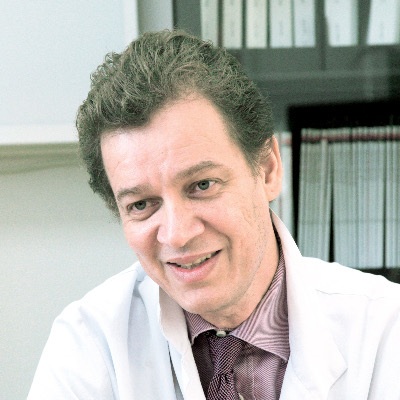 Philippe Mathurin合作论文数Faculté de Médecine, Institute for Translational Research in Inflammation;Department of Hepatology and Gastroenterology, University Hospital of Lille8Robin Zenlander合作论文数7
 Vlad Ratziu合作论文数Sorbonne University7Annika Bergquist合作论文数Department of Gastroenterology and Hepatology, Karolinska University Hospital at Huddinge7Adina Croitoru合作论文数Department of Oncology, Fundeni Clinical Institute7
 Staffan Wahlin合作论文数Department of Medicine, Karolinska University Hospital/Huddinge7
 Axel Wester合作论文数6Ericzon Bo-Goran合作论文数6
 Jennie Engstrand合作论文数6
 Masatoshi Kudo (工藤正俊)合作论文数Department of Medicine, Faculty of Medicine, Kindai University;Graduate School of Medical Sciences, Faculty of Medicine, Kindai University6
 Stefan Gilg合作论文数6
 Gyorgy Bodoky合作论文数Department of Surgery University Hospital, SUNY Health Science Center Syracuse6
 Sven Petersson合作论文数Antenna Research Center;Antenna System and Design;Antenna System and Design, Antenna Research Center6
 Johan Vessby合作论文数6Hannes Hegmar合作论文数5N Nyhlin合作论文数5
 Daniel Palmer合作论文数Institute of Systems, Molecular and Integrative Biology, Faculty of Health & Life Sciences, University of Liverpool5Bonnie Bengtsson合作论文数5
 Catarina Lindqvist合作论文数Medical Unit Clinical Nutrition, Karolinska University Hospital;Department of Medicine Huddinge, Karolinska Institutet;Karolinska Institutet, Karolinska University Hospital5stephane cattan合作论文数5
 Ivan Borbath合作论文数UCLouvain, Univ Hosp St Luc5Van Vlierberghe Hans合作论文数Dept Gastroenterol & Hepatol, Ghent Univ Hosp5Siegel Abby B合作论文数5
 Knut Stokkeland合作论文数5
 Ogasawara Sadahisa合作论文数Graduate School of Medicine, Chiba University5Hammar Ulf合作论文数5Söderberg Cecilia合作论文数5Tillander Veronika合作论文数5
 Sparrelid Ernesto合作论文数Karolinska Institutet, Karolinska University Hospital5
 Chris Verslype合作论文数KU Leuven5
 Anders Ekbom合作论文数Department of Medicine Solna, Karolinska Institutet5
 Ann-Lii Cheng (鄭安理)合作论文数Graduate Institute of Oncology, College of Medicine, National Taiwan University;National Taiwan University Cancer Center;School of Medicine, College of Medicine, National Taiwan University5Juan Turnes合作论文数5




