We have applied the R-matrix Floquet approach to study two- and three-photon ionization of He for intensities between 10(13) and 10(14) W cm(-2). The non-perturbative influence of the laser field manifests itself in a number of ways: resonance positions shift as a function of intensity, and the widths of both bound-state and autoionizing resonances increase due to their increased photoionization. We demonstrate that even at relatively modest intensities the widths of some low-lying autoionizing states are dominated by photoionization.
We describe MRI of the brain in 19 patients with ataxia-telangiectasia (AT) and correlate the appearances with the degree of neurologic deficit. We examined 10 male and nine female patients; 17 were aged between 2 and 12 years (mean 8 years) but a woman and her brother were 35 and 38 years old, and had a variant of AT. Ataxia was the first recognized sign of the disease in every patient. We detected the following patterns of cerebellar atrophy: in the youngest patient, aged 2 years, the study was normal; in the five next youngest patients 3–7 years of age, the lateral cerebellum and superior vermis showed the earliest changes of atrophy; and all but one of the other patients had moderate to marked diffuse atrophy of vermis and cerebellar hemispheres. There were 12 patients aged 9 years and above; one, who was normal, was 9 years old. The five patients who at the time of examination were unable to walk all had diffuse atrophy involving both vermis and cerebellar hemispheres.
A submicroscopic deletion of chromosome 22q11.2 has been identified in the majority of patients with the DiGeorge syndrome, velocardiofacial syndrome, conotruncal anomaly face syndrome, and in some patients with isolated conotruncal cardiac anomalies, Opitz G/BBB syndrome, and Cayler cardiofacial syndrome. We have evaluated 181 patients with this deletion. We describe our cohort of patients, how they presented, and what has been learned by having the same subspecialists evaluate all of the children. The results help define the extremely variable phenotype associated with this submicroscopic deletion and will assist clinicians in formulating a management plan based on these findings.
 EH Zackai合作论文数2
 Kathleen E. Sullivan合作论文数Department of Pediatrics, Perelman School of Medicine, University of Pennsylvania;Division of Allergy and Immunology, Children's Hospital of Philadelphia2DM McDonald-McGinn合作论文数1L Bason合作论文数1D Driscoll合作论文数1P F Chance合作论文数1Bj Clark合作论文数1T Moshang合作论文数1
 Paul Wang合作论文数Clin Res Associates LLC, Yale Univ1
 Nancy B. Spinner合作论文数Department of Pathology and Laboratory Medicine, Perelman School of Medicine, University of Pennsylvania;Abramson Research Center, The Children's Hospital of Philadelphia1
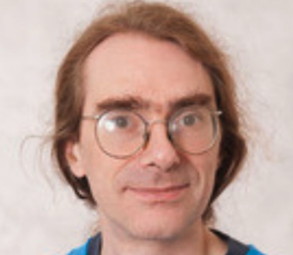 Hugo van der Hart合作论文数Centre for Light-Matter Interaction, School of Mathematics and Physics, Queen's University Belfast1
 Beverly S. Emanuel合作论文数Department of Pediatrics, Perelman School of Medicine, University of Pennsylvania1Biegel J合作论文数1
 Elizabeth Goldmuntz合作论文数Pediatrics, Children's Hospital of Philadelphia;Abramson Research Center, Division of Cardiology, The Children's Hospital of Philadelphia;Department of Pediatrics, Perelman School of Medicine, University of Pennsylvania1
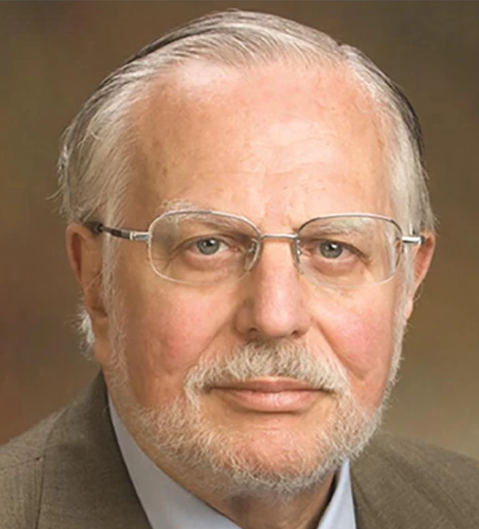 Robert A. Zimmerman合作论文数Pediatric Neuroradiology, Children’s Hospital of Philadelphia;Perelman School of Medicine, University of Pennsylvania1
 Gerard Berry合作论文数Division of Genetics and Genomics, Boston Children's Hospital;Harvard Medical School1Marsha Gerdes合作论文数1Stuart A. Weinzimer合作论文数1
 Cynthia B. Solot合作论文数Buerger Center for Advanced Pediatric Care, Children's Hospital of Philadelphia1D Lynch合作论文数1Patrick Pasquariello合作论文数1Richard Markowitz合作论文数1Patricia Schultz合作论文数1Joan E. Pellegrino合作论文数1Edward Moss合作论文数University of Wisconsin—Madison1Jeffrey E. Ming合作论文数1
 Peggy Eicher合作论文数1Peter Randall合作论文数1D LAROSSA合作论文数1Gregory Keenan合作论文数1




