Journal of Forensic SciencesVolume 68, Issue 3 p. 1105-1106 BOOK REVIEW Review of: Police psychology: New trends in forensic psychological science Peter I. Collins MD, MCA, FRCPC, Corresponding Author Peter I. Collins MD, MCA, FRCPC [email protected] Division of Forensic Psychiatry, Temerty Faculty of Medicine, University of Toronto, Toronto, Ontario, Canada Criminal Behaviour Analysis Section, Ontario Provincial Police, Toronto, Ontario, Canada Correspondence Peter I. Collins, Division of Forensic Psychiatry, Temerty Faculty of Medicine, University of Toronto, 250 College Street, Toronto, ON M5T 1R8, Canada. Email: [email protected]Search for more papers by this author Peter I. Collins MD, MCA, FRCPC, Corresponding Author Peter I. Collins MD, MCA, FRCPC [email protected] Division of Forensic Psychiatry, Temerty Faculty of Medicine, University of Toronto, Toronto, Ontario, Canada Criminal Behaviour Analysis Section, Ontario Provincial Police, Toronto, Ontario, Canada Correspondence Peter I. Collins, Division of Forensic Psychiatry, Temerty Faculty of Medicine, University of Toronto, 250 College Street, Toronto, ON M5T 1R8, Canada. Email: [email protected]Search for more papers by this author First published: 30 March 2023 https://doi.org/10.1111/1556-4029.15244 [Correction added on April 10, 2023, after first online publication: The article title has been revised in this version.] Read the full textAboutPDF ToolsRequest permissionExport citationAdd to favoritesTrack citation ShareShare Give accessShare full text accessShare full-text accessPlease review our Terms and Conditions of Use and check box below to share full-text version of article.I have read and accept the Wiley Online Library Terms and Conditions of UseShareable LinkUse the link below to share a full-text version of this article with your friends and colleagues. Learn more.Copy URL No abstract is available for this article. Volume68, Issue3May 2023Pages 1105-1106 RelatedInformation
Population data reveal that Black individuals are more often arrested, charged, shot, and killed by police in Canada than White individuals. Given the traumatic effects of police lethal force, there are urgent calls to understand the potential causes of observed racial disparities and develop interventions to effectively reduce lethal force errors overall, especially among disproportionately affected communities. Expanding on prior lab-based studies, Andersen et al. (2023) observed anti-Black bias in a sample (n = 187) of Canadian police officers during their annual requalification assessments. The absolute frequency of lethal force errors was greater in simulations featuring a Black suspect and scores on the Implicit Association Test (IAT) indicated anti-Black bias. However, racially biased behaviour was not predicted by IAT scores, highlighting the need to revisit how police performance and implicit attitudes are measured. Andersen et al. also debunk the concerning and erroneous claim in U.S.-based research literature of an anti-White bias in police lethal force. The current article is a response to a commentary by Williams et al. (2023) who mischaracterize the principal findings in Andersen et al. and use factually inaccurate information in an attempt to discredit the study and research team. We call for improved professionalism and accuracy both in composing commentary articles and in the peer review process that approves them for publication. Drawn directly from empirical data and supported by current literature (Hagiwara et al., 2020), we conclude with actionable, evidence-based recommendations to reduce lethal force errors, racial disparities, and racial biases.
EDITORIAL article Front. Psychol., 24 November 2022Sec. Psychology for Clinical Settings https://doi.org/10.3389/fpsyg.2022.1012970
Contemporary discourse has identified several urgent priorities concerning police training and education, including: (a) empirically testing and validating the effectiveness of current programming in reducing lethal force decision-making errors; (b) integrating evidence-based content and pedagogical approaches into police curriculum; and (c) understanding the breadth and length of programming necessary to ensure learning and transfer of skills to operational field settings. Widespread calls to identify effective and actionable training programs have been met with numerous research studies, systematic reviews, and policy recommendations that reveal the need to train officers’ internal physiological awareness, which is foundational in shaping cognitive decision-making, emotion regulation, and behavior under stressful conditions. Several investigations have shown improvements to both lethal force errors and physiological recovery following a multi-day autonomic modulation (AM) intervention. Immediate and sustained training gains are observed following repeated practice with clinically validated protocols integrated into training scenarios. Despite evidence-based support for AM in addressing the aforementioned priorities, police organizations are faced with limited time and funding for training and education. The goal of the current quasi-random pragmatic controlled trial was to evaluate the effectiveness of a modified 1-day version of an established AM intervention. A sample of active-duty police officers were quasi-randomly assigned to an AM intervention ( n = 82) or waitlist control group ( n = 105). Lethal force errors and objective measures of autonomic arousal and recovery were measured during reality-based scenarios pre- and post-training and at 12-month follow-up. In contrast to previous investigations of longer AM intervention protocols, no significant training-related improvements to behavioral or physiological outcomes were found immediately post-intervention or at follow-up. The current results suggest that single-day training is insufficient to learn the physiological awareness and regulation skills necessary to perform effectively during lethal force encounters, as demonstrated by a lack of immediate or sustained training effects. Practical considerations, such as resource allocation, that may undermine the effectiveness of implementing evidence-based police training are discussed.
The present manuscript presents foundational constructs related to death and loss (i.e., grief, bereavement, prolonged grief) providing empirical findings from recent research on the impact of death and loss on police officers' health, behavior, and overall functioning. Police officers are routinely exposed to death. In many instances, officers' contact with decedents includes, among others, victims of accidents, catastrophes, or violent crimes and witnessing the intense emotional suffering of relatives of the deceased. Additionally, it is not uncommon for officers to experience the loss of fellow officers from on-duty deaths and permanent, career-ending injuries. Simultaneously, like everyone, police officers have to cope with deaths of loved ones in their personal lives. The result is that officers' health and well-being are likely compromised because of the systematic exposure to on- and off-duty deaths. In this perspective paper, death and loss in law enforcement are explored in an attempt to raise awareness and increase attention to this area of police work. In addition, the authors list a number of prophylactic intervention strategies that would support officers cope with the impact of loss and death and promote their own resilience.
EDITORIAL article Front. Psychol., 26 May 2020Sec. Psychology for Clinical Settings Volume 11 - 2020 | https://doi.org/10.3389/fpsyg.2020.01112
Objective: The aim of this study was to compare diurnal salivary cortisol among high-risk occupational police specialties and the general population (n = 18,698). Methods: Tactical and frontline officers provided salivary cortisol samples for 2 days (four times: wake, 30 minutes, 11 hours, and 17 hours post-awakening) and were compared with a general population sample of group field studies utilizing similar methodology. Samples were analyzed for free cortisol concentrations (nmol/L) using chemiluminescence immunoassay. Results: Repeated-measures mixed-model analysis of variance (ANOVA) revealed significantly greater salivary diurnal cortisol among tactical than frontline officers. Furthermore, both tactical and frontline officers had higher cortisol levels on average at all time points than the general population sample. Conclusion: Results suggest that diurnal cortisol response may be associated with level of risk exposure in hazardous occupational subspecialties within policing compared with the general population.
The aims of this study were to first examine the rates of compassion fatigue, compassion satisfaction, and burnout among North American officers. Second, we examined factors (e.g., authoritarian attitudes, years of service) that were associated with compassion fatigue, compassion satisfaction, and burnout. Of the total participants (n=1,351), 23% reported high or extreme compassion fatigue and 31.7% of reported high or extreme compassion satisfaction. Compassion fatigue was positively correlated with burnout and negatively correlated with compassion satisfaction. Compassion fatigue was positively correlated with authoritarian attitudes. Results from a moderation analysis revealed that the relationship between compassion fatigue and burnout is not dependent on authoritarian attitudes. ________________________________________________________________________
This is the publisher's version of an article published by the FBI’s Training Division, Training Coordination and Support Unit.
IJEMHHR • Vol. 17, No. 3 • 2015 624 The idea of fostering ‘resilience’ among police and military personnel is a topic of growing interest (Andersen et al., 2015a; Cornum, Matthews, & Seligman, 2011; Reivich, Seligman, & McBride, 2011). This topic is particularly timely in light of recent media depictions of questionable use-of-force actions by police and the subsequent public retaliations against the police.
Poor dietary choices are associated with overweight and obesity and the development of chronic conditions. Over 12 million (~60%) Australians are currently overweight or obese. Accredited Practicing Dietitians (APDs) are the experts in nutrition and diet therapy, equipped to provide services and counselling to assist individuals in making dietary modifications to prevent or manage diet-related conditions. However, no existing research has investigated the proportion or characteristics of the Australian population that may be accessing APDs. Data from 25,906 participants in the 2004/05 National Health Survey (NHS) were analysed using logistic regression to identify the sociodemographic and health characteristics of individuals accessing an APD or Nutritionist. Only 0.4% (n = 105) of the sample reported accessing a Dietitian or Nutritionist, this was half the amount accessing a Naturopath. Diabetes Mellitus, cardiovascular disease and obesity were all significantly associated with having seen a Dietitian, and over 90% of those accessing services had a long-term condition. Of the total sample only 10% of those with a diet-related condition had seen an APD or Nutritionist. Household income and education were not associated with accessing an APD. Exploration around the barriers to referral and accessing services may be warranted to assist in enhancing the profile of APDs among the population and other healthcare professionals. The current number of approximately 5000 registered APDs is unlikely to be able to service the proportion of the population who require dietary intervention; further avenues for prevention, rather than acute treatment, and novel strategies for service provision also need to be explored.
 Judith Andersen合作论文数Department of Psychology, Faculty of Medicine, University of Toronto9
 Konstantinos Papazoglou合作论文数Power Project, San Diego, CA 92154 USA6
 Michael D. Schlosser合作论文数3Boychuk Evelyn C合作论文数3Daniel M. Blumberg合作论文数2
 Paula Di Nota合作论文数Dept Psychol, Univ Toronto Mississauga2
 Bengt B. Arnetz合作论文数Karolinska Institute School of Medicin;Department of Family Medicine, College of Human Medicine, Michigan State University2Harri Gustafsberg合作论文数1Kyle Planche合作论文数1Joseph Arpaia合作论文数1
 Jennifer F. Chan合作论文数Department of Psychology, University of Toronto Mississauga1
 Katy Kamkar合作论文数Department of Psychiatry, Temerty Faculty of Medicine, University of Toronto1
 Ulrich Schimmack合作论文数Department of Psychology, University of Toronto Mississauga1
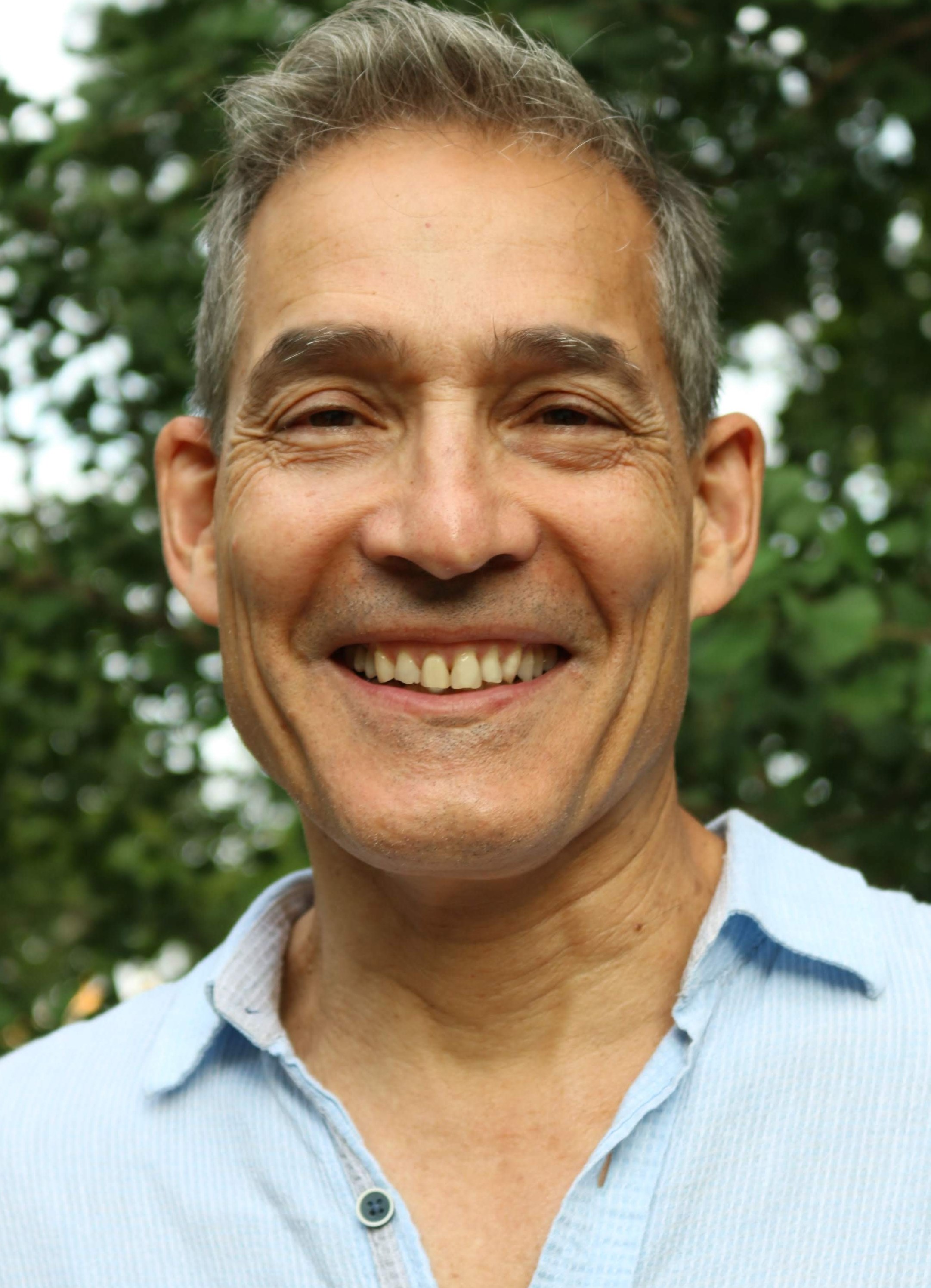 George A. Bonanno合作论文数Department of Counseling and Clinical Psychology, Teachers College, Columbia University1Arble Eamonn合作论文数1Ramsey Rebecca合作论文数1Klaus Kuch合作论文数1
 Danielle Gallegos合作论文数School of Public Health, Queensland University of Technology1




