The development of oat cultivars with resistance to crown rust caused by Puccinia coronata f. sp. Avenae (Pca) is key for sustainable disease control. This study examined two recombinant inbred line populations, Provena x GS7 and Boyer x GS7, to identify adult plant resistance QTL in Australian fields. Seven distinct QTL associated with rust resistance were identified. KASP markers were developed for single nucleotide polymorphisms (SNPs) tightly linked to the four most significant QTL on chromosomes 4A and 7A. A major QTL named QPc_GS7_4A.2 with a resistance allele derived from line GS7 was mapped to chromosome 4A, overlapping with genomic regions previously associated with both resistance gene Pc61 and adult plant resistance. Genetic mapping for rust resistance at the seedling stage using a subset of Provena x GS7 lines with contrasting alleles at QPc_GS7_4A.2 suggests a role of this locus in seedling resistance, which may be explained by the presence of Pc61. Seedling resistance profiles between GS7 and the Pc61 differential line against 20 Pca isolates, a haplotype analysis of QPc_GS7_4A.2 in the oat crown rust differential set, and a collection of 182 oat lines support this hypothesis, although confirmation needs future research. The KASP markers developed in this study will assist breeders in efficiently integrating the resistance allele for gene combinations in new cultivars.
Interactions between plants and pathogens drive long-term co-evolution through cycles of effector diversification and immune recognition. Effectors play central roles in this molecular interplay, and zinc-binding folds have been identified in a subset of pathogen effectors, yet the contribution of zinc coordination to effector stability and immune recognition remains unclear. Here, we investigated the structure and recognition of the AvrSr33 effector from the wheat stem rust fungus (Puccinia graminis f. sp. tritici, Pgt). Structural and biochemical analyses show that AvrSr33 adopts a fold containing two zinc-binding sites. Transient expression assays in Nicotiana benthamiana show that AvrSr33 directly interacts with Sr33, and comparison of recognised and non-recognised AvrSr33 variants identifies a polymorphic loop associated with recognition. This loop is positioned adjacent to one of the zinc-binding sites with its orientation constrained by zinc coordination. Reciprocal mutations of key surface residues within this region alter recognition, whereas mutation of the zinc-binding site totally abolishes recognition. Our data suggest that zinc coordination in AvrSr33 provides a structurally constrained scaffold that supports the surface features associated with Sr33 recognition. These findings provide a mechanistic framework for understanding how zinc coordination contributes to effector recognition and may influence the evolutionary trajectories of pathogen effectors.
Puccinia coronata f. sp. avenae (Pca), a fungal pathogen causing crown rust of oat, demonstrates rapid virulence evolution and adaptation to newly released cultivars. To further capture the genetic variation of Pca, we generated nuclear haplotype-resolved genomes for 10 isolates from Europe, Africa, and the Middle East and compared these with existing references for U.S. and Australian isolates. Of the full collection of 52 haplotypes, 40 were unique. Importantly, the presence of a nearly identical haplotype in a U.K. isolate collected in 1984 and in U.S. isolates from 1990 and 2017 supports the existence of long-lived clonal haplotypes in the global population that have been exchanged between lineages. We identified infrequent recombination between haplotypes from geographically dispersed isolates, hinting toward a globally mobile population of Pca that is mostly composed of persistent clonal lineages with some influence from rare recombination events. One isolate contained an additional scaffold with telomeric and centromeric features, suggesting the presence of a supernumerary chromosome. Whereas the core pan-proteome is enriched for predicted secreted and effector proteins, sequence and expression variation are most prevalent in non-core orthogroups, which also displayed allele-specific expression. We anticipate that this expanded collection of haplotypes will facilitate the development of new surveillance technologies and identification of virulence loci. [Formula: see text] Copyright © 2026 The Author(s). This is an open access article distributed under the CC BY-NC-ND 4.0 International license.
Wheat production is continually threatened by stripe and leaf rust because virulent races rapidly overcome single race-specific genes. Durable, broad-spectrum resistance is needed. Adult plant resistance (APR) provides partial, stable resistance from multiple minor-effect loci acting additively; pleiotropic loci like Lr34/Yr18 and Lr46/Yr29 add durability. We used an elite Australian panel (OzWheat=589) and a diverse landrace panel (Vavilov=295), genotyped with ∼30K SNPs and phenotyped across environments. Linkage disequilibrium partitioning defined 7,659 genome-wide haploblocks. To prioritise robust signals, we ranked haploblocks by haplotype effect variance and examined the top 100 per trait. For stripe rust, 52/100 were significant, with 32 shared across panels; for leaf rust, 50 were significant, 29 also detected in Vavilov. Several intervals co-localised with APR regions ( Lr46 / Yr29 ), and one 7BL interval intersected seedling gene Lr14a . To translate mapping into breeding decisions, we developed an introgression fitness index to quantify the value of resistant haplotypes in elite backgrounds. Using elite cultivar Scepter, we applied a genetic algorithm to select 50 donor parents carrying desirable haplotypes. Simulations showed that pyramiding these haplotypes can enhance resistance while maintaining elite genomic background. This study provides practical breeding tools, including haplotype catalogue and a novel selection index to accelerate rust-resistant wheat development.
Barley leaf rust disease, caused by Puccinia hordei, leads to substantial yield losses and diminished malting quality of barley across temperate growing regions worldwide. To address the paucity of high-resolution genomic resources for this pathogen, we generated haplotype-phased, chromosome-scale assemblies for 10 globally distributed isolates using PacBio HiFi and Hi-C sequencing. Phylogenomic analysis revealed 7 distinct lineages of P. hordei, including evidence of nuclear exchange, with a shared nuclear haplotype detected between 2 US lineages. Nuclear genome sizes ranged from ∼140 to 147 Mbp, with the exception of isolate 90ISR03 from Israel (∼163 Mbp), which also harbored a 6.2-Mbp extra scaffold in one nucleus exhibiting chromosomal characteristics. Consistent with its larger genome, P. hordei had a higher repeat content (∼70%) than related cereal rust fungi, driven primarily by the proliferation of long terminal repeat (LTR) retroelements and DNA transposons. Across the global pan-genome of 13 unique nuclear haplotypes, approximately one-third of all protein orthogroups were conserved across all isolates. Only 18% of predicted effector orthogroups were conserved across all haplotypes, reflecting the highly dynamic and variable nature of the effector repertoire. The long-term propagation of clonal P. hordei lineages is apparent both within the United States and globally, and nuclear exchange plays a role in generating novel diversity. Genome plasticity is evident in extensive structural variation, including large-scale translocations and inversions as well as an extra chromosome. These chromosome-level, haplotype-resolved genomes provide a foundational resource for exploring the evolution, diversity, and avirulence gene repertoire of P. hordei.
The wheat resistance gene Pm4 encodes a kinase fusion protein and has gained particular attention as it confers race-specific resistance against two major wheat pathogens: powdery mildew and blast. Here we describe the identification of AvrPm4, the mildew avirulence effector recognized by Pm4, using UV mutagenesis, and its functional validation in wheat protoplasts. We show that AvrPm4 directly interacts with and is phosphorylated by Pm4. Using genetic association and quantitative trait locus mapping, we further demonstrate that the evasion of Pm4 resistance by virulent mildew isolates relies on a second fungal component, SvrPm4, which suppresses AvrPm4-induced cell death. Surprisingly, SvrPm4 was previously described as AvrPm1a. We show that SvrPm4, but not its inactive variant svrPm4, is recognized by the nucleotide-binding leucine-rich repeat immune receptor Pm1a. These multiple roles of a single effector provide a new perspective on fungal (a)virulence proteins and their combinatorial interactions with different types of immune receptors.
Puccinia graminis f. sp. tritici (Pgt) causes wheat stem rust, a devastating disease of cereals. Recent approaches to examine populations at a genomic level have provided valuable information on the genotypic diversity of Pgt populations in Africa, Europe and North America and evolutionary mechanisms underlying the emergence of new races. However, an in-depth characterisation of Pgt populations in South America has been lacking. To bridge this knowledge gap, 91 Pgt isolates were collected from Argentina and Uruguay in 2020 and 2021 and used to generate transcriptome and whole genome sequence data and pathotype information. Phylogenetic analyses revealed that this South American Pgt population includes three clonal lineages, two of which have not been detected elsewhere. The third lineage is globally dispersed, including isolates from Africa and the Middle East. The predominant lineage, unique to South America, encompassed 90% of the samples and showed related pathotypes differing by virulence on single resistance genes consistent with evolution by stepwise mutation within the clonal lineage. There was no evidence of sexual recombination giving rise to new genetic diversity in this population. These observations urge to routinely incorporate and compare genotypic data from South American Pgt isolates to surveillance data from other geographic regions. .
Abstract Rust fungi are significant threats to global food security, causing substantial damage to crops through their ability to adapt and evolve new strains that overcome resistance. These obligate biotrophs infect host plants by secreting effector proteins that manipulate host physiology to promote infection and colonisation. We used AlphaFold2 to investigate structural conservation among effector proteins for the secretomes of Melampsora lini and four Puccinia species. AlphaFold2 yielded high-confidence predictions for 45.7% of the 27,090 secreted proteins, while 19% were poor quality. Comparative analysis revealed extensive structural diversity across the rust secretomes, with all thirteen known rust Avr proteins belonging to different clusters apart from AvrSr13 and AvrSr33. Nevertheless, there were still numerous large clusters of structurally-related proteins, including 59 clusters with over 50 members each, three of which contained known Avr proteins. Of the major structural families defined in other fungi, the rust species studied here only contained FOLD and ToxA-like families. Structural analysis of cysteine-rich proteins revealed over a thousand effector candidates featuring zinc-binding sites, with approximately 75% predicted to be cytoplasmic effectors. In contrast, cysteine-rich apoplastic effector candidates were characterized by a high frequency of disulfide bonds. One family of predicted metal-binding proteins was greatly expanded in P. graminis f. sp. tritici and includes AvrSr13 and AvrSr33. We confirmed that purified AvrSr13 and AvrSr22 proteins bind to zinc in vitro using biochemical assays. Taken together, structural modeling provides new avenues to study sequence-unrelated effectors and highlights the high degree of diversity in the effector repertoires of rust species.
Crop breeding strategies for trait introgression are shifting from empirical backcrossing, focused on a small number of target loci, to a predictive, large-scale, design-driven approach. This approach frames the introgression of desirable trait loci as a constrained multi-objective optimisation problem, balancing success probability, elite genome recovery, time, and resource use. Computational tools such as predicted and expected cross value, and look-ahead selection, prioritise crosses and support multi-generation planning. Advances in genomic resources and breeding accelerators, including pan-genomes, introgressiomics, speed breeding, and gene editing, expand the design space for precise allele stacking. By embedding these technological innovations within predictive breeding frameworks, breeders can translate genomic insights into practical strategies to refine introgression pipelines, transforming trial-and-error programmes into ‘designed diversity’ pipelines for resilient, high-yielding crops.
Crown rust, caused by Puccinia coronata f. sp. avenae ( Pca ), remains a persistent threat to oat production in Australia. To monitor recent shifts in virulence and population structure, 30 Pca isolates collected during the 2024 growing season across major Australian oat-producing regions were analysed. Virulence analysis of 30 isolates using 52 oat differential lines identified 25 unique races that were not detected in previous years. Whole-genome sequencing of 28 of these isolates were analysed in the context of a broader historical Australian and international genomic datasets including isolates from Taiwan, South Africa, USA. Results confirmed the uniqueness of the Australian Pca population and revealed well-established genotypic lineages persisting over multiple years, with L18 and L16 being dominant. Notably, L16 was again present in Western Australia after being undetected in 2023, while L18 maintained its prevalence for a third consecutive season. Beyond these dominant groups, phylogenetic analysis and a k -mer containment analysis also identified a novel and genetically distinct lineage, designated as L19, represented by one isolate collected in WA. To add to the characterisation of lineage L19, we recorded virulence phenotypes on a small collection of current commercial cultivars. These findings enhance understanding of Pca diversity and emphasise the importance of surveillance approaches that integrate phenotypic and genomic surveillance.
Wheat stem rust is a disease of global importance caused by the fungal pathogen Puccinia graminis f. sp. tritici (Pgt). Here we generate chromosome-level, nuclear-phased genome references for Pgt isolates ETH2013-1 and ITA2018-1, representing races TKTTF and TTRTF respectively, that have caused major epidemics in Africa and Europe. The nuclear haplotypes of ETH2013-1 and ITA2018-1 are unique and unrelated to those of Ug99 and Pgt21. Pgt nuclear haplotypes show extensive variation in sequence and copy number of six known Avr genes and AvrSr33, which we identify through an effector gene library screen. Recognition properties of 22 novel Avr gene variants explain the race virulence phenotypes and the outbreak of TTRTF on durum cultivars containing Sr13b, since ITA2018-1 carries a homozygous deletion of AvrSr13. This work establishes an Avr gene atlas for Pgt that can inform wheat breeding and enable development of sequence-based virulence diagnostic tools for pathogen surveillance.
During infection, rust fungi secrete effector proteins into host plant cells from haustoria to aid in their colonization. How rust effectors are secreted from the haustorium and delivered into the cytoplasm of host cells remains poorly understood. We used an Agrobacterium-mediated transformation procedure to generate stable transgenic flax rust strains expressing the effectors AvrM and AvrP123 fused to yellow fluorescent protein (YFP). We showed that both AvrM-YFP and AvrP123-YFP fusion proteins were secreted by the fungus into a narrow space surrounding the haustorium, likely the extrahaustorial matrix (EHMx); however, only AvrM-YFP was delivered into host cells, triggering a typical resistance phenotype in plants carrying the corresponding resistance (R) gene M. The signal peptide of AvrM was sufficient to direct YFP secretion into the EHMx; however, delivery into the host cell required a larger 105-amino-acid N-terminal fragment of AvrM. These results indicate that translocation of this protein into the host cell from the EHMx is a separate process from secretion into the EHMx and requires a signal present in AvrM between amino acids 34 and 105. This is in contrast to previous observations of AvrM localization after transient expression in plants, highlighting the necessity for analysis in the natural infection system. [Formula: see text] Copyright © 2025 The Author(s). This is an open access article distributed under the CC BY-NC-ND 4.0 International license.
Crown rust, caused by Puccinia coronata f. sp. avenae ( Pca ), remains a persistent threat to oat production in Australia. To monitor recent shifts in virulence and population structure, 30 Pca isolates collected during the 2024 growing season across major Australian oat-producing regions were analysed. Phenotypic analysis of 30 isolates using 52 oat differential lines identified 27 unique races. Whole-genome sequencing of 28 of these isolates revealed that most of them belonged to previously established lineages, with L18 and L16 being dominant. Notably, L16 was again present in Western Australia after being undetected in 2023, while L18 maintained its prevalence for a third consecutive season. Beyond these dominant groups, phylogenetic analysis also identified a novel and genetically distinct lineage, designated as L19, and represented by one isolate collected in WA. Although L19 exhibited a virulence profile similar to other WA isolates, its unique genomic signature underscores the need to integrate phenotypic and genomic surveillance. These findings enhance understanding of Pca diversity and inform resistance breeding and disease management strategies in Australian oats. ### Competing Interest Statement The authors have declared no competing interest. GRDC, CSP2204-007RTX CSIRO
Rust fungi (order Pucciniales) form the largest group of plant pathogens. Early studies addressed infection processes and heritability of virulence but were limited by the complexity of these organisms. We present six lessons highlighting major discoveries about rust genome biology. First, during their main infectious stage, rusts carry two haploid genomes that can be highly heterozygous, and each genome is packaged in its own nucleus. Remarkably, this allows for the exchange of whole nuclei. Second, haploid genome size is extremely variable, ranging from ∼75 Mb to 1 GB. Third, genome expansions are driven by repetitive elements, but genomes are not compartmentalized. Fourth, although chromosome number and biotrophy-related gene content are conserved across the order, effectors are highly divergent in sequence. Fifth, resolution of the mating-type locus highlights its role in genetic exchange in populations. Sixth, individual haplotypes can now be tracked to reveal nuclear exchange events, delivering unprecedented insights into rust epidemiology.
Crown rust disease, caused by Puccinia coronata f. sp. avenae , poses a significant threat to global oat ( Avena sativa L.) production. Molecular markers are essential to assist in the integration of multiple resistance genes into a single oat cultivar to achieve genetic resistance durability. Here, we validated previously reported markers for the race‐specific resistance genes Pc39 , Pc45 / PcKM , Pc54 , and Pc68 and developed new kompetitive allele‐specific PCR markers closely linked to these loci. These markers were subsequently screened across a collection of 150 oat cultivars. Analysis of molecular marker data, pedigree information, and disease resistance profiles identified several oat cultivars likely carrying Pc39 and Pc68 . Newly identified carriers of Pc68 include the cultivars Galileo and Graza80, while Warrego, Kowari, Possum, Forester, Drummond, Hokonui, Glider, and Culgoa were identified as potential carriers of Pc39 . Discrepancies between the previous postulation of Pc gene carriers and our phenotyping and genotyping analysis were also found. For example, the oat line Glider was previously postulated to carry Pc58 or Pc59 , but it was positive for the Pc39 ‐associated marker and had a similar resistance profile to Pc39 carriers. These findings underscore the importance of the utilization of molecular markers in tracking the resistance genes in breeding germplasm.
The role of nucleotide-binding leucine-rich repeat (NLR) receptors in plant immunity is well studied, but the function of a class of tandem kinases (TKs) that confer disease resistance in wheat and barley remains unclear. In this study, we show that the SR62 locus is a digenic module encoding the Sr62TK TK and an NLR (Sr62NLR), and we identify the corresponding AvrSr62 effector. AvrSr62 binds to the N-terminal kinase 1 of Sr62TK, triggering displacement of kinase 2, which activates Sr62NLR. Modeling and mutation analysis indicated that this is mediated by overlapping binding sites (i) on kinase 1 for binding AvrSr62 and kinase 2 and (ii) on kinase 2 for binding kinase 1 and Sr62NLR. Understanding this two-component resistance complex may help engineering and breeding plants for durable resistance.
Genetic diversity of pathogen populations plays an important role in host adaptation. While single high quality genome references are a valuable resource, a compilation of genome references from individuals increases the breadth of genetic variation within a species that is captured. Puccinia coronata f. sp. avenae ( Pca ), a fungal pathogen causing crown rust of oat, demonstrates rapid virulence evolution and adaptation to newly released cultivars. To broaden the geographic and temporal distribution of available Pca genomes, we generated nuclear haplotype-resolved genome references for ten isolates from Europe, Africa and the Middle East and compared these with existing references for USA and Australian isolates. Of the full collection of 52 haplotypes, 40 were unique. Importantly, the presence of a nearly identical haplotype in a UK isolate collected in 1984 and in USA isolates from 1990 and 2017 supports the existence of long-lived clonal haplotypes in the global population that have been exchanged between lineages. Taken together with the identification of infrequent recombination between haplotypes from geographically dispersed isolates, this evidence reflects a globally mobile population of Pca that is mostly comprised of persistent clonal lineages with some influence from rare recombination events. Analysis of the core and non-core proteome suggests that while the core proteome is enriched for predicted secreted and effector proteins, sequence and expression variation are most prevalent in non-core orthogroups. We anticipate that this expanded collection of haplotypes will facilitate the development of new surveillance technologies and identification of virulence loci. ### Competing Interest Statement The authors have declared no competing interest. USDA-NIFA BBSRC, 2022-67013-36505 GRDC, CSP2204-007RTX
Rust fungi comprise thousands of species, many of which cause disease on important crop plants. The flax rust fungus Melampsora lini has been a model species for the genetic dissection of plant immunity since the 1940s; however, the highly fragmented and incomplete reference genome has so far hindered progress in effector gene discovery. Here, we generated a fully phased, chromosome-scale assembly of the two nuclear genomes of M. lini strain CH5, resolving an additional 320 Mbp of the sequence. The 482-Mbp dikaryotic genome is at least 79% repetitive, with a large proportion (approximately 40%) of the genome comprising young, highly similar transposable elements. The assembly resolves the known effector gene loci, some of which carry complex duplications that were collapsed in the previous assembly. Using a genetic map followed by manual correction of gene models, we identified the AvrM3 and AvrN genes, which encode unusually large fungal effector proteins and trigger defense responses when co-expressed with the corresponding resistance genes. We located the genes linked to the tetrapolar mating system on chromosomes 4 and 9, but in contrast to the cereal rusts that have one pheromone receptor gene per haplotype, in flax rust, three pheromone receptor genes were found, with two of them closely linked on one haplotype. Taken together, we show that a high-quality assembly is crucial for resolving complex gene loci, and given the increasing number of fungal effectors of large size, the commonly applied criterion for effector candidates of being small proteins needs to be reconsidered. [Formula: see text] Copyright © 2025 The Author(s). This is an open access article distributed under the CC BY-NC-ND 4.0 International license.
The population structure and evolution of basidiomycetes like rust fungi are influenced by complex reproductive cycles and dikaryotic life stages where two independent nuclear haplotypes are present in the cell. The ability to alternate between asexual (clonal) and sexual reproduction increases the evolutionary capacity in these species. Furthermore, exchange of intact nuclei (somatic hybridization) in rust fungi can allow for rapid generation of genetic variability outside of the sexual cycle. Puccinia coronata f. sp. avenae (Pca), the causal agent of oat crown rust, is a pathogen of global economic importance that is difficult to control due to rapid breakdown of host genetic resistance. The contribution of sexuality, clonality, and migration to virulence evolution varies across Pca populations. As such, the Pca pathosystem is ideal to address the role of mating type, recombination, mutation, and somatic hybridization in host adaptation. We expanded the existing resources for USA and South African populations by generating whole genome sequencing data of Taiwanese and Australian isolates. An atlas of 30 chromosome-level, fully-phased nuclear haplotypes from six USA isolates and nine Australian isolates was created to capture the genomic composition of key Pca lineages. At the haplotype level, we confirmed previous reports of genetic recombination in the USA population and additionally detected either sexual or cryptic recombination between Australian isolates, contrasting previous evaluations that suggested Pca populations in Australia to be purely clonal. We also identified somatic hybridization events in Pca that are not only associated with significant changes in fitness but also imply intercontinental migration of haplotypes, which provides further impetus for molecular monitoring of rust pathogen populations on a global scale.
Crops are constantly exposed to pathogenic microbes. Rust fungi are examples of these harmful microorganisms, which have a major economic impact on wheat production. To protect themselves from pathogens like rust fungi, plants employ a multilayered immune system that includes immunoreceptors encoded by resistance genes. Significant efforts have led to the isolation of numerous resistance genes against rust fungi in cereals, especially in wheat. However, the evolution of virulence of rust fungi hinders the durability of resistance genes as a strategy for crop protection. Rust fungi, like other biotrophic pathogens, secrete an arsenal of effectors to facilitate infection, and these are the molecules that plant immunoreceptors target for pathogen recognition and mounting defense responses. When recognized, these effector proteins are referred to as avirulence (Avr) effectors. Despite the many predicted effectors in wheat rust fungi, only five Avr genes have been identified, all from wheat stem rust. Knowledge of the Avr genes and their variation in the fungal population will inform deployment of the most appropriate wheat disease-resistance genes for breeding and farming. The review provides an overview of methodologies as well as the validation techniques that have been used to characterize Avr effectors from wheat stem rust. [Formula: see text] Copyright © 2024 The Author(s). This is an open access article distributed under the CC BY 4.0 International license.
 Jeffrey Graham (Jeff) Ellis合作论文数Commonwealth Scientific and Industrial Research Organization52
 Jana Sperschneider合作论文数John Curtin School of Medical Research, College of Health and Medicine, The Australian National University42
 Melania Figueroa合作论文数39
 Audrey Der合作论文数36
 Alan Andrew合作论文数35Robert Anderssen合作论文数35E. Tarafdar合作论文数35
 Sidney A. Morris合作论文数Faculty of Informatics, University of Wollongong34
 Brian Davey合作论文数Department of Mathematics and Statistics, La Trobe University34K. L. McAvaney合作论文数33J Rubinstein合作论文数32J Hempel合作论文数32David S. Elliott合作论文数31Weber Nicholas合作论文数30
 Bostjan Kobe合作论文数School of Chemistry and Molecular Biosciences, Faculty of Science, The University of Queensland28
 Robert A. Street合作论文数Palo Alto Research Center27
 Brett Hughes合作论文数The Prince Charles Hospital;Royal Brisbane and Women’s Hospital25Elizabeth Billington合作论文数24B. Catharine Craven合作论文数23R Bartnik合作论文数23
 Williams Simon J合作论文数23
 Rohit Mago合作论文数CSIRO Plant Industry23Alan D. Jones合作论文数23Gregory J. Lawrence合作论文数23Bernoux Maud合作论文数21
 Narayana Upadhyaya合作论文数Commonwealth Scientific and Industrial Research Organisation20
 Xiaoxiao Zhang合作论文数Sch Chem & Mol Biosci, Univ Queensland19
 John T. Groves合作论文数Department of Chemistry, Princeton University19Ann-Maree Catanzariti合作论文数Division of Plant Industry;Industrial Research Organization17Neumann Bernhard合作论文数16
 Brian Jones合作论文数Faculty of Science - Earth & Atmospheric Sciences Admin, University of Alberta16
 Brent Neumann合作论文数Biomedicine Discovery Institute, Monash University;Department of Anatomy and Developmental Biology, Monash University14John P. Rathjen合作论文数14A Howe合作论文数13Kelly Smith合作论文数Department of Anatomy and Physiology, School of Biomedical Sciences, Faculty of Medicine, Dentistry and Health Sciences, The University of Melbourne13Michael A. Ayliffe合作论文数13
 Thomas Ve合作论文数13
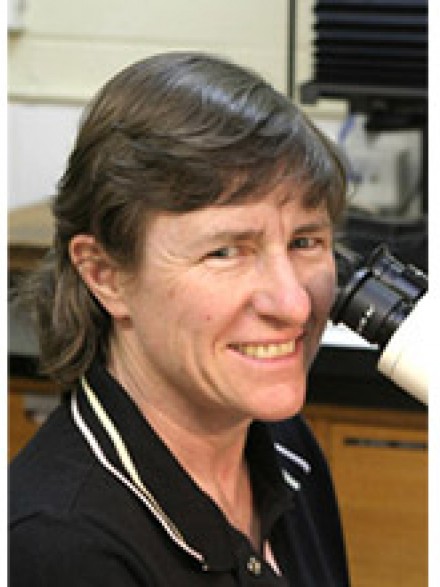 Adrienne Hardham合作论文数Division of Plant Sciences, Research School of Biology, College of Science, Australian National University13
 Eva Henningsen合作论文数Univ Minnesota, Dept Plant Pathol, St Paul, MN 55108 USA12
 Megan A Outram合作论文数Plant Sci Div, Australian Natl Univ12
 Beverley Catharine Craven合作论文数Department of Medicine, Temerty Faculty of Medicine, University of Toronto;Institute of Health Policy, Management and Evaluation, University of Toronto;Toronto Rehabilitation Institute12Kelly J. Smith合作论文数11Brailey Sims合作论文数11Jian Chen合作论文数11Anderson Peter合作论文数11
 Cheryl E. Praeger合作论文数Centre for the Mathematics of Symmetry and Computation The University of Western Australia11Gerhard Huisken合作论文数10Jennifer M Taylor合作论文数10
 Periyannan Sambasivam K合作论文数Agr & Food, CSIRO10




