Background There is limited published information on outcome adjudication in heart failure (HF) trials, particularly in heart failure with preserved ejection fraction (HFpEF). Objectives The study sought to compare investigator reports with clinical events committee (CEC) adjudication and assess the impact of the SCTI (Standardized Data Collection for Cardiovascular Trials) criteria. Methods In the EMPEROR-Preserved (EMPagliflozin outcome tRial in Patients with chronic heart Failure With Preserved Ejection Fraction) trial, we compared investigator reports with CEC for concordance, treatment effect on primary composite outcome events and components (first event primary heart failure hospitalization [HHF] or cardiovascular [CV] mortality), prognosis after first HHF, total HHF, and trial duration with and without SCTI criteria. Results The CEC confirmed 67.4% investigator-reported events for the primary outcome (CV mortality 82.7%, HHF 66.3%). The HR for treatment effect did not differ between adjudication methods for the primary outcome: investigator reports (HR: 0.77; 95% CI: 0.69-0.87), CEC (HR: 0.79; 95% CI: 0.69-0.90), its components, or total HHFs. The prognosis after the first HHF for all-cause mortality and CV mortality also did not differ between investigator reports and the CEC, nor did investigator reports and HHFs with a different CEC cause. SCTI criteria were present in 92% of CEC HHFs with a similar treatment effect to non-SCTI criteria. The investigator-reported primary events reached the protocol target number 6 months earlier than the CEC (7 months with full SCTI criteria). Conclusions Investigator adjudication is an alternative to a CEC with similar accuracy and faster event accumulation in HFpEF. The use of granular (SCTI) criteria did not improve trial performance. Our data suggest that a broader definition of an HHF event could be particularly beneficial in HFpEF clinical trials. (EMPagliflozin outcome tRial in Patients with chronic heart Failure With Preserved Ejection Fraction; NCT03057951).
Over the past decade, the field of heart failure (HF) has witnessed remarkable progress in drug development, resulting in the approval of numerous groundbreaking drugs by the U.S. Food and Drug Administration. To address some of these challenges, the U.S. Food and Drug Administration has issued guidance documents that have been critical in contemporary HF drug development; however, there are still many challenges in need of investigation. This paper leverages efforts of the Heart Failure Collaboratory and the scientific community to discuss the critical need for innovative trial designs, important concepts in clinical trials in the modern era, and the utilization of big data to accelerate HF drug development. At this inflection point in HF drug development, it is imperative that, as a global scientific community, we foster increased collaboration among researchers, clinicians, patients, and regulatory bodies. Only through such unified efforts can we navigate the complexities of HF, accelerate the development process, and ultimately deliver effective therapies that transform patient outcomes. (JACC Heart Fail. 2024;12:1803-1813) (c) 2024 The Authors. Published by Elsevier on behalf of the American College of Cardiology Foundation. This is an open access article under the CC BY license.
BACKGROUND:Although some patients with heart failure (HF) with mildly reduced/preserved ejection fraction have low natriuretic peptide levels, there are no large-scale systematic studies of how common these individuals are or what happens to them. OBJECTIVES:The purpose of this study was to examine the proportion of patients in the I-PRESERVE (Irbesartan in Heart Failure with Preserved Ejection Fraction) trial with an N-terminal pro-B-type natriuretic peptide (NT-proBNP) level <125 pg/mL, their clinical characteristics, and outcomes. METHODS:I- PRESERVE enrolled patients with symptomatic HF and a LVEF ≥45% but who did not have NT-proBNP or body mass index inclusion/exclusion criteria. Baseline NT-proBNP was measured after enrollment but not reported to investigators. The primary outcome in this analysis was the composite of cardiovascular death or HF hospitalization. RESULTS:Overall, 808 of 3,480 patients (23.2%) had NT-proBNP <125 pg/mL. Patients with a low NT-proBNP were younger (68.6 years vs 72.6 years; P < 0.001), were less often men (36.1% vs 40.9%; P = 0.015), and had a higher body mass index (48.4% vs 38.7% obese; P < 0.001) than those with a higher NT-proBNP level. Patients with a low NT-proBNP had less atrial fibrillation (8.5% vs 35.1%; P < 0.001), myocardial infarction, diabetes, chronic obstructive pulmonary disease, and anemia but better kidney function. Patients with a lower NT-proBNP level had less marked echocardiographic abnormalities and were less likely to experience cardiovascular death or HF hospitalization; adjusted HR: 0.35 (95% CI: 0.27-0.46; P < 0.001). However, health status was similarly impaired in patients with lower and higher NT-proBNP levels (median Minnesota Living with Heart Failure Questionnaire 43 vs 43; P = 0.95). CONCLUSIONS:Almost one-quarter of patients with HF with mildly reduced/preserved ejection fraction had a low NT-proBNP level. Although these patients have a favorable prognosis, compared to those with a high NT-proBNP level, they have similarly impaired health status which should be a target for treatment. (Irbesartan in Heart Failure With Preserved Systolic Function [I- PRESERVE]; NCT00095238).
Over the past decade, the field of heart failure (HF) has witnessed remarkable progress in drug development, resulting in the approval of numerous groundbreaking drugs by the U.S. Food and Drug Administration. To address some of these challenges, the U.S. Food and Drug Administration has issued guidance documents that have been critical in contemporary HF drug development; however, there are still many challenges in need of investigation. This article leverages efforts of the Heart Failure Collaboratory and the scientific community to discuss the critical need for innovative trial designs, important concepts in clinical trials in the modern era, and the utilization of big data to accelerate HF drug development. At this inflection point in HF drug development, it is imperative that, as a global scientific community, we foster increased collaboration among researchers, clinicians, patients, and regulatory bodies. Only through such unified efforts can we navigate the complexities of HF, accelerate the development process, and ultimately deliver effective therapies that transform patient outcomes.
Background: Patient-reported quality of life (QoL) assessments, such as the Kansas City Cardiomyopathy Questionnaire (KCCQ) or Minnesota Living with Heart Failure Questionnaire (MLHFQ), reflect an individual’s health status and symptom severity at a given timepoint, and may have utility as inclusion criteria in heart failure (HF) clinical trials. Method: The Heart Failure Collaboratory-Academic Research Consortium, a group of stakeholders including patients, investigators, and representatives from government and industry, convened to review data from multiple HF clinical trials discuss the use of patient reported QoL-based inclusion criteria in clinical trials of HF. Result: Patient-reported QoL assessments, such as the KCCQ, have high test-retest reliability and, in contrast with the physician-assigned New York Heart Association (NYHA) class, are not subject to clinician bias or influenced by knowledge of prognostic variables such as Left Ventricular Ejection Fraction (LVEF) or N-terminal pro B-type Natriuretic Peptide (NT-proBNP). The U.S. FDA has qualified KCCQ as an effective clinical outcomes assessment for HF, and recent clinical trials that demonstrated substantial reductions in morbidity and mortality also showed improvements in KCCQ scores, provided patients had a decrement at baseline. However, KCCQ use is limited by both complicated clinical interpretability, with total symptom score consisting of aggregate scores from different physical and symptomatic domains and uncertainty around the threshold of clinically important difference, and by its length, with average completion time of 5 to 8 minutes. Conclusion: Patient-reported functional assessments have potential as inclusion criteria in clinical trials of HF by ensuring the enrollment of patients with a diminished QoL who have the potential to improve in response to therapeutic intervention, especially in clinical trials with QoL-based endpoints.
Patients with EF>30-35% remain at risk of sudden cardiac death (SCD) but are not currently indicated for a primary prevention ICD. Previous research has identified greater ICD benefit in those with a higher proportion of SCD.
Heart failure (HF) is a complex syndrome traditionally classified by left ventricular ejection fraction (LVEF) cutpoints. Although LVEF is prognostic for risk of events and predictive of response to some HF therapies, LVEF is a continuous variable and cutpoints are arbitrary, often based on historical clinical trial enrichment decisions rather than physiology. Holistic evaluation of the treatment effects for therapies throughout the LVEF range suggests the standard categorization paradigm for HF merits modification. The multidisciplinary Heart Failure Collaboratory reviewed data from large-scale HF clinical trials and found that many HF therapies have demonstrated therapeutic benefit across a large range of LVEF, but specific treatment effects vary across that range. Therefore, HF should practically be classified by association with an LVEF that is reduced or not reduced, while acknowledging uncertainty around the precise LVEF cutpoint, and future research should evaluate new therapies across the continuum of LVEF.
Background In the CardioMEMS Post Approval Study (PAS), pulmonary artery (PA) pressure monitoring in patients with NYHA Class III heart failure (HF) reduced HF hospitalizations (HFH) by 57%. Older patients with HF have both higher risks of HFH and the competing risk of all-cause hospitalization (ACH) compared to a younger cohort. We hypothesized that older patients have a decreased benefit from a CardioMEMS device due to the greater prevalence of non-cardiovascular comorbidities and death. Methods The PAS compared the rate of HF hospitalization in the 1 year prior to CardioMEMS implant to the rate in 1 year after implant with an overall 57% reduction in the rate of HFH. Patients were placed in three age categories: <70, 70-80 and >80 years. Baseline characteristics and PA pressures were compared at baseline and the paired change in pressures over 1 year. Hospitalization rates before and after implant were compared using the Andersen-Gill model. Results Older patients were more likely to have EF >40%, ischemic etiology, hypertension and CKD, but diabetes mellitus was less prevalent. The baseline PA diastolic (PAD) pressures were slightly lower in the older group. At 12 months, PA systolic and PAD was lower in all age groups (Table). All age groups had significant reductions in both HFH and all-cause hospitalizations (ACH) at 1 year (p<0.0001 for HFH and ACH, all age groups). Comparison across age groups demonstrated no significant difference in the reduction of HFH, ACH, or in time to first HFH. Conclusions Although older patients with HF have a higher mortality and more comorbidities, the benefit of CardioMEMS in reducing HFH and all-cause hospitalizations was similar across the age categories. The proportion of HFH was decreased after CardioMEMS in all age categories due to a reduction in HFH. In the CardioMEMS Post Approval Study (PAS), pulmonary artery (PA) pressure monitoring in patients with NYHA Class III heart failure (HF) reduced HF hospitalizations (HFH) by 57%. Older patients with HF have both higher risks of HFH and the competing risk of all-cause hospitalization (ACH) compared to a younger cohort. We hypothesized that older patients have a decreased benefit from a CardioMEMS device due to the greater prevalence of non-cardiovascular comorbidities and death. The PAS compared the rate of HF hospitalization in the 1 year prior to CardioMEMS implant to the rate in 1 year after implant with an overall 57% reduction in the rate of HFH. Patients were placed in three age categories: <70, 70-80 and >80 years. Baseline characteristics and PA pressures were compared at baseline and the paired change in pressures over 1 year. Hospitalization rates before and after implant were compared using the Andersen-Gill model. Older patients were more likely to have EF >40%, ischemic etiology, hypertension and CKD, but diabetes mellitus was less prevalent. The baseline PA diastolic (PAD) pressures were slightly lower in the older group. At 12 months, PA systolic and PAD was lower in all age groups (Table). All age groups had significant reductions in both HFH and all-cause hospitalizations (ACH) at 1 year (p<0.0001 for HFH and ACH, all age groups). Comparison across age groups demonstrated no significant difference in the reduction of HFH, ACH, or in time to first HFH. Although older patients with HF have a higher mortality and more comorbidities, the benefit of CardioMEMS in reducing HFH and all-cause hospitalizations was similar across the age categories. The proportion of HFH was decreased after CardioMEMS in all age categories due to a reduction in HFH.
The CHARM-Preserved trial suggested that the renin-angiotensin system (RAS) inhibitor candesartan might have been beneficial in heart failure with preserved ejection fraction (HFpEF); however, this hypothesis was not supported by the findings of I-Preserve with irbesartan. To re-analyse the results of I-Preserve, adjusting for imbalances in baseline variables that may have influenced the trial outcomes. Cox proportional hazards models with covariate adjustment for baseline variables, including age, sex, medical history, physiological and laboratory variables. In I-Preserve, 763 (37.0%) participants in the placebo group and 742 (35.9%) in the irbesartan group experienced the primary composite outcome (death from any cause or hospitalization for heart failure, myocardial infarction, unstable angina, arrhythmia, or stroke). The prespecified analysis of this outcome, stratifying for the use of ACEi at baseline, gave a hazard ratio (HR) of 0.95 (95% confidence interval, 0.86–1.05); p = 0.35. Adjusting the effect of treatment for key prognostic baseline variables, gave a HR of 0.89 (0.80–0.99); p = 0.033. Similar findings were observed for the composite of cardiovascular death or HF hospitalization. Adjusting for imbalances in baseline variables that influence outcomes (or the response to therapy or both) can improve the power around the estimate of the effect of treatment and may alter its statistical significance. Along with the CHARM-Preserved results, these findings suggest that angiotensin-receptor blockers may have a modest effect in HFpEF.
BACKGROUND:Sodium-glucose cotransporter 2 (SGLT2) inhibitors reduce the risk of hospitalization for heart failure in patients regardless of the presence or absence of diabetes. More evidence is needed regarding the effects of these drugs in patients across the broad spectrum of heart failure, including those with a markedly reduced ejection fraction.METHODS:In this double-blind trial, we randomly assigned 3730 patients with class II, III, or IV heart failure and an ejection fraction of 40% or less to receive empagliflozin (10 mg once daily) or placebo, in addition to recommended therapy. The primary outcome was a composite of cardiovascular death or hospitalization for worsening heart failure.RESULTS:During a median of 16 months, a primary outcome event occurred in 361 of 1863 patients (19.4%) in the empagliflozin group and in 462 of 1867 patients (24.7%) in the placebo group (hazard ratio for cardiovascular death or hospitalization for heart failure, 0.75; 95% confidence interval [CI], 0.65 to 0.86; P<0.001). The effect of empagliflozin on the primary outcome was consistent in patients regardless of the presence or absence of diabetes. The total number of hospitalizations for heart failure was lower in the empagliflozin group than in the placebo group (hazard ratio, 0.70; 95% CI, 0.58 to 0.85; P<0.001). The annual rate of decline in the estimated glomerular filtration rate was slower in the empagliflozin group than in the placebo group (-0.55 vs. -2.28 ml per minute per 1.73 m2 of body-surface area per year, P<0.001), and empagliflozin-treated patients had a lower risk of serious renal outcomes. Uncomplicated genital tract infection was reported more frequently with empagliflozin.CONCLUSIONS:Among patients receiving recommended therapy for heart failure, those in the empagliflozin group had a lower risk of cardiovascular death or hospitalization for heart failure than those in the placebo group, regardless of the presence or absence of diabetes. (Funded by Boehringer Ingelheim and Eli Lilly; EMPEROR-Reduced ClinicalTrials.gov number, NCT03057977.).
Introduction Clinical endpoints are standard outcomes measures used to prove treatment effect in clinical trials. Differences in endpoint definitions and ascertainment of cause-specific clinical events influence the validity of heart failure (HF) trials. Cause-specific clinical events have become preferred endpoints because they separate signals of efficacy from noise (non-related events). Clinical endpoints could be ascertained through case report forms (CRFs) by investigators or through a central adjudication method by a Clinical Endpoint Committee (CEC). Investigator reporting is more efficient and inexpensive but is affected by inaccuracy, geographic variability, and complexity of endpoint definitions. CEC adjudication is a standardized, blind and independent ascertainment process but may be limited by high costs. Aims To analyze cause-specific endpoints, and the need for CEC adjudication in HF trials, comparing HF with reduced versus preserved ejection fraction (EF). Methods We analyzed 10 HF with reduced EF (HFrEF) trials and five HF with preserved EF (HFpEF) trials. For each trial we described and compared the prevalence of all-cause and cause-specific mortality. Results A comparison between all-cause mortality and cardiovascular mortality in 9 selected HFrEF and HFpEF clinical trials is presented in Figure 1. The relative proportion of CV death was significantly lower in HFpEF compared with HFrEF trials. Additionally, in HFrEF, the relative proportion of CV death was significantly lower in recent trials compared with early trials. CV specific endpoints were the primary cause of death in HF trials. Conclusions There are more CV deaths in HFrEF trials, although it is the primary mode of death in both populations. CEC adjudication may be more beneficial in HFpEF vs. HFrEF trials, and in recent HFrEF trials due to the increase in non-CV events which may attenuate the treatment effect.
The coronavirus disease-2019 (COVID-19) pandemic has profoundly changed clinical care and research, including the conduct of clinical trials, and the clinical research ecosystem will need to adapt to this transformed environment. The Heart Failure Academic Research Consortium is a partnership between the Heart Failure Collaboratory and the Academic Research Consortium, composed of academic investigators from the United States and Europe, patients, the U.S. Food and Drug Administration, the National Institutes of Health, and industry members. A series of meetings were convened to address the challenges caused by the COVID-19 pandemic, review options for maintaining or altering best practices, and establish key recommendations for the conduct and analysis of clinical trials for cardiovascular disease and heart failure. This paper summarizes the discussions and expert consensus recommendations.
The Heart Failure Academic Research Consortium is a partnership between the Heart Failure Collaboratory (HFC) and Academic Research Consortium (ARC), comprised of leading heart failure (HF) academic research investigators, patients, United States (US) Food and Drug Administration representatives, and industry members from the US and Europe. A series of meetings were convened to establish definitions and key concepts for the evaluation of HF therapies including optimal medical and device background therapy, clinical trial design elements and statistical concepts, and study endpoints. This manuscript summarizes the expert panel discussions as consensus recommendations focused on populations and endpoint definitions; it is not exhaustive or restrictive, but designed to stimulate HF clinical trial innovation.
Background: Prior studies of cardiac contractility modulation (CCM) employed a 3-lead Optimizer system. A new 2-lead system eliminated the need for an atrial lead. This study tested the safety and effectiveness of this 2-lead system compared with the 3-lead system. Methods: Patients with New York Heart Association III/IVa symptoms despite medical therapy, left ventricular ejection fraction 25% to 45%, and not eligible for cardiac resynchronization therapy could participate. All subjects received an Optimizer 2-lead implant. The primary end point was the estimated difference in the change of peak VO 2 from baseline to 24 weeks between FIX-HF-5C2 (2-lead system) subjects relative to control subjects from the prior FIX-HF-5C (3-lead system) study. Changes in New York Heart Association were a secondary end point. The primary safety end point was a comparison of device-related adverse events between FIX-HF-5C2 and FIX-HF-5C subjects. Results: Sixty subjects, 88% male, 66±9 years old with left ventricular ejection fraction 34±6% were included. Baseline characteristics were similar between FIX-HF-5C and FIX-HF-5C2 subjects except that 15% of FIX-HF-5C2 subjects had permanent atrial fibrillation versus 0% in FIX-HF-5C. CCM delivery did not differ significantly between 2- and 3-lead systems (19 892±3472 versus 19 583±4998 CCM signals/day, CI of difference [−1228 to 1847]). The change of peak VO 2 from baseline to 24 weeks was 1.72 (95% Bayesian credible interval, 1.02–2.42) mL/kg per minute greater in the 2-lead device group versus controls. 83.1% of 2-lead subjects compared with 42.7% of controls experienced ≥1 class New York Heart Association improvement ( P <0.001). There were decreased Optimizer-related adverse events with the 2-lead system compared with the 3-lead system (0% versus 8%; P =0.03). Conclusions: The 2-lead system effectively delivers comparable amount of CCM signals (including in subjects with atrial fibrillation) as the 3-lead system, is equally safe and improves peak VO 2 and New York Heart Association. Device-related adverse effects are less with the 2-lead system. Registration: URL: https://www.clinicaltrials.gov ; Unique identifier: NCT03339310
OBJECTIVES The authors investigated the relationship between past or incident myocardial infarction (MI) and car-diovascular (CV) events in heart failure with preserved ejection fraction (HFpEF). BACKGROUND MI and HFpEF share some common risk factors. The prognostic significance of MI in patients with HFpEF is uncertain. METHODS The authors pooled data from 3 trials-CHARM Preserved (Candesartan Cilexietil in Heart Failure Assessment of Reduction in Mortality and Morbidity), I-Preserve (Irbesartan in Heart Failure With Preserved Systolic Function), and the Americas region of TOPCAT (Treatment of Preserved Cardiac Function Heart Failure With an Aldosterone Antagonist) (N 1/4 8,916)-and examined whether MI before or following enrollment independently predicted CV death and heart failure (HF) hospitalization. RESULTS At baseline, 2,668 patients (30%) had history of MI. Prior MI was independently associated with greater risk of CV death (4.7 vs. 3.5 events/100 patient-years [py], adjusted hazard ratio [HR]: 1.42 [95% confidence interval (CI): 1.23 to 1.64]; p < 0.001). Excess sudden death drove this difference (1.9 vs. 1.2 events/100 py, adjusted HR: 1.55 [95% CI: 1.23 to 1.97]; p < 0.001). There was no difference in HF hospitalization (5.9 vs. 5.5 events/100 py, adjusted HR: 1.05, 95% CI: 0.92 to 1.19) or HF death by prior MI. During follow-up, MI occurred in 336 patients (3.8%). Risk of CV death increased 31-fold in the first 30 days after first post-enrollment MI, and remained 58% higher beyond 1 year after MI. Risk of first or recurrent HF hospitalization increased 2.4-fold after MI. CONCLUSIONS Prior MI in HFpEF is associated with greater CV and sudden death but similar risk of HF outcomes. Patients with HFpEF who experience MI are at high risk of subsequent CV death and HF hospitalization. These data highlight the importance of primary and secondary prevention of MI in patients with HFpEF. (Candesartan Cilexietil in Heart Failure Assessment of Reduction in Mortality and Morbidity [CHARM Preserved]; NCT00634712; Irbesartan in Heart Failure With Preserved Systolic Function [I-Preserve]; NCT00095238; and Treatment of Preserved Cardiac Function Heart Failure With an Aldosterone Antagonist [TOPCAT]; NCT00094302) (J Am Coll Cardiol HF 2020;8:618-26) (c) 2020 by the American College of Cardiology Foundation.
OBJECTIVES This study sought to better understand the discrepant results of 2 trials of serelaxin on acute heart failure (AHF) and short-term mortality after AHF by analyzing causes of death of patients in the RELAX-AHF-2 (Efficacy, Safety and Tolerability of Serelaxin When Added to Standard Therapy in AHF-2) trial.BACKGROUND Patients with AHF continue to suffer significant short-term mortality, but limited systematic analyses of causes of death in this patient population are available.METHODS Adjudicated cause of death of patients in RELAX-AHF-2, a randomized, double-blind, placebo-controlled trial of serelaxin in patients with AHF across the spectrum of ejection fraction (EF), was analyzed.RESULTS By 180 days of follow-up, 11.5% of patients in RELAX-AHF-2 died, primarily due to heart failure (HF) (38% of all deaths).Unlike RELAX-AHF, there was no apparent effect of treatment with serelaxin on any category of cause of death.Older patients ($75 years) had higher rates of mortality (14.2% vs. 8.8%) and noncardiovascular (CV) death (27% vs. 19%) compared to younger patients.Patients with preserved EF ($50%) had lower rates of HF-related mortality (30% vs. 40%) but higher non-CV mortality (36% vs. 20%) compared to patients with reduced EF.CONCLUSIONS Despite previous data suggesting benefit of serelaxin in AHF, treatment with serelaxin was not found to improve overall mortality or have an effect on any category of cause of death in RELAX-AHF-2.Careful adjudication of events in the serelaxin trials showed that older patients and those with preserved EF had fewer deaths from HF or sudden death and more deaths from other CV causes and from noncardiac causes.(Efficacy, Safety and Tolerability of Serelaxin When Added to Standard Therapy in AHF [RELAX-AHF-2]; NCT01870778) (
 Inder S Anand合作论文数Department of Cardiovascular Medicine, University of Minnesota;University of Minnesota Twin Cities;VA Medical Center57
 John McMurray合作论文数School of Cardiovascular & Metabolic Health, University of Glasgow;Australian Catholic University , Melbourne56
 Michael Zile合作论文数Department of Medicine, College of Medicine, Medical University of South Carolina55
 Michel Komajda合作论文数Paris Sorbonne University;Cardio Genetic Department, University Hosptial Pitie Salpetriere;Groupe Hospitalier Paris Saint-Joseph48
 Robert S. Mckelvie合作论文数McMaster University, Hamilton, Ontario, Canada47
 Barry Massie合作论文数University of California San Francisco36
 Christopher M. O'Connor合作论文数32Alan B. Miller合作论文数29Joann Lindenfeld合作论文数27
 Michael Bristow合作论文数Division of Cardiology, School of Medicine, University of Colorado Anschutz;The University of Colorado Cardiovascular Institute23
 John Teerlink合作论文数Heart Failure and of the Echocardiography Laboratory, San Francisco Veterans Affairs Medical Center;Department of Medicine, School of Medicine, University of California San Francisco22Mona Fiuzat合作论文数21
 Pardeep Jhund合作论文数School of Cardiovascular & Metabolic Health, University of Glasgow;Institute of Cardiovascular and Medical Sciences, University of Glasgow;NHS Greater Glasgow and Clyde20
 Scott David Solomon合作论文数Heart and Vascular Center, Brigham and Women's Hospital;Clinical Trials Outcomes Center, Brigham and Women's Hospital;Harvard Medical School19
 Agata Ptaszynska合作论文数18
 Jay N. Cohn合作论文数Department of Medicine, University of Minnesota Medical School16
 William Abraham合作论文数Division of Cardiovascular Medicine, Department of Internal Medicine, College of Medicine, The Ohio State University;Wexner Medical Center, The Ohio State University;V-Wave15
 Javed Butler合作论文数Baylor Scott and White Research Institute;Baylor Scott and White Health;Department of Medicine, University of Mississippi Medical Center15
 Arthur M. Feldman合作论文数Lewis Katz School of Medicine, Temple University15
 John Cleland合作论文数School of Cardiovascular & Metabolic Health, University of Glasgow14
 Karl Swedberg合作论文数Institute of Medicine, The University of Gothenburg;Department of Molecular and Clinical Medicine, Sahlgrenska Academy, The University of Gothenburg14Michel White合作论文数13Thomas S. Rector合作论文数From the Renal Section, Veterans Administration Medical Center13
 Wayne C. Levy合作论文数University of Washington12
 James Januzzi合作论文数Baim Institute for Clinical Research;Harvard Medical School;Jana Care;Cardiology Division, Massachusetts General Hospital12
 Jalal Ghali合作论文数Department of Medicine, Morehouse School of Medicine12
 Stefan D. Anker合作论文数Charité University;Charité Berlin11
 John P. Boehmer合作论文数Division of Cardiology, Department of Medicine, College of Medicine, The Pennsylvania State University;IO Silver Clinic, Penn State Heart and Vascular Institute, College of Medicine, The Pennsylvania State University11
 David L. DeMets合作论文数School of Medicine and Public Health, University of Wisconsin-Madison10
 Lars Køber合作论文数Department of Clinical Medicine, Faculty of Health and Medical Sciences, University of Copenhagen;Rigshospitalet;Copenhagen University Hospital10
 Ileana Piña合作论文数Sidney Kimmel Medical College, Thomas Jefferson University;Central Michigan University;Center for Devices and Radiological Health, Food and Drug Administrations10
 Milton Packer合作论文数Baylor University Medical Center;Imperial College London10
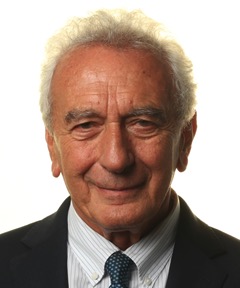 Aldo Pietro Maggioni合作论文数Research Center of Italian Association of Hospital Cardiologists;Fondazione ReS;University of Ferrara9Elizabeth Galle合作论文数9
 Marc A. Pfeffer合作论文数Carl J. and Ruth Shapiro Cardiovascular Center, Heart and Vascular Center, Brigham and Women's Hospital;Harvard Medical School9
 Mark Petrie合作论文数School of Cardiovascular and Metabolic Health, University of Glasgow;Institute of Cardiovascular and Medical Sciences, University of Glasgow;Global Clinical Trial Partners9C. O'Connor合作论文数8
 Marc A Silver合作论文数Department of Medicine, University of Illinois at Chicago;Rosalind Franklin University of Medicine and Science8
 Gerasimos Filippatos合作论文数National and Kapodistrian University of Athens8
 Leslie Ann Saxon合作论文数Keck School of Medicine, University of Southern California8Scott Hetzel合作论文数8
 Stephen S. Gottlieb合作论文数Division of Cardiology, Department of Medicine, School of Medicine, University of Maryland;Baltimore VA Medical Center;University of Maryland Hospital8
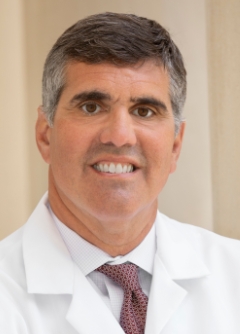 Eric Velazquez合作论文数Center for Clinical Investigation, School of Medicine, Yale University;Heart and Vascular Center, Yale New Haven Hospital8
 Mitchell Psotka合作论文数7
 Henry Krum合作论文数Department of Epidemiology & Preventive Medicine, Centre of Cardiovascular Research & Education in Therapeutics, Alfred Hospital, Monash University7
 Christopher Bull Granger合作论文数Department of Medicine, School of Medicine, Duke University;School of Nursing, Duke University7
 Adrian Felipe Hernandez合作论文数Department of Medicine, School of Medicine, Duke University;Duke Clinical Research Institute, School of Medicine, Duke University;Department of Population Health Sciences, School of Medicine, Duke University7
 Gordon Davis合作论文数The Future of the Information Systems Academic7Carla A. Sueta合作论文数7




