Researchers are increasingly studying cognitive and psychological constructs using automated online tools due to advantages in scalability, repeatability, accessibility and affordability. The online assessment of sleep presents a challenge, as the most popular instruments for reporting different aspects of sleep were originally designed to be deployed under supervised conditions by trained personnel. Here, we develop and validate the Comprehensive Online Sleep Monitoring Scale (COSMOS), a self-reported sleep scale optimised for online, independent administration. Using data from N = 5,815 adults, we show that COSMOS has good internal (Cronbach’s α = 0.85) and convergent validity, via strong associations with established sleep scales. Poorer COSMOS sleep scores were found in participants diagnosed with mental health conditions, more frequent depression or anxiety symptoms, and higher compulsivity or neuroticism traits, demonstrating good construct validity. We propose COSMOS as a comprehensive and validated sleep assessment that is suitable for large-scale online transdiagnostic and mental health research.
Subjective cognitive symptoms (brain fog, memory problems) are common in menopause, but whether these self-reported symptoms correspond to measurable deficits in cognition remains unclear. In 14,234 females (aged 45–55) from the REACT-Long Covid Study, we examined self-reported cognitive symptoms and objective cognitive performance in premenopausal, perimenopausal, postmenopausal participants. Global cognitive performance was derived from eight online tasks (‘Cognitron’). Perimenopausal (OR = 1.31 [1.18, 1.35], p = 0.015) and postmenopausal participants (OR = 1.13 [1.08, 1.32], p = 0.014) had higher odds of reporting cognitive symptoms than premenopausal participants. Objective cognitive performance differed minimally across menopause status groups, with perimenopausal participants showing marginally higher accuracy than premenopausal and postmenopausal participants (0.03–0.06 SD, p < 0.023). Across all menopause status groups, cognitive symptoms were weakly associated with objective performance but moderately related to psychological symptoms. These findings underscore recognising cognitive symptoms as a key component of menopausal care and integrating patient-reported outcomes with objective and biological measures of cognitive health.
BACKGROUND:Alzheimer's disease-related biomarkers detect pathology years before symptoms emerge, when disease-modifying therapies might be most beneficial. Remote cognitive testing provides a means of assessing early cognitive changes. We explored the relationship between neurodegenerative biomarkers and cognition in cognitively normal individuals. METHODS:We remotely deployed 13 computerized Cognitron tasks in 255 Insight 46 participants. We generated amyloid load and positivity, white matter hyperintensity volume (WMHV), whole brain and hippocampal volumes at age 73, plus rates of change over 2 years. We examined the relationship between Cognitron, biomarkers, and standard neuropsychological tests. RESULTS:Slower response time on a delayed recognition task predicted amyloid positivity (odds ratio [OR] = 1.79, confidence interval [CI]: 1.15, 2.95), and WMHV (1.23, CI: 1.00, 1.56). Brain and hippocampal atrophy rates correlated with poorer visuospatial performance (b = -0.42, CI: -0.80, -0.05) and accuracy on immediate recognition (b = -0.01, CI: -0.012, -0.001), respectively. Standard tests correlated with Cognitron composites (rho = 0.50, p < 0.001). DISCUSSION:Remote computerized testing correlates with standard supervised assessments and holds potential for studying early cognitive changes associated with neurodegeneration. HIGHLIGHTS:70% of the Online 46 cohort performed a set of remote online cognitive tasks. Response time and accuracy on a memory task predicted amyloid status and load (SUVR). Accuracy on memory and spatial span tasks correlated with longitudinal atrophy rate. The Cognitron tasks correlated with standard supervised cognitive tests. Online cognitive testing can help identify early AD-related memory deficits.
BACKGROUND:Mental health implications of COVID-19 drug use patterns are still unclear. METHODS:We used data-driven clustering in a large citizen science cohort recruited agnostically to an interest in drug-use to categorise people according to common patterns of drug use and analysed their mental health symptoms (GAD-7 and PHQ-9 items), from recruitment prior to COVID-19 restrictions in 2020 (N = 242,260) to three follow-ups in 2020-2022 (N = 68,416). Mixed effects modelling examined how mental health scores related to drug-use clusters cross-sectionally and how changes in those scores longitudinally related to changes in consumption frequencies. RESULTS:We identified six common patterns of drug use during the COVID-19 pandemic, with cannabis cross cutting most of them. The majority of drug use clusters had worse average mental health scores relative to drug-naive individuals at all timepoints. The average mental health scores of those who used more drugs during the pandemic worsened over time relative to individual baselines. However, psychedelics and cannabis users showed average improvements in depression (β = -0.26 SD, 95% CI: -0.44, -0.08, p = 0.003), anxiety (β = -0.24 SD, 95% CI: -0.41, -0.06, p = 0.007) and overall mental health (β = -0.2 SD, 95% CI: -0.35, -0.04, p = 0.01) from pre-pandemic to January 2022, becoming on par with the drug-naive group. This was not the case for cannabis-only users, whose worse mental health scores persisted. CONCLUSION:Those who used psychedelics may have experienced some improvements in mental health across the pandemic timeframe, which supports the idea that beneficial effects on mood and anxiety associated with these substances may extend beyond controlled conditions.
Cognitive impairments in Multiple Sclerosis (MS) are prevalent and disabling yet often unaddressed. Here, we optimised automated online assessment technology for people with MS and used it to characterise their cognitive deficits in greater detail and at a larger population scale than previously possible. The study involved 4526 UK MS Register members over three stages. Stage 1 evaluated 22 online cognitive tasks and established their feasibility. Based on MS discriminability a 12-task battery was selected. Stage 2 validated the resulting battery at scale, while Stage 3 compared it to a standard neuropsychological assessment. Clustering analysis identified a prevalent MS subtype exhibiting significant cognitive deficits with minimal motor impairment. Disability in this group is currently unrecognised and untreated. These findings underscore the importance of cognitive assessment in MS, the feasibility of integrating online tools into patient registries, and the potential of such large-scale data to derive insights into symptom heterogeneity.
We present two novel self-ordered switching (SOS) fMRI paradigms designed to investigate how brain networks facilitate the establishment of structured human behaviour during the learning of complex tasks with multiple goals. In study 1, SOS was performed with minimal pretraining and detailed feedback to capture the learning process, while in study 2 substantial pretraining and minimal feedback were used as a control where the potential for ongoing optimisation of behaviour is reduced. Study 1 revealed changes in the learning process characterised by a decrease in task-switching frequency, resulting in superior task performance for individuals who minimised switch frequency and ordered their behaviour in simple structured routines. Additionally, with practice, multiple-demand cortex activation became less responsive, and the default mode network became more responsive when performing discrimination trials. Strikingly, the opposite pattern was observed for SOS events, with multiple-demand cortex activation becoming more responsive and default mode network activation becoming less responsive with practice. These neural changes correlated with the degree of structure of behavioural routines. The neural signatures of learning were less evident in study 2, where the task was practiced prior to entering the scanner. Our studies demonstrate that the default mode network and multiple demand cortex complement each other when people learn to perform complex tasks by becoming differentially fine-tuned to routine trial demands vs. executive-switching demands.
INTRODUCTION:Online assessments are scalable and cost effective for detecting cognitive changes, especially in elderly cohorts with limited mobility and higher vulnerability to neurological conditions. However, determining the uptake, adherence, and usability of these assessments in older adults, who may have less experience with mobile devices, is crucial. METHODS:A total of 1776 members (aged 77) of the Medical Research Council National Survey of Health and Development (NSHD) were invited to complete 13 online cognitive tasks. Adherence was measured through task compliance, while uptake (consent, attempt, completion) was linked to health and sociodemographic factors. Usability was evaluated through qualitative feedback. RESULTS:This study's consent (56.9%), attempt (80.5%), and completion (88.8%) rates are comparable to supervised NSHD substudies. Significant predictors of uptake included education, sex, handedness, cognitive scores, weight, smoking, alcohol consumption, and disease burden. DISCUSSION:With key recommendations followed, online cognitive assessments are feasible, with good adherence and usability in older adults. Highlights:Online cognitive tasks have good uptake, adherence, and usability in older adults.Education, previous cognitive scores, and alcohol consumption predict consent.Alcohol consumption and weight are related to attempting an assessment.Sex, smoking, and disease burden are associated with completion.Protocol challenges and recommendations are identified through qualitative analysis.
BackgroundThe societal and public health costs of problematic use of the internet (PUI) are increasingly recognized as a concern across all age groups, presenting a growing challenge for mental health research. International scientific initiatives have emphasized the need to explore the potential roles of personality features in PUI. Compulsivity is a key personality trait associated with PUI and has been recognized by experts as a critical factor that should be prioritized in PUI research. Given that compulsivity is a multidimensional construct and PUI encompasses diverse symptoms, different underlying mechanisms are likely involved. However, the specific relationships between compulsivity dimensions and PUI symptoms remain unclear, limiting our understanding of compulsivity’s role in PUI. ObjectiveThis study aimed to clarify the unique relationships among different dimensions of compulsivity, namely, perfectionism, reward drive, cognitive rigidity, and symptoms of PUI using a symptom-based network approach. MethodsA regularized partial-correlation network was fitted using a large-scale sample from the United Kingdom. Bridge centrality analysis was conducted to identify bridge nodes within the network. Node predictability analysis was performed to assess the self-determination and controllability of the nodes within the network. ResultsThe sample comprised 122,345 individuals from the United Kingdom (51.4% female, age: mean 43.7, SD 16.5, range 9-86 years). The analysis identified several strong mechanistic relationships. The strongest positive intracluster edge was between reward drive and PUI4 (financial consequences due to internet use; weight=0.11). Meanwhile, the strongest negative intracluster edge was between perfectionism and PUI4 (financial consequences due to internet use; weight=0.04). Cognitive rigidity showed strong relationships with PUI2 (internet use for distress relief; weight=0.06) and PUI3 (internet use for loneliness or boredom; weight=0.07). Notably, reward drive (bridge expected influence=0.32) and cognitive rigidity (bridge expected influence=0.16) were identified as key bridge nodes, positively associated with PUI symptoms. Meanwhile, perfectionism exhibited a negative association with PUI symptoms (bridge expected influence=–0.05). The network’s overall mean predictability was 0.37, with PUI6 (compulsion, predictability=0.55) showing the highest predictability. ConclusionsThe findings reveal distinct relationships between different dimensions of compulsivity and individual PUI symptoms, supporting the importance of choosing targeted interventions based on individual symptom profiles. In addition, the identified bridge nodes, reward drive, and cognitive rigidity may represent promising targets for PUI prevention and intervention and warrant further investigation.
Changes in drug use in the general population during the COVID-19 pandemic and their long-term consequences are not well understood. We employed natural language processing and machine learning to analyse a large dataset of self-reported rates of and reasons for drug use during the pandemic, along with their associations with anxiety, depression and substance use problems post-pandemic. Our findings revealed a transient decrease in drug use at the pandemic's peak, primarily attributed to reduced social opportunities. Conversely, some participants reported increased drug use for self-medication, boredom, and lifestyle disruptions. While users of psychedelics and MDMA had anxiety and depression rates similar to non-users, users of opioid agonists and depressants—representing one in ten active drug users—reported greater mental health challenges post-pandemic. These results suggest that a subset of active drug users with distinct profiles faces elevated risks, particularly for anxiety and depression, and may benefit from targeted support.
Introduction. Cognitive impairments are prevalent in many neurological disorders and remain underdiagnosed and poorly studied longitudinally. Unsupervised remote cognitive testing is an accessible, scalable, and cost-effective solution, however it often fails to separate cognitive deficits from commonly co-occurring motor impairments. To address this gap, we present a computational framework that isolates cognitive ability from motor impairment in self-administered digital tasks. Methods. Stroke was chosen as a representative neurological disorder, as patients frequently experience both motor and cognitive impairments. Our validation analyses spanned 18 computerised tasks completed by 171 patients longitudinally, covering a broad spectrum of cognitive and motor domains. The computational model was applied on trial-level data to disentangle the contribution of motor and cognitive processes. Results. In patients with motor hand impairment, standard accuracy performance metrics were confounded in 6 tasks (p<.05, FDR-corrected). In contrast, the Modelled Cognitive metrics obtained from the computational framework showed no significant effects of impaired hand (p>.05, FDR-corrected). Moreover, the Modelled Cognitive metrics correlated more strongly with clinical pen-and-paper scales (mean R2=0.64 vs. 0.43) and functional outcomes (mean R2=0.16 vs 0.09). Brain-behaviour associations were stronger when using the Modelled Cognitive metrics, and revealed intuitive multivariate relationships with individual tasks. Interpretation. We present converging evidence for the improved clinical utility and validity of the Modelled Cognitive metrics within neurological conditions characterised by co-occurring motor and cognitive deficits. Addressing the confounding effect of motor impairments improves the reliability and biological validity of self-administered digital assessments, enhances accessibility, and supports early detection and intervention across neurological disorders. Funding. This research is funded by the UK Medical Research Council (MR/T001402/1). ### Competing Interest Statement AH is co-director and owner of H2CD Ltd, and owner and director of Future Cognition Ltd, which support online studies and develop custom cognitive assessment software respectively. PH is co-director and owner of H2CD Ltd and reports personal fees from H2CD Ltd, outside the submitted work. ### Funding Statement This research is funded by the UK Medical Research Council (MR/T001402/1). Infrastructure support was provided by the NIHR Imperial Biomedical Research Centre and the NIHR Imperial Clinical Research Facility. The views expressed are those of the author(s) and not necessarily those of the NHS, the NIHR or the Department of Health and Social Care. DCG is funded by the Department of Brain Sciences at Imperial College London. SB is funded by Impact Acceleration Award (PSP415 EPSRC IAA, and PSP518 MRC IAA). AH is supported by the Biomedical Research Centre at Imperial College London. V.G. is supported by the Medical Research Council (MR/W00710X/1). ### Author Declarations I confirm all relevant ethical guidelines have been followed, and any necessary IRB and/or ethics committee approvals have been obtained. Yes The details of the IRB/oversight body that provided approval or exemption for the research described are given below: The study received ethical approval by UK's Health Research Authority and by the Ethics Committee at the Imperial College London (Registered under [NCT05885295][1]; IRAS:299333; REC:21/SW/0124). I confirm that all necessary patient/participant consent has been obtained and the appropriate institutional forms have been archived, and that any patient/participant/sample identifiers included were not known to anyone (e.g., hospital staff, patients or participants themselves) outside the research group so cannot be used to identify individuals. Yes I understand that all clinical trials and any other prospective interventional studies must be registered with an ICMJE-approved registry, such as ClinicalTrials.gov. I confirm that any such study reported in the manuscript has been registered and the trial registration ID is provided (note: if posting a prospective study registered retrospectively, please provide a statement in the trial ID field explaining why the study was not registered in advance). Yes I have followed all appropriate research reporting guidelines, such as any relevant EQUATOR Network research reporting checklist(s) and other pertinent material, if applicable. Yes All data produced in the present study are available upon reasonable request to the authors. The Python and R scripts used in the analysis of the paper are publicly available in our github repository. [https://github.com/dragos-gruia/computational\_modelling\_of\_behaviour\_in_stroke][2] [1]: /lookup/external-ref?link_type=CLINTRIALGOV&access_num=NCT05885295&atom=%2Fmedrxiv%2Fearly%2F2025%2F03%2F14%2F2025.03.14.25323903.atom [2]: https://github.com/dragos-gruia/computational_modelling_of_behaviour_in_stroke
This study investigated two key aims: (1) the external validity of an animated performance assessment tool previously utilized in lifeguard training, with a focus on how lifeguard experience and task duration affect performance metrics, and (2) the impact of two distinct training protocols on lifeguard-specific drowning detection abilities. In the first experiment, experienced lifeguards demonstrated superior performance compared to inexperienced lifeguards in both 30-min tasks; however, both groups exhibited a decline in performance over time. The external validity of the animated tool was supported by its ability to produce performance outcomes aligned with real-world lifeguard tasks. The second experiment revealed that training specifically designed for lifeguard drowning detection significantly enhanced detection performance, while working memory training showed no measurable effect. These results highlight the necessity of incorporating realistic drowning detection challenges—such as varied bather numbers, drowning durations, and locations—into lifeguard certification programs, which currently do not emphasize these critical elements. The study also points to the significant proportion of lifeguards who missed drowning scenarios at baseline, underscoring the urgent need for improved training. Future research should explore the potential of animated tools in training and further investigate the cognitive mechanisms that underpin effective drowning detection.
Background:Cognitive impairments are prevalent in many neurological disorders and remain underdiagnosed and poorly studied longitudinally. Unsupervised remote cognitive testing is an accessible, scalable, and cost-effective solution. However it often fails to separate cognitive deficits from commonly co-occurring motor impairments. To address this gap, we present a computational framework that isolates cognitive ability from motor impairment in self-administered digital tasks. Methods:Stroke was chosen as a representative neurological disorder, as patients frequently experience both motor and cognitive impairments. Our validation analyses spanned 18 computerised tasks that were completed longitudinally by a cohort of stroke survivors (N = 171) collected as part of the IC3 study between 2022 and 2024, covering a broad spectrum of cognitive and motor domains across multiple timepoints within the first two years post-stroke. IC3 study was registered under NCT05885295 and IRAS:299333. The computational model was applied on trial-level data to disentangle the contribution of motor and cognitive processes. Bayesian Principal Component Analysis (PCA) was applied to the resultant data for dimensionality reduction purposes, while mixed effects regression models and multivariate canonical correlation analyses were used to assess the model's clinical utility. Findings:In patients with motor hand impairment, standard accuracy performance metrics were confounded in 10 tasks (p < 0.05, FDR-corrected). In contrast, the Modelled Cognitive metrics obtained from the computational framework showed no significant effects of impaired hand (p > 0.05, FDR-corrected). Moreover, the Modelled Cognitive metrics correlated more strongly with clinical pen-and-paper scales (mean R2 = 0.65 vs 0.43) and functional outcomes (mean R2 = 0.16 vs 0.09). Brain-behaviour associations were stronger when using the Modelled Cognitive metrics, and revealed intuitive multivariate relationships with individual tasks. Interpretation:We present converging evidence for the improved clinical utility and validity of the Modelled Cognitive metrics within neurological conditions characterised by co-occurring motor and cognitive deficits. Addressing the confounding effects of motor impairment improves the reliability and biological validity of self-administered digital assessments, potentially enhancing accessibility and supporting early detection and intervention across neurological disorders. Funding:This research is funded by the UK Medical Research Council (MR/T001402/1). Infrastructure support was provided by the National Institute for Health Research (NIHR) Imperial Biomedical Research Centre and the NIHR Imperial Clinical Research Facility. The views expressed are those of the author(s) and not necessarily those of the NHS, the NIHR or the Department of Health and Social Care.
BACKGROUND:COVID-19 is known to be associated with increased risks of cognitive and psychiatric outcomes after the acute phase of disease. We aimed to assess whether these symptoms can emerge or persist more than 1 year after hospitalisation for COVID-19, to identify which early aspects of COVID-19 illness predict longer-term symptoms, and to establish how these symptoms relate to occupational functioning. METHODS:The Post-hospitalisation COVID-19 study (PHOSP-COVID) is a prospective, longitudinal cohort study of adults (aged ≥18 years) who were hospitalised with a clinical diagnosis of COVID-19 at participating National Health Service hospitals across the UK. In the C-Fog study, a subset of PHOSP-COVID participants who consented to be recontacted for other research were invited to complete a computerised cognitive assessment and clinical scales between 2 years and 3 years after hospital admission. Participants completed eight cognitive tasks, covering eight cognitive domains, from the Cognitron battery, in addition to the 9-item Patient Health Questionnaire for depression, the Generalised Anxiety Disorder 7-item scale, the Functional Assessment of Chronic Illness Therapy Fatigue Scale, and the 20-item Cognitive Change Index (CCI-20) questionnaire to assess subjective cognitive decline. We evaluated how the absolute risks of symptoms evolved between follow-ups at 6 months, 12 months, and 2-3 years, and whether symptoms at 2-3 years were predicted by earlier aspects of COVID-19 illness. Participants completed an occupation change questionnaire to establish whether their occupation or working status had changed and, if so, why. We assessed which symptoms at 2-3 years were associated with occupation change. People with lived experience were involved in the study. FINDINGS:2469 PHOSP-COVID participants were invited to participate in the C-Fog study, and 475 participants (191 [40·2%] females and 284 [59·8%] males; mean age 58·26 [SD 11·13] years) who were discharged from one of 83 hospitals provided data at the 2-3-year follow-up. Participants had worse cognitive scores than would be expected on the basis of their sociodemographic characteristics across all cognitive domains tested (average score 0·71 SD below the mean [IQR 0·16-1·04]; p<0·0001). Most participants reported at least mild depression (263 [74·5%] of 353), anxiety (189 [53·5%] of 353), fatigue (220 [62·3%] of 353), or subjective cognitive decline (184 [52·1%] of 353), and more than a fifth reported severe depression (79 [22·4%] of 353), fatigue (87 [24·6%] of 353), or subjective cognitive decline (88 [24·9%] of 353). Depression, anxiety, and fatigue were worse at 2-3 years than at 6 months or 12 months, with evidence of both worsening of existing symptoms and emergence of new symptoms. Symptoms at 2-3 years were not predicted by the severity of acute COVID-19 illness, but were strongly predicted by the degree of recovery at 6 months (explaining 35·0-48·8% of the variance in anxiety, depression, fatigue, and subjective cognitive decline); by a biocognitive profile linking acutely raised D-dimer relative to C-reactive protein with subjective cognitive deficits at 6 months (explaining 7·0-17·2% of the variance in anxiety, depression, fatigue, and subjective cognitive decline); and by anxiety, depression, fatigue, and subjective cognitive deficit at 6 months. Objective cognitive deficits at 2-3 years were not predicted by any of the factors tested, except for cognitive deficits at 6 months, explaining 10·6% of their variance. 95 of 353 participants (26·9% [95% CI 22·6-31·8]) reported occupational change, with poor health being the most common reason for this change. Occupation change was strongly and specifically associated with objective cognitive deficits (odds ratio [OR] 1·51 [95% CI 1·04-2·22] for every SD decrease in overall cognitive score) and subjective cognitive decline (OR 1·54 [1·21-1·98] for every point increase in CCI-20). INTERPRETATION:Psychiatric and cognitive symptoms appear to increase over the first 2-3 years post-hospitalisation due to both worsening of symptoms already present at 6 months and emergence of new symptoms. New symptoms occur mostly in people with other symptoms already present at 6 months. Early identification and management of symptoms might therefore be an effective strategy to prevent later onset of a complex syndrome. Occupation change is common and associated mainly with objective and subjective cognitive deficits. Interventions to promote cognitive recovery or to prevent cognitive decline are therefore needed to limit the functional and economic impacts of COVID-19. FUNDING:National Institute for Health and Care Research Oxford Health Biomedical Research Centre, Wolfson Foundation, MQ Mental Health Research, MRC-UK Research and Innovation, and National Institute for Health and Care Research.
Background Patient-reported outcomes and cross-sectional evidence show an association between COVID-19 and persistent cognitive problems. The causal basis, longevity and domain specificity fi city of this association is unclear due to population variability in baseline cognitive abilities, vulnerabilities, virus variants, vaccination status and treatment. Methods Thirty-four young, healthy, seronegative volunteers were inoculated with Wildtype SARS-CoV-2 under prospectively controlled conditions. Volunteers completed daily physiological measurements and computerised cognitive tasks during quarantine and follow-up at 30, 90, 180, 270, and 360 days. Linear modelling examined differences between ' infected ' and ' inoculated but uninfected' ' individuals. The main cognitive endpoint was the baseline corrected global cognitive composite score across the battery of tasks administered to the volunteers. Exploratory cognitive endpoints included baseline corrected scores from individual tasks. The study was registered on ClinicalTrials.gov with the identifier fi er NCT04865237 and took place between March 2021 and July 2022. Findings Eighteen volunteers developed infection by qPCR criteria of sustained viral load, one without symptoms and the remainder with mild illness. Infected volunteers showed statistically lower baseline-corrected global composite cognitive scores than uninfected volunteers, both acutely and during follow up (mean difference over all time points = - 0.8631, 95% CI = - 1.3613, - 0.3766) with significant fi cant main effect of group in repeated measures ANOVA (F (1,34) = 7.58, p = 0.009). Sensitivity analysis replicated this cross-group difference after controlling for community upper respiratory tract infection, task-learning, remdesivir treatment, baseline reference and model structure. Memory and executive function tasks showed the largest between-group differences. No volunteers reported persistent subjective cognitive symptoms. Interpretation These results support larger cross sectional fi ndings indicating that mild Wildtype SARS-CoV-2 infection can be followed by small changes in cognition and memory that persist for at least a year. The mechanistic basis and clinical implications of these small changes remain unclear.
 Adam Hampshire合作论文数MRC Cognition and Brain Sciences Unit 15 Chaucer Road Cambridge CB2 7EF UK65
 William Trender合作论文数Dept Brain Sci, Imperial Coll London46
 Rob Leech合作论文数Institute of Psychiatry, Psychology & Neuroscience, King’s College London;EPSRC Centre for Medical Engineering, King’s College London34
 David Sharp合作论文数Neurology, Department of Brain Sciences, Faculty of Medicine, Imperial College London33
 Scott Gregory合作论文数Imperial College London, Hammersmith Hospital16
 Federico Turkheimer合作论文数King’s College London15
 Annalaura Lerede合作论文数13
 Valentina Giunchiglia合作论文数Dept Brain Sci, Imperial Coll London12Amy E Jolly合作论文数12
 Fatemeh Geranmayeh合作论文数Clinical Language and Cognition Group, Imperial College London12
 Jon E. Grant合作论文数Department of Psychiatry & Behavioral Neuroscience, The University of Chicago;The University of Chicago Medical Center11
 Maria Bălăeţ合作论文数Dept Brain Sci, Imperial Coll London10
 Joseph Kwan合作论文数Chobanian & Avedisian School of Medicine, Boston University;Chobanian & Avedisian School of Medicine, Boston University;Chobanian & Avedisian School of Medicine, Boston University;National Hospital Organization, Osaka National Hospital;St Anne's University Hospital, Masaryk University;2nd Department of Neurology (Anna Czlonkowska, M.A.K.), Institute of Psychiatry and Neurology, Warsaw, Poland;University Hospital Brno, Masaryk University;Department of Neurology (O.Y.M.),, Alexandria University;Department of Neurology (H.R.V., K.U.),, Cleveland Clinic;Bordeaux Population Health Research Center, Centre Hospitalier de l'Université de Bordeaux (E.L.),;"Attikon" University Hospital, National and Kapodistrian University of Athens;Ohio Health Riverside Methodist Hospital (A.I.L.);Neurology Department (J.D., Robin Lemmens),, Leuven University Hospital;University of Tennessee Health Science Center;Cooper Neurological Institute (J.E.S., J.W.),, Cooper University Hospital;Rhode Island Hospital, Brown University;Stroke Center (D.A.S.),, Centro Hospitalar Universitário Lisboa Central-CHULC;Institute of Anatomy (D.A.S.),, Universidade de Lisboa;Grady Memorial Hospital, Emory University School of Medicine;University of Oslo, University of Oslo;Departmento de Neurologia, Institute for Neurological Research-FLENI;Stroke Unit (S.D.S.),, Ramos Mejia Hospital;Melbourne Brain Centre at the Royal Melbourne Hospital, University of Melbourne;Alice Ma, Royal North Shore Hospital;Department of Neurophysiology (J.O.T),, Liverpool Hospital;Department of Neurology (M.W.P.),, Liverpool Hospital;Departments of Neurology (Shaloo Singal) and Radiology (L.-A.S.),, Monash Medical Centre;School of Clinical Sciences at Monash Health, Monash University;Department of Neurology (Rodrigo Tomazini Martins),, Mater Hospital;Department of Neurology (Chris Enzinger),, Medical University of Graz;Department of Neurology and Division of Neuroradiology (T.G.),, Medical University of Graz;Department of Neurology (Aminur Rahman),, Sir Salimullah Medical College;Hopital Erasme (T.B., N.L.),;Universitair Ziekenhuis Brussel, Vrije Universiteit Brussel;Department of Neurology (P.V.),, University Hospitals Antwerp;Department of Translational Neuroscience (P.V.),, University of Antwerp;Hospital das Clínicas (A.B.C., I.L.S.),, São Paulo University;Department of Neurology and Interventional Neuroradiology (R.C.T.H.),, Hospital de Base de São José do Rio Preto;Hospital São Carlos, Nossa Senhora da Conceição Hospital;Moinhos de Vento Hospital (D.L.M.C.),;Hospital de Base do Distrito Federal (L.C.R.), Brasilia, Brazil;St. Anna University Hospital;Department of Neurology (Luciana Catanese),, McMaster University;Department of Diagnostic Radiology (E.A.C.),, Dalhousie University;Hotchkiss Brain Institute, University of Calgary;Royal University Hospital (M.E.K., Lissa Peeling),;Sunnybrook Health Sciences Centre, University of Toronto;Hopital Enfant Jesus (Pascale Lavoie),, Centre Hospitalier de l'Université Laval;Toronto Western Hospital (A.P.),, University of Toronto;Neuroradiology Department (R.R.),, Instituto de Neurocirugía Dr. Asenjo;Department of Neurology (H.-S.C.),, General Hospital of Northern Theater Command;Department of Neurology (Y.C., Foshan Sanshui District People's Hospital;Interventional Neuroradiology (X.H., Z.M.),, Beijing Tiantian Hospital;Department of Neurology, Sestre Milosrdnice University Hospital Center;Department of Neurology (Marina Bralic),, Clinical Hospital Center Rijeka;Department of Neurology, Sveti Duh University Hospital - Zagreb;Faculty of Medicine, J.J. Strossmayer University of Osijek;Department of Neurology (A.B.C.-Q.),, Hospital Departamental Universitario del Quindío San Juan de Dios;Department of Neurology (O.E.L.-S.),, Clínica de la Costa;Department of Neurology (Martin Cabal),, Faculty Hospital Ostrava;Department of Neurology (D.T.),, Blansko Hospital;Oblastní Nemocnice Trutnov a.s.;Faculty of Medicine and University Hospital, Charles University;Neurology (H.H.),, Hospital Příbram;Uherskohradišťská Hospital (E.H.),;Department of Neurology, Thomayer University Hospital Prague;Neurocenter (L.J.),, Regional Hospital Liberec;Neurology (Jana Kadlcikova),, Hospital Vyskov;Igor Karpowicz, Regional Hospital Karlovy Vary;Ostrava (L.K.),;Na Homolce Hospital;Third Faculty of Medicine, Charles University and University Hospital Kralovske Vinohrady;Department of Neurology (J.N.E.S.O.),, Krajská zdravotní, a.s.-Hospital Chomutov;Karvina Mining Hospital (H.P.),;Neurology (Martin Reiser, České Budejovice Hospital;Charles University, General University Hospital in Prague;Department of Neurology (V.R.),, University Hospital Plzen;Department of Neurology (O.S.),, Hospital Jihlava;Masaryk University, University Hospital Brno;Oblastni Nemocnice Kladno (L.S.),;Martin Sramek),, Central Military Hospital in Prague;Nemocnice Třinec, Lenka Zakova;Copenhagen University Hospital;Stroke Center (H.K.I., T.C.T.), Rigshospitalet, University of Copenhagen;Zealand University Hospital, University of Copenhagen;El hussein Alzahar University Hospital;Turku University Hospital, Turku University;Department of Radiology (K.A.),, Turku University Hospital;Helsinki University Hospital, University of Helsinki;Stroke Unit, Bayonne Hospital Neurology;Stroke Unit, Libourne Hospital Neurology (Philippe Casenave),;Centre Hospitalier d'Arcachon-Neurologie (Maria Dan),;Stroke Unit, Agen Hospital Neurology (J.-M.F.),;Neuroradiologie Interventionelle (J.-C.G.),, Brest University Hospital;Brest University Hospital;Department of Neurology (C.S.),, Rothschild Foundation Hospital;Lariboisiere Hospital (Peggy Reiner),;Stroke Unit, Bordeaux University Hospital;University Hospital, Goethe University;Department of Neurology, Albertinen Krankenhaus;Department of Neurology and Stroke (Joshua Mbroh, Eberhard-Karls University;Hertie Institute for Clinical Brain Research (Joshua Mbroh, S.P.),, Eberhard-Karls University;Department of Neurology (Simon Nagel),, Klinikum Ludwigshafen;Department of Neurology, Heidelberg University Hospital;Berlin Institute of Health, Charité-Universitätsmedizin Berlin;Klinik und Poliklinik für Neurologie, Universitätsklinikum Hamburg-Eppendorf (Götz Thomalla),;AHEPA University Hospital, Aristotle University of Thessaloniki;Stroke Unit (O.K.),, Metropolitan Hospital;Hospital General San Juan de Dios (J.D.B.G.),;Mazumdar Shaw Medical Center (V.H.), Bangalore, Karnataka, India;Department of Neurology (Bindu Menon),, Apollo Specialty Hospitals Nellore;Sir JJ Hospital, Grant Medical College;Mazumdar Shaw Medical Center (C.P.), Bangalore, Karnataka, India;Sree Chitra Tirunal Institute for Medical Sciences and Technology (P.N.S.),;Faculty of Medicine, Udayana University;Dr. Soetomo General Hospital Surabaya, Universitas Airlangga;School of Medicine, Zanjan University of Medical Sciences;Imam Reza Hospital, Tabriz University of Medical Sciences;Neurology Department (T.A.R., S.I.S.),, Hillel Yaffe Medical Center;Neurointerventional Unit (S.A.K., Levite Ronen),, Shamir Medical Center;Stroke Unit (Maurizio Acampa),, University of Siena;Stroke Center IRCCS Sacro Cuore Don Calabria (A.A.),;Dipartimento di Neuroradiologia Diagnostica e Interventistica Policinico Universitario IRCCS San Martino (Lucio Castellan, C.R.B.), Genova, Italy;Neurology and Stroke Unit (M.L., Michele Romoli), Ospedale Bufalini, Cesena, Italy;Department of Biotechnological and Applied Clinical Sciences, University of L'Aquila;Interventional Neurovascular Unit (Leonardo Renieri),, Careggi University Hospital;Neurological Department (Andrea Salmaggi, Davide Sangalli),, "Alessandro Manzoni" Hospital;Neurologia e Rete Stroke Metropolitana, IRCCS Istituto delle Scienze Neurologiche di Bologna (A.Z.),;Department of Neurosurgery (R.D., Iwate Prefectural Central Hospital;Department of Neurology (H.F.),, Japanese Red Cross Matsue Hospital;Department of Neurosurgery (T.F.),, National Hospital Organization Osaka National Hospital;Department of Endovascular Surgery (K.F.),, Tokyo Medical and Dental University;Department of Neurosurgery (H.I., N.S.),, Kobe City Medical Center General Hospital;NTT Medical Center Tokyo;Department of Neurology (Ryuhei Kono),, Kin-ikyo Chuo Hospital;Shiroyama Hospital (K.M.),;Department of Neurology (Manabu Sakaguchi),, Osaka General Medical Center;Department of Neurology, The Jikei University School of Medicine;Department of Neurology (Kazutaka Sonoda),, Saiseikai Fukuoka General Hospital;Stroke Center (Kenichi Todo),, Osaka University Hospital;Department of Neurology (Fumio Miyashita),, Kagoshima City Hospital;Department of Neurology (N.T.),, Japanese Red Cross Kyoto Daini Hospital;Department of Stroke and Cerebrovascular Diseases (Y.M.),, University of Tsukuba Hospital;Comprehensive Strokology (S.M.),, Fujita Health University School of Medicine;Department of Neurology (N.O.),, Kobe City Medical Center General Hospital;Department of Neurology (Seigo Shindo),, Japanese Red Cross Kummoto Hospital;Osaka Red Cross Hospital (Y.T.),;Department of Neurology (, National Cerebral and Cardiovascular Center;Department of Cerebrovascular Medicine (, National Cerebral and Cardiovascular Center;Stroke Center, Saga Medical Centre Koseikan;Stroke Medicine, Kawasaki Medical School;Department of Neurology and Stroke Treatment, Japanese Red Cross Kyoto Daiichi Hospital;Advanced Brain Research (N.Y.),, Tokushima University;Yokohama Brain and Spine Center (R.Y.),;Department of Stroke Neurology (Yukako Yazawa),, Kohnan Hospital;Toyonaka Municipal Hospital (Y.S.),;Referral and Research Hospital, Kenyatta University Teaching (P.K.W.),;Kangbuk Samsung Hospital, Sungkyunkwan University School of Medicine;College of Medicine, The Catholic University of Korea;Department of Neurology (K.-D.S.),, National Health Insurance Service Ilsan Hospital;Keimyung University, Keimyung University School of Medicine;University Clinic of Neurology, University Ss. Cyril and Methodius-Faculty of Medicine;Hospital Sultan Abdul Halim (Y.C.C.),;Department of Medicine (W.A.W.Z.),, National University of Malaysia;Department of Surgery (A.S.J.),, National University of Malaysia;University Hospital Jose Eleuterio Gonzalez, Universidad Autonoma de Nuevo Leon;Department of Neurology (M.M.-M.),, Hospital de especialidades del Centro Médico Nacional Siglo XXI IMSS;"Nicolae Testemitanu" State University of Medicine and Pharmacy;Emergency Medicine Institute (L.P., S.G.), Chisinau, Republic of Moldova;Medical Centers Amsterdam, Amsterdam University;Departments of Neurology (D.W.J.D.) and Neurology and Radiology (D.H.K.D.-N.),, Erasmus University Medical Center Rotterdam;Wellington Hospital, University of Otago-Wellington;Department of Neurology (T.Y.W.),, Christchurch Hospital;Department of Medical Records (T.T.A.),, Federal Medical Centre;Neurology Unit (A.H.B., K.W.W.),, University of Ilorin;Federal Medical Centre Owerri, Federal Medical Centre;Department of Medicine, (T.A.S.) Federal Medical Center;Akershus University Hospital, University of Oslo;Department of Neurology (E.C.S.),, The Norwegian Air Ambulance Foundation;Ministry of Health, Khoula Hospital;Lahore General Hospital (S.A., U.R.),;Departamento de Neurología (L.R.-K., M.Á.V.),, Hospital Nacional Edgardo Rebagliati Martins;St. Luke's Medical Center (P.M.Y.), Global City, Philippines;St. Luke's Medical Center (J.S.H.D., M.C.P.-F., C.O.C.), Quezon City, Philippines;Specialist Hospital Konskie, Jan Kochanowski University;Clinic of Neurology (Aleksander Debiec, J.S.),, Military Institute of Medicine;Department of Neurology (Malgorzata Dorobek), Central Clinical Hospital of the Ministry of Interior and Administration (M.D.), Warsaw, Poland;Institute of Medical Sciences, University of Opole;the Silesian Medical University in Katowice, Medical University of Silesia in Katowice;1st Department of Neurology (H.S.-J.), Institute of Psychiatry and Neurology, Warsaw, Poland;Department of Neurology in Sandomierz (Piotr Sobolewski),, Jan Kochanowski University in Kielce;Medical College, Rzeszow University;Department of Neurology (J.Z.-T.),, Central Clinical Hospital of the Ministry of Interior;Department of Neurology (J.Z.-T.),, Central Clinical Hospital of the Ministry of Internal Affairs and Administration;Neuroradiology Department-Centr, o Hospitalar de Vila Nova de Gaia/Espinho (A.P.A.),;Neurology Department (Mariana Rocha),, Centro Hospitalar Vila Nova de Gaia/Espinho;Department of Neurology (Pedro Castro),, Centro Hospitalar Universitário de São João;Stroke Unit-Hospital Pedro Hispano (V.T.C., P.V.F.), Matosinhos, Portugal;Stroke Unit, Centro Hospitalar Universitário de Lisboa Central;Medicine Department, Centro Hospitalar Universitário de São João;Hospital de Egas Moniz, Centro Hospitalar Lisboa Ocidental;Hospital de Santa Maria-Centro Hospitalar Lisboa Norte (T.P.M.),;Department of Neurology (Miguel Rodrigues),, Hospital Garcia de Orta;Centro Hospitalar Universitário de São João (M.L.S.),;Bucarest University Emergency Hospital (Adela Dimitriade),;Faculty of Medicine, Transilvania University;Department of Neurology, King Fahad Hospital of the University Imam Abdulrahman bin Faisal University Dammam (M.A.H.),;Raffles Hospital (N.V.),;Department of Neurology (G.K., Faculty Hospital Trnava;Jessenius Medical Faculty (G.K., M.M.),, Commenius University;Department of Neurology (G.K.),, Slovak Medical University;(O.A.-M., F.H.-F.),, Complejo Hospitalario Universitario de Albacete;Interventional Neuroradiology (J.B.),, Hospital Clínic de Barcelona;Comprehensive Stroke Center (A.R.-V.),, Hospital Clínic de Barcelona;Department of Neurology (Unidad de Ictus) (A.C.-C.),, Hospital Universitario Ramón y Cajal;Neurology Department, Hospital Universitario Virgen del Rocío;Hospital Universitario Virgen Macarena & Neurovascular Research Laboratory, Instituto de Biomedicina de Sevilla-IbiS;Department of Neuroradiology (M.J.G.S.),, Hospital Universitario Rey Juan Carlos;Department of Neurology (M.G.R.),, Hospital Universitario Rey Juan Carlos;Institute of Neuroscience and Physiology (K.J., University of Gothenburg;Department of Neurology (K.J., Sahlgrenska University Hospital;Karolinska Institute, Karolinska University;Interventional Neuroradiology (G.B.),, University Hospitals of Geneva;Department of Neurology, Bern University Hospital;Neurocenter (Manuel Bolognese),, Cantonal Hospital of Lucerne;Department of Neurology (E.C.),, University Hospitals of Geneva;Bern University Hospital, University of Bern;Radiology and Nuclear Medicine (G.M.K.),, Cantonal Hospital of Lucerne;University Hospital (E.K.),, University of Zurich;Department of Neurology (C.Y.H.),, Tainan Sin Lau Hospital;Ramathibodi Hospital, Mahidol University;Siriraj Hospital, Mahidol University;Eskisehir Osmangazi University;Florya Medicalpark Stroke Center, Istanbul Aydın University;Cleveland Clinic Abu Dhabi, .I.H., S.J.;Charing Cross Hospital, Imperial College Healthcare NHS Trust;Department of Medicine (K.K.),, Nottingham University Hospitals NHS Trust;Neuroradiology, Nottingham University Hospitals NHS Trust;Barking Havering and Redbridge University Hospitals;Barts Health NHS Trust, Royal London Hospital (K.W.;Liqun Zhang, St George's University Hospital;Valley Hospital Health System (D.A.),, Neurosurgeons of NJ;Amita Health and University of Illinois-Chicago;Inova Fairfax Hospital (Z.B.),;Neuroscience and Stroke Program (K.B., O.O.Z.),, Bon Secours Mercy Health St Vincent Hospital;Chicago Stritch School of Medicine, Loyola University;Inova Fairfax Hospital (S.A.C.),, University of Virginia School of Medicine;Michael Chen, Y.R., Rush University Medical Center;Department of Neurology (Alex Chebl),, Henry Ford Health System;Health Science Center, University of Tennessee;Health Science Center, University of Tennessee;Department of Radiology (Marco Colasurdo),, University of Texas Medical Branch;Neurology, UTHealth McGovern Medical School;School of Medicine, Yale University;Brigham and Women's Hospital (S.D.A., A.A.D.), Boston;Baptist Health Medical Center-Little Rock (S.D., K.B.G.), Little Rock, AR;London Health Sciences Centre, Western University;Massachusetts General Hospital & Brigham and Women's Hospital, Harvard Medical School;Department of Neurology (, Massachusetts General Hospital;Neuroscience Center, SSM Health DePaul Hospital;University of Iowa;Santa Barbara Cottage Hospital;Department of Neurology (U.G.),, Saint Louis University School of Medicine;Department of Neurology (A.K.G., S.L.),, Wake Forest Baptist Medical Center;M.H.G.N.P., A.M.K.),, Wayne State University;College of Human Medicine, Michigan State University;School of Medicine, Emory University;Department of Neurosurgery (P.T.K.),, University of Texas;Health Science Center, Texas Tech University;School of Medicine, Southern Illinois University;Virginia Hospital Center (B.S.K.);Baptist Health Medical Group (M.K.K.),, Baptist Health Lexington;Department of Radiology, University of Massachusetts Medical Center;S.L.-H.C.A.,S.C.R.N., N.E.T.),, Community Memorial Hospital;Vascular and Neurointerventional Services (G.L.),, Saint Louis University;Miami Cardiac & Vascular Institute (I.L.),, Miami Neuroscience Institute;T.G.L., D.M.R.-S.),, Dartmouth Hitchcock Medical Center;Department of Neurology & Neurosurgery (S.S.M.),, ECU Health Medical Center;Medical Center, University of Kansas;West Virginia University;Department of Neurology (H.M., A.B.R.),, SUNY Upstate;Department of Neurology, Medical University of South Carolina;Department of Neurosurgery, University at Buffalo;Department of Neurology (F.N.),, Emory University;Department of Neurology (K.N.),, University of Arkansas for Medical Sciences;Ascension St Johns Medical Center (R.H.R.), Tulsa, OK;Riverside Regional Medical Center (Pankajavalli Ramakrishnan),;Hospital, the University of Pennsylvania;University of Colorado School of Medicine (S.S.O.),;Miami Neuroscience Institute (A.K.S.),;UNC School of Medicine (M.J.W.), North Carolina;University of Utah;Hue Central (H.V.L., Q.V.N.),;T.N.P., T.T.N.),, Da Nang Hospital;H.T.P., M.D.T.),, Bach Mai Hospital;Basel University Hospital, University of Basel;Lausanne University Hospital, University of Lausanne;Department of Neurology (S.O.M.),, Federal University of Rio Grande do Sul;Hospital de Clínicas de Porto Alegre (S.O.M.),;Charles University, University Hospital;Boston University, Cooper University Hospital10Richard Nicholas合作论文数10
 Rod Middleton合作论文数Swansea University8
 James Cole合作论文数MANIFOLD Lab, Department of Computer Science, University College London8
 Soma Banerjee合作论文数Chobanian & Avedisian School of Medicine, Boston University;Chobanian & Avedisian School of Medicine, Boston University;Chobanian & Avedisian School of Medicine, Boston University;National Hospital Organization, Osaka National Hospital;St Anne's University Hospital, Masaryk University;2nd Department of Neurology (Anna Czlonkowska, M.A.K.), Institute of Psychiatry and Neurology, Warsaw, Poland;University Hospital Brno, Masaryk University;Department of Neurology (O.Y.M.),, Alexandria University;Department of Neurology (H.R.V., K.U.),, Cleveland Clinic;Bordeaux Population Health Research Center, Centre Hospitalier de l'Université de Bordeaux (E.L.),;"Attikon" University Hospital, National and Kapodistrian University of Athens;Ohio Health Riverside Methodist Hospital (A.I.L.);Neurology Department (J.D., Robin Lemmens),, Leuven University Hospital;University of Tennessee Health Science Center;Cooper Neurological Institute (J.E.S., J.W.),, Cooper University Hospital;Rhode Island Hospital, Brown University;Stroke Center (D.A.S.),, Centro Hospitalar Universitário Lisboa Central-CHULC;Institute of Anatomy (D.A.S.),, Universidade de Lisboa;Grady Memorial Hospital, Emory University School of Medicine;University of Oslo, University of Oslo;Departmento de Neurologia, Institute for Neurological Research-FLENI;Stroke Unit (S.D.S.),, Ramos Mejia Hospital;Melbourne Brain Centre at the Royal Melbourne Hospital, University of Melbourne;Alice Ma, Royal North Shore Hospital;Department of Neurophysiology (J.O.T),, Liverpool Hospital;Department of Neurology (M.W.P.),, Liverpool Hospital;Departments of Neurology (Shaloo Singal) and Radiology (L.-A.S.),, Monash Medical Centre;School of Clinical Sciences at Monash Health, Monash University;Department of Neurology (Rodrigo Tomazini Martins),, Mater Hospital;Department of Neurology (Chris Enzinger),, Medical University of Graz;Department of Neurology and Division of Neuroradiology (T.G.),, Medical University of Graz;Department of Neurology (Aminur Rahman),, Sir Salimullah Medical College;Hopital Erasme (T.B., N.L.),;Universitair Ziekenhuis Brussel, Vrije Universiteit Brussel;Department of Neurology (P.V.),, University Hospitals Antwerp;Department of Translational Neuroscience (P.V.),, University of Antwerp;Hospital das Clínicas (A.B.C., I.L.S.),, São Paulo University;Department of Neurology and Interventional Neuroradiology (R.C.T.H.),, Hospital de Base de São José do Rio Preto;Hospital São Carlos, Nossa Senhora da Conceição Hospital;Moinhos de Vento Hospital (D.L.M.C.),;Hospital de Base do Distrito Federal (L.C.R.), Brasilia, Brazil;St. Anna University Hospital;Department of Neurology (Luciana Catanese),, McMaster University;Department of Diagnostic Radiology (E.A.C.),, Dalhousie University;Hotchkiss Brain Institute, University of Calgary;Royal University Hospital (M.E.K., Lissa Peeling),;Sunnybrook Health Sciences Centre, University of Toronto;Hopital Enfant Jesus (Pascale Lavoie),, Centre Hospitalier de l'Université Laval;Toronto Western Hospital (A.P.),, University of Toronto;Neuroradiology Department (R.R.),, Instituto de Neurocirugía Dr. Asenjo;Department of Neurology (H.-S.C.),, General Hospital of Northern Theater Command;Department of Neurology (Y.C., Foshan Sanshui District People's Hospital;Interventional Neuroradiology (X.H., Z.M.),, Beijing Tiantian Hospital;Department of Neurology, Sestre Milosrdnice University Hospital Center;Department of Neurology (Marina Bralic),, Clinical Hospital Center Rijeka;Department of Neurology, Sveti Duh University Hospital - Zagreb;Faculty of Medicine, J.J. Strossmayer University of Osijek;Department of Neurology (A.B.C.-Q.),, Hospital Departamental Universitario del Quindío San Juan de Dios;Department of Neurology (O.E.L.-S.),, Clínica de la Costa;Department of Neurology (Martin Cabal),, Faculty Hospital Ostrava;Department of Neurology (D.T.),, Blansko Hospital;Oblastní Nemocnice Trutnov a.s.;Faculty of Medicine and University Hospital, Charles University;Neurology (H.H.),, Hospital Příbram;Uherskohradišťská Hospital (E.H.),;Department of Neurology, Thomayer University Hospital Prague;Neurocenter (L.J.),, Regional Hospital Liberec;Neurology (Jana Kadlcikova),, Hospital Vyskov;Igor Karpowicz, Regional Hospital Karlovy Vary;Ostrava (L.K.),;Na Homolce Hospital;Third Faculty of Medicine, Charles University and University Hospital Kralovske Vinohrady;Department of Neurology (J.N.E.S.O.),, Krajská zdravotní, a.s.-Hospital Chomutov;Karvina Mining Hospital (H.P.),;Neurology (Martin Reiser, České Budejovice Hospital;Charles University, General University Hospital in Prague;Department of Neurology (V.R.),, University Hospital Plzen;Department of Neurology (O.S.),, Hospital Jihlava;Masaryk University, University Hospital Brno;Oblastni Nemocnice Kladno (L.S.),;Martin Sramek),, Central Military Hospital in Prague;Nemocnice Třinec, Lenka Zakova;Copenhagen University Hospital;Stroke Center (H.K.I., T.C.T.), Rigshospitalet, University of Copenhagen;Zealand University Hospital, University of Copenhagen;El hussein Alzahar University Hospital;Turku University Hospital, Turku University;Department of Radiology (K.A.),, Turku University Hospital;Helsinki University Hospital, University of Helsinki;Stroke Unit, Bayonne Hospital Neurology;Stroke Unit, Libourne Hospital Neurology (Philippe Casenave),;Centre Hospitalier d'Arcachon-Neurologie (Maria Dan),;Stroke Unit, Agen Hospital Neurology (J.-M.F.),;Neuroradiologie Interventionelle (J.-C.G.),, Brest University Hospital;Brest University Hospital;Department of Neurology (C.S.),, Rothschild Foundation Hospital;Lariboisiere Hospital (Peggy Reiner),;Stroke Unit, Bordeaux University Hospital;University Hospital, Goethe University;Department of Neurology, Albertinen Krankenhaus;Department of Neurology and Stroke (Joshua Mbroh, Eberhard-Karls University;Hertie Institute for Clinical Brain Research (Joshua Mbroh, S.P.),, Eberhard-Karls University;Department of Neurology (Simon Nagel),, Klinikum Ludwigshafen;Department of Neurology, Heidelberg University Hospital;Berlin Institute of Health, Charité-Universitätsmedizin Berlin;Klinik und Poliklinik für Neurologie, Universitätsklinikum Hamburg-Eppendorf (Götz Thomalla),;AHEPA University Hospital, Aristotle University of Thessaloniki;Stroke Unit (O.K.),, Metropolitan Hospital;Hospital General San Juan de Dios (J.D.B.G.),;Mazumdar Shaw Medical Center (V.H.), Bangalore, Karnataka, India;Department of Neurology (Bindu Menon),, Apollo Specialty Hospitals Nellore;Sir JJ Hospital, Grant Medical College;Mazumdar Shaw Medical Center (C.P.), Bangalore, Karnataka, India;Sree Chitra Tirunal Institute for Medical Sciences and Technology (P.N.S.),;Faculty of Medicine, Udayana University;Dr. Soetomo General Hospital Surabaya, Universitas Airlangga;School of Medicine, Zanjan University of Medical Sciences;Imam Reza Hospital, Tabriz University of Medical Sciences;Neurology Department (T.A.R., S.I.S.),, Hillel Yaffe Medical Center;Neurointerventional Unit (S.A.K., Levite Ronen),, Shamir Medical Center;Stroke Unit (Maurizio Acampa),, University of Siena;Stroke Center IRCCS Sacro Cuore Don Calabria (A.A.),;Dipartimento di Neuroradiologia Diagnostica e Interventistica Policinico Universitario IRCCS San Martino (Lucio Castellan, C.R.B.), Genova, Italy;Neurology and Stroke Unit (M.L., Michele Romoli), Ospedale Bufalini, Cesena, Italy;Department of Biotechnological and Applied Clinical Sciences, University of L'Aquila;Interventional Neurovascular Unit (Leonardo Renieri),, Careggi University Hospital;Neurological Department (Andrea Salmaggi, Davide Sangalli),, "Alessandro Manzoni" Hospital;Neurologia e Rete Stroke Metropolitana, IRCCS Istituto delle Scienze Neurologiche di Bologna (A.Z.),;Department of Neurosurgery (R.D., Iwate Prefectural Central Hospital;Department of Neurology (H.F.),, Japanese Red Cross Matsue Hospital;Department of Neurosurgery (T.F.),, National Hospital Organization Osaka National Hospital;Department of Endovascular Surgery (K.F.),, Tokyo Medical and Dental University;Department of Neurosurgery (H.I., N.S.),, Kobe City Medical Center General Hospital;NTT Medical Center Tokyo;Department of Neurology (Ryuhei Kono),, Kin-ikyo Chuo Hospital;Shiroyama Hospital (K.M.),;Department of Neurology (Manabu Sakaguchi),, Osaka General Medical Center;Department of Neurology, The Jikei University School of Medicine;Department of Neurology (Kazutaka Sonoda),, Saiseikai Fukuoka General Hospital;Stroke Center (Kenichi Todo),, Osaka University Hospital;Department of Neurology (Fumio Miyashita),, Kagoshima City Hospital;Department of Neurology (N.T.),, Japanese Red Cross Kyoto Daini Hospital;Department of Stroke and Cerebrovascular Diseases (Y.M.),, University of Tsukuba Hospital;Comprehensive Strokology (S.M.),, Fujita Health University School of Medicine;Department of Neurology (N.O.),, Kobe City Medical Center General Hospital;Department of Neurology (Seigo Shindo),, Japanese Red Cross Kummoto Hospital;Osaka Red Cross Hospital (Y.T.),;Department of Neurology (, National Cerebral and Cardiovascular Center;Department of Cerebrovascular Medicine (, National Cerebral and Cardiovascular Center;Stroke Center, Saga Medical Centre Koseikan;Stroke Medicine, Kawasaki Medical School;Department of Neurology and Stroke Treatment, Japanese Red Cross Kyoto Daiichi Hospital;Advanced Brain Research (N.Y.),, Tokushima University;Yokohama Brain and Spine Center (R.Y.),;Department of Stroke Neurology (Yukako Yazawa),, Kohnan Hospital;Toyonaka Municipal Hospital (Y.S.),;Referral and Research Hospital, Kenyatta University Teaching (P.K.W.),;Kangbuk Samsung Hospital, Sungkyunkwan University School of Medicine;College of Medicine, The Catholic University of Korea;Department of Neurology (K.-D.S.),, National Health Insurance Service Ilsan Hospital;Keimyung University, Keimyung University School of Medicine;University Clinic of Neurology, University Ss. Cyril and Methodius-Faculty of Medicine;Hospital Sultan Abdul Halim (Y.C.C.),;Department of Medicine (W.A.W.Z.),, National University of Malaysia;Department of Surgery (A.S.J.),, National University of Malaysia;University Hospital Jose Eleuterio Gonzalez, Universidad Autonoma de Nuevo Leon;Department of Neurology (M.M.-M.),, Hospital de especialidades del Centro Médico Nacional Siglo XXI IMSS;"Nicolae Testemitanu" State University of Medicine and Pharmacy;Emergency Medicine Institute (L.P., S.G.), Chisinau, Republic of Moldova;Medical Centers Amsterdam, Amsterdam University;Departments of Neurology (D.W.J.D.) and Neurology and Radiology (D.H.K.D.-N.),, Erasmus University Medical Center Rotterdam;Wellington Hospital, University of Otago-Wellington;Department of Neurology (T.Y.W.),, Christchurch Hospital;Department of Medical Records (T.T.A.),, Federal Medical Centre;Neurology Unit (A.H.B., K.W.W.),, University of Ilorin;Federal Medical Centre Owerri, Federal Medical Centre;Department of Medicine, (T.A.S.) Federal Medical Center;Akershus University Hospital, University of Oslo;Department of Neurology (E.C.S.),, The Norwegian Air Ambulance Foundation;Ministry of Health, Khoula Hospital;Lahore General Hospital (S.A., U.R.),;Departamento de Neurología (L.R.-K., M.Á.V.),, Hospital Nacional Edgardo Rebagliati Martins;St. Luke's Medical Center (P.M.Y.), Global City, Philippines;St. Luke's Medical Center (J.S.H.D., M.C.P.-F., C.O.C.), Quezon City, Philippines;Specialist Hospital Konskie, Jan Kochanowski University;Clinic of Neurology (Aleksander Debiec, J.S.),, Military Institute of Medicine;Department of Neurology (Malgorzata Dorobek), Central Clinical Hospital of the Ministry of Interior and Administration (M.D.), Warsaw, Poland;Institute of Medical Sciences, University of Opole;the Silesian Medical University in Katowice, Medical University of Silesia in Katowice;1st Department of Neurology (H.S.-J.), Institute of Psychiatry and Neurology, Warsaw, Poland;Department of Neurology in Sandomierz (Piotr Sobolewski),, Jan Kochanowski University in Kielce;Medical College, Rzeszow University;Department of Neurology (J.Z.-T.),, Central Clinical Hospital of the Ministry of Interior;Department of Neurology (J.Z.-T.),, Central Clinical Hospital of the Ministry of Internal Affairs and Administration;Neuroradiology Department-Centr, o Hospitalar de Vila Nova de Gaia/Espinho (A.P.A.),;Neurology Department (Mariana Rocha),, Centro Hospitalar Vila Nova de Gaia/Espinho;Department of Neurology (Pedro Castro),, Centro Hospitalar Universitário de São João;Stroke Unit-Hospital Pedro Hispano (V.T.C., P.V.F.), Matosinhos, Portugal;Stroke Unit, Centro Hospitalar Universitário de Lisboa Central;Medicine Department, Centro Hospitalar Universitário de São João;Hospital de Egas Moniz, Centro Hospitalar Lisboa Ocidental;Hospital de Santa Maria-Centro Hospitalar Lisboa Norte (T.P.M.),;Department of Neurology (Miguel Rodrigues),, Hospital Garcia de Orta;Centro Hospitalar Universitário de São João (M.L.S.),;Bucarest University Emergency Hospital (Adela Dimitriade),;Faculty of Medicine, Transilvania University;Department of Neurology, King Fahad Hospital of the University Imam Abdulrahman bin Faisal University Dammam (M.A.H.),;Raffles Hospital (N.V.),;Department of Neurology (G.K., Faculty Hospital Trnava;Jessenius Medical Faculty (G.K., M.M.),, Commenius University;Department of Neurology (G.K.),, Slovak Medical University;(O.A.-M., F.H.-F.),, Complejo Hospitalario Universitario de Albacete;Interventional Neuroradiology (J.B.),, Hospital Clínic de Barcelona;Comprehensive Stroke Center (A.R.-V.),, Hospital Clínic de Barcelona;Department of Neurology (Unidad de Ictus) (A.C.-C.),, Hospital Universitario Ramón y Cajal;Neurology Department, Hospital Universitario Virgen del Rocío;Hospital Universitario Virgen Macarena & Neurovascular Research Laboratory, Instituto de Biomedicina de Sevilla-IbiS;Department of Neuroradiology (M.J.G.S.),, Hospital Universitario Rey Juan Carlos;Department of Neurology (M.G.R.),, Hospital Universitario Rey Juan Carlos;Institute of Neuroscience and Physiology (K.J., University of Gothenburg;Department of Neurology (K.J., Sahlgrenska University Hospital;Karolinska Institute, Karolinska University;Interventional Neuroradiology (G.B.),, University Hospitals of Geneva;Department of Neurology, Bern University Hospital;Neurocenter (Manuel Bolognese),, Cantonal Hospital of Lucerne;Department of Neurology (E.C.),, University Hospitals of Geneva;Bern University Hospital, University of Bern;Radiology and Nuclear Medicine (G.M.K.),, Cantonal Hospital of Lucerne;University Hospital (E.K.),, University of Zurich;Department of Neurology (C.Y.H.),, Tainan Sin Lau Hospital;Ramathibodi Hospital, Mahidol University;Siriraj Hospital, Mahidol University;Eskisehir Osmangazi University;Florya Medicalpark Stroke Center, Istanbul Aydın University;Cleveland Clinic Abu Dhabi, .I.H., S.J.;Charing Cross Hospital, Imperial College Healthcare NHS Trust;Department of Medicine (K.K.),, Nottingham University Hospitals NHS Trust;Neuroradiology, Nottingham University Hospitals NHS Trust;Barking Havering and Redbridge University Hospitals;Barts Health NHS Trust, Royal London Hospital (K.W.;Liqun Zhang, St George's University Hospital;Valley Hospital Health System (D.A.),, Neurosurgeons of NJ;Amita Health and University of Illinois-Chicago;Inova Fairfax Hospital (Z.B.),;Neuroscience and Stroke Program (K.B., O.O.Z.),, Bon Secours Mercy Health St Vincent Hospital;Chicago Stritch School of Medicine, Loyola University;Inova Fairfax Hospital (S.A.C.),, University of Virginia School of Medicine;Michael Chen, Y.R., Rush University Medical Center;Department of Neurology (Alex Chebl),, Henry Ford Health System;Health Science Center, University of Tennessee;Health Science Center, University of Tennessee;Department of Radiology (Marco Colasurdo),, University of Texas Medical Branch;Neurology, UTHealth McGovern Medical School;School of Medicine, Yale University;Brigham and Women's Hospital (S.D.A., A.A.D.), Boston;Baptist Health Medical Center-Little Rock (S.D., K.B.G.), Little Rock, AR;London Health Sciences Centre, Western University;Massachusetts General Hospital & Brigham and Women's Hospital, Harvard Medical School;Department of Neurology (, Massachusetts General Hospital;Neuroscience Center, SSM Health DePaul Hospital;University of Iowa;Santa Barbara Cottage Hospital;Department of Neurology (U.G.),, Saint Louis University School of Medicine;Department of Neurology (A.K.G., S.L.),, Wake Forest Baptist Medical Center;M.H.G.N.P., A.M.K.),, Wayne State University;College of Human Medicine, Michigan State University;School of Medicine, Emory University;Department of Neurosurgery (P.T.K.),, University of Texas;Health Science Center, Texas Tech University;School of Medicine, Southern Illinois University;Virginia Hospital Center (B.S.K.);Baptist Health Medical Group (M.K.K.),, Baptist Health Lexington;Department of Radiology, University of Massachusetts Medical Center;S.L.-H.C.A.,S.C.R.N., N.E.T.),, Community Memorial Hospital;Vascular and Neurointerventional Services (G.L.),, Saint Louis University;Miami Cardiac & Vascular Institute (I.L.),, Miami Neuroscience Institute;T.G.L., D.M.R.-S.),, Dartmouth Hitchcock Medical Center;Department of Neurology & Neurosurgery (S.S.M.),, ECU Health Medical Center;Medical Center, University of Kansas;West Virginia University;Department of Neurology (H.M., A.B.R.),, SUNY Upstate;Department of Neurology, Medical University of South Carolina;Department of Neurosurgery, University at Buffalo;Department of Neurology (F.N.),, Emory University;Department of Neurology (K.N.),, University of Arkansas for Medical Sciences;Ascension St Johns Medical Center (R.H.R.), Tulsa, OK;Riverside Regional Medical Center (Pankajavalli Ramakrishnan),;Hospital, the University of Pennsylvania;University of Colorado School of Medicine (S.S.O.),;Miami Neuroscience Institute (A.K.S.),;UNC School of Medicine (M.J.W.), North Carolina;University of Utah;Hue Central (H.V.L., Q.V.N.),;T.N.P., T.T.N.),, Da Nang Hospital;H.T.P., M.D.T.),, Bach Mai Hospital;Basel University Hospital, University of Basel;Lausanne University Hospital, University of Lausanne;Department of Neurology (S.O.M.),, Federal University of Rio Grande do Sul;Hospital de Clínicas de Porto Alegre (S.O.M.),;Charles University, University Hospital;Boston University, Cooper University Hospital7
 Romy Lorenz合作论文数Max Planck Institute for Biological Cybernetics7
 Konstantinos Ioannidis合作论文数Cambridgeshire and Peterborough NHS Foundation Trust7
 Dragos C Gruia合作论文数Department of Brain Sciences, Imperial College London6
 Jeggan Tiego合作论文数Monash Univ, Sch Psychol Sci, Melbourne, Vic, Australia6
 Sam Chamberlain合作论文数Department of Psychiatry, University of Southampton;University of Cambridge6Martina Del Giovane合作论文数5
 Niall J Bourke合作论文数Computat Cognit & Clinical Neuroimaging Lab, Imperial Coll London5
 Paul Matthews合作论文数Department of Brain Sciences, Faculty of Medicine, Imperial College London5
 Timothy Ham合作论文数Computational, Cognitive, and Clinical Neuroimaging Laboratory, Centre for Neuroscience, Division of Experimental Medicine, and5
 David Brooks合作论文数Faculty of Medical Sciences, Newcastle University;Institute of Neuroscience, Newcastle University;Aarhus Universitet;Imperial College London5
 Mitul Mehta合作论文数Centre for Innovative Therapeutics, King's College London;Department of Neuroimaging, King's College London;Institute of Psychiatry, Psychology & Neuroscience, School of Neuroscience, King's College London5
 Eyal Soreq合作论文数Functional Brain Center, Tel Aviv Sourasky Medical Center5
 Jessica Dafflon合作论文数Ctr Neuroimaging Sci, Kings Coll London4
 Claudia Clopath合作论文数Computational Neuroscience Laboratory, Department of Bioengineering, Faculty of Engineering, Imperial College London4David Baxter合作论文数4
 Henrik Zetterberg合作论文数Leonard Wolfson Biomarkers Lab, Queen Square Institute of Neurology, University College London;Institute of Neuroscience and Physiology, Department of Psychiatry and Neurochemistry, University of Gothenburg;Department of Clinical Chemistry, Sahlgrenska University Hospital4
 Murray Shanahan合作论文数Department of Computing, Faculty of Engineering, Imperial College London;Google DeepMind4
 Steven Williams合作论文数Department of Neuroimaging, School of Neuroscience, Institute of Psychiatry, Psychology & Neuroscience, King's College London;King’s Global Health Institute, School of Life Course & Population Sciences, King's College London4
 Daniel Friedland合作论文数3
 Helen Lai合作论文数UK Dementia Research Institute Care Research and Technology Centre, Imperial College London3
 Frantisek Vasa合作论文数University of Cambridge;3
 Michael David合作论文数UK Dementia Research Institute Care Research and Technology Centre, Imperial College London3
 Sagar R Jilka合作论文数cInstitute of Psychiatry, King's College London3
 Robin Carhart-Harris合作论文数Psychedelics Division,University of California, San Francisco;Center for Psychedelic Research, Imperial College London3
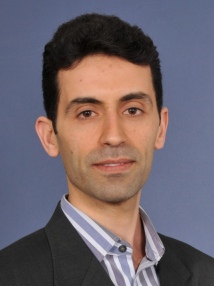 Mazdak Ghajari合作论文数Dyson School of Design Engineering, Faculty of Engineering, Imperial College London3Strutton Paul H合作论文数3Patel Maneesh C合作论文数3
 Gentleman Steve M合作论文数Ctr Neuroinflammat & Neurodegenerat, Univ London Imperial3
 Lucia M. Li合作论文数3
 Celia Demarchi合作论文数3Ramlackhansingh Anil合作论文数3
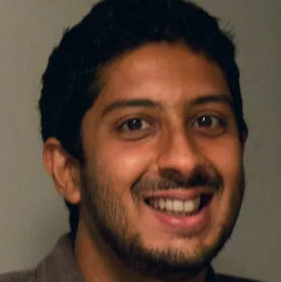 Sanjay Manohar合作论文数Nuffield Department of Clinical Neurosciences, Medical Sciences Division, University of Oxford;Computational Neurology Lab, University of Oxford3




