We describe the first known complete cranium of an adult Cuvieronius from North America, dated to approximately 1.2 Ma, Early Irvingtonian North American Land Mammal Age. It differs in some details from better-known later Andean populations of Cuvieronius that may reflect polymorphism, sexual dimorphism, ontogeny, genetic divergence, or erroneously reconstructed specimens. We argue that North/Central American and South American Cuvieronius are most logically two genetically distinct cryptic species based on differences in their ages and our inferences about genetic divergence arising from an initial founder effect and/or isolation by distance, followed by allopatry over a long geologic time interval.
Despite tremendous efforts in the past decades, relationships among main avian lineages remain heavily debated without a clear resolution. Discrepancies have been attributed to diversity of species sampled, phylogenetic method and the choice of genomic regions1-3. Here we address these issues by analysing the genomes of 363 bird species4 (218 taxonomic families, 92% of total). Using intergenic regions and coalescent methods, we present a well-supported tree but also a marked degree of discordance. The tree confirms that Neoaves experienced rapid radiation at or near the Cretaceous-Palaeogene boundary. Sufficient loci rather than extensive taxon sampling were more effective in resolving difficult nodes. Remaining recalcitrant nodes involve species that are a challenge to model due to either extreme DNA composition, variable substitution rates, incomplete lineage sorting or complex evolutionary events such as ancient hybridization. Assessment of the effects of different genomic partitions showed high heterogeneity across the genome. We discovered sharp increases in effective population size, substitution rates and relative brain size following the Cretaceous-Palaeogene extinction event, supporting the hypothesis that emerging ecological opportunities catalysed the diversification of modern birds. The resulting phylogenetic estimate offers fresh insights into the rapid radiation of modern birds and provides a taxon-rich backbone tree for future comparative studies.
We describe nearly complete skeletons of basal Anseriformes from the Latest Paleocene to the early Eocene of North America and Europe. Collectively, these birds appear to be representative of anseriforms near the divergence of Anhimae and Anseres, but their exact positions relative to these clades remains uncertain. A new family, Anachronornithidae nov. fam., is erected on the basis of one of these, Anachronornis anhimops nov. gen., nov. gen. et sp., to which the others cannot be confidently assigned. The new fossils augment a growing collection of early Pan-Anseriformes, which in their diversity do not paint an unambiguous picture of phylogeny or character state evolution on the path to or within crown-Anseriformes. Anachronornis nov. gen. is similar in some aspects of both cranial and postcranial anatomy to other well-represented early Paleogene Anseriformes and members of Anseres, such as Presbyornis Wetmore, 1926. However, it exhibits a more landfowl-like bill, like that of Anhimae and unlike the spatulate bill of Anseres. Additional specimens of similar basal Anseriformes of uncertain affinities from the early Eocene of North America and Europe further complicate interpretation of character state polarity due to the mosaicism of primitive and derived characters they exhibit.
Background Modern sequencing technologies should make the assembly of the relatively small mitochondrial genomes an easy undertaking. However, few tools exist that address mitochondrial assembly directly. Results As part of the Vertebrate Genomes Project (VGP) we develop mitoVGP, a fully automated pipeline for similarity-based identification of mitochondrial reads and de novo assembly of mitochondrial genomes that incorporates both long (> 10 kbp, PacBio or Nanopore) and short (100–300 bp, Illumina) reads. Our pipeline leads to successful complete mitogenome assemblies of 100 vertebrate species of the VGP. We observe that tissue type and library size selection have considerable impact on mitogenome sequencing and assembly. Comparing our assemblies to purportedly complete reference mitogenomes based on short-read sequencing, we identify errors, missing sequences, and incomplete genes in those references, particularly in repetitive regions. Our assemblies also identify novel gene region duplications. The presence of repeats and duplications in over half of the species herein assembled indicates that their occurrence is a principle of mitochondrial structure rather than an exception, shedding new light on mitochondrial genome evolution and organization. Conclusions Our results indicate that even in the “simple” case of vertebrate mitogenomes the completeness of many currently available reference sequences can be further improved, and caution should be exercised before claiming the complete assembly of a mitogenome, particularly from short reads alone.
Additional file 4: Table S3. Analysis of variance of factors affecting the availability of long mtDNA reads.
A Correction to this paper has been published: https://doi.org/10.1038/s41586-021-03473-8.
Whole-genome sequencing projects are increasingly populating the tree of life and characterizing biodiversity1–4. Sparse taxon sampling has previously been proposed to confound phylogenetic inference5, and captures only a fraction of the genomic diversity. Here we report a substantial step towards the dense representation of avian phylogenetic and molecular diversity, by analysing 363 genomes from 92.4% of bird families—including 267 newly sequenced genomes produced for phase II of the Bird 10,000 Genomes (B10K) Project. We use this comparative genome dataset in combination with a pipeline that leverages a reference-free whole-genome alignment to identify orthologous regions in greater numbers than has previously been possible and to recognize genomic novelties in particular bird lineages. The densely sampled alignment provides a single-base-pair map of selection, has more than doubled the fraction of bases that are confidently predicted to be under conservation and reveals extensive patterns of weak selection in predominantly non-coding DNA. Our results demonstrate that increasing the diversity of genomes used in comparative studies can reveal more shared and lineage-specific variation, and improve the investigation of genomic characteristics. We anticipate that this genomic resource will offer new perspectives on evolutionary processes in cross-species comparative analyses and assist in efforts to conserve species. A dataset of the genomes of 363 species from the Bird 10,000 Genomes Project shows increased power to detect shared and lineage-specific variation, demonstrating the importance of phylogenetically diverse taxon sampling in whole-genome sequencing.
Assessing the applicability of theory to major adaptive radiations in deep time represents an extremely difficult problem in evolutionary biology. Neoaves, which includes 95% of living birds, is believed to have undergone a period of rapid diversification roughly coincident with the Cretaceous–Paleogene (K-Pg) boundary. We investigate whether basal neoavian lineages experienced an ecological release in response to ecological opportunity, as evidenced by density compensation. We estimated effective population sizes (Ne) of basal neoavian lineages by combining coalescent branch lengths (CBLs) and the numbers of generations between successive divergences. We used a modified version of Accurate Species TRee Algorithm (ASTRAL) to estimate CBLs directly from insertion–deletion (indel) data, as well as from gene trees using DNA sequence and/or indel data. We found that some divergences near the K-Pg boundary involved unexpectedly high gene tree discordance relative to the estimated number of generations between speciation events. The simplest explanation for this result is an increase in Ne, despite the caveats discussed herein. It appears that at least some early neoavian lineages, similar to the ancestor of the clade comprising doves, mesites, and sandgrouse, experienced ecological release near the time of the K-Pg mass extinction.
The recently extinct New Zealand adzebills (Aptornithidae, Aptornis spp.) were an enigmatic group of large flightless birds that have long eluded precise taxonomic assignment as they do not closely resemble any extant birds. Adzebills were nearly wingless, weighed approximately 16–19 kg, and possessed massive adze-like reinforced bills whose function remains unknown. Using hybridisation enrichment and high-throughput sequencing of DNA extracted from subfossil bone and eggshell, near-complete mitochondrial genomes were successfully assembled from the two Quaternary adzebill species: the North Island Adzebill (Aptornis otidiformis) and South Island Adzebill (A. defossor). Molecular phylogenetic analyses confirm that adzebills are members of the Ralloidea (rails and allies) and are sister-taxon to the Sarothruridae, which our results suggest comprises the Madagascan wood rails (Mentocrex, two likely sp.) in addition to the tiny (<50 gram) rail-like Afro-Madagascan flufftails (Sarothrura, 9 spp.). Node age estimates indicate that the split between adzebills and Sarothruridae occurred ~39.6 Ma, suggesting that the ancestors of the adzebills arrived in New Zealand by long-distance dispersal rather than continental vicariance. This newly identified biogeographic link between physically distant New Zealand and Afro-Madagascar, echoed by the relationship between the New Zealand kiwi (Apterygiformes) and Madagascan elephant-birds (Aepyornithiformes), suggests that the adzebill’s near relatives were formerly more widespread. In addition, our estimate for the divergence time between the two Quaternary adzebill species (0.2–2.3 Ma) coincides with the emergence of a land-bridge between the North and South islands of New Zealand (ca. 1.5–2 Ma). This relatively recent divergence suggests that North Island adzebills are the result of a relatively recent dispersal from the South Island, from which the earliest (Miocene) adzebill fossil has been described.
“Genomic Analyses of Avian Evolution” is a “state of the art” showcase of the varied and rapidly evolving fields of inquiry enabled and driven by powerful new methods of genome sequencing and assembly as they are applied to some of the world’s most familiar and charismatic organisms—birds. The contributions to this Special Issue are as eclectic as avian genomics itself, but loosely interrelated by common underpinnings of phylogenetic inference, de novo genome assembly of non-model species, and genome organization and content.
This data package includes multiple sequence alignments, information about base compositional variation, and phylogenetic analyses that support Figures 7 and 8 in Braun et al. (2019). There is a README in SuppInfo_Braun_et_al_chapter_Kraus_volume.tar.gz that provides a detailed description of the files in this data package. Braun, E.L., Cracraft, J., Houde, P. (2019). Resolving the Avian Tree of Life from Top to Bottom: The Promise and Potential Boundaries of the Phylogenomic Era. In: Kraus, R. (eds) Avian Genomics in Ecology and Evolution. Springer, Cham. https://doi.org/10.1007/978-3-030-16477-5_6
The early radiation of Neoaves has been hypothesized to be an intractable "hard polytomy". We explore the fundamental properties of insertion/deletion alleles (indels), an under-utilized form of genomic data with the potential to help solve this. We scored > 5 million indels from > 7000 pan-genomic intronic and ultraconserved element (UCE) loci in 48 representatives of all neoavian orders. We found that intronic and UCE indels exhibited less homoplasy than nucleotide (nt) data. Gene trees estimated using indel data were less resolved than those estimated using nt data. Nevertheless, Accurate Species TRee Algorithm (ASTRAL) species trees estimated using indels were generally similar to nt-based ASTRAL trees, albeit with lower support. However, the power of indel gene trees became clear when we combined them with nt gene trees, including a striking result for UCEs. The individual UCE indel and nt ASTRAL trees were incongruent with each other and with the intron ASTRAL trees; however, the combined indel+nt ASTRAL tree was much more congruent with the intronic trees. Finally, combining indel and nt data for both introns and UCEs provided sufficient power to reduce the scope of the polytomy that was previously proposed for several supraordinal lineages of Neoaves.
Mitchell et al. argue that divergence- time estimates for our avian phylogeny were too young because of an " inappropriate" maximum age constraint for the most recent common ancestor of modern birds and that, as a result, most modern bird orders diverged before the Cretaceous- Paleogene mass extinction event 66 million years ago instead of after. However, their interpretations of the fossil record and timetrees are incorrect.
In the mutualistic relationship between the squid Euprymna tasmanica and the bioluminescent bacterium Vibrio fischeri, several host factors, including immune-related proteins, are known to interact and respond specifically and exclusively to the presence of the symbiont. In squid and octopus, the white body is considered to be an immune organ mainly due to the fact that blood cells, or hemocytes, are known to be present in high numbers and in different developmental stages. Hence, the white body has been described as the site of hematopoiesis in cephalopods. However, to our knowledge, there are no studies showing any molecular evidence of such functions. In this study, we performed a transcriptomic analysis of white body tissue of the Southern dumpling squid, E. tasmanica. Our primary goal was to gain insights into the functions of this tissue and to test for the presence of gene transcripts associated with hematopoietic and immune processes. Several hematopoiesis genes including CPSF1, GATA 2, TFIID, and FGFR2 were found to be expressed in the white body. In addition, transcripts associated with immune-related signal transduction pathways, such as the toll-like receptor/NF-κβ, and MAPK pathways were also found, as well as other immune genes previously identified in E. tasmanica's sister species, E. scolopes. This study is the first to analyze an immune organ within cephalopods, and to provide gene expression data supporting the white body as a hematopoietic tissue.
There is a growing interest in copy number variation (CNV) and the recognition of its importance in phenotype, disease, adaptation and speciation. CNV data is usually ascertained by array-CGH within-species, but similar inter-species comparisons have also been made in primates, mice and domestic mammals. Here, we conducted a broad appraisal of putative cross-species CNVs in birds, 16 species in all, using the standard array-CGH approach. Using a chicken oligonucleotide microarray, we detected 790 apparent CNVs within 135 unique regions and developed a bioinformatic tool ‘CNV Analyser’ for analysing and visualising cross-species data sets. We successfully addressed four hypotheses as follows: (a) Cross-species CNVs (compared to chicken) are, as suggested from preliminary evidence, smaller and fewer in number than in mammals; this ‘dogma’ was rejected in the light of the new evidence. (b) CNVs in birds are likely to have a functional effect through an association with genes; a large proportion of detected regions (70 %) were indeed associated with genes (suggesting functional significance), however, not necessarily more so than in mammals. (c) There are more CNVs in birds with more rearranged karyotypes; this hypothesis was rejected. Indeed, Falco species contained fewer than most with relatively standard (chicken-like) karyotypes. (d) There are more CNVs per megabase on micro-chromosomes than macrochromosomes; this hypothesis was accepted. Indeed, in species with rearranged karyotypes characterised by chromosomal fusions, the fused former microchromosomes still ‘behaved’ as though they were their microchromosomal ancestors. Gene ontology analysis of CNVRs revealed enrichment in immune response and antigen presentation genes and five CNVRs were perfectly correlated with the unique loss of sexual dichromatism in one Galliformes species.
Birds are the most species-rich class of tetrapod vertebrates and have wide relevance across many research fields. We explored bird macroevolution using full genomes from 48 avian species representing all major extant clades. The avian genome is principally characterized by its constrained size, which predominantly arose because of lineage-specific erosion of repetitive elements, large segmental deletions, and gene loss. Avian genomes furthermore show a remarkably high degree of evolutionary stasis at the levels of nucleotide sequence, gene synteny, and chromosomal structure. Despite this pattern of conservation, we detected many non-neutral evolutionary changes in protein-coding genes and noncoding regions. These analyses reveal that pan-avian genomic diversity covaries with adaptations to different lifestyles and convergent evolution of traits.
 Edward Louis Braun合作论文数Department of Zoology;University of Florida;Department of Zoology, University of Florida12
 Erich D. Jarvis合作论文数9
 Guojie Zhang (张国捷)合作论文数Center for Evolutionary & Organismal Biology, School of Medicine, Zhejiang University7
 Jon Fjeldså合作论文数Statens Naturhistoriske Museum, Københavns Universitet7
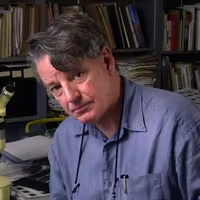 Joel L. Cracraft合作论文数Division of Vertebrate Zoology, Department of Ornithology, American Museum of Natural History;Institute for Comparative Genomics, American Museum of Natural History;Richard Gilder Graduate School, American Museum of Natural History7
 Siavash Mirarab合作论文数Department of Electrical and Computer Engineering, Jacobs School of Engineering, University of California, San Diego6
 Mary Silcox合作论文数Department of Anthropology, Faculty of Arts and Science, University of Toronto6
 Carsten Rahbek合作论文数Center for Macroecology, Evolution and Climate, Globe Institute, Faculty of Health and Medical Sciences, University of Copenhagen;Villum Center for Global Mountain Biodiversity, Globe Institute, Faculty of Health and Medical Sciences, University of Copenhagen;Chinese Academy of Sciences6
 Scott V. Edwards合作论文数Department of Organismic and Evolutionary Biology, Faculty of Arts and Sciences, Harvard University;Museum of Comparative Zoology, Harvard University6
 Jonathan Ivan Bloch合作论文数Department of Geological Sciences, Museum of Paleontology;University of Michigan;Department of Geological Sciences and Museum of Paleontology, University of Michigan6
 M Thomas P Gilbert合作论文数Globe Institute, Faculty of Health and Medical Sciences, University of Copenhagen6
 Mads F Bertelsen合作论文数5Douglas Martin Boyer合作论文数Department of Evolutionary Anthropology, Trinity College of Arts & Sciences, Duke University5
 Gary Graves合作论文数Division of Birds, Department of Vertebrate Zoology, National Museum of Natural History, Smithsonian Institution5
 Simon Ho合作论文数School of Life and Environmental Sciences, The University of Sydney5
 Rute R da Fonseca合作论文数Department of Integrative Biology, University of California5
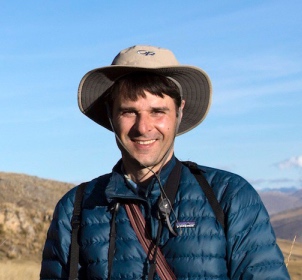 Santiago Claramunt合作论文数5
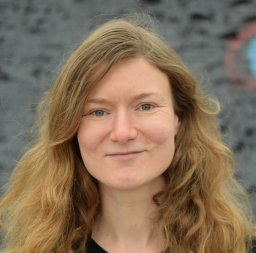 Josefin Stiller合作论文数Department of Biology, Faculty of Science, University of Copenhagen4
 Bent Petersen合作论文数Globe Institute, Faculty of Health and Medical Sciences, University of Copenhagen4Michael Bunce合作论文数4
 Huanming Yang (杨焕明)合作论文数Chinese Academy of Medical Sciences;BGI Group;Advanced Institute for Life and Health, Southeast University4
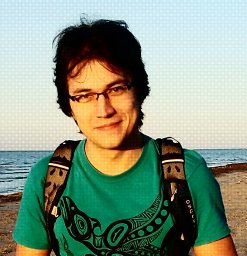 Suh Alexander合作论文数Evolutionary Biology Centre, Uppsala University4
 David P. Mindell合作论文数Museum of Vertebrate Zoology, University of California, Berkeley4
 Howard Jason T合作论文数Howard Hughes Medical Institute, Duke University Medical Center4
 Wang Jian (汪建)合作论文数Beijing Genomics Institute4
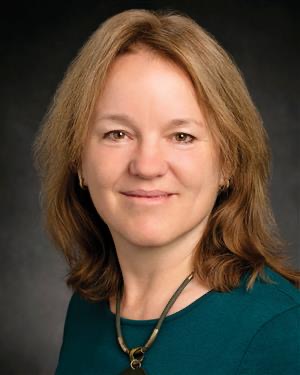 Tandy Warnow合作论文数Siebel School of Computing and Data Science, The Grainger College of Engineering, University of Illinois Urbana-Champaign;Carl R. Woese Institute for Genomic Biology, The University of Illinois at Urbana-Champaign;C3.ai Digital Transformation Institute, The University of Illinois at Urbana-Champaign4
 Qi Zhou (周琦)合作论文数Life Sciences Institute, Zhejiang University;Centre for Evolutionary & Organismal Biology, Zhejiang University4
 David Haussler合作论文数Department of Bioengineering and Therapeutic Sciences, University of California, San Francisco;Stanford University School of Medicine;Genomics Institute, University of California, Santa Cruz4
 Brant Faircloth合作论文数Department of Biological Sciences, Louisiana State University4
 Dave Burt合作论文数School of Chemistry and Molecular Biosciences, The University of Queensland4
 Oliver Ryder合作论文数Department of Ecology, Behavior & Evolution, School of Biological Sciences, University of California San Diego;San Diego Zoo Wildlife Alliance;Department of Biology, San Diego State University4
 Knud Andreas Jønsson合作论文数Natural History Museum of Denmark, University of Copenhagen3
 Peter A Hosner合作论文数Natural History Museum of Denmark, Exercise and Sports, Faculty of Science, University of Copenhagen3
 Thomas Sicheritz Pontén合作论文数Globe Institute, Faculty of Health and Medical Sciences, University of Copenhagen3Andrew Hart Reeve合作论文数3
 Guangji Chen合作论文数3
 Yuan Deng合作论文数BGI Shenzhen, China Natl GeneBank, Shenzhen, Peoples R China3
 Jun Wang (王军)合作论文数Key Laboratory of Pathogenic Microbiology and Immunology, Institute of Microbiology, Chinese Academy of Sciences3
 Zongji Wang (王宗继)合作论文数山东卫康生物医药科技有限公司3
 Fumin Lei (雷富民)合作论文数Institute of Zoology, Chinese Academy of Sciences3
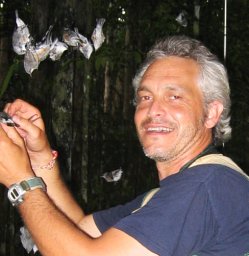 Borja Mila合作论文数CSIC, Natl Museum Nat Sci3
 Shaohong Feng (冯少鸿)合作论文数School of Medicine, Zhejiang University3
 Beth Shapiro合作论文数Department of Ecology & Evolutionary Biology, Division of Physical & Biological Sciences, University of California, Santa Cruz;Colossal Biosciences;Genomics Institute, University of California, Santa Cruz3
 Qiye Li (李启业)合作论文数School of Chemistry, Chemical Engineering and Life Sciences, Wuhan University of Technology;BGI Research3
 Darren Griffin合作论文数School of Biosciences, University of Kent3Alfaro-Núñez Alonzo合作论文数3
 Morgan Wirthlin合作论文数Department of Behavioral Neuroscience, Oregon Health &amp;Science University;Department of Behavioral Neuroscience, Oregon Health &amp; Science University3
 Cai Li (李彩)合作论文数School of Life Sciences, Sun Yat-sen University3Claudio V. Mello合作论文数3




