Huntington's disease is a neurodegenerative disorder in which neuronal death leads to chorea and cognitive decline. Individuals with >= 40 cytosine-adenine-guanine repeats on the interesting transcript 15 gene develop Huntington's disease due to a mutated huntingtin protein. While the associated structural and molecular changes are well characterized, the alterations in neurovascular function that lead to the symptoms are not yet fully understood. Recently, the neurovascular unit has gained attention as a key player in neurodegenerative diseases. The mutant huntingtin protein is known to be present in the major parts of the neurovascular unit in individuals with Huntington's disease. However, a non-invasive assessment of neurovascular unit function in Huntington's disease has not yet been performed. Here, we investigate neurovascular interactions in presymptomatic (N = 13) and symptomatic (N = 15) Huntington's disease participants compared to healthy controls (N = 36). To assess the dynamics of oxygen transport to the brain, functional near-infrared spectroscopy, ECG and respiration effort were recorded. Simultaneously, neuronal activity was assessed using EEG. The resultant time series were analysed using methods for discerning time-resolved multiscale dynamics, such as wavelet transform power and wavelet phase coherence. Neurovascular phase coherence in the interval around 0.1 Hz is significantly reduced in both Huntington's disease groups. The presymptomatic Huntington's disease group has a lower power of oxygenation oscillations compared to controls. The spatial coherence of the oxygenation oscillations is lower in the symptomatic Huntington's disease group compared to the controls. The EEG phase coherence, especially in the alpha band, is reduced in both Huntington's disease groups and, to a significantly greater extent, in the symptomatic group. Our results show a reduced efficiency of the neurovascular unit in Huntington's disease both in the presymptomatic and symptomatic stages of the disease. The vasculature is already significantly impaired in the presymptomatic stage of the disease, resulting in reduced cerebral blood flow control. The results indicate vascular remodelling, which is most likely a compensatory mechanism. In contrast, the declines in alpha and gamma coherence indicate a gradual deterioration of neuronal activity. The results raise the question of whether functional changes in the vasculature precede the functional changes in neuronal activity, which requires further investigation. The observation of altered dynamics paves the way for a simple method to monitor the progression of Huntington's disease non-invasively and evaluate the efficacy of treatments. Bjerkan et al. demonstrate dysfunction of the neurovascular unit, the link between the vasculature and neurons in the brain, in Huntington's disease. The work is based on a novel method for non-invasive quantitative assessment of the functioning of the neurovascular unit. It can be widely applicable for diagnosis and follow-up. Graphical Abstract 10.1093/braincomms/fcae166_video1 Video Abstract fcae166media1 6354525191112
-OBJECTIVE: For patients with aneurysmal subarachnoid hemorrhage (aSAH) in whom endovascular treatment is not the optimal treatment strategy, microsurgical clipping remains a viable option. We examined changes in morbidity and outcome over time in patients treated surgically and in relation to surgeon volume and experience. -METHODS: All patients who underwent microsurgery for aSAH from 2007 to 2019 at our institution were included. We compared technical complication rates and surgical outcomes between experienced (>= 50 independent cases) and inexperienced (<50 independent cases) surgeons and between high-volume (>= 20 cases/year) and low-volume (<20 cases/year) surgeons. -RESULTS: Most of the 1,003 aneurysms (970 patients, median age 56 years) were in the middle cerebral (41.4%), anterior communicating (27.6%), and posterior communicating (17.5%) arteries; 46.5% were <7 mm. The technical complication rate was 7%, resulting in postoperative infarct in 4.9% of patients. Nineteen patients (2%) died within 30 days of admission. There were no significant changes in rates of technical complication, postoperative infarct, or mortality over the study period. There were no differences in postoperative infarction and technical complication rates between experienced and inexperienced surgeons (P = 0.28 and P = 0.05, respectively), but there were differences when comparing high-volume and low-volume surgeons (P = 0.03 and P < 0.001, respectively). The independent predictors of postoperative infarctions were aneurysm size (P = 0.001), intraoperative large-vessel injury (P < 0.001), and low surgeon volume (P = 0.03). -CONCLUSIONS: We present real-world data on surgical morbidity and outcomes after aSAH. We demonstrated a relationship between surgeon volume and outcome for surgical treatment of aSAH, which supports the benefit of subspecialization in cerebrovascular surgery.
INTRODUCTION: Aneurysmal subarachnoid haemorrhage (aSAH) remains a complex and multidisciplinary pathology. With endovascular methods expanding fewer patients are treated surgically. METHODS: All patients following surgery for aSAH between 2007 - 2019 were included. Baseline characteristics outcomes were analysed. We compared outcomes between experienced (=50 independent cases) and non-experienced surgeons (<50 independent cases), and high-volume (=20 cases/year) and low-volume surgeons (<20 cases/year). RESULTS: 970 patients with 1003 aneurysms were identified with median age 56. 73.8% were WFNS grade 1 or 2. The majority of aneurysm were on the middle cerebral artery (41.4%), anterior communicating artery (27.6%) and posterior communicating artery (17.5%). 37.4% of aneurysm were <7 mm in size. Technical error rate was 6%, resulting in a post-operative infarct in 4.9% of patients. 19 patients (2%) died within 30 days of admission. There were no significant changes in technical error rates or post-operative infarcts or death (p = 0.79 and p = 0.77 respectively) over the study period. There was no difference in post-operative infarctions between experienced and non-experienced surgeons (p = 0.28), but there was a difference when comparing high-volume vs. low-volume surgeons (p = 028). CONCLUSION: We present real world data on surgical indications and outcomes after aSAH. We believe that this constitutes important data demonstrating good retention of skills and good clinical outcomes in a very dynamic field of cerebrovascular surgery. We also demonstrate a relationship between surgical case volume and outcomes.
Importance:Trials often assess primary outcomes of traumatic brain injury at 6 months. Longer-term data are needed to assess outcomes for patients receiving surgical vs medical treatment for traumatic intracranial hypertension. Objective:To evaluate 24-month outcomes for patients with traumatic intracranial hypertension treated with decompressive craniectomy or standard medical care. Design, Setting, and Participants:Prespecified secondary analysis of the Randomized Evaluation of Surgery With Craniectomy for Uncontrollable Elevation of Intracranial Pressure (RESCUEicp) randomized clinical trial data was performed for patients with traumatic intracranial hypertension (>25 mm Hg) from 52 centers in 20 countries. Enrollment occurred between January 2004 and March 2014. Data were analyzed between 2018 and 2021. Eligibility criteria were age 10 to 65 years, traumatic brain injury (confirmed via computed tomography), intracranial pressure monitoring, and sustained and refractory elevated intracranial pressure for 1 to 12 hours despite pressure-controlling measures. Exclusion criteria were bilateral fixed and dilated pupils, bleeding diathesis, or unsurvivable injury. Interventions:Patients were randomly assigned 1:1 to receive a decompressive craniectomy with standard care (surgical group) or to ongoing medical treatment with the option to add barbiturate infusion (medical group). Main Outcomes and Measures:The primary outcome was measured with the 8-point Extended Glasgow Outcome Scale (1 indicates death and 8 denotes upper good recovery), and the 6- to 24-month outcome trajectory was examined. Results:This study enrolled 408 patients: 206 in the surgical group and 202 in the medical group. The mean (SD) age was 32.3 (13.2) and 34.8 (13.7) years, respectively, and the study population was predominantly male (165 [81.7%] and 156 [80.0%], respectively). At 24 months, patients in the surgical group had reduced mortality (61 [33.5%] vs 94 [54.0%]; absolute difference, -20.5 [95% CI, -30.8 to -10.2]) and higher rates of vegetative state (absolute difference, 4.3 [95% CI, 0.0 to 8.6]), lower or upper moderate disability (4.7 [-0.9 to 10.3] vs 2.8 [-4.2 to 9.8]), and lower or upper severe disability (2.2 [-5.4 to 9.8] vs 6.5 [1.8 to 11.2]; χ27 = 24.20, P = .001). For every 100 individuals treated surgically, 21 additional patients survived at 24 months; 4 were in a vegetative state, 2 had lower and 7 had upper severe disability, and 5 had lower and 3 had upper moderate disability, respectively. Rates of lower and upper good recovery were similar for the surgical and medical groups (20 [11.0%] vs 19 [10.9%]), and significant differences in net improvement (≥1 grade) were observed between 6 and 24 months (55 [30.0%] vs 25 [14.0%]; χ22 = 13.27, P = .001). Conclusions and Relevance:At 24 months, patients with surgically treated posttraumatic refractory intracranial hypertension had a sustained reduction in mortality and higher rates of vegetative state, severe disability, and moderate disability. Patients in the surgical group were more likely to improve over time vs patients in the medical group. Trial Registration:ISRCTN Identifier: 66202560.
Background : Many randomized controlled trials (RCT) have assessed new treatments in subarachnoid hemorrhage (SAH), yet most show no treatment efficacy. One explanation is the statistical analysis of the primary endpoint was not as efficient as possible. We reanalyzed SAH RCTs with various statistical tests to determine whether the statistical method affects RCT primary outcome. Methods : Individual patient data for the primary outcome (Glasgow outcome scale [GOS]) of two SAH RCTs were analyzed using 15 statistical methods. For tests requiring outcome dichotomization, multiple cut-points in the 5-level GOS were assessed. Next, a synthetic dataset generated using random sampling with replacement from ten SAH RCTs was assessed using the same statistical tests. A Friedman test (two-way non-parametric analysis of variance) determined which tests produced the highest average absolute Z -values. The number of times each test reported significance of p <0.05 across the different datasets was calculated. Results : Bootstrapping with replacement produced the best-ranking results, followed by three χ 2 -tests: one differentiating excellent (GOS=5) from good (GOS=4), poor (GOS=2-3), or dead (GOS=1) outcomes; one differentiating favorable (GOS=4-5) from poor or dead outcomes; and one differentiating favorable (GOS=4-5) from unfavorable outcomes. Each of these reported statistical significance for both RCTs, as did the following ranked tests, respectively: Wilcoxon median test, Student’s t-test, ordinal logistic regression, median test, and a chi-square dichotomizing excellent (GOS≥4) and inferior outcomes. Statistical significance for one or neither RCT was reported by two Cochrane-Armitage tests and two logistic regressions with alternate versions of bucketing, the Kolmogorov-Smirnov test and chi-square test differentiating surviving from dead patients. The synthetic dataset returned similar results, with the same nine most and six least efficient tests. Conclusions : Bootstrapping produced the most efficient results but is time-and resource-intensive. Chi-square tests grouping outcomes into dichotomous or multiple buckets are also efficient, and their ease of use and popularity make them appropriate candidates for statistical analysis in future SAH RCTs.
Background and Purpose:Outcome prediction after aneurysmal subarachnoid hemorrhage (aSAH) is challenging. CRP (C-reactive protein) has been reported to be associated with outcome, but it is unclear if this is independent of other predictors and applies to aSAH of all grades. Therefore, the role of CRP in aSAH outcome prediction models is unknown. The purpose of this study is to assess if CRP is an independent predictor of outcome after aSAH, develop new prognostic models incorporating CRP, and test whether these can be improved by application of machine learning.Methods:This was an individual patient-level analysis of data from patients within 72 hours of aSAH from 2 prior studies. A panel of statistical learning methods including logistic regression, random forest, and support vector machines were used to assess the relationship between CRP and modified Rankin Scale. Models were compared with the full Subarachnoid Hemmorhage International Trialists’ (SAHIT) prediction tool of outcome after aSAH and internally validated using cross-validation.Results:One thousand and seventeen patients were included for analysis. CRP on the first day after ictus was an independent predictor of outcome. The full SAHIT model achieved an area under the receiver operator characteristics curve (AUC) of 0.831. Addition of CRP to the predictors of the full SAHIT model improved model performance (AUC, 0.846, P=0.01). This improvement was not enhanced when learning was performed using a random forest (AUC, 0.807), but was with a support vector machine (AUC of 0.960, P <0.001).Conclusions:CRP is an independent predictor of outcome after aSAH. Its inclusion in prognostic models improves performance, although the magnitude of improvement is probably insufficient to be relevant clinically on an individual patient level, and of more relevance in research. Greater improvements in model performance are seen with support vector machines but these models have the highest classification error rate on internal validation and require external validation and calibration.
OBJECTIVE Rescue therapies have been recommended for patients with angiographic vasospasm (aVSP) and delayed cerebral ischemia (DCI) following subarachnoid hemorrhage (SAH). However, there is little evidence from randomized clinical trials that these therapies are safe and effective. The primary aim of this study was to apply game theory-based methods in explainable machine learning (ML) and propensity score matching to determine if rescue therapy was associated with better 3-month outcomes following post-SAH aVSP and DCI. The authors also sought to use these explainable ML methods to identify patient populations that were more likely to receive rescue therapy and factors associated with better outcomes after rescue therapy. METHODS Data for patients with aVSP or DCI after SAH were obtained from 8 clinical trials and 1 observational study in the Subarachnoid Hemorrhage International Trialists repository. Gradient boosting ML models were constructed for each patient to predict the probability of receiving rescue therapy and the 3-month Glasgow Outcome Scale (GOS) score. Favorable outcome was defined as a 3-month GOS score of 4 or 5. Shapley Additive Explanation (SHAP) values were calculated for each patient-derived model to quantify feature importance and interaction effects. Variables with high SHAP importance in predicting rescue therapy administration were used in a propensity score-matched analysis of rescue therapy and 3-month GOS scores. RESULTS The authors identified 1532 patients with aVSP or DCI. Predictive, explainable ML models revealed that aneurysm characteristics and neurological complications, but not admission neurological scores, carried the highest relative importance rankings in predicting whether rescue therapy was administered. Younger age and absence of cerebral ischemia/infarction were invariably linked to better rescue outcomes, whereas the other important predictors of outcome varied by rescue type (interventional or noninterventional). In a propensity score-matched analysis guided by SHAP-based variable selection, rescue therapy was associated with higher odds of 3-month GOS scores of 4-5 (OR 1.63, 95% CI 1.22-2.17). CONCLUSIONS Rescue therapy may increase the odds of good outcome in patients with aVSP or DCI after SAH. Given the strong association between cerebral ischemia/infarction and poor outcome, trials focusing on preventative or therapeutic interventions in these patients may be most able to demonstrate improvements in clinical outcomes. Insights developed from these models may be helpful for improving patient selection and trial design.
Microglia, the tissue-resident macrophages of the central nervous system (CNS), play critical roles in immune defense, development and homeostasis. However, isolating microglia from humans in large numbers is challenging. Here, we profiled gene expression variation in primary human microglia isolated from 141 patients undergoing neurosurgery. Using single-cell and bulk RNA sequencing, we identify how age, sex and clinical pathology influence microglia gene expression and which genetic variants have microglia-specific functions using expression quantitative trait loci (eQTL) mapping. We follow up one of our findings using a human induced pluripotent stem cell-based macrophage model to fine-map a candidate causal variant for Alzheimer’s disease at the BIN1 locus. Our study provides a population-scale transcriptional map of a critically important cell for human CNS development and disease. A population-scale map of gene expression in primary human microglia provides a systematic exploration of microglia diversity and how age, sex, pathology, cortical anatomy and common germline genetic variation influence the microglia transcriptome.
Specific procedural complications in aneurysm surgery are broadly related to vascular territory compromise and brain/nerve retraction; vascular complications account for about half of this. Intraoperative indocyanine green video angiography (ICG-VA) provides real-time high spatial resolution imaging of the cerebrovascular architecture, allowing immediate quality assurance of aneurysm occlusion and vessel integrity. The aim of this study was to examine whether the routine use of ICG-VA reduced early procedural complications related to vascular compromise or injury during micro-neurosurgical clipping of ruptured cerebral aneurysms. Retrospective comparative observational study of 412 adult good-grade (WFNS 1 or 2) SAH patients who had undergone microsurgical clipping without (n = 200, 2001–2004) or with (n = 212, 2009–2015) ICG-VA in a high-volume neurosurgical centre. The ICG-VA group had a significantly lower incidence of procedural vascular complications (7/212; 3.3%) compared with the non-ICG-VA group (19/200; 9.5%) (Fisher’s exact test p = 0.0137). ICG-VA is a straightforward, easy-to-use, intraoperative adjunct which significantly reduces avoidable ‘technical error’ related morbidity.
Symptomatic stenosis or occlusion of the cervical (C1) internal carotid artery (ICA) is best addressed surgically with direct endarterectomy or thrombectomy procedures. This strategy is not usually possible for more distal lesions, and restoring brain perfusion requires diversion of blood from the extracranial to intracranial circulation with a variety of indirect and direct bypass techniques. However, despite five decades of experience and technical refinement, extracranial-intracranial (EC-IC) bypass for cerebral ischaemia remains contentious. This chapter looks at the conflicting bodies of evidence and opinion regarding how best to select patients for surgery, and asks whether there is meaningful clinical benefit with the surgical options available.
Objective - To develop and validate a set of practical prediction tools that reliably estimate the outcome of subarachnoid haemorrhage from ruptured intracranial aneurysms (SAH). Design - Cohort study with logistic regression analysis to combine predictors and treatment modality. Setting - Subarachnoid Haemorrhage International Trialists' (SAHIT) data repository, including randomised clinical trials, prospective observational studies, and hospital registries. Participants - Researchers collaborated to pool datasets of prospective observational studies, hospital registries, and randomised clinical trials of SAH from multiple geographical regions to develop and validate clinical prediction models. Main outcome measure - Predicted risk of mortality or functional outcome at three months according to score on the Glasgow outcome scale. Results - Clinical prediction models were developed with individual patient data from 10 936 patients and validated with data from 3355 patients after development of the model. In the validation cohort, a core model including patient age, premorbid hypertension, and neurological grade on admission to predict risk of functional outcome had good discrimination, with an area under the receiver operator characteristics curve (AUC) of 0.80 (95% confidence interval 0.78 to 0.82). When the core model was extended to a "neuroimaging model," with inclusion of clot volume, aneurysm size, and location, the AUC improved to 0.81 (0.79 to 0.84). A full model that extended the neuroimaging model by including treatment modality had AUC of 0.81 (0.79 to 0.83). Discrimination was lower for a similar set of models to predict risk of mortality (AUC for full model 0.76, 0.69 to 0.82). All models showed satisfactory calibration in the validation cohort. Conclusion - The prediction models reliably estimate the outcome of patients who were managed in various settings for ruptured intracranial aneurysms that caused subarachnoid haemorrhage. The predictor items are readily derived at hospital admission. The web based SAHIT prognostic calculator (http://sahitscore.com) and the related app could be adjunctive tools to support management of patients.
BACKGROUND AND PURPOSE:Aneurysmal subarachnoid hemorrhage (SAH) is characterized by important changes in the autonomic nervous system with potentially adverse consequences. The baroreflex has a key role in regulating the autonomic nervous system. Its role in SAH outcome is not known. The purpose of this study was to evaluate the association between the baroreflex and the functional 3-month outcome in SAH. METHODS:The study used a prospective database of 101 patients hospitalized for SAH. We excluded patients receiving β-blockers or noradrenaline. Baroreflex sensitivity (BRS) was measured using the cross-correlation method. A good outcome was defined by a Glasgow Outcome Scale score at 4 or 5 at 3 months. RESULTS:Forty-eight patients were included. Median age was 58 years old (36-76 years); women/men: 34/14. The World Federation of Neurosurgery clinical severity score on admission was 1 or 2 for 73% of patients. In the univariate analysis, BRS (P=0.007), sedation (P=0.001), World Federation of Neurosurgery score (P=0.001), Glasgow score (P=0.002), Fisher score (P=0.022), and heart rate (P=0.037) were associated with outcome. The area under the receiver operating characteristic curve for the model with BRS as a single predictor was estimated at 0.835. For each unit increase in BRS, the odds for a good outcome were predicted to increase by 31%. Area under the receiver operating characteristic curve for heart rate alone was 0.670. In the multivariate analysis, BRS (odds ratio, 1.312; 95% confidence interval, 1.048-1.818; P=0.018) and World Federation of Neurosurgery (odds ratio, 0.382; 95% confidence interval, 0.171-0.706; P=0.001) were significantly associated with outcome. Area under the receiver operating characteristic curve was estimated at 0.900. CONCLUSIONS:In SAH, early BRS was associated with 3-month outcome. This conclusion requires confirmation on a larger number of patients in a multicentre study.
Background Inflammation drives atherosclerotic plaque rupture underlying most clinical events. While inflammation can be measured using 18F-fluorodeoxyglucose (FDG) positron emission tomography (PET), 18F-FDG lacks cell-specificity and is unreliable for coronary imaging owing to myocardial signal spillover. Up-regulation of somatostatin receptor-2 (SST2) occurs in activated macrophages offering a novel inflammation imaging target. Methods We comprehensively evaluated 68Ga-DOTATATE, a SST2 PET ligand, for imaging atherosclerosis. Target SSTR2 gene expression in macrophages and other immune cells were tested using population-based RNA-sequencing data. Patients with atherosclerosis (n=42) underwent 68Ga-DOTATATE PET imaging in a prospective head-to-head comparison with 18F-FDG. 68Ga-DOTATATE autoradiography, immunostaining and quantitative PCR were performed in macrophages and excised carotid specimens from patients who underwent PET imaging. Results Target SSTR2 expression occurred exclusively in “pro-inflammatory” M1 macrophages, and no other cell type studied in vitro. In clinical imaging, 68Ga-DOTATATE mean of maximum tissue-to-blood ratios (mTBRmax) correctly identified culprit vs. non-culprit arteries in patients with acute coronary syndrome (median difference 0.69 [IQR 0.22 to 1.15], p=0.008) and transient ischaemic attack or stroke (median difference 0.13 [IQR 0.07 to 0.32], p=0.003). 68Ga-DOTATATE mTBRmax accurately predicted stable non-culprit coronary lesions with high-risk CT features (ROC AUC 0.86 [95% CI 0.80 to 0.92], p<0.0001), and correlated with Framingham risk score (r=0.53 [95% CI 0.32 to 0.69], p<0.0001) and vascular inflammation defined by 18F-FDG (r=0.73 [95% CI 0.64 to 0.81], p<0.0001). While 18F-FDG mTBRmax also differentiated culprit from non-culprit carotid lesions (median difference 0.12 [IQR 0.0 to 0.23], p=0.008) and high-risk from lower-risk coronary lesions (ROC AUC 0.76 [95% CI 0.62 to 0.91], p=0.002), myocardial 18F-FDG spillover rendered coronary 18F-FDG scans uninterpretable in 27 (64%) patients. In contrast, low myocardial 68Ga-DOTATATE binding allowed unimpeded coronary signal interpretation in all patients without the need for pre-scan fasting. Moreover, histological analysis confirmed specific binding of 68Ga-DOTATATE to SST2 receptors expressed by CD68-positive macrophages in excised carotid plaques. Carotid SSTR2 mRNA was highly correlated with both CD68 mRNA (r=0.93 [95% CI 0.49 to 0.99]; p=0.007) and in vivo 68Ga-DOTATATE PET signals measured from clinical images (r=0.89 [95% CI 0.28 to 0.99], p=0.02). Conclusion We provide gene, cell, plaque and patient-level data, demonstrating that SST2 PET imaging using 68Ga-DOTATATE represents a macrophage-specific marker of atherosclerotic inflammation that outperforms 18F-FDG in the coronary arteries. Future research will explore the utility of 68Ga-DOTATATE inflammation imaging to classify high-risk patients for aggressive therapeutic intervention.
BACKGROUND Inflammation drives atherosclerotic plaque rupture. Although inflammation can be measured using fluorine-18-labeled fluorodeoxyglucose positron emission tomography ([F-18] FDG PET), [F-18] FDG lacks cell specificity, and coronary imaging is unreliable because of myocardial spillover.OBJECTIVES This study tested the efficacy of gallium-68-labeled DOTATATE (Ga-68-DOTATATE), a somatostatin receptor subtype-2 (SST2)-binding PET tracer, for imaging atherosclerotic inflammation.METHODS We confirmed Ga-68-DOTATATE binding in macrophages and excised carotid plaques. Ga-68-DOTATATE PET imaging was compared to [F-18] FDG PET imaging in 42 patients with atherosclerosis.RESULTS Target SSTR2 gene expression occurred exclusively in " proinflammatory" M1 macrophages, specific Ga-68-DOTATATE ligand binding to SST2 receptors occurred in CD68-positive macrophage-rich carotid plaque regions, and carotid SSTR2 mRNA was highly correlated with in vivo Ga-68-DOTATATE PET signals (r = 0.89; 95% confidence interval [CI]: 0.28 to 0.99; p = 0.02). Ga-68-DOTATATE mean of maximum tissue-to-blood ratios (mTBRmax) correctly identified culprit versus nonculprit arteries in patients with acute coronary syndrome (median difference: 0.69; interquartile range [IQR]: 0.22 to 1.15; p = 0.008) and transient ischemic attack/stroke (median difference: 0.13; IQR: 0.07 to 0.32; p = 0.003). Ga-68-DOTATATE mTBRmax predicted high-risk coronary computed tomography features (receiver operating characteristics area under the curve [ROC AUC]: 0.86; 95% CI: 0.80 to 0.92; p < 0.0001), and correlated with Framingham risk score (r = 0.53; 95% CI: 0.32 to 0.69; p < 0.0001) and [F-18] FDG uptake (r = 0.73; 95% CI: 0.64 to 0.81; p < 0.0001). [F-18] FDG mTBRmax differentiated culprit from nonculprit carotid lesions (median difference: 0.12; IQR: 0.0 to 0.23; p = 0.008) and high-risk from lower-risk coronary arteries (ROC AUC: 0.76; 95% CI: 0.62 to 0.91; p = 0.002); however, myocardial [F-18] FDG spillover rendered coronary [F-18] FDG scans uninterpretable in 27 patients (64%). Coronary Ga-68-DOTATATE PET scans were readable in all patients.CONCLUSIONS We validated Ga-68-DOTATATE PET as a novel marker of atherosclerotic inflammation and confirmed that Ga-68-DOTATATE offers superior coronary imaging, excellent macrophage specificity, and better power to discriminate high-risk versus low-risk coronary lesions than [F-18] FDG. (Vascular Inflammation Imaging Using Somatostatin Receptor Positron Emission Tomography [VISION]; NCT02021188) 2017 The Authors. Published by Elsevier on behalf of the American College of Cardiology Foundation.
BACKGROUND: The management of aneurysmal subarachnoid hemorrhage (aSAH) has changed dramatically in the last few decades with the publication of a few major studies, including ISAT (International Subarachnoid Aneurysm Trial, the International Cooperative Study on the Timing of Aneurysm Surgery Study). The aim of this study is to analyze the outcome of patients with aSAH based on a contemporary series, identify the risk factors for poor outcome, and focus on patients with good-grade aSAH (to match the ISAT cohort). METHODS: Baseline demographic and outcome data (modified Rankin Scale) were available for the 803 patients recruited from the STASH (Simvastatin in Aneurysmal Subarachnoid Haemorrhage) trial for post hoc analysis, using a c 2 test or 2-sample t test. Logistic regression analysis was performed to assess the risk factors for poor outcome at 6 months. Propensity matched analysis comparing coiling and clipping, and subgroup analysis of good-grade patients (World Federation of Neurosurgical Societies grade IeII) were also performed. RESULTS: Logistic regression analysis showed that the treatment modality (i e., coiling or clipping) was not associated with poor outcome at 6 months (P [0.839). The risk factors associated with poor outcome at 6 months were poor admission World Federation of Neurosurgical Societies grade (P < 0.0001), Fisher grade on initial computed tomography scan (P [0.013), and the development of delayed cerebral ischemia (P < 0.0001). Subgroup analysis for good-grade patients only showed that 82% of patients after coiling and 78% of patients after clipping were classed as good outcome at 6 months (P [0.181). CONCLUSIONS: In the current era of aSAH management, apart from patients' admission status, SAH blood load and the development of delayed cerebral ischemia, treatment modality with either coiling or clipping was not associated with poor outcome difference at 6 months.
This study was funded by a programme grant (RG/10/007/28300) from the British Heart Foundation (BHF). Dr. Joshi was supported by a BHF Clinical Research Training Fellowship (FS/12/29/29463), a British Atherosclerosis Society Binks Trust Travel Award, and a Raymond and Beverly Sackler PhD Studentship. Dr. Manavaki is funded by the NIHR Cambridge Biomedical Research Centre. Dr. Rudd is partially supported by the NIHR Cambridge Biomedical Research Centre, the BHF, The Wellcome Trust, and the EPSRC Cambridge Centre for Mathematical Imaging in Healthcare.
BackgroundInflammation drives atherosclerotic plaque rupture that underlies most myocardial infarctions and strokes. Upregulation of somatostatin receptor subtype-2 (SST2) occurs on the cell surface of activated macrophages, offering a potential imaging target for tracking vascular inflammation. We tested the hypothesis that SST2 PET-CT imaging with 68Ga-DOTATATE can detect high-risk carotid and coronary plaque inflammation. We then compared its efficacy with 18F-fludeoxyglucose (18F-FDG), which has limited use in coronary imaging.MethodsProspective sequential 68Ga-DOTATATE PET and 18F-FDG PET imaging, plus CT angiography, were performed in 42 patients with either a recent cardiovascular event (within 3 months of imaging) or stable atherosclerosis, and at least 30% carotid or coronary artery stenosis. Images were analysed, with investigators masked to clinical details, to derive median (IQR) maximum arterial tissue-to-background ratio (TBR). Arterial TBRs were statistically evaluated against clinical and biochemical data, as well as CT-derived plaque morphology.Findings70 carotid arteries and 230 coronary segments were included. 24 patients (57%) had a recent cardiovascular event. 68Ga-DOTATATE TBR (1·98 [1·67–2·14]) was higher in symptomatic carotid arteries than in contralateral arteries (1·77 [1·46–2·08], p=0·0031) and asymptomatic plaques (1·49 [1·36–1·66], p=0·0012). 18F-FDG TBR was also higher on the symptomatic side (1·68 [1·49–1·97] vs 1·51 [1·44–1·80], p=0·0081). The two PET tracers were moderately correlated (r=0·40, p=0·0007). Coronary SST2 signals were visible in all patients, but high myocardial muscle 18F-FDG uptake was prohibitive in 27 patients (64%). Culprit coronary arteries had higher 68Ga-DOTATATE TBR (2·91 [2·69–4·08]) than the highest non-culprit segment (2·61 [1·94–3·01], p=0·0078), stable stented (2·00 [1·51–2·70], p=0·0063), and calcified (1·64 [1·33–2·04], p<0·0001) plaques. SST2 signal from culprit and high-risk coronary arteries was correlated with total cholesterol (r=0·44, p=0·042).InterpretationWe have shown that measurement of vascular inflammation with SST2 PET is feasible and differentiates high-risk and low-risk carotid and coronary lesions. High target specificity, low myocardial binding, and lower cost owing to generator-production give advantage to 68Ga-DOTATATE over 18F-FDG for atherosclerosis imaging. Correlations with 18F-FDG TBR and serum cholesterol further support the vascular SST2 signal as a potential prognostic biomarker to identify patients most at risk of future cardiovascular events.FundingWellcome Trust.
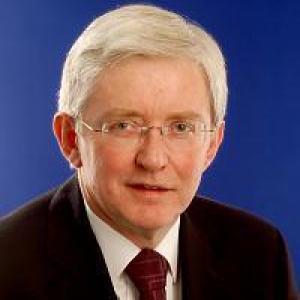 John Pickard合作论文数Department of Clinical Neurosciences, St Catharine's College, University of Cambridge52
 Peter J A Hutchinson合作论文数Department of Clinical Neurosciences, Robinson College, University of Cambridge46
 Marek Czosnyka合作论文数Neurosurgical Unit, University of Cambridge46
 Peter Smielewski合作论文数Division of Neurosurgery, University of Cambridge32
 David Menon合作论文数Division of Anaesthesia, Department of Medicine, Queens' College, University of Cambridge24
 Budohoski Karol P合作论文数Department of Neurosurgery, University of Cambridge23
 Riki Trivedi合作论文数22
 Ivan Sergeevich Timofeev合作论文数University of Cambridge;Department of Neurosurgery;Addenbrooke ' s Hospital;Addenbrooke ' s Hospital, University of Cambridge20
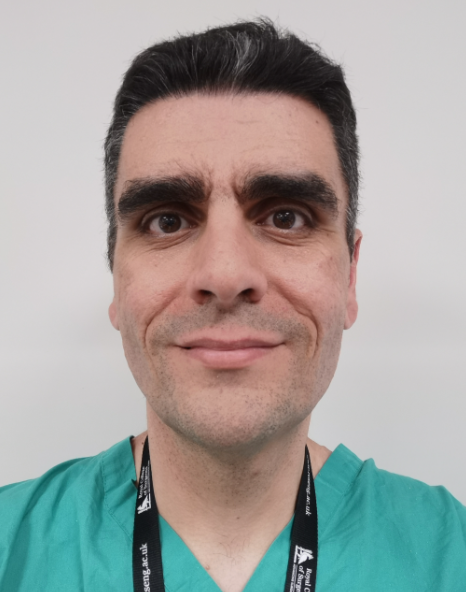 Angelos Kolias合作论文数Department of Clinical Neuroscience, Addenbrooke's Hospital;CRUK Cambridge Centre, Cancer Research UK Cambridge Institute, University of Cambridge19
 Jonathan Gillard合作论文数Department of Radiology, University of Cambridge19
 Martin J Graves合作论文数Department of Radiology, University of Cambridge19
 Mathew R Guilfoyle合作论文数Cambridge University Hospitals NHS Foundation Trust;Addenbrooke's Hospital, Cambridge University15Pippa G. Al-Rawi合作论文数15
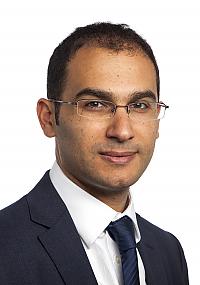 Adel Helmy合作论文数Division of Neurosurgery, University of Cambridge15Corteen Elizabeth A合作论文数12Hugh Richards合作论文数12
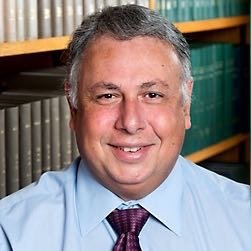 Ramez W. Kirollos合作论文数Addenbrooke's Hospital, University of Cambridge12
 James Rudd合作论文数Department of Medicine, University of Cambridge;Addenbrooke’s Hospital11Tim Fryer合作论文数Wolfson Brain Imaging Centre, Department of Clinical Neurosciences, University of Cambridge11
 Elizabeth Warburton合作论文数Neurology Unit, University of Cambridge10
 Diederik O. Bulters合作论文数Department of Neurosurgery, Addenbrooke’s Hospital10
 Lucia M. Li合作论文数9Jean-Marie U-King-Im合作论文数9
 Thomas Santarius合作论文数Addenbrooke's Hospital, University of Cambridge9Ming-Yuan Tseng合作论文数9Joshi Francis R合作论文数8
 Anthony Davenport合作论文数Department of Medicine, University of Cambridge8Nichola Figg合作论文数8Tjun Y. Tang合作论文数8
 Carole L Turner合作论文数Department of Neurosurgery, Addenbrooke’s Hospital7
 Magdalena Kasprowicz合作论文数Institute of Biomedical Engineering and Instrumentation, Wroclaw University of Technology7Simon P.S. Howarth合作论文数7
 Martin Bennett合作论文数Department of Medicine, University of Cambridge7Nicholas Higgins合作论文数Addenbrooke’s Hospital6Keri L. H. Carpenter合作论文数Division of Neurosurgery, University of Cambridge6
 Ibrahim Jalloh合作论文数Department of Neurosurgery, Addenbrooke's Hospital6Ashley M. Groves合作论文数Institute of Nuclear Medicine, University College London6
 Jason Tarkin合作论文数University of Cambridge6Deepa Gopalan合作论文数6
 George Kwok Chu Wong合作论文数Department of Surgery, Prince of Wales Hospital5Antoun Nagui M合作论文数5
 R. Loch Macdonald合作论文数Division of Neurosurgery, St. Michael's Hospital;Department of Surgery, Temerty Faculty of Medicine, University of Toronto;Li Ka Shing Knowledge Institute, St. Michael's Hospital;Keenan Research Center, St. Michael's Hospital;Institute of Medical Science, University of Toronto5
 Nima Etminan合作论文数Medizinische Fakultät Mannheim5
 Gordon Murray合作论文数Usher Institute, Deanery of Molecular, Genetic and Population Health Sciences, Edinburgh Medical School, College of Medicine and Veterinary Medicine, The University of Edinburgh5
 Roido Manavaki合作论文数Department of Radiology, University of Cambridge5
 Sam R Miller合作论文数PsychoGenics Inc.5
 Gabriel Rinkel合作论文数Divisie Hersenen, University Medical Centre Utrecht5Andrew J. Molyneux合作论文数5
 Patrick Coughlin合作论文数5




