We investigate the pyrolysis of a polymer-derived porous SiCO gel through thermogravimetric analysis. Despite using “ultra-pure” (99.999
ABSTRACT Rationale The thermal decomposition of (CH 3 )SiO 1.5 gels has been systematically investigated by TG‐MS, revealing a complex temperature‐dependent evolution of gaseous species. This work demonstrates that the TG‐MS analysis, coupled with rigorous data processing, allows to set up an insightful methodology to evolve from a qualitative monitoring tool into a quantitative approach, opening new avenues for thermal and compositional analysis. Methods By combining ion current integration with fragmentation pattern analysis, a semiquantitative determination of the gas‐phase composition was achieved, enabling correlation between individual species release, reaction mechanisms, and total mass loss. Results The stoichiometric analysis of the evolved products has allowed the reconstruction of the gel's initial chemical composition solely from MS data, offering a powerful alternative to conventional structural characterization. The excellent agreement between measured (17.28%) and MS‐derived (17.24%) mass loss confirms the reliability of the approach, considering also that the thermal decomposition of the methylsiloxane hybrid gel investigated is representative of a complex system generating numerous overlapping volatile species. Conclusions The proposed study investigates the potentialities of the TG‐MS analysis in setting up a powerful tool for the study of thermal decomposition of hybrid organic–inorganic materials. The proposed approach opens new perspectives for thermal process investigations and for the compositional analysis of materials where conventional characterization methods are limited or unavailable.
Two-dimensional materials have emerged at the forefront of optoelectronics, photonics, and energy-storage research, spawning entirely new fields—such as straintronics and twistronics—and promising next-generation sensors, devices, and batteries. Here, we explore vertical heterostructures formed by graphene stacked on either bilayer SiO2 or bilayer oxidized SiC (SiCO), using density functional theory augmented by several van der Waals functionals and dispersion-correction schemes. We find that the work of adhesion at the graphene/SiCO interface substantially exceeds that of graphene on bilayer SiO2—a configuration already demonstrated experimentally—and approaches the interlayer binding energy of bulk graphite. Charge-density analysis confirms that both interfaces are held together purely by van der Waals interaction, with negligible charge transfer. Based on its strong adhesion, chemical stability, and thermal properties, we propose graphene on oxidized SiC as a versatile platform for thermal management and battery applications.
The introduction of the first commercially available polycarbohafnium precursor opened new pathways in the polymer-to-ceramic route towards ultra-high temperature ceramics. We present a straightforward chemical crosslinking method to produce HfSiCO ceramics by reacting SHP-199 with tetraethoxysilane (TEOS), catalyzed by the intrinsic acidity of SHP-199. This sol-gel–like process produces robust HfSiCO monoliths and fibers with a 92% ceramic yield, excellent thermal stability, and structural integrity up to 1600 °C. While pyrolyzing SHP-199 alone results in nearly pure HfC, the SHP-199/TEOS mixture investigated here forms a multiphase ceramic containing HfO 2 , SiO 2 , and HfSiO 4 , but no SiC or HfC. Strong Raman signals of carbon at 1600 °C suggest kinetically hindered reduction of the oxide. This work demonstrates the development of a synergistic Hf-Si network and provides an accessible pathway to high-temperature HfSiCO ceramics and fibers.
RATIONALE:The thermal decomposition of (CH3)SiO1.5 gels has been systematically investigated by TG-MS, revealing a complex temperature-dependent evolution of gaseous species. This work demonstrates that the TG-MS analysis, coupled with rigorous data processing, allows to set up an insightful methodology to evolve from a qualitative monitoring tool into a quantitative approach, opening new avenues for thermal and compositional analysis. METHODS:By combining ion current integration with fragmentation pattern analysis, a semiquantitative determination of the gas-phase composition was achieved, enabling correlation between individual species release, reaction mechanisms, and total mass loss. RESULTS:The stoichiometric analysis of the evolved products has allowed the reconstruction of the gel's initial chemical composition solely from MS data, offering a powerful alternative to conventional structural characterization. The excellent agreement between measured (17.28%) and MS-derived (17.24%) mass loss confirms the reliability of the approach, considering also that the thermal decomposition of the methylsiloxane hybrid gel investigated is representative of a complex system generating numerous overlapping volatile species. CONCLUSIONS:The proposed study investigates the potentialities of the TG-MS analysis in setting up a powerful tool for the study of thermal decomposition of hybrid organic-inorganic materials. The proposed approach opens new perspectives for thermal process investigations and for the compositional analysis of materials where conventional characterization methods are limited or unavailable.
Understanding the interface between glassy SiCO and free carbon is indispensable to rationalizing many properties of SiCO ceramics. We conducted DFT calculations of Raman spectra for graphite, graphene, a polyaromatic hydrocarbon, and interface models between SiCO and carbon. The models were constructed with covalent Si-C bonds between SiCO and carbon ribbons as wide as 4 nm. The quantum-chemical calculations were complemented by MD simulations of large-scale SiCO models using a new machine-learning interatomic potential (MLIP). We find a single D-band for models with C-segregation larger than 3 nm. The D-and G-band intensity ratio, ID/IG, corresponds to the extent of C-segregation. The MLIP captures all significant trends in the vibrational density of states (vDOS) for interface models, agreeing with DFT calculations. Simulations of large-scale SiCO models with segregated carbon show that an increasing number of interfacial Si-C bonds decreases the position of the G-peak and increases the vibrational density in the D-band region. Therefore, the G-and D-band ratio is also sensitive to the interface structure between carbon segregation and amorphous SiCO matrix.
A new Al 4 C 3 polymorph with (anti-) spinel structure is attainable above 7 GPa.
We developed a machine-learning interatomic potential (MLIP) based on Moment Tensor Potentials for atomistic simulations in the Si-C-N-H system. The MLIP was trained on ordered and disordered configurations-including crystalline phases, polymers, amorphous models, and high-temperature ab initio molecular dynamics trajectories of chemical reactions-and achieves Density-Functional-Theory-level accuracy for energies, forces, and stresses. We apply the MLIP to complex processes that were previously inaccessible at scale: self-diffusion in Si3N4, negative thermal expansion in Si(NCN)2, fracture in SiC/Si3N4 composites, and the polymer-to-ceramic transformation of polysilazanes. Large-scale simulations over nanoseconds capture structural evolution during pyrolysis and reproduce experimental observations, such as the formation of nanometer-sized graphitic segregations in SiCN ceramics. Our results demonstrate that the MLIP extends quantum-level accuracy to technologically relevant problems, providing new opportunities for predictive modeling of ceramic materials and their transformations.
Utilizing an advanced machine-learning interatomic potential (MLIP) for Si & horbar;C & horbar;O & horbar;H, the thermal breakdown of polysiloxanes covering polymers from linear polydimethylsiloxane (PDMS) to highly networked polymethylsilsesquioxane (PMSQ), is investigated. The reactive simulations reveal that increasing cross-linking density enhances both thermal stability and ceramic yield after pyrolysis. Multiple pathways for forming siloxane oligomers are uncovered-pathways that depend on the number of unbranched units in the polymer. By simulating the release of gaseous species, the mass-retention profiles observed in experiments are reproduced: PMSQ exhibits the highest mass retention, while PDMS is prone to substantial mass loss. Non-isothermal simulations produce thermogravimetric studies and show that higher thermal stability and the peak of mass loss rate align with the degree of cross-linking. Moreover, these simulations enable a kinetic analysis of TGA data, yielding an activation energy for PDMS degradation that is consistent with literature values. Finally, it is shown that PDMS domains embedded within PMSQ matrices act as sacrificial templates, carving out nanoscale voids that give rise to tailored porosity in the final SiCO ceramics. Overall, the atomistic simulations provide insights into reaction mechanisms and validate experimental trends and offer predictive guidance for tuning preceramic polymers toward tailored ceramic yields and microstructures.
Spirocalcaridines A and B are among the most challenging members of the marine invertebrate-derived Leucetta alkaloids. Approaches to the construction and elaboration of the highly compact spirocyclic core are described. The synthesis of tricyclic guanidine via tandem oxidative amination dearomatizing spirocyclization (TOADS) using hypervalent iodine set the stage for total synthesis via the migration of the C4/C8 double bond to the C4/C5 position, followed by oxidation. The undesired but not surprising propensity of the spirocyclic cyclohexadienone to undergo rearrangement to the phenol hindered the desired olefin migration. Furthermore, initial efforts to install the oxidation sequentially, first at C5 and then at C4 in the complete carbon skeleton, were fraught with unforeseen challenges and unusual outcomes. In addition, the scope and limitations of hypervalent iodine-mediated tandem oxidative dearomatizing spirocyclization on various substrates were explored. Urethanes and thiourethanes underwent spirocyclization with an excellent yield, whereas the reaction with allylic substrates and species lacking the p-methoxy substituent did not proceed. Attempts to prepare other guanidine precursors are briefly discussed.
We present machine-learning interatomic potentials (MLIPs) for simulations of Si-C-O-H compounds. The MLIPs are constructed from moment tensor potentials (MTPs) and were trained to a library of configurations that included polysiloxane structures, hypothetical crystalline and amorphous SiCOH structures, and trajectories of Si-C-O-H systems obtained via ab initio molecular dynamic (aiMD) simulations at elevated temperatures. Passive, active, and hybrid learning strategies were implemented to develop the MLIPs. The MLIPs reproduce vibrational properties of polymers and SiCOH structures obtained from aiMD simulations, thus providing a tool to identify chemical units and distinct structural characteristics through their vibrational properties. Simulations of the polymer-to-ceramic transformation show the development of mixed tetrahedra in SiCO ceramics and align with experimental observations. Million-atom simulations for several nanoseconds highlight the precipitation of graphitic nanosheets from a carbon-rich SiCO precursor. Atomistic simulations with the MLIPs deliver details of chemical reaction mechanisms during the pyrolysis of polysiloxanes, including methane abstraction and Kumada-like rearrangements that transform the siloxane backbone. While the MLIPs still leave room for systematic improvement, they deliver simulations with "density functional theory (DFT)-like" quality at low and high temperatures.
In this study, we present an investigation of the newly discovered dwarf nova ASASSN-19oc during its superoutburst on 2019 June 2. We carried out detailed UBVRcIc-photometric observations and also obtained a spectrum on day 7 of the outburst, which shows the presence of hydrogen absorption lines commonly found in dwarf nova outbursts. Analysis of photometric data reveals the occurrence of early superhumps in the initial days of observations, followed by ordinary and late superhumps. We have accurately calculated the period of the ordinary superhumps as P-ord = 0.05681(10) days and determined the periods at different stages, as well as the rate of change of the superhump period (P-dot = (P) over dot/P = 8.1 x 10(-5)). Additionally, we have derived the mass ratio of the components (q = 0.09), and estimated the color temperature during the outburst as similar to 11,000 K, the distance to the system (d = 560 pc) and absolute magnitude of the system in outburst (M-V = 5.3). We have shown that outbursts of this star are very rare: based on brightness measurements on 600 archival photographic plates, we found only one outburst that occurred in 1984. This fact, as well as the properties listed above, convincingly shows that the variable ASASSN-19oc is a dwarf nova of WZ Sge type.
SnGe4N4O4 was synthesized at high pressure (16 and 20 GPa) and high temperature (1200 and 1500°C) in a large-volume press. Powder X-ray diffraction experiments using synchrotron radiation indicate that the derived samples are mixtures of known and unknown phases. However, the powder X-ray diffraction patterns are not sufficient for structural characterization. Transmission electron microscopy studies reveal crystals of several hundreds of nanometres in size with different chemical composition. Among them, crystals of a previously unknown phase with stoichiometry SnGe4N4O4 were detected and investigated using automated diffraction tomography (ADT), a three-dimensional electron diffraction method. Via ADT, the crystal structure could be determined from single nanocrystals in space group P63mc, exhibiting a nolanite-type structure. This was confirmed by density functional theory calculations and atomic resolution scanning transmission electron microscopy images. In one of the syntheses runs a rhombohedral 6R polytype of SnGe4N4O4 could be found together with the nolanite-type SnGe4N4O4. The structure of this polymorph was solved as well using ADT.
The present Special Issue honors the career achievements of Prof. Ralf Riedel (TU Darmstadt, Germany), a world-wide renowned scholar in the field of ceramics research. Prof. Riedel completed his doctoral studies in 1986 with the late Prof. Ekkehard Fluck at the University of Stuttgart in the field of phosphorus-organic chemistry. From 1986 to 1992, he was a post doc at the famous Max Plack Institute for Metals Research (Stuttgart, Germany) and at the University of Stuttgart, where he started his journey related to the development of ceramics from molecular precursors. He completed his habilitation with a work related to “Non-Oxidic Ceramics from Inorganic Precursors” in 1992 having Prof. Gerd Becker and Prof. Fritz Aldinger as supervisors. His very productive and seminal post doc time led 1993 to an early appointment as a Full Professor at the Department for Materials Science of TU Darmstadt, where he spent his academic career until his retirement in 2022. During his more than 35 years long academic career, Prof. Riedel was dedicated to using fundamental chemical tools for the development of novel, revolutionary ceramic materials. His early works and publications related to the preparative access to ceramics with tailored chemical and phase compositions, microstructures, and morphologies had a significant impact and received increased attention in the ceramic community. Together with few other researchers around the world, Prof. Riedel was in the early 1990s one of the pioneers of the development of the so-called polymer-derived ceramics (PDCs) and still has been pushing and leading this field three decades later. Among his numerous seminal works and publications, we may mention here his contributions to the development of SiBCN-based ceramic materials for applications at ultrahigh-temperatures and in harsh environments, various studies related to manufacturing complex-shaped PDC-based parts or the development of PDCs for functional applications such as force and pressure sensing, energy storage, chemiresistive gas sensing and so on. Additionally, Prof. Riedel made significant contributions in the field of synthesis of inorganics under high-pressure and high-temperature conditions. Few of his seminal works here were, for instance, the discovery of γ-Si3N4, a high-pressure polymorph of silicon nitride, studies related to preparative access to high-pressure structures of transition metal nitrides, for example, thorium-phosphide-type Zr3N4 and Hf3N4, and oxynitrides, for example, B6N6O3. During the three decades spent at TU Darmstadt, Prof. Riedel supervised more than 60 doctoral theses and numerous post docs and visiting scholars. He was strongly involved in the teaching activities at the Institute for Materials Science and served as a Dean of the Department for Materials and Earth Sciences for 8 years, from 2010 to 2018. Moreover, he was a Guest Professor at various academic institutions around the world, for instance, University of Colorado at Boulder (USA), University of Rennes (France), Technical University of Gdansk (Poland), and Jiangsu University (Zhenjiang, China). Prof. Riedel received numerous awards and recognitions for his career achievements. He has been an honorary doctor of the Slovak Academy of Sciences as well as Honorary Professor of Tianjin University and Xiamen University, China. He was awarded 1999 with the Dionyz Stur Gold Medal of the Slovak Academy of Sciences, 2012 with the Tammann Gedenkmünze of the German Society of Materials Engineering (DGM), 2019 with the JSPS Fellowship Award for Research (Japan) and the 1000 Talents Innovation Award of the Shaanxi province (China), 2021 with the International Ceramics Prize for Basic Science of the World Academy of Ceramics and 2022 with the JECS Trust Award of the European Ceramic Society. Prof. Riedel has been a Fellow of the American Ceramic Society (2000) and the European Ceramic Society (2013), as well as Elected Member of the World Academy of Ceramics (2004). He has been Editor-in-Chief of the Journal of the American Ceramic Society as well as of Ceramics International. Prof. Riedel activities made a strong impact on the ceramic community. This Special Issue in IJACT is thought to acknowledge and honor his academic achievements. Despite he retired recently, he has still been active, continuing to perform cutting-edge research and to supervise students and post docs. We are happy that the ceramic community will still benefit from his impulses and valuable contributions. Open Access funding enabled and organized by Projekt DEAL.
Sky monitoring needs to trade-off time resolution against limit-ing magnitude, usually leading to exposure times of some seconds or tens of seconds. Consequently, photometric information in the range below seconds re-mains largely undetected. We propose a scheme of sky monitoring using CMOS cameras to improve cadence aiming at exploring the sky in the subsecond re-gion without relinquishing fainter stars. Optical systems could even be operated without any mechanical drives reducing costs and processed in a way similar to TDI mode. Data handling would be a challenge of processing and storage. We sketch the benefits of such a monitoring from meteors to high energy events.
We perform atomistic simulations to model structures and calculate elastic properties of silicon oxycarbide ce-ramics. We explore individual parameters - composition, density, carbon content - to disentangle mutual de -pendencies that are difficult to separate in experimental studies. Each parameter is studied through dynamic simulations at finite temperatures for a wide range of temperatures. With multi-million atom models in simu-lation boxes as large as 40 nm, we reveal a hitherto "hidden" parameter: the morphology of the "free" carbon phase. Embedding, distribution, and interconnection of the carbon phase inside the amorphous matrix of SiCO severely impact the material's mechanical properties. As a consequence, we call for the development of new characterization techniques that will quantify the morphology of carbon in this and similar systems.
ABSTRACT Every moment, countless meteoroids enter our atmosphere unseen. The detection and measurement of meteors offer the unique opportunity to gain insights into the composition of our solar systems’ celestial bodies. Researchers therefore carry out a wide-area-sky-monitoring to secure 360-degree video material, saving every single entry of a meteor. Existing machine intelligence cannot accurately recognize events of meteors intersecting the earth’s atmosphere due to a lack of high-quality training data publicly available. This work presents four reusable open source solutions for researchers trained on data we collected due to the lack of available labelled high-quality training data. We refer to the proposed data set as the NightSkyUCP data set, consisting of a balanced set of 10 000 meteor- and 10 000 non-meteor-events. Our solutions apply various machine-learning techniques, namely classification, feature learning, anomaly detection, and extrapolation. For the classification task, a mean accuracy of 99.1 per cent is achieved. The code and data are made public at figshare with DOI 10.6084/m9.figshare.16451625.
Locating pressure and temperature conditions relevant to concurrent diamond-anvil-cell (DAC) experiments is imperative for the discovery of new high-pressure nitrogen-rich compounds. In this work we provide a pressure-temperature phase diagram of the iron-nitrogen system for pressures up to 200 GPa and temperatures up to 4000 K through a combination of Density Functional Theory computations and thermodynamic calculations. The work includes an assessment of the chemical potential of nitrogen and its change at high pressure and high temperature. We deliver stability fields of various Fe-N compounds in the presence of excess nitrogen. Our results are in agreement with recent synthesis of FeN2 and FeN4, and predict a hitherto unknown FeN8 attainable at 100 GPa and 1500 K. (c) 2021 Elsevier B.V. All rights reserved.
Waste corrugated boards reformed by wood fiber are good precursor to be carbonized into multihole carbon materials for high-value utilization. Herein, waste corrugated board was recycled to fabricate functional carbonsilicon composite by the heat treatment under 1100 degrees C. The SiCnf and SiC nano-sphere were self-assembled during the carbothermal reduction to construct the nano-porous structure. The carbon coating on SiC can enhance the interfacial polarization effect. Owing to this gradient structure, the as-prepared carbon-silicon carbide composite exhibited a well electromagnetic interference shielding effectiveness (EMI SE) of -49.46 dB in the X-band. Moreover, its absolute EMI SE is observed to be -1561.51 dB.cm(2).g(-1), which reveals excellent EMI shielding performance combined with light weight. This good overall performance, along with environmentally friendly, ease of mass production, pave way for the large-scale practical applications in EMI shielding.
We perform Differential Hysteresis Scanning (DHS) Porosimetry of amorphous silicon oxycarbide aerogels to quantify hierarchical connectivity in these porous materials. We contrast high-resolution argon sorption scanning isotherms of samples obtained through a non-templated synthesis using different solvents, and characterize respective changes after calcination at 1000 °C. The multi-scan DHS data sets are analyzed through non-negative least-squares deconvolution using a kernel of theoretically derived isotherms for a selection of hierarchical geometries using non-local density functional theory (NL-DFT). We obtain two-dimensional contour plots that characterize mesopores according to the ratio between pore diameter and its connecting window. Combined information from DHS and complementary BET and BJH approaches reveals one system with monomodal distribution both in pore diameters and in window diameters. Hence, this amorphous material exhibits a uniformity usually only observed for crystalline systems. We demonstrate that DHS analysis provides quantitative data analyzing the hierarchical structure of mesoporous materials and unlocks pathways towards tailored materials with control of surface heterogeneity, localization, and sequential accessibility - even for amorphous systems.
 Ralf Riedel合作论文数Das Fachgebiet Disperse Feststoffe, Technische Universität Darmstadt35
 thomas berthold合作论文数13k haussler合作论文数13
 Edwin Kroke合作论文数Institute of Inorganic Chemistry, Technische University Bergakademie Freiberg13
 Wolfgang Schnick合作论文数Department of Chemistry, University of Munich13Shariq Haseen合作论文数10James X. Mao合作论文数Dept Chem & Biochem, Univ Texas Arlington10Stefan Lauterbach合作论文数Fachbereich Mat & Geowissensch, Tech Univ Darmstadt9
 Richard Dronskowski合作论文数RWTH Aachen University9
 Sergey Shugarov合作论文数9
 Ilia Ponomarev合作论文数Fac Elect Engn, Czech Tech Univ8
 Aleksander Gurlo合作论文数Fachbereich Material- und Geowissenschaften, Technische Universität Darmstadt/Institut Für Werkstoffwissenschaften Und – Technologien, Technische Universität Berlin8Marcus Schwarz合作论文数Institut für Anorganische Chemie, Fakultät für Chemie, Physik und Biowissenschaften, Technische Universität-Bergakademie Freiberg8
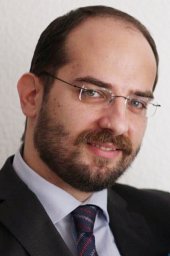 Ionescu Emanuel合作论文数Institut für Materialwissenschaft, Technische Universität Darmstadt7
 Kevin A. Schug合作论文数Department of Chemistry and Biochemistry, The University of Texas at Arlington7
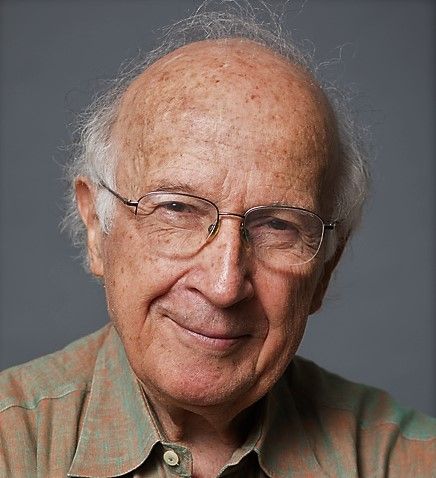 Roald Hoffmann合作论文数Department of Chemistry & Chemical Biology, The College of Arts & Sciences, Cornell University7Rene Hudec合作论文数7
 Atreyi Dasmahapatra合作论文数7
 Hans-Joachim Kleebe合作论文数Institute of Applied Geosciences, Technische Universitat Darmstadt;Colorado School of Mines7Miehe, Gerhard合作论文数6
 Shrikant Bhat合作论文数Deutsches Elektronen-Synchrotron DESY6
 Jose Gracia合作论文数Eindhoven Univ Technol, Schuit Inst Catalysis, NL-5600 MB Eindhoven, Netherlands6
 Ute Kolb合作论文数Centre for High Resolution Electron Microscopy, Johannes Gutenberg University Mainz;Institute of Applied Geosciences, Technical University Darmstadt6
 Xiaohui Liu合作论文数6Vitaly P. Goranskij合作论文数6Andreas Zerr合作论文数LPMTM-CNRS, Université Paris Nord6Leonore Wiehl合作论文数6
 Peter van Aken合作论文数Stuttgart Center for Electron Microscopy, Max Planck Institute for Solid State Research;Institute of Applied Geosciences, TU Darmstadt6S. Rebecca Roemer合作论文数5Robert Farla合作论文数5
 Xiaodi Kou (寇晓娣)合作论文数School of Chinese Materia Medica, Tianjin University of Traditional Chinese Medicine5
 H. V. Rasika Dias合作论文数Department of Chemistry and Biochemistry, The University of Texas at Arlington5Singh Shreeyukta合作论文数5
 Charles Campana合作论文数5
 Friedhelm Bechstedt合作论文数Instituts fur Festkorpertheorie und -Optik, Friedrich-Schiller-Universitat Jena5
 Reinhard Boehler合作论文数Oak Ridge National Laboratory5Dmytro Dzivenko合作论文数5Elena A. Barsukova合作论文数5Nikolay N. Samus合作论文数5Elisabeta Horvath-Bordon合作论文数5
 Paul Francis McMillan合作论文数University College London5T. Berthold合作论文数4Philipp Golle-Leidreiter合作论文数4
 Maged F. Bekheet合作论文数Darmstadt University of Technology, Technische Universität Darmstadt4Paul Muller合作论文数4
 Tomoo Katsura (桂智男)合作论文数High-Pressure Earth Science Laboratory, University of Bayreuth;Bayerisches Geoinstitut, University of Bayreuth4Kaori Seino合作论文数Institut für Festkörpertheorie und Theoretische Optik, Friedrich-Schiller-Universität Jena4
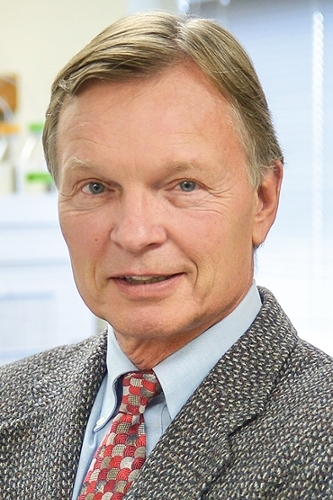 Daniel W. Armstrong合作论文数Department of Chemistry and Biochemistry, The University of Texas at Arlington4




