About half of patients with Crohn's disease (CD) develop selective serum IgG response to flagellin proteins of the Lachnospiraceae family. Here, we identified a dominant B cell peptide epitope in CD, locating in the highly conserved "hinge region" between the D0 and D1 domains at the amino-terminus of Lachnospiraceae flagellins. Serum IgG reactive to this epitope is present at an elevated level in adult CD patients and in pediatric CD patients at diagnosis. Most importantly, high levels of serum IgG to the hinge epitope were found in most infants from 3 different geographic regions (Uganda, Sweden, and the USA) at one year of age. This vigorous homeostatic response decrements with age as it is not present in healthy adults. These data identify a distinct subset of CD patients, united by a shared reactivity to this dominant flagellin epitope that may represent failure of a homeostatic response beginning in infancy.
Nutritional deficiencies are prevalent in sickle cell disease (SCD) and may be associated with worse pain outcomes. Gut dysbiosis has been reported in patients with SCD and may contribute to both nutritional deficiencies and pain.
BACKGROUND:Gastrointestinal bleeding (GIB) affects up to 40% of continuous-flow left ventricular assist device (CF-LVAD) recipients. A higher risk of GIB is seen in CF-LVAD recipients with lower device pulsatility without a known mechanism. One hypothesis is that the novel hemodynamics in CF-LVAD recipients affect angiogenesis signaling. We aimed to (1) measure serum levels of angiopoietin (Ang)-1, Ang-2, and VEGF-A in CF-LVAD recipients with and without GIB and in healthy controls and (2) evaluate correlations of those levels with hemodynamics.METHODS:We recruited 12 patients with CF-LVADs (six who developed GIB after device implantation) along with 12 age-matched controls without heart failure or GIB and measured Ang-1, Ang-2, and VEGF-A levels in serum samples from each patient.RESULTS:CF-LVAD recipients had significantly higher Ang-2 and lower Ang-1 levels compared to controls with no difference in VEGF-A levels. CF-LVAD recipients with GIB had lower Ang-1 levels than those without GIB. There were trends for pulse pressure to be positively correlated with Ang-1 levels and negatively correlated with Ang-2 levels in CF-LVAD recipients with no correlation observed in healthy controls.CONCLUSION:CF-LVAD recipients demonstrated a shift toward a pro-angiogenic phenotype in the angiopoietin axis that is significantly associated with GIB and may be linked to low pulse pressure.
Introduction: Patients with inflammatory bowel disease (IBD) are at an increased risk of developing Clostridioides difficile infection (CDI). Aim: to assess the risk of CDI in IBD patients after SARS-CoV-2 infection. Methods: We conducted a retrospective cohort study using data from the National COVID Cohort Collaborative (N3C), the largest longitudinal electronic health record repository of patients with SARS-CoV-2 infection in the USA, between Jan 1, 2020 and May 18, 2023. Descriptive statistics were used to summarize the demographic, clinical, and outcome characteristics of patients with and without IBD. Patients having CDI 6 months prior to their positive COVID-19 test or diagnosis were excluded. Multivariable Cox regression models were used to determine the risk of experiencing CDI within 28 days of a positive COVID-19 test or diagnosis. Additional regression models stratifying by the presence or absence of IBD were conducted for comparison. Results: Out of 5,978,435 patients with COVID-19, 43,751 were diagnosed with IBD (Table 1). After adjusting for demographic differences and background risk (Figure 1), a history of IBD was associated with the highest risk of CDI after COVID-19 diagnosis, (adjusted hazard ratio (aHR): 3.76, 95% confidence interval: (CI): 3.26-4.33). This was followed by diagnosis of CKD (aHR 2.95, 2.74-3.17), antibiotic use in the past 6 months (aHR 2.73, 2.53-2.93), or organ/stem cell transplant (aHR 2.22, 1.90-2.60). Vaccination with 2 or 3 doses of COVID-19 vaccines was protective against CDI (aHR 0.59, 0.52-0.66; aHR 0.47, 0.41-0.53, respectively). Among those with IBD, patients with CKD had the highest risk of CDI (aHR 2.16, 1.56-3.00) after SAR-CoV-2 infection, followed by IBD patients with antibiotic use in the past 6 months (aHR 2.04, 1.49-2.77) or with a concurrent diagnosis of CHF (aHR 1.78, 1.20-2.65). Significant associations were observed between the use of biologics, immunomodulators, or steroids and CDI between IBD and non-IBD patients (Table 1). Completion of primary vaccination series was protective against CDI (aHR 0.46, 0.27-0.80) after 3 doses but not with 2 doses (aHR 0.83, 0.53-1.30). Conclusion: This data suggests that IBD patients with SARS-CoV-2 infection have a high risk of CDI within 28 days of COVID-19 diagnosis. The risk is highest in those with CKD or prior antibiotic use. The concomitant use of prednisone and especially thiopurines and biologics were associated with significantly increased rates of CDI compared to use of these drugs in non-IBD patients.Figure 1.: Adjusted hazard ratios for Clostridioides difficile infection (CDI) within 28 days post COVID-19 diagnosis in patients with inflammatory bowel disease. Patients who received 2 doses in the primary vaccination series with a COVID-19 diagnosis are considered "VAX2 breakthrough infection" while those that received the primary vaccination series and an additional booster dose are considered "VAX3 breakthrough infection. Abbreviations: aHR, adjusted hazard ratio; CKD, chronic kidney disease; CHF, congestive heart failure; CAD, coronary artery disease. Table 1. - Baseline characteristics of COVID-19 Positive patients by inflammatory bowel disease (IBD), January 2020 – May 2023 Characteristic1 OverallN = 5,979,435 Non IBDN = 5,935,684 IBDN = 43,751 P value2 Sex < 0.001 Female 3,390,048 (57%) 3,364,378 (57%) 25,670 (59%) Male 2,589,387 (43%) 2,571,306 (43%) 18,081 (41%) Age 46 (32, 61) 46 (32, 61) 50 (36, 64) < 0.001 Age strata < 0.001 18-49 3,299,131 (55%) 3,277,759 (55%) 21,372 (49%) 50-64 1,490,544 (25%) 1,478,743 (25%) 11,801 (27%) 65+ 1,189,760 (20%) 1,179,182 (20%) 10,578 (24%) Race/ethnicity < 0.001 White 3,714,544 (62%) 3,680,254 (62%) 34,290 (78%) Black or African American 795,452 (13%) 791,434 (13%) 4,018 (9.2%) Hispanic or Latino 685,556 (11%) 683,200 (12%) 2,356 (5.4%) Other/unknown 783,883 (13%) 780,796 (13%) 3,087 (7.1%) Comorbidities Current or former smoker 239,187 (4.0%) 235,714 (4.0%) 3,473 (7.9%) < 0.001 Chronic kidney disease 368,154 (6.2%) 362,338 (6.1%) 5,816 (13%) < 0.001 Hypertension 1,563,796 (26%) 1,546,251 (26%) 17,545 (40%) < 0.001 Diabetes mellitus 739,492 (12%) 732,262 (12%) 7,230 (17%) < 0.001 Congestive heart failure 185,705 (3.1%) 183,094 (3.1%) 2,611 (6.0%) < 0.001 Coronary artery disease 355,514 (5.9%) 350,911 (5.9%) 4,603 (11%) < 0.001 Cancer (any malignancy except skin) 367,128 (6.1%) 361,234 (6.1%) 5,894 (13%) < 0.001 Solid organ or bone marrow transplant 16,377 (0.3%) 15,988 (0.3%) 389 (0.9%) < 0.001 Obesity 1,792,136 (30%) 1,774,625 (30%) 17,511 (40%) < 0.001 Inflammatory bowel disease type < 0.001 Ulcerative colitis 18,279 (0.3%) N/A 18,279 (42%) Crohn’s disease 22,132 (0.4%) N/A 22,132 (51%) Antibiotic use in the past 6 months 229,521 (3.8%) 224,823 (3.8%) 4,698 (11%) < 0.001 Immunosuppression drugs Prednisone 807,932 (14%) 791,234 (13%) 16,698 (38%) < 0.001 Thiopurine 16,764 (0.3%) 11,833 (0.2%) 4,931 (11%) < 0.001 Biologics 31,016 (0.5%) 19,844 (0.3%) 11,172 (26%) < 0.001 Biologics Immunosuppression drug groups < 0.001 Biologic only 13,187 (0.2%) 8,984 (0.2%) 4,203 (9.6%) Biologic/prednisone 14,523 (0.2%) 10,208 (0.2%) 4,315 (9.9%) Biologic/thiopurine 2,054 (< 0.1%) 474 (< 0.1%) 1,580 (3.6%) Biologic/prednisone/thiopurine 1,252 (< 0.1%) 178 (< 0.1%) 1,074 (2.5%) Other immunosuppression drug combination 5,948,419 (99%) 5,915,840 (100%) 32,579 (74%) Vaccination status before COVID-19 < 0.001 No documented COVID-19 vaccinations 5,112,228 (85%) 5,077,318 (86%) 34,910 (80%) Primary vaccination series 478,940 (8.0%) 474,718 (8.0%) 4,222 (9.7%) Primary vaccination plus booster series 388,267 (6.5%) 383,648 (6.5%) 4,619 (11%) C. difficile 28-Days Post-COVID-19 4,666 (< 0.1%) 4,429 (< 0.1%) 237 (0.5%) < 0.001 Among those with C. difficile3 COVID-19 vaccinated (primary or primary +)4 528 (11%) 493 (11%) 35 (15%) 0.12 Prednisone 1405 (30%) 1301 (29%) 104 (44%) < 0.001 Thiopurine 83 (1.8%) 63 (1.4%) 20 (8.4%) < 0.001 Biologics 82 (1.8%) 23 (0.5%) 59 (25%) < 0.001 1. Count (%); Median (interquartile range). 2. Wilcoxon Rank Sum Test; Pearson’s Chi Squared Test. 3. Among those with a C. difficile infection in the 28-Days Post-COVID-19, we observed the following characteristics. 4. Primary vaccination includes 2 doses. Primary + : includes an additional booster dose.
Mentor: Peter Mannon Program: Internal Medicine Type: Original Research Background: Precise molecular signatures of successful inflammatory bowel disease (IBD) treatment response would help establish benchmarks for and reveal critical components of inflammation control. We assessed let-7 microRNA (miRNA) upregulation as a molecular marker for successful induction of disease remission, using it to map the transcriptional dynamics of IBD-associated cytokines. We postulate that refractoriness to therapy, including antitumor necrosis factor α (anti-TNFα) drugs, in certain patients may be due to inability to express let-7 miRNAs following lowered serum TNFα levels. Methods: RNA-Seq library of colonic biopsies (n=51, ulcerative colitis, n=28, Crohn’s disease) was aligned in a descending order of linked serum TNFα concentrations. Active/inactive disease states were defined using SCCAI or HB scores. Serum cytokines were measured using a multiplex assay. Results: Serum inflammatory cytokine levels (IFNγ, IL-18, TNFα) were inversely related to let-7 miRNA expression but TNFα levels were not significantly different among groups. Among active IBD patients with serum-TNFα<15pg/ml, only 40% exhibited let-7 miRNA up-regulation. Multi-dimensional scaling analysis of genome-wide expression profiles revealed a striking transitional linkage pattern between this group and the inactive IBD group within the principal component space, supportive of an association of let-7 miRNA up-regulation with successful induction of remission ( Figure 1). Conclusion: We believe let-7 miRNA upregulation may be an important molecular marker to predict movement toward inflammation control in active IBD patients undergoing treatment. The heterogeneity of let-7 miRNA expression is consistent with the unpredictable response to current IBD treatments and restoring its expression might confer the anti-inflammatory effects it shows in murine colitis and in vitro models.
Introduction: Death with kidney allograft function remains a challenge due to the propensity of kidney transplant recipients (KTRs) towards cardiovascular comorbidities including the metabolic syndrome (MBS). This is in spite of efforts to modify these risks via immunosuppressive management and steroid avoidance. Dysbiosis of the gut microbiome impacts lipid metabolism, insulin resistance and atherosclerotic factors. Gut dysbiosis has been demonstrated in KTRs with possible links to the alloimmune response. We hypothesized that changes in gut microbiome pre- and post-transplant may contribute to the development of MBS in KTRs. Methods: We prospectively collected stool specimens from 14 consecutive patients with End Stage Kidney Disease prior to receiving a living donor kidney transplant (pre-Tx), with a second collection at 6-12 months post-transplant (post-Tx). Eight healthy controls provided specimens for comparison. Demographics and clinical variables were extracted from the electronic medical record. Stool was analyzed for 16S rRNA gene sequencing, microbial metagenome analysis, and targeted and untargeted metabolomics. We measured 69 gut metabolites in serum (GC-TOFMS with a XCF [methyl and ethyl chloroformate] deviation method) and 104 fecal metabolites (LC-MS measures of bile salt and other metabolites). The primary outcomes were differences in the microbiome and metabolome of KTRs pre-Tx vs control and vs post-Tx. Secondary outcomes were microbiome and metabolome differences between pre-Tx versus post-Tx stratified by MBS status and if a microbiome or metabolome “signature” predicted MBS outcome in KTR. Results: 11 KTRs met criteria for MBS pre-Tx, of which 8 were stable or worsened MBS and 3 improved MBS post-Tx. 1 patient developed MBS de novo. Compared to controls, pre-Tx gut microbiome were less diverse, had increased E.coli and Fusobacterium and less Coprococcus and Roseburia, had higher CKD metabolites, lower short chain fatty acids, and higher glutathione (oxidative stress) and proteolytic metabolic pathways. Post-Tx microbiome showed increased Roseburia and decreased Akkermansia, less uremic toxins and less proteolytic pathways. Untargeted metabolomics aligned with improvement in MBS post-Tx (Fig. 1) and independently discriminated between MBS outcomes (Fig. 2). Improved MBS post-Tx was associated with increased Ruminococcus, decreased Akkermsansia, and saccharolytic (and butyrogenic and methanogenic) pathways.Conclusion: Our findings demonstrate that the gut microbiome can clearly discriminate pre- and post-kidney transplant MBS states and also provides a signature for status of MBS post-Tx. These data support efforts to condition the gut microbiome using targeted prebiotics and probiotics to confer a beneficial metabolic state pre-Tx and post-Tx. Gut microbiome manipulation may provide potential adjunct approach to support long term patient and graft survival.
BACKGROUND:Celiac disease (CD), a disorder characterized by intestinal inflammation and villus atrophy, has protean manifestations. CD is being diagnosed more frequently but is often undiagnosed when encountered by surgeons. Our aim was to review aspects of CD that are relevant to the surgeon.METHODS:A PubMed database search was performed for articles published between January 2000 and December 2021 related to surgical issues in CD.RESULTS:CD is associated with a variety of conditions throughout the gastrointestinal tract. There is an increased risk of a variety of malignancies, including small intestinal tumors. Patients with CD are at an increased risk for operations for common problems such as appendicitis. Patients with undiagnosed CD undergoing operation may develop symptoms leading to diagnosis postoperatively.CONCLUSION:Surgeons should be aware of CD associated conditions, the risk of malignancy and confounding symptoms. Undiagnosed CD should be suspected if malabsorptive symptoms develop following operation.
CASE REPORT A 60-year-old White man presented to the emergency department with progressively worsening constipation and rectal pain of 3 weeks' duration. He had a medical history of untreated advanced human immunodeficiency virus with a CD4 count of 120/cmm. He was previously seen at an outside hospital with the same symptoms for which abdominal and pelvic computed tomography was performed showing perirectal and perianal inflammatory changes with rectal wall thickening and associated lymphadenopathy, concerning for perianal abscess or mass. Physical examination showed light-colored macules surrounding his anus with verrucous changes of the anus. The patient underwent endoscopic evaluation for his constipation, rectal pain, and questionable mass and was found to have significant erythema with ulceration in the rectum without any masses (Figure 1). His physical examination and colonoscopy findings, along with the patient's history of anal receptive intercourse, raised suspicion for monkeypox. Rectal swabs of the lesions were obtained and resulted positive for monkeypox. He was subsequently treated with tecovirimat 600 mg twice daily for 14 days in addition to starting highly active antiretroviral therapy for his advanced human immunodeficiency virus.Figure 1.: Endoscopy images demonstrating (A) perianal light-colored macules, (B) dentate line with surrounding erythema, and (C) anal canal ulceration.DISCLOSURES Author contributions: J. Larson and A. Praus: analysis of test results and drafting and editing of the article. P. Mannon: analysis of test results and editing of the article. J. Larson is the article guarantor. Financial disclosure: None to report. Informed consent was obtained for this case report.
Journal of the American Society of Nephrology 33(11S):p 534-535, November 2022. | DOI: 10.1681/ASN.20223311S1534d
 Ivan J Fuss合作论文数National Institutes of Health13
 Warren Strober合作论文数National Institute of Allergy and Infectious Diseases11
 Charles O. Elson合作论文数Heersink School of Medicine, The University of Alabama at Birmingham8
 Catherine Groden合作论文数7Zhiqiong Yang合作论文数7
 L. Wayne Duck合作论文数Department of Physiology and Biophysics, University of Alabama School of Medicine7Shajan Peter合作论文数Division of Gastroenterology and Hepatology, University of Alabama7Chuli Yi合作论文数7
 Walter Reinisch合作论文数Medical University of Vienna6Makayla Schissel合作论文数5
 Alfred J Anzalone合作论文数University of Nebraska Medical Center5Jiongru Wu合作论文数5
 Sara Ghoneim合作论文数Division of Gastroenterology and Hepatology, University of Nebraska5von Tirpitz Christian合作论文数5Julia Friend合作论文数5
 Talha Aziz Malik合作论文数5
 C. Mel Wilcox合作论文数Orlando Health Digestive Health Institute;Orlando Health Orlando Regional Medical Center5
 Martin Kaatz合作论文数5Robert Knobler合作论文数5Dennis Parenti合作论文数4
 Nabil El Hage Chehade合作论文数4Michael D Yao合作论文数4
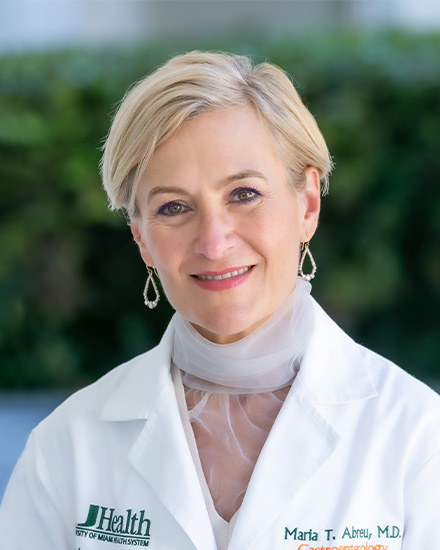 Maria Abreu合作论文数Department of Medicine, Miller School of Medicine, University of Miami4
 Joseph A. Kovacs合作论文数Critical Care Medicine Department, Clinical Center, National Institutes of Health4
 Subra Kugathasan合作论文数Departments of Pediatrics, School of Medicine, Emory University;Department of Human Genetics, School of Medicine, Emory University;Combined Center for Pediatric Inflammatory Bowel Disease, Children's Healthcare of Atlanta;Winship Cancer Institute, Emory University4Raj K. Puri合作论文数4
 Roslyn B. Mannon合作论文数Department of Internal Medicine, College of Medicine, University of Nebraska Medical Center4
 Dedrick Moulton合作论文数3Michael Yao合作论文数3Michael D Kappelman合作论文数3
 Stephen B Hanauer合作论文数Division of Gastroenterology and Hepatology, Department of Medicine, Feinberg School of Medicine, Northwestern University3
 Irini Sereti合作论文数National Institute of Allergy and Infectious Diseases3
 David M. Cutler合作论文数Department of Economics, Faculty of Arts And Sciences, Harvard University;Harvard Center for Population and Development Studies, Harvard University3Hussain Sunny Z合作论文数3
 J. Steven Alexander合作论文数Department of Molecular & Cellular Physiology, School of Graduate Studies, Louisiana State University Health Shreveport;Arganum Transplant Solutions3
 Lloyd F. Mayer合作论文数Icahn School of Medicine at Mount Sinai3
 Mark Lazarev合作论文数3Richard H. Duerr合作论文数3
 Judy H Cho合作论文数The Charles Bronfman Institute for Personalized Medicine, Icahn School of Medicine at Mount Sinai3
 John David Rioux合作论文数Département de Médecine, Faculté de Médecine, Université de Montréal;Institut de Cardiologie de Montréal;Laboratoire de Génétique et Médecine Génomique en Inflammation, Université de Montréal3Themistocles Dassopoulos合作论文数3
 William Sandborn合作论文数Mirador Therapeutics3
 Gert Van Assche合作论文数3Thomas Ochsenkuhn合作论文数3Raymond K. Cross合作论文数University of Maryland School of Medicine, Medical College of Wisconsin3
 Stefan Fichtner-Feigl合作论文数3
 Lee A. Denson合作论文数Division of Gastroenterology, Hepatology and Nutrition, Cincinnati Children's Hospital Medical Center;Department of Pediatrics, University of Cincinnati3
 David T. Okou合作论文数3Talin Haritunians合作论文数3




