This paper describes Charles University submission to the Simultaneous Speech Translation Task of the IWSLT 2025. We cover all four language pairs with a direct or cascade approach. The backbone of our systems is the offline Whisper speech model, which we use for both translation and transcription in simultaneous mode with the state-of-the-art simultaneous policy AlignAtt. We further improve the performance by prompting to inject in-domain terminology, and we accommodate context. Our cascaded systems further use EuroLLM for unbounded simultaneous translation. Compared to the Organizers' baseline, our systems improve by 2 BLEU points on Czech to English and 13-22 BLEU points on English to German, Chinese and Japanese on the development sets. Additionally, we also propose a new enhanced measure of speech recognition latency.
Simultaneous speech-to-text translation (SimulST) translates source-language speech into target-language text concurrently with the speaker's speech, ensuring low latency for better user comprehension. Despite its intended application to unbounded speech, most research has focused on human pre-segmented speech, simplifying the task and overlooking significant challenges. This narrow focus, coupled with widespread terminological inconsistencies, is limiting the applicability of research outcomes to real-world applications, ultimately hindering progress in the field. Our extensive literature review of 110 papers not only reveals these critical issues in current research but also serves as the foundation for our key contributions. We 1) define the steps and core components of a SimulST system, proposing a standardized terminology and taxonomy; 2) conduct a thorough analysis of community trends, and 3) offer concrete recommendations and future directions to bridge the gaps in existing literature, from evaluation frameworks to system architectures, for advancing the field towards more realistic and effective SimulST solutions.
This paper presents the outcomes of the shared tasks conducted at the 22nd International Workshop on Spoken Language Translation (IWSLT). The workshop addressed seven critical challenges in spoken language translation: simultaneous and offline translation, automatic subtitling and dubbing, model compression, speech-to-speech translation, dialect and low-resource speech translation, and Indic languages. The shared tasks garnered significant participation, with 32 teams submitting their runs. The field's growing importance is reflected in the increasing diversity of shared task organizers and contributors to this overview paper, representing a balanced mix of industrial and academic institutions. This broad participation demonstrates the rising prominence of spoken language translation in both research and practical applications.
This paper presents a comparative study of two approaches to automated assessment of Czech spoken language exams for non-native speakers: one using large language models applied to transcripts, and the other based on pre-trained speech encoder models. To our knowledge, this is the first study to explore automatic speaking assessment (ASA) for the Czech language. We evaluate both methods on a dataset of authentic high-stakes oral exams, annotated with binary pass/fail labels and total exam scores. Our best-performing models reach a QWK score of 0.65. Our experiments demonstrate the feasibility of applying ASA techniques in Czech and illustrate challenges related to data scarcity, transcription quality, and performance variability between input types.
Simultaneous speech-to-text translation systems must balance translation quality with latency. Although quality evaluation is well established, latency measurement remains a challenge. Existing metrics produce inconsistent results, especially in short-form settings with artificial presegmentation. We present the first comprehensive meta-evaluation of latency metrics across language pairs and systems. We uncover a structural bias in current metrics related to segmentation. We introduce YAAL (Yet Another Average Lagging) for a more accurate short-form evaluation and LongYAAL for unsegmented audio. We propose SoftSegmenter, a resegmentation tool based on soft word-level alignment. We show that YAAL and LongYAAL, together with SoftSegmenter, outperform popular latency metrics, enabling more reliable assessments of short- and long-form simultaneous speech translation systems. We implement all artifacts within the OmniSTEval toolkit: https://github.com/pe-trik/OmniSTEval.
Current simultaneous speech translation models can process audio only up to a few seconds long. Contemporary datasets provide an oracle segmentation into sentences based on human-annotated transcripts and translations. However, the segmentation into sentences is not available in the real world. Current speech segmentation approaches either offer poor segmentation quality or have to trade latency for quality. In this paper, we propose a novel segmentation approach for a low-latency end-to-end speech translation. We leverage the existing speech translation encoder-decoder architecture with ST CTC and show that it can perform the segmentation task without supervision or additional parameters. To the best of our knowledge, our method is the first that allows an actual end-to-end simultaneous speech translation, as the same model is used for translation and segmentation at the same time. On a diverse set of language pairs and in- and out-of-domain data, we show that the proposed approach achieves state-of-the-art quality at no additional computational cost.
Attempts to carry out intramolecular annulation of 9,10‐diarylbenzo[ h ]quinolines and 9,10‐di(hetero)arylphenanthrenes to aromatics with expanded π‐conjugated systems by using different methods are described. The starting compounds (9,10‐diarylbenzo[ h ]quinolines and 9,10‐di(hetero)arylphenanthrenes) were prepared by C−C bond activation in 1‐azabiphenylene or biphenylene followed by insertion of internal alkynes. Interestingly, unlike in purely carbon‐based aromatics, the course of the annulation turned out to be highly dependent on the structure of maternal compounds. In a handful of cases were obtained the expected or desired products. In others, unexpected rearrangements of the basic molecular frameworks were observed.
Human evaluation is a critical component in machine translation system development and has received much attention in text translation research. However, little prior work exists on the topic of human evaluation for speech translation, which adds additional challenges such as noisy data and segmentation mismatches. We take first steps to fill this gap by conducting a comprehensive human evaluation of the results of several shared tasks from the last International Workshop on Spoken Language Translation (IWSLT 2023). We propose an effective evaluation strategy based on automatic resegmentation and direct assessment with segment context. Our analysis revealed that: 1) the proposed evaluation strategy is robust and scores well-correlated with other types of human judgements; 2) automatic metrics are usually, but not always, well-correlated with direct assessment scores; and 3) COMET as a slightly stronger automatic metric than chrF, despite the segmentation noise introduced by the resegmentation step systems. We release the collected human-annotated data in order to encourage further investigation.
This paper reports on the shared tasks organized by the 21st IWSLT Conference. The shared tasks address 7 scientific challenges in spoken language translation: simultaneous and offline translation, automatic subtitling and dubbing, speech-to-speech translation, dialect and low-resource speech translation, and Indic languages. The shared tasks attracted 18 teams whose submissions are documented in 26 system papers. The growing interest towards spoken language translation is also witnessed by the constantly increasing number of shared task organizers and contributors to the overview paper, almost evenly distributed across industry and academia.
Automatic speech translation is sensitive to speech recognition errors, but in a multilingual scenario, the same content may be available in various languages via simultaneous interpreting, dubbing or subtitling. In this paper, we hypothesize that leveraging multiple sources will improve translation quality if the sources complement one another in terms of correct information they contain. To this end, we first show that on a 10-hour ESIC corpus, the ASR errors in the original English speech and its simultaneous interpreting into German and Czech are mutually independent. We then use two sources, English and German, in a multi-source setting for translation into Czech to establish its robustness to ASR errors. Furthermore, we observe this robustness when translating both noisy sources together in a simultaneous translation setting. Our results show that multi-source neural machine translation has the potential to be useful in a real-time simultaneous translation setting, thereby motivating further investigation in this area.
Simultaneous speech translation (SST) aims to provide real-time translation of spoken language, even before the speaker finishes their sentence. Traditionally, SST has been addressed primarily by cascaded systems that decompose the task into subtasks, including speech recognition, segmentation, and machine translation. However, the advent of deep learning has sparked significant interest in end-to-end (E2E) systems. Nevertheless, a major limitation of most approaches to E2E SST reported in the current literature is that they assume that the source speech is pre-segmented into sentences, which is a significant obstacle for practical, real-world applications. This thesis proposal addresses end-to-end simultaneous speech translation, particularly in the long-form setting, i.e., without pre-segmentation. We present a survey of the latest advancements in E2E SST, assess the primary obstacles in SST and its relevance to long-form scenarios, and suggest approaches to tackle these challenges.
Blockwise self-attentional encoder models have recently emerged as one promising end-to-end approach to simultaneous speech translation. These models employ a blockwise beam search with hypothesis reliability scoring to determine when to wait for more input speech before translating further. However, this method maintains multiple hypotheses until the entire speech input is consumed -- this scheme cannot directly show a single \textit{incremental} translation to users. Further, this method lacks mechanisms for \textit{controlling} the quality vs. latency tradeoff. We propose a modified incremental blockwise beam search incorporating local agreement or hold-$n$ policies for quality-latency control. We apply our framework to models trained for online or offline translation and demonstrate that both types can be effectively used in online mode. Experimental results on MuST-C show 0.6-3.6 BLEU improvement without changing latency or 0.8-1.4 s latency improvement without changing quality.
AbstractThis chapter provides an in-depth account of current research activities and applications in the field of Speech Technology (ST). It discusses technical, scientific, commercial and societal aspects in various ST sub-fields and relates ST to the wider areas of Natural Language Processing and Artificial Intelligence. Furthermore, it outlines breakthroughs needed, main technology visions and provides an outlook towards 2030 as well as a broad view of how ST may fit into and contribute to a wider vision of Deep Natural Language Understanding and Digital Language Equality in Europe. The chapter integrates the views of several companies and institutions involved in research and commercial application of ST.
In this paper, we describe our submission to the Simultaneous Track at IWSLT 2023. This year, we continue with the successful setup from the last year, however, we adopt the latest methods that further improve the translation quality. Additionally, we propose a novel online policy for attentional encoder-decoder models. The policy prevents the model to generate translation beyond the current speech input by using an auxiliary CTC output layer. We show that the proposed simultaneous policy can be applied to both streaming blockwise models and offline encoder-decoder models. We observe significant improvements in quality (up to 1.1 BLEU) and the computational footprint (up to 45% relative RTF).
ESPnet-ST-v2 is a revamp of the open-source ESPnet-ST toolkit necessitated by the broadening interests of the spoken language translation community. ESPnet-ST-v2 supports 1) offline speech-to-text translation (ST), 2) simultaneous speech-to-text translation (SST), and 3) offline speech-to-speech translation (S2ST) – each task is supported with a wide variety of approaches, differentiating ESPnet-ST-v2 from other open source spoken language translation toolkits. This toolkit offers state-of-the-art architectures such as transducers, hybrid CTC/attention, multi-decoders with searchable intermediates, time-synchronous blockwise CTC/attention, Translatotron models, and direct discrete unit models. In this paper, we describe the overall design, example models for each task, and performance benchmarking behind ESPnet-ST-v2, which is publicly available at https://github.com/espnet/espnet.
This paper reports on the shared tasks organized by the 20th IWSLT Conference. The shared tasks address 9 scientific challenges in spoken language translation: simultaneous and offline translation, automatic subtitling and dubbing, speech-to-speech translation, multilingual, dialect and low-resource speech translation, and formality control. The shared tasks attracted a total of 38 submissions by 31 teams. The growing interest towards spoken language translation is also witnessed by the constantly increasing number of shared task organizers and contributors to the overview paper, almost evenly distributed across industry and academia.
In this paper, we describe our submission to the Simultaneous Speech Translation at IWSLT 2022. We explore strategies to utilize an offline model in a simultaneous setting without the need to modify the original model. In our experiments, we show that our onlinization algorithm is almost on par with the offline setting while being 3x faster than offline in terms of latency on the test set. We also show that the onlinized offline model outperforms the best IWSLT2021 simultaneous system in medium and high latency regimes and is almost on par in the low latency regime. We make our system publicly available.
Summarization is a challenging problem, and even more challenging is to manually create, correct, and evaluate the summaries. The severity of the problem grows when the inputs are multi-party dialogues in a meeting setup. To facilitate the research in this area, we present ALIGNMEET, a comprehensive tool for meeting annotation, alignment, and evaluation. The tool aims to provide an efficient and clear interface for fast annotation while mitigating the risk of introducing errors. Moreover, we add an evaluation mode that enables a comprehensive quality evaluation of meeting minutes. To the best of our knowledge, there is no such tool available. We release the tool as open source. It is also directly installable from PyPI.
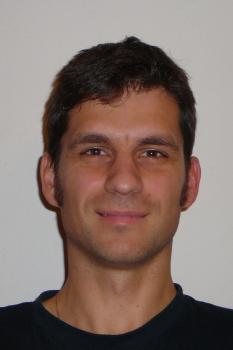 Ondřej Bojar合作论文数Institute of Formal and Applied Linguistics, Faculty of Mathematics and Physics, Charles University;Faculty of Nuclear Sciences and Physical Engineering, Czech Technical University18
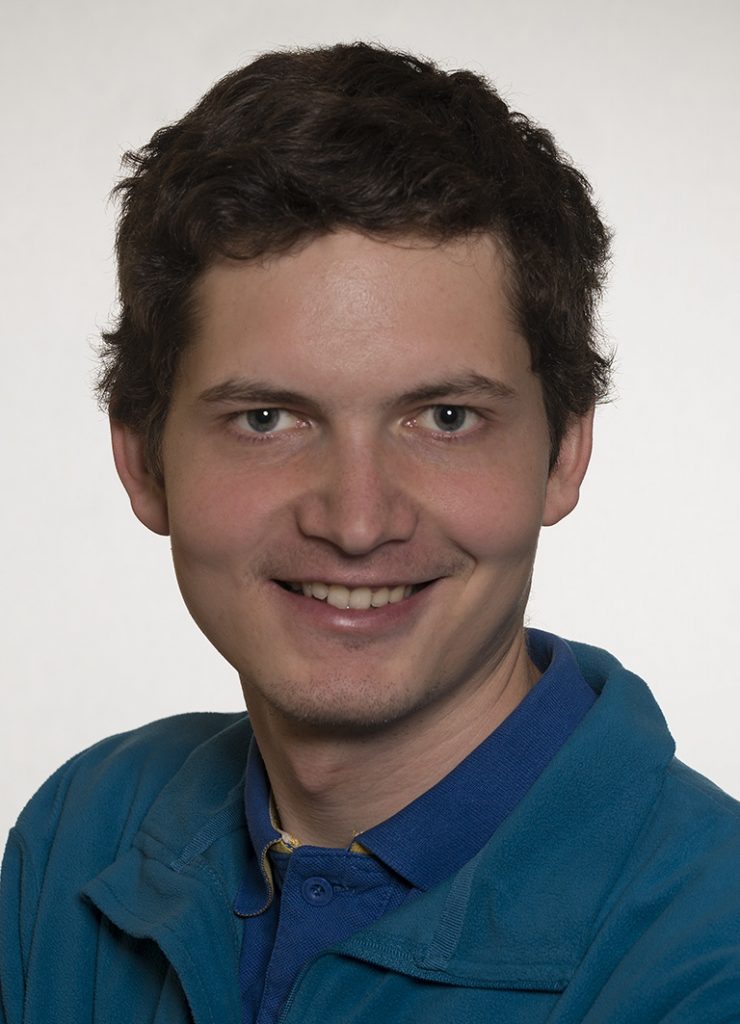 Dominik Macháček合作论文数Institute of Formal and Applied Linguistics, Faculty of Mathematics and Physics, Charles University7
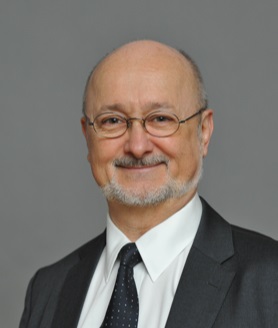 Alex Waibel合作论文数Interactive Systems Labs, Institute for Anthropomatics and Robotics, Karlsruhe Institute for Technology;InterACT;Carnegie Mellon University7
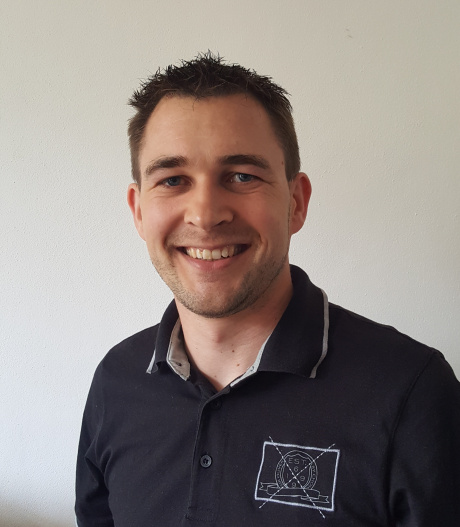 Jan Niehues合作论文数Institute for Anthropomatic and Robotics, Karlsruhe Institute of Technology7
 Matteo Negri合作论文数Fondazione Bruno Kessler5
 Sara Papi合作论文数Fondazione Bruno Kessler5
 Dávid Javorský合作论文数Institute of Formal and Applied Linguistics, Faculty of Mathematics and Physics, Charles University;ISIR - Institut des Systèmes Intelligents et de Robotique5
 Matthias Sperber合作论文数Apple5
 Katsuhito Sudoh合作论文数NTT Communication Science Laboratories5
 Sebastian Stuker合作论文数Zoom Video Communications Inc.5
 Kenton Murray合作论文数HLTCOE, Johns Hopkins Univ4
 Nakamura, Satoshi合作论文数Graduate School of Information Science at Nara Institute of Science and Technology.4
 Mauro Cettolo合作论文数Centro per la Ricerca Scientifica e Tecnologica4
 Antonis Anastasopoulos合作论文数Department of Computer Science, George Mason University4
 Danni Liu合作论文数Karlsruhe Institute of Technology4
 Luisa Bentivogli合作论文数Fondazione Bruno Kessler4
 Marco Turchi合作论文数Zoom4
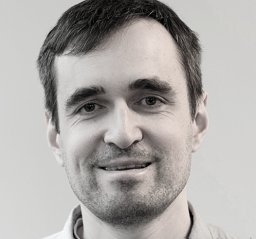 Evgeny Matusov合作论文数RWTH Aachen University4
 Barry Haddow合作论文数Aveni4
 Roldano Cattoni合作论文数Centro per la Ricerca Scientifica e Tecnologica4
 Marcello Federico合作论文数Amazon4
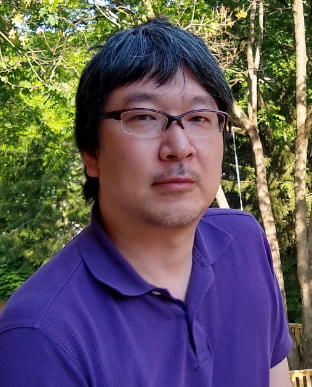 Shinji Watanabe合作论文数Department of Electrical and Computer Engineering, College of Engineering, Carnegie Mellon University4
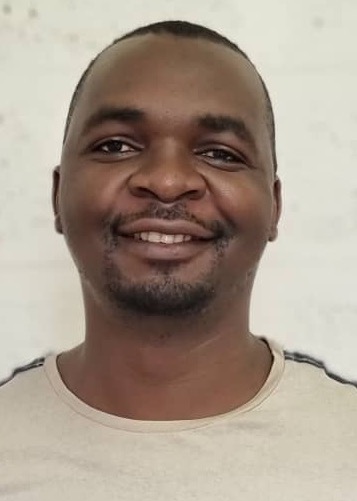 Claytone Sikasote合作论文数Department of Computer Science, University of Zambia3
 Rodolfo J. Zevallos Salazar合作论文数Universitat Pompeu Fabra3
 Sangeet Sagar合作论文数Charles Univ Prague3
 Xutai Ma (马旭泰)合作论文数Meta FAIR3
 Atul Kumar Ojha合作论文数University of Galway3
 Jiatong Shi (史嘉彤)合作论文数Language Technologies Institute, Carnegie Mellon University3
 Patrick Wilken合作论文数AppTek3
 Brian Thompson合作论文数Amazon3
 Claudia Borg合作论文数University of Malta3
 Elizabeth Salesky合作论文数Center for Language and Speech Processing, Johns Hopkins University3
 John E. Ortega合作论文数Columbia University in the City of New York;Courant Institute of Mathematical Sciences, New York University;La Universidad de Santiago de Compostela;Lexi;Reulay Inc3
 Marine Carpuat合作论文数Department of Computer Science, University of Maryland;Institute for Advanced Computer Studies, University of Maryland3
 William Chen合作论文数Language Technologies Institute, School of Computer Science, Carnegie Mellon University2
 Hirofumi Inaguma合作论文数Meta2Jonás Kratochvíl合作论文数2
 Rishu Kumar合作论文数Inst Formal & Appl Linguist, Charles Univ Prague2Mateusz Krubinski合作论文数2
 Brian Yan合作论文数Language Technologies Institute, School of Computer Science, Carnegie Mellon University2
 Vilém Zouhar合作论文数Language, Reasoning and Education Lab, Department of Computer Science, ETH Zurich2
 Prashant Mathur合作论文数Amazon2
 Tsz Kin Lam合作论文数Department of Computational Linguistics, Heidelberg University2
 Muskaan Singh合作论文数Charles University;IDIAP Research Institute2
 Beatrice Savoldi合作论文数Fondazione Bruno Kessler2
 Marco Gaido合作论文数MT Unit, Fondazione Bruno Kessler2
 Xing Niu (牛星)合作论文数Amazon AI2
 Juan Pino合作论文数Meta AI2
 Tang Yun合作论文数Meta2




