Background Transcatheter tricuspid valve edge-to-edge repair (T-TEER) is an emerging therapy for severe tricuspid regurgitation (TR), but experience in heart transplant recipients is limited. Case Summary A 42-year-old man, 1-year post heart transplantation, presented with severe volume overload and dyspnea. Echocardiography confirmed severe TR with a flail posterior leaflet. Given high surgical risk, he underwent T-TEER with TriClip (Abbott), reducing TR to moderate with resolution of hepatic vein systolic flow reversal. Later, recurrent hypervolemia from missed dialysis led to TR progression. After kidney transplantation, imaging demonstrated stable clip positioning with moderate residual TR. Discussion Severe TR affects nearly 20% of heart transplant recipients and predicts mortality and retransplantation. Early TR results from biopsy-related valve trauma, whereas late TR links to graft dysfunction and rejection. Surgical management carries high morbidity and failure rates. Percutaneous options like T-TEER are promising but require further validation. Take-Home Message T-TEER is feasible in heart transplant recipients and may bridge to eligibility for other lifesaving therapies.
BACKGROUND:Left ventricular assist devices (LVADs) are critical for patients with end-stage cardiomyopathy but complications, such as aortic root thrombus (ART), are present in up to 10% of cases. ART management is challenging, with limited therapeutic options. CASE SUMMARY:A 54-year-old female with an LVAD presented with acute chest pain and a thrombus in the left coronary cusp. She was treated with successful percutaneous mechanical aspiration (PMA) of the aortic root and coronary arteries. Her international normalized ratio target was increased, and she has not had a recurrence of her ART. DISCUSSION:ART in LVAD patients often arises from impaired aortic valve opening, promoting thrombus formation. This case demonstrates the utility of PMA as a safe and effective alternative to surgical removal. TAKE-HOME MESSAGES:ART is a critical complication of LVADs, requiring prompt diagnosis and treatment. PMA can offer a definitive and safe treatment option for ART in select patients.
Background: Conduction abnormality post-transcatheter aortic valve implantation (TAVI) remains clinically significant and usually requires chronic pacing. The effect of right ventricular (RV) pacing post-TAVI on clinical outcomes warrants further studies. Methods: We identified 147 consecutive patients who required chronic RV pacing after a successful TAVI procedure and propensity-matched these patients according to the Society of Thoracic Surgeons (STS) risk score to a control group of patients that did not require RV pacing post-TAVI. We evaluated routine echocardiographic measurements and performed offline speckle-tracking strain analysis for the purpose of this study on transthoracic echocardiographic (TTE) images performed at 9 to 18 months post-TAVI. Results: The final study population comprised 294 patients (pacing group n = 147 and non-pacing group n = 147), with a mean age of 81 ± 7 years, 59% male; median follow-up was 354 days. There were more baseline conduction abnormalities in the pacing group compared to the non-pacing group (56.5% vs. 41.5%. p = 0.01). Eighty-eight patients (61.6%) in the pacing group required RV pacing due to atrioventricular (AV) conduction block post-TAVI. The mean RV pacing burden was 44% in the pacing group. Left ventricular ejection fraction (LVEF) was similar at follow-up in the pacing vs. non-pacing groups (57 ± 13.0%, 59 ± 11% p = 0.31); however, LV global longitudinal strain (−12.7 ± 3.5% vs. −18.8 ± 2.7%, p < 0.0001), LV apical strain (−12.9 ± 5.5% vs. 23.2 ± 9.2%, p < 0.0001), and mid-LV strain (−12.7 ± 4.6% vs. −18.7 ± 3.4%, p < 0.0001) were significantly worse in the pacing vs. non-pacing groups. Conclusions: Chronic RV pacing after the TAVI procedure is associated with subclinical LV systolic dysfunction within 1.5 years of follow-up.
Fontan pathway obstruction is a potentially serious complication characterized by an anatomical or functional narrowing anywhere in the cavo-pulmonary pathways. Here, we report the first case in the literature where an innovative Fontan conduit rehabilitation procedure with intravascular lithotripsy was used achieving a dramatic increase in the pathway size.
A 72-year-old male with past medical history of complete heart block status post pacemaker in 2019, renal cell carcinoma, and thyroid cancer presented with a 4-cm right atrial mass incidentally found on routine transthoracic echocardiography. Cardiovascular computed tomography angiogram revealed an infiltrative mildly enhancing soft-tissue density along the right and left atrioventricular grooves, anterior interventricular groove, interatrial septum, free wall of the right ventricle, and right atria. Transesophageal echocardiography at the time of the cardiac biopsy revealed a heterogeneous mass extending along the interatrial septum into the superior vena cava, which appeared partially occluded, as well as probable involvement of the aortic root. After several attempts with traditionally used devices, an endobronchial alligator forceps was used to biopsy the right atrial mass under intracardiac echocardiographic guidance, with no complications.
Objective: To study the usefulness of a novel echocardiographic marker, augmented mean arterial pressure (AugMAP = [(mean aortic valve gradient + systolic blood pressure) + (2 x diastolic blood pressure)] / 3), in identifying high-risk patients with moderate aortic stenosis (AS).Patients and Methods: Adults with moderate AS (aortic valve area, 1.0-1.5 cm2) at Mayo Clinic sites from January 1, 2010, through December 31, 2020, were identified. Baseline demographic, echocardiographic, and all-cause mortality data were retrieved. Patients were grouped into higher and lower AugMAP groups using a cutoff value of 80 mm Hg for analysis. Kaplan-Meier and Cox regression models were used to assess the performance of AugMAP.Results: A total of 4563 patients with moderate AS were included (mean +/- SD age, 73.7 +/- 12.5 years; 60.5% men). Median follow-up was 2.5 years; 36.0% of patients died. The mean +/- SD left ventricular ejection fraction (LVEF) was 60.1%+/- 11.4%, and the mean +/- SD AugMAP was 99.1 +/- 13.1 mm Hg. Patients in the lower AugMAP group, with either preserved or reduced LVEF, had significantly worse survival performance (all P<.001). Multivariate Cox regression showed that AugMAP (hazard ratio, 0.962; 95% CI, 0.942 to 0.981 per 5emm Hg increase; P<.001) and AugMAP less than 80 mm Hg (hazard ratio, 1.477; 95% CI, 1.241 to 1.756; P<.001) were independently associated with all-cause mortality.Conclusion: AugMAP is a simple and effective echocardiographic marker to identify high-risk patients with moderate AS independent of LVEF. It can potentially be used in the candidate selection process if moderate AS becomes indicated for aortic valve intervention in the future.
Transcarotid access has emerged as the preferred access site for transcatheter aortic valve implantation (TAVI) in patients with prohibitive iliofemoral anatomy. This study aimed to compare outcomes with transcarotid with those of other accesses in patients who underwent TAVI. Cochrane, EMBASE, and MEDLINE databases were searched for all published stud-ies that compared outcomes with transcarotid with those of other accesses (transfemoral, transaxillary/subclavian, transaortic, and transapical) in patients who underwent TAVI. The primary outcome was all-cause mortality. Secondary outcomes included major bleeding, major vascular complications, stroke, myocardial infarction, permanent pacemaker implan-tation, and peri-aortic valve insufficiency. We included 22 observational studies with a total of 11,896 patients. Outcomes were reported during hospitalization and at 1-month follow-up. The transcarotid approach had higher mortality at 1 month (3.7% vs 2.6%, p = 0.02) but lower major vascular complications during hospitalization (1.5% vs 3.4%, p = 0.04) than did transfemoral access. The transcarotid approach had lower major vascular complications (2% vs 2.3%, p = 0.04) than did the transaxillary/subclavian but higher major bleeding (5.3% vs 2.6%, p = 0.03). The transaortic approach was associated with higher in-hospital (11.7% vs 1.9%, p = 0.02) and 1-month mortality (14.4% vs 3.9%, p = 0.007) rates than was transcarotid access. The transcarotid approach numerically reduced mortality and the risk of major vascular complications and major bleeding compared with the transapical approach; however, this did not reach statistical significance. The transcarotid approach did not increase the risk of stroke compared with transfemoral or the other alternative accesses. In conclusion, the transcarotid or transaxillary/subclavian approach had associated compa-rable outcomes that were better than those of the transapical and transaortic approaches. There was no difference in stroke risk between transcarotid access and other accesses.(c) 2023 Elsevier Inc. All rights reserved. (Am J Cardiol 2023;192:196-205)
Background: Post-transcatheter aortic valve replacement (TAVR) patient outcome is an important research topic. To accurately assess post-TAVR mortality, we examined a family of new echo parameters (augmented systolic blood pressure (AugSBP) and arterial mean pressure (AugMAP)) derived from blood pressure and aortic valve gradients. Methods: Patients in the Mayo Clinic National Cardiovascular Diseases Registry-TAVR database who underwent TAVR between 1 January 2012 and 30 June 2017 were identified to retrieve baseline clinical, echocardiographic and mortality data. AugSBP, AugMAP and valvulo-arterial impedance (Zva) (Zva) were evaluated using Cox regression. Receiver operating characteristic curve analysis and the c-index were used to assess the model performance against the Society of Thoracic Surgeons (STS) risk score. Results: The final cohort contained 974 patients with a mean age of 81.4 ± 8.3 years old, and 56.6% were male. The mean STS risk score was 8.2 ± 5.2. The median follow-up duration was 354 days, and the one-year all-cause mortality rate was 14.2%. Both univariate and multivariate Cox regression showed that AugSBP and AugMAP parameters were independent predictors for intermediate-term post-TAVR mortality (all p < 0.0001). AugMAP1 < 102.5 mmHg was associated with a 3-fold-increased risk of all-cause mortality 1-year post-TAVR (hazard ratio 3.0, 95%confidence interval 2.0–4.5, p < 0.0001). A univariate model of AugMAP1 surpassed the STS score model in predicting intermediate-term post-TAVR mortality (area under the curve: 0.700 vs. 0.587, p = 0.005; c-index: 0.681 vs. 0.585, p = 0.001). Conclusions: Augmented mean arterial pressure provides clinicians with a simple but effective approach to quickly identify patients at risk and potentially improve post-TAVR prognosis.
Introduction: Fontan pathway obstruction is a serious complication characterized by an anatomical or functional narrowing anywhere in the cavo-pulmonary pathways. Here we report the first case where an innovative Fontan conduit rehabilitation procedure with intravascular lithotripsy was used achieving a significant increase in the pathway size. Case: A 28-year-old male with tricuspid atresia status-post Fontan palliation (age 23 months) with bare metal stent implant to treat obstruction at age 15, presented with syncope, ascites and varicose veins. Imaging studies revealed a cirrhotic liver morphology and Fontan pathway obstruction with minimal diameter of 12 mm. Cardiac catheterization confirmed severe Fontan conduit obstruction in addition to LPA stenosis. Serial covered Cheatham-Platinum stents were implanted for conduit coverage followed by Palmaz stents. Non-compliant Atlas balloon dilation to 20 atm was performed without expansion of the Fontan pathway beyond 12 mm due to severe calcification. A 7.0 x 60 mm shock-wave lithotripsy balloon was added alongside the Atlas balloon to modulate the heavily calcified wall with subsequent expansion of the conduit to 21 mm after inflating the Atlas balloon to 14 atm. Discussion: Several studies demonstrated that transcatheter stenting of stenotic Fontan conduits can be safely performed. Intravascular lithotripsy has emerged as a novel therapy for the treatment of coronary vascular calcification. We report the first case of an innovative percutaneous Fontan conduit rehabilitation procedure using a lithotripsy shock wave balloon in an adult with severely calcified Fontan pathway obstruction and prior stents, achieving a 75% increase in the pathway size without significant complications. Further studies are needed to evaluate the long-term safety and efficacy of this novel approach, but this case presents an exciting option for future directions in the percutaneous treatment of Fontan pathway obstruction.
Introduction: Post-transcatheter aortic valve replacement (TAVR) outcome of patients is an important research topic. To accurately assess post-TAVR mortality, we examined a family of new echo-parameters (augmented systolic blood pressure (AugSBP) and arterial mean pressure parameters (AugMAP)) derived from blood pressure and aortic valve gradient ( Figure 1 ). Methods: Patients in the Mayo Clinic National Cardiovascular Diseases Registry-TAVR database who underwent TAVR between January 1, 2012, and June 30, 2017, were identified to retrieve baseline clinical, echocardiographic, and mortality data. The median of AugSBP and AugMAP were used to stratify patients in Kaplan-Meier analysis. Results: The final cohort contained 974 patients with a mean age of 81.4±8.3 years old, and 56.6% were male. The mean Society of Thoracic Surgeons risk score was 8.2±5.2. The median follow-up duration was 354 days, and the one-year all-cause mortality rate was 14.2%. Detailed characteristics are summarized in Table 1. AugMAP1 < 102.5 mmHg (median) was associated with a 3-fold risk of all-cause mortality post-TAVR at 1 year (hazard ratio 3.0, 95%confidence interval 2.0-4.5, p<0.0001)( Figure 1 ). Conclusions: Augmented mean arterial pressure provides clinicians with a simple but effective approach to quickly identify patients at risk and potentially improve post-TAVR prognosis.
 El Sabbagh Abdallah合作论文数15
 Reza Arsanjani合作论文数12Parikh Pragnesh P合作论文数12
 Mackram F Eleid合作论文数12
 Chieh-Ju Chao合作论文数Echocardiog Lab, Mayo Clin9
 Pradyumna Agasthi合作论文数Dept Cardiovasc Dis, Mayo Clin8Najiyah Salwa合作论文数7Timothy Barry合作论文数7
 Amith Reddy Seri合作论文数McLaren Reg Med Ctr, Michigan State Univ7
 Demilade A Adedinsewo合作论文数1 Oak Ridge Institute for Science and Education7
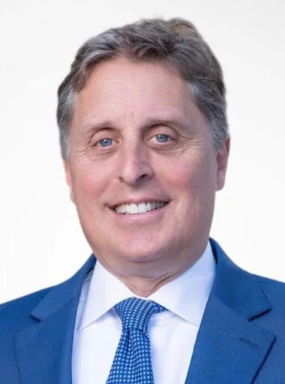 Steven J. Lester合作论文数Cardiac Stress and Imaging Center, Mayo Clinic7F. David Fortuin合作论文数7John Sweeney合作论文数6Anusha Shanbhag合作论文数Dept Cardiovasc Dis, Mayo Clin6
 David R. Holmes III合作论文数Graduate School of Biomedical Sciences, Mayo Clinic;Department of Physiology & Biomedical Engineering, Mayo Clinic;National Institutes of Health6Tasnseem Naqvi合作论文数Division of Cardiology, Cedars-Sinai Medical Center6
 William D. Freeman合作论文数Mayo Clinic6Salman Farhat合作论文数5
 Jordan Ray合作论文数Department of Medicine, Mayo Clinic5Christopher P. Appleton合作论文数5Floyd D. Fortuin合作论文数4Carolyn Landolfo合作论文数4John P Sweeney合作论文数4
 Sennhauser Susie合作论文数Helmsley Electrophysiology Center, Mount Sinai School of Medicine4
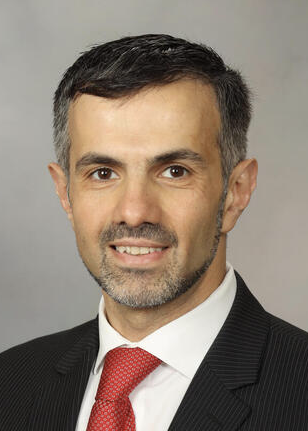 Mohamad Alkhouli合作论文数Division of Interventional Cardiology and Ischemic Heart Disease, Department of Cardiovascular Medicine, Mayo Clinic4Jeffrey Winder合作论文数3Pradyumma Agasthi合作论文数3Rayan Suliman合作论文数3
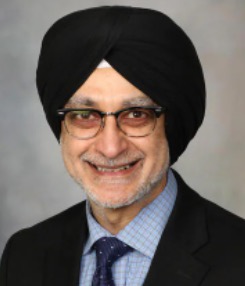 Mandeep Singh合作论文数School Of Public Health, Johns Hopkins Bloomberg3
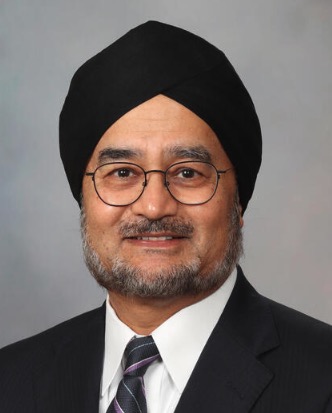 Charanjit S. Rihal合作论文数Division of Cardiovascular Diseases, Department of Internal Medicine, Mayo Clinic;Division of Interventional Cardiology, Department of Cardiovascular Medicine, Mayo Clinic3Farouk Mookadam合作论文数Div Cardiovasc Dis, Mayo Clin3Panwen Wang合作论文数The University of Hong Kong, University of Hong Kong3Shahyar Gharacholou合作论文数2Kevin G. Tayon合作论文数2Mayra Guerrero合作论文数2S. Gharacholou合作论文数2Marlene Girardo合作论文数2Mays Ali合作论文数2Goyal Umadat合作论文数2
 Nithin Venepally合作论文数Department of Cardiovascular Diseases, Mayo Clinic2
 Parth Patel合作论文数Institute of Health Informatics, University College London2Colleen T Ball合作论文数2Yuxiang Wang合作论文数2Alexander Ghannam合作论文数2Charles Ritchie合作论文数Mayo Clin, Intervent Radiol, Jacksonville, FL 32224 USA2
 Justin Z. Lee合作论文数Department of Medicine, University of Arizona2Mergo Patricia J合作论文数2
 Chiang Chia-Chun合作论文数Mayo Clinic2




