Objective: This study reports the procedural, short and medium term outcomes in patients receiving multiple implants for device closure of secundum atrial septal defects (ASD).Design and setting: From the database of the Toronto Congenital Cardiac Centre, 36 consecutive patients (mean age 46 +/- 15 years; 23 females) received > 1 implant for closure of an interatrial communication. Short term (mean 97 +/- 77 days) and medium term (mean 2.5 +/- 1.4 years) follow-up data were analyzed. Procedures were performed under intracardiac echo (ICE) and fluoroscopic guidance.Results: The Amplatzer Septal Occluder (ASO (TM)) was implanted in all except one. Thirty-one patients had 2, and 4 patients, 3 ASO (TM) devices. There were no major adverse events at implantation or on follow-up. Patients with > NYHA class I symptoms fell from 44% to 6% (p < 0.05) at 3 months. Right ventricular (RV) systolic pressure fell from 39 +/- 7 to 32 +/- 4 mm Hg in the short term (p < 0.05), and to 30 +/- 4 mm Hg in the medium term (p < 0.05, compared to baseline) and RV diameters fell from 48 +/- 5 to 40 +/- 5 (p < 0.05) in the short term and to 38 +/- 8 mm (p=ns) in the medium term. Small residual leaks were present in 22% at 3 months and 12% (p < 0.05) at 1 year.Conclusion: Multiple ASD device implants can be safely employed with excellent outcomes. Significant reductions in RV pressure and diameter occur in the short term with a continued trend to benefit. (c) 2008 Elsevier Ireland Ltd. All rights reserved.
Atrial tachyarrhythmias (ATs) contribute substantially to morbidity in adult patients with secundum atrial septal defects (ASDs). The purpose of this study was to prospectively determine the incidence of AT in adults with an ASD and identify predictors of AT occurrence after closure. This was a prospective study of 200 adult patients undergoing closure of a secundum ASD. Arrhythmic events were defined as sustained or symptomatic AT requiring treatment. Twenty percent of patients (mean age 50 +/- 17 years; 26% men) referred for ASD closure had a history of AT. Early follow-up was available for 90% of patients, and the prevalence of AT was 17%. Of 171 patients with late follow-up (mean 1.9 +/- 0.9 years), data were available for 90%. AT was detected in 16% of these patients. Closure resulted in alleviation of symptoms (p <0.001), but symptoms alone did not identify patients at risk of recurrent AT. After closure of the ASD, the likelihood of remaining arrhythmia free was highest in patients without a history of AT (p = 0.001) and those <40 years at closure (p = 0.04). In conclusion, transcatheter ASD closure in patients without a history of arrhythmias and those <40 years of age conferred the highest likelihood of a patient remaining arrhythmia free in follow-up. An arrhythmia-specific treatment strategy should be considered for patients with documented established AT before ASD closure, in addition to shunt relief.
A patent foramen ovale (PFO) is a common structural cardiac variant occurring in approximately 30% of the general population. Patients are usually asymptomatic because the defect is flap-like and does not permit significant left-to-right shunting. However, pathological conditions that result in cardiac rotation or higher than normal right atrial pressures can reverse the normal left atrial to right atrial pressure gradient and cause a right-to-left shunt through a PFO. If the right-to-left shunt is persistent, systemic hypoxemia or paradoxical emboli may result. The present report describes a case of refractory hypoxemia in a critically ill patient with a PFO who had a right-to-left shunt with normal right-sided cardiac pressures.
Background: Patent foramen ovale (PFO) is present in 40% of patients with cryptogenic stroke and may be associated with paradoxical emboli to the brain. Therapeutic options include antiplatelet agents, anticoagulation, percutaneous device and surgical closure. We assessed the hypothesis that there are differences in rates of recurrent TIA or stroke between patients in the four treatment groups. Methods: Patients presenting from January 1997 with cryptogenic stroke or TIA and PFO were followed prospectively until June 2003. Treatment choice was made on an individual case basis. The primary outcome was recurrent stroke. The secondary outcome was a composite of stroke, TIA, and vascular death. Results: Baseline. Our cohort consisted of 121 patients; 64 (53%) were men. Median age was 43 years. Sixty-nine percent presented with stroke and 31% with TIA. One or more vascular risk factor was present in 40%. Atrial septal aneurysm (ASA) was present in 24%. Treatment consisted of antiplatelet agents (34%), anticoagulation (17%), device (39%) and surgical closure (11%). Follow-up. Recurrent events occurred in 16 patients (9 antiplatelet, 3 anticoagulation, 4 device closure); 7 were strokes, 9 were TIA. Comparing individual treatments there was a trend toward more strokes in the antiplatelet arm (p=0.072); a significant difference was seen for the composite endpoint (p=0.012). Comparing closure versus combined medical therapy groups, a significant difference was seen for primary (p=0.014) and secondary (p=0.008) outcomes, favoring closure. Age and pre-study event predicted outcome. Conclusion: Patent foramen ovale closure was associated with fewer recurrent events. Complications of surgical and device closure were self-limited.
Coarctation of the aorta is a common congenital lesion that may often be repaired or intervened upon early in life. The management of patients with this disorder revolves around the concept that although the coarctation may be treated, what remains is a diffuse systemic cardiovascular disorder. Careful clinical care and investigation is required to reduce morbidity from recurrent disease and residual lesions. The natural and modified history of the disorder is reviewed. This article focuses on the clinical care of adults with repaired coarctation and includes a review of clinical goals and investigation as well as indications for reintervention.
The role of heart catheterization continues to evolve as the sophistication of cardiac MRI and CT improves and the breadth of interventional catheter techniques widens. This analysis is approached from four perspectives: (1) planning of the procedure, including information required, potential pitfalls, and equipment; (2) performance of the procedure, including sample run, coronary arteriography, chamber angiography, and angiography of selected lesions; (3) current role of heart catheterization, considering the impact of echo, MRI, and CT on indications for catheterization procedures and current interventional procedures; and (4) new and emerging interventions and speculation as to the future role of diagnostic heart catheterization in patients who have adult congenital heart disease.
One year after Amplatzer™ device closure of an atrial septal defect, an aortic to left atrial fistula was diagnosed in a patient who developed a new onset murmur with no other symptoms. The fistula was closed with a 4‐mm Amplatzer Septal Occluder™ during a transcatheter procedure, avoiding the need for cardiac surgical repair. © 2006 Wiley‐Liss, Inc.
Background: Interventional procedures in adults with congenital cardiac conditions often require insertion of large-sized sheaths into the femoral veins. Data on the use of suture-mediated devices for femoral venous access site closure are scant and no data are available regarding venous patency after device use. Objective: To assess the efficacy of the 6Fr Perclose (Abbott Vascular Devices, CA, USA) suture-mediated device in achieving haemostasis and venous patency after closure. Design and setting: 146 consecutive patients (80 women, mean (SD) age 45 (14) years) undergoing closure of 205 femoral venous access sites in a tertiary cardiac centre were studied. All received heparin and were taking concomitant aspirin or clopidogrel, or both. The majority (98%) had a ⩾10Fr sheath inserted. Results: Immediate haemostasis was achieved in 202 (99%) sites. Two patients (1.4%) had a major complication. On follow-up (111 patients, mean (SD) 71 (33) days) there was no evidence of haematoma or fistula formation. Doppler studies from a subgroup of 43 (29%) patients (mean (SD) age 45 (15) years, mean (SD) follow-up 47 (18) days) showed a common femoral venous diameter of 11.6 (2.7) mm on the device closed right and 12.2 (2.5) mm on the left vein (p>0.05). All accessed veins were patent with no pseudoaneurysm or arteriovenous fistula formation. Conclusion: Pre-closure of large-size sheath femoral venous access sites using the suture-mediated Perclose device is efficacious in achieving rapid haemostasis in the presence of anticoagulation. Doppler follow-up shows no loss of venous patency or luminal venous diameter as compared with the contralateral side.
The presence of irreversible pulmonary hypertension in patients with atrial septal defect (ASD) is thought to preclude shunt closure. We report the case of a woman with plexiform pulmonary arteriopathy secondary to an ostium secundum ASD who was able to successfully undergo percutaneous shunt closure following therapy with chronic intravenous prostacyclin (Flolan). One year after closure, the patient was weaned off Flolan over a period of 7 months following the institution of oral Bosentan therapy. Our case illustrates how aggressive vasodilator therapy with prostaglandins may be capable of reducing pulmonary artery pressure and permitting shunt closure in a patient once considered to have “inoperable” pulmonary arteriopathy.
OBJECTIVES We set out to study the effect of transcatheter closure of atrial septal defect (ASD) on right ventricular (RV) and left ventricular (LV) function assessed by myocardial performance index (MPI), as well as left atrial (LA) volumes.BACKGROUND The hemodynamic response to the closure of ASD is well-documented in surgically treated patients. However, few studies have documented echocardiographic evaluation of ventricular function in patients undergoing transcatheter closure of ASDs.METHODS Pre- and post-ASD device closure echocardiograms of 25 consecutive patients were retrospectively reviewed. Measurements of RV and LV MPI and LA volumes were made.RESULTS Twenty-five patients with an average age of 45.5 +/- 16.3 years underwent transcatheter closure of ASD. There was statistically significant improvement in RV MPI (0.35 to 0.28, p = 0.004), LV MPI (0.37 to 0.31, p = 0.04), and LA volume index (25.7 to 21.8 ml/m(2), p < 0.001) after closure of ASD.CONCLUSIONS Device closure of ASDs leads to improvement of both RV and LV function as well as reduction in LA volume. These hemodynamic improvements provide insights into the symptomatic benefits gained in closure of ASDs using the transcatheter approach. (C) 2005 by the American College of Cardiology Foundation.
The effect of maximum exercise on left ventricular function was assessed in 12 patients with normally innervated hearts (IH) and six patients with denervated hearts (DH) who had undergone cardiac transplantation. Left ventricular function was assessed by computer-assisted analysis of the motion of surgically implanted midwall myocardial tantalum markers, visualized fluoroscopically. Measurements were made at rest, and peak supine exercise in both groups of patients. The effect of atrial pacing to the heart rate achieved with peak exercise was also assessed in the patients with denervated hearts. The mean ejection fraction was increased at peak exercise in both groups of patients, although to a greater extent in patients with DH (14% vs 5%). With atrial pacing the mean ejection fraction decreased from the resting value by 4% in DH. The velocity of circumferential fiber shortening increased with peak exercise by 43% in IH and 38% in DH, but did not increase with atrial pacing in the DH group. Stroke volume index increased with peak exercise by 3% in IH and 14% in DH, but decreased by 6% with atrial pacing. There was no significant difference between end-diastolic volumes at rest, exercise or atrial pacing. Although these data may be important with milder exercise, they suggest that the preload effect was not predominant at peak exercise. By exclusion, adrenergic drive was the most important inotropic factor in the left ventricular response to peak exercise. The comparison between denervated and innervated patients' response to strenuous exercise suggests that comparably good exercise performance can be obtained by the denervated heart in the absence of normal autonomic control. Circulating catecholamines may therefore be contributing a very important inotropic action at peak ex-
BackgroundDevice closure of an atrial septal defect (ASD) results in symptom-reduction, right heart remodelling and lower pulmonary artery pressures. However it is unclear if there is a chronological limit to these benefits and whether device closure is safe in elderly subjects. The aim of this study was, therefore, to assess the safety and efficacy of device closure in patients >60 years.MethodsRetrospective study of Amplatzer Septal Occluder™ device closures from a single institution (May 1999–August 2002).ResultsFifty subjects aged >60 years (range 60–85 years) had ASD device closure (27% of the total cohort). Defect size and shunt size were similar for both younger and older groups (2.2:1 in both groups, p=0.9) as were procedural duration, fluoroscopy time and device size deployed. Baseline right ventricular (RV) systolic pressure ((younger vs. older) 39 vs. 49 mmHg, p<0.001) and right ventricular size (45 vs. 51 mm, p<0.001) were greater in the older group. Following closure RV systolic pressure (49 vs. 45 mmHg, p<0.01) and RV size (51 vs. 44 mm, p=0.01) decreased in the older group.ConclusionDevice closure of an ASD can be performed safely in older patients. The right heart shows signs of remodelling even in elderly subjects.
One hundred patients were evaluated 12 to 43 months after saphenous vein bypass surgery. The rate of progression of obstructive disease in the native vessels and changes in collateral circulation were analyzed in detail. Fifty-five per cent of preoperatively patent vessels showed progression proximal to the site of graft insertion, 40%, proximal to patent grafts; there was distal progression in only 7% of grafted vessels. The progression rate for nongrafted vessels was 14%. Patent grafts were associated with a high rate of disappearance of collaterals to the grafted vessels, while occluded grafts were associated with preservation of collaterals or appearance of new collaterals. Progression of obstructive disease in the native circulation and changes in collaterals did not prevent symptomatic improvement (93% of patients were symptomatically improved).
Catheterization and Cardiovascular InterventionsVolume 62, Issue 3 p. 421-421 Case of aortic rupture with stenting Peter McLaughlin MD, Peter McLaughlin MD University of Toronto Congenital Cardiac Centre for Adults Toronto, Ontario, CanadaSearch for more papers by this author Peter McLaughlin MD, Peter McLaughlin MD University of Toronto Congenital Cardiac Centre for Adults Toronto, Ontario, CanadaSearch for more papers by this author First published: 23 June 2004 https://doi.org/10.1002/ccd.20089Citations: 1Read the full textAboutPDF ToolsRequest permissionExport citationAdd to favoritesTrack citation ShareShare Give accessShare full text accessShare full-text accessPlease review our Terms and Conditions of Use and check box below to share full-text version of article.I have read and accept the Wiley Online Library Terms and Conditions of UseShareable LinkUse the link below to share a full-text version of this article with your friends and colleagues. Learn more.Copy URL Share a linkShare onEmailFacebookTwitterLinkedInRedditWechat No abstract is available for this article.Citing Literature Volume62, Issue3July 2004Pages 421-421 SCAI Member Sign in RelatedInformation
Coarctation of the Aorta Before and After Correction: The Role of Cardiovascular MRIEli Konen1 2, Naeem Merchant1, Yves Provost1, Peter R. McLaughlin3, Jane Crossin1 and Narinder S. Paul1Audio Available | Share
 Peter Liu合作论文数Cardiac Function Laboratory, University of Ottawa Heart Institute;Faculty of Medicine, University of Ottawa;Faculty of Medicine, University of Toronto40
 Je Morch合作论文数28
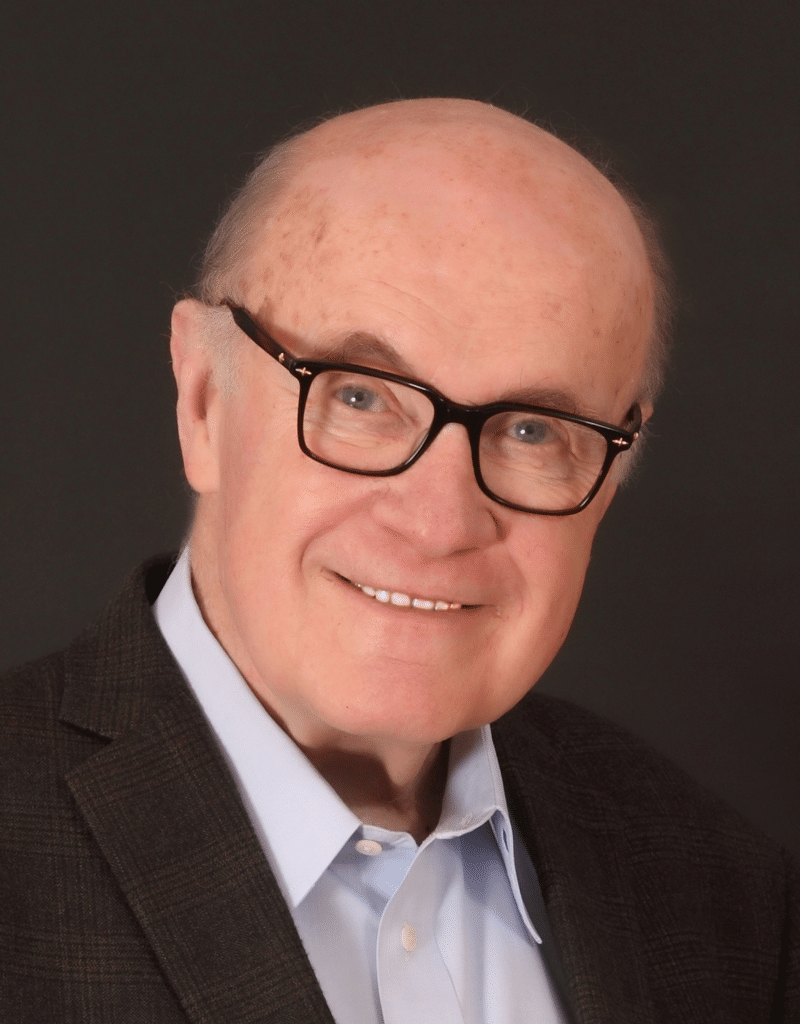 Gary D. Webb合作论文数CHiP Network27
 Joan Ivanov合作论文数26Houle S合作论文数25
 William G Williams合作论文数Division of Cardiovascular Surgery, SickKids22
 Leland Benson合作论文数Department of Paediatrics, Temerty Faculty of Medicine, University of Toronto;Hospital for Sick Children21
 Jack Goodman合作论文数Faculty of Kinesiology and Physical Education, University of Toronto18
 Stephen Fremes合作论文数Department of Surgery, Temerty Faculty of Medicine, University of Toronto;Sunnybrook Research Institute;Sunnybrook Health Sciences Centre;Institute for Clinical Evaluative Studies17Rd Weisel合作论文数16
 Richard D Weisel合作论文数Department of Surgery, Temerty Faculty of Medicine, University of Toronto;Toronto General Hospital Research Institute16Rj Burns合作论文数15
 Samuel Siu合作论文数Department of Medicine, Temerty Faculty of Medicine, University of Toronto15Mm Madonik合作论文数14Christakis George T合作论文数14Rj Baird合作论文数13VF HUCKELL合作论文数12Ben-Zion Bar-Shlomo合作论文数9
 Mike Plyley合作论文数Faculty of Physical and Health Education, University of Toronto9CA LEFKOWITZ合作论文数8Mn Druck合作论文数8DH FEIGLIN合作论文数8Hm Staniloff合作论文数8
 Eric Horlick合作论文数Toronto General Hospital Research Institute8G A Trusler合作论文数7WH Wen合作论文数7Bs Goldman合作论文数7Nd Berman合作论文数7BL SHURVELL合作论文数7Ed Wigle合作论文数7Jagdish Butany合作论文数Heart & Stroke/Richard Lewar Centre for Cardiovascular Research, Temerty Faculty of Medicine, University of Toronto7Hilton J D合作论文数7
 Robert Mark Freedom合作论文数Temerty Faculty of Medicine, University of Toronto7
 Candice Silversides合作论文数University of Toronto7S. J. Teasdale合作论文数7Chetan Varma合作论文数7Fayez Dawood合作论文数7Rd Rowe合作论文数6Bp Kimball合作论文数6L Johnston合作论文数6Connelly M S合作论文数6Donald A. G. Mickle合作论文数6Ronald J. Baird合作论文数6
 Vaikom Subramanian Mahadevan合作论文数Division of Medicine and Therapeutics;Institute of Clinical Science;University Belfast;Institute of Clinical Science, Queen ' s University Belfast6Dhi Feiglin合作论文数5He Scully合作论文数5DAG MICKLE合作论文数5Da Harrison合作论文数5Sj Seawright合作论文数5




