BACKGROUND:Approximately 1.4 vascular surgeons/100,000 persons are estimated to fulfill current patient needs in the United States (US), but an ongoing shortage exists. The aims of this study are to provide an updated nationwide state-by-state workforce analysis and compare the distribution of practicing vascular surgeons and training opportunities. METHODS:Vascular surgeons in the US were identified using the National Provider Identifier registry in 2023. Only board-certified and actively licensed vascular surgeons were included. To estimate the number of vascular surgery graduates per year in each state, integrated residency and fellowship-matched positions (trainees) were ascertained from the National Resident Matching Program website. Surgeons and trainees were totaled by state, and densities were calculated using the 2020 U.S. Census Bureau state populations. These 2 cohorts were also examined together using simple linear regression and geographic mapping. RESULTS:This study included 3,399 board-certified vascular surgeons and 228 newly matched trainees. The average densities of vascular surgeons and trainees in the US are 1/100,000 persons and 0.06/100,000 persons, respectively. The 5 states with the lowest densities of vascular surgeons are AR, ND, NV, OK, and WY, averaging 0.4/100,000 persons. 8 states (AK, ID, KS, ND, NM, NV, RI, WY) had 0 training programs offering positions in 2023 and ranked in the lowest quartile for the number of practicing vascular surgeons. Simple linear regression demonstrated a statistically significant correlation between state rates of vascular surgeons and trainees (P < 0.001). CONCLUSIONS:States with 0 training positions also have the fewest vascular surgeons per capita. Statewide attention to expanding vascular surgery training opportunities targeted in these areas could positively impact the current maldistribution and shortage of vascular surgeons.
Postoperative red blood cell transfusion guidelines recommend transfusion for hemoglobin levels less than 7 g/dL. However, the safety of this strategy in patients at high risk of cardiac events undergoing major operations remains unclear. To evaluate the risk of death or major ischemic events within 90 days after a liberal transfusion strategy compared with a restrictive transfusion strategy in patients at high risk of cardiac events who had undergone major vascular or general surgery operations and developed postoperative anemia. This parallel, single-blind, randomized clinical superiority trial included 1428 veterans (≥18 y) at high cardiac risk undergoing major vascular or general surgery operations. Participants were enrolled from February 2018 to March 2023 across 16 Veterans Affairs Medical Centers in the US. Seven hundred fourteen participants with postoperative hemoglobin less than 10 g/dL were randomized to a liberal strategy (transfusion trigger at hemoglobin level <10 g/dL) and 714 to a restrictive strategy (transfusion trigger at hemoglobin <7 g/dL). The primary end point was a composite of all-cause death, myocardial infarction, coronary revascularization, acute kidney failure, or ischemic stroke within 90 days after randomization. Secondary end points included a composite of cardiac complications other than myocardial infarction (arrhythmias, heart failure, and nonfatal cardiac arrest). Of the 1424 analyzed veterans (mean age, 69.9 [SD, 7.9] years; 1393 male [97.8%]; 268 Black [18.8%]; 48 Hispanic [4.1%]; 1071 White [75.2%]), 1297 (91.1%) underwent vascular surgical procedures. The mean hemoglobin difference between transfusion strategies was 2.0 g/dL on day 5 after randomization. The primary outcome rate in the liberal group was 9.1% (61 of 670) compared with 10.1% (71 of 700) in the restrictive group (relative risk, 0.90; 95% CI, 0.65-1.24). The secondary end point of cardiac complications without myocardial infarction, which was 1 of 5 secondary end points, occurred in 5.9% (38 of 647) of patients in the liberal group and 9.9% (67 of 678) of patients in the restrictive group (relative risk, 0.59; 99% CI, 0.36-0.98). After major vascular or general surgery operations among patients at high risk of a cardiac event, a liberal transfusion strategy did not reduce 90-day death or major ischemic outcome rates compared with a restrictive strategy. ClinicalTrials.gov Identifier: NCT03229941
Amputation disparities due to diabetes and peripheral artery disease occur among vulnerable and historically mistreated populations. In Oklahoma, some of the highest amputation rates occur in Indigenous residents. Knowing that primary care providers are often the first to tackle prevention and assess at-risk limbs, we sought to understand the historical efforts made by primary care providers in this high-risk population. This scoping review evaluates the literature to summarize prior amputation prevention interventions and their characteristics, including the outcome metrics used among Indigenous populations in the United States. We searched MEDLINE using a combination of Medical Subject Headings and keywords related to amputation, limb preservation, limb salvage, and American Indian and Indigenous health inequities or disparities and ethnicity. We conducted our final search on October 4, 2024, including articles in English and those that focused on primary care practice-based interventions. We excluded case reports, trauma- or oncologic-related amputations, or articles describing interventions not conducted in the United States. We identified 404 articles and 3 fit the review criteria. All interventions were analyses of programs to improve diabetes care. All interventions occurred between 1986 and 2001 and were multilevel in structure. Intervention strategies used included expanded infrastructure, provider and patient education, implementation of clinical workflow and provider metrics, community awareness projects, foot-care expertise and footwear, and field visits. No interventions specifically targeted peripheral artery disease. This scoping review identifies a significant contemporary gap in amputation reduction interventions among Indigenous populations in the United States and highlights multiple areas where interventions may be needed to combat ongoing amputation disparities for a high-risk population. Published by Elsevier Inc.
BACKGROUND:Childhood abuse, neglect, and household dysfunction, collectively known as adverse childhood experiences (ACEs), are strongly associated with the development of severe outcomes from chronic diseases, including ischemic heart attacks and stroke. ACEs also contribute to a higher risk of adult hardships, which increases the risk of health risk behaviors, chronic disease, and social problems. In this study, we describe the period prevalence of ACEs in a patient population with peripheral artery disease (PAD) and explore the relationship between childhood adversity, adult hardships, and PAD severity, such as the need for surgical procedures, among patients with PAD. METHODS:In this survey-based, cross-sectional study, individuals with PAD were recruited at an academic outpatient vascular surgery clinic (2022-2025). The survey included five questions about adult hardships-self-reported financial, food, medical, and housing insecurity in the past year-and 10 questions based on the original Centers for Disease Control and Prevention-Kaiser Permanente ACE study. We collected cardiovascular disease-related and amputation surgical procedure data from patient charts. PAD severity was determined by minor (eg, peripheral stent) or major (eg, amputation) surgical procedures and ankle-brachial index and toe-brachial index scores. The Wilcoxon rank-sum test and Fisher exact and χ2 tests were used to assess differences in ACE or adult hardship scores as either continuous or categorical variables, respectively, in relation to cardiovascular disease-related surgical procedures. RESULTS:A total of 138 participants with PAD were included in the final analysis. Most respondents identified as male (55.8%, n = 77) and White (65.9%, n = 91). For childhood adversity, 37.0% (n = 51) reported experiencing no ACEs, 24.6% (n = 34) reported one ACE, 10.9% (n = 15) reported two ACEs, 10.1% (n = 14) reported three ACEs, and 17.4% (n = 24) reported at least four ACEs. The patient characteristics associated with a high number of ACEs included women, single individuals, Black individuals, and those living in poverty. The median ACE score was significantly higher for those who reported the following adult hardships compared with those who did not: not getting enough to eat (median, 3.0 vs 1.0; P < .001), being behind on bills (median, 2.0 vs 0.0; P < .001), and experiencing disconnected utilities (median, 3.0 vs 1.0; P = .001). No statistically significant association was noted between reporting ACEs and PAD severity or adult hardships and PAD severity. CONCLUSIONS:Our findings suggest that a greater number of ACEs may indirectly contribute to an individual's risk for adult hardships in the PAD population, potentially placing these patients at higher risk of poor health outcomes. We did not find evidence to support a significant relationship between ACEs and PAD severity. Additional modifiable risk factors deserve ongoing analysis for improved management of patients with PAD.
Despite advances in care and technology, there is an increase in the number of patients in the United States requiring nontraumatic lower extremity amputations for complications due to end-stage peripheral arterial disease and diabetes. Few studies have evaluated patients' perspectives on barriers to limb salvage before major lower extremity amputation. We hypothesized that we would identify universal themes regarding obstacles that impede limb salvage, as experienced by patients. We completed 15 semistructured interviews with adult patients who underwent at least one major lower extremity amputation (ie, above or below knee) to manage complications of diabetes and/or peripheral arterial disease. Using purposeful sampling, we recruited participants from a large tertiary referral vascular surgery clinic identified via an electronic medical record query. All interview recordings were transcribed, and then two team members—using a theory-driven deductive process—coded each transcription independently. The research team met to reconcile discrepancies, reach a consensus, and refine our codebook. Saturation was reached. Searching for core concepts, the coded transcripts were continuously analyzed to identify themes. The mean age of our respondents was 61.5 years; 66.7% were male, 80% were unmarried, and 40% were non-White. The mean and median distance traveled to health care services were 11 (standard deviation 7) miles and 8 (2, 26) miles, respectively. The most common barrier patients cited was a perceived difficulty accessing providers with sufficient training in vascular health. For instance, participants frequently mentioned difficulty obtaining a referral, inadequate care, and misdiagnosis. Additional themes included concerns with patient-provider communication, a shortage of shared decision-making, and a need for more personal awareness of amputation risk. Finally, participants reported a tendency to delay seeking care, citing gaps in health insurance, transportation challenges, and fear of increasing financial burden. The Fig is a visual representation of the frequency of language and themes. Patients reported barriers to limb salvage at the health care, patient-provider, and individual levels. They most often cited concerns centering around access to providers trained in vascular health. This service gap may contribute to the communication failures and inadequate care reported by participants. Notably, financial and transportation issues were ongoing concerns, impacting personal delays. Implementable opportunities include educating PCPs and patients about amputation risk and prevention strategies and developing systems-based solutions through outreach and collaboration networks. Further research is needed to confirm if similar and additional themes would emerge at a regional and national level.
OBJECTIVE:Annual trends of lower extremity amputation due to end-stage chronic disease are on the rise in the United States. These amputations are leading to massive expenses for patients and the medical system. In Oklahoma, we have a high-risk population because access to care is low, the number of uninsured is high, cardiovascular health is poor, and our overall health care performance is ranked 50th in the country. But we know little about Oklahomans and their risk of limb loss. It is, therefore, imperative to look closely at this population to discover contemporary rates, trends, and state-specific risk factors for amputation due to diabetes and/or peripheral arterial disease (PAD). We hypothesize that state-specific groups will be identified as having the highest risk for limb loss and that contemporary trends in amputations are rising. To create implementable solutions to limb preservation, a baseline must be set. METHODS:We conducted a 12-consecutive-year observational study using Oklahoma's hospital discharge data. Discharges among patients 20 years or older with a primary or secondary diagnosis of diabetes and/or PAD were included. Diagnoses and amputation procedures were identified using International Classification of Disease-9 and -10 codes. Amputation rates were calculated per 1000 discharges. Trends in amputation rates were measured by annual percentage changes (APC). Prevalence ratios evaluated the differences in amputation rates across demographic groups. RESULTS:Over 5,000,000 discharges were identified from 2008 to 2019. Twenty-four percent had a diagnosis of diabetes and/or PAD. The overall amputation rate was 12 per 1000 discharges for those with diabetes and/or PAD. Diabetes and/or PAD-related amputation rates increased from 8.1 to 16.2 (APC, 6.0; 95% confidence interval [CI], 4.7-7.3). Most amputations were minor (59.5%), and although minor, increased at a faster rate compared with major amputations (minor amputation APC, 8.1; 95% CI, 6.7-9.6 vs major amputation APC, 3.1; 95% CI, 1.5-4.7); major amputations were notable in that they were significantly increasing. Amputation rates were the highest among males (16.7), American Indians (19.2), uninsured (21.2), non-married patients (12.7), and patients between 45 and 49 years of age (18.8), and calculated prevalence ratios for each were significant (P = .001) when compared within their respective category. CONCLUSIONS:Amputation rates in Oklahoma have nearly doubled in 12 years, with both major and minor amputations significantly increasing. This study describes a worsening trend, underscoring that amputations due to chronic disease is an urgent statewide health care problem. We also present imperative examples of amputation health care disparities. By defining these state-specific areas and populations at risk, we have identified areas to pursue and improve care. These distinctive risk factors will help to frame a statewide limb preservation intervention.
Background: Establishing a forearm arteriovenous fistula (AVF) offers preferred cannulation sites and preserves proximal access opportunities. When a radiocephalic AVF at the wrist is not feasible and the upper arm cephalic and median cubital veins are inadequate, an AV graft or more complex access procedure is often required. Creating a retrograde flow forearm AVF (RF-AVF) is a valuable alternative where the mid-forearm median antebrachial or cephalic vein is adequate, offering forearm cannulation zones with AVF outflow through deep and superficial collaterals. We report our technique and results. Methods: We retrospectively reviewed our vascular access data base of consecutive patients during an 11-year study period where a RF-AVF established the only available cannulation target in the forearm. In addition to physical examination, all patients had ultrasound vessel mapping. Results: A forearm access was established with a RF-AVF as the only opportunity for cannulation in 48 patients. Ages were 14-86 years (median = 62 years). Forty-four percent female, 63% diabetic, 13% obese, and 29% had previous access operations. Inflow was proximal radial artery in 47 individuals and one proximal ulnar. Nine AVFs (19%) failed at 2-66 months (median 14 months). One RF-AVF was ligated due to arm edema. Follow-up was 2-111 months (median = 23.5 months). Primary and cumulative patency rates were 62% and 91% at 12 months, and 46% and 85% at 24 months. Five patients were lost to follow-up with functioning RF-AVFs (mean 41 months). Twenty-three patients (48%) died during F/U of causes unrelated to access procedures (mean 25 months). Conclusions: Establishing a reverse flow forearm AVF offers a successful autogenous access option in the forearm for selected patients with an inadequate distal radial artery and/or cephalic vein at the wrist, avoiding more complex or staged procedures and preserving upper arm sites for future use. A proximal radial artery inflow procedure is recommended.
OBJECTIVE:End-stage renal disease (ESRD) in childhood and adolescence is rare, with relatively few published reports of pediatric ESRD vascular access. This study analyzes a 10-year experience creating arteriovenous fistulas (AVFs) in children and adolescents. Our goal is to review our strategy for creating functional autogenous vascular access in younger patients and report our results. METHODS:We retrospectively reviewed data and outcomes for consecutive vascular access patients aged ≤19 years during a 10-year period. Each patient had preoperative vascular ultrasound mapping by the operating surgeon in addition to physical examination. A distal forearm radiocephalic AVF was the first access choice when feasible, and a proximal radial artery inflow AVF was the next option. Demographic data, inflow artery, venous outflow target, and required transposition vs direct AVFs were variables included in the analysis. Primary and cumulative patency were calculated by Kaplan-Meier analysis. RESULTS:Thirty-seven AVFs were created in 35 patients. No grafts were used. Ages were 6 to 19 years (mean, 15 years), and 20 were male. Causes of ESRD included glomerular disease (n = 18) and urinary obstruction or reflux (n = 7), among others. Three had previous AVFs, and 10 were obese. The proximal radial artery supplied AVF inflow in 25 patients and the brachial artery in only seven. Eleven individuals required a transposition and one a vein translocation to the contralateral arm. No patients developed hand ischemia, although two later required banding procedures for high flow. Eleven patients had successful transplants. A single patient died, unrelated to the vascular access. Five AVFs failed. Of these, two had new successful AVFs created, two regained renal function, one was transplanted, and one declined other procedures. Primary and cumulative patency rates were 75% and 85% at 12 months, 70% and 85% at 24 months, and 51% and 85% at 36 months, respectively. Median follow-up was 16 months. CONCLUSIONS:Creating an AVF for hemodialysis is a successful vascular access strategy for pediatric and adolescent patients. Proximal radial artery AVFs provided safe and functional access when a distal AVF was not feasible. Cumulative AVF patency was 85% at 36 months.
BACKGROUND:There is substantial uncertainty regarding the effects of restrictive postoperative transfusion among patients who have underlying cardiovascular disease. The TOP Trial's objective is to compare adverse outcomes between liberal and restrictive transfusion strategies in patients undergoing vascular and general surgery operations, and with a high risk of postoperative cardiac events. METHODS:A two-arm, single-blinded, randomized controlled superiority trial will be used across 15 Veterans Affairs hospitals with expected enrollment of 1520 participants. Postoperative transfusions in the liberal arm commence when Hb is <10 g/ dL and continue until Hb is greater than or equal to 10 g/dL. In the restrictive arm, transfusions begin when Hb is <7 g/dL and continue until Hb is greater than or equal to 7 g/dL. Study duration is estimated to be 5 years including a 3-month start-up period and 4 years of recruitment. Each randomized participant will be followed for 90 days after randomization with a mortality assessment at 1 year. RESULTS:The primary outcome is a composite endpoint of all-cause mortality, myocardial infarction (MI), coronary revascularization, acute renal failure, or stroke occurring up to 90-days after randomization. Events rates will be compared between restrictive and liberal transfusion groups. CONCLUSIONS:The TOP Trial is uniquely positioned to provide high quality evidence comparing transfusion strategies among patients with high cardiac risk. Results will clarify the effect of postoperative transfusion strategies on adverse outcomes and inform postoperative management algorithms. TRIAL REGISTRATION:http://clinicaltrials.gov identifier: NCT03229941.
BACKGROUND:There is a significant shortage of vascular surgeons in the United States and projections for these practicing surgical specialists continue to worsen. Annual appraisal of our workforce recruitment and growth is imperative. MATERIALS AND METHODS:Retrospective data were analyzed using the National Resident Matching Program from 2012-2022 applicant appointment years (specialty code for vascular surgery 450). Simple linear trend analysis was performed for the number of positions available and the number of applicants, stratified by fellowship or residency. RESULTS:Over the 10-year study period, the total vascular surgery trainee positions expanded from 161 to 202. Integrated residency positions increased (41 positions in 2012 vs. 84 in 2022) while available fellowship positions remained stagnant (120 in 2012 vs. 118 in 2022). Total applicants rose as well, from 213 to 311. In 2022, unmatched applicants have increased for both paradigms (25 fellowship and 84 residency applicants) and 100% of programs filled. On average, the number of residency positions offered increased by 4 each year (P < 0.0001) and the number of fellowship positions increased by 0.5 each year (P = 0.1617). The number of integrated residency applicants increased by approximately 9 per year (P = 0.001), while the number of fellowships applicants increased by approximately 1.5 per year (P = 0.121). CONCLUSIONS:Applicants for both vascular tracks have increased since 2012 indicating successful recruitment; however, all 2022 programs filled, leaving many applicants unmatched. Residency positions have continued to expand while fellowship positions have not. With the demonstrated surge among applicants, the disproportionate lack of increasing training positions, and the existing shortage of vascular surgeons, there is an urgency to meet the increasing demand. A concerted effort should be made toward adding additional residency and fellowship positions where feasible.
Frailty is defined as a state of decreased physiologic reserve contributing to functional decline and adverse outcomes. Racial disparities in frail patients have been described sparsely in the literature. We aimed to assess whether race influences frailty status in geriatric patients undergoing revascularization for peripheral artery disease (PAD) with chronic limb-threatening ischemia (CLTI). A 5-year analysis of the National Surgical Quality Improvement Program database included all geriatric (65 years and older) patients who underwent revascularization for lower extremity PAD with CLTI. The frailty index was calculated using a 11-variable modified frailty index and a cutoff of 0.27 indicated frail status. The primary outcome was an association of race or ethnicity with frailty status. We included 7,837 geriatric patients who underwent a surgical procedure (open: 55.2%) for PAD with CLTI. Mean age of patients was 75.4 years, 63.8% were male, 24.1% (n = 1,889) were frail, and 21.8% (n = 1,710) were African American (AA). Overall complication rate was 11.2% (n = 909) and overall mortality rate was 1.9% (n = 148). AA patients were more likely to be frail than White patients (29.6% v 23.9%; P = .03). AA and Hispanic patients were more likely to have complications (P = .03 and P = .001) and require readmission (P = .015 and P = .001) compared with White and non-Hispanic patients, respectively. Frail AA and frail Hispanic patients were more likely to have 30-day complications and readmission compared with frail White and frail non-Hispanic patients, respectively. Race and ethnicity influence frailty status in geriatric patients with PAD and CLTI. These disparities exist regardless of age, sex, comorbid conditions, and type of operative procedure. Additional studies are needed to highlight disparities by race and ethnicity to identify potentially modifiable risk factors to improve outcomes.
Obesity is considered one of the independent risk factors for atherosclerosis and is strongly correlated with cardiovascular morbidity and mortality. Previous studies showed carotid intima-media thickness (CIMT), flow-mediated dilation (FMD), and nitrite-mediated dilatation (NMD) are reliable non-invasive markers of arterial damage and dysfunction. The aim of this study was to evaluate the effect of bariatric surgery on CIMT, FMD, and NMD markers in patients with obesity. A systematic search was performed in the PubMed, Embase, Scopus, and Web of Science databases until May 2022. All the English-published studies on the effect of bariatric surgery on CIMT, FMD, and NMD were included. A quantitative meta-analysis was performed, as well as subgroup analyses for the type of procedure and duration of follow-up. Meta-analysis of 41 studies with 1639 patients showed CIMT was significantly reduced by .11 mm after bariatric surgery (95% CI, -.14 to -.08; P < .001; mean follow-up = 10.8 mo). The pooled analysis of 23 studies with 1106 patients showed an increase of FMD by 4.57% after bariatric surgery (95% CI, 2.69-6.44; P < .001; mean followup = 11.5 mo). The results of a pooled analysis of 12 studies with 346 patients showed a significant increase of NMD by 2.46% after bariatric surgery (95% CI, .99-3.94; P < .001; mean follow-up = 11.4 mo). The random effect meta-regression demonstrated that baseline CIMT and FMD significantly affect the changes in CIMT and FMD. This meta-analysis showed bariatric surgery can improve CIMT, FMD, and NMD markers in patients with obesity. These improvements show the known effect of metabolic surgery in decreasing cardiovascular risk.
INTRODUCTION:The PReferences for Open Versus Endovascular Repair of Abdominal Aortic Aneurysm (PROVE-AAA) trial aimed to determine the efficacy of a validated decision aid to enable better alignment between patient preference and their ultimate repair. We sought to determine the key factors influencing the decision-making of veterans for endovascular repair of abdominal aortic aneurysm (EVAR) or open surgical repair (OSR). METHODS:A total of 235 veterans in the PROVE-AAA trial were asked their information sources regarding repairs, employment status, and preferred intervention. Answers were coded and analyzed using conventional content analysis to generate nonoverlapping themes, then stratified by employment status. RESULTS:Forty-two patients (17.8% of enrollees) provided their source of information for OSR prior to using a decision aid. 81% of retired veterans were greater than 70 y old, while 58% of nonretired veterans were greater than 70 (P = 0.003). The most common information source was from a vascular surgeon/professional or unspecified MD/other health professionals (51.4%), while sources from outside this group made up the remaining 48.5%. The most preferred procedure was EVAR. However, nonretired individuals were more likely to prefer OSR. These data on information source and preferred procedure were similar in patients who provided their source for EVAR. CONCLUSIONS:Veterans in the PROVE-AAA study were more likely to be retired and more likely to rely on information from an unspecified MD/other health professionals for EVAR. Although both retired and nonretired veterans preferred EVAR the most, nonretired veterans were more likely to prefer OSR despite being younger.
Introduction: Vulnerable and underrepresented groups at risk for limb loss are common in Oklahoma — including one of the highest proportions of American Indians and uninsured of any state. This study is the first to examine contemporary non-traumatic amputation trends in Oklahoma. Methods: We conducted a 12-consecutive-year observational study using Oklahoma’s hospital discharge data from 2008-2019. Discharges among patients over 19 years of age with a primary or secondary diagnosis of diabetes and/or peripheral arterial disease (PAD) were included. Diagnoses and amputation procedures were identified using ICD-9 and ICD-10 codes. Amputation rates were calculated per 1,000 discharges. Trends in amputation rates were measured by annual percentage changes (APC) using Joinpoint. Differences in amputation rates across demographic groups were evaluated by prevalence ratios using SAS. Results: Over 5,000,000 discharges were identified—24% included a diabetes and/or PAD diagnosis. The overall amputation rate was 12 among discharges with diabetes and/or PAD and increased from 8.6 to 16.2 (APC: 6.0, 95% CI:4.7-7.3). Minor amputations represented 60% of all amputations and increased more rapidly (APC: 8.1, 95% CI:6.7-9.6) than major amputations (APC: 3.1, 95% CI:1.5-4.7). Amputation rates were the highest in the 45-49 years age group (18.8), males (16.7), American Indians (19.2), uninsured (21.2), and non-married patients (12.7). These disparities were associated with significant prevalence ratios (p = 0.001). Conclusion: The amputation rate in Oklahoma has nearly doubled in 12 years with minor amputations increasing at a more rapid rate. Risk factors unique to Oklahoma will help frame a statewide limb salvage program.
Background Venous thromboembolism (VTE) is commonly associated with hypercoagulability in patients with cancer; however, there have been few investigations of VTE as the first sign of malignancy and even fewer performed in the United States. The aim of our study was to evaluate the incidence and predictors of unrecognized malignancy in patients presenting with VTE. Methods We performed a 1-year retrospective analysis of the Nationwide Readmission Database, including patients aged 18 years or older, presenting with a primary diagnosis of deep vein thrombosis (DVT) or a pulmonary embolism (PE). Patients known to have preexisting malignant diseases were excluded. Outcomes included the rate of newly diagnosed malignancy within 6 months from the discovery of VTE and demographic or associated illness predictors for the diagnosis of malignancy. A regression analysis was performed, based on which a VTE malignancy score was developed. Results A total of 116,048 patients were identified with VTE (49.8% DVT, 41.7% PE, 8.6% DVT and PE), 16% (n = 18,294) with malignancy. Of the remaining 97,754 patients, 31% were readmitted within 6 months. The incidence of newly diagnosed malignancy within 6 months was 2.4% (n = 2354). The most common malignancies were gastrointestinal in origin (29.2%). Demographic and diagnostic predictors for malignancy included age 65 years or older, female sex, inferior vena cava (IVC) thrombus, upper extremity thrombus, and a Charlson Comorbidity Index score of 5 or more. Receiver operating characteristic curve analysis found a cutoff VTE Malignancy score of 3 (sensitivity, 86%; specificity, 89%) to be predictive of an increased risk of a newly discovered malignancy within 6 months. Conclusions VTE can be a risk indicator of underlying malignancy. Validation of a patient risk stratification score using multiple demographic or comorbid predictors for VTE on index admission may offer an opportunity for earlier diagnosis of occult malignancy.
 Kelly Kempe合作论文数28
 Scott A. Berceli合作论文数Department of Surgery, University of Florida College of Medicine19William C. Jennings合作论文数18
 Viraj Pandit合作论文数Variable Energy Cyclotron Centre14W. Anthony Lee合作论文数13Kimberly Zamor合作论文数12Hyein Kim合作论文数12
 Salvatore T Scali合作论文数Department of Surgery, University of Florida Health;Non-invasive Vascular Ultrasound Laboratory, Univeristy of Florida;University of Florida Division of Vascular Surgery and Endovascular Therapy10Robert J. Feezor合作论文数10K. Craig Kent合作论文数10
 Juell Homco合作论文数9Adam Tanious合作论文数9
 Thomas S Huber合作论文数Department of Surgery, College of Medicine, University of Florida9
 Murray Shames合作论文数College of Medicine, University of South Florida9
 Leila Mureebe合作论文数Department of Surgery, School of Medicine, Duke University School of Medicine8
 Philip Ades合作论文数Department of Neurological Sciences, Larner College of Medicine, The University of Vermont8Kerri A. O’Malley合作论文数Department of Surgery, University of Florida College of Medicine8Wato Nsa合作论文数7Vernon Horst合作论文数7Spangler Emily L合作论文数7
 Wei Zhou合作论文数Baylor College of Medicine7
 Edith Tzeng合作论文数University of Pittsburgh Medical Center7Khayree Butler合作论文数7David H. Stone合作论文数6Kenneth M DeSart合作论文数6Vivienne Halpern合作论文数6Andrew Jung合作论文数6
 Michael Barry合作论文数Mass General Research Institute;Massachusetts General Hospital;Harvard Medical School6
 Shipra Arya合作论文数Department of Surgery, Emory University;Rollins School of Public Health, Emory University;Surgical and Research Services, Atlanta VA Medical Center;Emory University, Emory University6
 Mathew D Wooster合作论文数6Brooke Benjamin S合作论文数6Bruce S. Cutler合作论文数6
 Lyle L. Moldawer合作论文数Department of Surgery, College of Medicine, University of Florida6
 Hasan H. Dosluoglu合作论文数VA Western NY Healthcare System6
 Adam Wayne Beck合作论文数6Michael S. Hong合作论文数6S Yamamura合作论文数6Ravinder Kang合作论文数5Nasir Mushtaq合作论文数5
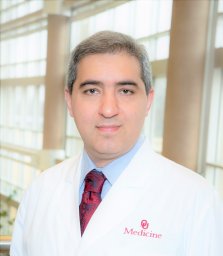 Zhamak Khorgami合作论文数Shariati Hosp, Univ Tehran Med Sci5
 Blake Lesselroth合作论文数Portland Informatics Center and Hospital and Specialty Medicine Division, Portland Oregon Veterans Affairs Medical Center5Suckow Bjoern D合作论文数5He Yong合作论文数5
 James M. Seeger合作论文数Department of Surgery, University of Florida5
 Richard Powell合作论文数University of Birmingham5
 Tze-Woei Tan合作论文数Warren Alpert School of Medicine, Brown University5Lucas Phi合作论文数4Steven Vang合作论文数4Todd Hasenstein合作论文数4




