We study the collective emission of a disordered array of N excited two-level atoms into a one-dimensional photonic waveguide. In the perfectly ordered case, where atoms are spaced by exact integer multiples of the wavelength, the system exhibits the characteristic superradiant burst with a peak emission rate scaling as N^2. Using large-scale semiclassical simulations, we find that this key signature of superradiance remains asymptotically robust under strong spatial and spectral disorder, but also exhibits subtle finite-size scaling toward this limit. To explain our observations, we provide an analytical variational estimate for the maximal decay rate, which tightly bounds the numerical results and reveals how disorder shapes the collective decay. Specifically, we find that even in the presence of strong disorder, the spins tend to self-organize spontaneously according to their locations, which overall optimizes constructive interference effects and explains the emergence of mirror-asymmetric correlations in superradiant decay. These findings resolve important open questions regarding the existence and nature of superradiance in strongly disordered arrays and offer valuable insights for understanding collective quantum optical phenomena in realistic systems.
Achieving quantum state transfer in passive ways can become a powerful asset for scalable quantum networks. Here, we demonstrate how giant atoms coupled to 1D waveguides provide a platform for such a passive, deterministic transfer. Engineering the position and strength of coupling points, we show that the nonlocal interaction can be utilized for the emission of time-reversal-symmetric single-photon wavepackets by spontaneous decay. We first derive general analytical conditions under which arbitrary qubit decays can be mapped to wavevector-dependent couplings that guarantee perfect state transfer in the continuum limit of infinitely many coupling points. Then, for experimentally relevant configurations with a finite number of coupling points, we demonstrate that high transfer fidelities can still be achieved by optimization, reaching 87
Single microwave photons can be transferred through a hot quantum channel.
In a phononic quantum network, quantum information is stored and processed within stationary nodes defined by solid-state spins, and phonons carry the information between nodes. Phonons have a number of benefits in comparison to photons, including smaller device footprints, reduced crosstalk, long cavity lifetimes at low temperatures and coupling to both solid-state spins and electromagnetic waves. Previous results on multiple platforms have demonstrated enhanced interactions between a phononic cavity and a stationary qubit. However an outstanding issue is the compatibility between the spin’s coupling to the resonant phononic cavity and the simultaneous use of pulse sequences to suppress low-frequency environmental noise. Here we demonstrate all-mechanical coherence protection of a silicon–vacancy spin in diamond. Optical initialization, quantum operations and readout are performed in a dressed basis, which is protected from low-frequency noise and compatible with a phononic cavity. We additionally show a Rabi frequency reaching 800 MHz, which enables ultrafast quantum control. Our results establish a basis for high-fidelity, phonon-mediated quantum gates and represent a crucial advance towards robust on-chip quantum phononic networks. Silicon–vacancy spins can be used in phononic quantum devices, but improvements in coherence times are still required. It has now been shown that the spin coherence can be protected by continuous driving using acoustic waves.
We analyze the autonomous stabilization of remote entanglement by driving two distant qubits with the output of a correlated photon source. By treating the qubits as idealized entanglement detectors, we develop a general framework to quantify the maximum amount of entanglement that can be remotely stabilized in this way with a given photon source. We then apply this approach to evaluate the suitability of a single driven two-level system as a minimal resource for autonomous entanglement distribution schemes. While our analysis confirms the presence of distributable entanglement in the Mollow sidebands of a bare two-level system, we show that stabilizing close to maximally entangled states requires additional filter cavities that enhance the relevant correlated emission events compared to other processes. We identify optimized driving and cavity parameters and explain the achievable amount of entanglement in different regimes in terms of an effective two-mode squeezing model. These insights are particularly relevant for quantum networks based on photons or phonons in solid-state systems, where isolated spins, impurity centers, or other two-level defects are readily available, while alternative sources of correlated photons are difficult to realize.
We describe a novel scheme for the generation of stationary entanglement between two separated qubits that are driven by a purely thermal photon source. While in this scenario the qubits remain in a separable state at all times when the source is broadband, i.e. Markovian, the qubits relax into an entangled steady state once the bandwidth of the thermal source is sufficiently reduced. We explain this phenomenon by the appearance of a quasiadiabatic dark state and identify the most relevant nonadiabatic corrections that eventually lead to a breakdown of the entangled state, once the temperature is too high. This effect demonstrates how the non-Markovianity of an otherwise incoherent reservoir can be harnessed for quantum communication applications in optical, microwave, and phononic networks. As two specific examples, we discuss the use of filtered room-temperature noise as a passive resource for entangling distant superconducting qubits in a cryogenic quantum link or solid-state spin qubits in a phononic quantum channel.
We investigate the dynamics of a lasing system that is driven by a current of bosonic (quasi-) particles via a dissipative three-mode mixing process. A semi-classical analysis of this system predicts distinct dynamical regimes, where both the cavity mode and the gain medium can undergo lasing transitions. Of particular interest is an intermediate self-pulsing phase that exhibits the characteristics of an excitable system and converts random input signals into separated, quasi-periodic pulses at the output. By performing exact Monte-Carlo simulations, we extend this analysis into the quantum regime and show that despite being dominated by huge bosonic particle number fluctuations, this effect of coherence resonance survives even for rather low average photon numbers. Our system thus represents a intriguing model for an excitable quantum many-body system with practical relevance for quantum detectors or autonomous quantum machines. As an illustration, we discuss the realization of this system with superconducting quantum circuits and its application as a number-resolved avalanche detector for microwave photons.
We present a general theoretical framework for evaluating multiphoton processes in periodically driven quantum systems, which have been identified as a versatile tool for engineering and controlling nontrivial interactions in various quantum technology platforms. To achieve the accuracy required for such applications, the resulting effective coupling rates, as well as any drive-induced frequency shifts, must be determined with very high precision. Here, we employ degenerate Floquet perturbation theory together with a diagrammatic representation of multiphoton processes to develop a systematic and automatable approach for evaluating the effective dynamics of driven quantum systems to arbitrary orders in the drive strength. As a specific example, we demonstrate the effectiveness of this framework by applying it to the study of multiphoton Rabi oscillations in a superconducting fluxonium qubit, finding excellent agreement between our theoretical predictions and exact numerical simulations, even for large driving amplitudes.
We discuss a conceptually simple scheme for cooling a one-dimensional gas of microwave photons in a superconducting transmission line. By shunting one end of the transmission line by a nonlinear Josephson element, we show how a cooling mechanism can be engineered that transfers photons from high- into low-frequency modes, while preserving their total number. We evaluate the resulting nonequilibrium steady state of the photon gas, which arises from a competition between this engineered cooling process and the natural, number nonconserving thermalization with the surrounding bath. Our analysis predicts that for realistic experimental parameters, this mechanism can be used to prepare photonic gases at submillikelvin temperatures, considerably below the typical base temperature of a dilution refrigerator. In addition, the system exhibits a new type of condensation transition that does not occur in the corresponding equilibrium scenario. As an outlook, we discuss potential applications of this cooling approach for quantum simulation schemes with interacting microwave photons.
We consider a generic model for interacting waveguide QED systems, where photons in a coupled-cavity array localize around atomic impurities while simultaneously interacting through local Kerr nonlinearities. This scenario appears naturally in nanophotonic crystals, circuit QED lattices, and ultracold atomic systems and is governed by the competition between attractive Jaynes-Cummings-mediated binding and intrinsic photon-photon repulsion. We analyze how this interplay affects the formation of localized few-photon bound states and determine the resulting many-body ground states for large periodic arrays of impurities and different filling factors. With the help of large-scale numerical simulations and approximate analytical models, we identify a rich phase diagram featuring Mott-like insulating states as well as superfluid phases with long-range correlations, which are mediated by an unbound, but strongly interacting photonic fluid.
The superradiant phase transition in the dissipative Dicke lattice model, driven by on-site collective atom-photon interactions and inter-site photon hopping, is a cornerstone of nonequilibrium quantum many-body physics. However, little is still known about the influence of boundaries in experimental achievable systems of finite size. Here we investigate the dissipative superradiant phase transition in the Dicke lattice model with a small number of sites and reveal a striking sensitivity of this model to the nature of the boundary conditions. Specifically, we find that under open boundary conditions a whole zoo of superradiant phases with broken translational symmetry appears, which is not observed in the corresponding infinite lattice system. Our results demonstrate the crucial influence of boundary effects on the stationary phases of dissipative lattice models, which offers intriguing new opportunities for studying these phenomena in near term experimental realizations of such models in quantum optics and circuit QED.
Nonreciprocity-the ability to transmit signals in one direction while blocking them in the reverse-has become a powerful resource in quantum technologies, enabling directional amplification, routing of quantum information, and topologically protected quantum states. Recent experimental advances have demonstrated nonreciprocal behavior in low-loss, fully integrated devices operating with weak or no magnetic bias, enabled by synthetic gauge fields, optomechanical interactions, and chiral light-matter coupling. These achievements overcome the limitations of more traditional approaches, making nonreciprocity compatible with superconducting circuits and scalable quantum photonic architectures as well as an integral part of the next generation of modular quantum computers, distributed quantum networks, and precision metrology. Here we highlight the key concepts for engineering nonreciprocity in quantum systems and describe how this functionality can be employed for high-fidelity qubit readout, robust quantum state transfer, and boosting the sensitivity of quantum sensors.
We study the directed transport of bosons along a one dimensional lattice in a dissipative setting, where the hopping is only facilitated by coupling to a Markovian reservoir. By combining numerical simulations with a field-theoretic analysis, we investigate the current fluctuations for this process and determine its asymptotic behavior. These findings demonstrate that dissipative bosonic transport belongs to the KPZ universality class and therefore, in spite of the drastic difference in the underlying particle statistics, it features the same coarse grained behavior as the corresponding asymmetric simple exclusion process (ASEP) for fermions. However, crucial differences between the two processes emerge when focusing on the full counting statistics of current fluctuations. By mapping both models to the physics of fluctuating interfaces, we find that dissipative transport of bosons and fermions can be understood as surface growth and erosion processes, respectively. Within this unified description, both the similarities and discrepancies between the full counting statistics of the transport are reconciled. Beyond purely theoretical interest, these findings are relevant for experiments with cold atoms or long-lived quasi-particles in nanophotonic lattices, where such transport scenarios can be realized.
We analyze the recently observed breakdown of the integer quantum Hall effect in a two-dimensional electron gas embedded in a metallic split-ring resonator. By accounting for both the quantized vacuum field and electrostatic boundary modifications, we identify a mechanism that could potentially explain this breakdown in terms of non-chiral edge channels arising from electrostatic boundary effects. For experimentally relevant geometries, a minimal single-electron model of this mechanism predicts characteristic signatures and energy scales consistent with those observed in experiments. These predictions can be directly tested against alternative, purely vacuum-induced explanations to shed further light on the origin of this puzzling phenomenon.
We study the collective decay of an initially inverted ensemble of two-level emitters in two distinct scenarios: when coupled to a squeezed photonic reservoir and when interacting with a one-dimensional waveguide. Using a quantum-state diffusion approach to unravel the emission process, we investigate entanglement and classical correlations along individual quantum trajectories over time. This numerical analysis shows that despite an initial build-up of entanglement and a significant amount of entanglement due to either spin squeezing or dark states at late times, the essential features of the superradiant burst are well described by averages over fully factorizable states. We explain this observation in terms of an almost complete factorization of all 2-local observables, which we identify as a generic property of superradiant decay. Based on this insight, we provide a purely classical theory for the burst in squeezed superradiance, which is both intuitive and exact for a large number of emitters. Moreover, we find that our numerical approach also performs well in the presence of subradiant states, which dominate the slow residual decay of non-uniform ensembles at late times.
We discuss a conceptually simple scheme for cooling a one dimensional gas of microwave photons in a superconducting transmission line. By shunting one end of the transmission line by a nonlinear Josephson element, we show how a cooling mechanism can be engineered that transfers photons from high- into low-frequency modes, while preserving their total number. We evaluate the resulting nonequilibrium steady state of the photon gas, which arises from a competition between this engineered cooling process and the natural, number non-conserving thermalization with the surrounding bath. Our analysis predicts that for realistic experimental parameters, this mechanism can be used to prepare photonic gases at sub-millikelvin temperatures, considerably below the typical base temperature of a dilution refrigerator. In addition, the system exhibits a new type of condensation transition that does not occur in the corresponding equilibrium scenario. As an outlook, we discuss potential applications of this cooling approach for quantum simulation schemes with interacting microwave photons.
We optimize matrix-product state-based algorithms for simulating quantum circuits with finite fidelity, specifically the time-evolving block decimation (TEBD) and the density-matrix renormalization group (DMRG) algorithms, by exploiting the irregular arrangement of entangling operations in circuits. We introduce a variation of the standard TEBD algorithm, we termed "cluster-TEBD", which dynamically arranges qubits into entanglement clusters, enabling the exact contraction of multiple circuit layers in a single time step. Moreover, we enhance the DMRG algorithm by introducing an adaptive protocol, which analyzes the entanglement distribution within each circuit section to be contracted, dynamically adjusting the qubit grouping at each iteration. We analyze the performances of these enhanced algorithms in simulating both stabilizer and nonstabilizer random-structured quantum circuits, with up to 1000 qubits and 100 layers of Clifford and non-Clifford gates, and in simulating Shor's quantum algorithm with up to hundreds of thousands of layers. Our findings show that, even with reasonable computational resources per task, cluster-based approaches can significantly speed up simulations of large-sized quantum circuits and improve the fidelity of the final states.
We extend the controlled displacement interaction between a qubit and a harmonic oscillator to the multi-qubit (qudit) case. We define discrete quadratures of the qudit and show how the qudit state can be displaced in these quadratures controlled by an oscillator quadrature. Using this interaction, a periodic repetition of the state encoded in the qudit, can be deterministically mapped onto the oscillator, which is initialized in a squeezed state. Based on this controlled displacement interaction, we present a full circuit that encodes quantum information in a superposition of qudit quadrature states, and successively prepares the oscillator in the corresponding superposition of approximate Gottesman-Kitaev-Preskill (GKP) states. This preparation scheme is found to be similar to phase estimation, with the addition of a disentanglement gate. Our protocol for GKP state preparation is efficient in the sense, that the set of qubits need only interact with the oscillator through two time-independent interactions, and in the sense that the squeeze factor (in dB) of the produced GKP state grows linearly in the number of qubits used.
We analyze the implementation of high-fidelity, phonon-mediated gate operations and quantum simulation schemes for spin qubits associated with silicon vacancy centers in diamond. Specifically, we show how the application of continuous dynamical decoupling techniques can substantially boost the coherence of the qubit states while increasing at the same time the variety of effective spin models that can be implemented in this way. Based on realistic models and detailed numerical simulations, we demonstrate that this decoupling technique can suppress gate errors by more than two orders of magnitude and enable gate infidelities below $\sim 10^{-4}$ for experimentally relevant noise parameters. Therefore, when generalized to phononic lattices with arrays of implanted defect centers, this approach offers a realistic path toward moderate- and large-scale quantum devices with spins and phonons, at a level of control that is competitive with other leading quantum-technology platforms.
 Peter Zoller (彼得·佐勒)合作论文数Institute for Theoretical Physics, University of Innsbruck;Institute for Quantum Optics and Quantum Information, Austrian Academy of Sciences34
 Mikhail Lukin合作论文数Lyman Laboratory, Department of Physics, Harvard University30
 Jack Harris合作论文数Department of Physics, Yale University;Department of Applied Physics, Yale University;Yale Quantum Institute, Yale University11
 S. Kolkowitz合作论文数Physics Department, Stanford University, Stanford, CA, USA10
 Steven Bennett合作论文数Dept Mech Engn, Northeastern Univ10
 Daniele De Bernardis合作论文数INO CNR BEC Ctr, Univ Trento8
 Tuomas Jaako合作论文数8Ania C. Bleszynski Jayich合作论文数8
 Stefan Rotter合作论文数Institute for Theoretical Physics, Vienna University of Technology8Yuri Minoguchi合作论文数7Quirin P. Unterreithmeier合作论文数7Julian Huber合作论文数7
 Giuseppe Calajo合作论文数Barcelona Inst Sci & Technol, ICFO Inst Ciencies Foton7Kai Stannigel合作论文数Institut für Theoretische Festkörperphysik, Universität Karlsruhe (TH),7T. J. Milburn合作论文数6
 Peter Kirton合作论文数School of Physics and Astronomy, University of St Andrews6
 Marc-Antoine Lemonde合作论文数Nord Quantique6Hossein Sadeghpour合作论文数Center for Astrophysics, Department of Astronomy, Harvard University6
 A. Safavi-Naini合作论文数Van der Waals Zeeman Inst, Univ Amsterdam5
 Mohammad Hafezi合作论文数Department of Physics, College of Computer, Mathematical, & Natural Sciences, University of Maryland;Joint Quantum Institute, University of Maryland5
 David DeMille合作论文数William H. Miller III Department of Physics & Astronomy, Krieger School of Arts & Sciences, Johns Hopkins University;Argonne National Laboratory5
 Ze-Liang Xiang (项泽亮)合作论文数School of Physics, Sun Yat-sen University5
 Robert J. Schoelkopf合作论文数Department of Applied Physics, Yale University5
 Rainer Blatt合作论文数Institut fur Experimentalphysik, Universitat Innsbruck;Institute of Quantum Optics and Quantum Information, Austrian Academy of Science5Viktor Steixner合作论文数5Philippe F. Weck合作论文数Sandia National Laboratories5
 Juan Jose Garcia-Ripoll合作论文数Inspiration-Q5
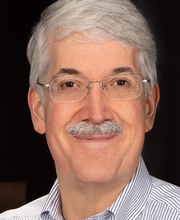 John M. Doyle合作论文数Department of Physics, Harvard University;Jefferson Laboratory of Physics, Harvard University;Okayama University5
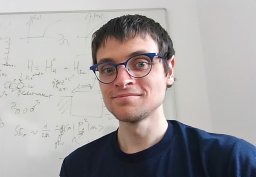 Louis Garbe合作论文数Atominst, Vienna Ctr Quantum Sci & Technol4
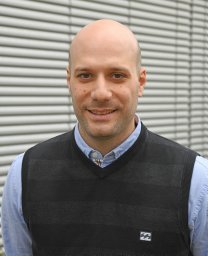 Kosmas V. Kepesidis合作论文数Faculty of Physics, LMU - Ludwig Maximilians University of Munich4
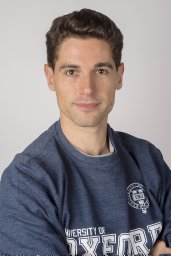 David De Francisco Marcos合作论文数Institute for Quantum Optics and Quantum Information, the Austrian Academy of Sciences4
 Klemens Hammerer合作论文数Max-Planck-Institut fur Quantenoptik4
 Stefano Portolan合作论文数Institute of Theoretical Physics, Politecnico di Torino4
 Ariel Norambuena合作论文数Ctr Invest DAiTA Lab, Univ Mayor3
 Frank Koppens合作论文数ICFO- Institute of Photonic Sciences;Axiomatic_AI;Qurv3Diehl Sebastian合作论文数3
 Ali Asadian合作论文数Institute of Atomic and Subatomic Physics, TU Wien3
 Marko Lončar合作论文数Laboratory for Nanoscale Optics, John A. Paulson School of Engineering and Applied Sciences, Harvard University3
 Liang Jiang合作论文数Pritzker School of Molecular Engineering, The University of Chicago;Amazon Web Services3
 Stephen E. Maxwell合作论文数Robert Wood Johnson Medical School, University of Medicine and Dentistry of New Jersey3
 Michael Schueler合作论文数3
 Francesco Ciccarello合作论文数Dipartimento di Fisica;Universita degli Studi di Palermo;Dipartimento di Fisica, Universita degli Studi di Palermo3
 Steven Habraken合作论文数Leiden Institute of Physics;Leiden University;Leiden Institute of Physics, Leiden University3Andrea Tomadin合作论文数3
 Vittorio Peano合作论文数Institut fur Theoretische3
 Andreas M. Lauchli合作论文数Institut Romand de3PO Fedichev合作论文数2Jeronimo R. Maze合作论文数2




