Quantifying and monitoring the sensorimotor state of persons with neurological disease by means of wearables in everyday life has been shown to be a promising approach. To date, the impact of physical activity volumes in fixed epoch approaches has been limiting the feasibility of kinematic analyses of everyday life upper limb use. Using acceleration and angular velocity signals from wrist-worn sensors, we collected data of healthy controls (n = 12) as well as persons with multiple sclerosis (n = 17) or stroke (n = 14) during everyday life during inpatient neurorehabilitation. An activity recognition algorithm was used to avoid physical activity volume dependencies that come with epoch-based approaches. Behavioral kinematics were compared between samples and associated with clinical test performance. Further, changes of sensorimotor capacity and behavioral kinematics during neurorehabilitation (n = 15) were analyzed. Physical activity volume independence was achieved. Persons with neurological disease showed less activities and longer activity durations. Further, a PCA suggested three underlying components, namely: behavior, neurological state, and physical state. Components scores were lower (worse) for persons with neurological disease, except for behavior. However, component scores of persons with neurological disease showed great variability in all dimensions. Changes in sensorimotor capacity were partially associated with changes in behavioral kinematics, but effects of neurorehabilitation were mostly seen in outcomes associated with the physical state component. Persons with neurological disease showed neurological impairments as well as declines in the physical condition, which can to some extent be seen in behavioral kinematics. Neurorehabilitation appeared to rather affect the physical than the neurological state. By the novel approach using an activity recognizer instead of fixed epochs, it was possible show traces of sensorimotor capacity, as assessed by clinical tests, in kinematics of everyday life behavior.
In 2013, the “MS in the 21st Century” (MS21) initiative established a consensus statement for multiple sclerosis (MS) standards of care, with an overall vision including “Full access to personalised treatment, with reimbursement, to achieve freedom from disease.” This update considers progress made since 2013 and priority areas for further improvement. A Delphi process with two rounds of anonymised voting was used to develop updated consensus statements based on three key themes: (1) optimising current MS care provision; (2) facilitating shared decision-making and patient education; and (3) continuing MS research and development. Voting panels (n = 30), including people living with MS (PwMS), MS patient advocacy group (PAG) representatives and healthcare professionals (HCPs) indicated agreement using a sliding scale [1 (strongly disagree) to 5 (strongly agree)] and free-text feedback. Statements were revised after each voting round, with the consensus threshold set a priori as ≥ 75
BACKGROUND:The rehabilitation of upper limb sensorimotor performance after stroke requires the assessment of daily use, the identification of key levels of impairment, and monitoring the course of recovery. It needs to be answered, how laboratory-based assessments and everyday behavior are connected, which dimension of metrics, that is, volume, intensity, or quality, is most sensitive to reduced function, and what sensor, that is, gyroscope or accelerometer, is best suited to gather such data.METHODS:Performance in laboratory-based sensorimotor tests, as well as smartwatch-derived kinematic data of everyday life relative upper limb activity, during 1 day of inpatient neurorehabilitation (Germany, 2022) of 50 patients with stroke, was cross-sectionally assessed and resulting laterality indices (performance ratios) between the limbs were analyzed using ANCOVAs and principal component analysis.RESULTS:Laboratory-based tests revealed the strongest laterality indices, followed by smartwatch-based (intensity>quality>volume) metrics. Angular velocity-based metrics revealed higher laterality indices than acceleration-based ones. Laterality indices were overall well associated; however, a principal component analysis suggested upper limb impairments to be unidimensional.CONCLUSIONS:Our findings suggest that the use of sensors can deliver valid information of stroke-related laterality. It appeared that commonly used metrics that estimate the volume of use (ie, energy expenditure) are not the most sensitive. Especially reached intensities could be well used for monitoring, because they are more dependent on the performance of the sensorimotor system and less on confounders like age. The unidimensionality of the upper limb laterality suggests that an impaired limb with reduced movement quality and the inability to reach higher intensities will be used less in everyday life, especially when it is the nondominant side.
Several tests of sensorimotor control of the upper extremity are in use to assess the consequences of neurological diseases. It is however unclear how informative these tests are to predict patient's performance in daily life. We therefore compared lab-based tests with objective assessments of spontaneous hand movement in daily life. Patients with stroke and multiple sclerosis as well as control subjects wore smart watches on both wrists and movement kinematics were derived from accelerometers and gyroscopes. While asymmetries in the performances of the hands in patients was quite stable across tasks and measurement approaches, predictions of the magnitude of deficits in daily life were possible but associated with large variability. Kinematic analyses add information on daily life performance, which is not available from clinical tests and enables longitudinal monitoring of disease progression and recovery.
This is a summary of a previously published paper: Joint Healthcare Professional and Patient Development of Communication Tools to Improve the Standard of MS Care. It describes a collaboration between people with multiple sclerosis (PwMS) and healthcare professionals (HCPs) to identify challenges in multiple sclerosis (MS) care and design tools to improve communication during consultations.
BACKGROUND:Wearable technologies are currently clinically used to assess energy expenditure in a variety of populations, e.g., persons with multiple sclerosis or frail elderly. To date, going beyond physical activity, deriving sensorimotor capacity instead of energy expenditure, is still lacking proof of feasibility.METHODS:In this study, we read out sensors (accelerometer and gyroscope) of smartwatches in a sample of 90 persons with multiple sclerosis over the course of one day of everyday life in an inpatient setting. We derived a variety of different kinematic parameters, in addition to lab-based tests of sensorimotor performance, to examine their interrelation by principal component, cluster, and regression analyses.RESULTS:These analyses revealed three components of behavior and sensorimotor capacity, namely clinical characteristics with an emphasis on gait, gait-related physical activity, and upper-limb related physical activity. Further, we were able to derive four clusters with different behavioral/capacity patterns in these dimensions. In a last step, regression analyses revealed that three selected smartwatch derived kinematic parameters were able to partially predict sensorimotor capacity, e.g., grip strength and upper-limb tapping.CONCLUSIONS:Our analyses revealed that physical activity can significantly differ between persons with comparable clinical characteristics and that assessments of physical activity solely relying on gait can be misleading. Further, we were able to extract parameters that partially go beyond physical activity, with the potential to be used to monitor the course of disease progression and rehabilitation, or to early identify persons at risk or a sub-clinical threshold of disease severity.
Background: Multiple sclerosis (MS) is often diagnosed in women of childbearing age (WCBA), with a mean age of onset of 30 years. Women with MS have long been cautioned to carefully plan their pregnancies and, traditionally, disease-modifying therapies (DMTs) have not been recommended for use in patients engaged in family planning. In 2020, the United States Food and Drug Administration (FDA) approved a label update for interferon beta (IFN ß) by adding new safety data on pregnancy and breastfeeding. Because current management guidelines do not yet reflect the recent label update, a panel of neurology experts from Iraq decided to discuss the potential need for changes in treatment strategies in Iraq. Methods: A panel of experts consisting of 8 neurologists from Iraq and one international neurology expert from Germany convened to develop an expert opinion that would provide practical guidance for the pharmacological management of WCBA with MS in Iraq. They considered the latest label update and relevant published literature, along with local clinical practice and available resources. Results: Interferon and Glatiramer acetate have no evidence of harm during pregnancy. IFN β can be continued safely through pregnancy. Switching treatment during pregnancy is generally not recommended. Short-term intravenous methylprednisolone can be used to treat disabling relapses. Conclusion: Given the complexity of managing MS in pregnant women, it is the opinion of the expert panel that family planning should be discussed early in the disease course, planned pregnancy should be encouraged, and open communication with patient for her treatment decisions is paramount. Patients who are engaged in family planning are no longer discouraged from treatment with some of the currently available DMTs.
Although the prognosis in Guillain-Barré syndrome (GBS) is generally good, protracted and incomplete courses of recovery can be a heavy burden. Animal studies suggest growth hormone (GH) treatment could stimulate myelin repair and thus accelerate functional recovery in acute polyneuropathy. We report on the first use of GH in GBS. Our objective was to monitor safety and tolerability as well as to evaluate the effect of an off-label GH therapy during recovery from GBS in 1 patient. A 28-year-old male with flaccid tetraparesis caused by pure motor GBS was treated off-label with GH (1 mg/day) for 10 weeks. Muscle strength was measured regularly before, during, and after the treatment over a total span of 330 days. Serum levels of IGF-I were assessed before, during, and after GH treatment. Changes in strength gain were used as the main parameter of efficacy. No side effects of GH treatment were observed. Serum IGF-I increased from 177 ng/mL at baseline to an average of 342 ng/mL (normal range 78–270 ng/mL) during treatment. Prior to GH administration, strength (R2 = 0.99, p < 0.01) was associated with time, representing the natural course of recovery. During GH treatment, the slope of strength gain increased (Glass’ ∆ = 1.08, p < 0.01). The association between alterations of strength gain and IGF-I serum levels reached trend level (R2 = 0.36, p = 0.09). In this single case, GH treatment seemed to be associated with faster muscular strength gain. Controlled studies are needed in order to establish GH as a potential therapeutic approach in motor GBS.
Introduction Oral cladribine is a highly effective pulsed selective immune reconstitution therapy licensed for relapsing multiple sclerosis. A full treatment course comprises two treatment cycles given with 1 year of intermission. Further dosing is not routinely recommended in years 3 and 4. Areas covered The long-term management of patients treated with oral cladribine has not been fully defined on the basis of clinical studies as of yet. The authors provide their expert opinion on this. Expert opinion Based on available evidence and experience from routine clinical use, the authors suggest a structured approach to the long-term management of patients treated with cladribine tablets according to their responder type, i. e. the degree and timing of disease activity, if any, after treatment initiation. Informed treatment decisions require structured patient monitoring by established clinical and imaging parameters. In patients with relevant disease activity in year 3 or 4 and beyond, the use of additional cycle(s) of oral cladribine might become an option. For patients requiring a treatment switch, the choice of therapies primarily includes moderately to highly effective MS drugs.
Searchable abstracts of presentations at key conferences in endocrinology ISSN 1470-3947 (print) | ISSN 1479-6848 (online)
What is this summary about? This is a summary of an article originally published in the journal Advances in Therapy. Cladribine tablets are approved for treating people with relapsing multiple sclerosis (shortened to MS). People with MS take cladribine tablets for 2 periods of 4 to 5 days per year. This analysis looks at the results from 2 studies called the CLARITY and CLARITY Extension studies. These studies looked at what effect a 2-year course of treatment with cladribine tablets had on disability over 5 years in people with MS. How was the analysis carried out? In this analysis, researchers measured disability worsening at regular intervals during the 2-year treatment period in the CLARITY study and thereafter in the 2-year CLARITY Extension study. As many patients had a bridging interval between CLARITY and CLARITY extension, the researchers were able to assess disability over a 5-year timeframe. What were the results? When measurements were taken at Year 5 of the study, disability remained stable in more than half of participants. Over the 5-year period, 70% of participants did not experience persistent disease worsening that lasted more than 6 months. What do the results mean? Researchers concluded that a 2-year course of cladribine tablets may provide long-term benefits on disability for up to 5 years. Clinical Trial Registration: NCT00213135 ( ClinicalTrials.gov ) Clinical Trial Registration: NCT00641537 ( ClinicalTrials.gov )
WHAT IS THIS SUMMARY ABOUT?:People with multiple sclerosis (shortened to MS) who are taking cladribine tablets may have concerns about whether they can be vaccinated against COVID-19. This summary details the findings from a previously published article, in which an international committee of 10 MS experts developed recommendations to answer some important questions about COVID-19 vaccines in people with MS (including relapsing-remitting or active secondary progressive disease) taking cladribine tablets. WHAT WERE THE RESULTS?:The committee identified 13 recommendations, which were all agreed upon by at least three-quarters (75%) of the 38 voting MS experts. Generally, they recommended that people with MS taking cladribine tablets should be vaccinated for COVID-19 as soon as possible, because the vaccine is thought to be both safe and effective, and vaccine responses were not likely to be affected by cladribine tablets. WHAT DO THE RESULTS MEAN?:Overall, people with MS taking cladribine tablets should receive the COVID-19 vaccine to protect themselves, unless advised differently by their healthcare provider.
Background: Gaps in current evidence and guidance leave clinicians with unanswered questions on the use of cladribine tablets for the treatment of multiple sclerosis (MS) in the era of the COVID-19 pandemic, in particular relating to COVID-19 vaccination. Objective: We describe a consensus-based program led by international MS experts with the aim of supplementing current guidelines and treatment labels by providing timely recommendations relating to COVID-19 vaccination and the use of cladribine tablets in clinical practice. Methods: A steering committee (SC) of 10 international MS experts identified 7 clinical questions to answer concerning the use of cladribine tablets and COVID-19 vaccination, which addressed issues relating to patient selection, timing and efficacy, and safety. Clinical recommendations to address each question were drafted using available evidence combined with expert opinion from the SC. An extended faculty of 28 MS experts, representing 19 countries, in addition to the 10 SC members, voted on the recommendations. Consensus on recommendations was achieved when ⩾75% of respondents expressed an agreement score of 7–9, on a 9-point scale. Results: Consensus was achieved on all 13 recommendations. Clinical recommendations are provided on whether all patients with MS receiving cladribine tablets should be vaccinated against COVID-19, and whether they should be prioritized; the timing of vaccination around dosing of cladribine tablets (i.e. before and after a treatment course); and the safety of COVID-19 vaccination for these patients. Conclusion: These expert recommendations provide timely guidance on COVID-19 vaccination in patients receiving cladribine tablets, which is relevant to everyday clinical practice.
BACKGROUND:Persons with multiple sclerosis frequently report increased levels of fatigue and fatigability. However, behavioral surrogates that are strongly associated with self-reports are lacking, which limits research and treatment.OBJECTIVE:The aim of this study was to derive distinct behavioral syndromes that are reflected by self-reports concerning fatigue and fatigability.METHODS:We collected actigraphic data of 30 persons with multiple sclerosis over a period of 1 week during an inpatient stay at a neurorehabilitation facility. Further, participants completed the German fatigue severity scale. A principal component analysis of actigraphic parameters was performed to extract the latent component levels of behaviors that reflect fatigue (quantity of activity) and fatigability (fragmentation of activity). The resulting components were used in a cluster analysis.RESULTS:Analyses suggested 3 clusters, one with high activity (d=0.65-1.57) and low clinical disability levels (d=0.91-1.39), one with high levels of sedentary behavior (d=1.06-1.58), and one with strong activity fragmentation (d=1.39-1.94). The cluster with high levels of sedentary behavior further revealed strong differences from the other clusters concerning participants' reported levels of fatigue (d=0.99-1.28).CONCLUSIONS:Cluster analysis data proved to be feasible to meaningfully differentiate between different behavioral syndromes. Self-reports reflected the different behavioral syndromes strongly. Testing of additional domains (eg, volition or processing speed) and assessments during everyday life seem warranted to better understand the origins of reported fatigue symptomatology.
Introduction In persons with multiple sclerosis, nerve conductivity can be reduced. The assessment is generally performed via motor evoked potentials (MEP). So far, a strongly associated motor performance surrogate for changes in the extracted central motor conduction time (CMCT) is missing. Methods CMCT and performance in the nine-hole peg test and maximum thumb tapping frequencies over 10 s of 12 persons with multiple sclerosis were measured prior to and after training over 5 consecutive days. Each training consisted of 10,000 thumb taps at maximum effort with the dominant upper limb. Results The dominant upper limb improved in maximum tapping frequency over 10 s (d= 0.79) and 10,000 taps (d= 1.04), the nine-hole peg test (d= 0.60), and CMCT (d= 0.52). The nondominant upper limb only improved in the nine-hole peg test (d= 0.38). Models of multiple linear regression predicted 0.78 (model 1, tapping performance as factors) and 0.87 (model 2, patient baseline characteristics as factors) of the variance in CMCT changes. Discussion Changes in CMCT were well predictable, although the assessment of those surrogates is either not economic (model 1) or rather describing a potential of change (model 2). However, we were able to show moderate changes in CMCT within 5 days.
BackgroundThis post-hoc analysis evaluated long-term disease stability of relapsing-remitting multiple sclerosis (RRMS) patients, according to Expanded Disability Status Scale (EDSS), after treatment with clad- ribine tablets 10mg (cumulative dose 3.5mg/kg [CT3.5] over 2 years) in CLARITY and CLARITY Extension.MethodsPatients randomised to CT3.5 in CLARITY then placebo in CLARITY Extension, with ≥1 post- baseline EDSS measurement, were included (CP3.5, n=98). EDSS score over time (CLARITY randomisation to end of follow-up in CLARITY Extension, including the bridging interval between studies) was assessed at 6-month intervals, and separately at time to 3- and 6-month confirmed EDSS score progression from CLARITY baseline.ResultsFive years after CLARITY baseline, median EDSS remained stable compared with baseline. Median EDSS score (95%CI) for CP3.5 was 2.5(2.0–3.5) vs 3.0(2.5–3.5) at baseline. In each 12-month period, EDSS score was stable in >50% of patients, 21–30% improved and 0–25% worsened. During Year 5, EDSS was stable in 53.9% of patients, 21.3% improved and 24.7% worsened; <30% of patients reached 3- or 6-month confirmed EDSS progression.ConclusionsEDSS score was stable up to 5 years post-CLARITY baseline for CP3.5 patients. Between 20–30% of patients demonstrated improvement in EDSS score vs baseline each year. CLARITY:NCT00213135.CLARITY ExtensionNCT00641537g.giovannoni@qmul.ac.uk
 Gavin Giovannoni合作论文数Blizard Institute, Faculty of Medicine and Dentistry, Queen Mary University of London;Centre for Neuroscience, Surgery and Trauma, Queen Mary University of London83
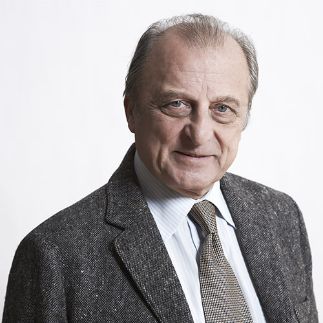 Comi Giancarlo合作论文数Department of Neurology, Scientific Institute San Raffaele;Institute Experimental Neurology, Scientific Institute San Raffaele;Vita-Salute San Raffaele University70
 Kottil Rammohan合作论文数60
 Klaus V. Toyka合作论文数Department of Neurology, University of Würzburg;Faculty of Medicine, University of Würzburg52Patrick Vermersch合作论文数48
 Peter Flachenecker合作论文数45
 Per Soelberg Sørensen合作论文数Department of Clinical Medicine, University of Copenhagen39Fernando Dangond合作论文数39
 Stuart Cook合作论文数Duke-NUS Medical School, National University of Singapore;MRC London Institute of Medical Sciences, Faculty of Medicine, Imperial College London34P. Vermersch合作论文数UMR LIRIC 995, Univ Lille33Stuart D. Cook合作论文数32
 Hans-Peter Hartung合作论文数Department of Neurology, Heinrich-Heine-University;Brain and Mind Center, University of Sydney;Medical University Vienna;Palacky University Olomouc31
 Antje Kroner合作论文数Department of Neurology, University of Würzburg25
 Mathias Buttmann合作论文数Institute of Pathology, University of Wuerzburg24
 Bernhard Hemmer合作论文数Neurologischen Klinik, Technischen Universität München;Faculty of Medicine, Technische Universität München22Christine Hicking合作论文数22Mathias Maurer合作论文数21U. K. Zettl合作论文数20Frank Weber合作论文数20R. Gold合作论文数19N Kruse合作论文数19J. Haas合作论文数17Bayas Antonios合作论文数17Wolfgang G. Elias合作论文数17
 Ludwig Kappos合作论文数Research Center for Clinical Neuroimmunology and Neuroscience Basel, University Hospital Basel;Department of Clinical Research, University of Basel17P. Chang合作论文数16Alexey N Boyko合作论文数Pirogov Russian National Research Medical University16
 Philipp Gulde合作论文数16Selmaj Krzysztof合作论文数Department of Neurology, University of Warmia and Mazury in Olsztyn16B. Kallmann合作论文数15a hamlett合作论文数15
 John H. Kehrl合作论文数Laboratory of Immunology, National Institute of Allergy and Infectious Diseases, National Institutes of Health15Uwe K. Zettl合作论文数15Steven Greenberg合作论文数Abbvie15
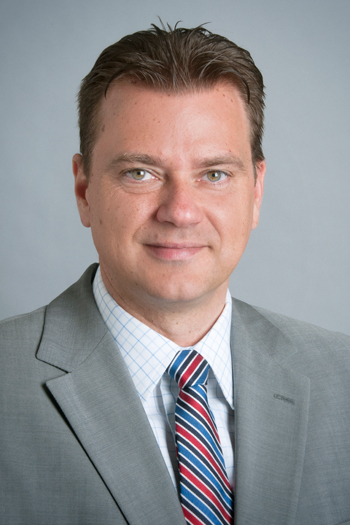 Robert Zivadinov合作论文数Department of Neurology, Jacobs School of Medicine and Biomedical Sciences, University at Buffalo, The State University of New York;Translational Imaging Center, Clinical Translational Research Center, Jacobs School of Medicine & Biomedical Sciences, University at Buffalo, The State University of New York;College of Medicine, Florida International University;Buffalo Neuroimaging Analysis Center, Jacobs Neurological Institute15Klaus Felgenhauer合作论文数14B. Musch合作论文数14Klaus Toyka合作论文数14Klemens Ruprecht合作论文数14P. Soelberg-Sorensen合作论文数13Khan O A合作论文数13
 Xavier Montalban合作论文数Multiple Sclerosis Center of Catalonia, Vall d’Hebron University Hospital;Universitat Autònoma de Barcelona13Vera Hummel合作论文数13Sebastian K Schimrigk合作论文数13
 Mark Freedman合作论文数Ottawa Hospital Research Institute;Multiple Sclerosis Research Unit, University of Ottawa;Faculty of Medicine, University of Ottawa;Multiple Sclerosis Research Unit, Ottawa Hospital12D. Pitschnau-Michel合作论文数12As Fauci合作论文数11
 Thomas Weber合作论文数Dynam Biosensors GmbH11Freidel Matthias合作论文数11




