The lung allocation scoring (LAS) system favors transplantation of very sick lung recipients. Some of these patients will be very ill from their lung disease but have preserved functional reserve. In all probability, they will do well after high risk lung transplantation. However, there appears to be a cohort of these very sick patients who are so chronically debilitated that they will invariably have a poor long-term functional outcome, even if they survive transplant. The goal of this study is to identify these debilitated patients who may be ill-served by lung transplantation. We sought to identify new multivariate predictors of debilitation--a "debilitation index" that will aid clinicians in selecting lung transplant recipients.
Several studies have suggested an increased risk for developing humoral sensitization in left ventricular assist device (LVAD) recipients. This risk ranges from 14.4% (HeartMate) to 21.9% (Thoratec). The purpose of this study was to determine the single-center incidence of humoral sensitization in patients implanted with the CardioWest Total Artificial Heart (CWTAH-t).
Bridge to transplant is a well-known strategy to enable patients with congestive heart failure to live until transplant. A 15-year-old boy with Beckers' muscular dystrophy and cardiomyopathy was accepted for heart transplantation. He suffered a cardiac arrest and was placed on extracorporeal membrane oxygenator. A paracorporeal biventricular assist device and a total artificial heart were considered for bridge to transplant. A CardioWest total artificial heart was chosen because of the patient's size. Multiple left ventricular thrombi were identified at the time of the ventriculectomy. The patient did well with the total artificial heart was transplanted and discharged home. The unknown presence of significant left ventricular thrombi raises the question of outcome with a paracorporeal ventricular assist device.
A pro-inflammatory, hypercoaguable state ensues following implantation of a mechanical circulatory assist device, placing patients at risk for thromboembolic complications including stroke (CVA). To reduce the risk for CVA following implantation of the CardioWest total artificial heart (CWTAH), we use multi-system monitoring (MSM) incorporating several coagulation tests to individualize a multi-drug regimen (MDR) consisting of heparin with conversion to warfarin, plus aspirin, dipyridamole and pentoxifylline. This study describes the CVA outcomes at the University of Arizona following implantation of the CWTAH as a bridge to cardiac transplantation.
Background: Bridge to transplantation (BTT) is an accepted option when a donor heart is not available. Extensive clinical study has been done with BTT in the adult population, but comparatively fewer data are available in the pediatric population with regard to pulsatile devices.Methods: Ten pediatric patients are presented, all of whom underwent BTT or recovery with pneumatic paracorporeal systems. The Berlin Heart bi-ventricular assist device (BVAD) was utilized in I patient, the Medos VAD in 4 patients (1 left ventricular assist device [LVAD]; 3 BVADs) and the Thoratec VAD in 5 patients (3 BVADs, 2 LVADs). The pediatric population consisted, of 3 females and 7 males. Mean age of the population was 7.4 years, weight 25 kg and body surface area (BSA) 0.88 m(2). Etiology for he-art failure consisted of 4 viral, 3 congenital and 3 idiopathic cardiomyopathies. Before implant, all patients had evidence of progressive cardiac failure despite inotropic support and 2 patients had been on extracorporeal membrane oxygenation (ECMO). Mean duration on the device was 34.3 days (8 to 107 days).Results: Two patients suffered stroke And recovered without sequelae. Two patients died of ischemic stroke and 1 of sepsis. Seven patients survived (6 transplanted and 1 weaned) for a survival rate of 70% compared with survival for ECMO as BTT, which was 40% to 50%. All survivors had complications related to bleeding, thromboembolic events and infections.Conclusions: The Thoratec VAD can be placed in small patients with large hearts that can accommodate the available cannulas. The Berlin Heart and the Medos VAD have a selection of ventricles with small stroke volumes. All 3 systems can be used successfully in the pediatric population as BTT with better survival than with ECMO. J Heart Lung Transplant 2006;25:16-21. Copyright (c) 2006 by the International Society for Heart and Lung Transplantation.
BACKGROUND:The CardioWest Total Artificial Heart orthotopically replaces both native cardiac ventricles and all cardiac valves, thus eliminating problems commonly seen in the bridge to transplantation with left ventricular and biventricular assist devices, such as right heart failure, valvular regurgitation, cardiac arrhythmias, ventricular clots, intraventricular communications, and low blood flows.METHODS:We conducted a nonrandomized, prospective study in five centers with the use of historical controls. The purpose was to assess the safety and efficacy of the CardioWest Total Artificial Heart in transplant-eligible patients at risk for imminent death from irreversible biventricular cardiac failure. The primary end points included the rates of survival to heart transplantation and of survival after transplantation.RESULTS:Eighty-one patients received the artificial-heart device. The rate of survival to transplantation was 79 percent (95 percent confidence interval, 68 to 87 percent). Of the 35 control patients who met the same entry criteria but did not receive the artificial heart, 46 percent survived to transplantation (P<0.001). Overall, the one-year survival rate among the patients who received the artificial heart was 70 percent, as compared with 31 percent among the controls (P<0.001). One-year and five-year survival rates after transplantation among patients who had received a total artificial heart as a bridge to transplantation were 86 and 64 percent.CONCLUSIONS:Implantation of the total artificial heart improved the rate of survival to cardiac transplantation and survival after transplantation. This device prevents death in critically ill patients who have irreversible biventricular failure and are candidates for cardiac transplantation.
A description of successful management of a patient who developed an empyema as a postoperative complication following the insertion of a CardioWest total artificial heart (TAH) as a bridge to cardiac transplantation is presented. By using traditional methods of management, the patient recovered and went on to transplant.
Nolan, P E; Arabia, F A; Smith, R G; Sethi, G K; Bose, R K; Tsau, P H; Banchy, M E; Woolley, D S; Rhenman, B E; McCarthy, M S; Copeland, J G Author Information
Patients who are bridged-to-transplantation with mechanical support have a high incidence of pretransplant sensitization defined by panel reactive antibody (PRA) titers greater than 10. Risk factors for positive PRA in patients with assist devices were investigated. From 1993 to 1997, 17 patients underwent implant surgery with CardioWest C-70 total artificial hearts (TAHs; CardioWest Technologies, Inc., Tucson, AZ), and 13 with Novacor left ventricular assist systems (LVASs; Baxter Healthcare, Novacor Division, Oakland, CA) for bridge-to-transplantation at this institution. Two patients died during implantation of the assist devices. Of the remaining 28 patients, four (14%) were women (3 with TAHs and 1 with an LVAS). All four women (100%) had a positive PRA, whereas only two of the 24 men (8%) had positive PRA (p < 0.0001). The transfusion histories of these patients were reviewed. Using chi-squared analysis (alpha = 0.05), the PRA levels were independent of transfusion of packed red blood cells and fresh frozen plasma. There was an association, however, between platelet transfusions and PRA levels. The times on device awaiting cardiac transplantation were also compared between the PRA positive and PRA negative groups. The average time to transplantation for PRA positive patients was 116 days, whereas the average waiting time for the PRA negative patients was 55 days (p = 0.05). Based on these data, a female patient with consistently positive PRA (93%) after TAH implantation underwent a transplant on post implant day 25 despite a positive lymphocytotoxic crossmatch with the donor. She was treated with plasmapheresis during cardiopulmonary bypass at the time of transplantation, and with four further treatments post transplant. As of this writing, she is alive and well on our standard triple immunotherapy. Therefore, women who are bridged-to-transplantation with assist devices are at risk for positive PRA. It is recommended that patients who are bridged-to-transplantation with assist devices and have high PRA levels be treated with perioperative plasmapheresis. With this aggressive approach, it may no longer be necessary to keep patients on mechanical support for prolonged periods, but possible to perform transplants as soon as suitable donors become available.
A 46-year-old female patient was supported for 185 days with a total artificial heart, underwent successful transplantation, and survived for over 1 year with no clinical residual findings suggestive of embolic events. Daily observation, analysis of a large battery of coagulation tests, and eight serial computed tomographic scans suggest that she had 12 embolic events while receiving mechanical support. Furthermore, it appears that the events were associated temporally with several mild infections and that coagulation was stimulated several days to 1 week before we detected the events.
 Jack G. Copeland合作论文数12
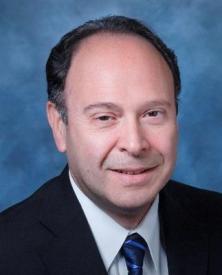 Francisco A. Arabía合作论文数Banner University Medical Group11Gk Sethi合作论文数10P E Nolan合作论文数8Rg Smith合作论文数8RK Bose合作论文数7
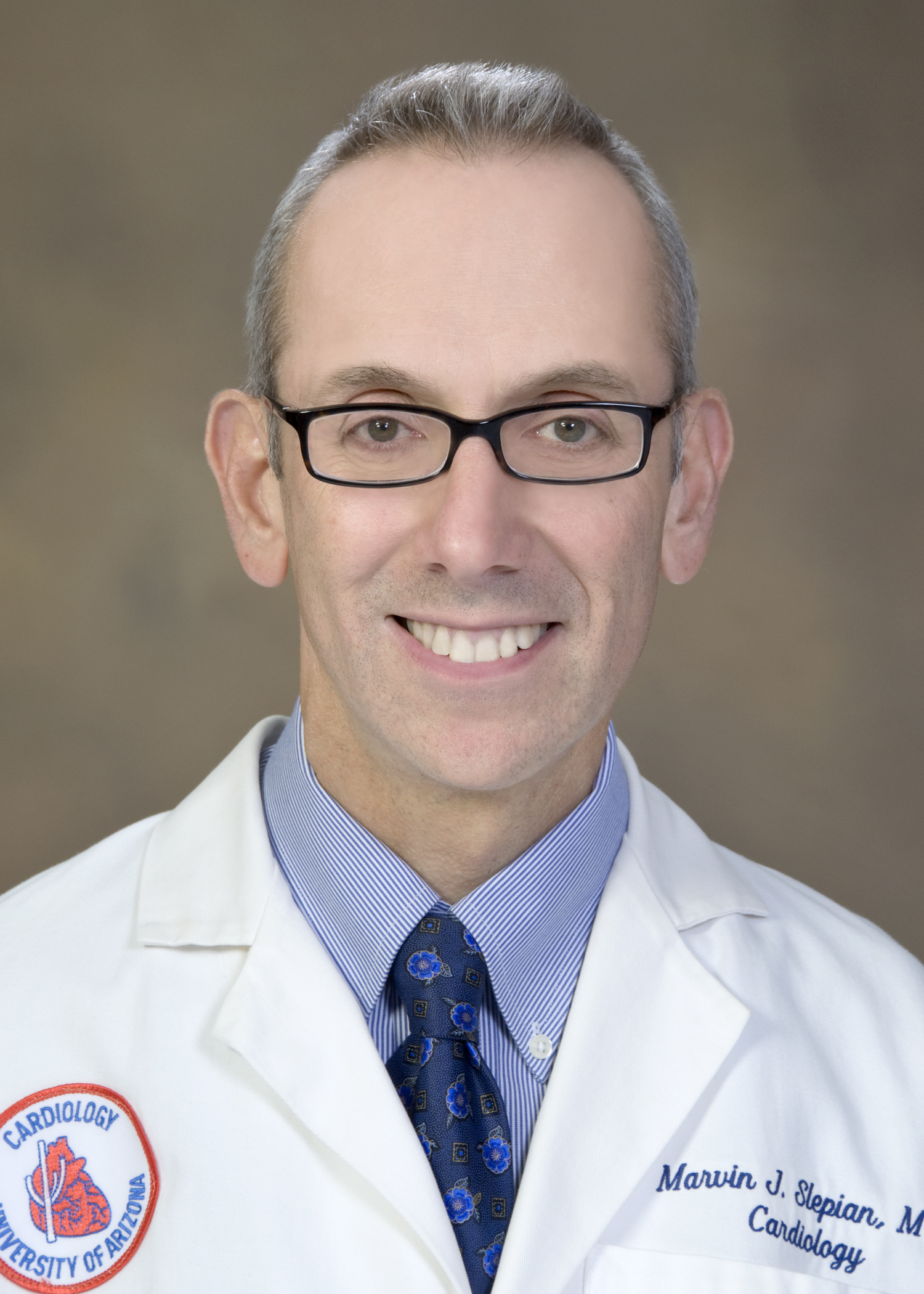 Marvin Slepian合作论文数Department of BioMedical Engineering, College of Engineering, University of Arizona;Department of Medicine, College of Medicine, University of Arizona5D S Woolley合作论文数5B E Rhenman合作论文数4Paramesh V合作论文数3Douglas Mcclellan合作论文数3Mary C. Smith合作论文数Department of Dermatology, University Hospitals Case Medical Center2M S McCarthy合作论文数2B Foy合作论文数1ME Banchy合作论文数1B Toporoff合作论文数1Covington D合作论文数1
 Michael J Moulton合作论文数1Smith Richard合作论文数1
 Robert L. Kormos合作论文数McGowan Institute for Regenerative Medicine, University of Pittsburgh;University of Pittsburgh Medical Center;Abbott1Polito William F合作论文数1D Doty合作论文数1S. R. Knoper合作论文数1
 Alfred J. Tector合作论文数DeWitt Daughtry Family Department of Surgery, Miller School of Medicine, University of Miami1M E Banchy合作论文数1Junbiao Long合作论文数1
 Sahil Bansal合作论文数Department of Civil Engineering, Indian Institute of Technology Delhi1




