Background. Children are removed from the liver transplant waitlist because of death or progressive illness. Size mismatch accounts for 30% of organ refusal. This study aimed to demonstrate that 3-dimensional (3D) technology is a feasible and accurate adjunct to organ allocation and living donor selection process. Methods. This prospective multicenter study included pediatric liver transplant candidates and living donors from January 2020 to February 2023. Patient-specific, 3D-printed liver models were used for anatomic planning, real-time evaluation during organ procurement, and surgical navigation. The primary outcome was to determine model accuracy. The secondary outcome was to determine the impact of outcomes in living donor hepatectomy. Study groups were analyzed using propensity score matching with a retrospective cohort. Results. Twenty-eight recipients were included. The median percentage error was –0.6% for 3D models and had the highest correlation to the actual liver explant (Pearson’s R = 0.96, P < 0.001) compared with other volume calculation methods. Patient and graft survival were comparable. From 41 living donors, the median percentage error of the allograft was 12.4%. The donor-matched study group had lower central line utilization (21.4% versus 75%, P = 0.045), shorter length of stay (4 versus 7 d, P = 0.003), and lower mean comprehensive complication index (3 versus 21, P = 0.014). Conclusions. Three-dimensional volume is highly correlated with actual liver explant volume and may vary across different allografts for living donation. The addition of 3D-printed liver models during the transplant evaluation and organ procurement process is a feasible and safe adjunct to the perioperative decision-making process.
Introduction: COVID-19 pandemic impacted organ transplantation in the United States. Organs from COVID-19 positive donors had a higher nonrecovery rate. In addition, kidney organs from COVID-19 positive donors had a higher post-procurement discard rate when compared to COVID-19 negative donors. The aim to this study is to report the experience in utilization organs from COVID-19 positive donors. Methods: Retrospective review of all donors with history of COVID-19 positive from March 2021 and December 2021 in a single institution. Donors were classified in two groups: early window (<10 days of their first positive test) and late window (>21 days of their first positive test). Primary endpoint was pulmonary complications (ie, pulmonary embolism, and pneumonia) in the recipients within 30 days after transplantation. Secondary endpoints were graft and patient survival. Results: A total of 50 organs from COVID-19 positive donors were recovered (34 kidneys, 11 livers and 5 hearts) in the region. Of these, 17 organs (13 kidney and 4 livers) from 10 COVID-19 positive donors were allocated to our institution. Seven donors were male (70%), median age was 29 (IQR 22-55) years old. Five grafts were from donation after circulatory death (DCD, 50%), with a median warm ischemia time of 19 minutes (IQR: 19-20). Four donors (40%) were hospitalized due to COVID-19 infection, while the remainder tested incidentally positive during the donor workup. The median time of first COVID-19 positive test to procurement date was 5 (IQR 3.3-24.8) days. Six donors were classified as early window and four donors were classified as late window. Of the former, three remained with a positive COVID PCR test with cycle threshold values ranging from 35-38.1 at the time of procurement. Donors (25 vs 60 years, p=0.068) and recipients (44 vs 65 years, p=0.008) were younger, and a lower rate of DCD (1 vs 4, p=0.053) was observed in the early window group. Peak creatinine (1.2 vs 1, p=0.7) and total bilirubin (0.7 vs 1, p=0.7) were similar between groups, and graft terminal median creatinine and median total bilirubin was 0.9 (IQR 0.8-1) mg/dL and 0.4 (IQR 0.3-0.6) mg/dL, respectively for both groups. Overall, 13/17 recipients were males, with a median age of 50 years old (IQR: 43-63). Median waitlist times were 1165 days (IQR: 572-1520), and 342.5 days (IQR: 284-398) for kidney and liver recipients, respectively. The length of stay was 4 (IQR 3-4) and 9 days (IQR 8-11) for kidney and liver recipients with no pulmonary complications recorded. Median follow up time was 3 (IQR 2-5) months, and no graft loss or patient death was recorded. Conclusion: COVID-positive donors in solid organ transplantation appear to have minimal risk for post-transplant complications in the short-term. Donors having a COVID-19 positive test with a high threshold can be recommended depending on the recipient’s risk for wait list mortality.
Introduction: The Paired Transplant Center Program is a TTS/ILTS initiative to expand worldwide surgical capacity of Liver Transplantation (LT). Hepatocellular carcinoma, HBV and HCV rates in Mongolia are among the highest in the world, for this reason, it is imperative to increase surgical capacity in this region. Our LT team (Supporting Center - SC) and our counterparts in Mongolia (Emerging Center - EC) through collaborations in a university-based academic Center for Global Surgery were accepted for the Paired Transplant Centers Program award in 2020. We aim to report on the academic and clinical advancements of our alliance. Methods: This is a descriptive study to report the first 2 years of our partnership; We have organized online multidisciplinary lectures of selected LT topics with speakers from SC, EC, and international LT leaders. LT and related clinical protocols and guidelines are discussed during these meetings, allowing bilateral knowledge exchange. Research sessions include group review of abstracts and manuscripts from both teams. We also surveyed the participants of our group to obtain feedback about our past collaborations and future expectations of our projects. Results: Our group consists of a multidisciplinary team of 30 participants (SC=17, EC=13). We had 27 lectures on diverse LT topics, and we participated in over 14 LT international meetings including ILTS and TTS. We have submitted 2 manuscripts, presented 4 abstracts and received support to sponsor 1 research scholar. We reviewed and discussed bilateral protocols on immunosuppression, donor selection and follow-up, biliary complications, COVID-19 vaccination and perioperative care. Twenty-two (73% response rate) participants of our group answered the survey, 77% agrees that the TTS/ILTS Paired Transplant Center Program has contributed to their academic growth by providing new ideas for quality improvement and research projects, 68% agree that the collaboration has increased their knowledge in transplant and help them provide better care for their patients 72%, 81% think they would benefit from discussing pediatric transplantation topics and clinical cases and 26% and 66% respectively see language/translation and other clinical and academic duties as a challenge for our meetings. Conclusion: Our results show that it is feasible to have clinical and academic advancements through online efforts that ultimately impact bilateral patient care. Partnering with ECs and participating together in international studies helps expand their network for further independent collaborations. COVID-19 has limited in-person collaborations; however, telehealth platforms have been a useful and affordable tool for international collaboration among LT centers around the world.
Introduction: In the United States, 30% of donation after circulatory death (DCD) grafts are discarded for liver transplantation (LT). DCD grafts can mitigate liver organ shortage but is underused due to the believe of poor outcomes in graft and patient survival. Recent studies have shown comparable outcomes to donation after brain death (DBD). The aim of this study is to review our experience with the use of DCD grafts. Methods: Retrospective single center study, whole grafts transplanted between January 2014 and December 2021 were included. Propensity score match was done using recipient age, recipient gender, MELD score, wait time, number of previous LT, cold ischemia time, year of LT and surgeon as cofounders. Multivariate Cox-regression models were created with significant variables in the univariate analysis. Finally, Kaplan-Meier curves with log-rank test were performed. Results: A total of 63 DCD and 148 DBD grafts were included. The patients were predominantly males (59.2%), median age was 58 (IQR 49-65), the most common reason for transplantation was alcoholic cirrhosis (20.4%) and were listed for their first LT (95.7%). Number of transplants (HR:15.39, 95%CI: 3.56-66.49, p < 0.001) and BMI (HR:1.1, 95%CI: 1.01-1.2, p = 0.03) were associated to graft loss. DCD was not associated with graft (HR:0.47, 95%CI: 0.14-1.58, p = 0.2) or patient (HR:0.33, 95%CI: 0.08-1.42, p = 0.1) survival. Graft (92.9% DBD vs 96.8% DCD, p = 0.2) and patient (93.6% DBD vs 100% DCD, p = 0.1) 2-year survival were similar. Conclusion: When matching different cofounders, the use of DCD grafts has comparable outcomes to those DBD grafts.
 Ivan Zendejas合作论文数7
 Manuel Rodriguez-Davalos合作论文数6
 Diane Alonso合作论文数6Alan G. Contreras合作论文数6Shiro Fujita合作论文数5
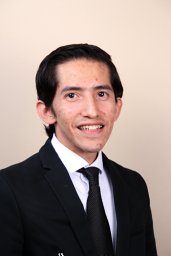 Jorge Sanchez-Garcia合作论文数Abdominal Transplant Services, Intermountain Medical Center5
 Jean F Botha合作论文数University of Nebraska;Univesity of Nebraska;University of Nebraska, Univesity of Nebraska3
 Richard Gilroy合作论文数3Becca Welch合作论文数2Abigail Ha合作论文数2Camron Dovalina合作论文数2Alexandria Tran合作论文数2Fidel López-Verdugo合作论文数2
 Sergelen Orgoi合作论文数1Rami Shorti合作论文数1Jonathan Nellermoe合作论文数1Angel Flores-Huidobro Martinez合作论文数1Akanksha Mishra合作论文数1Andrew Gagnon合作论文数1Jake Krong合作论文数1Zachary J Kastenberg合作论文数1Shannon Walters合作论文数1
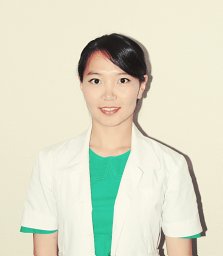 Sarnai Erdene合作论文数Surg, Mongolian Natl Univ1Danford Christopher J合作论文数1
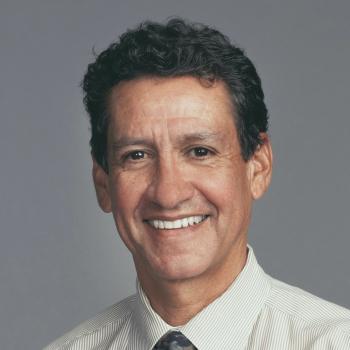 Carlos O. Esquivel合作论文数Division of Gastroenterology, Hepatology, and Nutrition, Department of Podiatric, School of Medicine, Stanford University;Department of Surgery, School of Medicine, Stanford University1Raymond R. Price合作论文数1
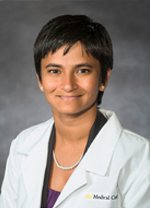 Sudha Jayaraman合作论文数Department of Surgery;University of California San Francisco;Department of Accident and Emergency;Mulago Hospital, Makerere University;Department of Medicine;Brigham and Women ' s Hospital;University of California San Francisco, Makerere University1




